Historic house · Frankfort, KY
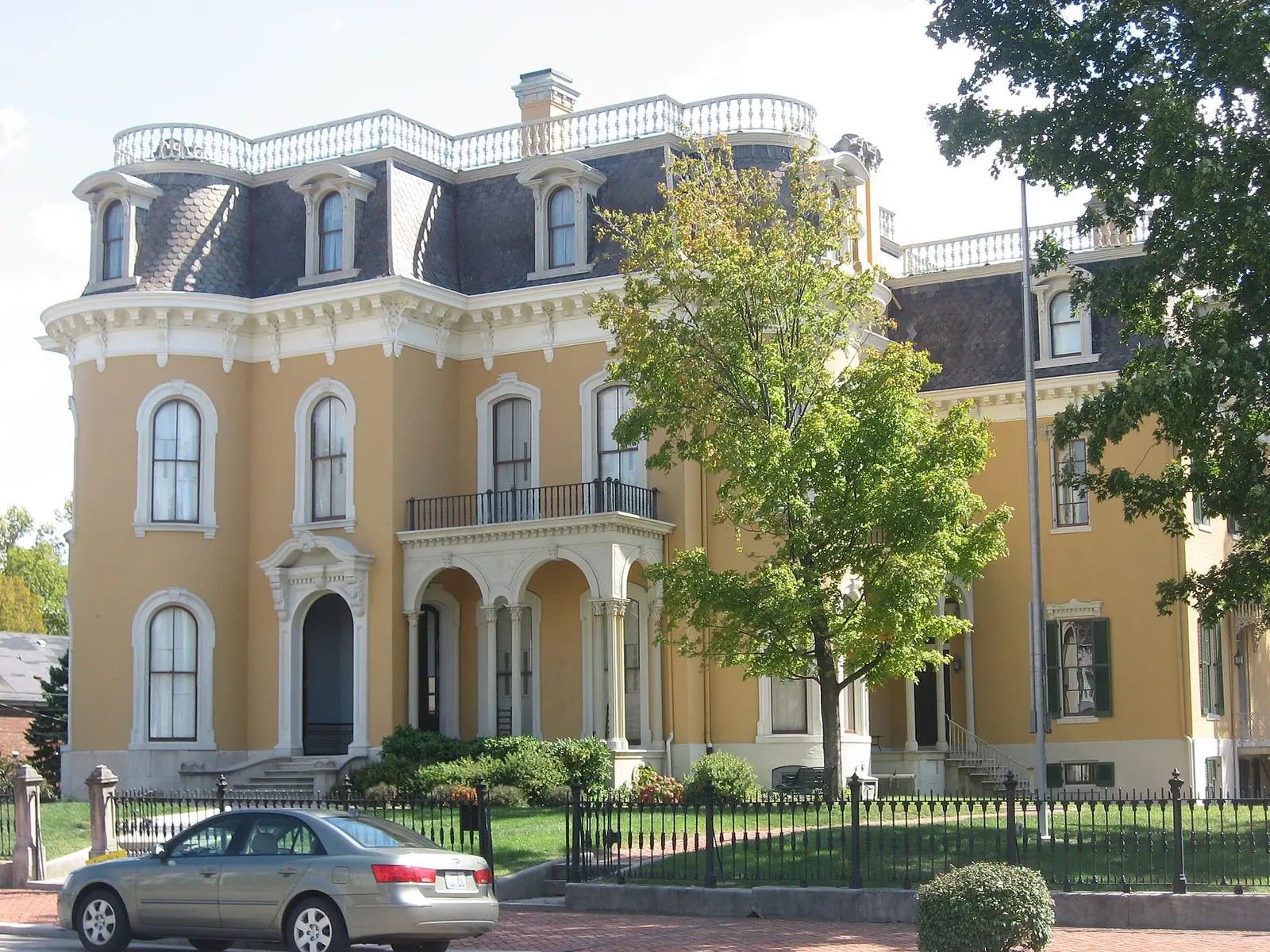
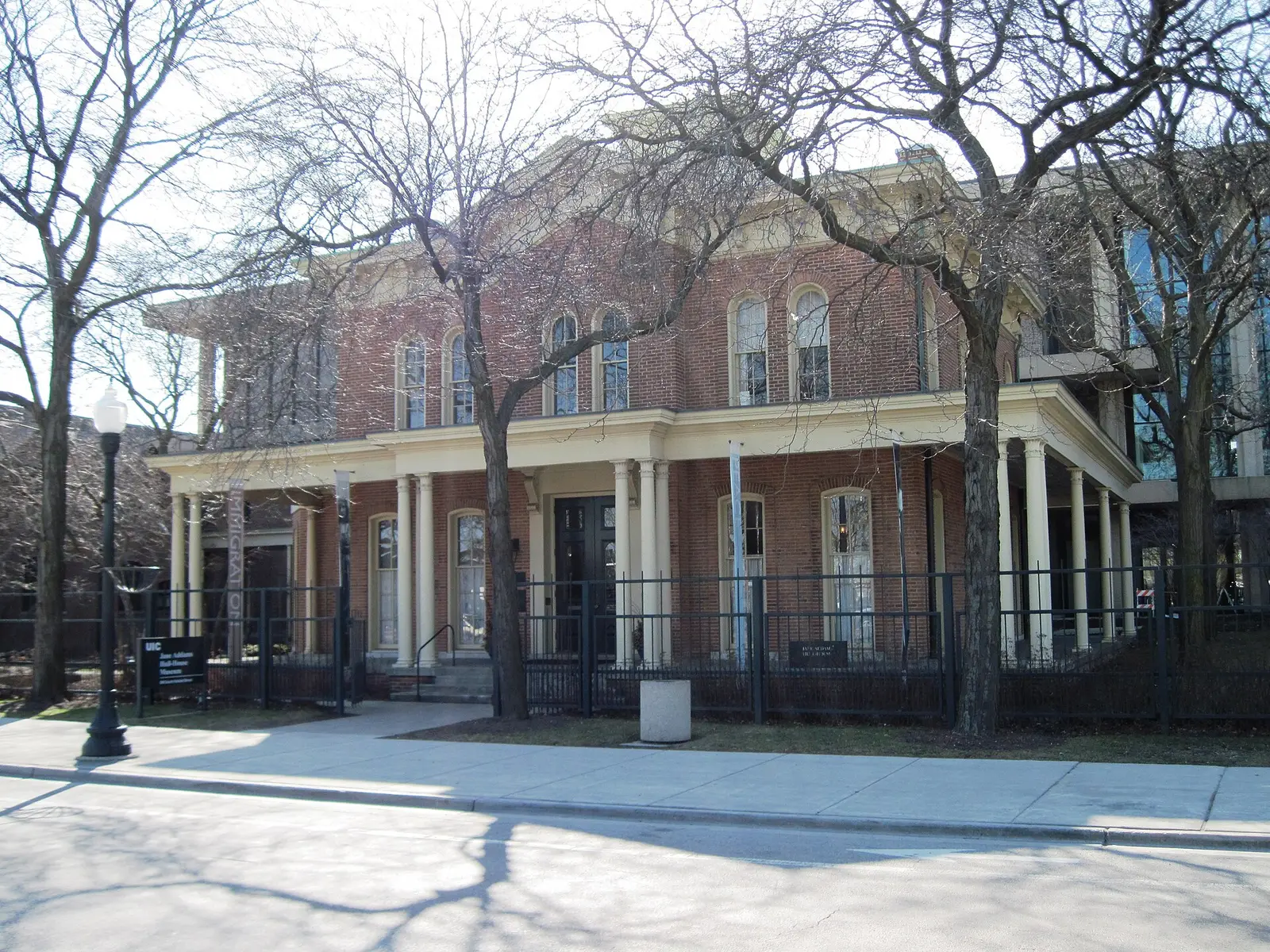
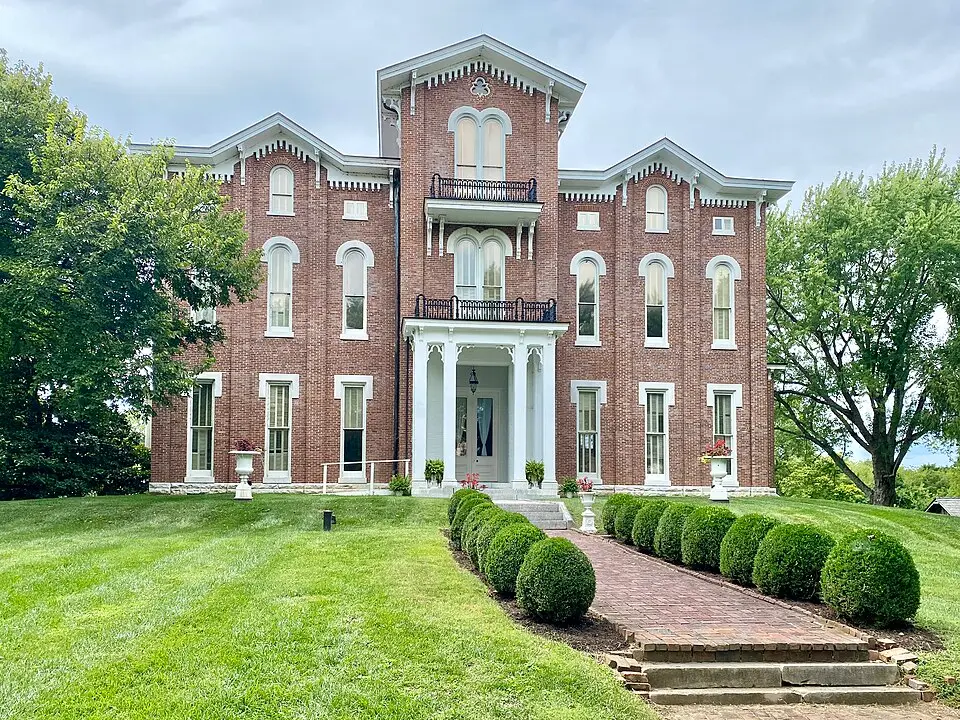
Liberty Hall Historic Site
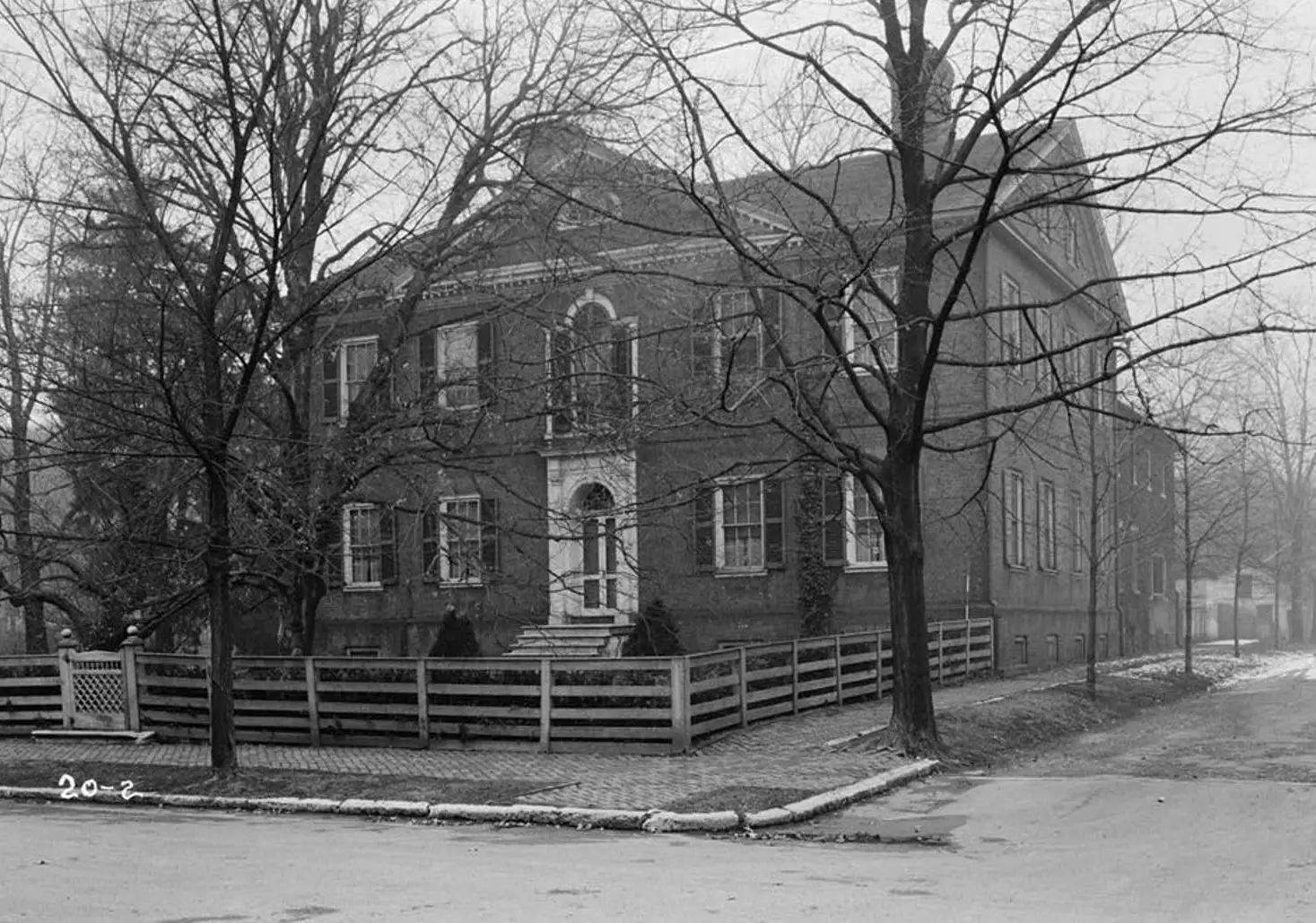
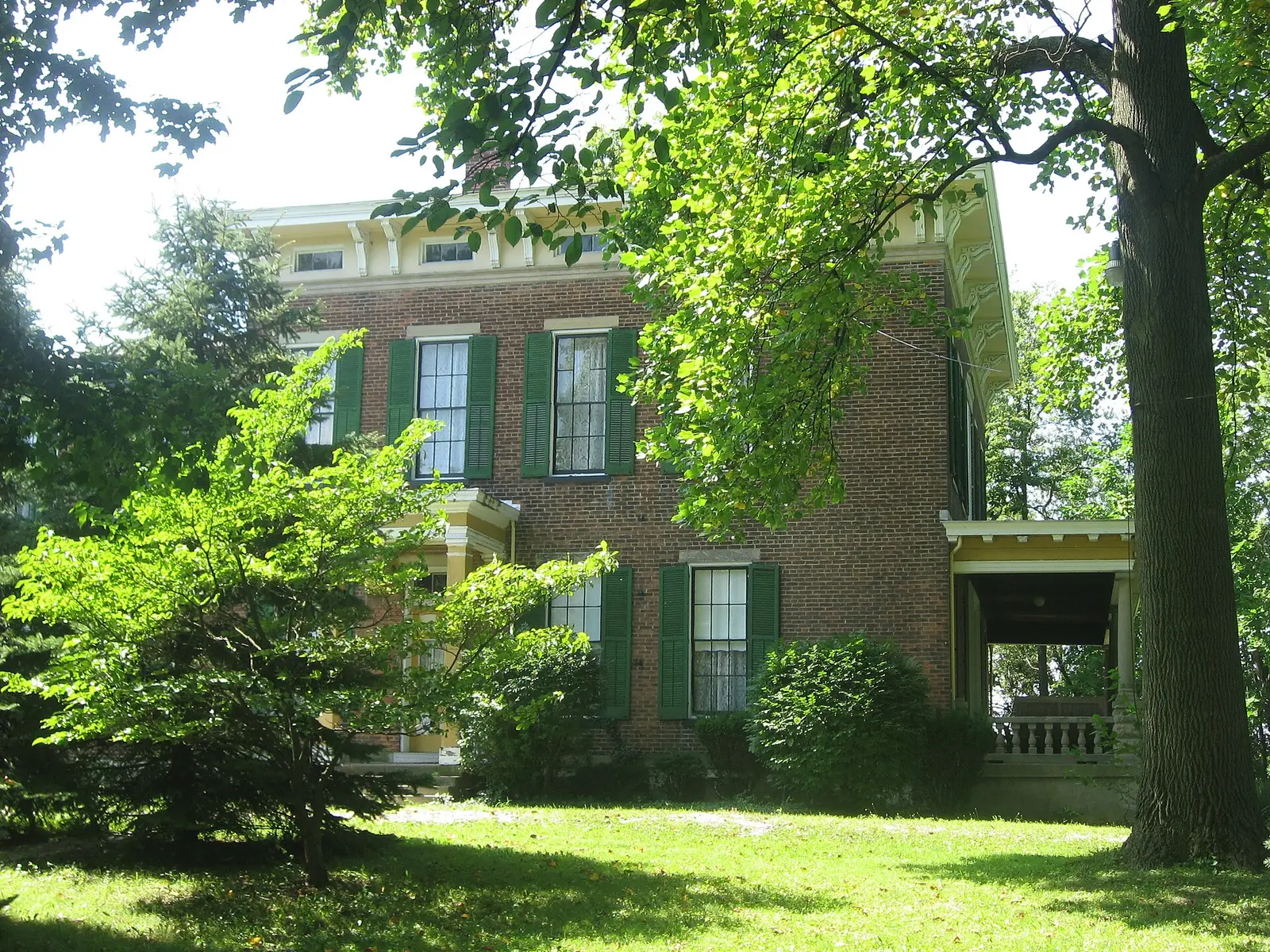
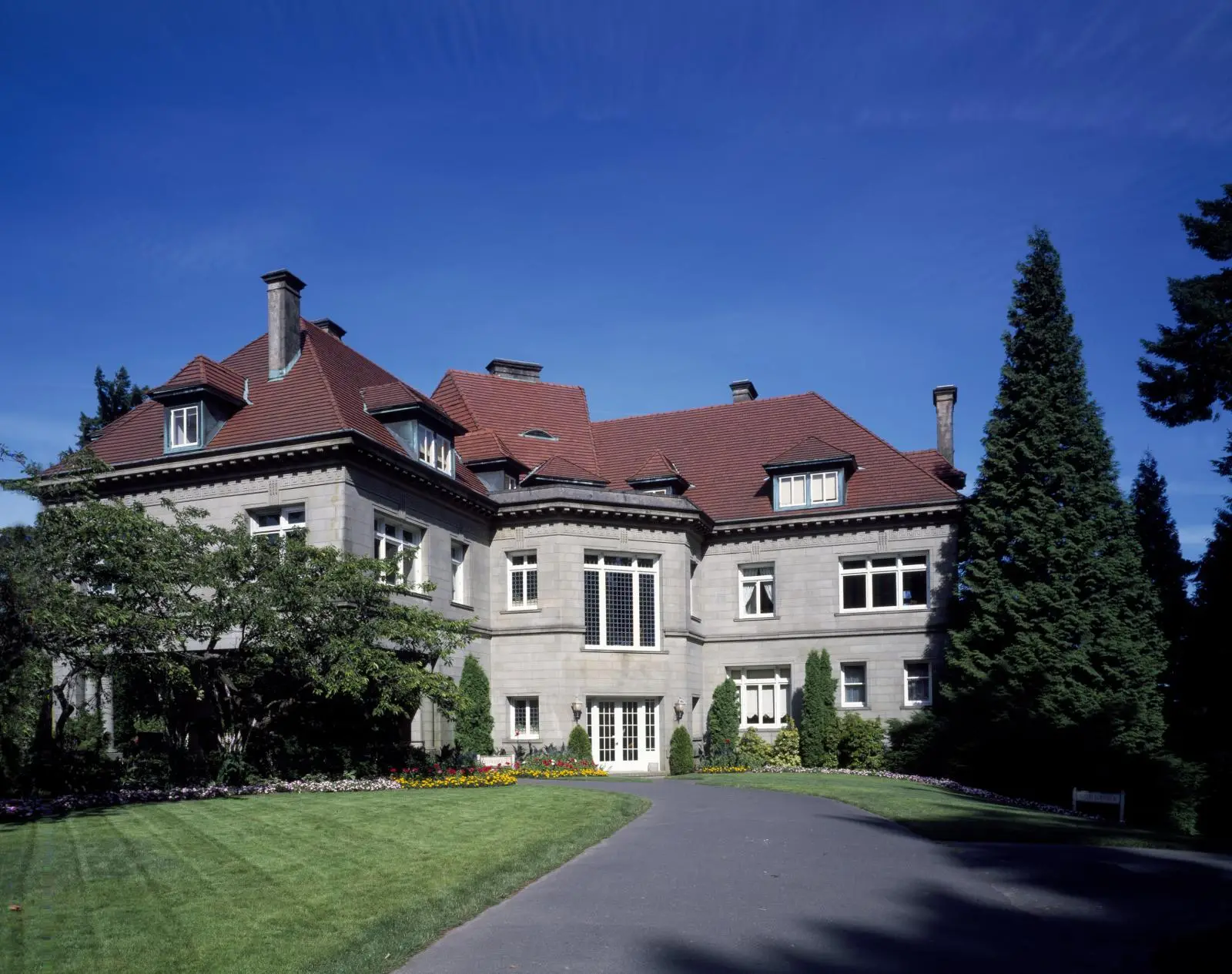
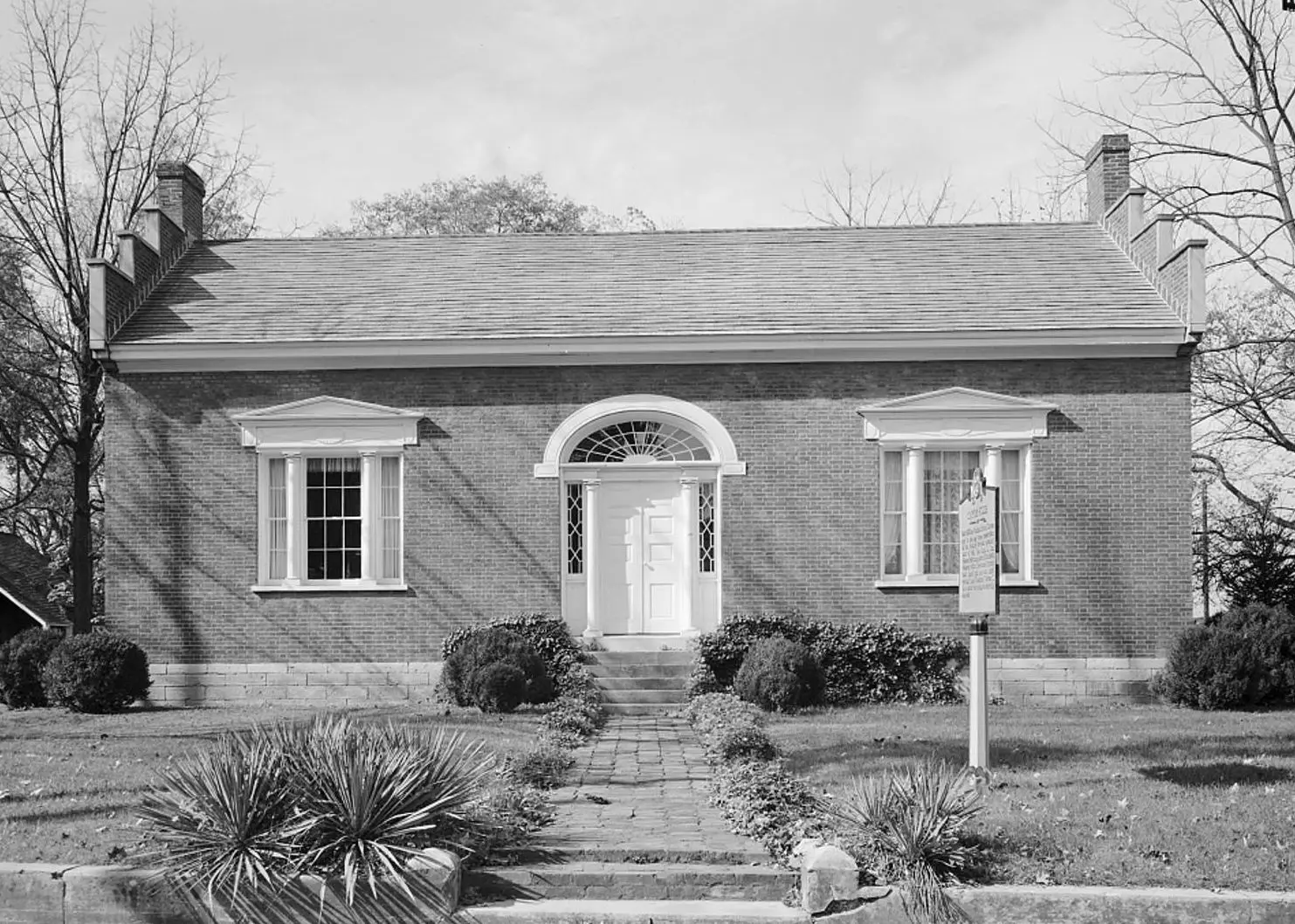
Liberty Hall in Frankfort is the Federal-style home Senator John Brown built from 1796, now a museum.
Well DocumentedTours only
5 reported accounts · 9 sources
Researched historic houses and mansions, the stories told about them and the accounts behind those stories, from across the United States.
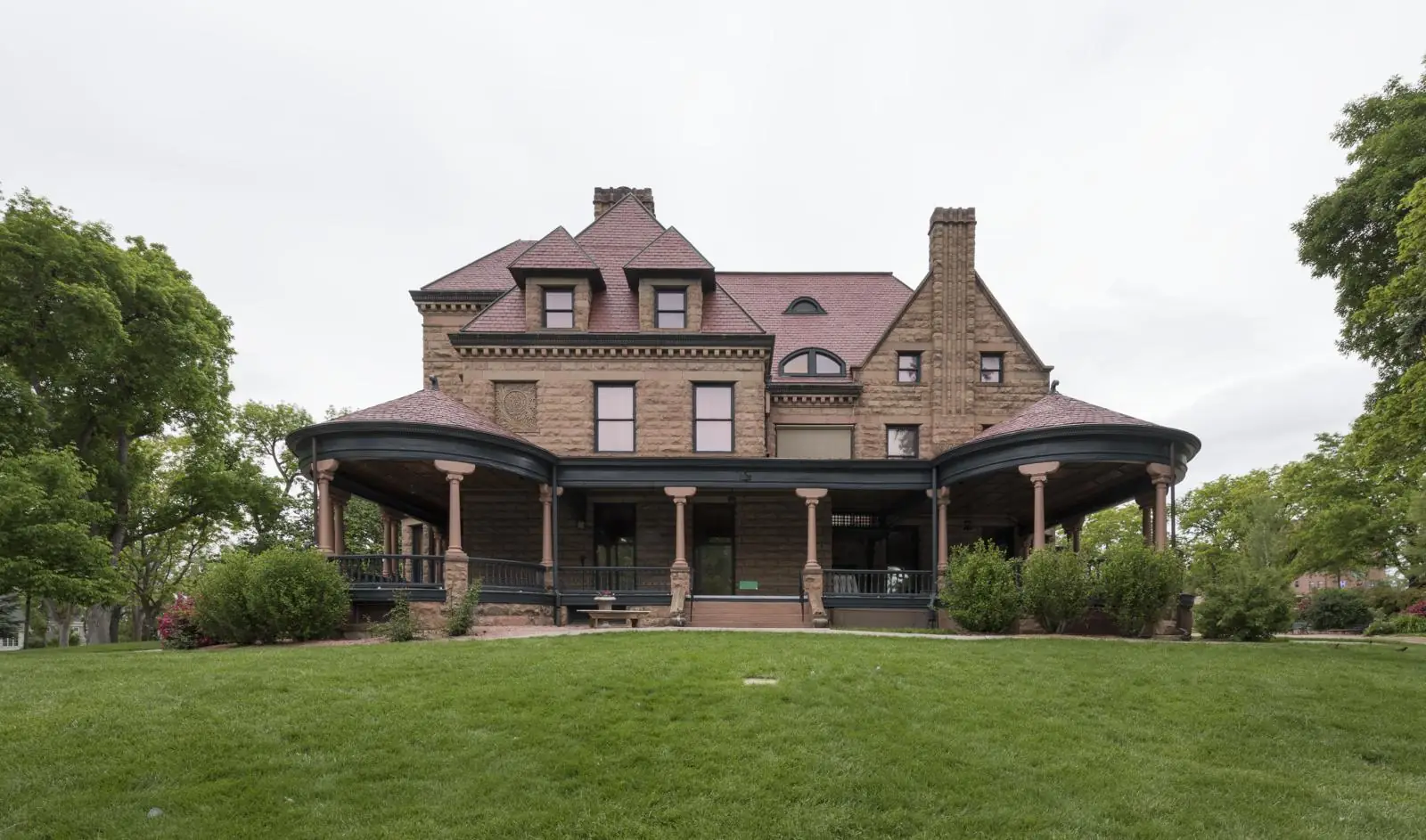
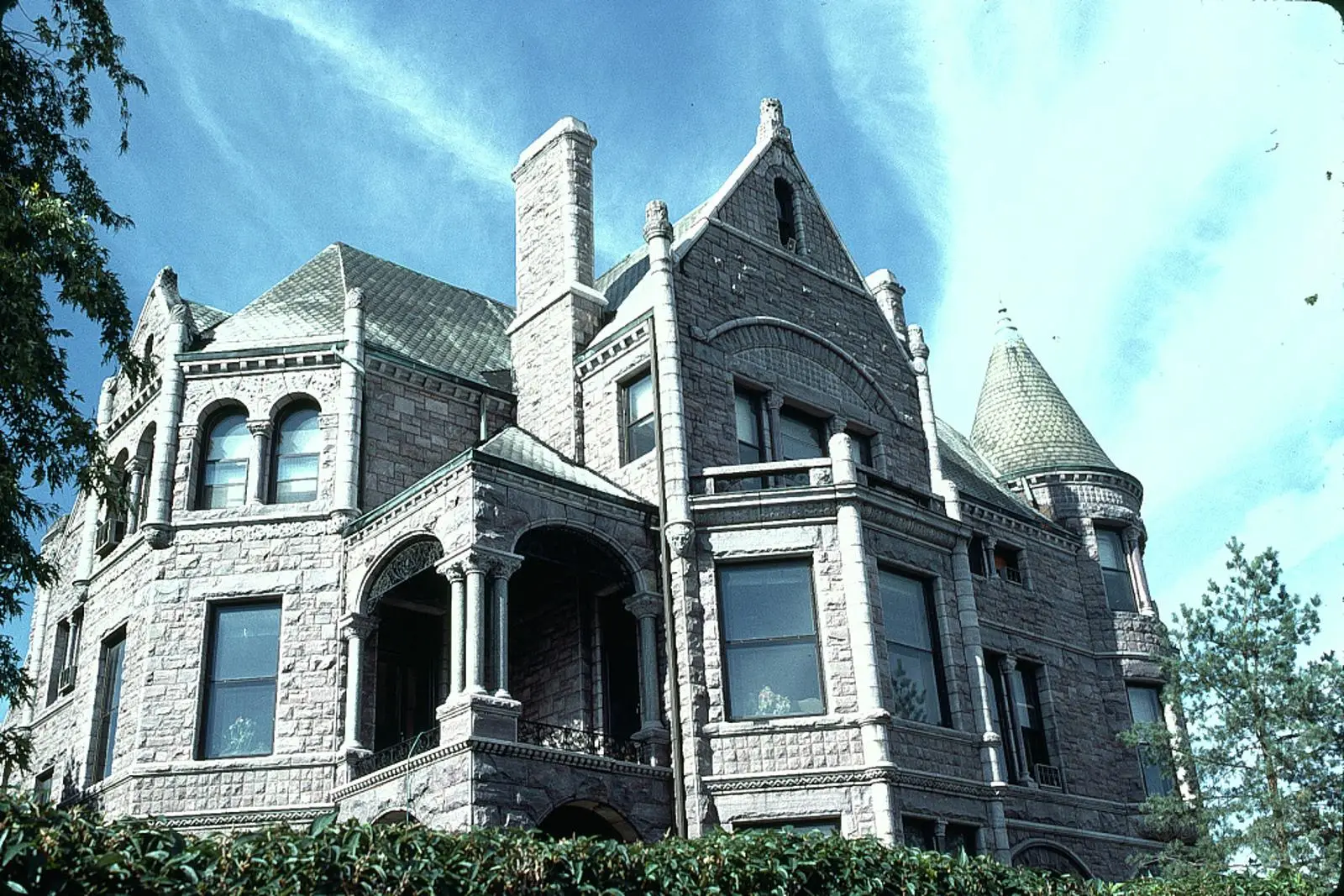
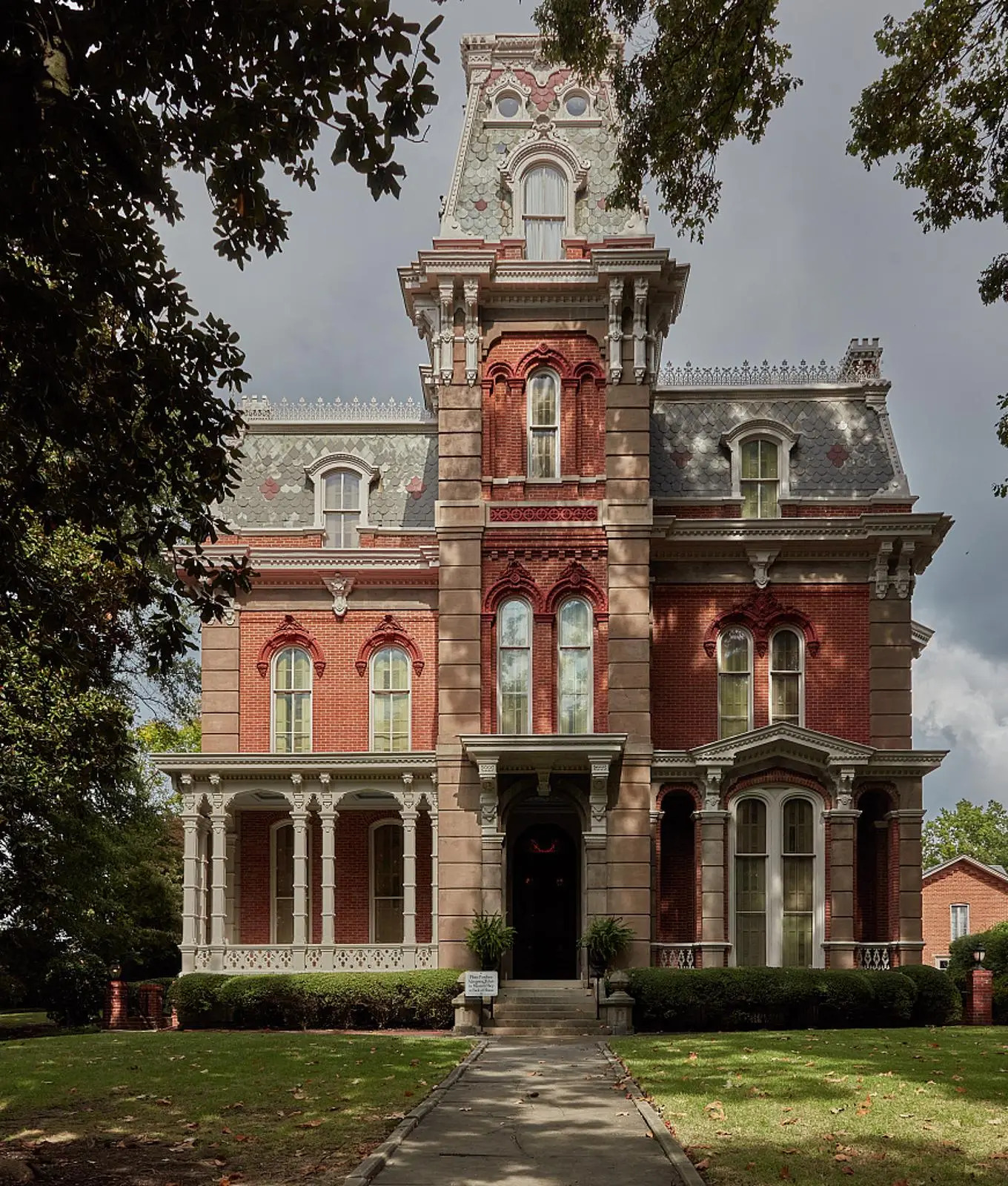
Photo: Rosemont Mansion, Pueblo, Colorado, Carol M. Highsmith, Library of Congress
31 of the 48 historic houses and mansions we have researched have at least one traceable published or first-hand account of an experience (2 well documented). The other 17 rest on legend, retellings or unnamed reports so far.
We rate the reports, not the ghosts.
Our ratings assess the source and traceability of the accounts, not whether a place is genuinely haunted. How we rate
Historic house · Frankfort, KY
Liberty Hall in Frankfort is the Federal-style home Senator John Brown built from 1796, now a museum.
5 reported accounts · 9 sources
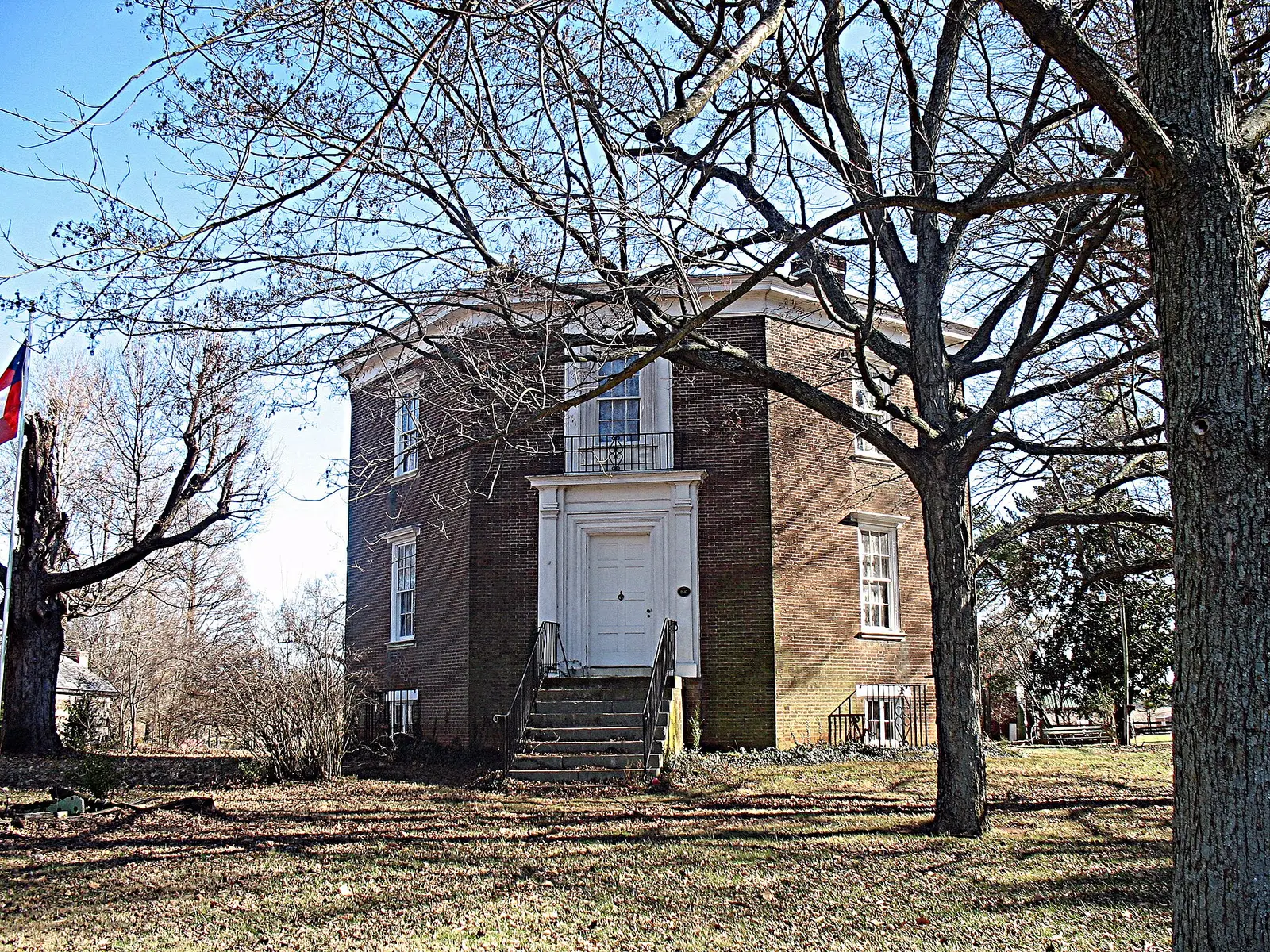
Historic house · Franklin, KY
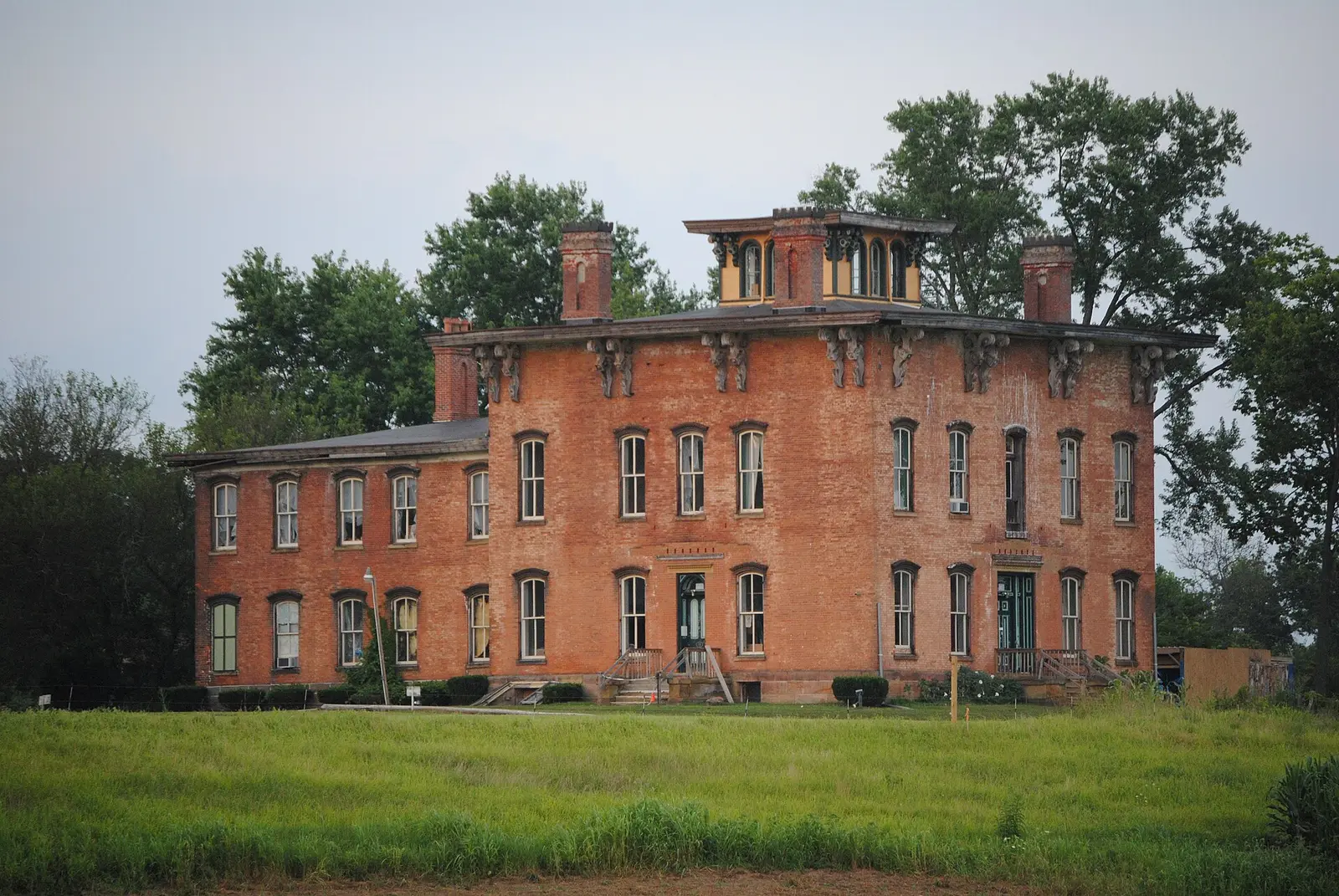
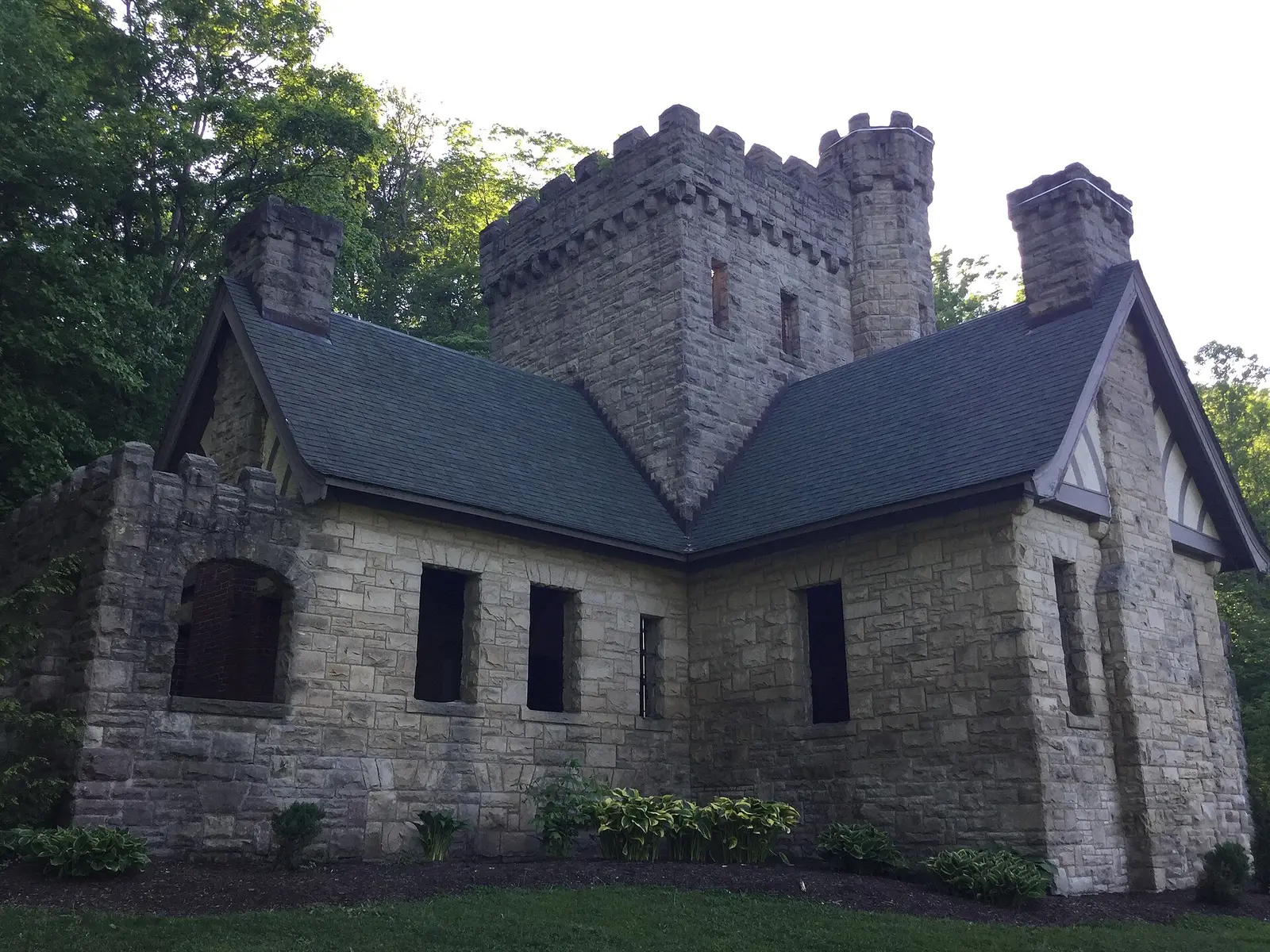
Octagon Hall is a rare eight-sided brick house north of Franklin, Kentucky, built in the mid-19th century by Andrew Jackson Caldwell with the labor of people he enslaved.
3 reported accounts · 10 sources
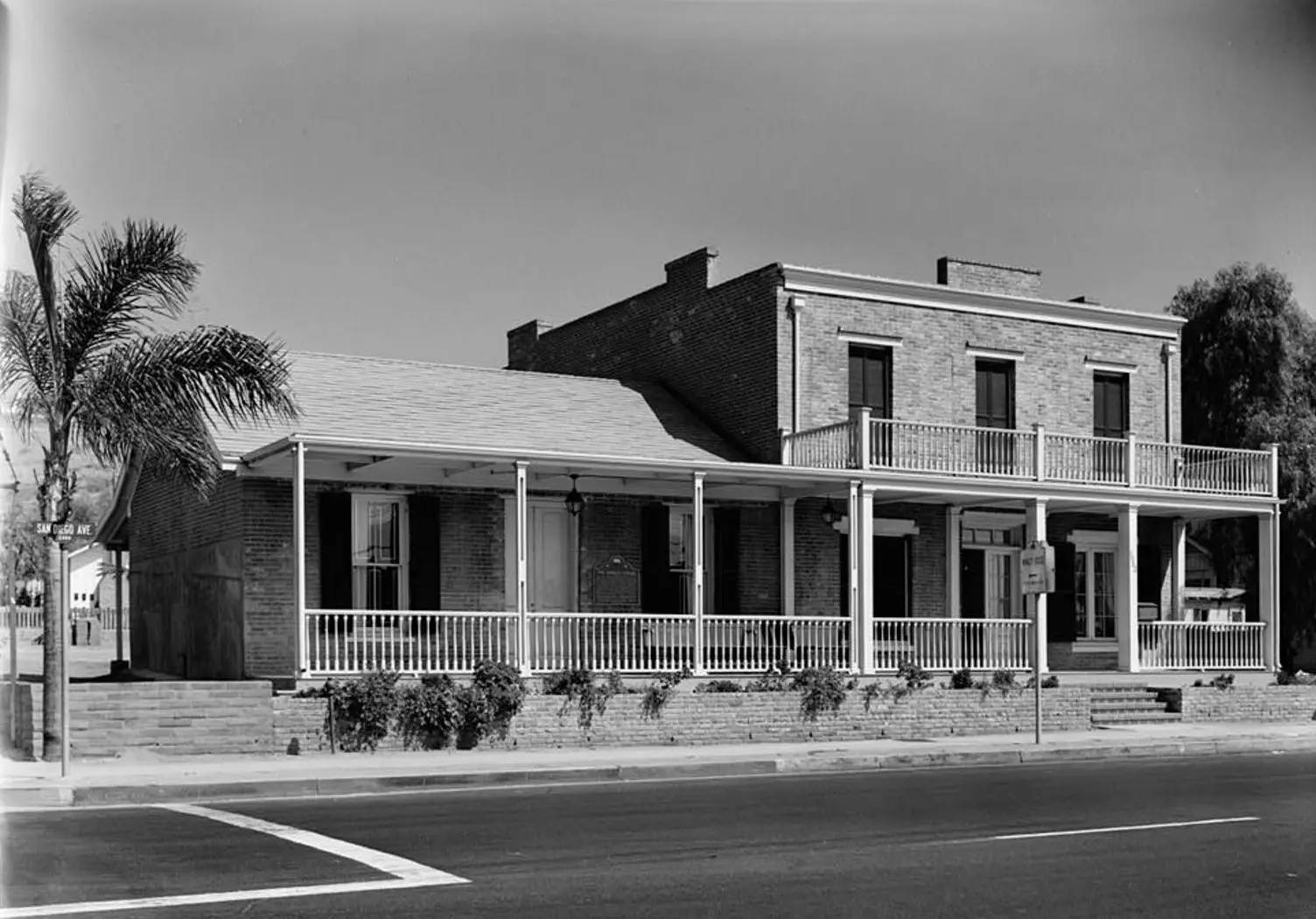
Historic house · San Diego, CA
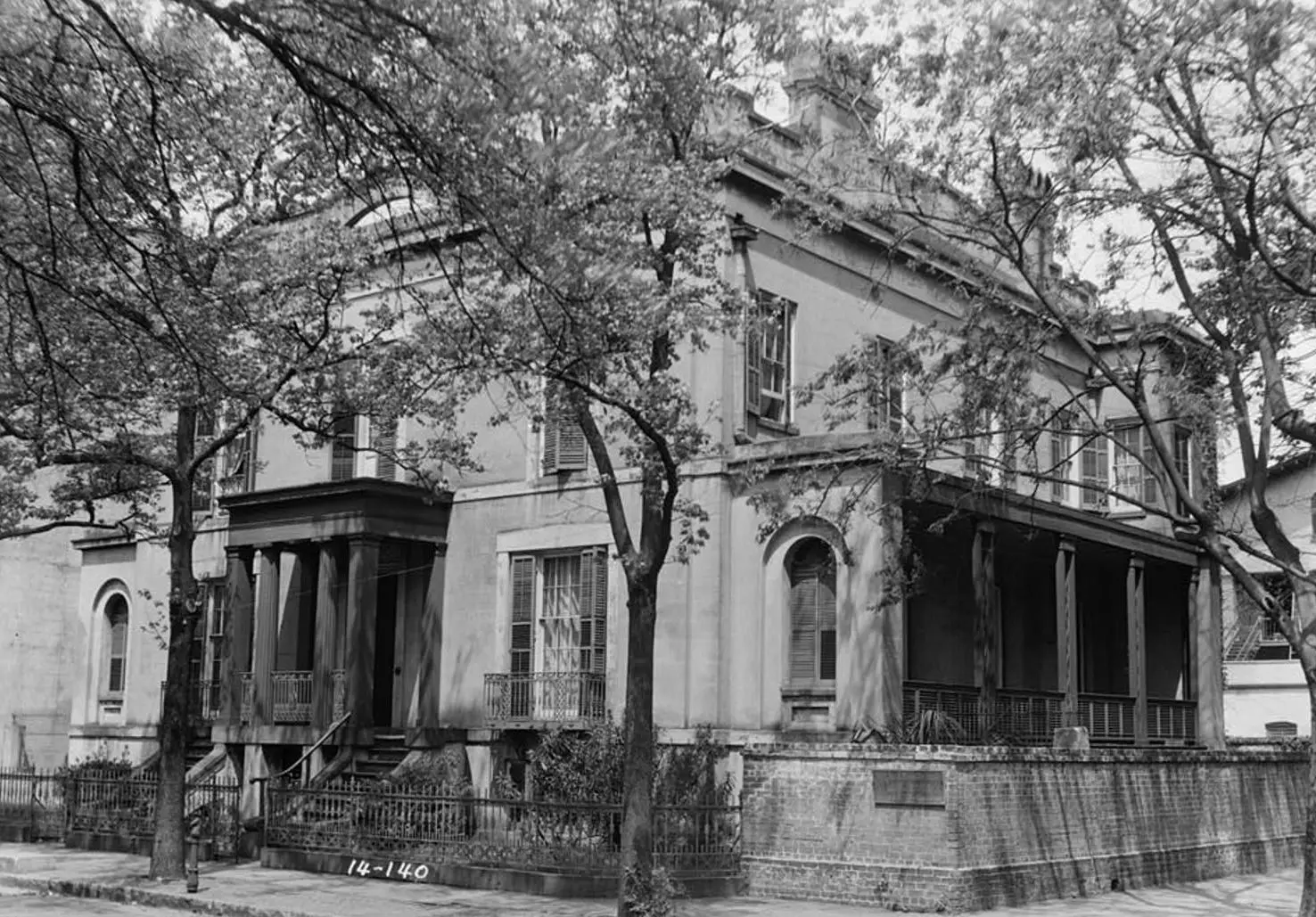
Footsteps, slamming doors and figures reported by museum staff since the 1960s, on the site of an 1852 hanging.
3 reported accounts · 6 sources
Browse every researched historic house and related place.
48 places
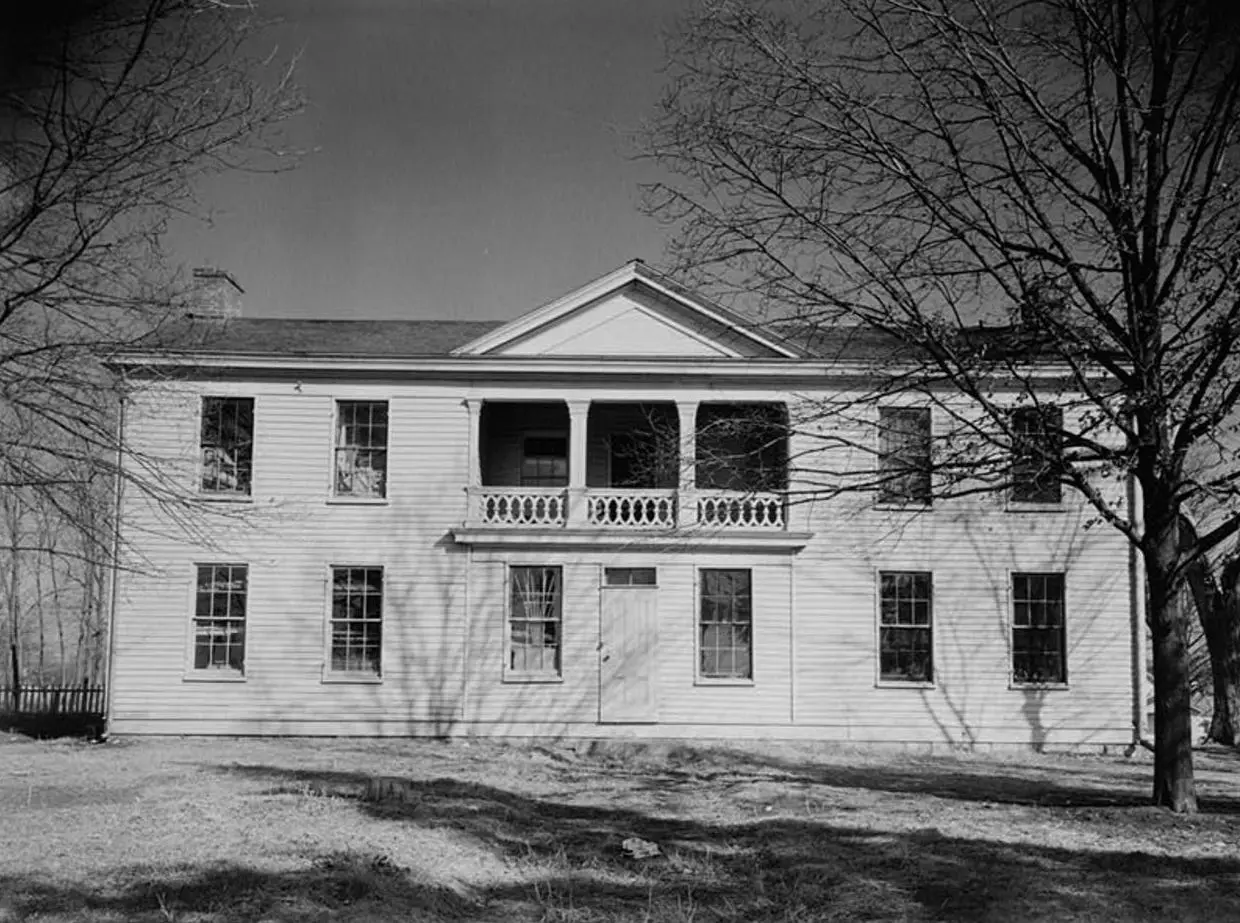
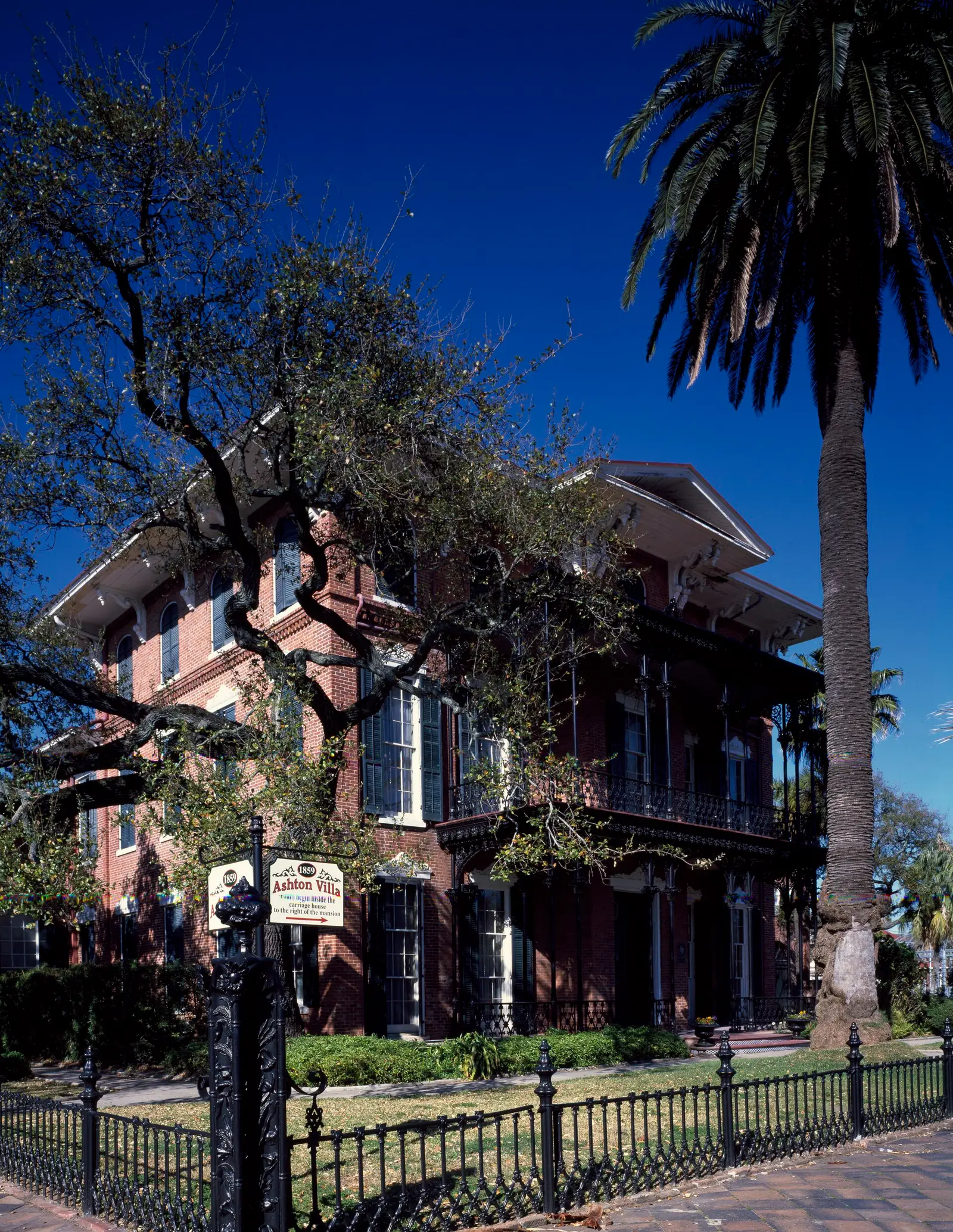
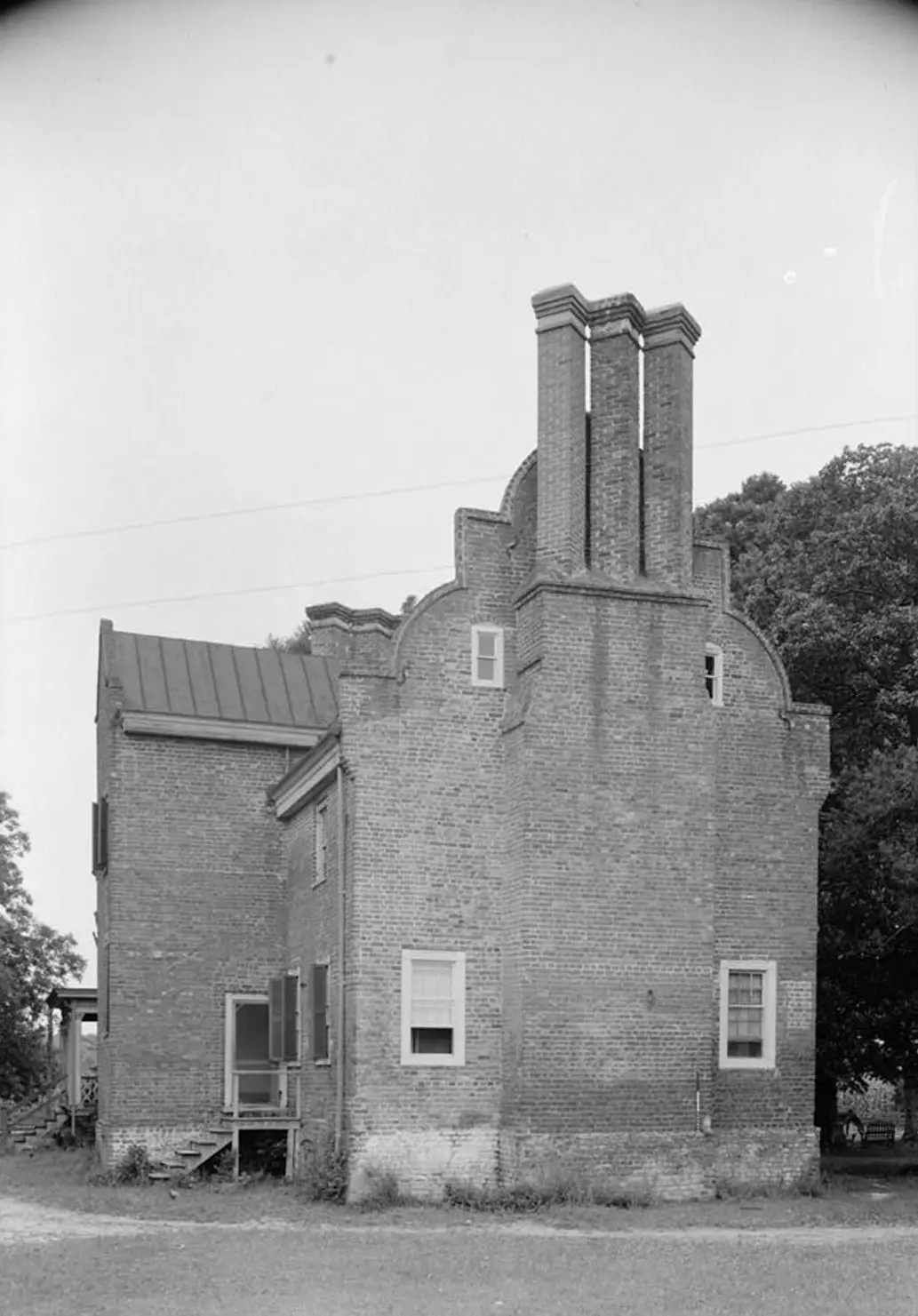
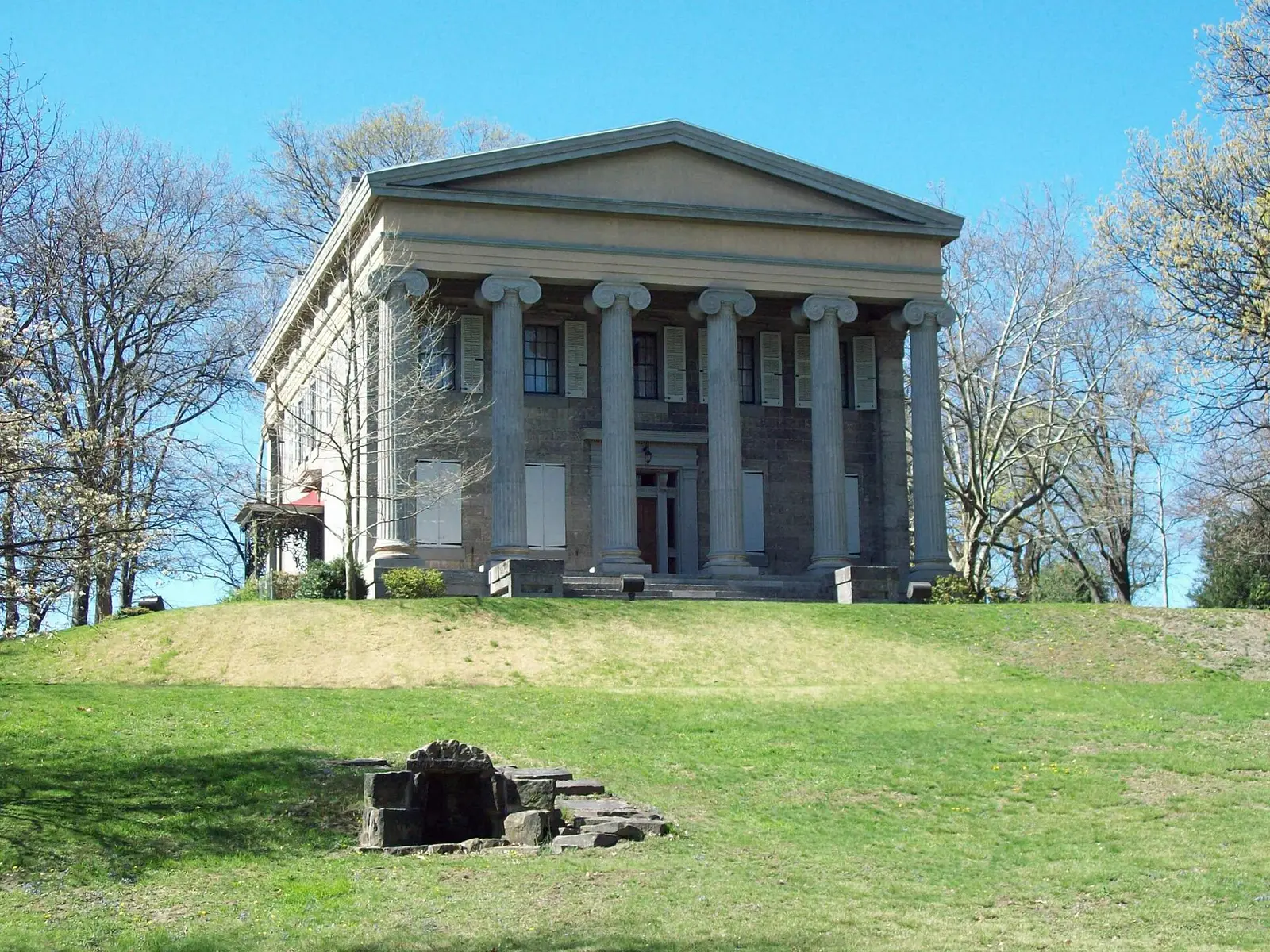
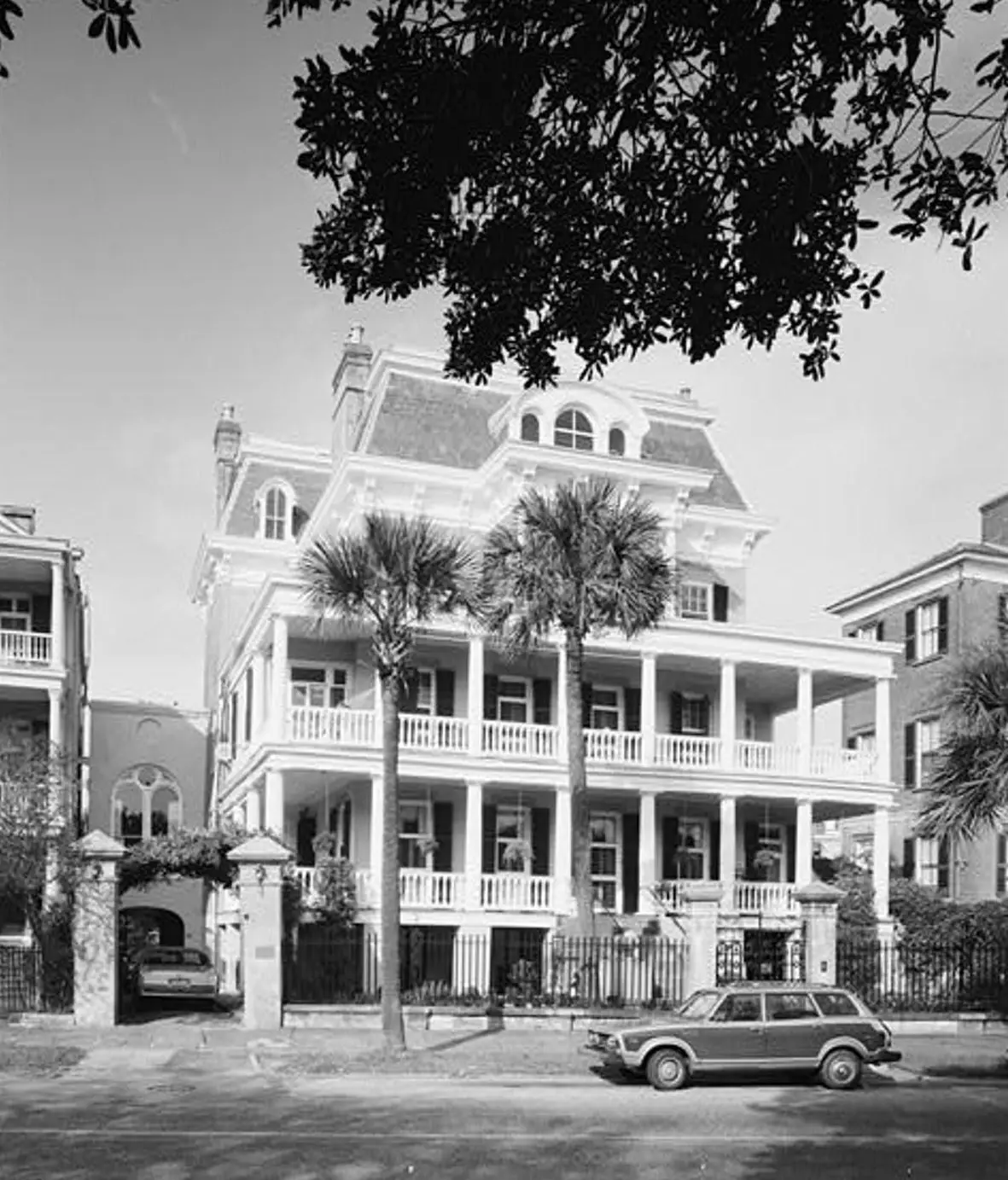
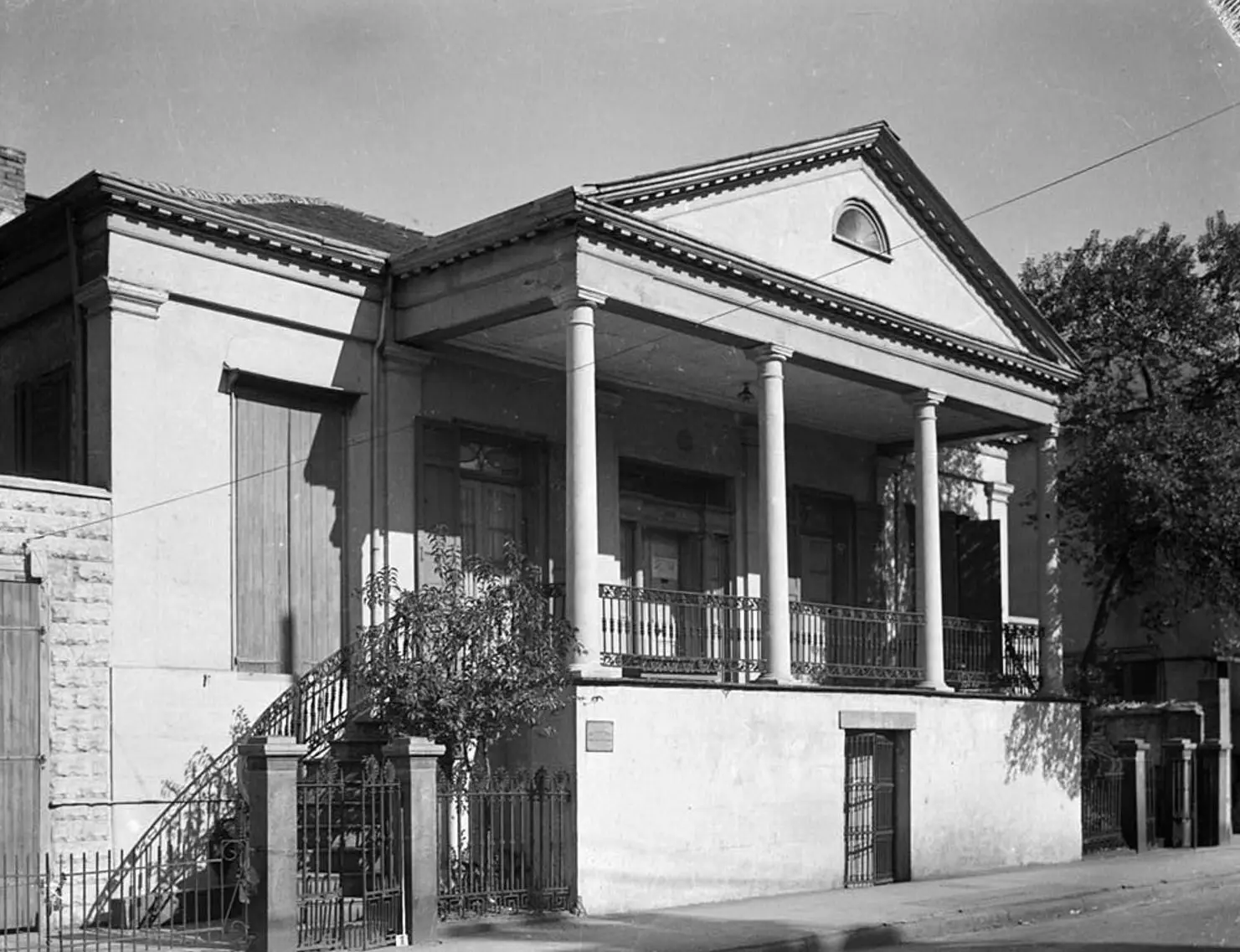
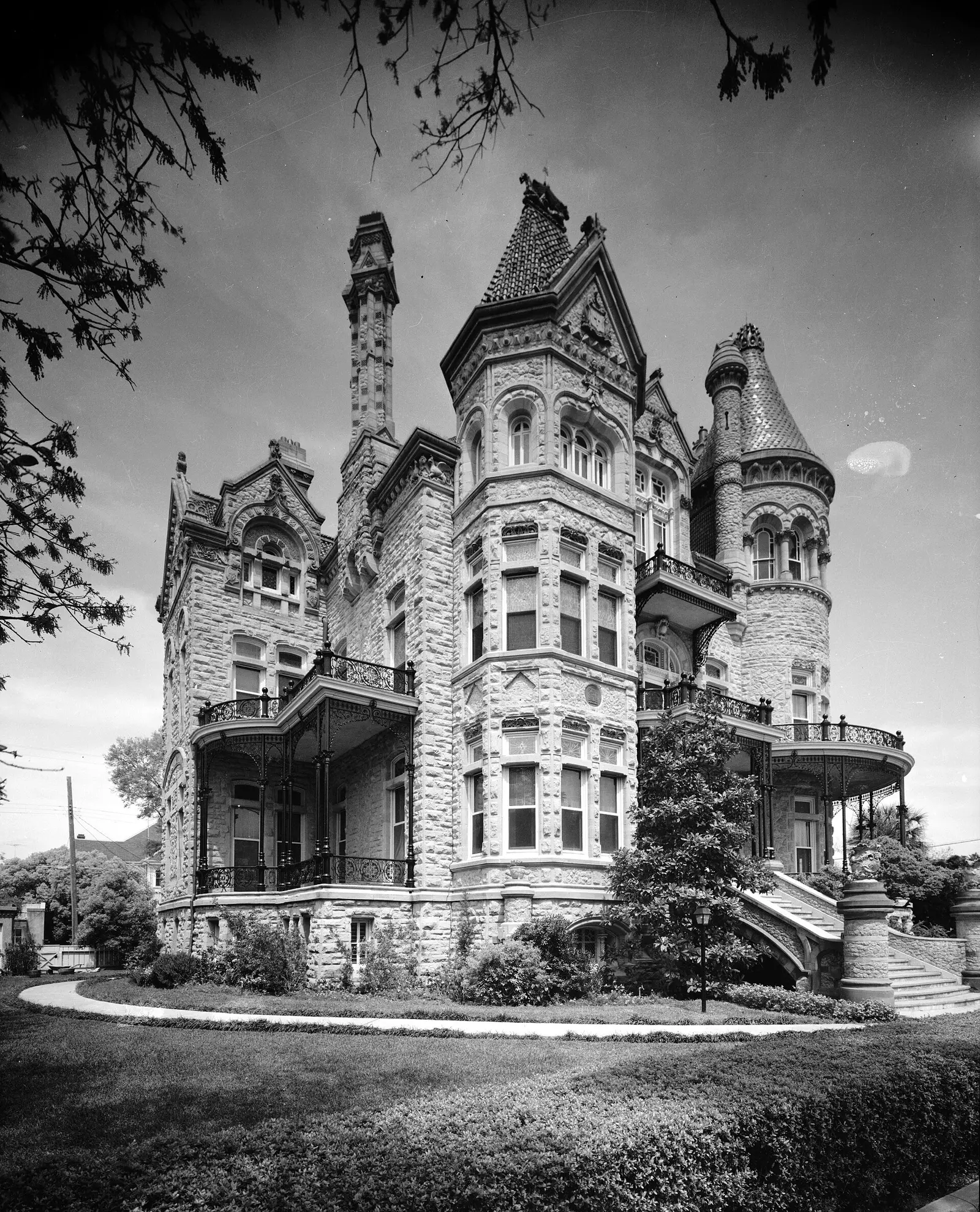
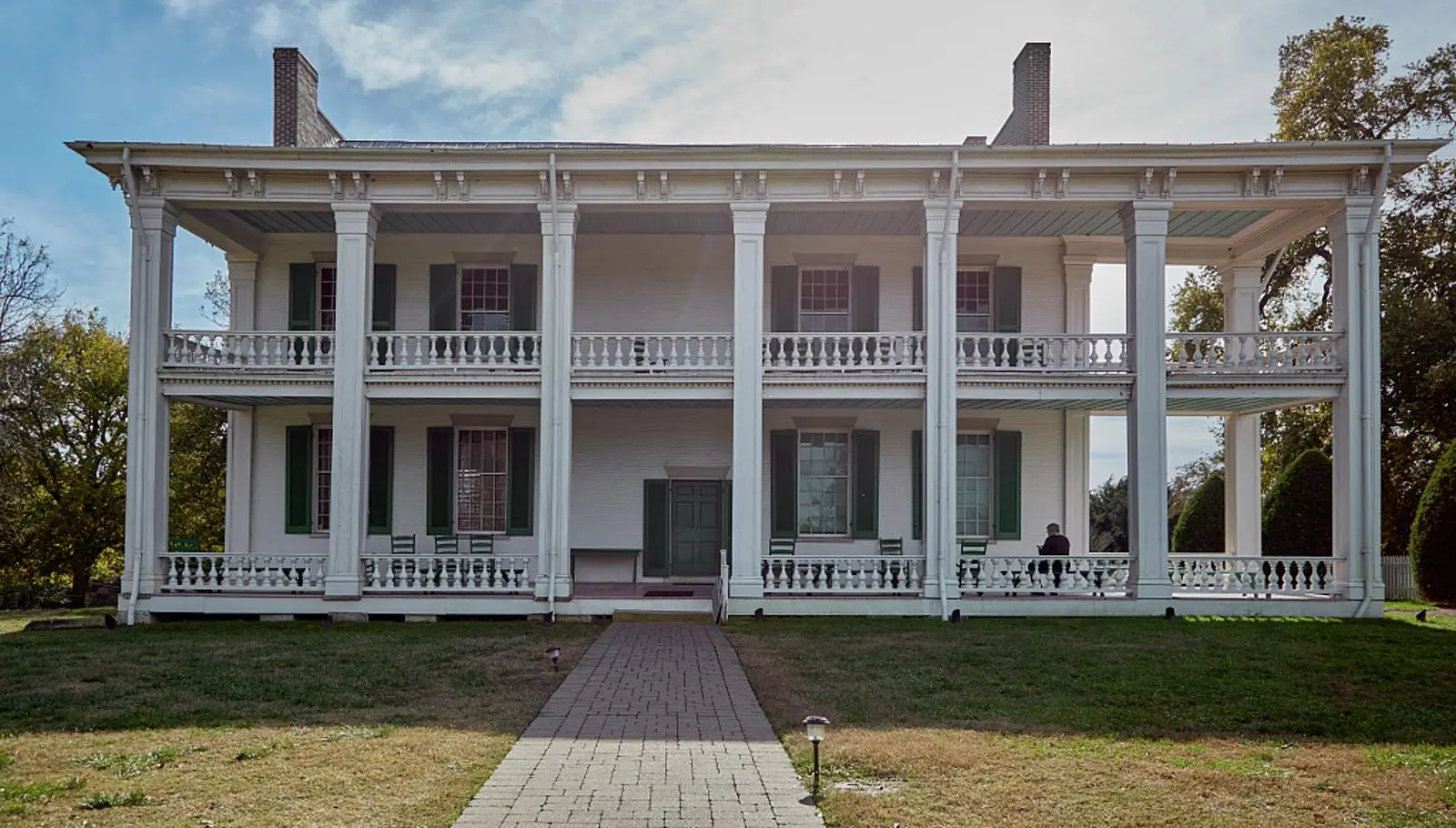
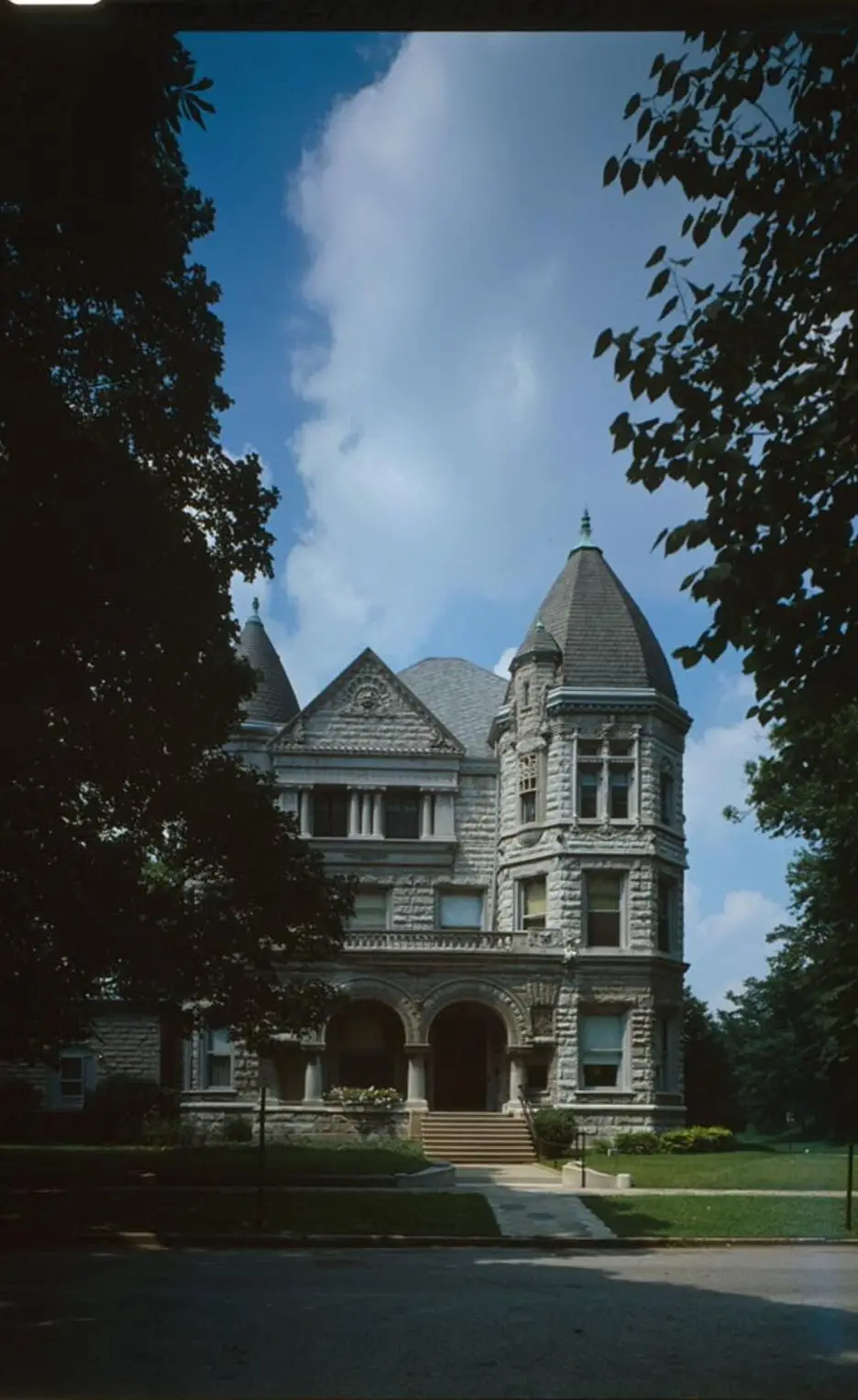
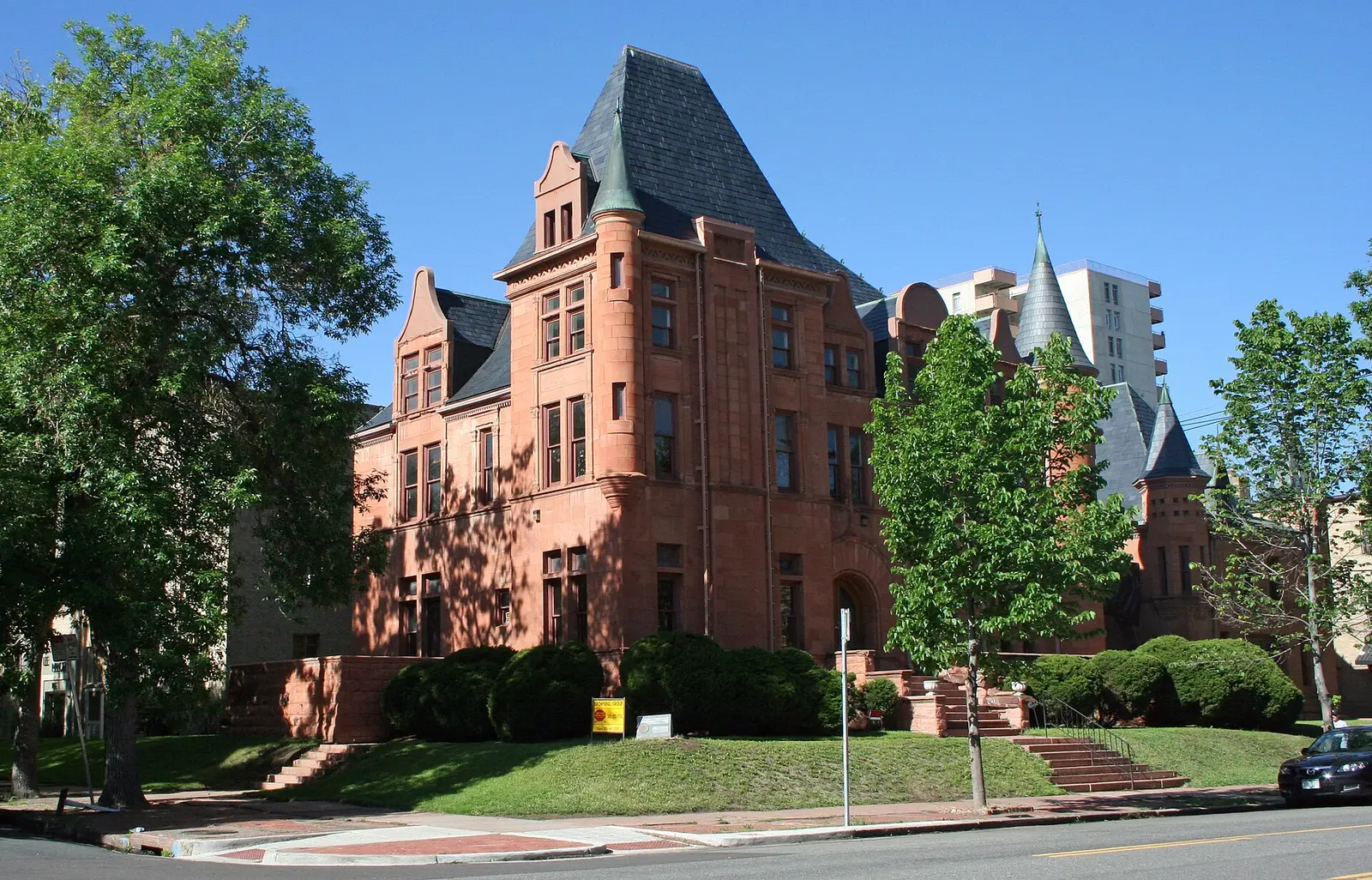
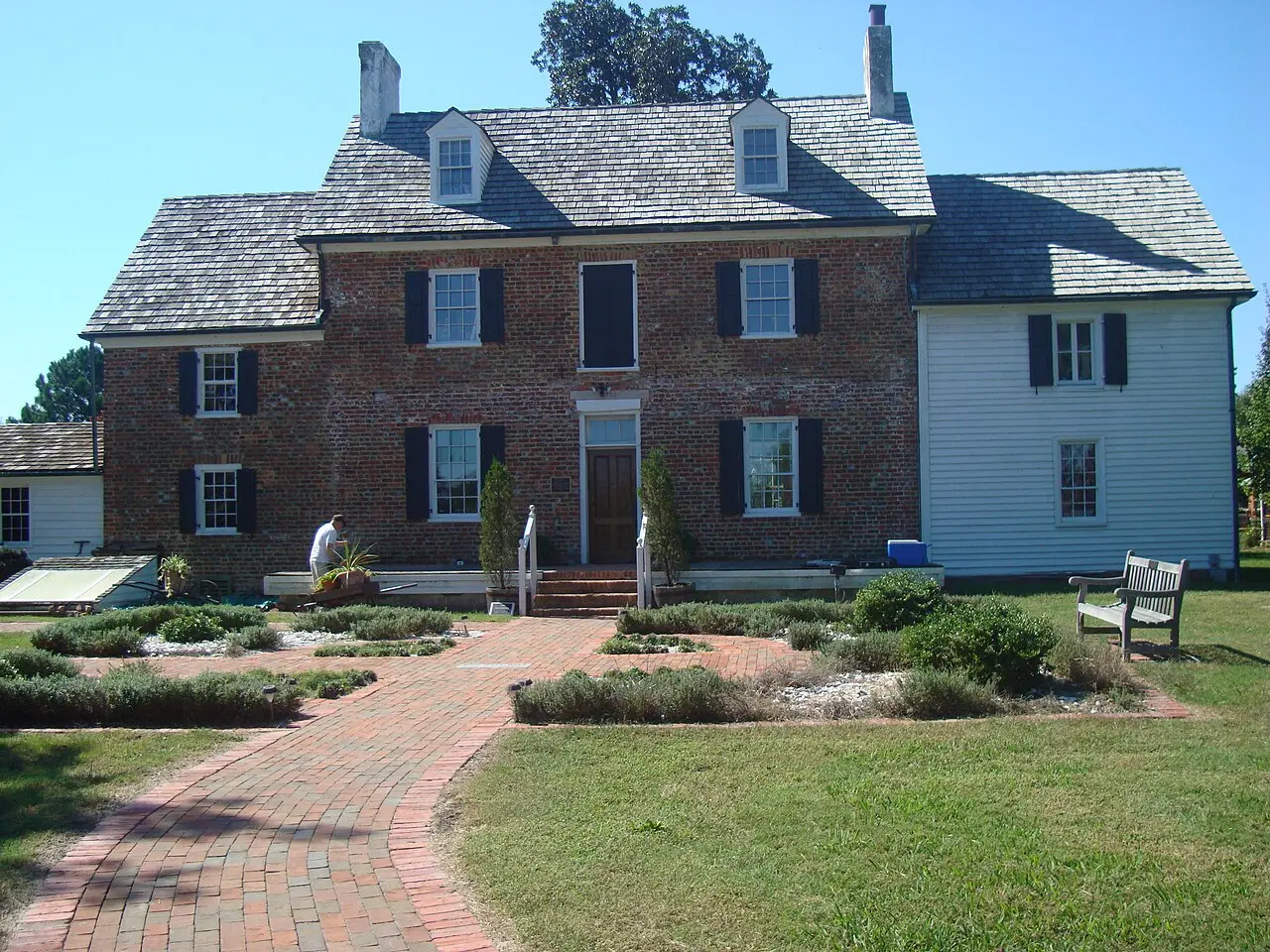
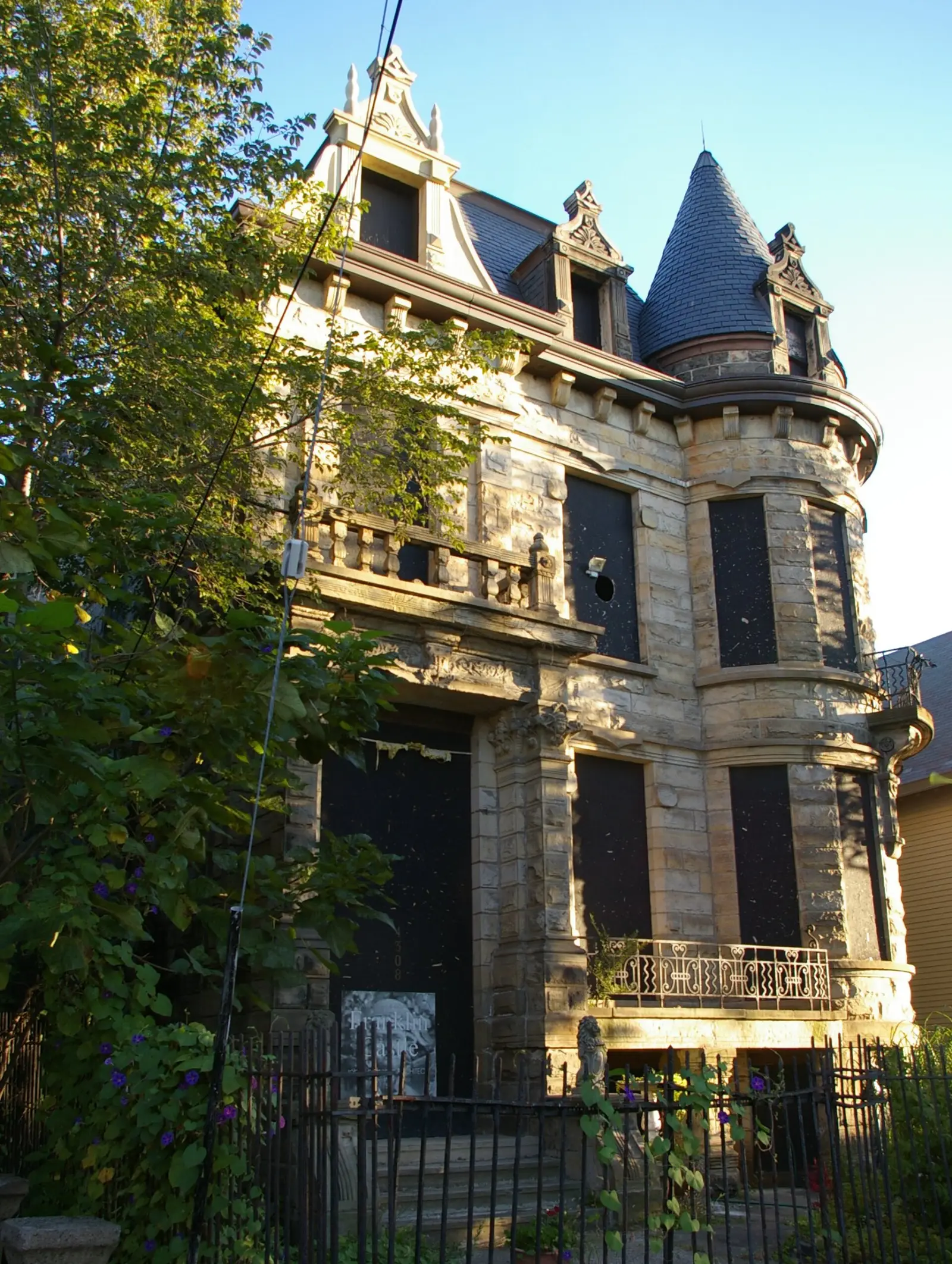
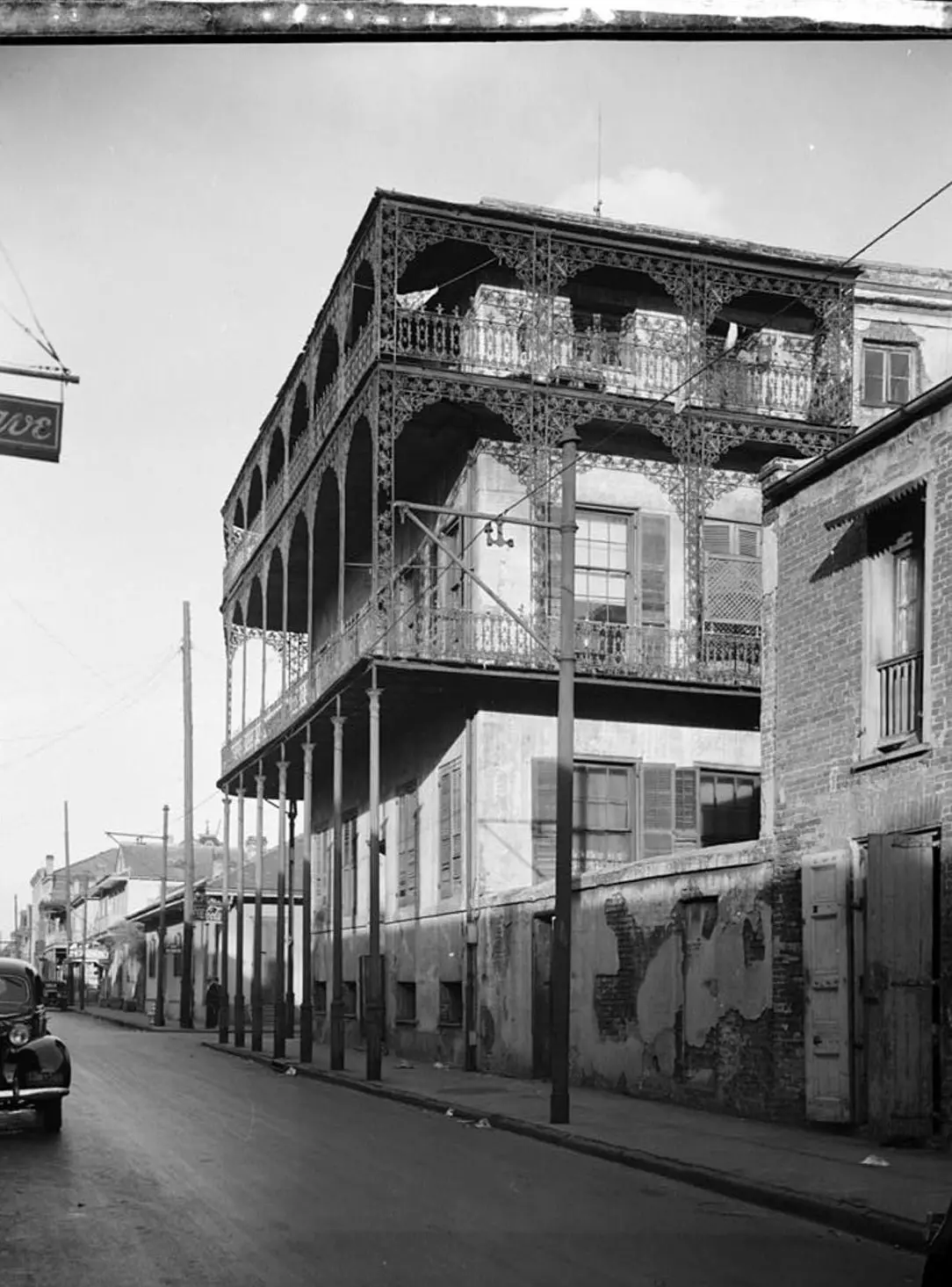
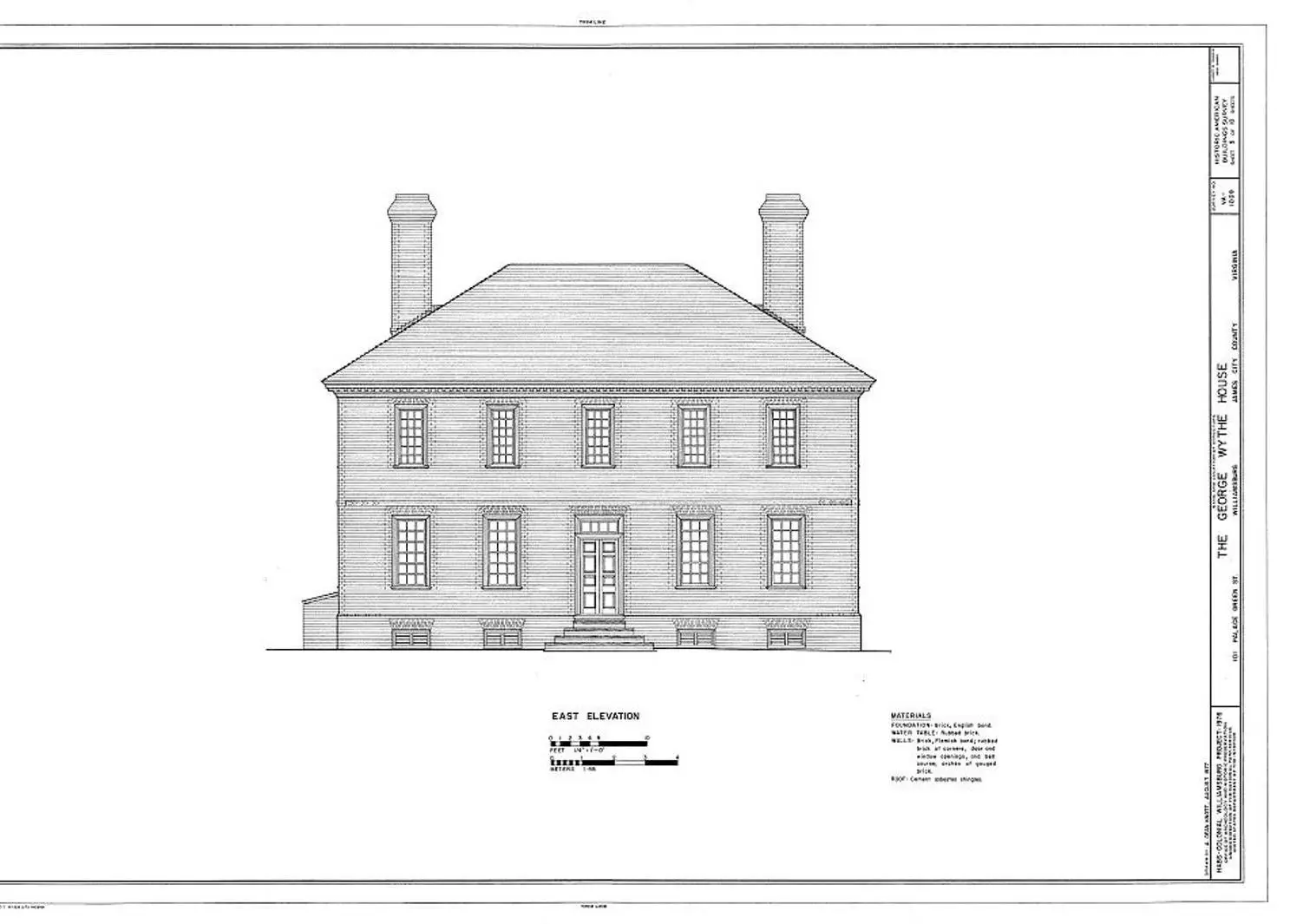
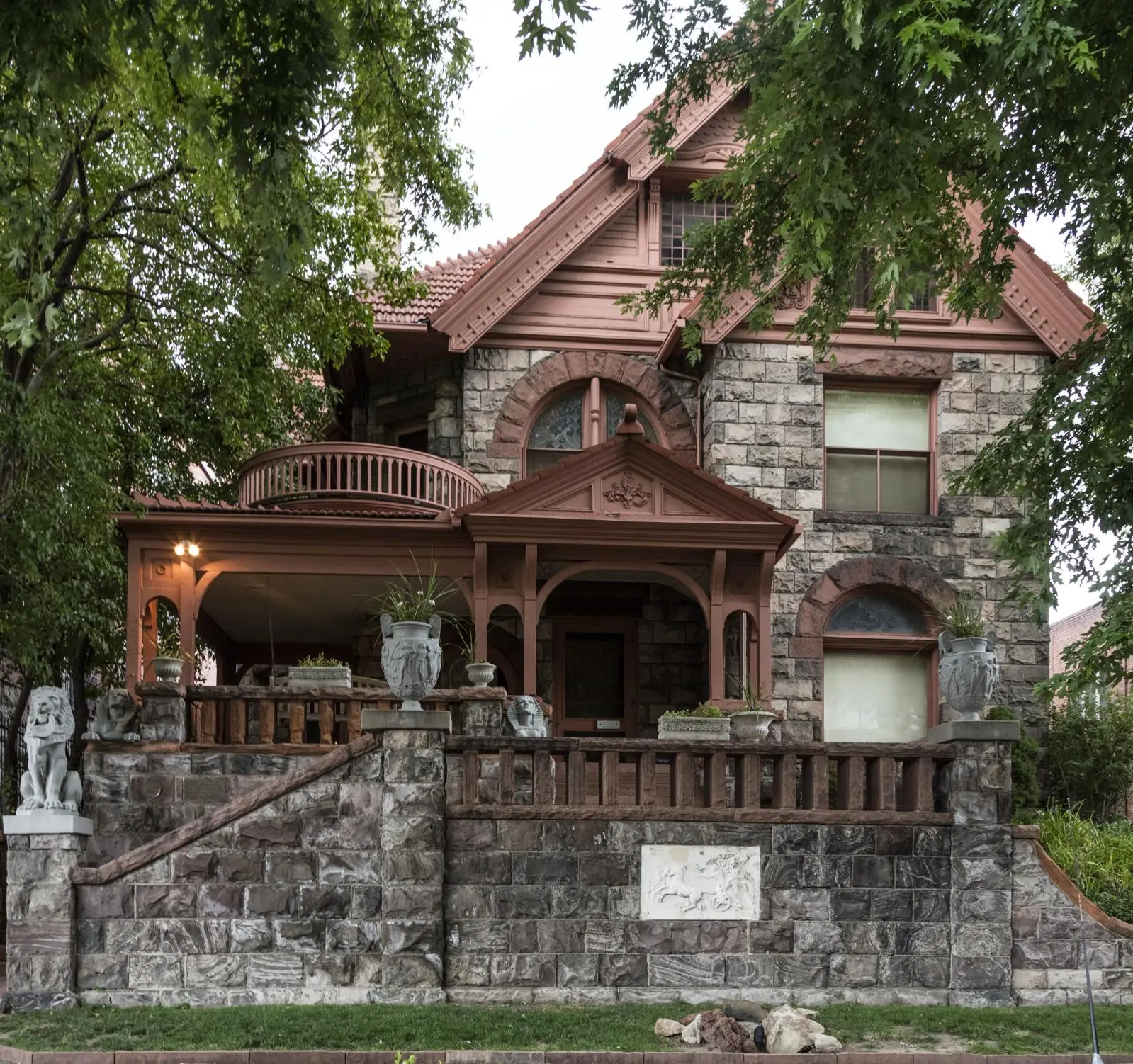
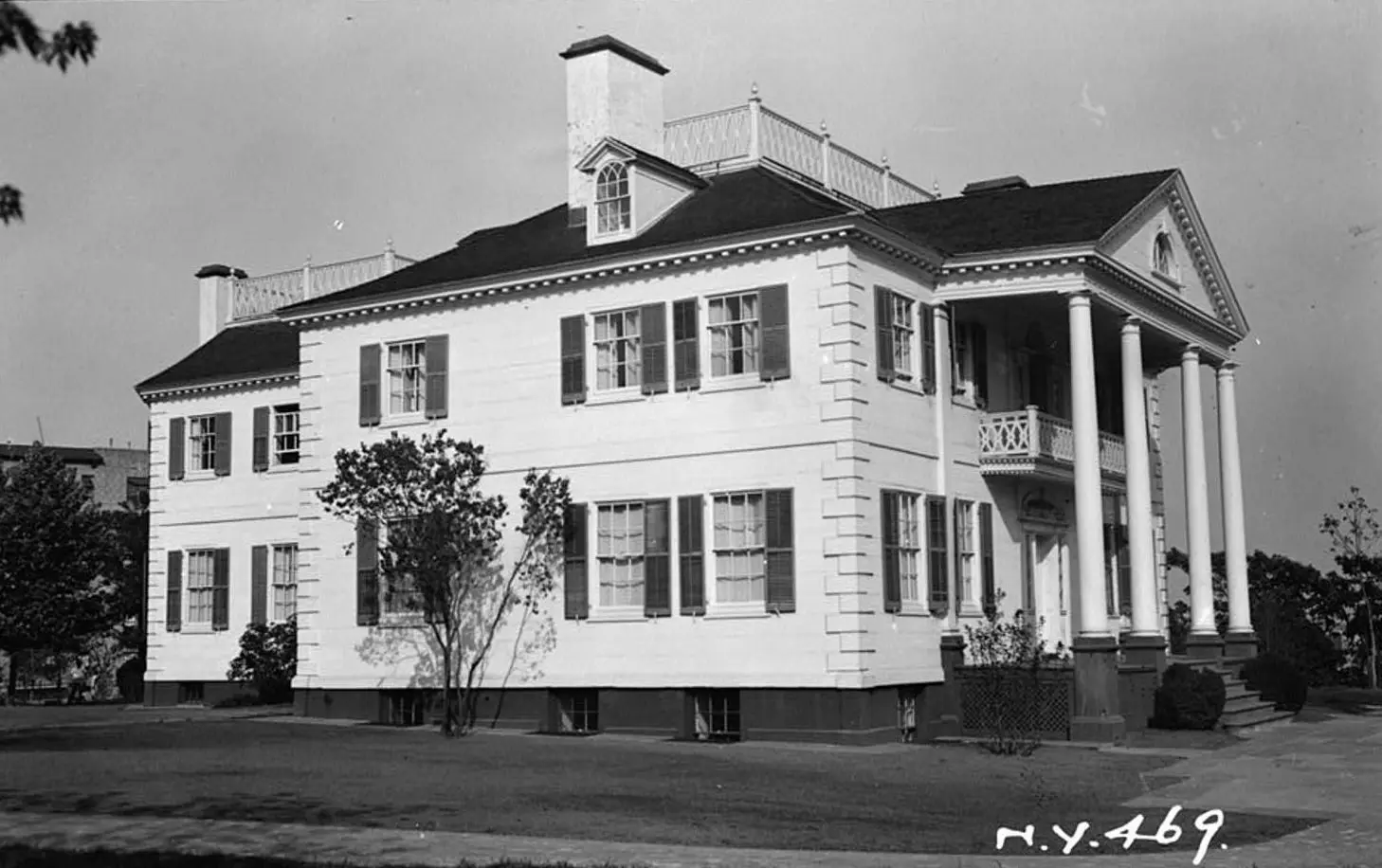
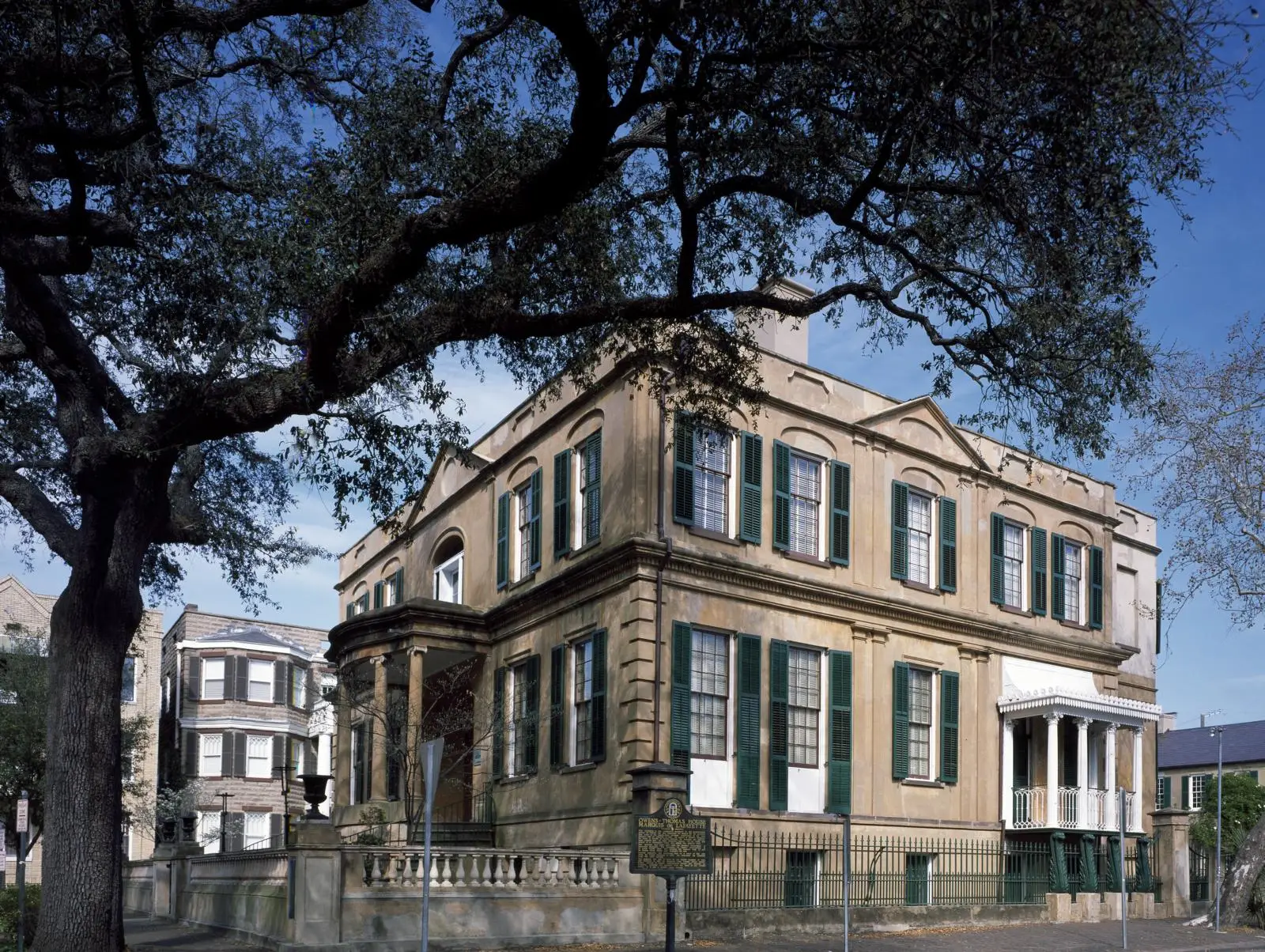
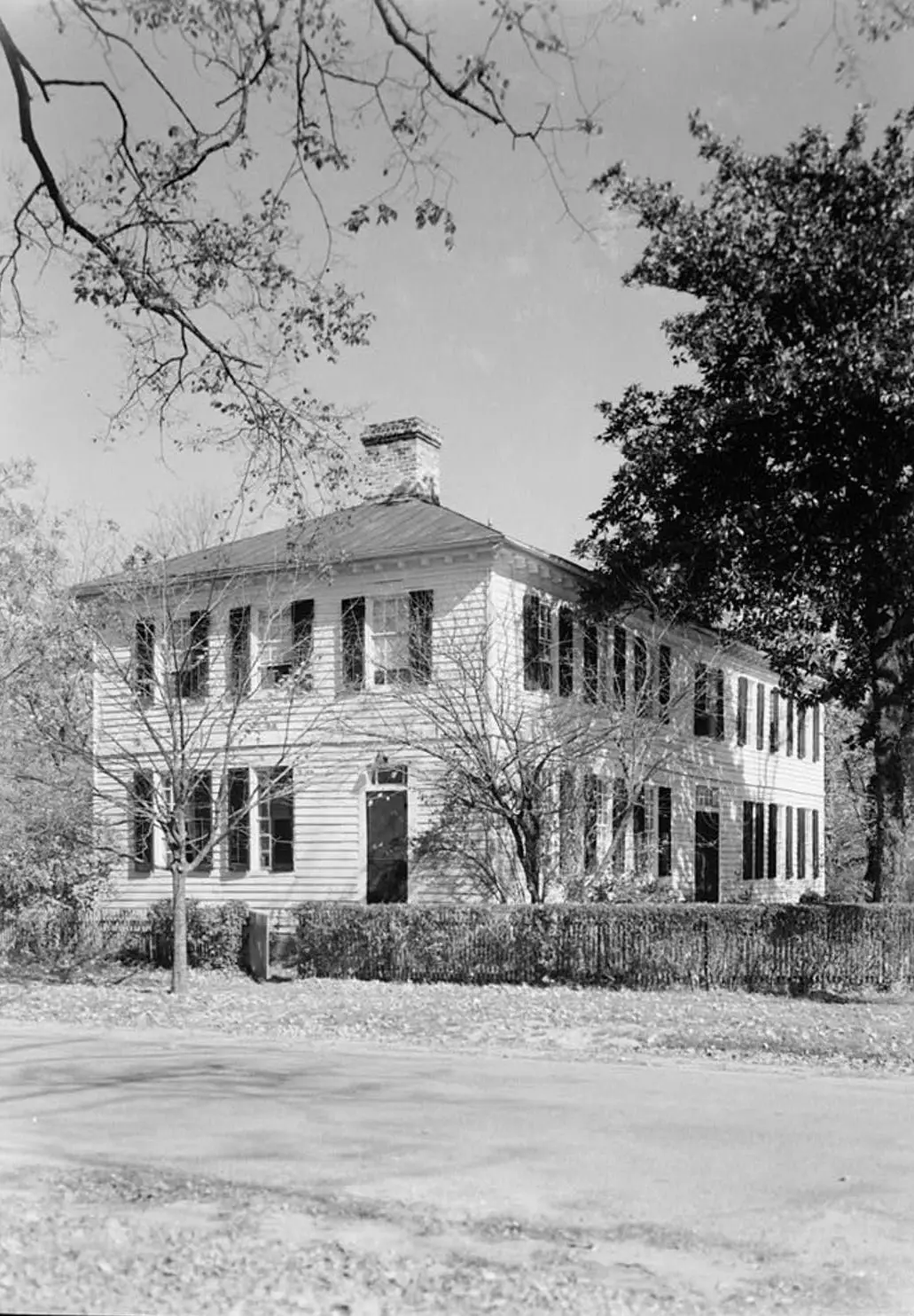
Find historic houses and mansions in a particular state.
States with historic houses and mansions (18)
States without historic houses and mansions listings (yet)
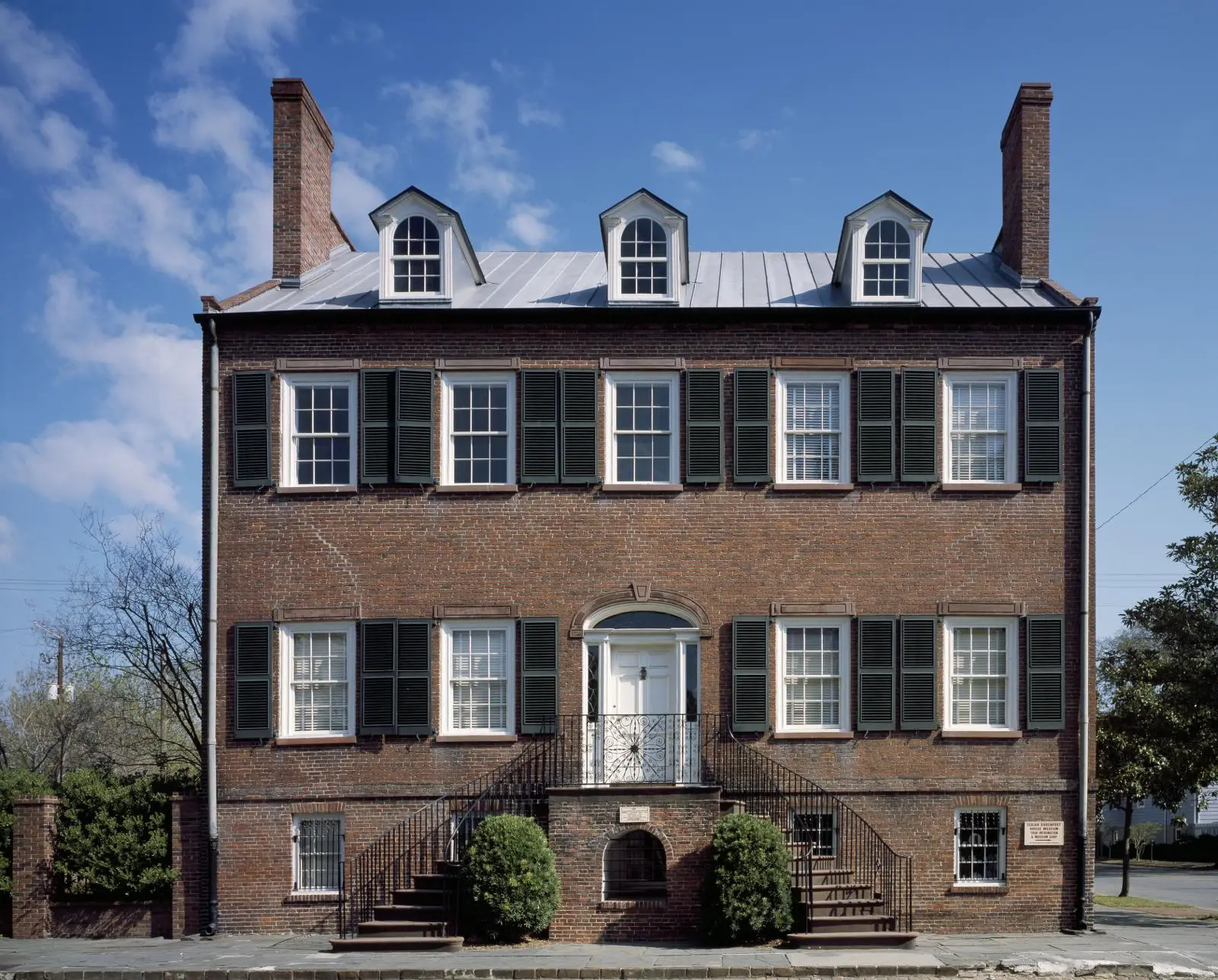
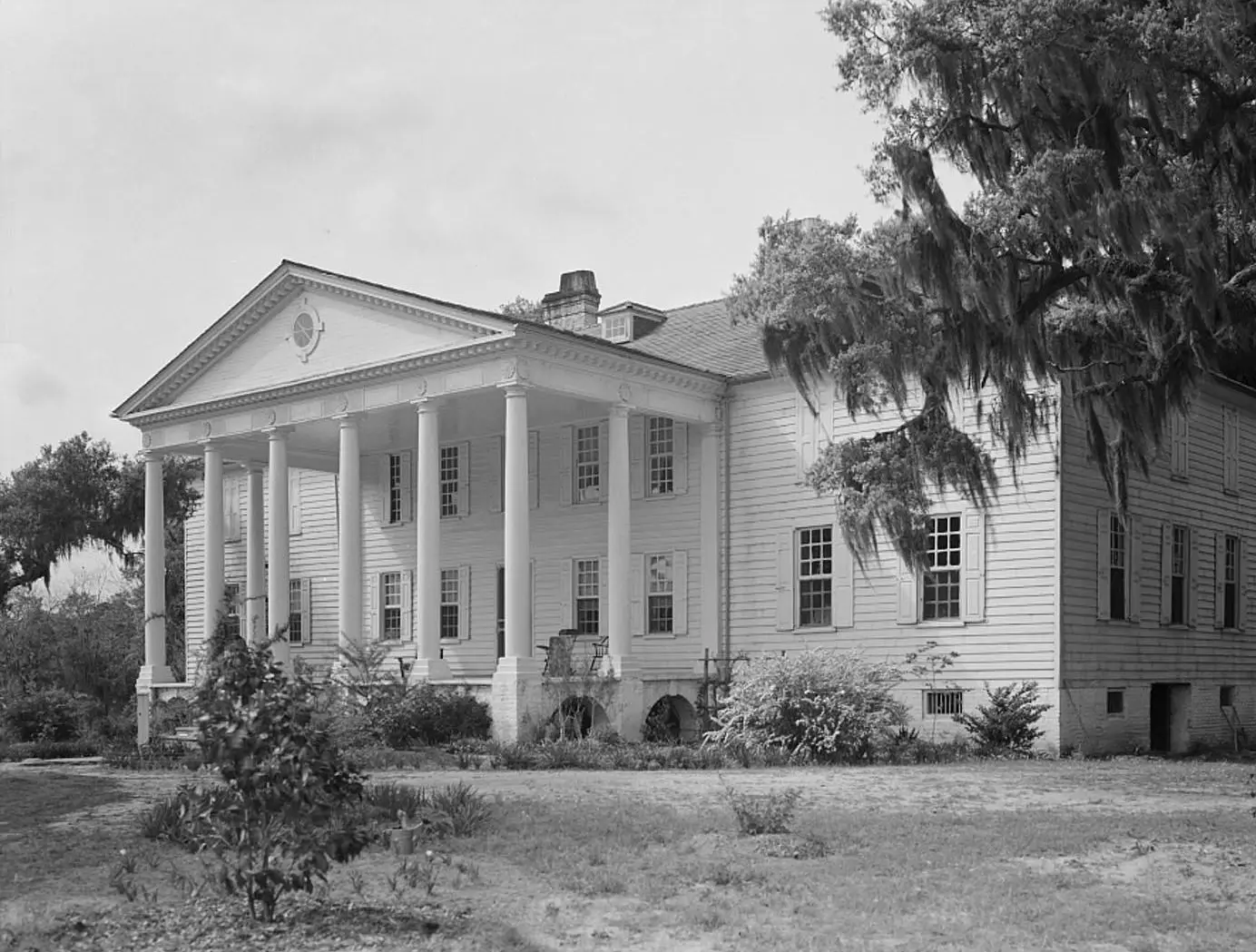
The historic houses we have researched are mostly house museums, from 17th- and 18th-century homes in Virginia and South Carolina to late 19th-century mansions in Denver, Detroit and San Jose, plus a few that are now inns, restaurants or private homes. Many were built or run with the labor of enslaved people, and several museums now tell that history directly: the Davenport House in Savannah has traced the people Isaiah Davenport enslaved, and Hampton Plantation has documented its enslaved community through deeds and wills.
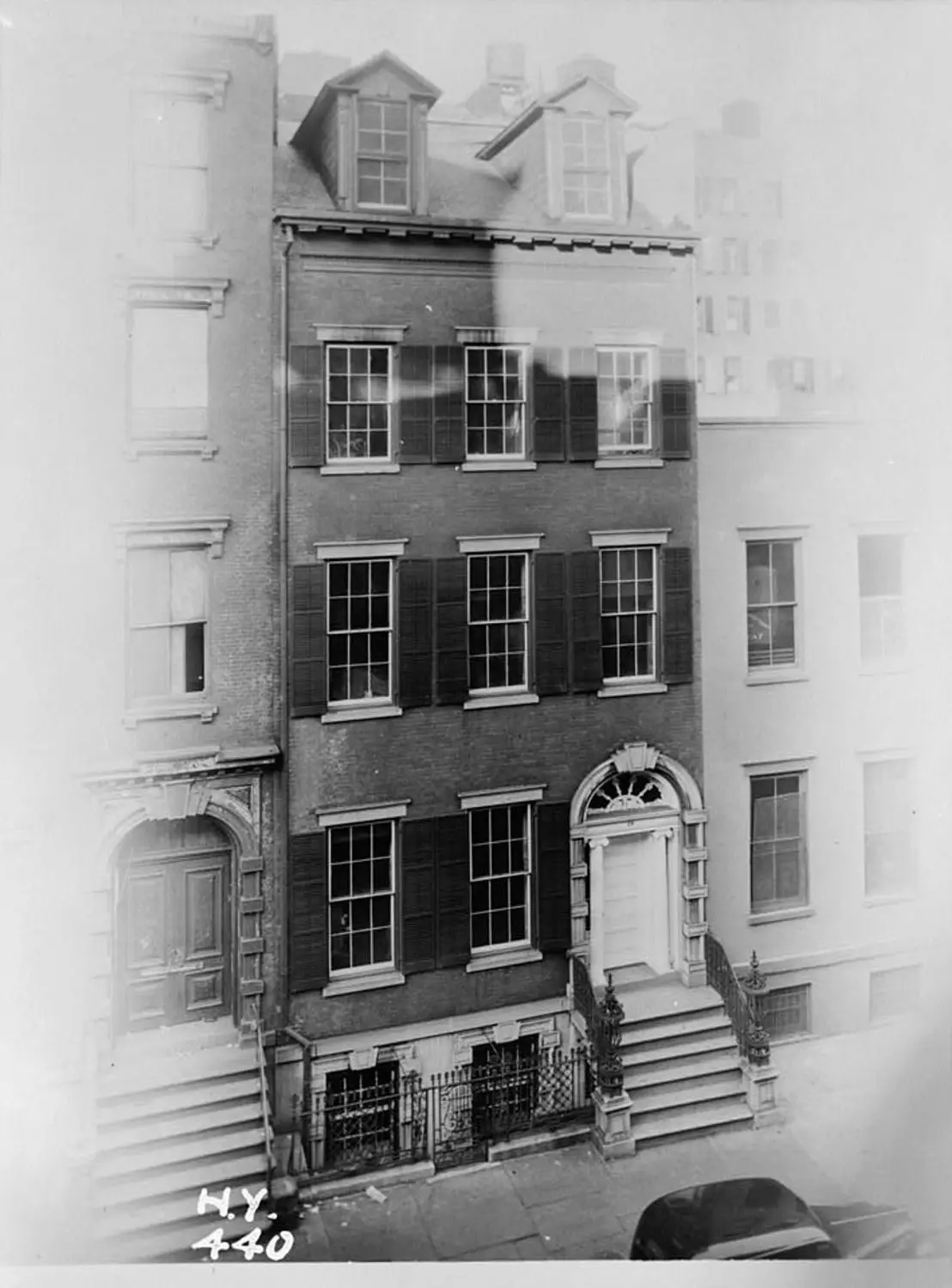
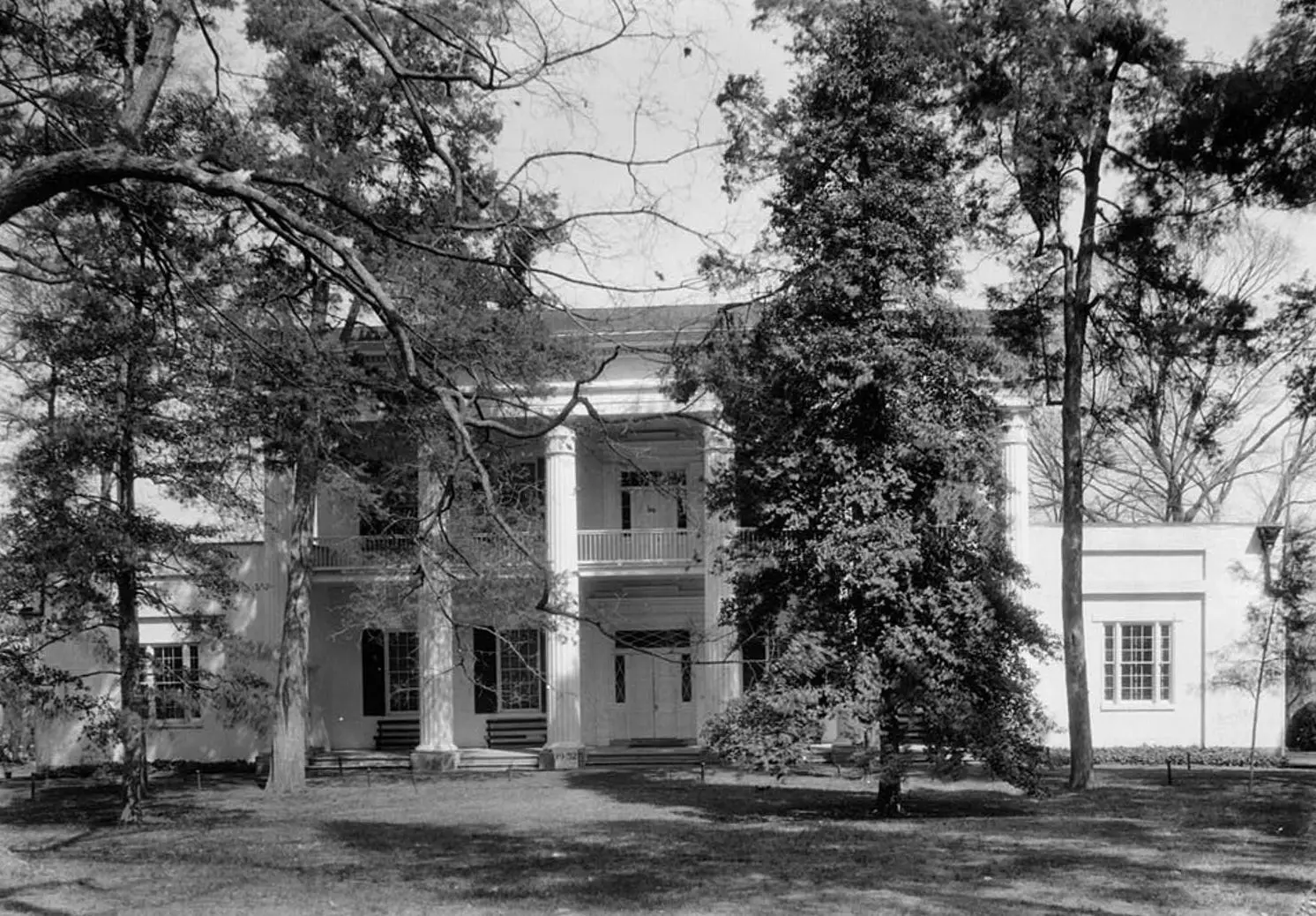
Many house stories we traced concern the families who lived there, and the accounts often come from the museum's own staff, which we count as one origin. That is the case at the Winchester Mystery House and the Whaley House, where the ghost reputation began when it opened as a museum in 1960. A few houses have unusually early sources: at The Hermitage, a 1915 history describes two officers of the Ladies' Hermitage Association hearing noises in the empty house in 1893, and at the Morris-Jumel Mansion a governess described rappings around 1868. Liberty Hall and Octagon Hall are the houses we rate Well Documented, each with accounts from several people, though at Liberty Hall we could read them only through the museum's retellings.
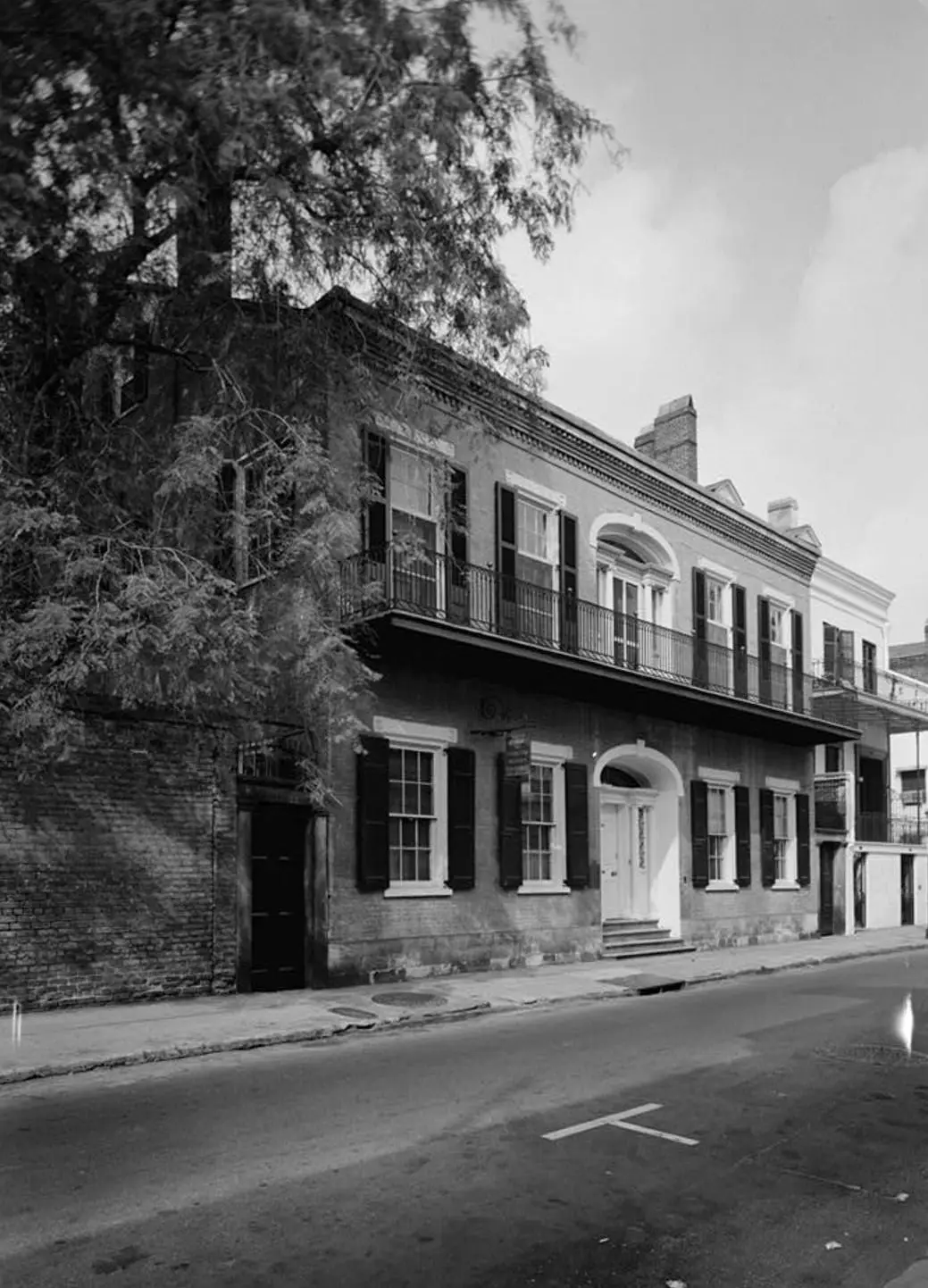
Records often undercut the best-known tales. The sultan story at the Gardette-Le Prête House first appears as fiction in 1922, the murders told about Franklin Castle are not supported by the record, and Sarah Winchester's papers give no support to the famous story of a medium telling her to build.
Every place here is researched from historical records, published accounts and sources you can check, with a clear assessment of the evidence and its limits.
Our research methodology