← Frankfort Liberty Hall
Liberty Hall
Historic Site
Frankfort, Kentucky
Liberty Hall in Frankfort is the Federal-style home Senator John Brown built from 1796, now a museum. The Browns enslaved people there for more than 60 years.
What do we know about Liberty Hall?
The ghost story is unusually old, with family sightings said to date from the 1820s and the 1880s and a written account from 1911. But we could read all of them only through the museum's own retellings, which cite letters, a 1922 newspaper and a 1936 newspaper we could not access. The famous staircase photograph was examined for skeptic Joe Nickell and judged an accident. None of this shows more than what witnesses believed they saw.
Our rating of the reports about Liberty Hall: Well Documented. At least three independent, traceable accounts from visitors or witnesses that describe consistent experiences, often the same things in the same places. The rating describes the evidence for the reports, not whether the place is haunted.
- Reported accounts
- 5
- Counted for the rating
- 4
- Research sources
- 9
Counted for the rating: independent accounts we could trace to a witness. Retellings of the same story count once, and staff passing on what visitors said aren’t counted. How we count
Reported experiences don’t establish a supernatural cause.
Read our evidence assessment →The hauntings
Accounts, encounters and stories associated with Liberty Hall.
What has been reported?
- Apparitions
- Doors
- Voices
- Shadow figures
Phenomena described in accounts associated with this location — not independently verified events.
Reported experiences
5 published and reported accounts, each assessed by its source.
Account 01
Mary Hanson Gunn Brown and Margaretta Brown
Family tradition, recorded by family friend Rebecca Averill, holds that Mary Hanson Gunn Brown, a young bride of John Brown's grandson, saw a gray figure cross the bedroom where Varick died and vanish in the late 1820s, and that her sister-in-law Margaretta saw the figure in…
- Apparitions
Published accountReported by Mary Hanson Gunn Brown and Margaretta Brown (family tradition via Rebecca Averill)Note: Secondhand, written down a century later; known to us only through the museum's retelling.
Read full account ›
Family tradition, recorded by family friend Rebecca Averill, holds that Mary Hanson Gunn Brown, a young bride of John Brown's grandson, saw a gray figure cross the bedroom where Varick died and vanish in the late 1820s, and that her sister-in-law Margaretta saw the figure in the hallway outside.[5][6]
Account 02 · November 5, 1936
Mary Mason Scott, 1936
Mary Mason 'Mame' Scott, John Brown's great-granddaughter, reported that in the 1880s, as a teenager back from school, she woke on three nights to a tall figure veiled in gray at the foot of her bed in the back bedroom; she later called Varick 'our beloved…
- Apparitions
Published accountReported by Mary Mason Scott (via Liberty Hall Historic Site)Note: The museum cites Scott's own letter (ca. 1920s) and a 1936 newspaper; we could not access either.
Read full account ›
- Apparitions
Published accountReported by Rebecca Averill (via Liberty Hall Historic Site)Note: Averill also recorded the family stories above, so she is not fully independent of them.
Account 04
Two guards in the 1960s
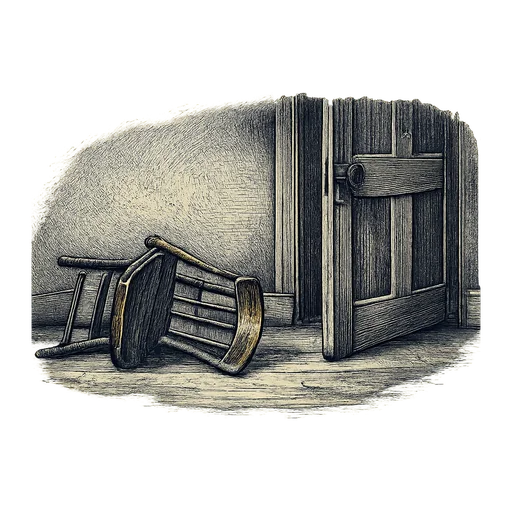
Two men guarding the house after a fire in the 1960s reported a door that kept slamming and reopening, cries and moans, and candles that kept going out; one of the guards said something weird was going on in the house.[8]
- Doors
- Voices
Published accountReported by Two guards in the 1960s (via Liberty Hall Historic Site)Note: Known only through the museum's blog; the original source of their account is not named in what we read.
Read full account ›
Two men guarding the house after a fire in the 1960s reported a door that kept slamming and reopening, cries and moans, and candles that kept going out; one of the guards said something weird was going on in the house.[8]
Account 05 · October 19, 2025
Spectrum News 1, 2025
The museum says visitors, employees and volunteers have reported sightings since it opened, usually in the back bedroom, on the stairs or in the Palladian window, and Spectrum News reported unnamed people seeing a figure in an upstairs window and a shadow in the garden at…
- Apparitions
- Shadow figures
No traceable witnessNote: No named witness; the museum promotes the story and runs October 'Gray Lady' tours.
Read full account ›
Legends & disputed stories
Stories told about the place that the records don’t confirm.
- Disputed
A photograph of the staircase taken by curator Frances Coleman to document repairs shows a pale figure that she said was not visible when she took it. Investigator Joe Nickell had a professional photographer examine it, who judged it the result of an accident.[5][8]
What the research shows: A photograph is not an account of an experience and is not counted. Its date is given as both 1965 and March 1967.
- Legend
The ghost is known as the Gray Lady and identified with Margaretta Varick; a 1922 Courier-Journal article calling her the 'Lady in Gray' helped fix the name, and the museum presents her as a kindly presence and as legend.[7][9][8]
Before you go
Planning a visit?
Tours only
Visits are by guided tour or organized event.
Access details ›
House museum with guided tours booked online; the gardens are open daily from dawn to dusk. In October the museum runs ghost-themed tours and events about the Gray Lady; the museum says paranormal investigations are usually not allowed. Check the official site for current tours.
Entry
Paid entry
Access last checked November 19, 2026. Confirm times and prices before you travel.
Approximate location, within about 1 km.
The history of Liberty Hall
Liberty Hall in Frankfort is the Federal-style home Senator John Brown built from 1796, now a museum. The Browns enslaved people there for more than 60 years. Its ghost, the Gray Lady, is linked to Margaretta Varick, who died there in 1817. Family members, a family friend and 1960s guards reported a gray figure or noises, all known through the museum. You can tour the house.
- Established
- 1796–1803
- Also known as
- John Brown House
Senator Brown's house
John Brown, a lawyer who helped lead Kentucky to statehood and became one of its first two US senators, bought land in Frankfort in 1796 and built Liberty Hall over the next few years. Its National Register nomination calls it one of the most perfect examples of Federal domestic architecture in the country. Its National Register nomination says the Brown family owned it until 1955, though the museum's own history says it opened as a museum in 1937; it is now a museum and National Historic Landmark.
The people the Browns enslaved
The museum's research shows the Browns enslaved people at Liberty Hall for more than 60 years: one family by 1806, nine people in 1810 and 13 in 1830. Among them were Miles and Hannah Stepney and their eight children, who cooked, cleaned and served, and slept in the garrets. By 1860 Brown's sons Mason and Orlando held 48 people.
Aunt Varick
In July 1817 Margaretta Varick, the aunt of Margaretta Brown, arrived from New York and died a few days later. No record of her burial has been found.
The Gray Lady
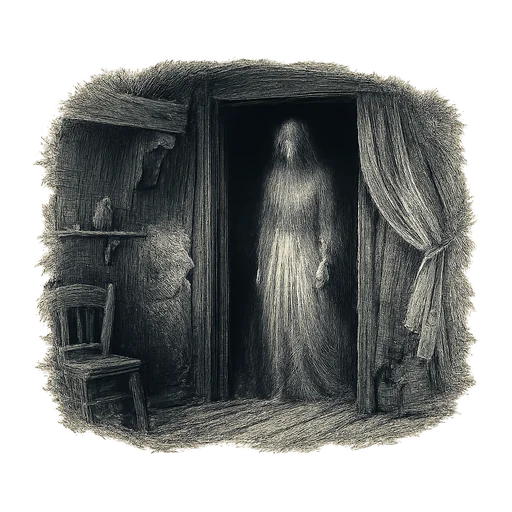
Family tradition, written down by family friend Rebecca Averill, says a young bride, Mary Hanson Gunn Brown, saw a gray figure cross Varick's bedroom in the late 1820s. The best-known account is Mame Scott's: in the 1880s she woke three nights running to a tall figure veiled in gray at the foot of her bed. She later called Varick 'our beloved ghost'. Averill wrote that she saw the figure herself in 1911.
In the 1960s two men guarding the house after a fire reported a slamming door, moans and candles going out. A staircase photograph taken by the curator shows a pale shape; a photographer consulted by investigator Joe Nickell judged it an accident. The museum says staff, volunteers and visitors still report sightings, and it presents the Gray Lady as a kindly legend.
Through the years
1796–1803
Liberty Hall built
John Brown (1757-1837), a lawyer who worked from 1784 to 1792 for Kentucky's separation from Virginia and became one of the state's first two US senators, bought the Frankfort land in January 1796 and built Liberty Hall between…
Read more ›
John Brown (1757-1837), a lawyer who worked from 1784 to 1792 for Kentucky's separation from Virginia and became one of the state's first two US senators, bought the Frankfort land in January 1796 and built Liberty Hall between about 1796 and 1800; the family moved in by 1801 and the house was finished in 1803.[1][2][3]
1806–1865
1806–1865
The Browns enslaved people at Liberty Hall for more than 60 years: one family by 1806, nine people in 1810 and 13 in 1830, among them Miles and Hannah Stepney and their eight children, who did domestic work…
Read more ›
The Browns enslaved people at Liberty Hall for more than 60 years: one family by 1806, nine people in 1810 and 13 in 1830, among them Miles and Hannah Stepney and their eight children, who did domestic work and slept in the garrets. John and Margaretta Brown's sons Mason and Orlando held 48 people in 1860.[4]
Caveat: Margaretta Brown wrote in 1804 that the family did not own slaves; the museum notes they still relied on enslaved labor, including that of craftsman Harry Mordecai.
1817
Margaretta Varick dies
1965
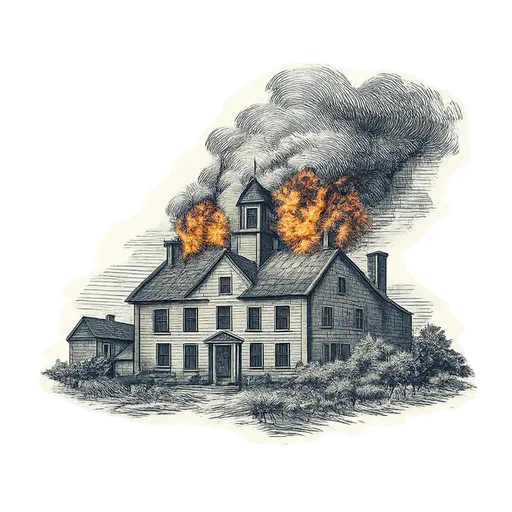
Fire in the central hall
The house stayed in the Brown family until 1955 and has since been owned by the Liberty Hall Association and run as a historic house museum; a minor fire damaged the central hall on October 25, 1965.[3]
Caveat: The museum's own essay says it opened as a museum in 1937, before the 1955 date of ownership in the nomination.
Contradicted by source 7
1971
Listed on the National Register
The two-story Flemish bond brick house, with a full Palladian window over the entrance, was described in its National Register nomination as one of the most perfect examples of Federal domestic architecture in the country; it was listed…
Read more ›
The two-story Flemish bond brick house, with a full Palladian window over the entrance, was described in its National Register nomination as one of the most perfect examples of Federal domestic architecture in the country; it was listed on the National Register in 1971 and is a National Historic Landmark.[2][3]
The research conclusion

Why it has this rating
Four traceable accounts, three of them describing the same gray female figure, mostly in the back bedroom: the Brown family's 1820s sightings recorded by Rebecca Averill, Mary Mason Scott's 1880s sightings described in her own letter, and Averill's own 1911 sighting; two named guards in the 1960s add slamming doors and cries. The museum's retellings name these original sources, so reaching us through its blog does not merge them, and this is Well Documented.
Read the full written assessment ›
The house's history, the Browns' enslavement of people there and Margaretta Varick's 1817 death are documented in the National Register nomination and the museum's research.
The ghost story is unusually old, with family sightings said to date from the 1820s and the 1880s and a written account from 1911. But we could read all of them only through the museum's own retellings, which cite letters, a 1922 newspaper and a 1936 newspaper we could not access. The famous staircase photograph was examined for skeptic Joe Nickell and judged an accident. None of this shows more than what witnesses believed they saw.
The sources behind the story
9 research references support this entry.
1Liberty Hall Historic SiteLiberty Hall c. 1796 Official or site history · Reference 01
Liberty Hall c. 1796. Liberty Hall Historic Site.
Museum's own history: land bought January 1796, family moved in 1800-1801, house finished 1803, Georgian/Federal design with Palladian window.
Accessed November 16, 2026.
2National Park ServiceLiberty Hall Official or site history · Reference 02
Liberty Hall. National Park Service, 2024-03-27.
NPS place page summarizing the nomination: built 1796-1800, National Register and National Historic Landmark, listed 1971. Gives no landmark designation date.
Accessed November 16, 2026.
3National Park Service (NPGallery)National Register of Historic Places Inventory–Nomination Form: Liberty Hall (ref. 71000344) Register or nomination · Reference 03
National Register of Historic Places Inventory–Nomination Form: Liberty Hall (ref. 71000344). National Park Service (NPGallery), 1971.
Scanned nomination, read by OCR. Gives 218 Wilkinson Street, construction ca. 1796-1800 by John Brown (1757-1837), his role in the statehood movement and as one of Kentucky's first two US senators, the building description, Brown family ownership until 1955, the Liberty Hall Association as owner since 1955, and a minor fire in the central hall on October 25, 1965. Says nothing about ghosts or about enslaved people.
Accessed November 16, 2026.
4Liberty Hall Historic SiteThe Lives of the Enslaved Official or site history · Reference 04
The Lives of the Enslaved. Liberty Hall Historic Site.
Museum's research page citing family letters, census and slave schedules, and a WPA narrative. Gives one enslaved family by 1806, 9 enslaved people in 1810 and 13 in 1830, names the Stepney family and others, and says Mason and Orlando Brown held 48 people in 1860. Authoritative on the museum's own collections.
Accessed November 16, 2026.
5Liberty Hall Historic SiteThe Gray Lady Ghost Official or site history · Reference 05
The Gray Lady Ghost. Liberty Hall Historic Site.
Museum's own ghost page. Gives Margaretta Varick's death on July 28, 1817 at 73, Mame Scott's 1880s sighting, later family sightings, the staircase photograph and reports by staff, volunteers and visitors. Promotes the story; not independent.
Accessed November 16, 2026.
6Liberty Hall Historic Site (blog)Gray Lady Stories: Part 1 Official or site history · Reference 06
Julia Gabbard, Gray Lady Stories: Part 1. Liberty Hall Historic Site (blog), 2021-10-08.
Tour guide's footnoted account. Cites the 1817 Kentucky Gazette obituary, Rebecca Averill's late-1930s transcription, the Kentucky Advocate (November 5, 1936), Mame Scott's letter (ca. 1920s), the Courier-Journal (November 13, 1922) and Nickell and Fischer's Mysterious Realms (1992). We could open none of those originals.
Accessed November 16, 2026.
7Liberty Hall Historic SiteThe Gray Lady With Love from Liberty Hall Official or site history · Reference 07
The Gray Lady With Love from Liberty Hall. Liberty Hall Historic Site, 2024-09.
Museum's short essay on why it tells the ghost story; says the museum opened in 1937 and calls the Gray Lady a legend. Advocacy for the story, not evidence.
Accessed November 16, 2026.
8Liberty Hall Historic Site (blog)Gray Lady Stories: Part 2 Official or site history · Reference 08
Julia Gabbard, Gray Lady Stories: Part 2. Liberty Hall Historic Site (blog), 2021-10-08.
Continues the series: Rebecca Averill's 1911 account, the staircase photograph and Joe Nickell's review of it, and the reports of two men guarding the house after a fire in the 1960s.
Accessed November 16, 2026.
9Spectrum News 1Ghosts still 'wander' the rooms of Frankfort's Liberty Hall Television or radio · Reference 09
Austin Schick, Ghosts still 'wander' the rooms of Frankfort's Liberty Hall. Spectrum News 1, 2025-10-19.
TV feature quoting the executive director and a staff member. Reports unnamed staff, visitors and passersby seeing a figure in an upstairs window and a shadow in the garden.
Accessed November 16, 2026.
More haunted places
Explore nearby
Battlefield
Perryville Battlefield State Historic Site
Kentucky · 36 miles away · Outside only
Historic house
White Hall State Historic Site
Kentucky · 38 miles away · Tours only
Cemetery
Cave Hill Cemetery
Louisville, Kentucky · 46 miles away · Outside only
Hotel
The Seelbach Hilton
Louisville, Kentucky · 48 miles away · Open to visitors
Similar places
Also a historic house · also reported: doors, shadow figures
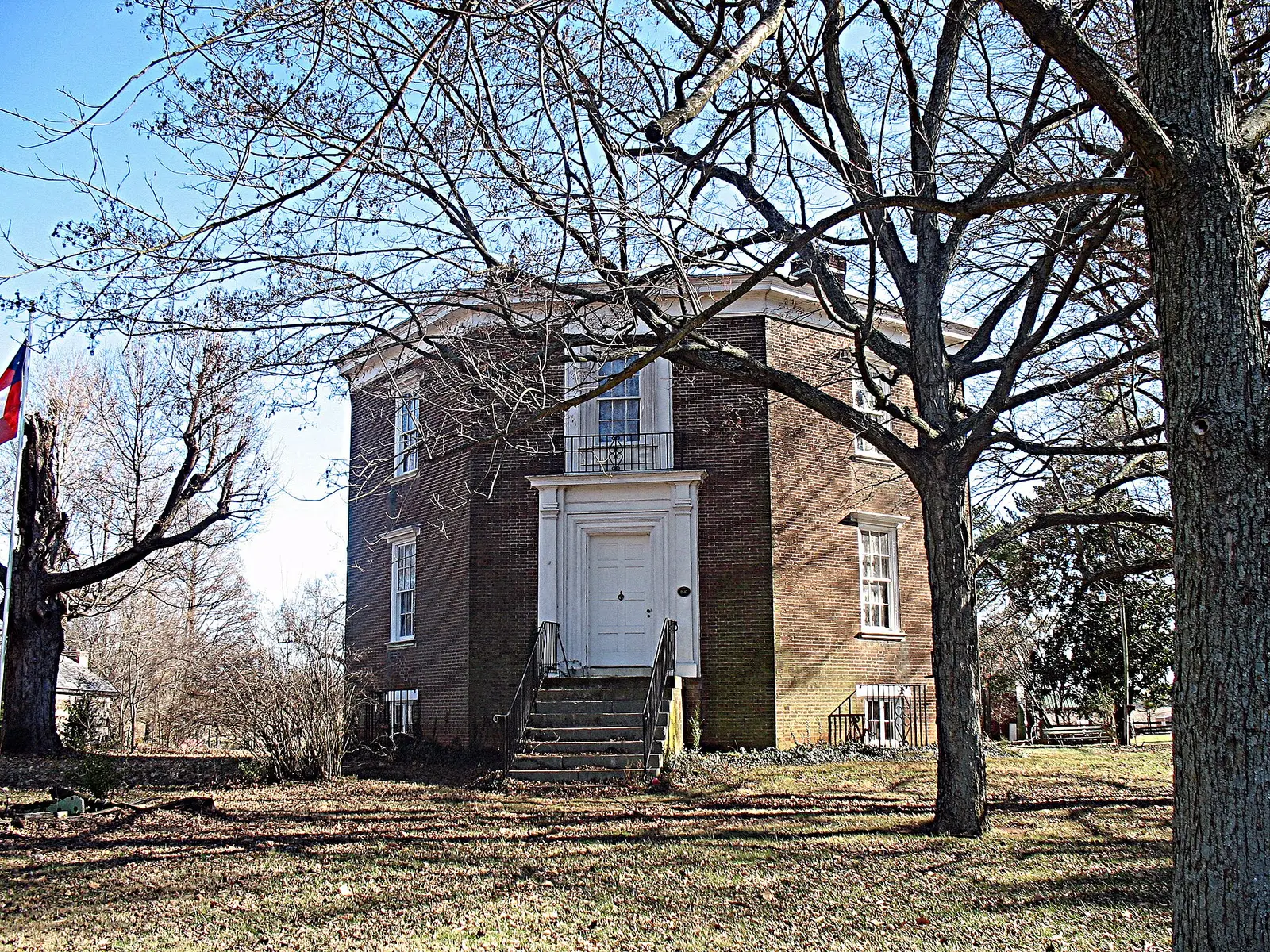
Historic house · Franklin, KY
Octagon Hall
Octagon Hall is a rare eight-sided brick house north of Franklin, Kentucky, built in the mid-19th century by Andrew Jackson Caldwell with the labor of people he enslaved.
Well DocumentedTours onlyAlso a historic house · also reported: doors
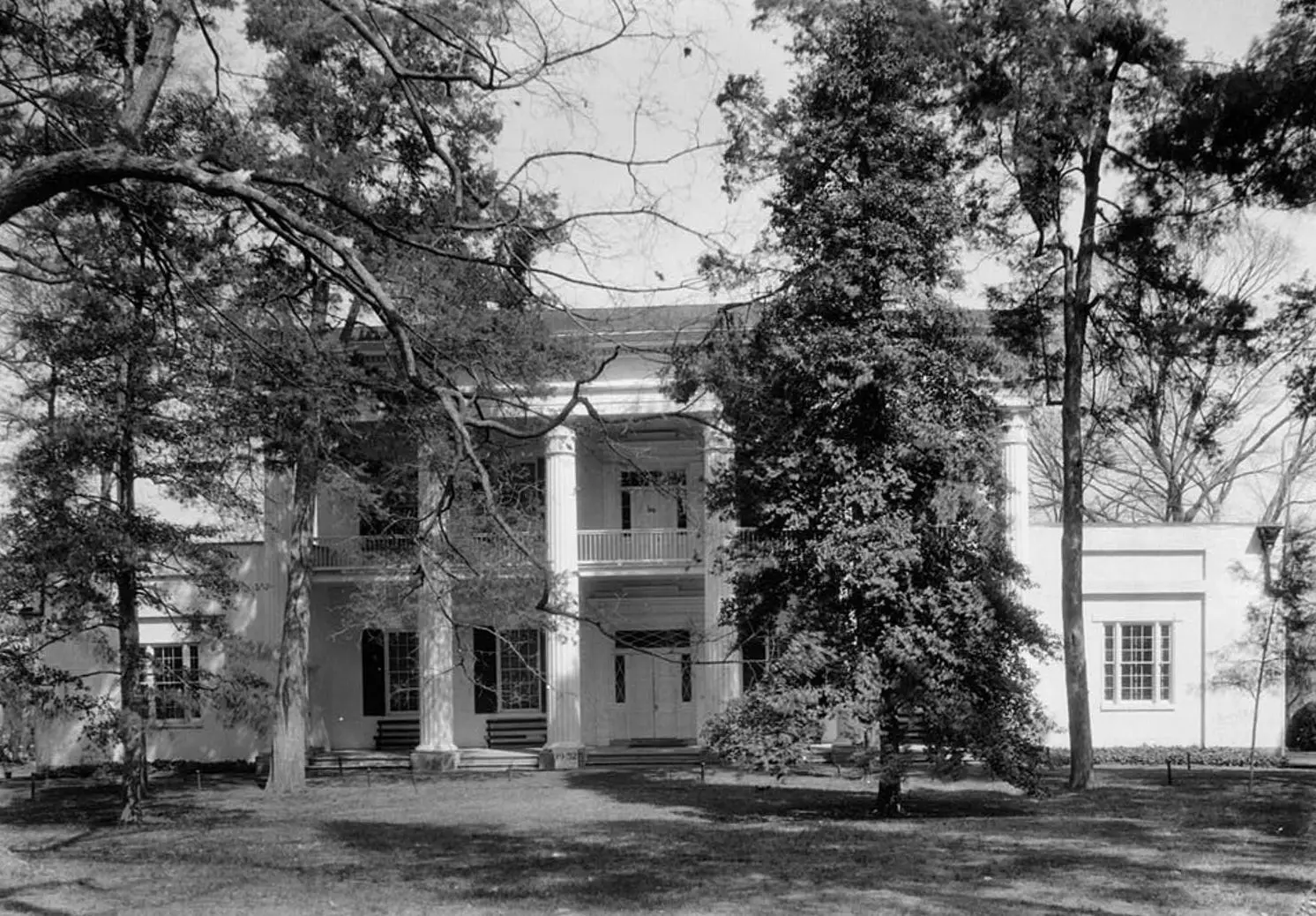
Historic house · TN
The Hermitage
The Hermitage is Andrew Jackson's plantation and mansion east of downtown Nashville, now a museum.
Documented AccountsOpen to visitorsAlso a historic house · also reported: doors
Historic house · San Diego, CA
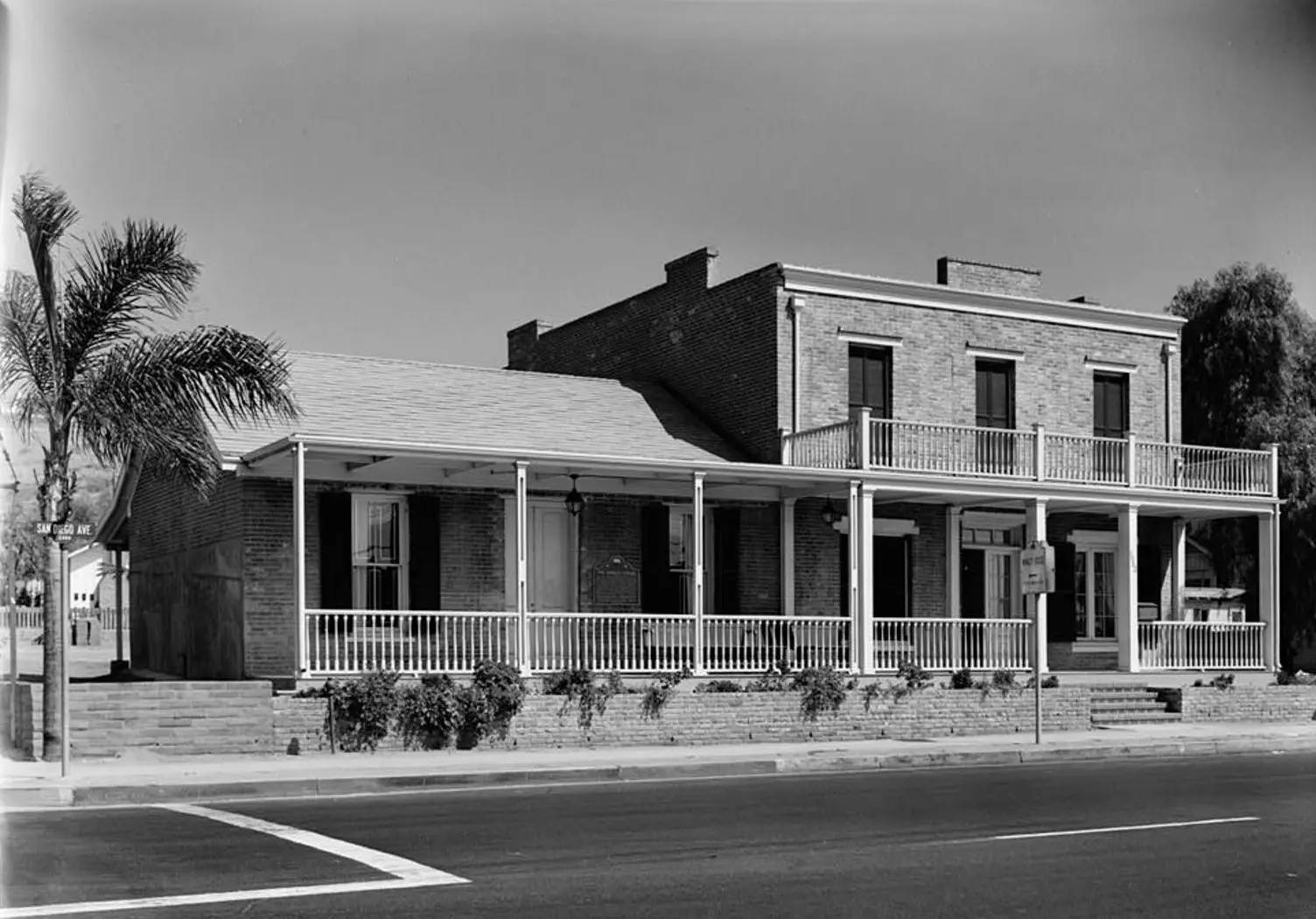
Whaley House
Footsteps, slamming doors and figures reported by museum staff since the 1960s, on the site of an 1852 hanging.
Documented AccountsOpen to visitorsAlso a historic house · also reported: shadow figures
Historic house · Denver, CO
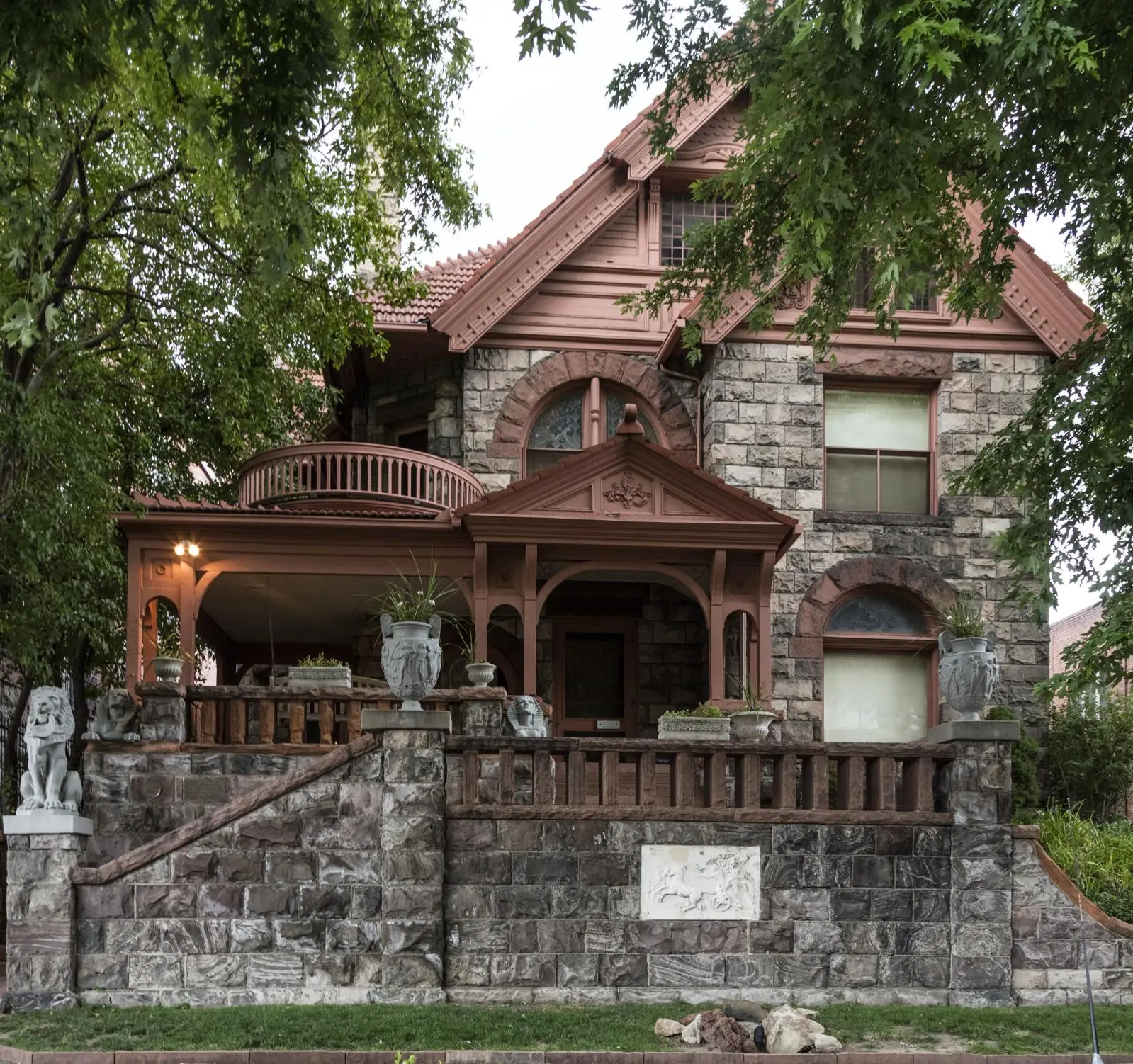
Molly Brown House Museum
The Molly Brown House is the late-1880s Capitol Hill home of Titanic survivor Margaret Brown, now a museum run by Historic Denver.
Documented AccountsOpen to visitors