← Williamsburg Peyton Randolph House
Peyton Randolph House
Williamsburg, Virginia
The Peyton Randolph House is an early 18th-century frame house in Colonial Williamsburg, home of Peyton Randolph, president of the Continental Congress; his household enslaved 27 people.
What do we know about Peyton Randolph House?
The ghost stories rest on second-hand retellings. L. B. Taylor Jr. described several experiences on Colonial Williamsburg's 2010 podcast, but without names or dates, and we could not access his 1983 book. Ghost-tour guides quoted in 2013 add photographs and local lore. None of this shows more than what people said they experienced.
Our rating of the reports about Peyton Randolph House: Documented Accounts. At least one traceable published or first-hand account of an unexplained experience. We check that the reports exist, not the supernatural. The rating describes the evidence for the reports, not whether the place is haunted.
- Reported accounts
- 2
- Counted for the rating
- 2
- Research sources
- 6
Counted for the rating: independent accounts we could trace to a witness. Retellings of the same story count once, and staff passing on what visitors said aren’t counted. How we count
Reported experiences don’t establish a supernatural cause.
Read our evidence assessment →The hauntings
Accounts, encounters and stories associated with Peyton Randolph House.
What has been reported?
- Being touched
- Apparitions
Phenomena described in accounts associated with this location — not independently verified events.
Reported experiences
2 published and reported accounts, each assessed by its source.
Account 01 · October 18, 2010 · 2 versions
The Colonial Williamsburg Foundation, 2010
Author L. B. Taylor Jr., who collected Williamsburg ghost stories for his 1983 book, said on Colonial Williamsburg's podcast that a Colonial Williamsburg employee saw a figure in knee breeches and colonial dress in the basement and fled, that a woman felt herself nudged on the…
- Being touched
- Apparitions
Published accountReported by Unnamed witnesses, via author L. B. Taylor Jr.Note: No witnesses are named or dated; Taylor relays the stories second hand, and we could not access his 1983 book (the Internet Archive copy is lending-restricted).
Read full account ›
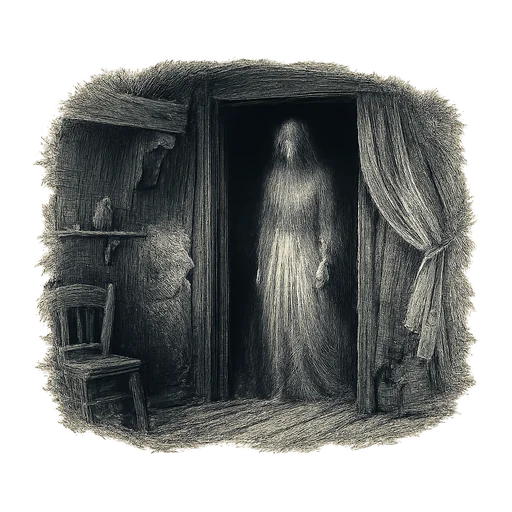
Author L. B. Taylor Jr., who collected Williamsburg ghost stories for his 1983 book, said on Colonial Williamsburg's podcast that a Colonial Williamsburg employee saw a figure in knee breeches and colonial dress in the basement and fled, that a woman felt herself nudged on the stairs, and that while the house was privately owned a woman saw a cloudy female figure wringing its hands at the foot of her bed.[6]
Taylor also said that people on night tours reported seeing figures at the windows when no one was inside.[6]
Note: No named witness or date.
Account 02 · October 28, 2013
Guides of the Original Ghosts of Williamsburg tour, 2013
Two guides of a commercial candlelight ghost tour told The Flat Hat in 2013 that guests often take eerie photographs at the house, that one guide had seen things she would call spirits, and that colleagues had reported lantern glass cracking in front of the house.[4]
- Apparitions
Published accountReported by Guides of the Original Ghosts of Williamsburg tour (via The Flat Hat)Note: Ghost-tour staff count as one origin; photographs are not counted as accounts of an experience.
Read full account ›
Two guides of a commercial candlelight ghost tour told The Flat Hat in 2013 that guests often take eerie photographs at the house, that one guide had seen things she would call spirits, and that colleagues had reported lantern glass cracking in front of the house.[4]
Legends & disputed stories
Stories told about the place that the records don’t confirm.
- Legend
Local lore told by ghost-tour guides links a photograph of a woman with a black cat to Mrs. Peachy, a former owner said to miss her children, and adds a frantic old woman nicknamed 'the shrew' who warns of disaster and a more violent spirit that guides tell groups to avoid at night.[4]
Before you go

Planning a visit?
Open to visitors
Parts of the inside are open to the public.
Access details ›
Part of Colonial Williamsburg's historic area; entry is included with Colonial Williamsburg admission and visitors explore at their own pace. Commercial candlelight ghost tours stop outside the house; their stories are not evidence. Check the official site for current tickets.
Entry
Paid entry
Access last checked November 17, 2026. Confirm times and prices before you travel.
Approximate location, within about 1 km.
The history of Peyton Randolph House
The Peyton Randolph House is an early 18th-century frame house in Colonial Williamsburg, home of Peyton Randolph, president of the Continental Congress; his household enslaved 27 people. It is often called Williamsburg's most haunted house. Author L. B. Taylor Jr. relayed unnamed witnesses' stories of a figure in colonial dress in the basement and a cloudy woman by a bed; ghost-tour guides add more. You can visit with Colonial Williamsburg admission.
- Established
- 1715–1782
- Also known as
- Randolph-Peachy House
A house built in three parts
The Peyton Randolph House stands at the corner of Nicholson and North England Streets in Colonial Williamsburg. Its square west section was built for William Robertson in 1715 or 1716, a smaller east section followed about 1724, and a two-story center section later joined the two. Its paneled rooms are among the finest original interiors in Williamsburg.
The Randolphs and the people they enslaved
Sir John Randolph owned the house from 1724 to 1737, according to its landmark nomination; a 2013 student newspaper article says the Randolphs bought it in 1721. His son Peyton Randolph lived there from 1745 until his death in 1775; he was Speaker of the House of Burgesses and president of the Continental Congress in 1774. The Randolphs were enslavers. Colonial Williamsburg's research counts 27 people enslaved in the household, who had a separate wing of the house for their work and sleeping quarters. A Colonial Williamsburg historian has said that four of the 23 people living there died in the 1748 smallpox epidemic, most likely servants and enslaved people.
Later history
The Comte de Rochambeau used the house as his headquarters during the Yorktown campaign, and Lafayette stayed there in 1824. It passed through other owners, including the Peachy family, before Colonial Williamsburg acquired and restored it. It became a National Historic Landmark in 1970.
Through the years
1745–1775
Peyton Randolph's home
Sir John Randolph owned the house from 1724 to 1737, according to the landmark nomination (The Flat Hat said in 2013 that the Randolphs bought it in 1721); his son Peyton Randolph lived there from 1745 until his…
Read more ›
Sir John Randolph owned the house from 1724 to 1737, according to the landmark nomination (The Flat Hat said in 2013 that the Randolphs bought it in 1721); his son Peyton Randolph lived there from 1745 until his death in 1775, serving as Speaker of the House of Burgesses (1766-1775) and president of the Continental Congress in 1774.[1][2]
1748
Smallpox deaths in the household
During the 1748 smallpox epidemic four of the 23 people living at the house died, most likely servants and enslaved people, according to colonial records cited by a Colonial Williamsburg historian.[4]
Caveat: Reported in a student newspaper; we did not see the underlying records.
1775
27 people enslaved in the household
The Randolphs were enslavers: Colonial Williamsburg's research counts 27 people enslaved in the Randolph household, who had a separate wing of the house for their work and sleeping quarters.[3]
Caveat: The exhibit does not give a date for the count or name the people; we could not access Colonial Williamsburg's own biographies of individuals such as Eve and Johnny.
1781
Rochambeau's headquarters
The house served as the Comte de Rochambeau's headquarters during the Yorktown campaign, and Lafayette stayed there in 1824.[2]
1970
National Historic Landmark
The house passed through several owners in the 18th and 19th centuries, including the Peachy family, and was later acquired and restored by Colonial Williamsburg; it was listed on the National Register and as a National Historic Landmark on April 15, 1970.[5][1][2]
Caveat: Restoration dates differ: the state register says the east wing was reconstructed in 1939-40; the nomination says restoration was completed in 1968.
The research conclusion

Why it has this rating
Two origins: witnesses described in L. B. Taylor's Ghosts of Williamsburg (a figure in the basement, a push on the stairs), relayed by Colonial Williamsburg in 2010, and ghost-tour guides quoted in 2013. None is named, so this is not Well Documented. Colonial Williamsburg counts 27 people enslaved in the Randolph household.
Read the full written assessment ›
The building history and the Randolphs' ownership are documented by the National Historic Landmark nomination and the state register; the Randolph household's enslavement of 27 people comes from Colonial Williamsburg's own research.
The ghost stories rest on second-hand retellings. L. B. Taylor Jr. described several experiences on Colonial Williamsburg's 2010 podcast, but without names or dates, and we could not access his 1983 book. Ghost-tour guides quoted in 2013 add photographs and local lore. None of this shows more than what people said they experienced.
The sources behind the story
6 research references support this entry.
1National Park Service (NPGallery)National Register of Historic Places Inventory–Nomination Form: Peyton Randolph House (ref. 70000863) Register or nomination · Reference 01
James Dillon, National Register of Historic Places Inventory–Nomination Form: Peyton Randolph House (ref. 70000863). National Park Service (NPGallery), 1974-10-23.
National Historic Landmark nomination, read by OCR. Gives the three building phases between 1715 and 1782 (west section by William Robertson in 1715 or 1716, east section about 1724, connecting hyphen later), Sir John Randolph's ownership 1724-1737, Peyton Randolph's residence 1745-1775, and Colonial Williamsburg's ownership and restoration. Says nothing about enslaved people or ghosts. UTM reference 18 349260 4126200.
Accessed November 17, 2026.
2Virginia Department of Historic Resources137-0032 Peyton Randolph House Official or site history · Reference 02
137-0032 Peyton Randolph House. Virginia Department of Historic Resources.
State register entry: NRHP and NHL listing April 15, 1970; west section about 1716 for William Robertson; Peyton Randolph lived there 1745-1775; Rochambeau's headquarters during the Yorktown campaign; Lafayette stayed there in 1824; east wing reconstructed in the 1939-40 restoration.
Accessed November 17, 2026.
3The Colonial Williamsburg Foundation (Google Arts & Culture)Enslaved Spaces of 18th-Century Williamsburg Official or site history · Reference 03
Enslaved Spaces of 18th-Century Williamsburg. The Colonial Williamsburg Foundation (Google Arts & Culture).
Online exhibit researched and written by Colonial Williamsburg Foundation staff. States that the 27 people enslaved in the Randolph household had a separate wing for their duties and sleeping quarters. Names no individuals. Colonial Williamsburg's own site (colonialwilliamsburg.org), which has fuller biographies, could not be accessed.
Accessed November 17, 2026.
4The Flat Hat (College of William & Mary student newspaper)America's most haunted house Newspaper · Reference 04
Áine Cain, America's most haunted house. The Flat Hat (College of William & Mary student newspaper), 2013-10-28.
Student newspaper feature quoting two guides of a commercial candlelight ghost tour and a Colonial Williamsburg research historian. Source for the 1748 smallpox deaths (attributed to colonial records) and for tour-guide stories; the guides' accounts count as one origin.
Accessed November 17, 2026.
5Library of Congress, Prints and Photographs Division (Historic American Buildings Survey)Peyton Randolph House, Nicholson & North England Streets, Williamsburg (HABS VA-197) Archive or collection · Reference 05
Thomas T. Waterman (data pages), Peyton Randolph House, Nicholson & North England Streets, Williamsburg (HABS VA-197). Library of Congress, Prints and Photographs Division (Historic American Buildings Survey), 1941.
HABS record with photographs and data pages (prepared 1941, read by OCR) calling it the Peachy-Randolph House, probably about 1725, owned by Williamsburg Restoration. Architectural only.
Accessed November 17, 2026.
6The Colonial Williamsburg FoundationGhosts of Williamsburg (Past and Present podcast) Official or site history · Reference 06
Harmony Hunter (host), with L. B. Taylor Jr., Ghosts of Williamsburg (Past and Present podcast). The Colonial Williamsburg Foundation, 2010-10-18.
Colonial Williamsburg's own podcast interviewing L. B. Taylor Jr., author of The Ghosts of Williamsburg (1983). Taylor retells accounts he collected; the witnesses are not named. Read as a page summary of the episode, not a transcript we checked word for word.
Accessed November 17, 2026.
More haunted places
Explore nearby
Historic house
George Wythe House
Williamsburg, Virginia · under 1 mile away · Open to visitors
Historic house
Bacon's Castle
Virginia · 11 miles away · Tours only
Fort
Fort Monroe National Monument
Hampton, Virginia · 28 miles away · Open to visitors
Historic house
Ferry Plantation House
Virginia Beach, Virginia · 43 miles away · Tours only
Similar places
Also a historic house · also reported: being touched
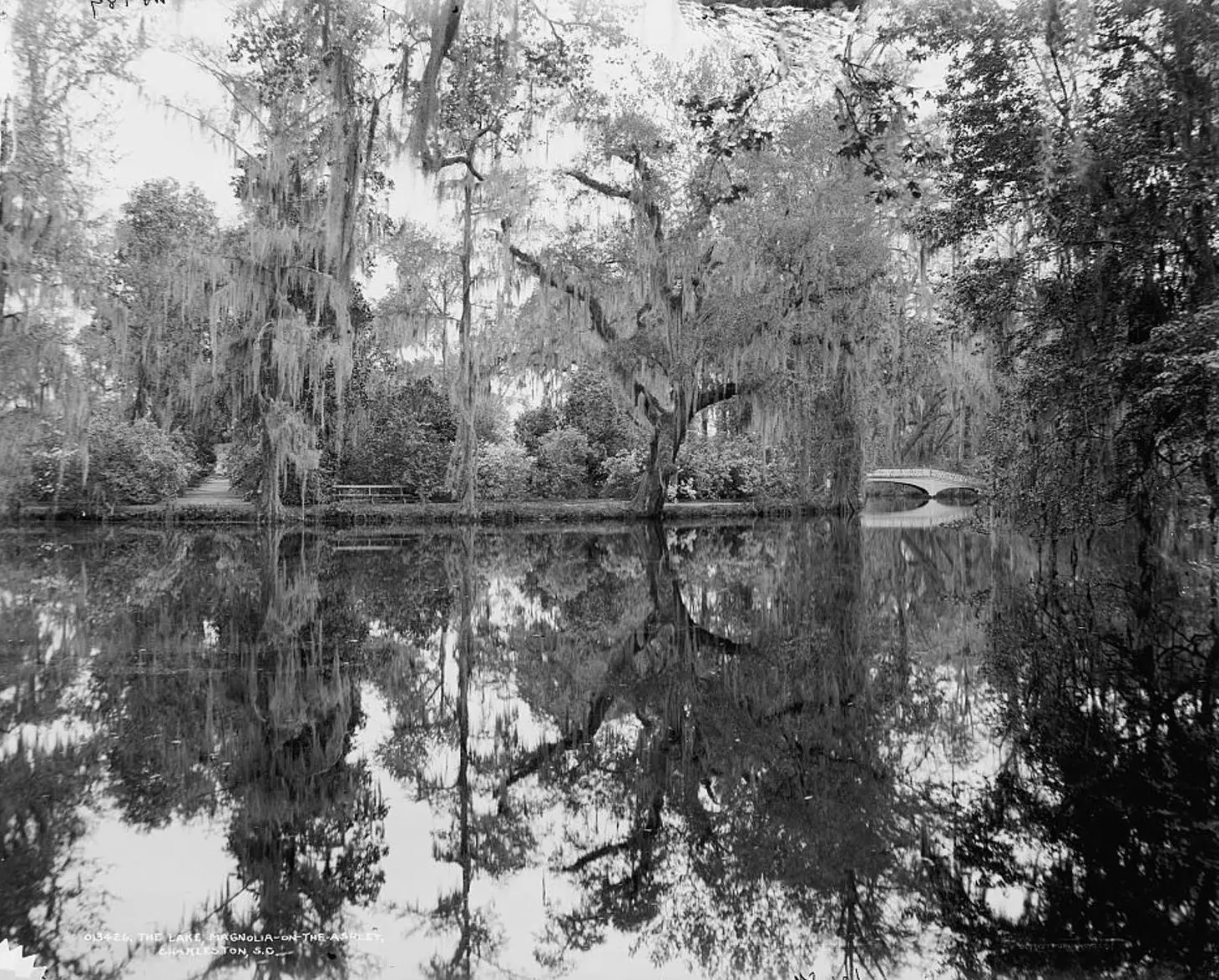
Historic house · Charleston, SC
Magnolia Plantation and Gardens
Magnolia Plantation and Gardens on the Ashley River is the Drayton family's former rice plantation, worked by enslaved people, and a public garden since about 1871.
UnverifiedTours onlyAlso a historic house · also reported: being touched
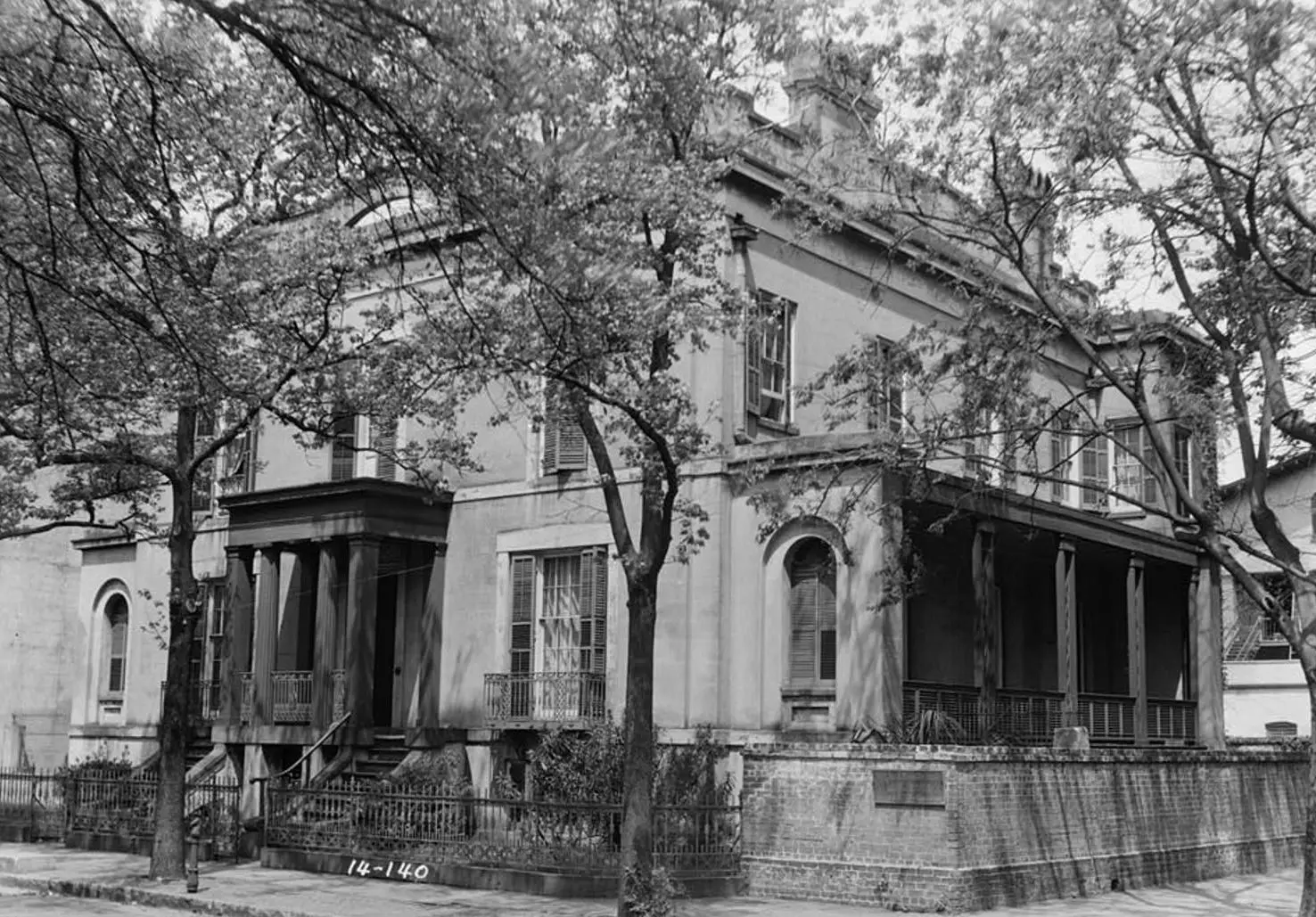
Historic house · Savannah, GA
Sorrel-Weed House
The Sorrel-Weed House on Madison Square was built about 1840 for merchant Francis Sorrel, who enslaved people there.
Documented AccountsTours onlyAlso a historic house · also reported: being touched
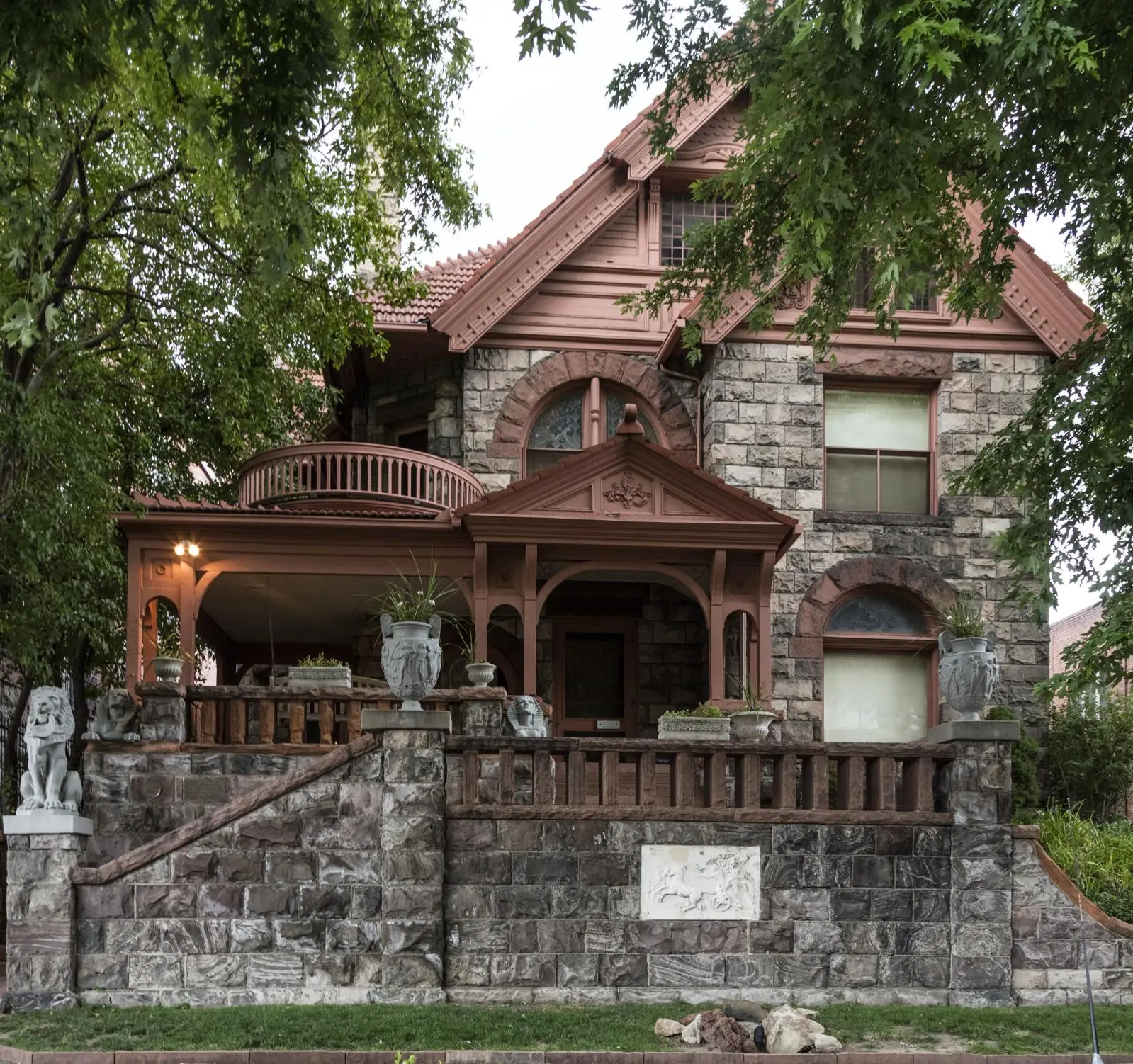
Historic house · Denver, CO
Molly Brown House Museum
The Molly Brown House is the late-1880s Capitol Hill home of Titanic survivor Margaret Brown, now a museum run by Historic Denver.
Documented AccountsOpen to visitorsAlso a historic house · also reported: being touched
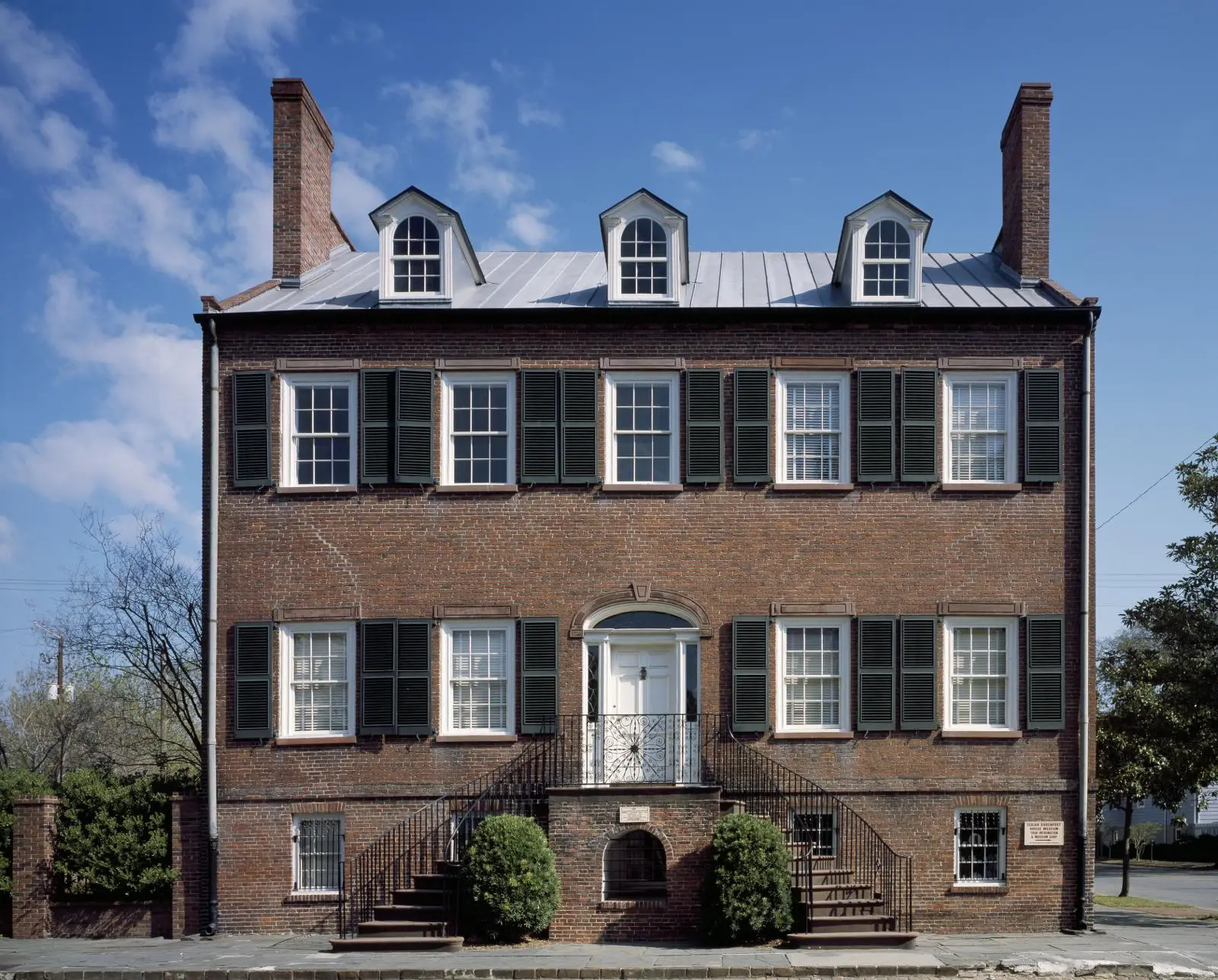
Historic house · Savannah, GA
Davenport House Museum
The Davenport House is the Federal-style home master builder Isaiah Davenport finished about 1820 on Columbia Square, built with the labor of men he enslaved.
Documented AccountsTours only