← New Orleans Hermann-Grima House
Hermann-Grima House
New Orleans, Louisiana
An 1831 townhouse museum in the French Quarter, built for broker Samuel Hermann and later home to notary Félix Grima's family.
What do we know about Hermann-Grima House?
The ghost claim is a single line, repeated almost word for word by the city's tourism office and a ghost-lore website, with no witness, date or original source. The museum's own pages do not mention ghosts. We found no traceable account of an experience here.
Our rating of the reports about Hermann-Grima House: Unverified. A haunted reputation or legend, but no traceable account of an experience so far. The rating describes the evidence for the reports, not whether the place is haunted.
- Reported account
- 1
- Counted for the rating
- 0
- Research sources
- 6
Counted for the rating: independent accounts we could trace to a witness. Retellings of the same story count once, and staff passing on what visitors said aren’t counted. How we count
Reported experiences don’t establish a supernatural cause.
Read our evidence assessment →The hauntings
Accounts, encounters and stories associated with Hermann-Grima House.
What has been reported?
- Smells
Phenomena described in accounts associated with this location — not independently verified events.
Reported experiences
1 published and reported account, each assessed by its source.
- Smells
No traceable witnessReported by Unnamed, as retold by New Orleans & Company and Legends of AmericaNote: Near-identical wording on both sites suggests one origin; no witness, date or earlier source is given, and the museum's own pages do not mention ghosts.
Before you go

Planning a visit?
Tours only
Visits are by guided tour or organized event.
Access details ›
A historic house museum run by Hermann-Grima + Gallier Historic Houses, managed by The Woman's Exchange. Visits are by guided tour only, and admission is charged; check the official site for tour times.
Entry
Paid entry
Access last checked November 16, 2026. Confirm times and prices before you travel.
Approximate location, within about 1 km.
The history of Hermann-Grima House
An 1831 townhouse museum in the French Quarter, built for broker Samuel Hermann and later home to notary Félix Grima's family. At least sixty people were enslaved there, and the museum's tours center their lives. Tourism lists call its ghosts friendly and fragrant, but no witness or source is given. Open for paid guided tours.
- Established
- 1831
- Also known as
- Hermann-Grima Historic House
A broker's townhouse
Samuel Hermann, a German-born commodities broker, had this brick townhouse built in 1831 by William Brand of Virginia. People enslaved by Brand very likely laid its bricks. Hermann worked as a factor for plantation owners, lending on land and enslaved people as security, and the museum's historians argue that New Orleans' slave market paid for the house.
The people enslaved here
From 1831 through the Civil War, at least sixty people of African descent were enslaved at the house by the Hermann and Grima families. Records name some of them: Oliver, a cook bought at 15; Mary, an ironer and laundress; Sarah, a laundress and later cook who was enslaved there for nearly twenty years. In the 1860 census, four of the six people enslaved by Félix Grima were listed as having fled the state.
The Grimas and the Exchange
The notary Félix Grima, whose work included recording sales of enslaved people, moved in with his family in 1844, and Grimas lived there until 1921. The Christian Woman's Exchange bought the house in 1924 (1921 in the 1938 WPA guide). It was listed on the National Register of Historic Places in 1971 and opened to visitors in 1972 (1971 on the operator's place page). Today its tours include an Urban Enslavement Tour, a working open-hearth kitchen and a restored bedroom in the quarters.
Through the years
1831–1865
Enslaved household
From its construction through the Civil War, at least sixty people of African descent were enslaved at the house by the Hermann and Grima families. Records name some of them, among them Oliver, a cook bought at 15;…
Read more ›
From its construction through the Civil War, at least sixty people of African descent were enslaved at the house by the Hermann and Grima families. Records name some of them, among them Oliver, a cook bought at 15; Mary, an ironer and laundress; and Sarah, a laundress and later cook who was enslaved there from 1832 to 1851.[1]
1844
Grima family moves in
The Hermanns sold the house, and the notary Félix Grima moved in with his wife Adelaide and their four children in 1844. Members of the Grima family lived there until 1921.[3][1]
Caveat: The operator's own page gives 1850 for Grima's purchase; New Orleans Historical says the 1850 purchase was of an enslaved man named Felix, not of the house.
1860
Four listed as fugitives
In the 1860 census, four of the six people enslaved by Félix Grima were listed as 'fugitive from the state.'[1]
1924–1972
Becomes a museum
The Christian Woman's Exchange, now The Woman's Exchange, bought the house from the SPCA in 1924 (1921 in the 1938 WPA guide). It was listed on the National Register of Historic Places in 1971 and opened to visitors…
Read more ›
The Christian Woman's Exchange, now The Woman's Exchange, bought the house from the SPCA in 1924 (1921 in the 1938 WPA guide). It was listed on the National Register of Historic Places in 1971 and opened to visitors as a historic house museum in 1972 (1971 on the operator's place page).[4][2]
Caveat: The 1938 WPA guide dates the Exchange's ownership to 1921; the operator's place page says the museum opened in 1971.
Also recorded
Hermann's business as a factor rested on credit secured on land and enslaved people, and the museum's historians argue that the city's slave market gave both families the means to afford the house; Félix Grima's work as a notary included recording sales of enslaved people.[1]
The museum interprets the house through an Urban Enslavement Tour, a working open-hearth kitchen and a restored bedroom of an enslaved person on the second floor of the quarters.[2]
The research conclusion

Why it has this rating
No traceable account of an experience: the only ghost claim is a single unattributed line repeated by two websites, and the museum's own pages don't mention ghosts.
Read the full written assessment ›
The history is well recorded by the museum and its research partners, using sale records and censuses to name some of the people enslaved at the house. Small dates differ between sources, such as the year the Grimas arrived and when the museum opened.
The ghost claim is a single line, repeated almost word for word by the city's tourism office and a ghost-lore website, with no witness, date or original source. The museum's own pages do not mention ghosts. We found no traceable account of an experience here.
The sources behind the story
6 research references support this entry.

1New Orleans Historical (University of New Orleans)The Hermann-Grima House Website · Reference 01
Katie Burlison and the HGGHH team (earlier version by Kate Mason), The Hermann-Grima House. New Orleans Historical (University of New Orleans), 2022-10-11.
Researched entry written with the museum's staff, focused on the people enslaved at the house, with named individuals drawn from sale and census records. Updated 2026. Written by the operator's team, so not independent of it.
Accessed November 16, 2026.
2Hermann-Grima + Gallier Historic Houses (managed by The Woman's Exchange)Hermann-Grima House Official or site history · Reference 02
Hermann-Grima House. Hermann-Grima + Gallier Historic Houses (managed by The Woman's Exchange).
The operator's own page: built 1831 for Samuel Hermann by William Brand; restored open-hearth kitchen and enslaved person's bedroom; museum history. Gives 1850 for Félix Grima's purchase, which conflicts with other sources.
Accessed November 16, 2026.
3Houghton Mifflin, BostonNew Orleans City Guide (American Guide Series) Book · Reference 03
Federal Writers' Project of the Works Progress Administration, New Orleans City Guide (American Guide Series). Houghton Mifflin, Boston, 1938.
Government-sponsored 1938 guidebook, read in the Internet Archive scan. Useful as a dated snapshot of 1930s uses and of the lore then in circulation; it mixes history with retold 'legends' and cites no sources for the ghost stories.
Accessed November 16, 2026.
4Hermann-Grima + Gallier Historic HousesThe Woman's Exchange Official or site history · Reference 04
The Woman's Exchange. Hermann-Grima + Gallier Historic Houses.
Operator's history of The Woman's Exchange: bought the house from the SPCA in 1924, National Register listing in 1971, visitors admitted from 1972.
Accessed November 16, 2026.
5Legends of AmericaHaunted New Orleans, Louisiana Website · Reference 05
Kathy Alexander, Haunted New Orleans, Louisiana. Legends of America, 2026-02.
Ghost-lore compilation repeating nearly the same wording as the tourism list; no witnesses or per-claim sources.
Accessed November 16, 2026.
6New Orleans & Company (official tourism marketing organization)16 Most Haunted Places in New Orleans Website · Reference 06
16 Most Haunted Places in New Orleans. New Orleans & Company (official tourism marketing organization).
Tourism list that describes the house's ghosts in a sentence, with no witnesses or sources. Used only as a place the ghost claim is published.
Accessed November 16, 2026.
More haunted places
Explore nearby
Cemetery
St. Louis Cemetery No. 1
New Orleans, Louisiana · under 1 mile away · Tours only
Hotel
Bourbon Orleans Hotel
New Orleans, Louisiana · under 1 mile away · Open to visitors
Museum
New Orleans Pharmacy Museum
New Orleans, Louisiana · under 1 mile away · Open to visitors
Museum
The Cabildo
New Orleans, Louisiana · under 1 mile away · Open to visitors
Similar places
Also a museum · also reported: smells
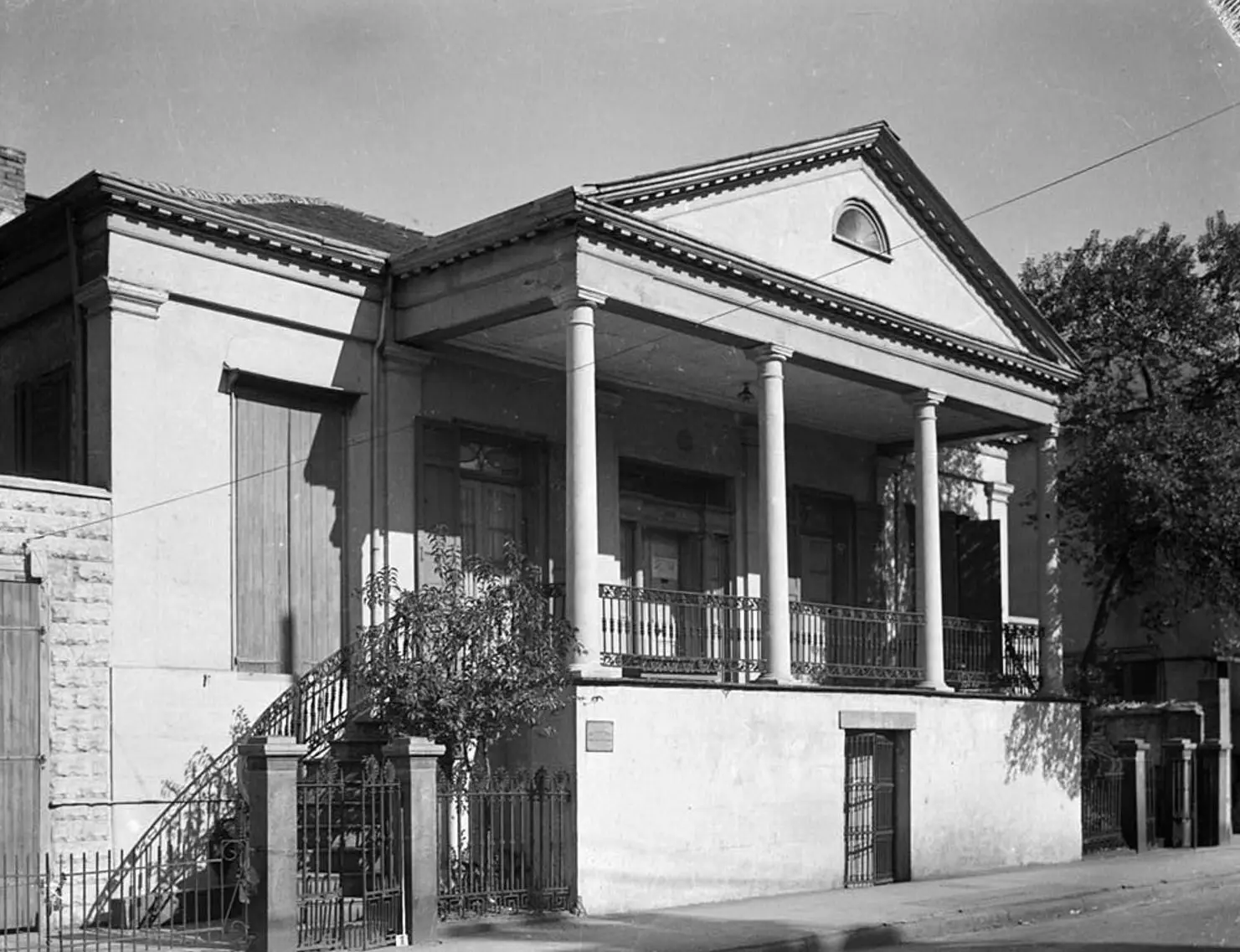
Museum · New Orleans, LA
Beauregard-Keyes House and Garden
An 1826 French Quarter house museum, home for a time to General Beauregard and later to novelist Frances Parkinson Keyes.
UnverifiedTours onlyAlso a museum · also reported: smells
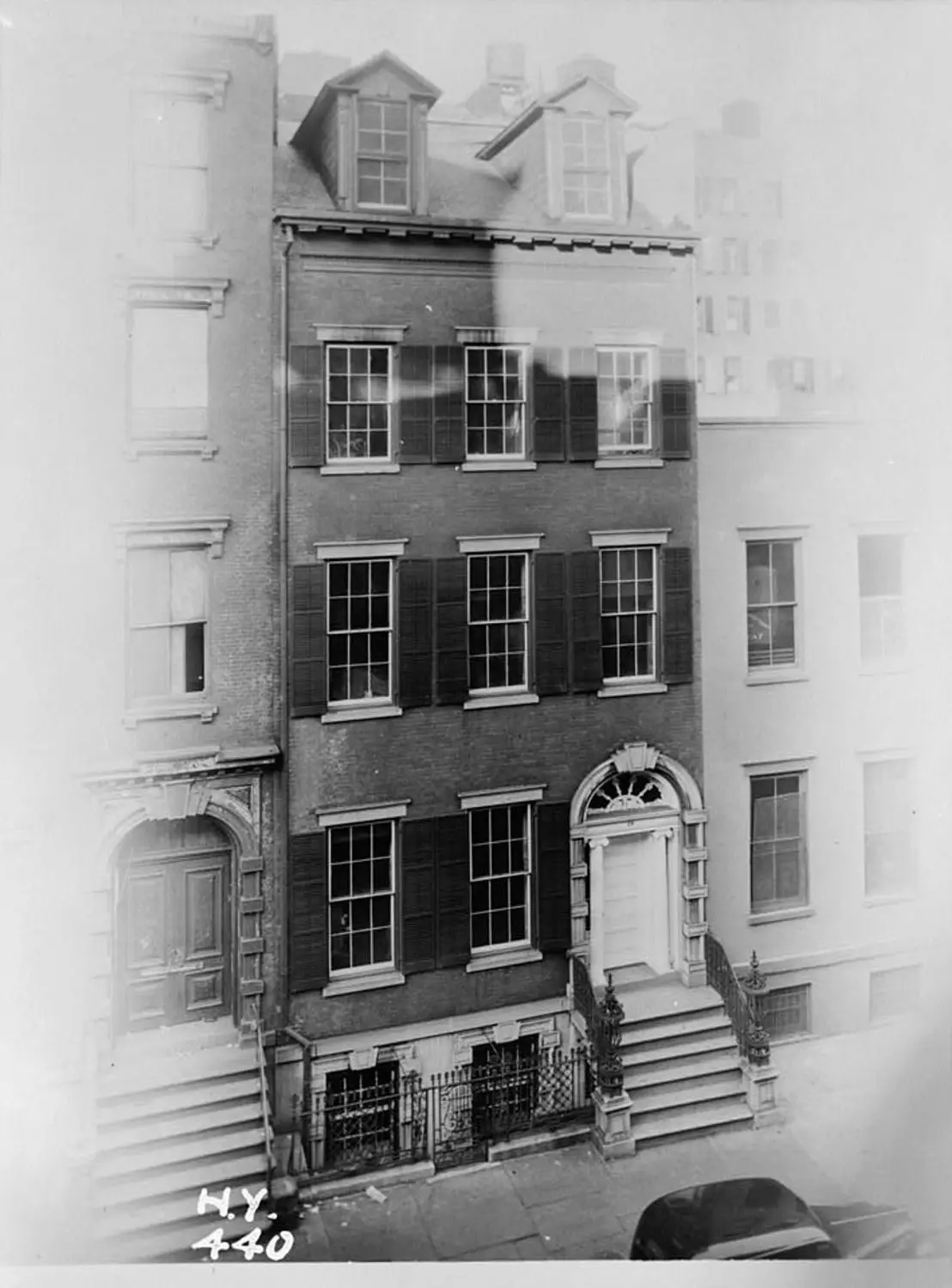
Museum · New York, NY
Merchant's House Museum
The Merchant's House Museum on East 4th Street is the 1832 home of the Tredwell family, preserved with their belongings.
Documented AccountsOpen to visitorsAlso a museum
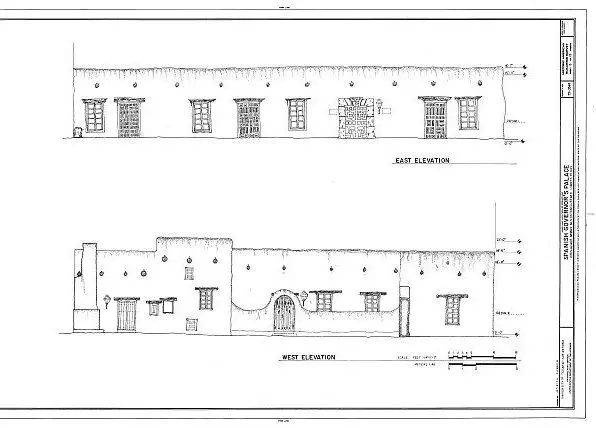
Museum · San Antonio, TX
Spanish Governor's Palace
The Spanish Governor's Palace on San Antonio's Military Plaza is the 1749 residence of the local presidio's commander, later home to Spanish governors and now a city museum.
UnverifiedOpen to visitorsAlso a museum
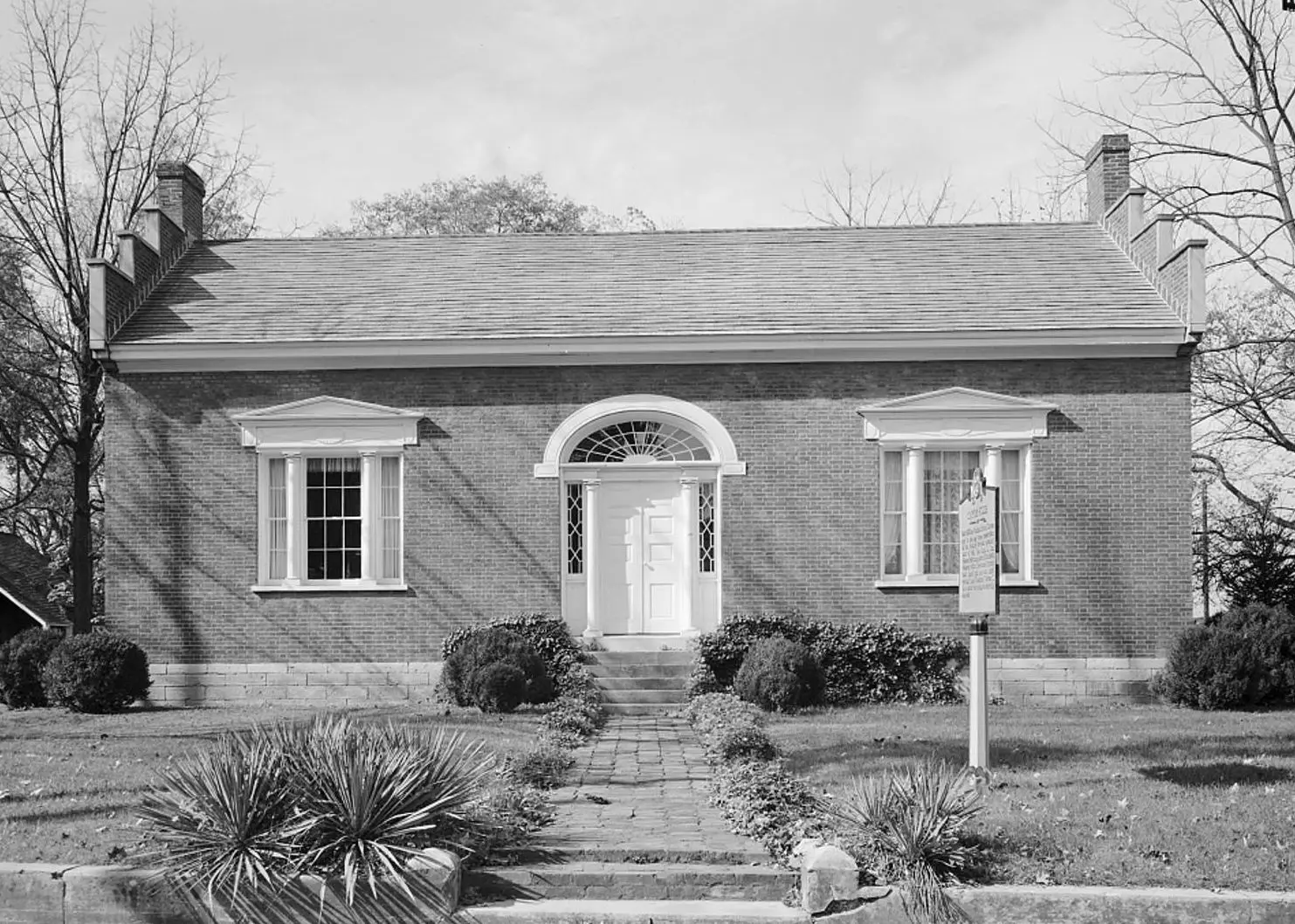
Museum · Franklin, TN
The Carter House
The Carter House in Franklin is the 1830 farmhouse of Fountain Branch Carter, who enslaved 28 people there.
Documented AccountsTours only