← Savannah Davenport House Museum
Davenport House Museum
A builder's home, the people he enslaved, and the ghost cat
Savannah, Georgia
The Davenport House is the Federal-style home master builder Isaiah Davenport finished about 1820 on Columbia Square, built with the labor of men he enslaved.
What do we know about Davenport House Museum?
The ghost stories go back at least to Margaret Wayt DeBolt's 1984 book and appear in later books, but we could read them only through a 2013 blog that summarizes them. The witnesses are unnamed, apart from a former staff member who wrote his own account. The museum's director has rejected the legend that a Davenport child died on the stairs.
Our rating of the reports about Davenport House Museum: Documented Accounts. At least one traceable published or first-hand account of an unexplained experience. We check that the reports exist, not the supernatural. The rating describes the evidence for the reports, not whether the place is haunted.
- Reported accounts
- 4
- Counted for the rating
- 3
- Research sources
- 7
Counted for the rating: independent accounts we could trace to a witness. Retellings of the same story count once, and staff passing on what visitors said aren’t counted. How we count
Reported experiences don’t establish a supernatural cause.
Read our evidence assessment →The hauntings
Accounts, encounters and stories associated with Davenport House Museum.
What has been reported?
- Apparitions
- Being touched
- Footsteps
- Shadow figures
Phenomena described in accounts associated with this location — not independently verified events.
Reported experiences
4 published and reported accounts, each assessed by its source.
Account 01 · 1984
A boarding-house resident, 1984
A man living in the house when it was a boarding house saw a large yellow cat come in, follow him upstairs and vanish down the hall, and a search found no cat; his daughter told the story to Margaret Wayt DeBolt, who published it in…
- Apparitions
Published accountReported by A boarding-house resident (via Margaret Wayt DeBolt, Savannah Spectres, 1984)Note: Known to us only through a blog retelling of a book we could not access. Later books describe the cat differently. The museum sells a toy version and treats the cat as part of its 'museum family'.
Read full account ›
A man living in the house when it was a boarding house saw a large yellow cat come in, follow him upstairs and vanish down the hall, and a search found no cat; his daughter told the story to Margaret Wayt DeBolt, who published it in 1984.[5]
Account 02 · 2005
Southern Spirit Guide, 2013
A guest on the second floor reported feeling a purring cat rub against his leg, according to Robert Edgerly's 2005 book.[5]
- Being touched
Published accountReported by An unnamed guest (via Robert Edgerly, Savannah Hauntings, 2005)Note: Unnamed guest; known only through the blog's summary.
Read full account ›
A guest on the second floor reported feeling a purring cat rub against his leg, according to Robert Edgerly's 2005 book.[5]
Account 03
Southern Spirit Guide, 2013
Two tourists told the gift shop cashier near closing time that they had seen a small girl playing with toys on the second floor; the house was searched and no one found. A ghost-tour company also says a former docent saw a girl climb the stairs…
- Apparitions
Published accountNote: No named witness and no date.
Account 04 · October 22, 2013
A former weekend staff member, 2013
A former weekend staff member wrote in 2013 that in September 1990 he saw a tall, dark, cloud-like figure in the basement shop, and that in the late 1990s he felt the floor vibrate as if someone were walking up behind him when no one was…
- Footsteps
- Shadow figures
Published accountReported by A former weekend staff member (own comment on Southern Spirit Guide)Note: Self-published comment; we have not used his name.
Read full account ›
A former weekend staff member wrote in 2013 that in September 1990 he saw a tall, dark, cloud-like figure in the basement shop, and that in the late 1990s he felt the floor vibrate as if someone were walking up behind him when no one was there.[5]
Legends & disputed stories
Stories told about the place that the records don’t confirm.
- Legend
Ghost writers have suggested the girl is a Davenport child who died falling down the stairs; the museum's director said in 2013 that no member of the family died that way in the house.[5][7]
What the research shows: The names offered for the girl ('Laura', 'Sarah') do not match the museum's record of the family.
Before you go
Planning a visit?
Tours only
Visits are by guided tour or organized event.
Access details ›
House museum run by Historic Savannah Foundation, seen on timed guided tours; tickets are sold at the museum shop entrance at 323 E Broughton St. The museum does not run ghost tours. Check the official site for current tours.
Entry
Paid entry
Access last checked November 17, 2026. Confirm times and prices before you travel.
Approximate location, within about 1 km.
The history of Davenport House Museum
The Davenport House is the Federal-style home master builder Isaiah Davenport finished about 1820 on Columbia Square, built with the labor of men he enslaved. Saved from demolition in 1955, it launched Savannah's preservation movement. Ghost books since 1984 report a phantom cat, a small girl upstairs and a dark figure in the basement, all from unnamed witnesses. It is a museum with guided tours.
- Established
- 1815–1820
- Also known as
- Isaiah Davenport House
Isaiah Davenport's house
Isaiah Davenport, a master builder born in Rhode Island in 1784, came to Savannah in the early 1800s. He began this brick house on Columbia Square about 1815 and finished it about 1820, the date the museum gives; tax records first show the buildings in 1821, the year the historic district's nomination uses. The museum says it was built with the work of two men he enslaved, Ned and Davey. Davenport died of yellow fever in 1827, and his widow Sarah ran the house as a boarding house until 1840.
The enslaved household
Tax records show the Davenports enslaved two people in 1810 and ten by 1827. They cooked, washed, cleaned and worked as wagoners and skilled laborers, and probably slept in the basement or garret. Nancy and Dave both escaped for a time. After Davenport's death, an 1828 notice listed Ned, Dave, Bella and her children Jack, Jacob, Isaac and Polly, and the children Peggy and Nancy for sale. The museum tells their story in its Urban Enslaved exhibition.
From tenement to museum
By 1954 the house was divided among ten poor families. When it was to be demolished in 1955, seven women bought it and founded Historic Savannah Foundation, which opened it as a museum in 1963.
Through the years
1810–1828
1810–1828
The Davenport household's enslaved people grew from two in 1810 to ten in 1827. They cooked, cleaned and worked as wagoners and skilled laborers; Nancy and Dave escaped for a time in 1812 and 1821. An 1828 notice…
Read more ›
The Davenport household's enslaved people grew from two in 1810 to ten in 1827. They cooked, cleaned and worked as wagoners and skilled laborers; Nancy and Dave escaped for a time in 1812 and 1821. An 1828 notice listed Ned, Dave, Bella and her children Jack, Jacob, Isaac and Polly, and the children Peggy and Nancy for sale. The museum interprets their lives in its Urban Enslaved exhibition.[3][4][2]
Caveat: The museum says Sarah Davenport kept or bought back several of them; it has not found what happened to Ned, and records show Dave and Isaac buried in Laurel Grove South Cemetery.
1815–1820
Davenport House built
Master builder Isaiah Davenport, born in Little Compton, Rhode Island, in 1784, built the brick Federal-style house on Columbia Square for his family; it was begun about 1815 and finished about 1820 (the historic district's nomination says 1821),…
Read more ›
Master builder Isaiah Davenport, born in Little Compton, Rhode Island, in 1784, built the brick Federal-style house on Columbia Square for his family; it was begun about 1815 and finished about 1820 (the historic district's nomination says 1821), with the work of men he enslaved, Ned and Davey.[1][2]
1955
Saved from demolition
By 1954 the neglected house was divided among ten poor families; when it was threatened with demolition in 1955, a group of seven women bought it and founded Historic Savannah Foundation, which opened it as a house museum…
The research conclusion

Why it has this rating
Three traceable accounts: a boarding-house resident's vanishing cat (DeBolt, 1984), a guest who felt a cat rub his leg (Edgerly, 2005) and a former staff member's own account of a dark figure in the basement. Only two describe the same thing, and the tourists' sighting of a girl has no named source, so this is Documented Accounts. The museum's director has rejected the 'child fell down the stairs' story.
Read the full written assessment ›
The house's building, the Davenports' enslavement of at least ten people by 1827, and its rescue in 1955 are documented by the National Register nomination and the museum's own research into tax records, newspaper notices and inventories.
The ghost stories go back at least to Margaret Wayt DeBolt's 1984 book and appear in later books, but we could read them only through a 2013 blog that summarizes them. The witnesses are unnamed, apart from a former staff member who wrote his own account. The museum's director has rejected the legend that a Davenport child died on the stairs.
The sources behind the story
7 research references support this entry.

1National Park Service (NPGallery)National Register of Historic Places Inventory–Nomination Form: Davenport, Isaiah, House (ref. 72000374) Register or nomination · Reference 01
National Register of Historic Places Inventory–Nomination Form: Davenport, Isaiah, House (ref. 72000374). National Park Service (NPGallery), 1972-09-22.
Scanned nomination (OCR is poor in places). Says the house was begun in 1815 and completed about 1820 per city tax digests, describes Isaiah Davenport (born 1784, Little Compton, RI), the sale to William Baynard in 1840, decline into a slum occupied by ten families by 1954, the founding of Historic Savannah Foundation to save it, and its opening as a house museum in August 1963. Silent on enslaved people and ghosts.
Accessed November 17, 2026.
2Davenport House Museum (Historic Savannah Foundation)The Davenport House Official or site history · Reference 02
The Davenport House. Davenport House Museum (Historic Savannah Foundation).
Museum's history: built 1820 with the work of enslaved laborers Ned and Davey; Isaiah Davenport's life and 1827 death from yellow fever; Sarah Davenport ran a boarding house there until 1840; the ten children and the early deaths of three. Authoritative on the museum's own research.
Accessed November 17, 2026.
3Davenport House Museum (Historic Savannah Foundation)Slavery in Savannah Official or site history · Reference 03
Slavery in Savannah. Davenport House Museum (Historic Savannah Foundation).
Museum's research page on the Davenport household's enslaved people, citing tax records, 1812 and 1821 runaway advertisements, the 1827 inventory and an 1828 sale notice; names Nancy, Dave, Ned, Bella and her children Jack, Jacob, Isaac and Polly, and Peggy, Mary and Ann.
Accessed November 17, 2026.
4Davenport House Museum (Historic Savannah Foundation)Tour the Davenport House Museum Official or site history · Reference 04
Tour the Davenport House Museum. Davenport House Museum (Historic Savannah Foundation).
Visit page checked 2026-11-17: guided tours of about 70 minutes booked by time slot, a ticket entrance at 323 E Broughton St, passes and discounts. No ghost tours or ghost content on the official site.
Accessed November 17, 2026.
5Southern Spirit GuideGuests and Ghosts on Columbia Square Website · Reference 05
Lewis Powell IV, Guests and Ghosts on Columbia Square. Southern Spirit Guide, 2013-02-16.
Ghost blog (updated 2018) that traces the Davenport stories to books: Margaret Wayt DeBolt, Savannah Spectres and Other Strange Tales (1984); Robert Edgerly, Savannah Hauntings (2005); James Caskey, Haunted Savannah (2008); Alan Brown, Haunted Georgia (2008). Its comments include a 2013 statement by museum director Jamie Credle and a first-person account by a former weekend staff member. We could not access the books.
Accessed November 17, 2026.
6Davenport House Museum (Historic Savannah Foundation)About the Davenport House Official or site history · Reference 06
About the Davenport House. Davenport House Museum (Historic Savannah Foundation).
Museum mission and origin story: threatened with demolition in 1955, saved by seven women who founded Historic Savannah Foundation; opened as a museum in 1963; interprets the lives of free and enslaved residents.
Accessed November 17, 2026.
7Ghost City ToursThe Haunted Davenport House Website · Reference 07
Tim Nealon, The Haunted Davenport House. Ghost City Tours.
Ghost-tour company page (undated, 2026 footer). Unnamed staff and a former docent report a cat and a girl on the stairs. It says the girl may be a daughter 'Sarah' who died in 1822, which conflicts with the museum's family record.
Accessed November 17, 2026.
More haunted places
Explore nearby
Historic house
Owens-Thomas House & Slave Quarters
Savannah, Georgia · under 1 mile away · Tours only
Cemetery
Colonial Park Cemetery
Savannah, Georgia · under 1 mile away · Outside only
Cemetery
Wright Square
Savannah, Georgia · under 1 mile away · Outside only
Hotel
The Marshall House
Savannah, Georgia · under 1 mile away · Open to visitors
Similar places
Also a historic house · also reported: shadow figures, footsteps
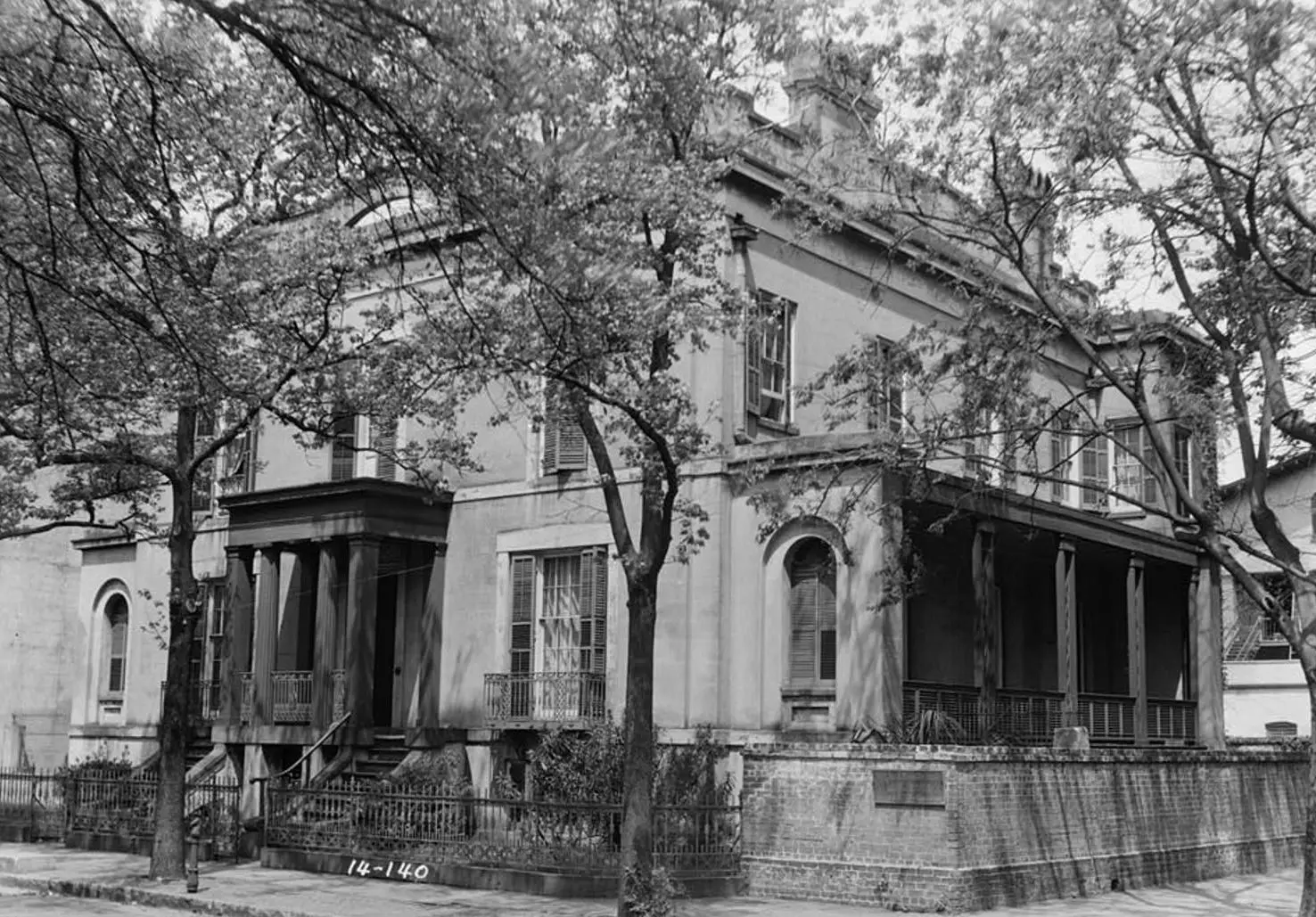
Historic house · Savannah, GA
Sorrel-Weed House
The Sorrel-Weed House on Madison Square was built about 1840 for merchant Francis Sorrel, who enslaved people there.
Documented AccountsTours onlyAlso a historic house · also reported: shadow figures, footsteps
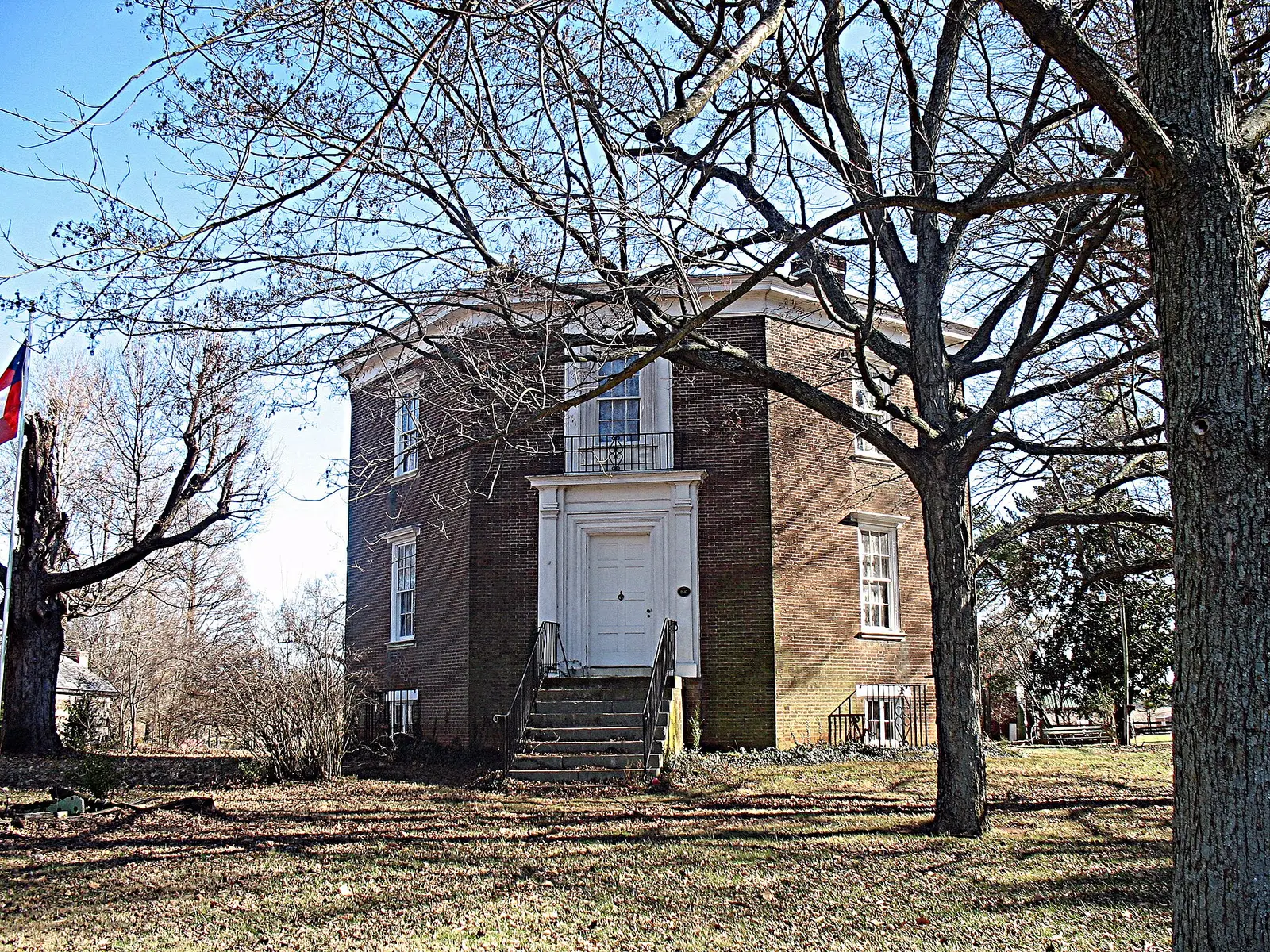
Historic house · Franklin, KY
Octagon Hall
Octagon Hall is a rare eight-sided brick house north of Franklin, Kentucky, built in the mid-19th century by Andrew Jackson Caldwell with the labor of people he enslaved.
Well DocumentedTours onlyAlso a historic house · also reported: shadow figures, being touched
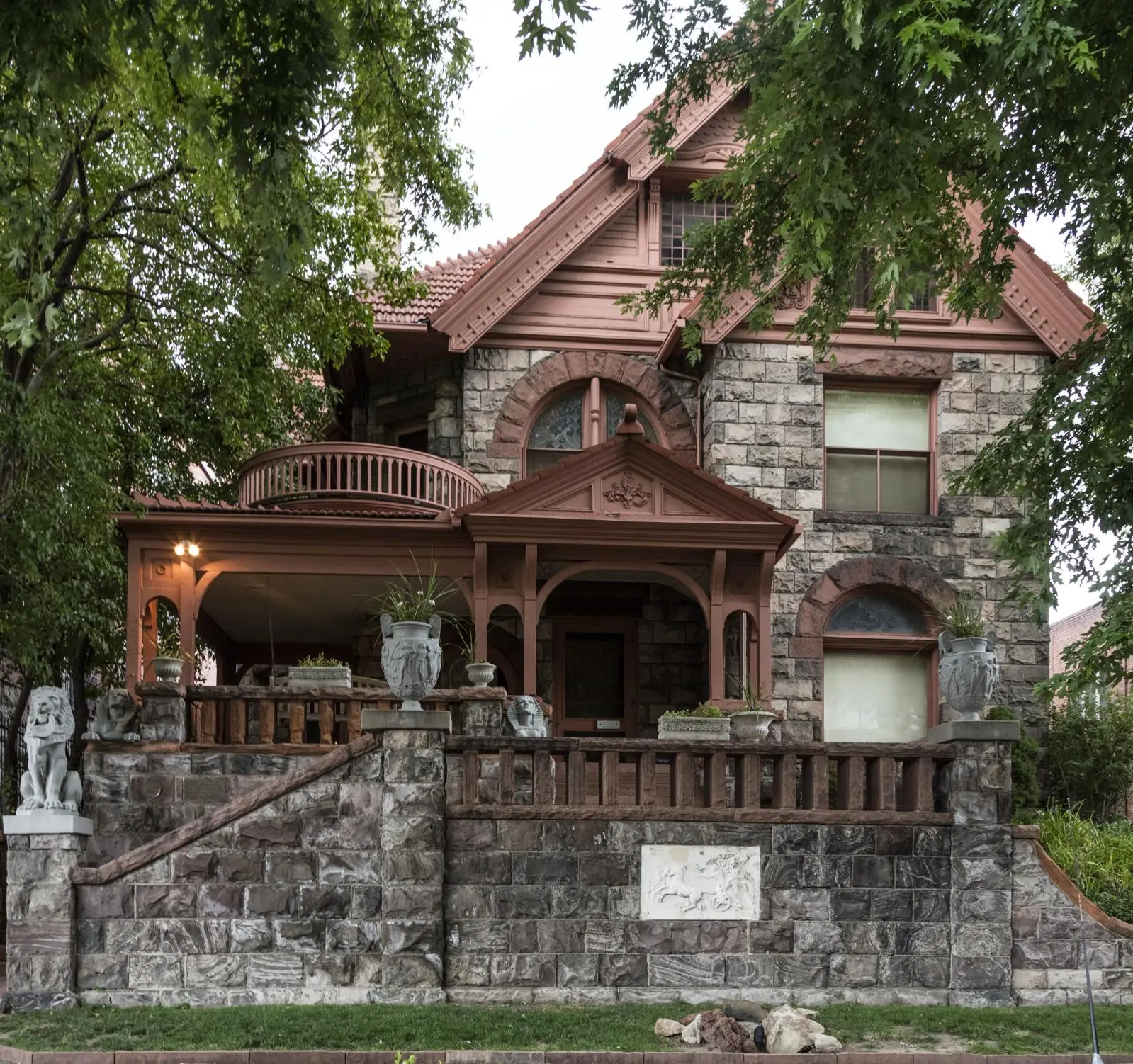
Historic house · Denver, CO
Molly Brown House Museum
The Molly Brown House is the late-1880s Capitol Hill home of Titanic survivor Margaret Brown, now a museum run by Historic Denver.
Documented AccountsOpen to visitorsAlso a historic house · also reported: footsteps, being touched
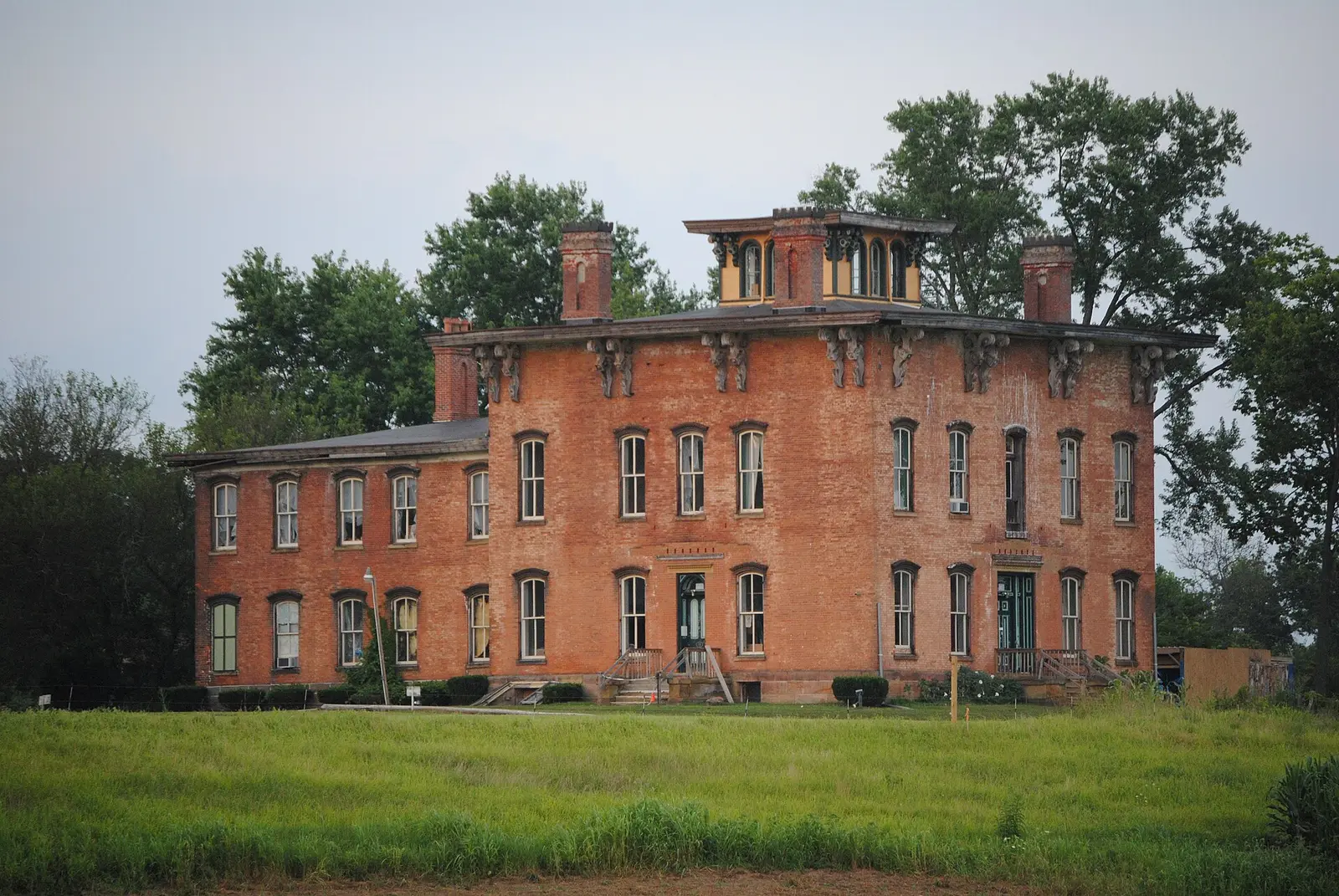
Historic house · Trinway, OH
Prospect Place Mansion
Prospect Place is an 1856 Italian Villa-style mansion near Trinway built for George W. Adams, whose family left Virginia opposing slavery.
Documented AccountsOpen to visitors