← Kansas City Alexander Majors House
Alexander Majors House
History, slavery and the Louisa Johnston stories
Kansas City, Missouri
The Alexander Majors House is an 1856 home on Kansas City's State Line Road, built by the freighter whose firm ran the Pony Express; Majors enslaved at least 22 people.
What do we know about Alexander Majors House?
The ghost stories are recent and secondhand. Local media repeat that Louisa Johnston is seen on the porch or at a window and that visitors smell roses and lilacs, without naming anyone. A KSHB report says staff have seen figures and guests have heard voices, which is the only account of an experience we could trace, and it names no one. The museum's curator told Kansas City Magazine she has experienced nothing there.
Our rating of the reports about Alexander Majors House: Unverified. A haunted reputation or legend, but no traceable account of an experience so far. The rating describes the evidence for the reports, not whether the place is haunted.
- Reported account
- 1
- Counted for the rating
- 0
- Research sources
- 8
Counted for the rating: independent accounts we could trace to a witness. Retellings of the same story count once, and staff passing on what visitors said aren’t counted. How we count
Reported experiences don’t establish a supernatural cause.
Read our evidence assessment →The hauntings
Accounts, encounters and stories associated with Alexander Majors House.
What has been reported?
- Apparitions
- Voices
- Smells
Phenomena described in accounts associated with this location — not independently verified events.
Reported experiences
1 published and reported account, each assessed by its source.
Account 01 · 2023 · 2 versions
KSHB 41, 2023
A KSHB report on the museum's October ghost programs said guests have reported hearing voices and staff have reported seeing figures in the house.[4]
- Apparitions
- Voices
Published accountReported by Unnamed museum staff and guests (KSHB)Note: No witness is named or dated; the report promoted the museum's own ghost programs.
Read full account ›
A KSHB report on the museum's October ghost programs said guests have reported hearing voices and staff have reported seeing figures in the house.[4]
The museum's curator told Kansas City Magazine she is agnostic about ghosts and has had no supernatural experience at the house, though she finds it empty and lonely.[5]
Note: A report of no experience, not an account of one.
Legends & disputed stories
Stories told about the place that the records don’t confirm.
- Legend
A local legend holds that Louisa Johnston still keeps watch over the house she restored: she is said to be seen on the porch, at a first-floor window or walking up the sidewalk, and visitors are said to smell roses and lilacs from her garden.[6][5][7]
What the research shows: Repeated by a magazine, the tourism office and a paranormal website; none names a witness.
- Legend
The museum's own paranormal event promotes 'tales of a restless blacksmith' and of a longtime caretaker said to remain in the house.[8]
What the research shows: Operator marketing for a ticketed event; we found no older source for the blacksmith.
Before you go

Not open to visitors
Location
8201 State Line Rd, Kansas City, MO 64114
Closed
Closed to visitors, or demolished.
Access details ›
The house museum, run by Wornall/Majors House Museums, says it is closed through summer 2027; the nearby John Wornall House stays open. When open, it has offered tours and paid paranormal evenings and investigation rentals, which are a paid attraction whose marketing we do not treat as evidence. Check the official site before visiting.
Access last checked November 19, 2026.
Please visit responsibly
This place isn’t open to visitors. Don’t trespass: view it from public land, or learn about it from local museums and archives.
The history of Alexander Majors House
The Alexander Majors House is an 1856 home on Kansas City's State Line Road, built by the freighter whose firm ran the Pony Express; Majors enslaved at least 22 people. Its ghost stories center on Louisa Johnston, his great-granddaughter who restored the house and died in 1979. A 2020s TV report says staff have seen figures. The museum is closed through summer 2027.
- Established
- 1856
- Also known as
- Alexander Majors House Museum
A freighter's house on the state line
Alexander Majors built this two-story frame house in 1856, on land that straddles the Missouri–Kansas border. In 1854 he had joined William H. Russell and William B. Waddell, and from 1855 their firm held army contracts to haul supplies to posts across the West. Wagon trains were loaded just west of the house. The company's later ventures, the Central Overland stage line and the Pony Express, lost money, and the partners went bankrupt in 1861. Majors left the house in 1858; he died in Chicago in 1900.
The people Majors enslaved
The museum's own research concludes that Majors enslaved at least 22 people between 1850 and 1860. A deed of trust drawn up in his 1860 bankruptcy lists nine of them by name and age, among them Amos, Henry, Sarah, Charles and Milly, and an 1858 bill of sale records his purchase of a man named Harry. The museum says these people were as present at the house as the Majors family.
Louisa Johnston
After years as a family home and, from 1925 to 1930, a school building, the house was vandalized and empty when Majors' great-granddaughter Louisa Johnston bought it in 1930, the year the 1969 nomination and the museum give; KSHB gives about 1934. She repaired it and lived there for nearly 50 years until her death in 1979. After a restoration, the house opened for tours in 1984.
Through the years
1850–1860
People enslaved by Majors
Majors enslaved at least 22 people between 1850 and 1860; a deed of trust from his 1860 bankruptcy names nine of them, including Amos, Henry, Sarah, Charles and Milly, and an 1858 bill of sale records his purchase of a man named Harry.[3]
Caveat: The museum says the true number was probably higher.
1930
Louisa Johnston buys the house
Louisa Johnston, Majors' great-granddaughter, bought the vandalized house in 1930, according to the 1969 nomination and the museum (KSHB gives about 1934), after it had been used as a school, repaired it and lived there until her death…
The research conclusion

Why it has this rating
No traceable account: a TV station reported unnamed staff and guests while promoting the museum's ghost programs, and the curator says she has experienced nothing. Majors enslaved at least 22 people; that is documented history.
Read the full written assessment ›
The house's history is documented by its 1969 National Register nomination and by the museum, which has traced the names of people Majors enslaved through deeds and census records.
The ghost stories are recent and secondhand. Local media repeat that Louisa Johnston is seen on the porch or at a window and that visitors smell roses and lilacs, without naming anyone. A KSHB report says staff have seen figures and guests have heard voices, which is the only account of an experience we could trace, and it names no one. The museum's curator told Kansas City Magazine she has experienced nothing there.
The sources behind the story
8 research references support this entry.
1Missouri State Historic Preservation OfficeAlexander Majors House, National Register of Historic Places Inventory–Nomination Form Register or nomination · Reference 01
Missouri State Historical Survey and Planning Office, Alexander Majors House, National Register of Historic Places Inventory–Nomination Form. Missouri State Historic Preservation Office, 1969.
1969 nomination: built 1856; an outfitting base for Russell, Majors and Waddell, whose partnership began in 1854 and whose army contracts began in 1855; the Pony Express and stage line hastened bankruptcy in 1861; Majors died penniless in Chicago in 1900; ownership by the Poteets (1859–1903), the Ruhls, School District 57 (1925–1930) and Louisa Johnston from 1930. Written while Johnston owned it; does not discuss slavery.
Accessed November 17, 2026.
2Wornall/Majors House MuseumsThe Majors House Official or site history · Reference 02
The Majors House. Wornall/Majors House Museums, 2026.
Museum page: built 1856 by Majors, who left for Nebraska City in 1858; Louisa Johnston bought it back in 1930 and lived there nearly 50 years until her death in 1979; opened for tours in 1984 after restoration; 'closed through Summer 2027'; address 8201 State Line Rd. No mention of hauntings.
Accessed November 17, 2026.
3Wornall/Majors House MuseumsNaming Those Enslaved by Alexander Majors Official or site history · Reference 03
Naming Those Enslaved by Alexander Majors. Wornall/Majors House Museums, 2026.
Museum research page: Majors enslaved at least 22 people between 1850 and 1860; seven in the 1850 census; a man named Harry bought in 1858; nine named in an 1860 deed of trust (Amos, Henry, Sarah, Charles, John, John, Thomas, Little John, Milly); seven more in the 1860 census, two marked as fugitives. Built on deeds, census schedules and an 1860 newspaper. Does not say who built the house.
Accessed November 17, 2026.
4KSHB 41 (Kansas City)One Tank Trips: Wornall/Majors October ghost programs Television or radio · Reference 04
Daisha Jones, One Tank Trips: Wornall/Majors October ghost programs. KSHB 41 (Kansas City), 2023.
Local TV feature promoting the museum's ghost programs: says Louisa Johnston and a son of Majors are 'said to still roam' the house, that 'guests have reported hearing voices, staff have reported seeing figures', and that paranormal investigations have been interrupted. No witness named; publication date not shown on the page (year estimated). Gives Johnston's purchase as about 1934, against 1930 elsewhere.
Accessed November 17, 2026.
5Kansas City MagazineInside Kansas City's 8 most haunted places Magazine · Reference 05
Isabella Ferrentino (Majors section), Inside Kansas City's 8 most haunted places. Kansas City Magazine, 2022.
City magazine roundup: people 'have seen Johnston spend her time on the porch' and smelled roses and lilacs, with no witness named; the museum's curator says she is 'agnostic when it comes to ghosts' and has had no experience there. Date not shown on the page; images uploaded September 2022.
Accessed November 17, 2026.
6Visit KCKansas City's Real Haunted Houses Website · Reference 06
Kansas City's Real Haunted Houses. Visit KC, 2026.
Tourism-office roundup: visitors 'have been said' to meet the spirit of Louisa Johnston; mentions 'soldierly hauntings' without detail. Undated tourism marketing.
Accessed November 17, 2026.
7Paranormal Activity Investigators (kcghosts.com)Alexander Majors Mansion (Urban Legends) Website · Reference 07
Kelli Patrick, Alexander Majors Mansion (Urban Legends). Paranormal Activity Investigators (kcghosts.com), 2026.
Local paranormal group's 'urban legends' page: Johnston is said to stare out of a first-floor window and to be seen walking up the sidewalk; says she died in the caretaker's cottage at 89. No investigation or witness reported; undated.
Accessed November 17, 2026.
8Wornall/Majors House MuseumsParanormal Night at the Alexander Majors House Museum Official or site history · Reference 08
Paranormal Night at the Alexander Majors House Museum. Wornall/Majors House Museums, 2026-07-10.
The museum's own ticketed event listing (July 10, 2026): 'tales of a restless blacksmith' and a caretaker 'said to still remain', and a claim of 'national recognition as a haunted location'. Marketing by the operator, not evidence.
Accessed November 17, 2026.
More haunted places
Explore nearby
Similar places
Also a historic house · also reported: smells
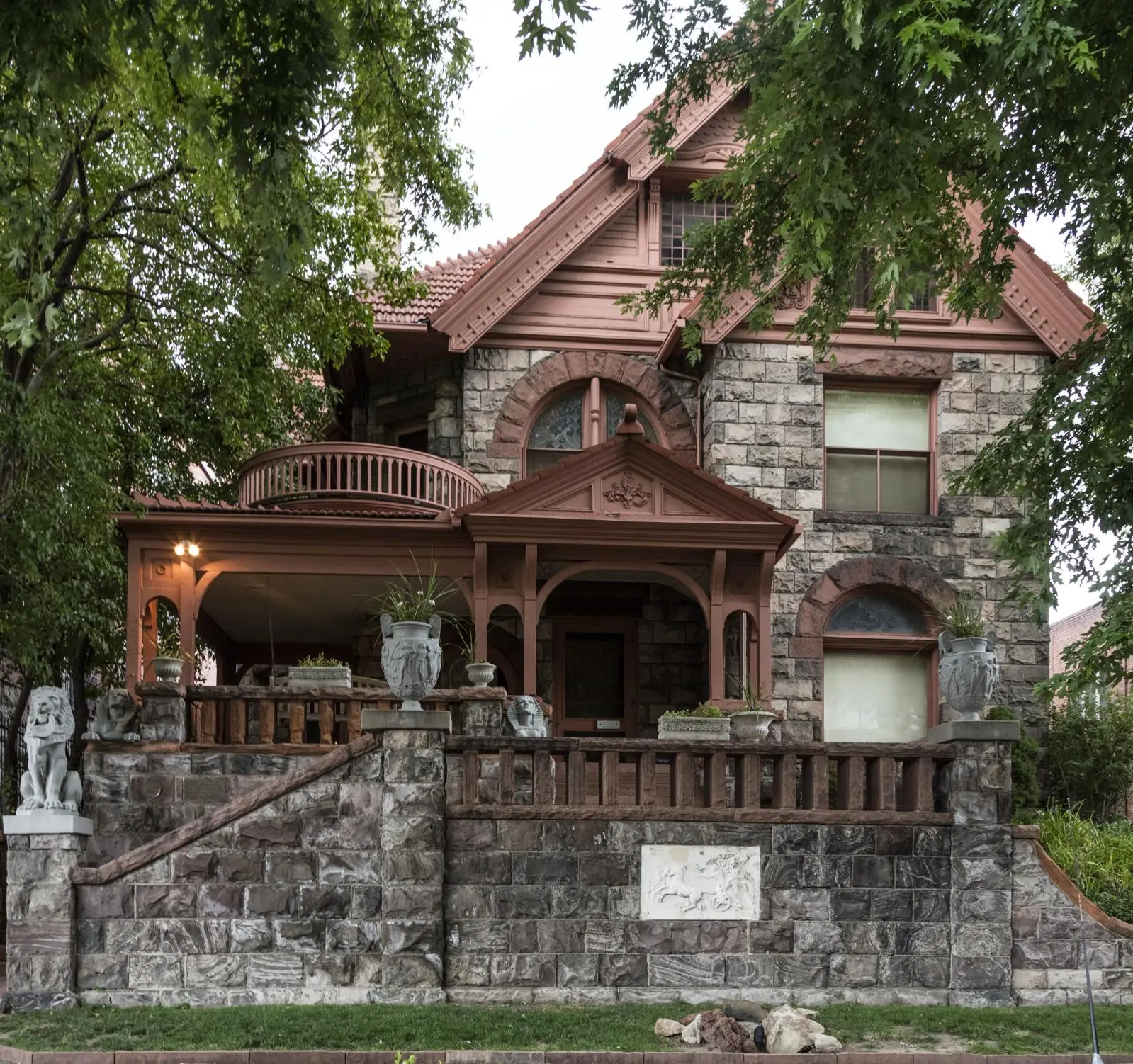
Historic house · Denver, CO
Molly Brown House Museum
The Molly Brown House is the late-1880s Capitol Hill home of Titanic survivor Margaret Brown, now a museum run by Historic Denver.
Documented AccountsOpen to visitorsAlso a historic house · also reported: smells
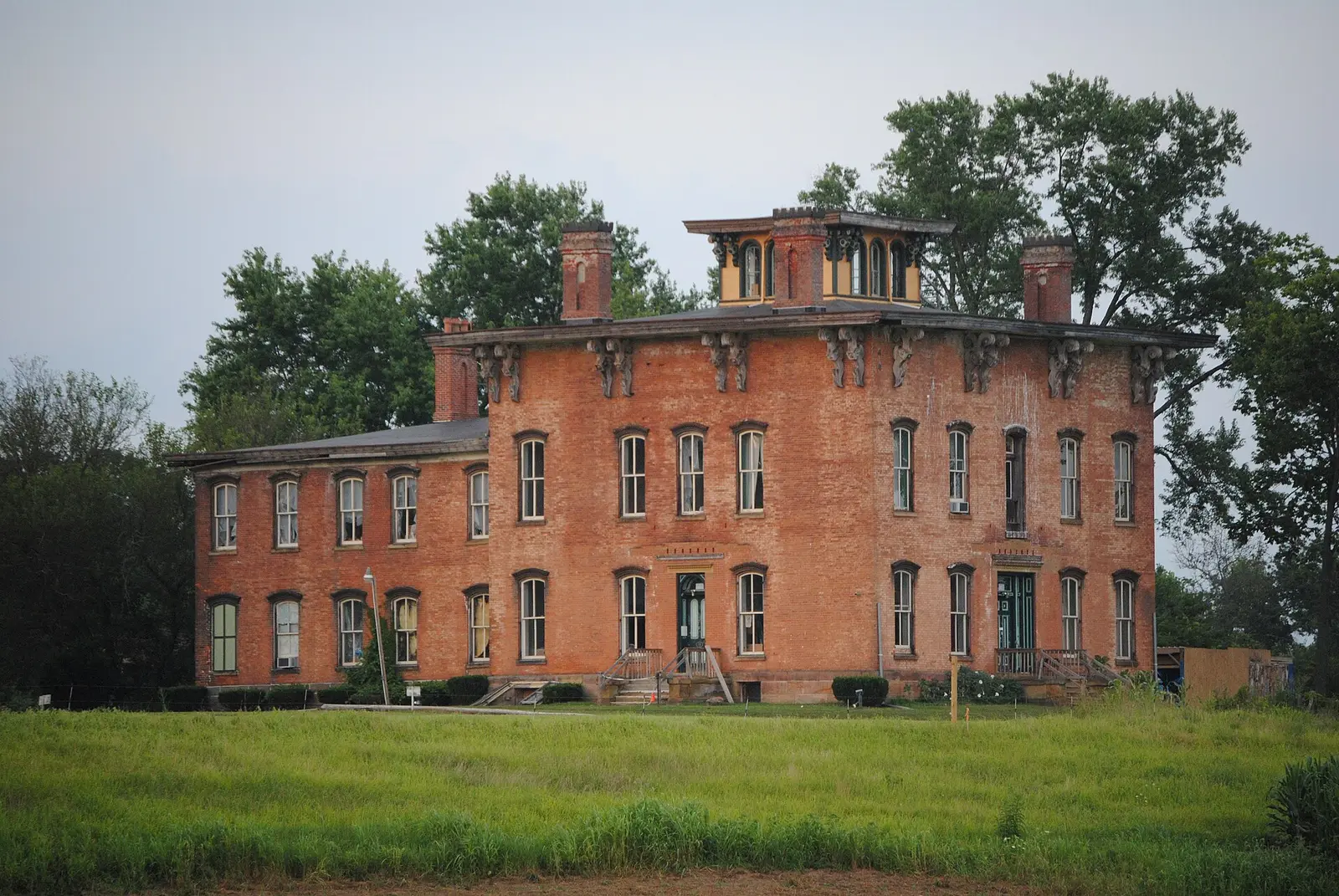
Historic house · Trinway, OH
Prospect Place Mansion
Prospect Place is an 1856 Italian Villa-style mansion near Trinway built for George W. Adams, whose family left Virginia opposing slavery.
Documented AccountsOpen to visitorsAlso a historic house · also reported: smells
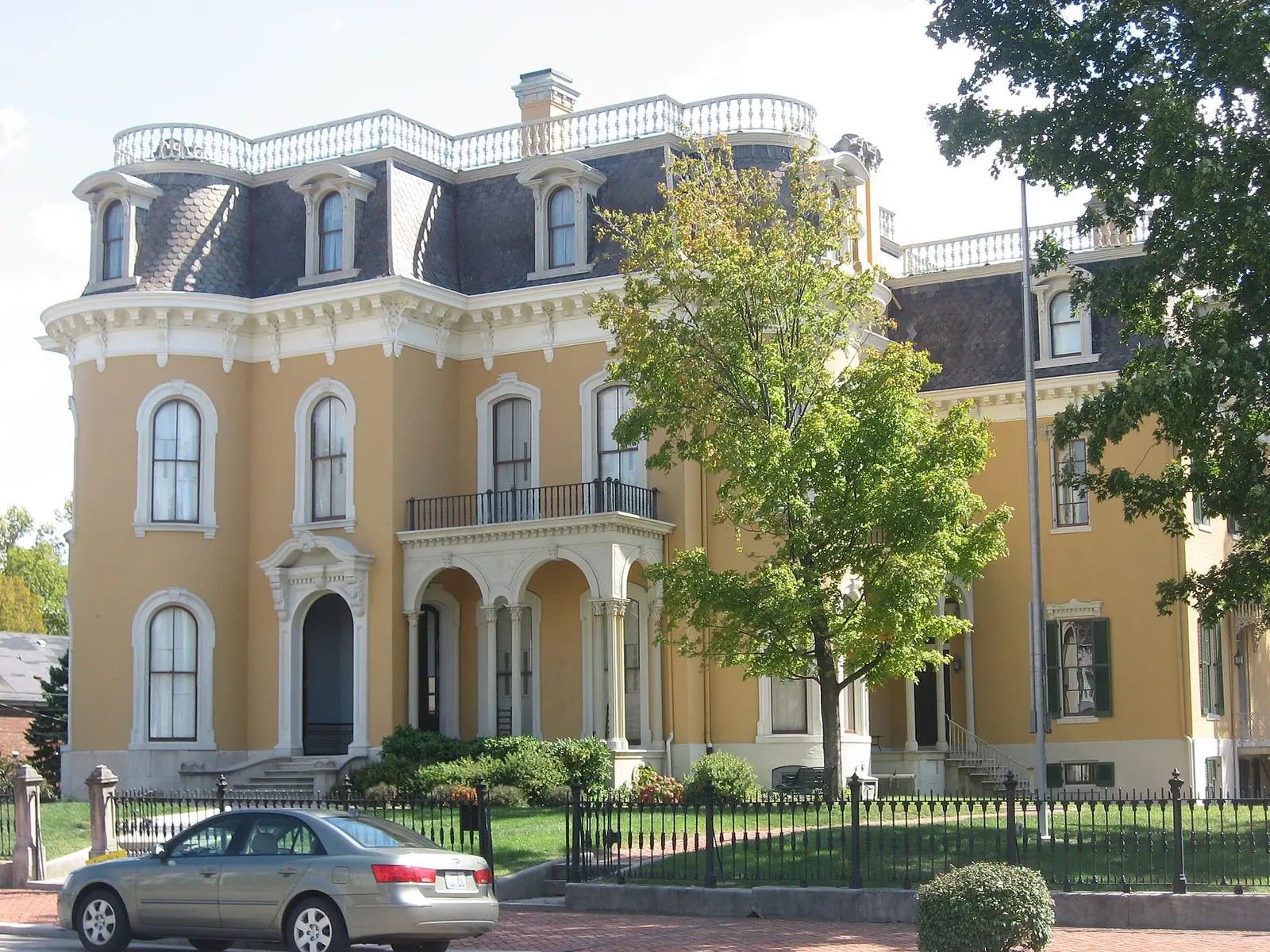
Historic house · New Albany, IN
Culbertson Mansion State Historic Site
Culbertson Mansion is a Second Empire house built just after the Civil War for William S. Culbertson, one of Indiana's wealthiest men, and now a state historic site.
Documented AccountsTours onlyAlso a historic house · also reported: smells
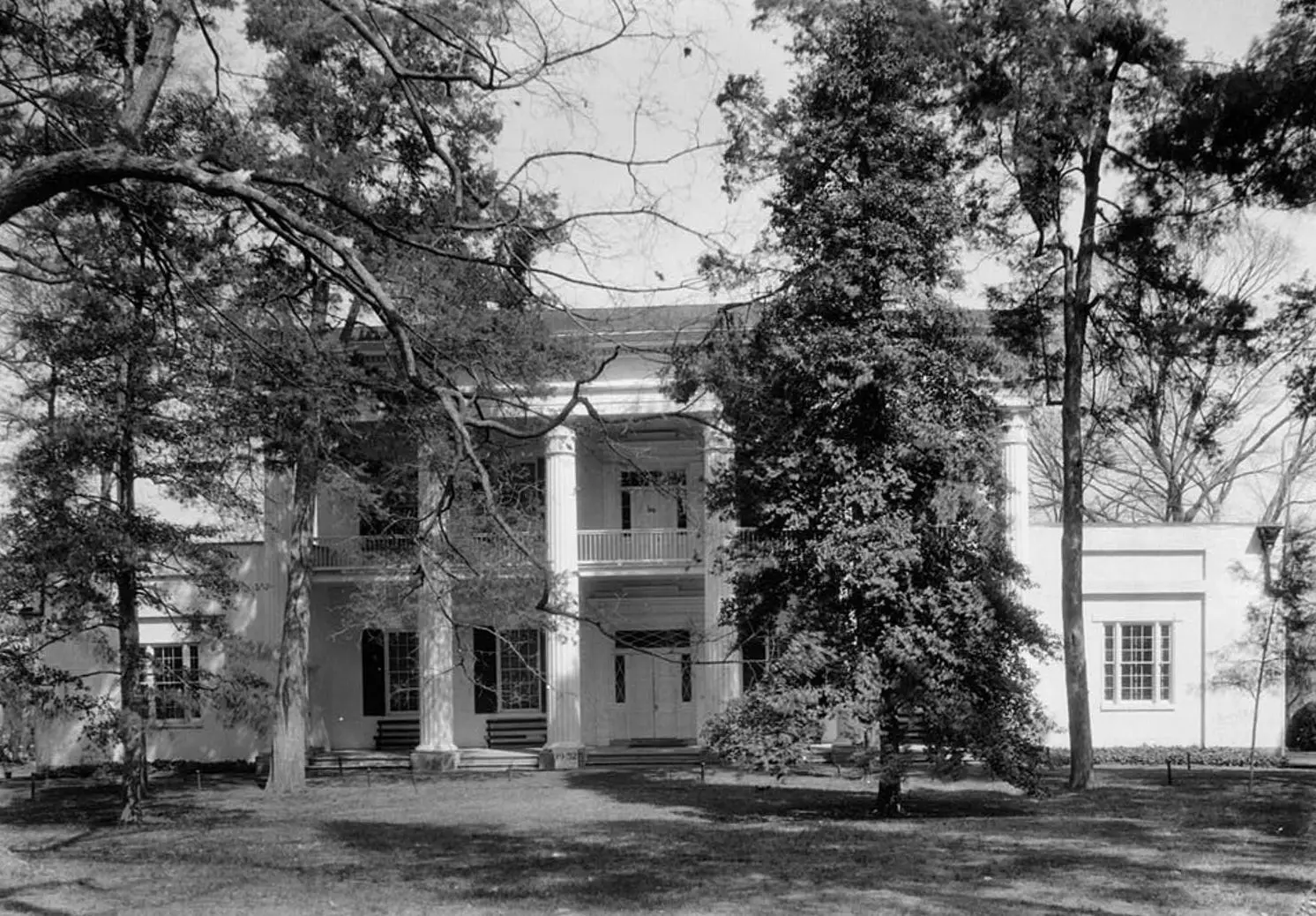
Historic house · TN
The Hermitage
The Hermitage is Andrew Jackson's plantation and mansion east of downtown Nashville, now a museum.
Documented AccountsOpen to visitors