← Tennessee The Hermitage
The Hermitage
Andrew Jackson's plantation and its ghost story
Tennessee
The Hermitage is Andrew Jackson's plantation and mansion east of downtown Nashville, now a museum. Jackson's family enslaved at least 325 people there and on other lands.
What do we know about The Hermitage?
The ghost story has an unusually early, traceable source: Mary C. Dorris's 1915 history of the Ladies' Hermitage Association, which describes two of its officers hearing unexplained noises in the empty house in July 1893. The women are not named and Dorris tells it in a romantic style. Later stories of Jackson in the garden, cigar smoke and footsteps come from commercial ghost-tour pages with no named witnesses. None of this shows more than what people believed they heard.
Our rating of the reports about The Hermitage: Documented Accounts. At least one traceable published or first-hand account of an unexplained experience. We check that the reports exist, not the supernatural. The rating describes the evidence for the reports, not whether the place is haunted.
- Reported accounts
- 2
- Counted for the rating
- 1
- Research sources
- 9
Counted for the rating: independent accounts we could trace to a witness. Retellings of the same story count once, and staff passing on what visitors said aren’t counted. How we count
Reported experiences don’t establish a supernatural cause.
Read our evidence assessment →The hauntings
Accounts, encounters and stories associated with The Hermitage.

What has been reported?
- Footsteps
- Moving objects
- Knocking
- Doors
- Apparitions
- Smells
- Voices
Phenomena described in accounts associated with this location — not independently verified events.
Reported experiences
2 published and reported accounts, each assessed by its source.
Account 01 · 1915
Two officers of the Ladies' Hermitage Association, 1915
Mary C. Dorris's 1915 history of the Ladies' Hermitage Association says that in July 1893, after the last Jackson family members moved out and took all the furniture, two of the association's officers slept on a mattress in the empty front parlor and on two nights…
- Footsteps
- Moving objects
- Knocking
Published accountReported by Two officers of the Ladies' Hermitage Association (via Mary C. Dorris, 1915)Note: The women are identified only as the association's Regent and Secretary; the account was written 22 years later by the association's own Secretary, who may have been one of the two women. One of them suggested at the time that it might have been rats.
Read full account ›
Mary C. Dorris's 1915 history of the Ladies' Hermitage Association says that in July 1893, after the last Jackson family members moved out and took all the furniture, two of the association's officers slept on a mattress in the empty front parlor and on two nights were woken by a crash as if the pantry's dishes had fallen, chains clanking over the porticoes and a sound like Jackson riding his war horse through the hall. The noises stopped when they lit a lamp; a search found no cause, and they finally concluded they had experienced a ghost.[6][7][8]
Account 02
Ghost City Tours
A commercial ghost-tour company says people report seeing and sensing Jackson in the gardens, hearing footsteps among the plants, seeing the garden gate swing open and smelling cigar smoke near the tomb, and that an employee heard whistling.[6]
- Doors
- Apparitions
- Smells
- Voices
- Footsteps
No traceable witnessNote: No named witness or date; a ghost-tour business's marketing.
Read full account ›
A commercial ghost-tour company says people report seeing and sensing Jackson in the gardens, hearing footsteps among the plants, seeing the garden gate swing open and smelling cigar smoke near the tomb, and that an employee heard whistling.[6]
Legends & disputed stories
Stories told about the place that the records don’t confirm.
- Legend
In later retellings the crashing dishes moved to the kitchen, a separate building, and the rider became Andrew Jackson himself, said to gallop up and down the stairs.[7]
- Legend
The Hermitage sells seasonal lantern-lit ghost tours of the mansion, grounds and cemetery that present legends and folklore; its former president said in 2017 that the site keeps supernatural stories for these evening tours so that its regular programs focus on history.[9][7]
Before you go
Planning a visit?
Open to visitors
Parts of the inside are open to the public.
Access details ›
Museum and historic site run by the Andrew Jackson Foundation; paid admission covers the mansion, grounds, gardens and exhibits. In autumn the site sells separate lantern-lit ghost tours that present legends and folklore; the site's leadership has said it keeps supernatural stories apart from its history programs. Check the official site for current tickets.
Entry
Paid entry
Access last checked November 17, 2026. Confirm times and prices before you travel.
Approximate location, within about 1 km.
The history of The Hermitage
The Hermitage is Andrew Jackson's plantation and mansion east of downtown Nashville, now a museum. Jackson's family enslaved at least 325 people there and on other lands. Its best-documented ghost story comes from a 1915 history: two officers of the women's association that took over the house heard crashing dishes, chains and what sounded like a horse in the hall on two nights in 1893. Later stories are anonymous. You can visit.
- Established
- 1819–1835
- Also known as
- Andrew Jackson's Hermitage
Jackson's plantation
Andrew Jackson moved to the Hermitage tract east of Nashville in 1804 and lived at first in log buildings. In 1819 he built the center of the present brick mansion on a site chosen by his wife, Rachel. Wings were added in 1831, and after a fire gutted the house in October 1834 it was rebuilt by 1835. Jackson died there on June 8, 1845, and is buried beside Rachel in the garden.
The people the Jacksons enslaved
The Hermitage's research shows that Jackson first bought an enslaved woman, Nancy, in 1788, and that the Jackson family enslaved at least 325 men, women and children over the next 77 years. He enslaved ten people when he moved to the Hermitage, 95 when he was elected president in 1828 and about 150 when he died, according to the Hermitage's Enslaved Community page, though its history page says more than 160 enslaved workers were needed by then; his son inherited them. In 2024 the Hermitage announced it had located a cemetery for the enslaved, with 28 possible graves about 1,000 feet from the mansion.
Alfred Jackson, born into slavery around 1812, stayed after emancipation as a tenant farmer and later worked as a guide for the museum. He died in 1901 and is buried in the garden.
Becoming a museum
Jackson's son sold the mansion and 500 acres to the State of Tennessee in 1856. In 1889 the state chartered the Ladies' Hermitage Association to run it, and it is now a National Historic Landmark.
Through the years
1788–1865
Jacksons enslave at least 325 people
Jackson first bought an enslaved woman, Nancy, in 1788, and over the next 77 years the Jackson family enslaved at least 325 men, women and children. He enslaved ten people when he moved to the Hermitage in 1804,…
Read more ›
Jackson first bought an enslaved woman, Nancy, in 1788, and over the next 77 years the Jackson family enslaved at least 325 men, women and children. He enslaved ten people when he moved to the Hermitage in 1804, 95 when he was elected president in 1828, and about 150 when he died in 1845, when his son inherited them; the Hermitage's history page instead says more than 160 enslaved workers were needed to run the plantation by Jackson's death.[3][4]
Caveat: The 150 figure is from the Hermitage's Enslaved Community page.
1834
Mansion fire and rebuilding
Jackson built the center of the present brick mansion in 1818-19 on a site chosen by Rachel, added wings in 1831, and after a fire gutted the house in October 1834 had it rebuilt with alterations by May…
Read more ›
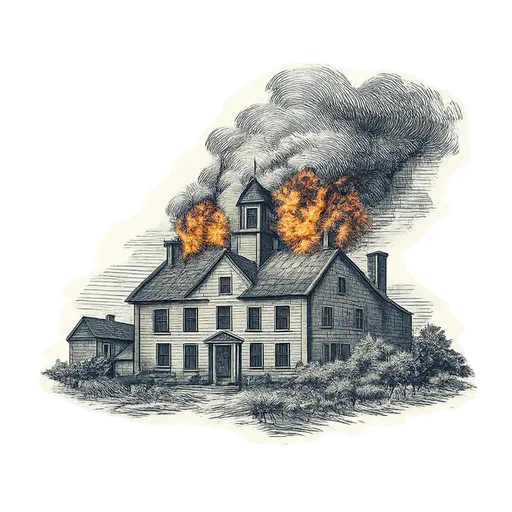
Jackson built the center of the present brick mansion in 1818-19 on a site chosen by Rachel, added wings in 1831, and after a fire gutted the house in October 1834 had it rebuilt with alterations by May 1835; it has remained essentially unaltered since.[1]
1845
Jackson dies
Jackson died at the Hermitage on June 8, 1845, and was buried beside Rachel in the tomb at the southeast corner of the garden; Rachel had died shortly before he left for his inauguration.[1]
Caveat: The nomination dates Rachel's death to January 1829; it is usually given as December 1828. We have not consulted a source that settles it.
1889
Ladies' Hermitage Association chartered
Andrew Jackson Jr. sold the mansion and 500 acres to the State of Tennessee in 1856; in 1889 the state chartered the Ladies' Hermitage Association to run it, and the association, renamed the Andrew Jackson Foundation in 2014,…
Read more ›
Andrew Jackson Jr. sold the mansion and 500 acres to the State of Tennessee in 1856; in 1889 the state chartered the Ladies' Hermitage Association to run it, and the association, renamed the Andrew Jackson Foundation in 2014, operates it as a museum. It is a National Historic Landmark.[1][2]
1901
Alfred Jackson dies
Alfred Jackson, born into slavery at the Hermitage around 1812, stayed after emancipation as a tenant farmer, worked as a guide when the association opened the house in 1889, lived there longer than anyone else, and was buried…
Read more ›
Alfred Jackson, born into slavery at the Hermitage around 1812, stayed after emancipation as a tenant farmer, worked as a guide when the association opened the house in 1889, lived there longer than anyone else, and was buried in the garden after his death in 1901.[5]
2024
Cemetery for the enslaved located
In December 2024 the Hermitage announced it had located a cemetery for the people the Jacksons enslaved, with 28 prospective graves about 1,000 feet from the mansion, identified with the Tennessee Division of Archaeology, TRC and Vanderbilt's Institute for Spatial Research.[3]
Caveat: The foundation's president said not all 28 may prove to be graves.
The research conclusion

Why it has this rating
One traceable account: in July 1893 two officers of the Ladies' Hermitage Association slept in the empty mansion and heard crashing dishes, chains and something like a horse in the hall, as recorded in the association's 1915 history. Later stories are anonymous. The Jacksons enslaved at least 325 people; that is documented history.
Read the full written assessment ›
The plantation's history, including the Jacksons' enslavement of at least 325 people, is documented by the National Historic Landmark nomination and the Hermitage's own research.
The ghost story has an unusually early, traceable source: Mary C. Dorris's 1915 history of the Ladies' Hermitage Association, which describes two of its officers hearing unexplained noises in the empty house in July 1893. The women are not named and Dorris tells it in a romantic style. Later stories of Jackson in the garden, cigar smoke and footsteps come from commercial ghost-tour pages with no named witnesses. None of this shows more than what people believed they heard.
The sources behind the story
9 research references support this entry.

1National Park Service (NPGallery)National Register of Historic Places Inventory–Nomination Form: The Hermitage (ref. 66000722) Register or nomination · Reference 01
Frank B. Sarles, W. B. Morton III, Polly M. Rettig and Cecil McKithan, National Register of Historic Places Inventory–Nomination Form: The Hermitage (ref. 66000722). National Park Service (NPGallery), 1978-07-24.
National Historic Landmark nomination (first prepared 1959, updated 1971, 1976 and 1978), read by OCR. Gives the 1804 move, the 1819 mansion on a site chosen by Rachel Jackson, the 1831 wings, the October 1834 fire and rebuilding by May 1835, Jackson's death on June 8, 1845, the 1856 sale to the state and the 1889 charter. Mentions a slave cabin among the dependencies but gives no numbers of enslaved people; nothing about ghosts.
Accessed November 17, 2026.
2Andrew Jackson's Hermitage (Andrew Jackson Foundation)History of the Hermitage Official or site history · Reference 02
History of the Hermitage. Andrew Jackson's Hermitage (Andrew Jackson Foundation).
Museum's history: purchase of the 425-acre farm on July 5, 1804; cotton on about 200 of 1,000 acres; 'more than 160 enslaved workers' needed by Jackson's death; 1856 sale to the state; 1889 Ladies' Hermitage Association, renamed the Andrew Jackson Foundation in 2014.
Accessed November 17, 2026.
3WPLN News (Nashville Public Radio)A cemetery for people enslaved by Andrew Jackson has been uncovered at The Hermitage Television or radio · Reference 03
Cynthia Abrams, A cemetery for people enslaved by Andrew Jackson has been uncovered at The Hermitage. WPLN News (Nashville Public Radio), 2024-12-11.
Public radio report on the cemetery's identification: 28 prospective graves about 1,000 feet from the mansion, found with the Tennessee Division of Archaeology, TRC and Vanderbilt; repeats the figure of 325 people enslaved between 1788 and the end of the Civil War; quotes the foundation's president.
Accessed November 17, 2026.
4Andrew Jackson's Hermitage (Andrew Jackson Foundation)Enslaved Community Official or site history · Reference 04
Enslaved Community. Andrew Jackson's Hermitage (Andrew Jackson Foundation).
Museum's research page: first purchase (Nancy) in 1788; at least 325 men, women and children enslaved by the family over 77 years; ten people in 1804, 95 in 1828, about 150 at Jackson's death in 1845; more than 500 names of enslaved people or descendants identified. Authoritative on the site's own research.
Accessed November 17, 2026.
5Andrew Jackson's Hermitage (Andrew Jackson Foundation)Enslaved Stories Official or site history · Reference 05
Enslaved Stories. Andrew Jackson's Hermitage (Andrew Jackson Foundation).
Museum's biographies of enslaved people, including Alfred Jackson (born about 1812, tenant farmer after emancipation, guide for the association from 1889, died 1901, buried in the garden).
Accessed November 17, 2026.
6Ghost City ToursThe Ghosts of the Hermitage Website · Reference 06
Tim Nealon, The Ghosts of the Hermitage. Ghost City Tours.
Commercial ghost-tour company's page. Retells the Dorris account and adds anonymous claims: Jackson seen in the gardens, footsteps, a gate opening by itself, cigar smoke near the tomb, an employee hearing whistling, soldiers in the grove. No named witnesses; marketing, not evidence.
Accessed November 17, 2026.
7Bangor Daily NewsWhen historical sites are haunted by their ghost stories Newspaper · Reference 07
Betsy Phillips, When historical sites are haunted by their ghost stories. Bangor Daily News, 2017-04-12.
Opinion column. Summarizes the Dorris account, notes how later tellings moved the crashing dishes to the kitchen and made the rider Jackson, and quotes the foundation's then president, Howard Kittell, that the site keeps supernatural stories for special evening tours.
Accessed November 17, 2026.
8Mary C. Dorris (Nashville; printer uncertain in the library catalog)Preservation of the Hermitage, 1889-1915: Annals, History, and Stories Book · Reference 08
Mary C. Dorris, Preservation of the Hermitage, 1889-1915: Annals, History, and Stories. Mary C. Dorris (Nashville; printer uncertain in the library catalog), 1915.
History of the Ladies' Hermitage Association by its first Secretary, read in full text on the Internet Archive (public domain). Chapter X, 'The Ghost at the Hermitage' (pp. 151-161), is the earliest written ghost account we found. The two women are identified only as the association's Regent and Secretary; the style is literary and the account is not independent of the association.
Accessed November 17, 2026.
9Andrew Jackson's Hermitage (Andrew Jackson Foundation)Plan Your Visit Official or site history · Reference 09
Plan Your Visit. Andrew Jackson's Hermitage (Andrew Jackson Foundation).
Ticket page: paid admission to the mansion, grounds and exhibits; a separately ticketed seasonal ghost tour covering 'legends and folklore'. Checked for access and the ghost tours only.
Accessed November 17, 2026.
More haunted places
Explore nearby
Similar places
Also a historic house · also reported: smells, moving objects
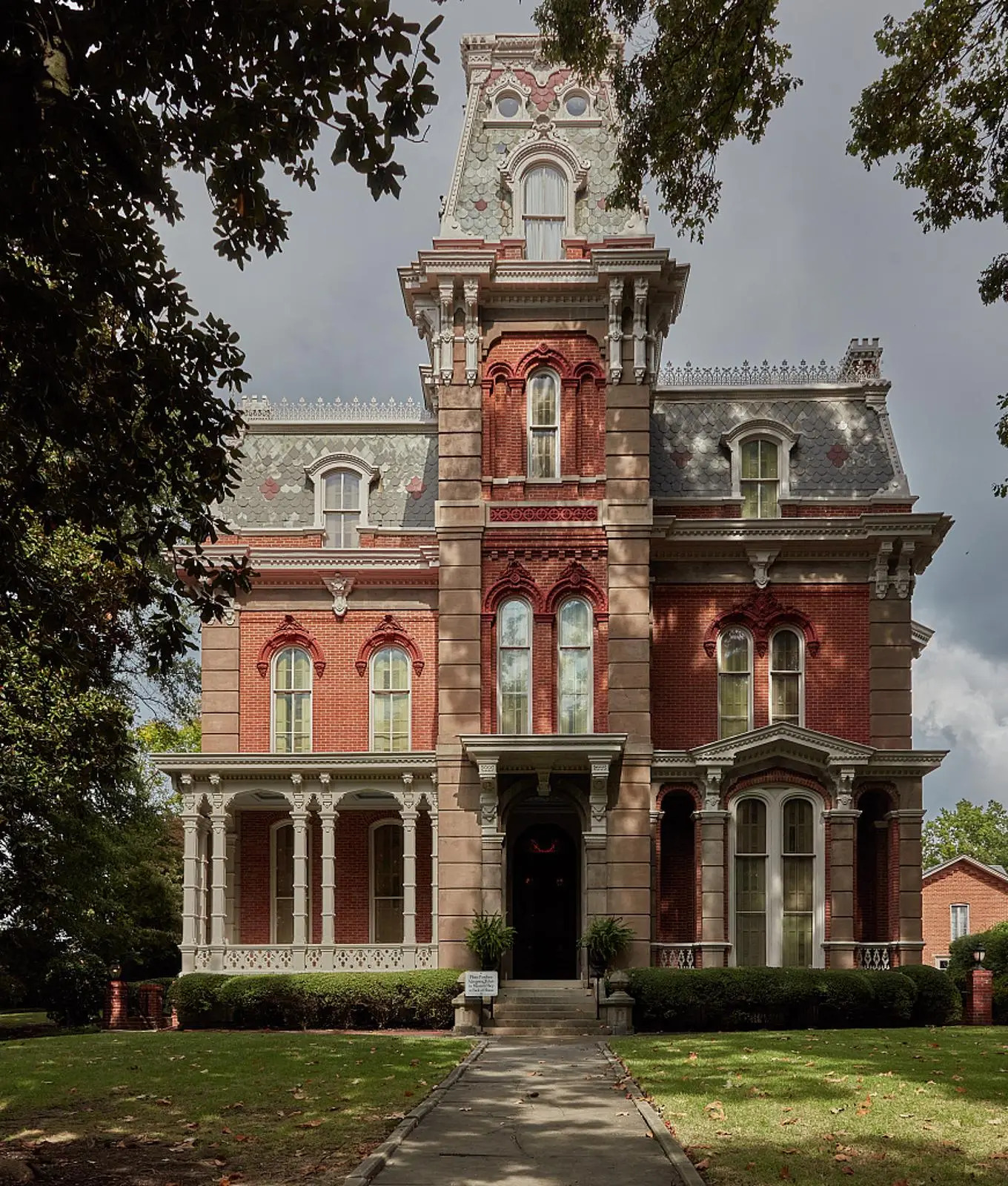
Historic house · Memphis, TN
Woodruff-Fontaine House
The Woodruff-Fontaine House is an 1870s French-Victorian mansion on Adams Avenue in Memphis, now a museum.
Documented AccountsOpen to visitorsAlso a historic house · also reported: doors, smells
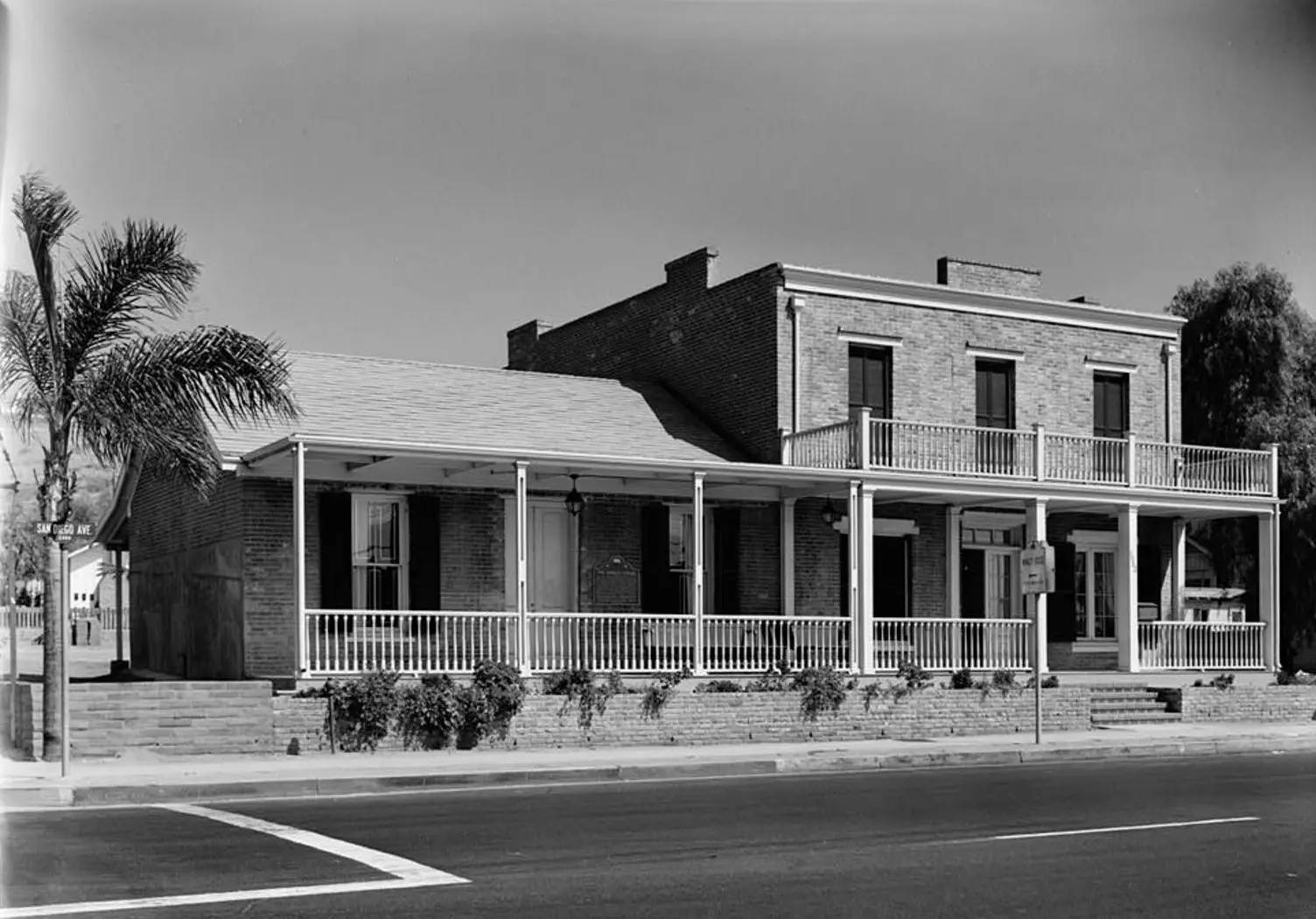
Historic house · San Diego, CA
Whaley House
Footsteps, slamming doors and figures reported by museum staff since the 1960s, on the site of an 1852 hanging.
Documented AccountsOpen to visitorsAlso a historic house · also reported: doors, smells
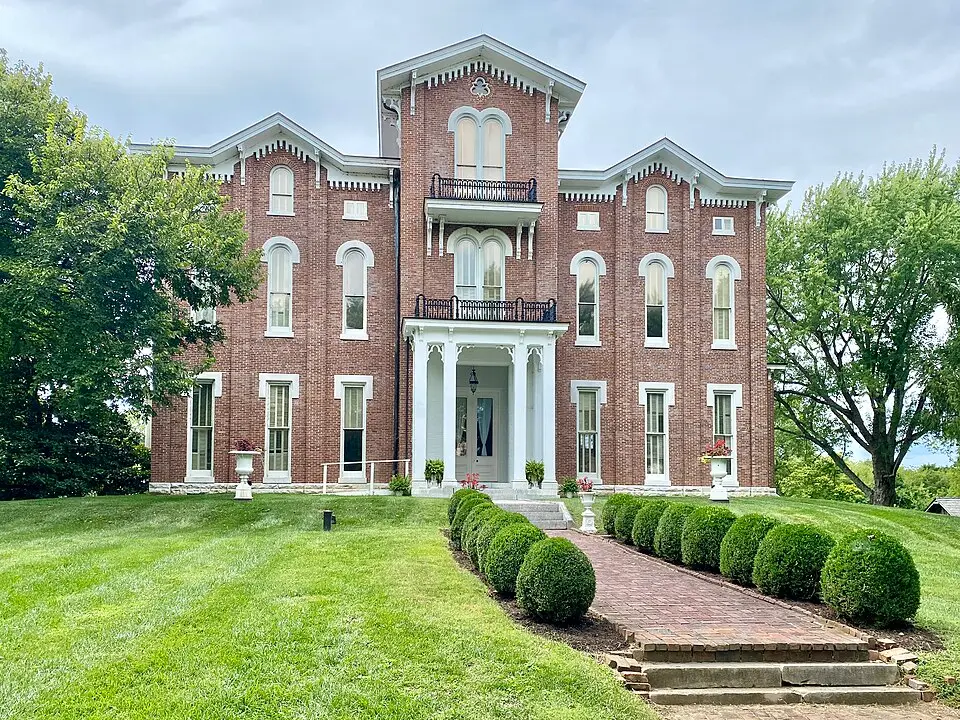
Historic house · KY
White Hall State Historic Site
White Hall, near Richmond, Kentucky, is the home of the antislavery politician Cassius Marcellus Clay, built on a house his father, a major enslaver, finished in 1799.
Documented AccountsTours onlyAlso a historic house · also reported: doors, smells
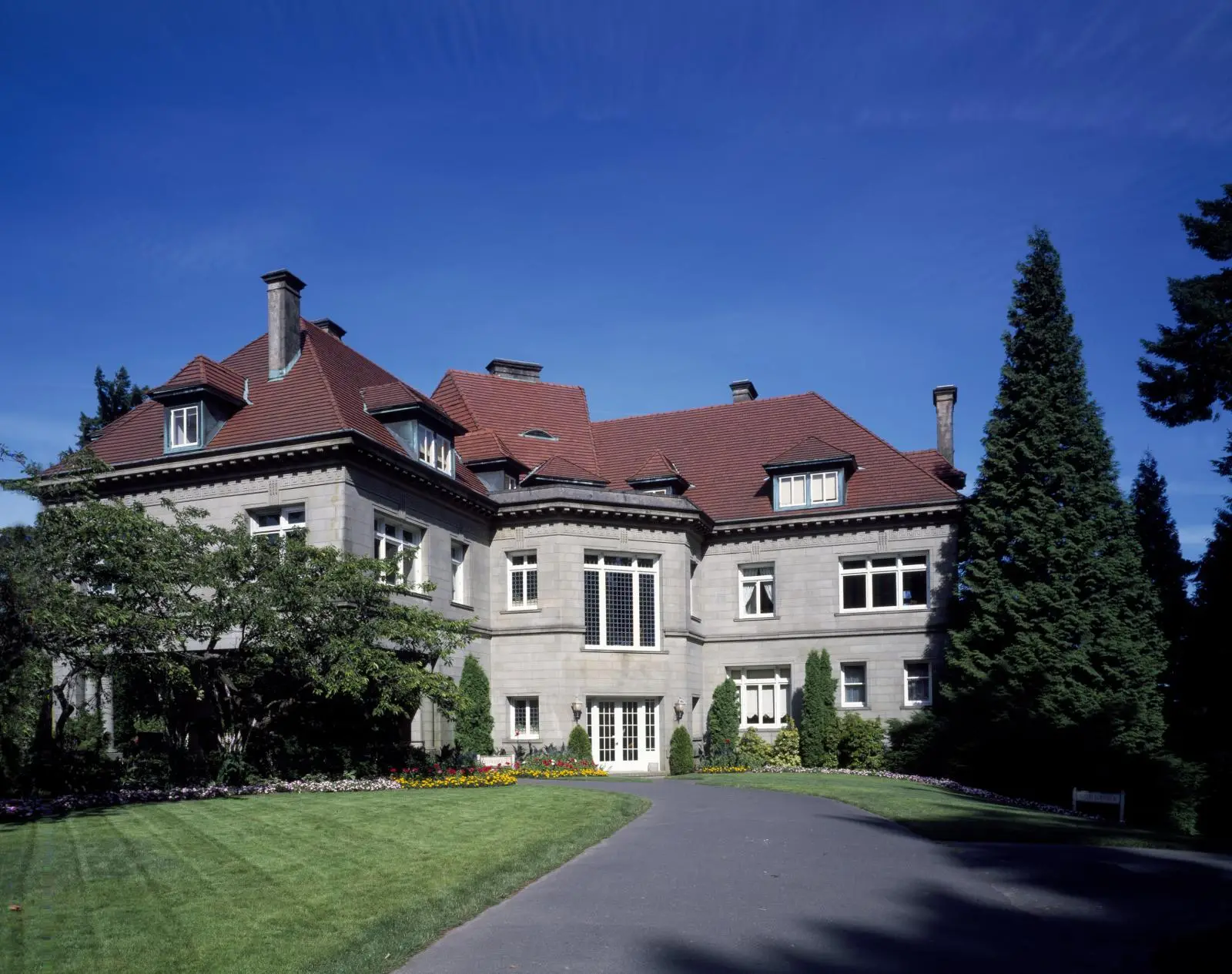
Historic house · Portland, OR
Pittock Mansion
Pittock Mansion is the 1914 hilltop house of Oregonian publisher Henry Pittock and his wife Georgiana, both of whom died within five years of moving in; it has been a museum since 1965.
UnverifiedOpen to visitors