← Savannah Owens-Thomas House & Slave Quarters
Owens-Thomas House & Slave Quarters
Savannah, Georgia
The Owens-Thomas House on Oglethorpe Square is a Regency mansion finished in 1819, with rare surviving urban slave quarters behind it.
What do we know about Owens-Thomas House & Slave Quarters?
The haunting rests on private ghost-tour companies. Two operators describe seeing a woman in gray in the garden, and another company retells a 1960s sighting and a guide's report of tobacco smoke without giving sources. We found no account earlier than these web pages, and no independent check.
Our rating of the reports about Owens-Thomas House & Slave Quarters: Documented Accounts. At least one traceable published or first-hand account of an unexplained experience. We check that the reports exist, not the supernatural. The rating describes the evidence for the reports, not whether the place is haunted.
- Reported accounts
- 2
- Counted for the rating
- 1
- Research sources
- 6
Counted for the rating: independent accounts we could trace to a witness. Retellings of the same story count once, and staff passing on what visitors said aren’t counted. How we count
Reported experiences don’t establish a supernatural cause.
Read our evidence assessment →The hauntings
Accounts, encounters and stories associated with Owens-Thomas House & Slave Quarters.
What has been reported?
- Apparitions
- Smells
- Moving objects
Phenomena described in accounts associated with this location — not independently verified events.
Reported experiences
2 published and reported accounts, each assessed by its source.
Account 01 · November 21, 2022
T.C. and Brenna Michaels, 2022
Tour operators T.C. and Brenna Michaels wrote that for months, while parking near the house before and after their ghost tours, they saw a woman in a gray shawl and hat in the garden behind the house who smiled and nodded when they waved; they first…
- Apparitions
Published accountReported by T.C. and Brenna Michaels, Genteel & Bard (own account)Note: Undated, self-published by a ghost-tour company.
Read full account ›
Tour operators T.C. and Brenna Michaels wrote that for months, while parking near the house before and after their ghost tours, they saw a woman in a gray shawl and hat in the garden behind the house who smiled and nodded when they waved; they first took her for a costumed docent.[5]
Account 02
Jim Williams
Ghost City Tours says antiques dealer Jim Williams had an encounter in the 1960s with a man in a riding coat, seen also by his business partner, and that a museum guide on a late tour heard a match strike and smelled tobacco smoke.[6]
- Apparitions
- Smells
Published accountReported by Jim Williams; an unnamed guide (via Ghost City Tours)Note: Retold by a ghost-tour company with no source or date; we could not trace either account to its original. The page says the riding-coat sighting was before the house became a museum, but the museum opened in 1954.
Read full account ›
Ghost City Tours says antiques dealer Jim Williams had an encounter in the 1960s with a man in a riding coat, seen also by his business partner, and that a museum guide on a late tour heard a match strike and smelled tobacco smoke.[6]
Legends & disputed stories
Stories told about the place that the records don’t confirm.
Before you go
Planning a visit?
Tours only
Visits are by guided tour or organized event.
Access details ›
Run by Telfair Museums and seen on guided tours that interpret the house through the lives of the enslaved people who lived there. Entry is by a paid three-site pass. The museum does not run ghost tours; ghost stories here come from private tour companies. Check the official site for current tours.
Entry
Paid entry
Access last checked November 17, 2026. Confirm times and prices before you travel.
Approximate location, within about 1 km.
The history of Owens-Thomas House & Slave Quarters
The Owens-Thomas House on Oglethorpe Square is a Regency mansion finished in 1819, with rare surviving urban slave quarters behind it. Telfair Museums tells the story of the enslaved people who lived and worked there. Ghost-tour companies tell of a lady in gray in the garden and other figures, and two tour operators describe seeing her. You can visit on guided tours.
- Established
- 1816–1819
- Also known as
- Owens-Thomas House
A Regency house for a merchant
Richard Richardson, a merchant and banker, commissioned this house on Oglethorpe Square about 1816 from William Jay, a young English architect related to him by marriage. Builder John Retan finished it in 1819, probably with free and enslaved workers. Its landmark nomination calls it one of the finest English Regency houses in America. After his wife's death in 1822 Richardson sold up, and the house became a boarding house where Lafayette stayed in 1825.
The people enslaved here
Richardson profited from slavery as a domestic slave trader. Behind the house, a two-story block of six rooms housed the enslaved people, most of them women, children and teenagers, who cooked, cleaned, washed and cared for the children. George Welchman Owens bought the house in 1830, according to Telfair Museums and the landmark nomination (other sources give 1833, or 1834 for when he moved in), and lived there with up to 14 enslaved people; he held hundreds more on his plantations. Among those enslaved at the house were Diane, a cook; Peter, a butler; Emma Katin, a nursemaid; and Maria Wallace. The quarters keep their original haint blue ceiling, made by enslaved people from indigo, lime and buttermilk, a color linked to the belief that spirits cannot cross water.
A museum
The Owens family kept the house for 121 years. Margaret Gray Thomas left it to the Telfair Academy in 1951, and it opened as a museum in 1954. Since 2018 its tours have centered the lives of the people enslaved there, beginning at a wall of their names.
Through the years
1816–1819
House completed for Richard Richardson
Shipping merchant and banker Richard Richardson commissioned the house on Oglethorpe Square about 1816 from English architect William Jay, a relative by marriage; builder John Retan finished it in 1819, likely with a crew of free and enslaved…
Read more ›
Shipping merchant and banker Richard Richardson commissioned the house on Oglethorpe Square about 1816 from English architect William Jay, a relative by marriage; builder John Retan finished it in 1819, likely with a crew of free and enslaved men. It is regarded as one of the finest English Regency houses in America.[1][2]
1819
1819
Richardson profited from slavery as a domestic slave trader, and the lot included a carriage house and slave quarters, a two-story block of six rooms where enslaved people, most of them women, children and teenagers, lived and did…
Read more ›
Richardson profited from slavery as a domestic slave trader, and the lot included a carriage house and slave quarters, a two-story block of six rooms where enslaved people, most of them women, children and teenagers, lived and did the household's cooking, cleaning, laundry and child care.[1][3]
1825
Lafayette stays at the house
After financial losses and the death of his wife Frances in 1822, Richardson sold the house; by 1824 the Bank of the United States owned it and leased it as a boarding house, where the Marquis de Lafayette…
1830
George W. Owens buys the house
Lawyer, planter and later mayor George Welchman Owens bought the house in 1830, the date Telfair Museums and the landmark nomination give (other sources say 1833 or 1834), and lived there with his wife Sarah, their six children…
Read more ›
Lawyer, planter and later mayor George Welchman Owens bought the house in 1830, the date Telfair Museums and the landmark nomination give (other sources say 1833 or 1834), and lived there with his wife Sarah, their six children and up to 14 enslaved people. Owens enslaved hundreds more on his Georgia plantations, about 400 according to the museum's curator.[1][4][2]
Contradicted by source 3
1830–1865
1830–1865
Among the people the Owens family enslaved at the house were Diane, a cook; Peter, a butler; Emma Katin, a nursemaid from before 1834 who stayed with the family until after the Civil War; and Maria Wallace (1796-1856).…
Read more ›
Among the people the Owens family enslaved at the house were Diane, a cook; Peter, a butler; Emma Katin, a nursemaid from before 1834 who stayed with the family until after the Civil War; and Maria Wallace (1796-1856). The museum displays a wall with the names of verified enslaved people, with blank boards for those whose names are lost.[4][3]
1951
Bequeathed to the Telfair
The Owens family owned the house for 121 years until Margaret Gray Thomas, George Owens's granddaughter, left it to the Telfair Academy of Arts and Sciences at her death in 1951; it opened as a museum in 1954,…
Read more ›
The Owens family owned the house for 121 years until Margaret Gray Thomas, George Owens's granddaughter, left it to the Telfair Academy of Arts and Sciences at her death in 1951; it opened as a museum in 1954, was designated a National Historic Landmark in 1976, and was reinterpreted in 2018 to tell the story of the enslaved people who lived there.[1][4][2]
Also recorded
The slave quarters keep the original haint blue ceiling paint made by enslaved people from indigo, lime and buttermilk, a color associated with the belief that spirits cannot cross water.[4]
Caveat: This is evidence of the beliefs of the people enslaved there, not of a haunting.
The research conclusion

Why it has this rating
One traceable account: tour operators T.C. and Brenna Michaels wrote that for months they saw a woman in a gray shawl in the garden behind the house. Another tour company's stories of a 1960s sighting and a guide smelling tobacco give no original source, so they are not counted. The lives of the people enslaved here are documented history and are not ghost material.
Read the full written assessment ›
The house's history, and the lives of the enslaved people who lived in its quarters, are well recorded by its National Historic Landmark nomination, Telfair Museums and the museum's partners. The museum itself does not tell ghost stories.
The haunting rests on private ghost-tour companies. Two operators describe seeing a woman in gray in the garden, and another company retells a 1960s sighting and a guide's report of tobacco smoke without giving sources. We found no account earlier than these web pages, and no independent check.
The sources behind the story
6 research references support this entry.
1Telfair MuseumsVisit the Owens-Thomas House & Slave Quarters Official or site history · Reference 01
Visit the Owens-Thomas House & Slave Quarters. Telfair Museums.
Museum's site and history, checked 2026-11-17: Richardson and Owens named as enslavers; house built by John Retan likely with free and enslaved workers; five to fourteen enslaved people, mostly women, children and teenagers, lived in the quarters at a time; tours interpret the house 'through the lens of slavery'. Authoritative on the site.
Accessed November 17, 2026.
2National Park Service (NPGallery)National Register of Historic Places Inventory–Nomination Form: Owens-Thomas House (ref. 76000611) Register or nomination · Reference 02
National Register of Historic Places Inventory–Nomination Form: Owens-Thomas House (ref. 76000611). National Park Service (NPGallery), 1976.
National Historic Landmark nomination (7 pages). Gives 124 Abercorn Street, construction 1816-1819 to William Jay's design for Richard Richardson, the 1825 Lafayette stay, George Welchman Owens's purchase in 1830 and Margaret Gray Thomas's 1951 bequest to the Telfair Academy. Mentions only 'servants' quarters' and says nothing about the enslaved people who lived there; nothing about ghosts.
Accessed November 17, 2026.
3Georgia Public BroadcastingOwens-Thomas House: Educator Overview Television or radio · Reference 03
Owens-Thomas House: Educator Overview. Georgia Public Broadcasting, 2020-06.
Teacher guide to GPB's virtual tour made with the museum. Names enslaved people of the Owens household (Diane, a cook; Peter, a butler; Emma Katin, a nursemaid; Maria Wallace, 1796-1856), calls Richardson a domestic slave trader and says Owens enslaved hundreds of people on his plantations and nine to 14 at the house. Dates Owens's purchase to 1833.
Accessed November 17, 2026.
4Connect SavannahOwens-Thomas House tells the untold stories Newspaper · Reference 04
Rachael Flora, Owens-Thomas House tells the untold stories. Connect Savannah, 2018-11-14.
Weekly paper's report on the 2018 reinterpretation, quoting curator Shannon Browning-Mullis: eight to 14 enslaved people at the house at a time, about 400 on Owens's plantation, a wall of names of verified enslaved people, and haint blue paint in the quarters made by enslaved people from indigo, lime and buttermilk.
Accessed November 17, 2026.
5Genteel & BardSavannah's Haunted Owens-Thomas House Website · Reference 05
T.C. and Brenna Michaels, Savannah's Haunted Owens-Thomas House. Genteel & Bard, 2022-11-21.
Ghost-tour company blog. The authors describe seeing, for months while parking near the house before and after their tours, a woman in a gray shawl and hat in the garden who smiled and nodded. Also tells of a man seen in the parlor, which it attributes to an Owens family member whose name we could not confirm. Self-published by tour operators.
Accessed November 17, 2026.
6Ghost City ToursThe Ghosts of the Owens-Thomas House Website · Reference 06
Tim Nealon, The Ghosts of the Owens-Thomas House. Ghost City Tours.
Ghost-tour company page (undated, 2026 footer). Retells a 1960s encounter attributed to antiques dealer Jim Williams, a museum guide smelling tobacco smoke, moved dining chairs and a 'Lady in Gray' said to be Margaret Thomas. No sources or dates for any account; also uses the slave quarters as a ghost-tour selling point, which is not repeated here.
Accessed November 17, 2026.
More haunted places
Explore nearby
Historic house
Davenport House Museum
Savannah, Georgia · under 1 mile away · Tours only
Cemetery
Colonial Park Cemetery
Savannah, Georgia · under 1 mile away · Outside only
Cemetery
Wright Square
Savannah, Georgia · under 1 mile away · Outside only
Hotel
The Marshall House
Savannah, Georgia · under 1 mile away · Open to visitors
Similar places
Also a historic house · also reported: smells, moving objects
Historic house · Denver, CO
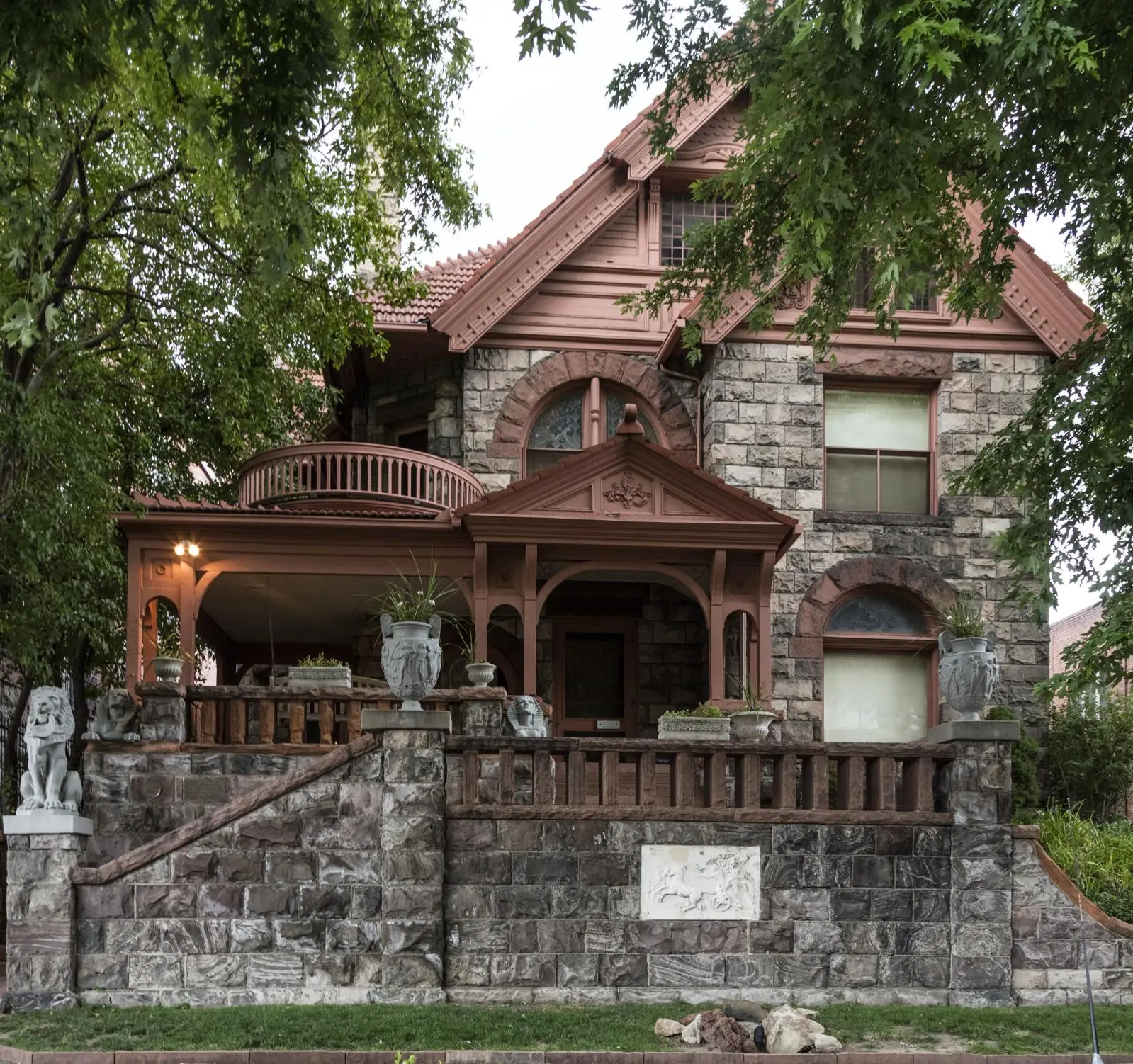
Molly Brown House Museum
The Molly Brown House is the late-1880s Capitol Hill home of Titanic survivor Margaret Brown, now a museum run by Historic Denver.
Documented AccountsOpen to visitorsAlso a historic house · also reported: smells, moving objects
Historic house · Portland, OR
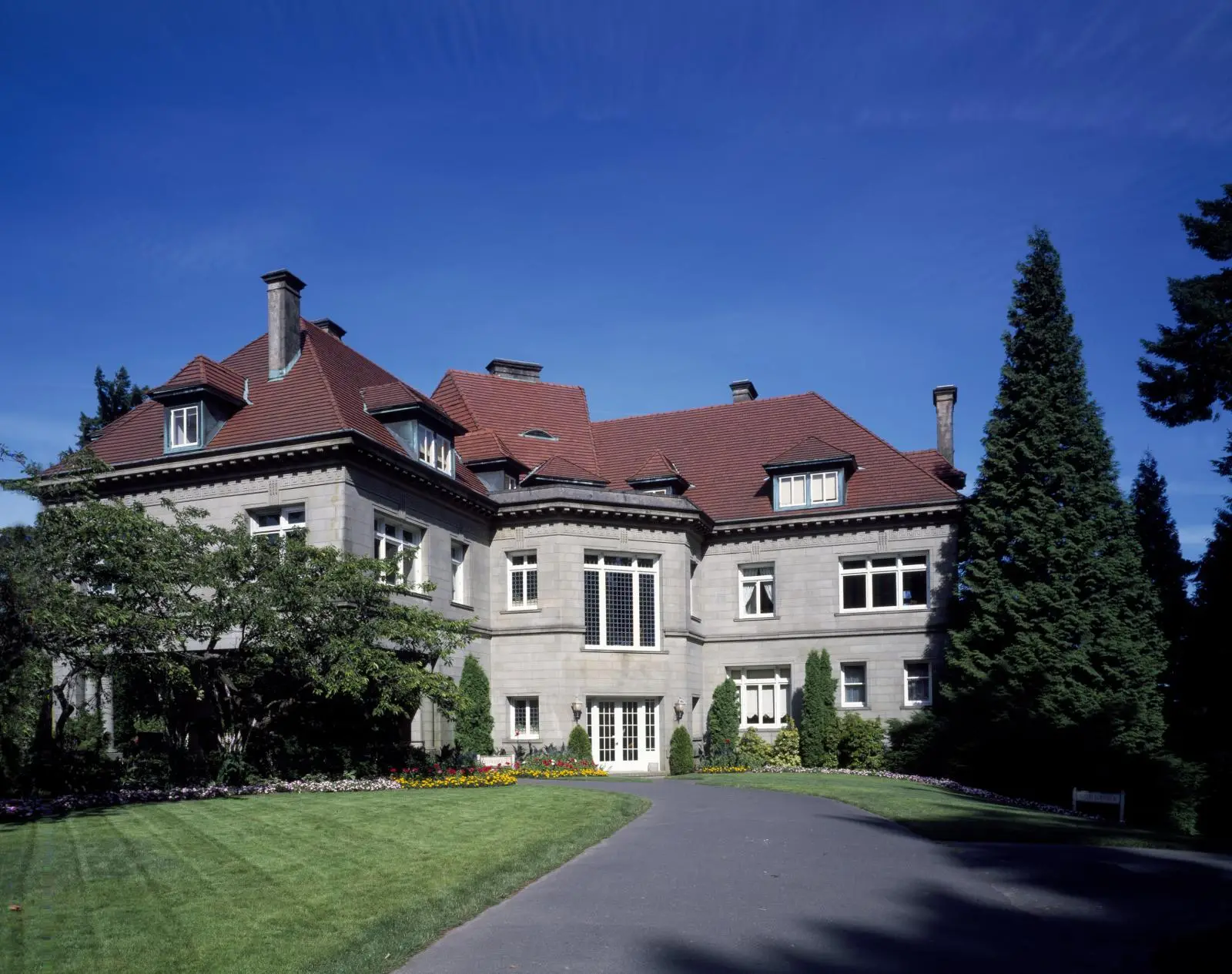
Pittock Mansion
Pittock Mansion is the 1914 hilltop house of Oregonian publisher Henry Pittock and his wife Georgiana, both of whom died within five years of moving in; it has been a museum since 1965.
UnverifiedOpen to visitorsAlso a historic house · also reported: smells, moving objects
Historic house · New Albany, IN
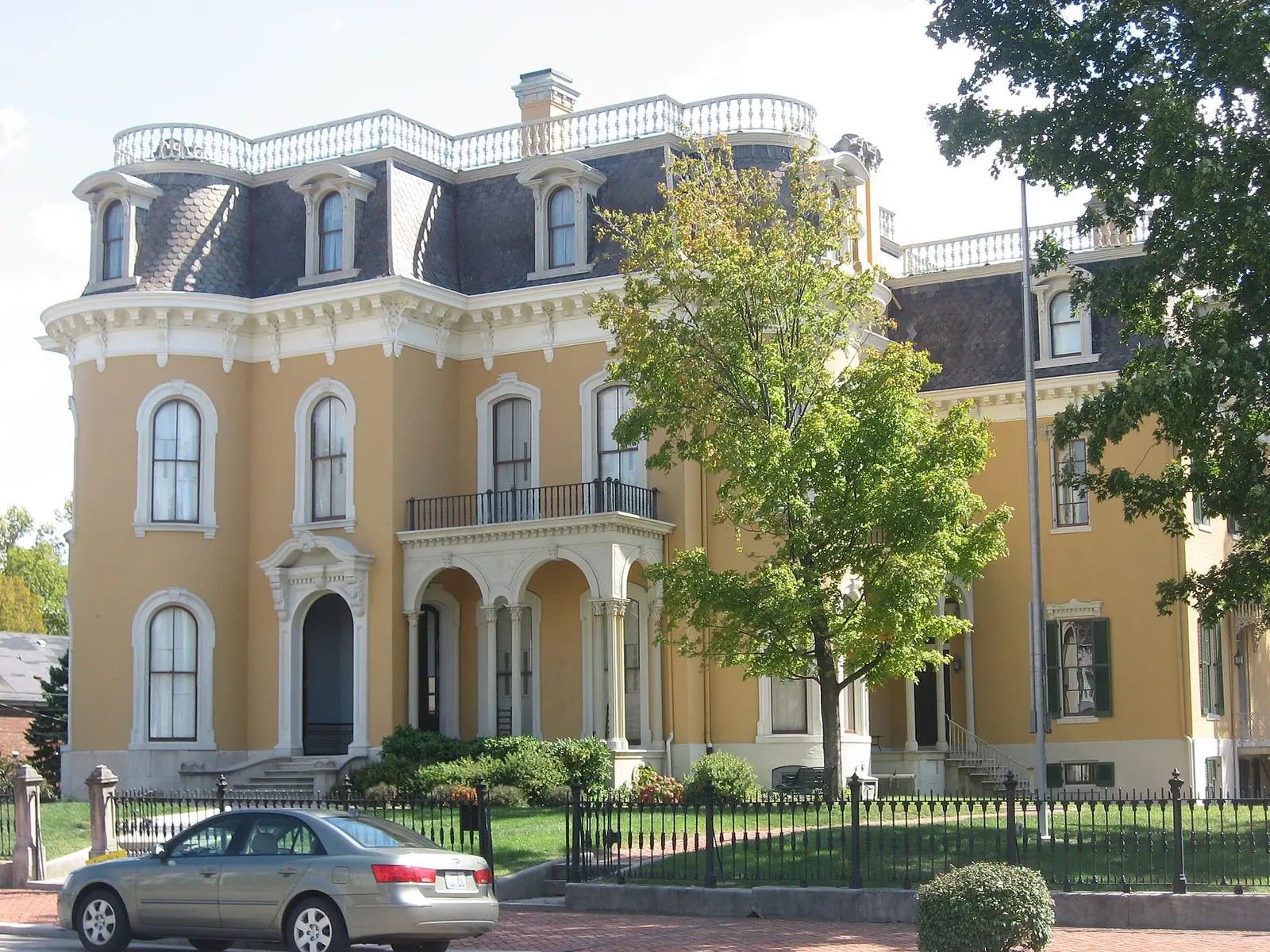
Culbertson Mansion State Historic Site
Culbertson Mansion is a Second Empire house built just after the Civil War for William S. Culbertson, one of Indiana's wealthiest men, and now a state historic site.
Documented AccountsTours onlyAlso a historic house · also reported: smells, moving objects
Historic house · TN
The Hermitage
The Hermitage is Andrew Jackson's plantation and mansion east of downtown Nashville, now a museum.
Documented AccountsOpen to visitors