← Williamsburg George Wythe House
George Wythe House
History and the Lady Skipwith legend
Williamsburg, Virginia
The George Wythe House is a 1750s brick house on Williamsburg's Palace Green, home of Declaration signer George Wythe, who enslaved up to 20 people there.
What do we know about George Wythe House?
The Skipwith story is a legend, and Colonial Williamsburg's own historian calls its versions of her death unfounded. The reported experiences, a guide's sighting relayed by L. B. Taylor Jr. and staff stories of a Goodwin figure and a woman in blue, have no named witnesses. Photographs and the red-shoe ritual are not evidence of anything beyond the legend's popularity.
Our rating of the reports about George Wythe House: Documented Accounts. At least one traceable published or first-hand account of an unexplained experience. We check that the reports exist, not the supernatural. The rating describes the evidence for the reports, not whether the place is haunted.
- Reported accounts
- 3
- Counted for the rating
- 1
- Research sources
- 9
Counted for the rating: independent accounts we could trace to a witness. Retellings of the same story count once, and staff passing on what visitors said aren’t counted. How we count
Reported experiences don’t establish a supernatural cause.
Read our evidence assessment →The hauntings
Accounts, encounters and stories associated with George Wythe House.
What has been reported?
- Footsteps
- Doors
- Apparitions
Phenomena described in accounts associated with this location — not independently verified events.
Reported experiences
3 published and reported accounts, each assessed by its source.
Account 01 · October 18, 2010
The Colonial Williamsburg Foundation, 2010
L. B. Taylor Jr. said in 2010 that a tour guide saw a woman in colonial costume pass through the closed front door, and that a visitor from Seattle photographed the staircase and believed the picture showed a female outline.[9]
- Doors
- Apparitions
Published accountReported by An unnamed tour guide, via author L. B. Taylor Jr.Note: Neither witness is named. A photograph is not counted as an account of an experience.
Read full account ›
L. B. Taylor Jr. said in 2010 that a tour guide saw a woman in colonial costume pass through the closed front door, and that a visitor from Seattle photographed the staircase and believed the picture showed a female outline.[9]
Account 02 · October 24, 2023
WHRO Public Media, 2023
Colonial Williamsburg staff told WHRO in 2023 that a figure identified with the Rev. W. A. R. Goodwin has been seen, mostly upstairs, gazing out of a window, and that a woman in blue colonial dress has been 'seen and heard by many'.[6]
- Apparitions
No traceable witnessNote: No named witness or date; site staff count as one origin.
Read full account ›
Colonial Williamsburg staff told WHRO in 2023 that a figure identified with the Rev. W. A. R. Goodwin has been seen, mostly upstairs, gazing out of a window, and that a woman in blue colonial dress has been 'seen and heard by many'.[6]
- Apparitions
No traceable witnessNote: The guide did not say she saw it herself; no witness named.
Legends & disputed stories
Stories told about the place that the records don’t confirm.
- Legend
The best-known legend says Lady Anne Skipwith quarreled with her husband at a ball at the Governor's Palace, ran to the Wythe House, lost a slipper and climbed the stairs with one shoe; in some versions she fell or died there, and her uneven footsteps are said to be heard on the staircase at night.[6][7][8][9]
Before you go

Planning a visit?
Open to visitors
Parts of the inside are open to the public.
Access details ›
Part of Colonial Williamsburg's historic area; entry is included with Colonial Williamsburg admission and visitors explore at their own pace. Commercial ghost tours tell the Lady Skipwith story outside; their stories are not evidence. Check the official site for current tickets.
Entry
Paid entry
Access last checked November 17, 2026. Confirm times and prices before you travel.
Approximate location, within about 1 km.
The history of George Wythe House
The George Wythe House is a 1750s brick house on Williamsburg's Palace Green, home of Declaration signer George Wythe, who enslaved up to 20 people there. Its legend says Lady Anne Skipwith ran here after a quarrel and lost a slipper, and her uneven footsteps sound on the stairs; a Colonial Williamsburg historian says she actually died months later in childbirth. Author L. B. Taylor Jr. relayed a guide's sighting. You can visit with admission.
- Established
- 1750–1755
- Also known as
- Wythe House
Taliaferro's house on Palace Green
The Wythe House is a two-story brick Georgian house facing Palace Green, beside Bruton Parish Church. Richard Taliaferro, a planter who also took on building work, built it around 1750 to 1755. His daughter Elizabeth married George Wythe, who lived there from about 1755 until 1791.
George Wythe and the people he enslaved
Wythe was a burgess, a signer of the Declaration of Independence and William & Mary's first law professor, who taught Thomas Jefferson, John Marshall and James Monroe. He was also an enslaver. Research at William & Mary suggests he held 10 to 20 enslaved people at this house at any time; the 1783 tax roll lists 14. After Elizabeth died in 1787 he gave eleven people to her relatives and freed most of the others, including his cook Lydia Broadnax, who later worked for him in Richmond as a free woman.
War and restoration
George Washington made the house his headquarters before the siege of Yorktown in 1781, and the Comte de Rochambeau stayed there afterward. Wythe moved to Richmond in 1791 and died there in 1806, apparently poisoned; his great-nephew was acquitted of murder. Bruton Parish bought the house in 1926, and Colonial Williamsburg restored it and opened it in 1940.
Lady Skipwith and her slipper
The house's famous legend concerns Lady Anne Skipwith. After a quarrel at a ball at the Governor's Palace, the story goes, she ran to the Wythe House, lost a slipper and climbed the stairs in one shoe, and her uneven footsteps are still heard at night. Some versions have her fall or die there. A Colonial Williamsburg historian told WHRO in 2023 that these deaths are unfounded: she died about three months later, in childbirth. Students and visitors still leave a red shoe on the steps and call her name.
Through the years
1750
Wythe House built
The brick house on Palace Green was built by Richard Taliaferro, a planter who also undertook building work, probably around 1750-1755, to a design based on a plate in William Salmon's Palladio Londinensis.[1][2][3]
Caveat: Dates differ: the landmark nomination says about 1750, HABS 1752-1754, and Colonial Williamsburg about 1755.
1755–1791
George Wythe's home
1781
Washington's headquarters
George Washington used the house as his headquarters before the siege of Yorktown in 1781, and the Comte de Rochambeau stayed there after the victory.[2]
1783
Wythe household enslaves 14 people
Wythe was an enslaver: he probably held 10 to 20 enslaved people at his Williamsburg home at any time, and the 1783 tax roll records 14. After his wife died in 1787 he gave eleven enslaved people to…
Read more ›
Wythe was an enslaver: he probably held 10 to 20 enslaved people at his Williamsburg home at any time, and the 1783 tax roll records 14. After his wife died in 1787 he gave eleven enslaved people to her relatives and freed most of the rest under Virginia's 1782 manumission law, including his cook Lydia Broadnax.[5][4]
Caveat: Sources date Broadnax's freedom to 1787 or 1788.
1806
Wythe dies in Richmond
Wythe moved to Richmond in 1791 and died there on June 8, 1806, after he, Lydia Broadnax and Michael Brown fell violently ill; he came to believe his great-nephew George Wythe Sweeney Jr. had poisoned them, but Sweeney was acquitted of murder.[4]
Caveat: Wythe did not die at the Williamsburg house.
The research conclusion

Why it has this rating
One traceable account, relayed by L. B. Taylor: a tour guide saw a woman pass through the front door. Staff stories of other figures are anonymous. Wythe enslaved 10 to 20 people at a time and freed most in 1787.
Read the full written assessment ›
The house's construction, Wythe's residence and its later history come from the landmark nomination, HABS and Colonial Williamsburg; his enslavement of 10 to 20 people comes from William & Mary's Wythepedia, which cites tax rolls.
The Skipwith story is a legend, and Colonial Williamsburg's own historian calls its versions of her death unfounded. The reported experiences, a guide's sighting relayed by L. B. Taylor Jr. and staff stories of a Goodwin figure and a woman in blue, have no named witnesses. Photographs and the red-shoe ritual are not evidence of anything beyond the legend's popularity.
The sources behind the story
9 research references support this entry.
1National Park Service (NPGallery)National Register of Historic Places Inventory–Nomination Form: The Wythe House (ref. 70000866) Register or nomination · Reference 01
Historic Sites Survey, Landmark Review Project, National Register of Historic Places Inventory–Nomination Form: The Wythe House (ref. 70000866). National Park Service (NPGallery), 1970.
National Historic Landmark nomination (landmark review form, read by OCR; date of preparation not legible, listed April 15, 1970). Says the house was probably built about 1750 by Richard Taliaferro, was occupied by George Wythe from about 1755 until 1791, was bought by Bruton Parish in 1926 and restored under Rev. W. A. R. Goodwin by 1931, and was acquired by Colonial Williamsburg in 1937. UTM 18 348980 4126180. Nothing on enslaved people or ghosts.
Accessed November 17, 2026.
2The Colonial Williamsburg FoundationGeorge Wythe House (site listing) Official or site history · Reference 02
George Wythe House (site listing). The Colonial Williamsburg Foundation.
Colonial Williamsburg site listing on its content server: built about 1755 by Richard Taliaferro; George Washington's headquarters in 1781 and Rochambeau's after Yorktown; Bruton Parish rectory from 1926; restored and opened by Colonial Williamsburg in 1940; entry with Colonial Williamsburg admission. The main colonialwilliamsburg.org site could not be accessed.
Accessed November 17, 2026.
3Library of Congress, Prints and Photographs Division (Historic American Buildings Survey)George Wythe House, 101 Palace Green Street, Williamsburg (HABS VA-1009) Archive or collection · Reference 03
George Wythe House, 101 Palace Green Street, Williamsburg (HABS VA-1009). Library of Congress, Prints and Photographs Division (Historic American Buildings Survey).
HABS measured drawings with a summary dating construction to 1752-1754 by Richard Taliaferro and the 1940 restoration by the Colonial Williamsburg Foundation.
Accessed November 17, 2026.
4Encyclopedia Virginia (Virginia Humanities)Wythe, The Death of George (1806) Website · Reference 04
Brendan Wolfe, Wythe, The Death of George (1806). Encyclopedia Virginia (Virginia Humanities).
Scholarly encyclopedia entry: Wythe's career, his 1791 move to Richmond, his manumission of Lydia Broadnax in 1787, and his death in Richmond on June 8, 1806, after apparent poisoning; his great-nephew George Wythe Sweeney Jr. was acquitted of murder.
Accessed November 17, 2026.
5Wythepedia: The George Wythe Encyclopedia (William & Mary Law Library)George Wythe and Slavery Website · Reference 05
George Wythe and Slavery. Wythepedia: The George Wythe Encyclopedia (William & Mary Law Library).
Scholarly wiki maintained at William & Mary, with footnotes to tax rolls and deeds: Wythe likely held 10 to 20 enslaved people at his Williamsburg home at a time; 14 on the 1783 personal property tax; most freed in 1787; eleven given to his late wife's relatives; Lydia Broadnax freed (date given as 1787 or 1788). Names from the tax rolls are listed.
Accessed November 17, 2026.
6WHRO Public MediaHaunted Hampton Roads: Lady Skipwith, the ghost with one shoe at the George Wythe House Television or radio · Reference 06
Connor Worley, Haunted Hampton Roads: Lady Skipwith, the ghost with one shoe at the George Wythe House. WHRO Public Media, 2023-10-24.
Public media feature quoting the Wythe House site supervisor and a Colonial Williamsburg historian. The historian says the legend's deaths are unfounded and that Lady Skipwith died about three months after the quarrel, in childbirth; she also passes on sightings of a figure identified with W. A. R. Goodwin. Staff accounts count as one origin.
Accessed November 17, 2026.
7William & Mary LibrariesGhosts Among Us Website · Reference 07
Ghosts Among Us. William & Mary Libraries, 2011-10-13.
Library news item presenting the Skipwith story as local lore and noting she died in childbirth.
Accessed November 17, 2026.
8The Flat Hat (College of William & Mary student newspaper)The legend of Lady Skipwith Newspaper · Reference 08
Áine Cain, The legend of Lady Skipwith. The Flat Hat (College of William & Mary student newspaper), 2013-10-07.
Student newspaper retelling the legend from a commercial ghost-tour guide, with the red-shoe ritual and a claimed sighting in the master bedroom. No historical sources.
Accessed November 17, 2026.
9The Colonial Williamsburg FoundationGhosts of Williamsburg (Past and Present podcast) Official or site history · Reference 09
Harmony Hunter (host), with L. B. Taylor Jr., Ghosts of Williamsburg (Past and Present podcast). The Colonial Williamsburg Foundation, 2010-10-18.
Colonial Williamsburg's podcast interviewing L. B. Taylor Jr., author of The Ghosts of Williamsburg (1983). Source for the Lady Anne Skipwith legend and two experiences Taylor collected; witnesses unnamed.
Accessed November 17, 2026.
More haunted places
Explore nearby
Historic house
Peyton Randolph House
Williamsburg, Virginia · under 1 mile away · Open to visitors
Historic house
Bacon's Castle
Virginia · 11 miles away · Tours only
Fort
Fort Monroe National Monument
Hampton, Virginia · 28 miles away · Open to visitors
Historic house
Ferry Plantation House
Virginia Beach, Virginia · 43 miles away · Tours only
Similar places
Also a historic house · also reported: doors, footsteps
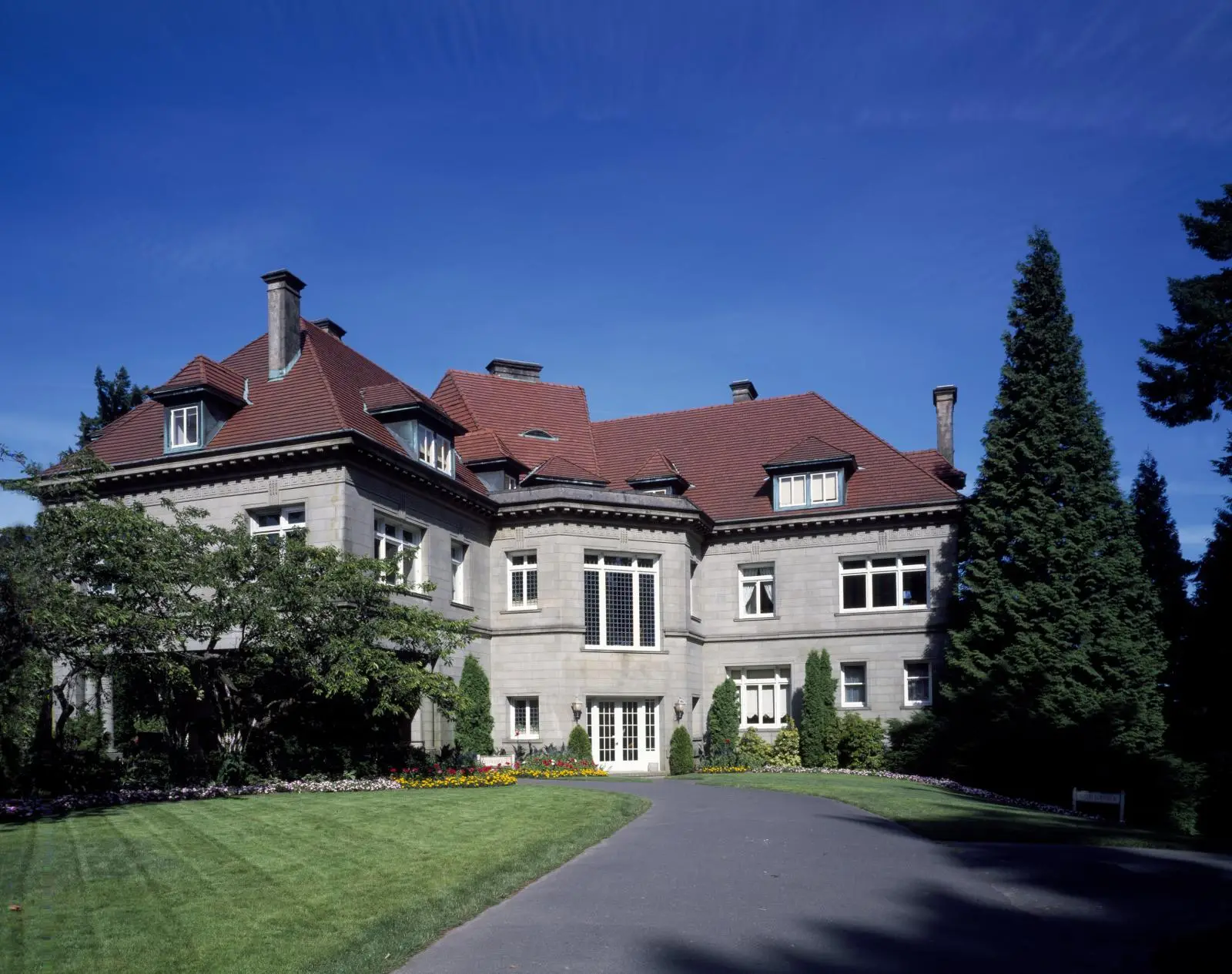
Historic house · Portland, OR
Pittock Mansion
Pittock Mansion is the 1914 hilltop house of Oregonian publisher Henry Pittock and his wife Georgiana, both of whom died within five years of moving in; it has been a museum since 1965.
UnverifiedOpen to visitorsAlso a historic house · also reported: doors, footsteps
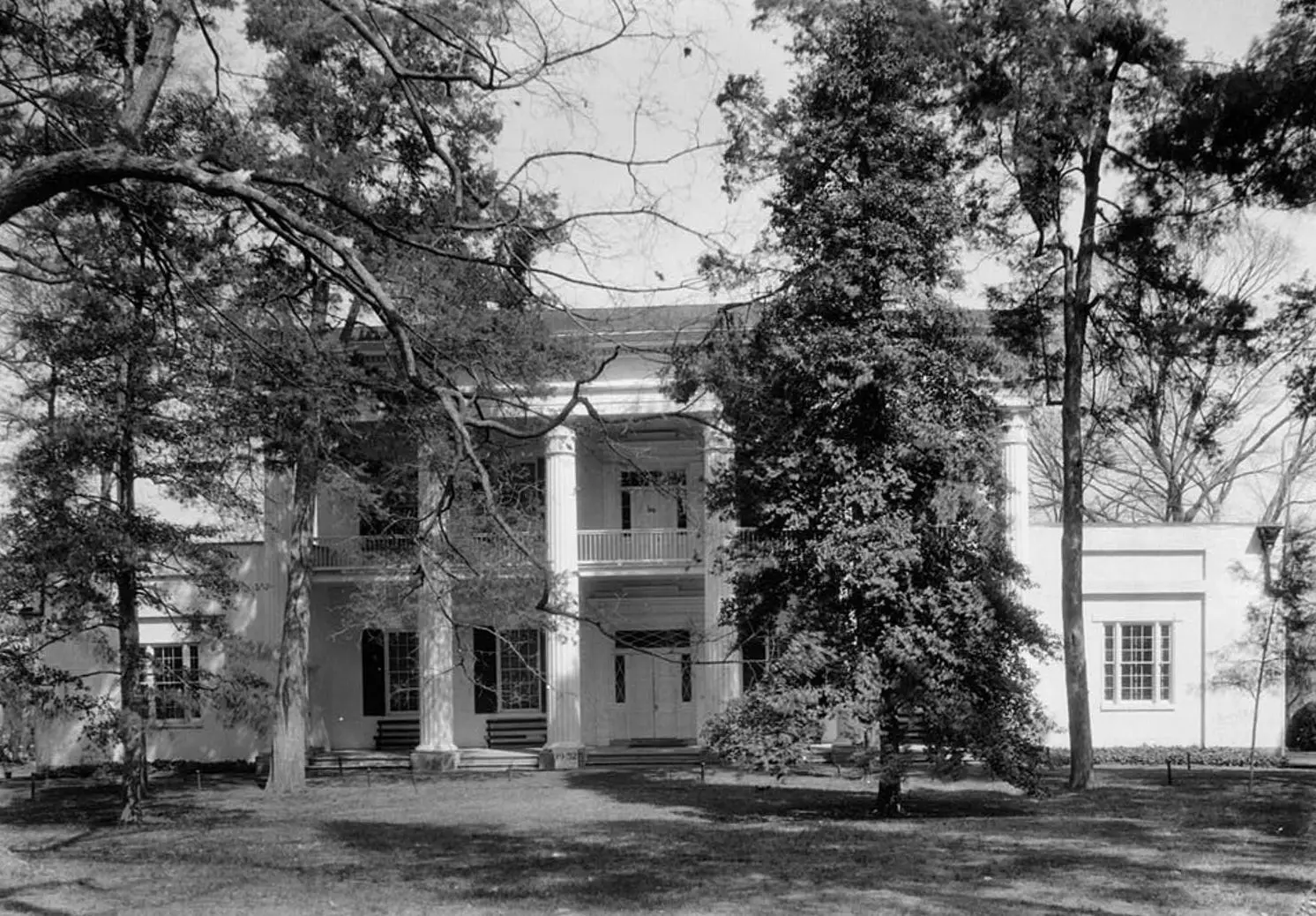
Historic house · TN
The Hermitage
The Hermitage is Andrew Jackson's plantation and mansion east of downtown Nashville, now a museum.
Documented AccountsOpen to visitorsAlso a historic house · also reported: doors, footsteps
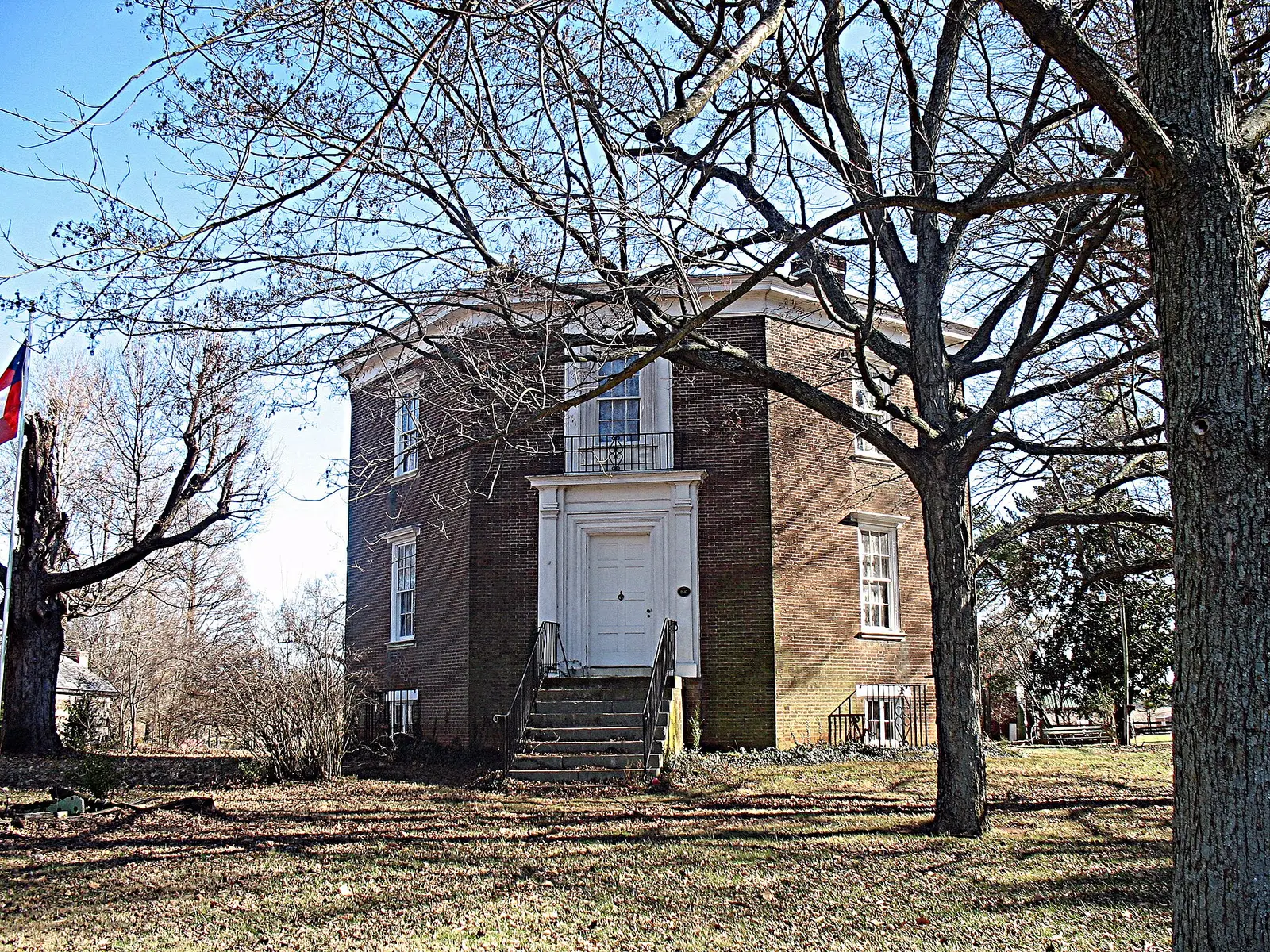
Historic house · Franklin, KY
Octagon Hall
Octagon Hall is a rare eight-sided brick house north of Franklin, Kentucky, built in the mid-19th century by Andrew Jackson Caldwell with the labor of people he enslaved.
Well DocumentedTours onlyAlso a historic house · also reported: doors, footsteps
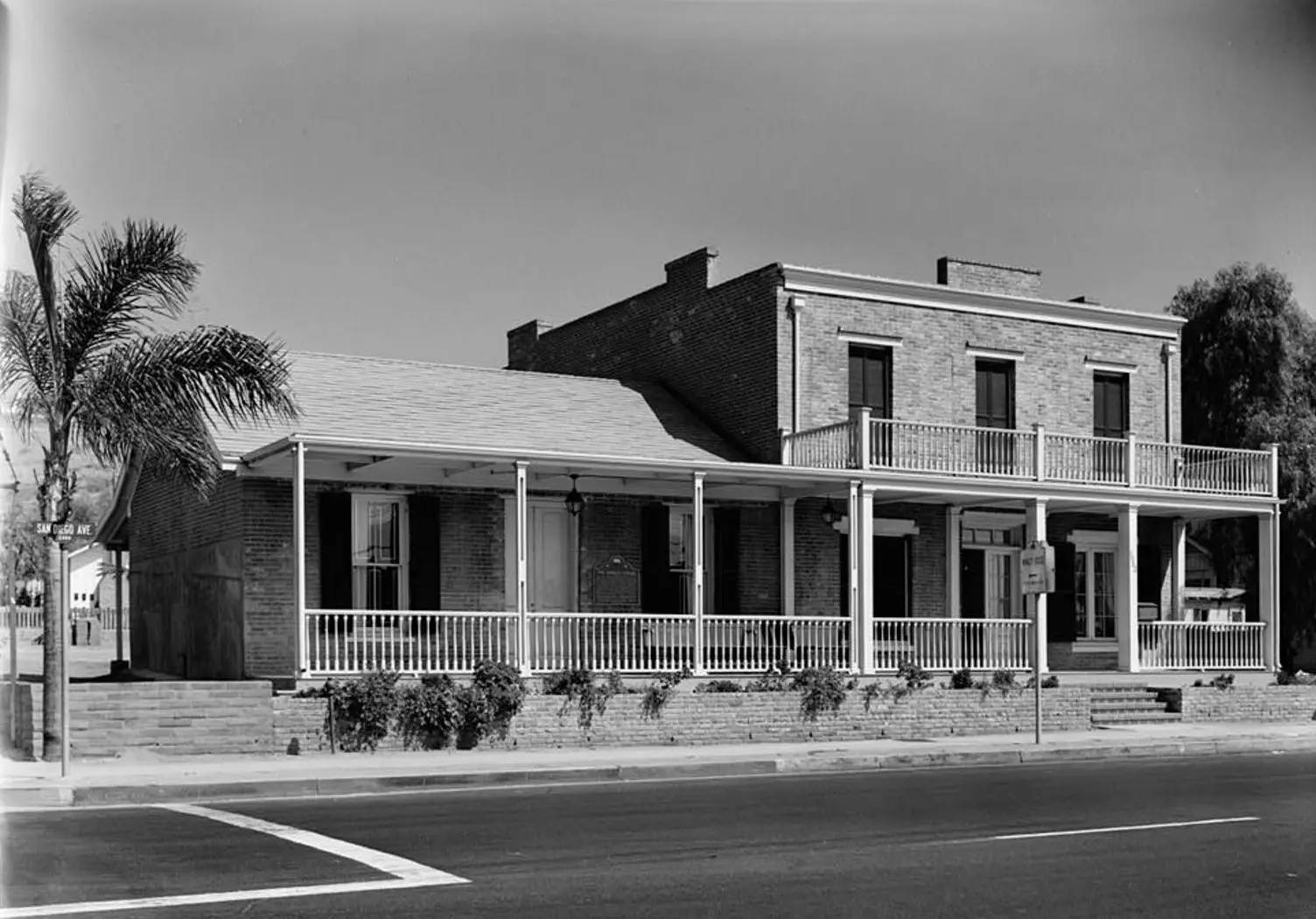
Historic house · San Diego, CA
Whaley House
Footsteps, slamming doors and figures reported by museum staff since the 1960s, on the site of an 1852 hanging.
Documented AccountsOpen to visitors