← Virginia Bacon's Castle
Bacon's Castle
History and the ghost light
Virginia
Bacon's Castle is Virginia's oldest documented house, built in 1665 by current dating (older sources say about 1655) and seized by Bacon's rebels in 1676; its 19th-century owners, the Hankins family, enslaved people there.
What do we know about Bacon's Castle?
The ghost light is a long-told legend without named witnesses. The one named account, Mrs. Charles Walker Warren's, reaches us only through a 2025 blog summarizing L. B. Taylor Jr. 's 1993 book, which we could not access. Other stories are anonymous retellings.
Our rating of the reports about Bacon's Castle: Documented Accounts. At least one traceable published or first-hand account of an unexplained experience. We check that the reports exist, not the supernatural. The rating describes the evidence for the reports, not whether the place is haunted.
- Reported accounts
- 2
- Counted for the rating
- 1
- Research sources
- 8
Counted for the rating: independent accounts we could trace to a witness. Retellings of the same story count once, and staff passing on what visitors said aren’t counted. How we count
Reported experiences don’t establish a supernatural cause.
Read our evidence assessment →The hauntings
Accounts, encounters and stories associated with Bacon's Castle.
What has been reported?
- Phantom lights
- Footsteps
- Moving objects
- Cold spots
- Apparitions
- Electrical



Phenomena described in accounts associated with this location — not independently verified events.
Reported experiences
2 published and reported accounts, each assessed by its source.
Account 01 · 1993
Mrs. Charles Walker Warren, 1993
According to L. B. Taylor Jr.'s Ghosts of Virginia (1993), as summarized in 2025, Mrs. Charles Walker Warren described glass shattering without cause, a dictionary hurled across a room and footsteps pounding overhead where no one walked, in the early 1900s.[7]
- Footsteps
- Moving objects
Published accountReported by Mrs. Charles Walker Warren (via L. B. Taylor Jr., 1993)Note: We have only a blog's summary of Taylor; the book was not available to us, and we could not confirm who Mrs. Warren was or when she lived there.
Read full account ›
According to L. B. Taylor Jr.'s Ghosts of Virginia (1993), as summarized in 2025, Mrs. Charles Walker Warren described glass shattering without cause, a dictionary hurled across a room and footsteps pounding overhead where no one walked, in the early 1900s.[7]
Account 02
M. A. Kleen, 2025
Later retellings add a preacher who saw a rocking chair rock by itself, a small child who asked about 'the lady with the white hands', visitors who report cold spots, lights turning on and a figure in 17th-century dress on the stairs, and a Civil War…
- Cold spots
- Apparitions
- Electrical
- Moving objects
No traceable witnessNote: No named witnesses or dates.
Read full account ›
Legends & disputed stories
Stories told about the place that the records don’t confirm.
- Legend
The best-known legend is a 'ghost light': a red fireball said to rise from the ruins or graveyard of the old Lawne's Creek (Old Brick) Church, float across the fields to the house, sometimes into its stair tower, and drift back to the church.[7][8][6]
What the research shows: Told in many versions without named witnesses; a 1950 novel already featured it.
- Legend
Other legends tell of a young woman whose hair caught fire from her candle on the stairs and who ran burning through a cornfield to her lover, and say Virginia Hankins, who corresponded with the poet Sidney Lanier during the Civil War, still waits in the halls.[7]
What the research shows: Folklore; no historical source for the burning woman.
- Legend
Preservation Virginia began hosting 'haunted events' and a history-based ghost tour at the site around 2012, run with outside paranormal and storytelling groups.[6]
Before you go

Planning a visit?
Tours only
Visits are by guided tour or organized event.
Access details ›
Preservation Virginia museum with paid guided interior tours from March to December and a self-guided exterior cell-phone tour of the grounds and garden. The house is under a two-year restoration, so some rooms and objects may be off view. The site has hosted haunted events; their stories are not evidence. Check the official site before visiting.
Entry
Paid entry
Access last checked November 17, 2026. Confirm times and prices before you travel.
Approximate location, within about 1 km.
The history of Bacon's Castle
Bacon's Castle is Virginia's oldest documented house, built in 1665 by current dating (older sources say about 1655) and seized by Bacon's rebels in 1676; its 19th-century owners, the Hankins family, enslaved people there. Its famous legend is a red fireball that floats from a nearby church graveyard to the house. The only named account is Mrs. Charles Walker Warren's description of shattering glass and footsteps in the early 1900s, known to us second hand. Paid guided tours run in season.
- Established
- 1665
- Also known as
- Allen's Brick House
Arthur Allen's brick house
Bacon's Castle stands among fields in Surry County, across the James River from Jamestown. It was built for Arthur Allen, a wealthy merchant and county justice, and is the oldest documented house in Virginia. The state, the Park Service and Preservation Virginia date it to 1665; older sources, including its 1972 nomination and the county historical society, say about 1655. Its cross-shaped plan, curved Flemish gables and clusters of diagonal chimneys make it a rare American example of Jacobean architecture. It was known as Allen's Brick House until 1676.
Bacon's Rebellion
In mid-September 1676, followers of Nathaniel Bacon seized the house, fortified it and held it for more than three months during the uprising against Governor William Berkeley. Bacon himself never lived there, but the name 'Bacon's Castle' stuck.
Later owners and the people they enslaved
The house was updated in the 18th century and given a Greek Revival wing in the 1840s. By the Civil War it belonged to the Hankins family, who enslaved people there; their surviving letters record enslaved people's names and work in the household, and a dwelling built for enslaved people in 1830 still stands. After emancipation and debt, the estate was sold in 1872. Preservation Virginia bought the house in 1973 and opened it as a museum in 1983.
Through the years
1665
Arthur Allen builds his brick house
The house was built for Arthur Allen, a wealthy merchant and Surry County justice, in 1665 by the dating the state and Preservation Virginia use now (older sources, including the 1972 nomination and the county historical society, say…
Read more ›
The house was built for Arthur Allen, a wealthy merchant and Surry County justice, in 1665 by the dating the state and Preservation Virginia use now (older sources, including the 1972 nomination and the county historical society, say about 1655); known at first as Allen's Brick House, it is the oldest documented house in Virginia and a rare example of Jacobean architecture, with a cross-shaped plan, curved gables and clustered diagonal chimneys.[1][2][3]
1676
Bacon's followers seize the house
In mid-September 1676, during Bacon's Rebellion, Nathaniel Bacon's followers seized and fortified the house and held it for over three months; Bacon himself never lived there, and the name 'Bacon's Castle' came into use later.[4][1][2]
Caveat: Preservation Virginia says four months; the nomination and NPS say about three.
1872
Hankins estate sold
By the Civil War the Hankins family owned Bacon's Castle and enslaved people there; their letters record the names and duties of enslaved people in the household. After emancipation and heavy debt, John Hankins mortgaged the property before…
Read more ›
By the Civil War the Hankins family owned Bacon's Castle and enslaved people there; their letters record the names and duties of enslaved people in the household. After emancipation and heavy debt, John Hankins mortgaged the property before his death in 1870, and his daughter Virginia sold the 1,200-acre estate in 1872.[5][1]
1973
Preservation Virginia acquires the house
The Association for the Preservation of Virginia Antiquities (now Preservation Virginia) bought Bacon's Castle in 1973, restored it and opened it to the public in 1983; it interprets the lives of the enslaved and free African Americans who…
Read more ›
The Association for the Preservation of Virginia Antiquities (now Preservation Virginia) bought Bacon's Castle in 1973, restored it and opened it to the public in 1983; it interprets the lives of the enslaved and free African Americans who lived and worked there as well as the owners.[2][6][3]
The research conclusion

Why it has this rating
One traceable account, known secondhand: a resident in the early 1900s described shattering glass, a thrown book and footsteps, as retold from L. B. Taylor's 1993 book. The fireball light is legend. The Hankins family's enslavement of people here is documented history.
Read the full written assessment ›
The house's construction, the 1676 occupation and its later ownership are documented by the state register, its landmark nominations, NPS and Preservation Virginia, which also documents the Hankins family's enslavement of people there.
The ghost light is a long-told legend without named witnesses. The one named account, Mrs. Charles Walker Warren's, reaches us only through a 2025 blog summarizing L. B. Taylor Jr.'s 1993 book, which we could not access. Other stories are anonymous retellings.
The sources behind the story
8 research references support this entry.

1National Park Service (travel itinerary)Surry County: Bacon's Castle Official or site history · Reference 01
Surry County: Bacon's Castle. National Park Service (travel itinerary), 2016-09-14.
NPS itinerary article: Arthur Allen built the house in 1665; Bacon's followers held it from mid-September 1676 for over three months; Bacon never lived there; the Hankins family owned it by the Civil War; emancipation and debt led to the estate's sale in 1872; surviving slave and tenant quarters.
Accessed November 17, 2026.
2Preservation VirginiaBacon's Castle Official or site history · Reference 02
Bacon's Castle. Preservation Virginia.
Official site page: built for Arthur Allen in 1665; Bacon's men occupied it for four months in 1676; an 1830 slave dwelling survives; the site interprets enslaved and free Africans and African Americans who lived and labored there; paid guided interior tours March-December.
Accessed November 17, 2026.
3Virginia Department of Historic Resources090-0001 Bacon's Castle Official or site history · Reference 03
090-0001 Bacon's Castle. Virginia Department of Historic Resources.
State register entry: built in 1665 for Arthur Allen, the oldest documented house in Virginia; named in 1676 when Bacon's followers fortified it; 18th-century alterations and an 1840s Greek Revival wing; bought by the APVA (now Preservation Virginia) in 1973. NHL 1960, NRHP 1966.
Accessed November 17, 2026.
4Virginia Department of Historic ResourcesNational Register of Historic Places Inventory–Nomination Form: Bacon's Castle (National Historic Landmark, 1975) Register or nomination · Reference 04
National Register of Historic Places Inventory–Nomination Form: Bacon's Castle (National Historic Landmark, 1975). Virginia Department of Historic Resources, 1975.
1975 landmark nomination focused on Bacon's Rebellion: Arthur Allen's house seized and fortified in mid-September 1676, its garrison controlling the south side of the James for three months; the rebellion over by January 1677.
Accessed November 17, 2026.
5Preservation VirginiaDeciphering History: Hankins Letters Offer Glimpse into 19th Century Bacon's Castle Official or site history · Reference 05
Sarah Carson, Deciphering History: Hankins Letters Offer Glimpse into 19th Century Bacon's Castle. Preservation Virginia, 2025-04-10.
Staff blog post on transcribing about 200 Hankins family letters (Virginia Museum of History & Culture): the letters identify names and duties of enslaved people in the household, which the site has shared with enslaved.org.
Accessed November 17, 2026.
6Cooperative Living magazineCover story, October 2015 issue (Virginia ghost tourism feature; headline not captured) Magazine · Reference 06
Cover story, October 2015 issue (Virginia ghost tourism feature; headline not captured). Cooperative Living magazine, 2015-10.
Magazine feature quoting Preservation Virginia's director of museum operations: ghost lore has long surrounded the house; witnesses describe a red fireball crossing from the church graveyard into the stair tower; garden sightings of a Civil War soldier; the site began hosting 'haunted events' about three years earlier. No named witnesses.
Accessed November 17, 2026.
7M. A. Kleen (personal site)The Fire Still Burns at Bacon's Castle Website · Reference 07
Michael Kleen, The Fire Still Burns at Bacon's Castle. M. A. Kleen (personal site), 2025-10-27.
Folklore writer's blog compiling earlier books (L. B. Taylor Jr., Ghosts of Virginia I, 1993; Marguerite du Pont Lee, Virginia Ghosts, 1966; Beth Brown, Haunted Plantations of Virginia, 2009) with page-less retellings. Source for the Warren account attributed to Taylor; we have not consulted Taylor's book.
Accessed November 17, 2026.
8Surry County, VA Historical SocietyBacon's Castle Ghost Light Website · Reference 08
Eve S. Gregory, Bacon's Castle Ghost Light. Surry County, VA Historical Society, 2012-01-22.
Local historical society article (reprinted from Surrey Side News, 2012): the legend of a fireball that floats from the Lawne's Creek Church ruins to the house and back; notes a 1950 novel featuring the ghost light. Says the house was built 'about 1655'.
Accessed November 17, 2026.
More haunted places
Explore nearby
Historic house
Peyton Randolph House
Williamsburg, Virginia · 11 miles away · Open to visitors
Historic house
George Wythe House
Williamsburg, Virginia · 11 miles away · Open to visitors
Fort
Fort Monroe National Monument
Hampton, Virginia · 24 miles away · Open to visitors
Historic house
Ferry Plantation House
Virginia Beach, Virginia · 37 miles away · Tours only
Similar places
Also a historic house · also reported: electrical, phantom lights
Historic house · KY
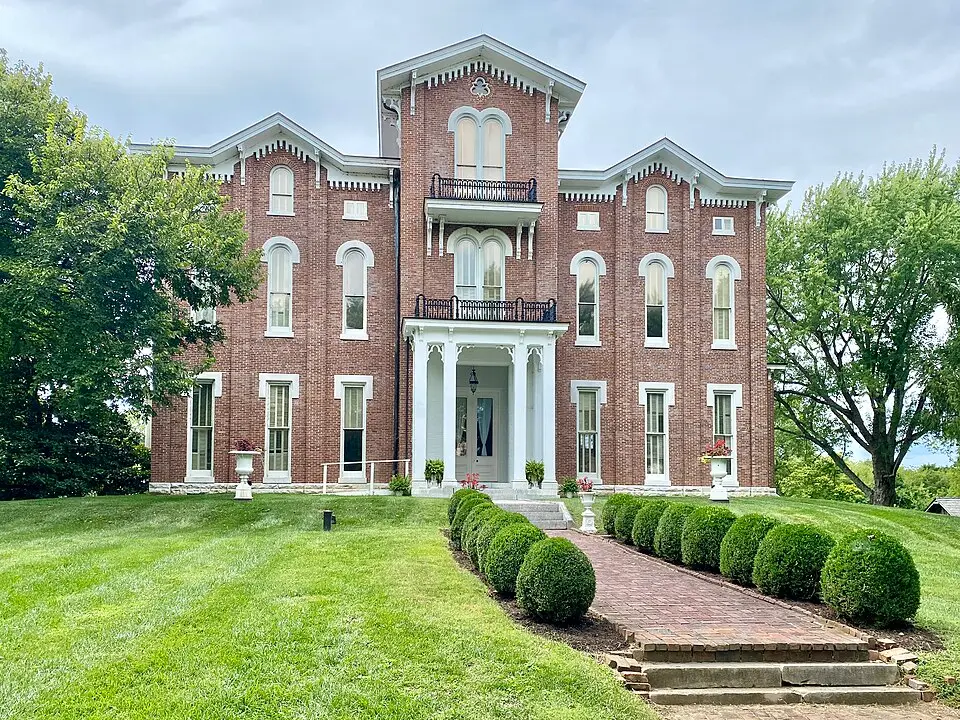
White Hall State Historic Site
White Hall, near Richmond, Kentucky, is the home of the antislavery politician Cassius Marcellus Clay, built on a house his father, a major enslaver, finished in 1799.
Documented AccountsTours onlyAlso a historic house · also reported: electrical, footsteps
Historic house · San Jose, CA
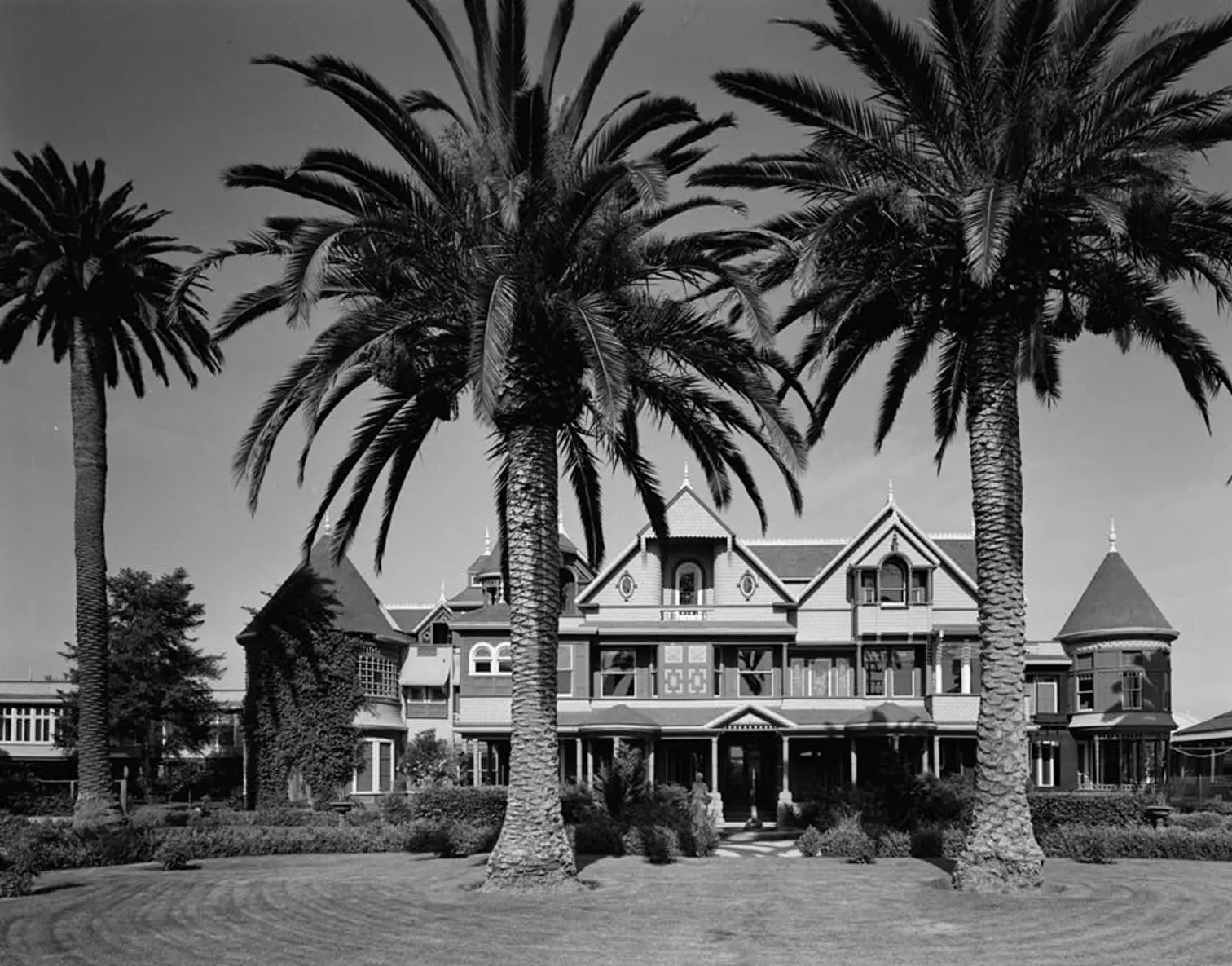
Winchester Mystery House
Footsteps, touches and apparitions reported by the house’s own staff over forty years.
Documented AccountsTours onlyAlso a historic house · also reported: cold spots, footsteps
Historic house · Franklin, KY
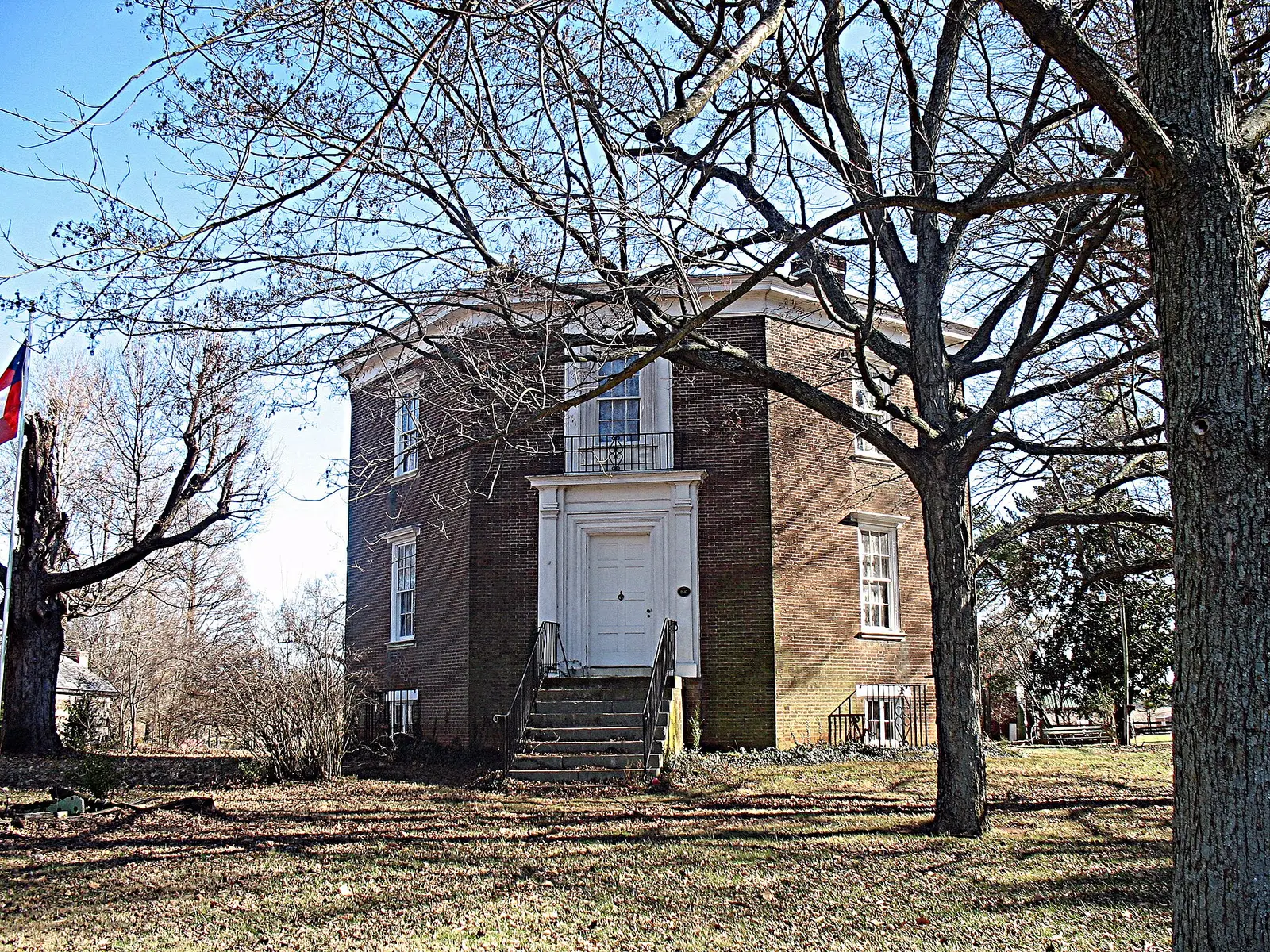
Octagon Hall
Octagon Hall is a rare eight-sided brick house north of Franklin, Kentucky, built in the mid-19th century by Andrew Jackson Caldwell with the labor of people he enslaved.
Well DocumentedTours onlyAlso a historic house · also reported: electrical, moving objects
Historic house · New Albany, IN
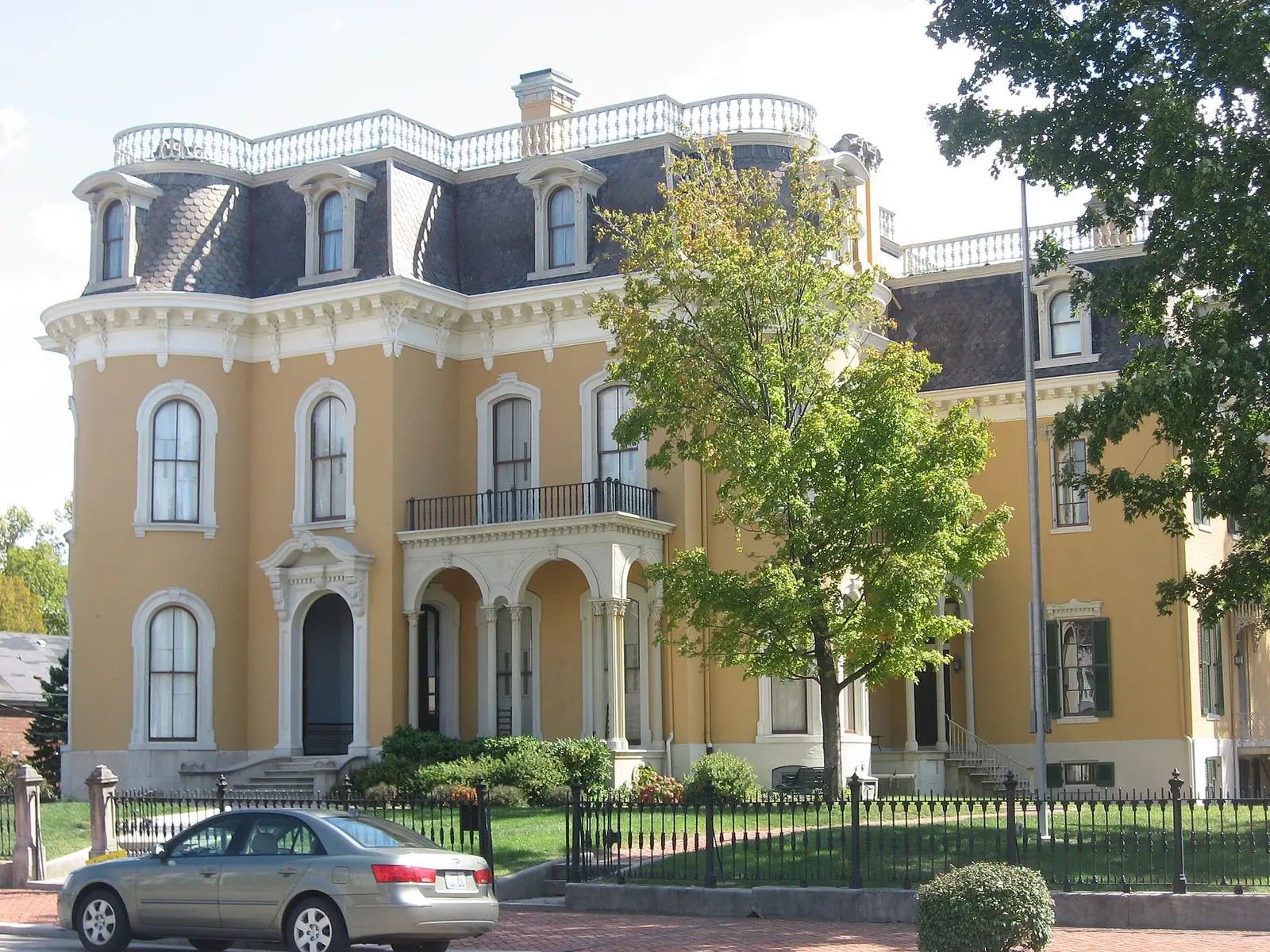
Culbertson Mansion State Historic Site
Culbertson Mansion is a Second Empire house built just after the Civil War for William S. Culbertson, one of Indiana's wealthiest men, and now a state historic site.
Documented AccountsTours only