← Charleston Magnolia Plantation and Gardens
Magnolia Plantation and Gardens
Charleston, South Carolina
Magnolia Plantation and Gardens on the Ashley River is the Drayton family's former rice plantation, worked by enslaved people, and a public garden since about 1871.
What do we know about Magnolia Plantation and Gardens?
The ghost reputation rests on a 2012 Ghost Hunters episode, which we know only from a listing, and on anonymous-seeming visitor comments on a ghost directory. Nothing here is a traceable first-hand account, and recordings made during a TV investigation are not evidence of anything beyond the recording.
Our rating of the reports about Magnolia Plantation and Gardens: Unverified. A haunted reputation or legend, but no traceable account of an experience so far. The rating describes the evidence for the reports, not whether the place is haunted.
- Reported accounts
- 2
- Counted for the rating
- 0
- Research sources
- 8
Counted for the rating: independent accounts we could trace to a witness. Retellings of the same story count once, and staff passing on what visitors said aren’t counted. How we count
Reported experiences don’t establish a supernatural cause.
Read our evidence assessment →The hauntings
Accounts, encounters and stories associated with Magnolia Plantation and Gardens.
What has been reported?
- Voices
- Music
- Being touched
- Apparitions
Phenomena described in accounts associated with this location — not independently verified events.
Reported experiences
2 published and reported accounts, each assessed by its source.
Account 01 · October 10, 2012 · 2 versions
Ghost Hunters, 2012
The TAPS team of the TV series Ghost Hunters investigated Magnolia Plantation in an episode first shown on October 10, 2012, to find out whether activity reported there was linked to the Drayton family.[7]
- Voices
- Music
Published accountReported by Ghost Hunters (TAPS), 'Paranormal Politics'Note: Known to us only from an episode listing; we could not see the episode or a full recap, so we do not know what the team reported finding. A TV investigation is not counted as an account of an experience.
Read full account ›
The TAPS team of the TV series Ghost Hunters investigated Magnolia Plantation in an episode first shown on October 10, 2012, to find out whether activity reported there was linked to the Drayton family.[7]
A ghost directory says the Ghost Hunters investigation turned up unexplained music, a young girl's voice, a cough and a woman's voice asking what they were doing.[8]
Note: Secondhand and undated; voices and sounds caught during an investigation are device output, not accounts of an experience, and are not counted.
Account 02 · May 6, 2015
HauntedPlaces.org
Visitors posting on the same directory in 2015 and 2016 described feeling three gentle pats on the shoulder while sitting on the house porch with nobody near, and finding scratch marks on a hand after a tour; a third saw a dark figure in a family…
- Being touched
- Apparitions
No traceable witnessNote: User comments under first names or partial names, unverified by the site. The commenter with the photograph said her relatives had never experienced anything there.
Read full account ›
Visitors posting on the same directory in 2015 and 2016 described feeling three gentle pats on the shoulder while sitting on the house porch with nobody near, and finding scratch marks on a hand after a tour; a third saw a dark figure in a family photograph from the late 1980s.[8]
Before you go
Planning a visit?
Tours only
Visits are by guided tour or organized event.
Access details ›
Gardens open daily with paid admission; the house can be seen on a guided tour, and the 'From Slavery to Freedom' tour of the cabins is included with admission. Magnolia does not run ghost tours. Check the official site for current tours.
Entry
Paid entry
Access last checked November 17, 2026. Confirm times and prices before you travel.
Approximate location, within about 1 km.
The history of Magnolia Plantation and Gardens
Magnolia Plantation and Gardens on the Ashley River is the Drayton family's former rice plantation, worked by enslaved people, and a public garden since about 1871. Its ghost reputation is recent and thin: a 2012 Ghost Hunters episode and a few unverified visitor comments online describing music, voices and a touch on the shoulder. The gardens, house and cabins are open with paid admission.
- Established
- 1873
- Also known as
- Magnolia-on-the-Ashley
A Drayton rice plantation
Magnolia's land on the Ashley River was granted in the late 1600s, and it passed into the Drayton family, who still own it. By the Civil War the Draytons had built it into a rice plantation of roughly 1,700 to 1,900 acres. That wealth came from enslaved people: Magnolia's own history says enslaved Africans and African Americans grew the Carolina Gold rice and did the work of making the famous gardens, including building the white bridge in the 1840s.
The cabins
Five cabins survive from the plantation's settlement. Four were built around 1850 and one around 1900, and people lived in them from slavery through emancipation into the late 20th century. Archaeologists surveyed the fields around them in 2009, and four restored cabins are now the center of the 'From Slavery to Freedom' tour.
The gardens and the house
Rev. John Grimké Drayton began planting camellias in 1843 and azaleas in 1848, and after falling ill in 1851 he devoted himself to the gardens. After the war most of the land was sold. Two earlier houses burned, one during the Civil War, and the present house dates from the 1870s. Magnolia opened its gardens to visitors around 1871, and formerly enslaved people guided the first of them. Adam Bennett, the first garden superintendent, and later his son John looked after the gardens until 1926.
Through the years
1672
Land warrant on the Ashley River
The estate grew from late-17th-century grants on the Ashley River: a 1672 warrant to settler Morris Mathews became part of it, and land acquired by Stephen Fox passed to his son-in-law Thomas Drayton. The Draytons built it into…
Read more ›
The estate grew from late-17th-century grants on the Ashley River: a 1672 warrant to settler Morris Mathews became part of it, and land acquired by Stephen Fox passed to his son-in-law Thomas Drayton. The Draytons built it into a rice plantation of about 1,700–1,900 acres by the Civil War, and the family has held the property ever since.[1][2][3][4]
Caveat: Sources give different founding dates (1672 warrant, 1676 Drayton ownership, late 1600s) and acreages (nearly 1,700 and 1,872).
1840–1849
1840–1849
Magnolia was a slave-labor rice plantation. Enslaved Africans and African Americans grew the Carolina Gold rice that made the Draytons wealthy and did the work of making the gardens, including building the white bridge in the 1840s.[1][2]
Caveat: Neither page gives how many people the Draytons enslaved or names them; we found no scholarly count we could open.
1850
Cabins built
Five cabins survive from the plantation's settlement: four built around 1850 and one around 1900. People lived in them from slavery, through emancipation and into the late 20th century. The 1972 nomination counted seven wooden slave cabins, archaeologists…
Read more ›
Five cabins survive from the plantation's settlement: four built around 1850 and one around 1900. People lived in them from slavery, through emancipation and into the late 20th century. The 1972 nomination counted seven wooden slave cabins, archaeologists surveyed the fields around them in 2009, and four restored cabins are shown on the 'From Slavery to Freedom' tour.[2][5][3][6]
1871
Gardens open to the public
Magnolia opened its gardens to paying visitors soon after the Civil War, and formerly enslaved people guided the early visitors. Adam Bennett, the first garden superintendent, greeted visitors arriving by steamboat; his son John, born at Magnolia, followed him until 1926.[2][5]
Caveat: The official site says 1871; the Cultural Landscape Foundation says 1870; the nomination speaks of promotion since 1872.
Contradicted by source 4
1873
Present house built
Magnolia has had three plantation houses. The first two were destroyed by fire, one of them during the Civil War, and the present stucco house with its tower dates from the 1870s.[3][4]
Caveat: The OCR of the nomination reads the present house's date as '1073', evidently 1873. No source we consulted gives the date or cause of the Civil War fire.
The research conclusion

Why it has this rating
No traceable first-hand account: the reputation rests on a 2012 TV episode known from a listing, whose recordings are device output, and anonymous comments. The enslaved people whose labor built the plantation and gardens are documented history.
Read the full written assessment ›
The plantation's history, including the Draytons' reliance on enslaved labor, the cabins and the post-war gardens, is documented in the 1972 National Register nomination and Magnolia's own history pages, though we found no source we could open that counts the people enslaved there.
The ghost reputation rests on a 2012 Ghost Hunters episode, which we know only from a listing, and on anonymous-seeming visitor comments on a ghost directory. Nothing here is a traceable first-hand account, and recordings made during a TV investigation are not evidence of anything beyond the recording.
The sources behind the story
8 research references support this entry.
1Magnolia Plantation and GardensHistory of Magnolia Plantation & Gardens: Exploring Charleston's Historic Landmark Official or site history · Reference 01
Katie Zaffuto, History of Magnolia Plantation & Gardens: Exploring Charleston's Historic Landmark. Magnolia Plantation and Gardens.
Official blog article (dated 'Aug 10', year not shown). Stephen Fox's land passed to his son-in-law Thomas Drayton in the late 1600s; the property's history was shaped by enslaved African Americans and their descendants; gardens opened in 1871.
Accessed November 17, 2026.
2Magnolia Plantation and GardensHistory Official or site history · Reference 02
History. Magnolia Plantation and Gardens.
Official site history. Says enslaved laborers grew the rice that made the Draytons wealthy, created the gardens and built the white bridge in the 1840s; that four restored cabins survive; that formerly enslaved people guided early visitors; and that the gardens opened to the public in 1871. Gives no numbers or names of enslaved people. No mention of ghosts.
Accessed November 17, 2026.
3National Park Service (NPGallery)National Register of Historic Places Inventory–Nomination Form: Magnolia Gardens / Magnolia-on-the-Ashley (NRIS 72001198) Register or nomination · Reference 03
National Register of Historic Places Inventory–Nomination Form: Magnolia Gardens / Magnolia-on-the-Ashley (NRIS 72001198). National Park Service (NPGallery), 1972.
Scanned 1972 nomination, read by OCR. Gives the 1672 land warrant to Morris Mathews, Rev. John Grimké Drayton's camellia (1843) and azalea (1848) plantings, the 1,872-acre estate cut to 390 acres after the Civil War, three plantation houses (the first two destroyed by fire), the date of the present house (OCR reads '1073', evidently 1873), seven wooden slave cabins and the Drayton vault, and a center point of 32°53'10" N, 80°04'32" W. Says nothing about ghosts and nothing about the lives of enslaved people beyond the cabins.
Accessed November 17, 2026.
4The Cultural Landscape FoundationMagnolia Plantation Website · Reference 04
Magnolia Plantation. The Cultural Landscape Foundation.
Landscape-history summary. Says the Draytons owned the land from 1676, the house burned more than once including during the Civil War, and the gardens opened to the public in 1870. Does not mention enslaved people.
Accessed November 17, 2026.
5Magnolia Plantation and GardensBlack History Month at Magnolia: Honoring those Who Created and Maintained the Gardens Official or site history · Reference 05
Black History Month at Magnolia: Honoring those Who Created and Maintained the Gardens. Magnolia Plantation and Gardens.
Official article (posted 'Feb 2', year not shown, byline 'Guest User'). Four of the five cabins date to about 1850 and one to about 1900; they were lived in from slavery into the late 20th century; a 2009 archaeological survey; names Aunt Phoebe, believed formerly enslaved there, and garden superintendents Adam Bennett (died 1910) and John Bennett (died 1926). The museum's own research, not independently checked.
Accessed November 17, 2026.
6Slave Dwelling ProjectMagnolia Plantation and Gardens Website · Reference 06
Joseph McGill, Magnolia Plantation and Gardens. Slave Dwelling Project, 2016-06-04.
Blog post by the founder of the Slave Dwelling Project, a former Magnolia guide, about staying overnight in one of the restored cabins in May 2016. Confirms four restored cabins on the 'From Slavery to Freedom' tour, which he says began in 2009. Gives no population figures.
Accessed November 17, 2026.
7TheTVDBGhost Hunters, season 8, episode 18: Paranormal Politics Website · Reference 07
Ghost Hunters, season 8, episode 18: Paranormal Politics. TheTVDB, 2012-10-10.
Episode listing. Says the TAPS team investigated Magnolia Plantation in Charleston to find out whether reported activity was linked to the Drayton family. The description is cut off and does not say what the team found. Lists the network as A&E, although the series aired on Syfy at the time; a listing, not the broadcast.
Accessed November 17, 2026.
8HauntedPlaces.orgMagnolia Plantation and Gardens Website · Reference 08
Magnolia Plantation and Gardens. HauntedPlaces.org.
Ghost-directory entry citing the Ghost Hunters episode (music, a young girl's voice, a cough, a woman's voice) plus three anonymous-looking user comments from 2015 and 2016. The site says its stories are user-submitted and unverified. Used only as the place these stories were published.
Accessed November 17, 2026.
More haunted places
Explore nearby
Prison
Old City Jail
Charleston, South Carolina · 11 miles away · Tours only
Theater
Dock Street Theatre
Charleston, South Carolina · 12 miles away · Open to visitors
Museum
Old Exchange and Provost Dungeon
Charleston, South Carolina · 12 miles away · Open to visitors
Church
Unitarian Church in Charleston and churchyard
Charleston, South Carolina · 12 miles away · Open to visitors
Similar places
Also a historic house · also reported: music, being touched
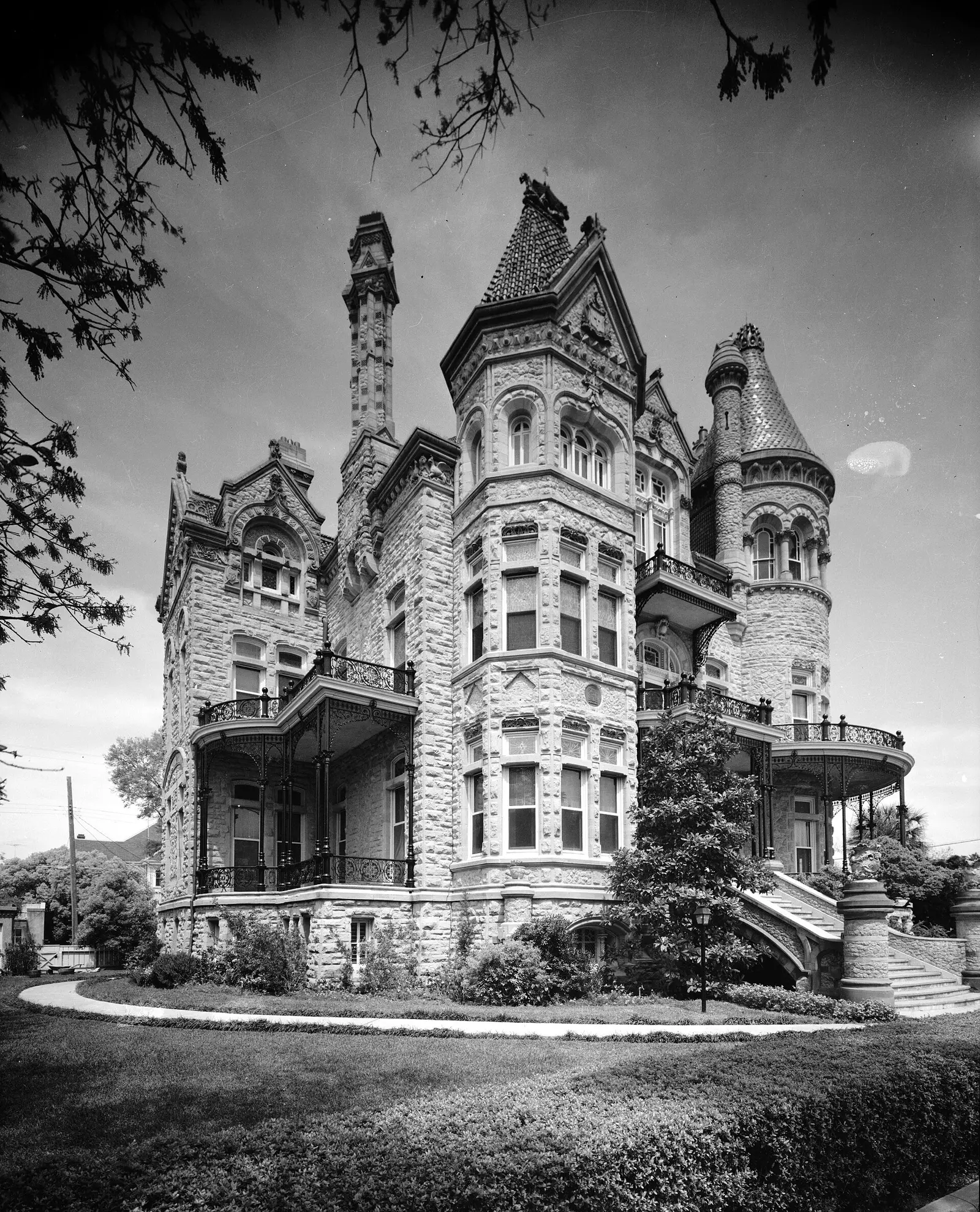
Historic house · Galveston, TX
Bishop's Palace
The Bishop's Palace is an 1890s stone mansion in Galveston, built for lawyer Walter Gresham and later home to the city's Catholic bishop.
UnverifiedOpen to visitorsAlso a historic house · also reported: music
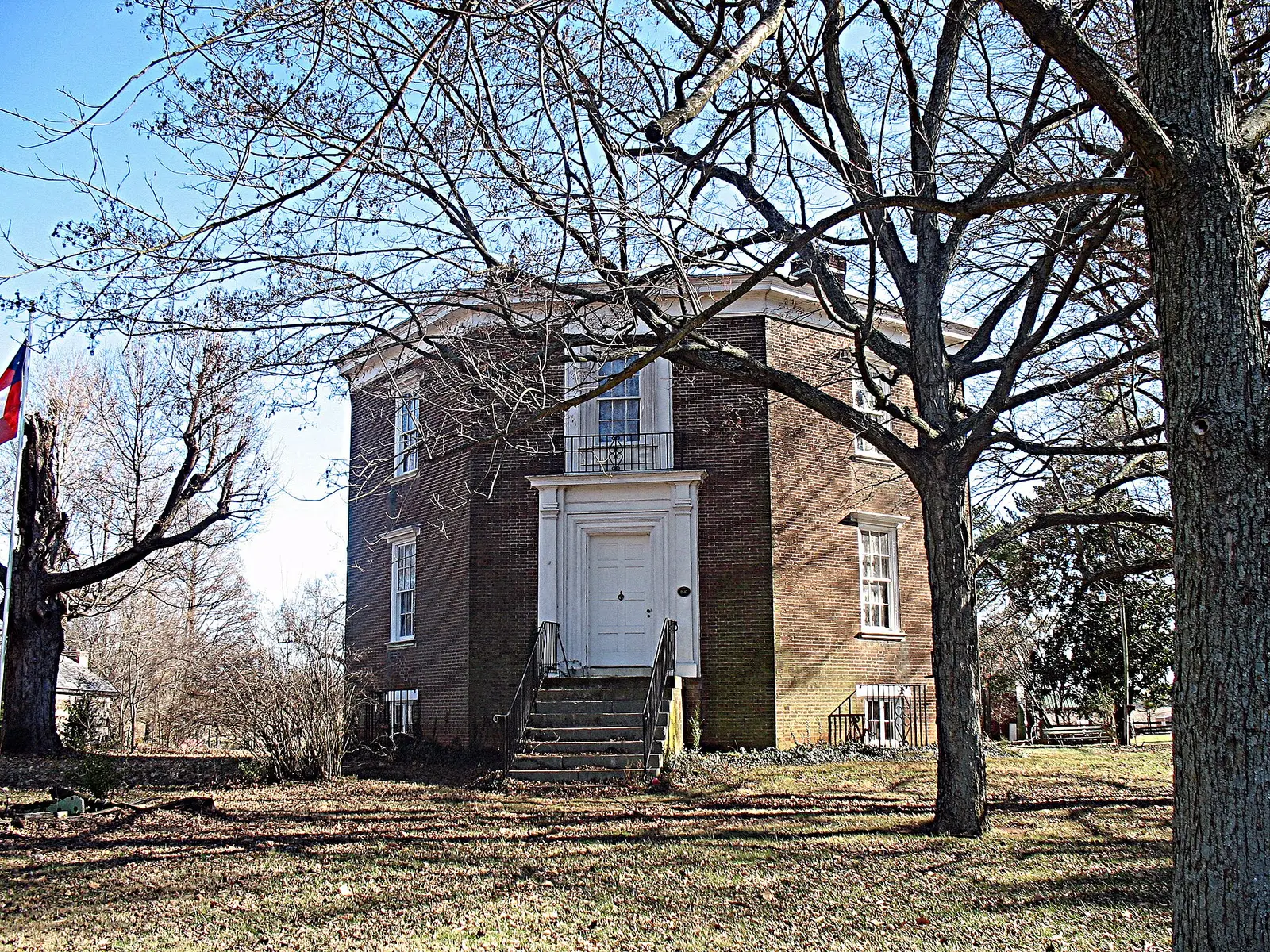
Historic house · Franklin, KY
Octagon Hall
Octagon Hall is a rare eight-sided brick house north of Franklin, Kentucky, built in the mid-19th century by Andrew Jackson Caldwell with the labor of people he enslaved.
Well DocumentedTours onlyAlso a historic house · also reported: music
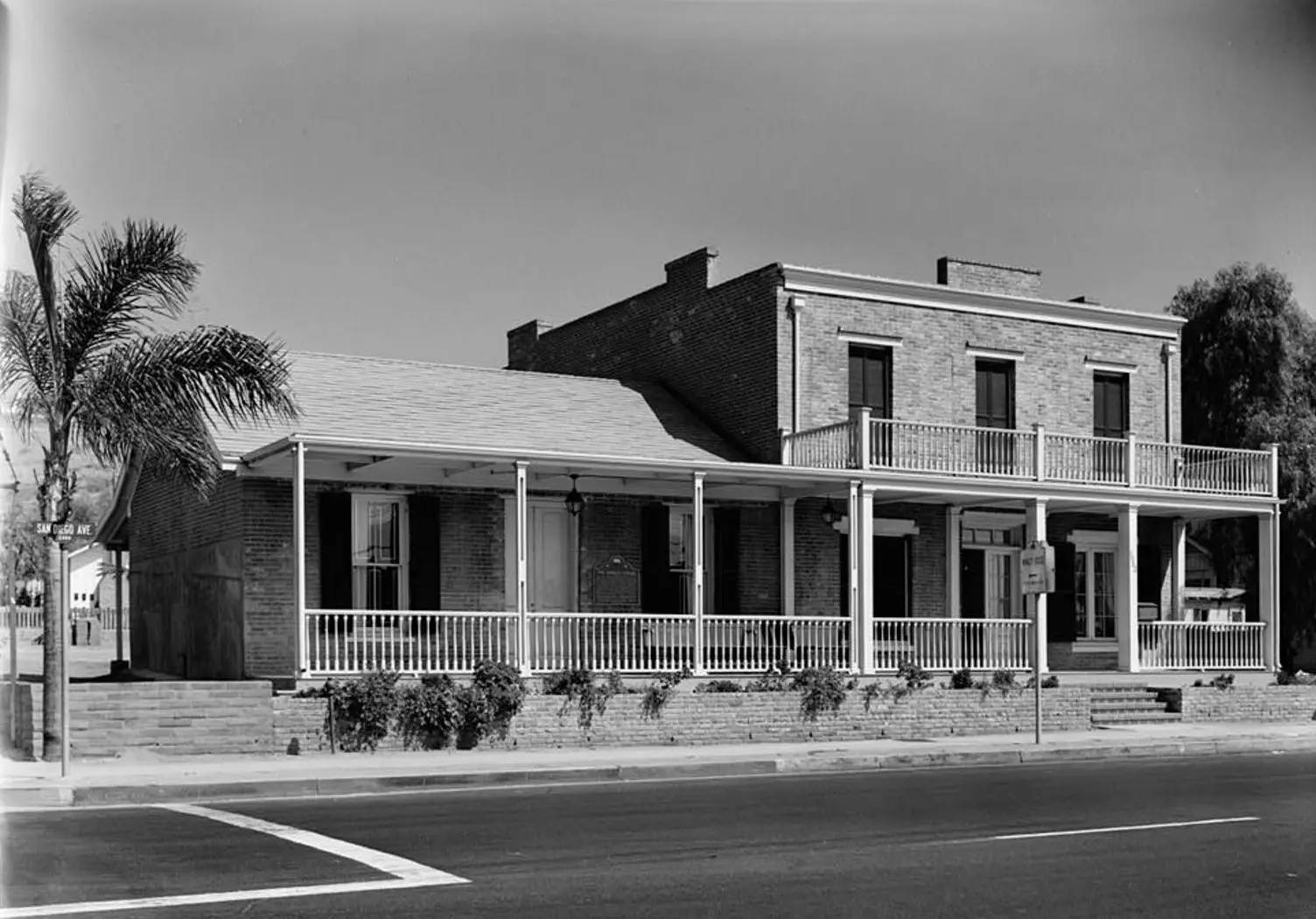
Historic house · San Diego, CA
Whaley House
Footsteps, slamming doors and figures reported by museum staff since the 1960s, on the site of an 1852 hanging.
Documented AccountsOpen to visitorsAlso a historic house · also reported: music
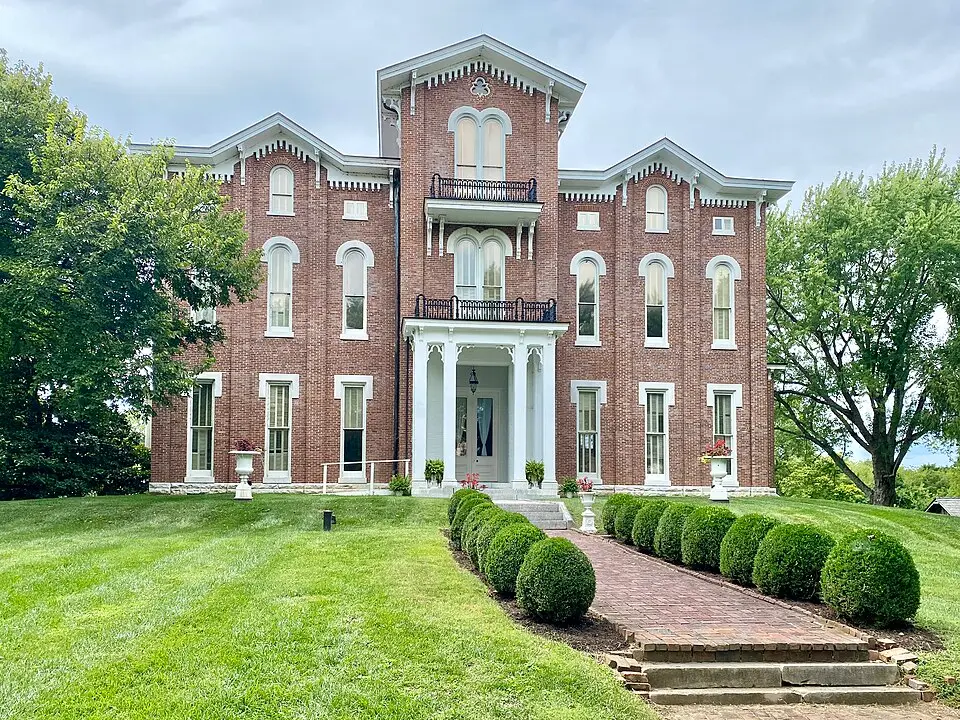
Historic house · KY
White Hall State Historic Site
White Hall, near Richmond, Kentucky, is the home of the antislavery politician Cassius Marcellus Clay, built on a house his father, a major enslaver, finished in 1799.
Documented AccountsTours only