← Franklin The Carter House
The Carter House
The battle at the door and Tod Carter's ghost
Franklin, Tennessee
The Carter House in Franklin is the 1830 farmhouse of Fountain Branch Carter, who enslaved 28 people there.
What do we know about The Carter House?
The ghost stories are told mainly by a commercial ghost-tour company and a state tourism feature, with no named witnesses. The only traceable account is the Ghost Research Society's 2021 write-up, in which an investigator felt something tug his shirt; its other 'evidence' is device output, which is not counted.
Our rating of the reports about The Carter House: Documented Accounts. At least one traceable published or first-hand account of an unexplained experience. We check that the reports exist, not the supernatural. The rating describes the evidence for the reports, not whether the place is haunted.
- Reported accounts
- 2
- Counted for the rating
- 1
- Research sources
- 8
Counted for the rating: independent accounts we could trace to a witness. Retellings of the same story count once, and staff passing on what visitors said aren’t counted. How we count
Reported experiences don’t establish a supernatural cause.
Read our evidence assessment →The hauntings
Accounts, encounters and stories associated with The Carter House.
What has been reported?
- Being touched
- Apparitions
- Voices
Phenomena described in accounts associated with this location — not independently verified events.
Reported experiences
2 published and reported accounts, each assessed by its source.
- Being touched
- Apparitions
- Voices
No traceable witnessNote: No witness is named.
Account 02 · 2021 · 2 versions
A Ghost Research Society investigator, 2021
Dale Kaczmarek of the Ghost Research Society wrote that during their July 11, 2021 visit his fellow investigator felt something unseen tugging his shirt while on the battlefield near the original buildings.[8]
- Being touched
Published accountReported by A Ghost Research Society investigator (via Dale Kaczmarek)Note: Reported secondhand by the group's founder; the investigator is not quoted directly.
Read full account ›
Dale Kaczmarek of the Ghost Research Society wrote that during their July 11, 2021 visit his fellow investigator felt something unseen tugging his shirt while on the battlefield near the original buildings.[8]
The same Ghost Research Society visit recorded an EMF meter jumping on the back porch and a 'Phasma Box' producing words such as 'Enjoyment' and 'We did!' in answer to questions about the battle.[8]
Note: Device output, not an account of an experience; not counted towards the tier.
Legends & disputed stories
Stories told about the place that the records don’t confirm.
- Legend
Ghost stories say Tod Carter is seen in Confederate uniform sitting on the bed or looking out of the window of the room where he died, and that his sister Annie plays pranks and tugs at visitors' clothes.[6]
What the research shows: Told by a commercial ghost-tour company with no named witness or source.
Before you go
Planning a visit?
Tours only
Visits are by guided tour or organized event.
Access details ›
State historic site run for the Tennessee Historical Commission by the Battle of Franklin Trust, with paid guided house, battlefield and 'Slavery & the Enslaved' tours. The official pages do not mention ghost tours; commercial ghost tours that tell its stories are not evidence. Check the official site for current tours.
Entry
Paid entry
Access last checked November 17, 2026. Confirm times and prices before you travel.
Approximate location, within about 1 km.
The history of The Carter House
The Carter House in Franklin is the 1830 farmhouse of Fountain Branch Carter, who enslaved 28 people there. On November 30, 1864, the Battle of Franklin was fought around it, and his son Tod died in the house of his wounds. Ghost stories tell of Tod and his sister Annie; the one traceable account is a 2021 investigator's report of a tug on his shirt. You can tour it.
- Established
- 1828–1830
- Also known as
- Carter House State Historic Site
Fountain Branch Carter's farm
Fountain Branch Carter began building this one-and-a-half-story brick house just south of Franklin in 1828 and finished it in 1830, using brick, glass and nails made on the farm. He and his wife Polly had twelve children, eight of whom grew up.
The people the Carters enslaved
By 1860 Carter enslaved 28 people, who lived in seven cabins on the farm. The Battle of Franklin Trust has researched their lives. One of them, Jack Carter, married Calfurnia, also enslaved on the farm; by 1864 they had at least six children. In 1860 a white man was charged with attacking Jack, and Carter's own medical ledger records treating his wounds.
The battle at the door
Before dawn on November 30, 1864, Union General Jacob D. Cox woke the family and made the parlor his headquarters. When the battle began that afternoon, the Carters, a neighboring family and several enslaved people sheltered in the basement. Confederate troops broke through the Union line near the house, and some of the fiercest fighting of the battle raged in its yard and garden. The state counts more than a thousand bullet and shell holes in the farm office and smokehouse.
Tod Carter
Captain Tod Carter, one of Fountain Carter's sons, fought for the Confederacy. He was mortally wounded on his family's land and died in the house on December 2, 1864.
Later history
Moscow Carter sold the house in 1896. The state bought it in 1951, according to the museum, saving it from demolition, and opened it in 1953; the state's own page dates the rescue to 1953. It is part of the Franklin Battlefield National Historic Landmark.
Through the years
1860
1860
Jack Carter, enslaved on the farm, married Calfurnia, also enslaved there, and by 1864 they had at least six children. In 1860 a white man was charged with beating and trying to shoot him, and F. B. Carter's…
Read more ›
Jack Carter, enslaved on the farm, married Calfurnia, also enslaved there, and by 1864 they had at least six children. In 1860 a white man was charged with beating and trying to shoot him, and F. B. Carter's medical ledger records dressing Jack's wounds that October.[4]
Caveat: Jack's own 1864 statement about supplies taken by Union troops was lost by the National Archives before 1906, according to the museum.
1864
Battle of Franklin
Before dawn on November 30, 1864, Union Brigadier General Jacob D. Cox took over the house as his headquarters and command post; when the battle began that afternoon the Carter family, a neighboring family and several enslaved people…
Read more ›
Before dawn on November 30, 1864, Union Brigadier General Jacob D. Cox took over the house as his headquarters and command post; when the battle began that afternoon the Carter family, a neighboring family and several enslaved people sheltered in the basement while Confederate troops broke through the Union line near the house and fought hand to hand in its yard.[2][5][3]
1951–1953
State buys the house
Moscow Carter sold the house and land in 1896; the State of Tennessee bought the house in 1951, according to the museum, saving it from demolition, and opened it to the public in 1953. It is part of the Franklin Battlefield National Historic Landmark.[2][5][3]
Caveat: The state's page dates the rescue to 1953, when it says the house was slated to become a gas station.
The research conclusion

Why it has this rating
One traceable account, weak: a paranormal society's 2021 write-up in which an investigator felt his shirt tugged; its meter readings aren't counted. The Tod and Annie Carter stories name no witnesses.
Read the full written assessment ›
The house, the Carters' enslavement of 28 people, the battle and Tod Carter's death on December 2, 1864, are documented by the state, the National Historic Landmark nomination and the museum.
The ghost stories are told mainly by a commercial ghost-tour company and a state tourism feature, with no named witnesses. The only traceable account is the Ghost Research Society's 2021 write-up, in which an investigator felt something tug his shirt; its other 'evidence' is device output, which is not counted.
The sources behind the story
8 research references support this entry.

1Tennessee Encyclopedia (Tennessee Historical Society)Carter House Website · Reference 01
Meredith Fiske Bare, Carter House. Tennessee Encyclopedia (Tennessee Historical Society), 2017-10-08.
Scholarly encyclopedia entry: begun 1828, finished 1830, materials made on the farm, 28 enslaved people in seven cabins, the family in the basement, Tod Carter's death in the house. No ghost content.
Accessed November 17, 2026.
2Battle of Franklin TrustCarter House History Official or site history · Reference 02
Carter House History. Battle of Franklin Trust.
Museum's history: built around 1830, twelve children, 28 enslaved people in 1860, Cox's headquarters, the Carters, a neighboring family and several enslaved people sheltering in the basement, sale in 1896, state purchase in 1951 and opening in 1953. No ghost content.
Accessed November 17, 2026.
3National Park Service (NPGallery)National Register of Historic Places Inventory Nomination Form: Franklin Battlefield (National Historic Landmark, ref. 66000734) Register or nomination · Reference 03
National Register of Historic Places Inventory Nomination Form: Franklin Battlefield (National Historic Landmark, ref. 66000734). National Park Service (NPGallery), 1984.
Describes the Carter House (built 1830), its outbuildings with bullet marks, Cox's use of it as a command post and the Confederate breakthrough near the house. Says nothing about the enslaved people or ghosts.
Accessed November 17, 2026.
4Battle of Franklin TrustAndrew Jackson 'Jack' Carter, about 1830-about 1897: Enslaved at the Carter House Official or site history · Reference 04
Andrew Jackson 'Jack' Carter, about 1830-about 1897: Enslaved at the Carter House. Battle of Franklin Trust, 2022.
Museum research timeline quoting the 1860 court depositions, F. B. Carter's medical ledger and later records. Authoritative on the museum's research.
Accessed November 17, 2026.
5Tennessee Historical CommissionCarter House State Historic Site Official or site history · Reference 05
Carter House State Historic Site. Tennessee Historical Commission.
State page: built 1830, the house as Cox's command post, Tod Carter mortally wounded on the property and dying in the house on December 2, 1864, the farm office and smokehouse with over a thousand bullet and shrapnel holes, the state saving the house in 1953. No ghost content. Gives ZIP 37065.
Accessed November 17, 2026.
6Ghost City ToursThe Hauntings at the Carter House Website · Reference 06
Tim Nealon, The Hauntings at the Carter House. Ghost City Tours.
Commercial ghost-tour company's page; cites no sources and names no witnesses. Used only as a place the stories are published.
Accessed November 17, 2026.
7Tennessee Department of Tourist Development (tnvacation.com)POV: Real Experiences at Local Haunted Places in Tennessee Official or site history · Reference 07
Patrick Green, POV: Real Experiences at Local Haunted Places in Tennessee. Tennessee Department of Tourist Development (tnvacation.com), 2025-10-20.
State tourism feature; for the Carter House it says only that unnamed visitors see and hear the two Carter children. Promotional.
Accessed November 17, 2026.
8Ghost Research SocietyThe Carter House (investigation report) Website · Reference 08
Dale Kaczmarek, The Carter House (investigation report). Ghost Research Society, 2021.
Paranormal group's own write-up of a two-person visit on July 11, 2021: EMF readings, 'Phasma Box' words and one reported physical sensation. Ghost-hunting source; device output is not evidence of an experience.
Accessed November 17, 2026.
More haunted places
Explore nearby
Similar places
Also a museum · also reported: being touched
Museum · Columbus, OH
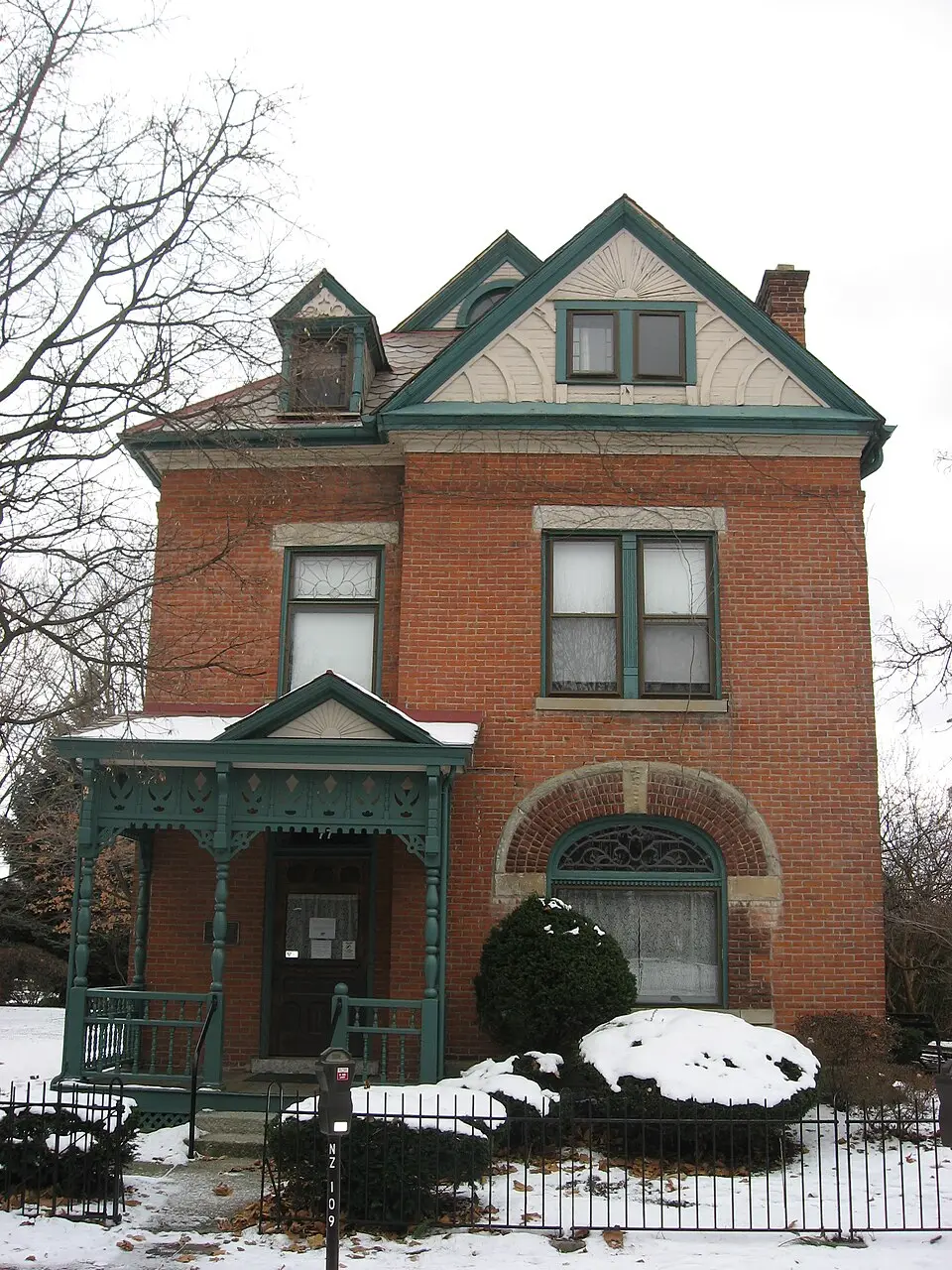
Thurber House
Thurber House is James Thurber's boyhood home in Columbus, now a literary center and museum.
Documented AccountsOpen to visitorsAlso a museum · also reported: being touched
Museum · Richmond, VA
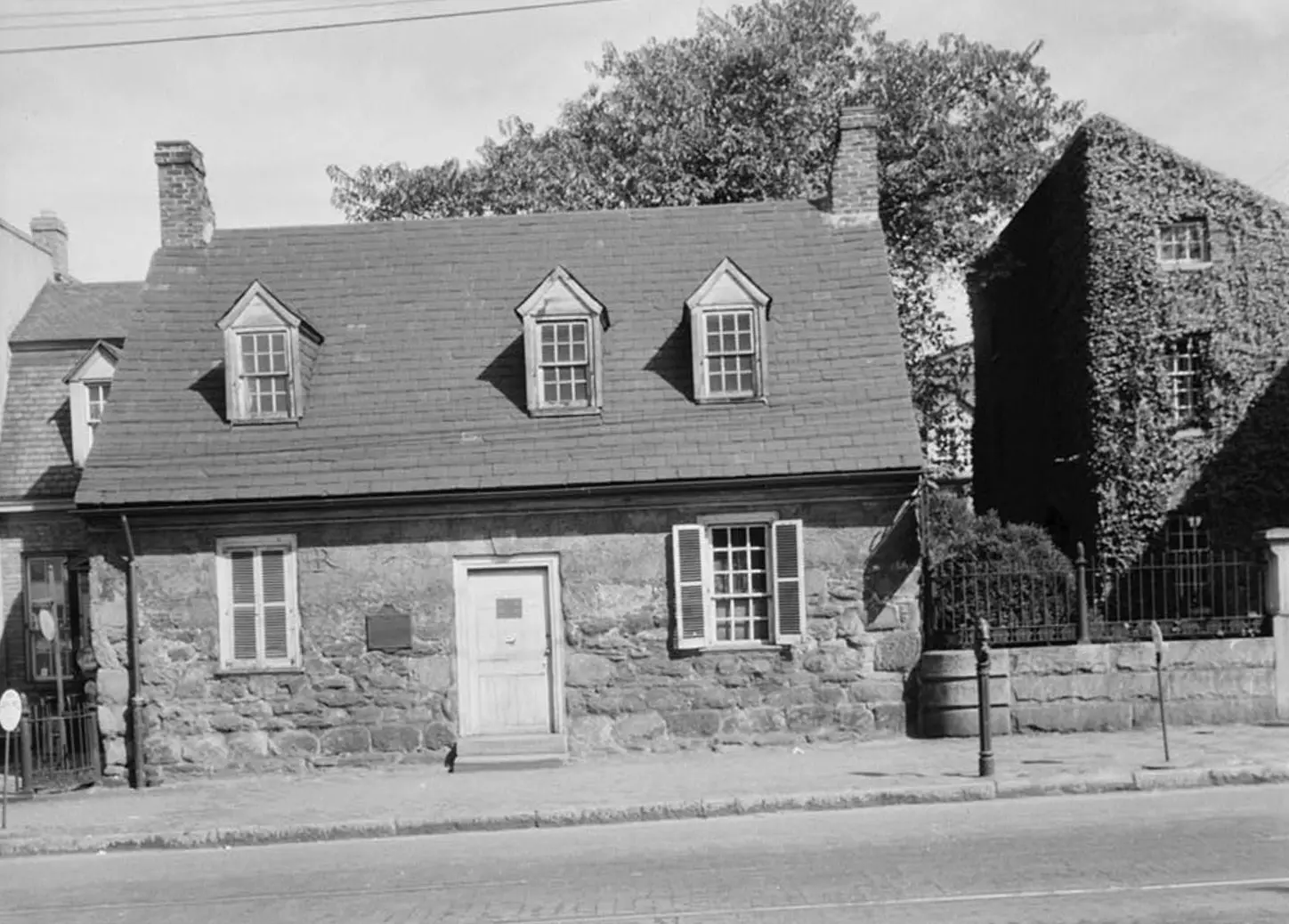
Edgar Allan Poe Museum
The Poe Museum in Richmond occupies the Old Stone House, the city's oldest house (about 1754, by tree-ring dating), once home of the Ege family; Poe never lived there.
UnverifiedOpen to visitorsAlso a museum · also reported: being touched
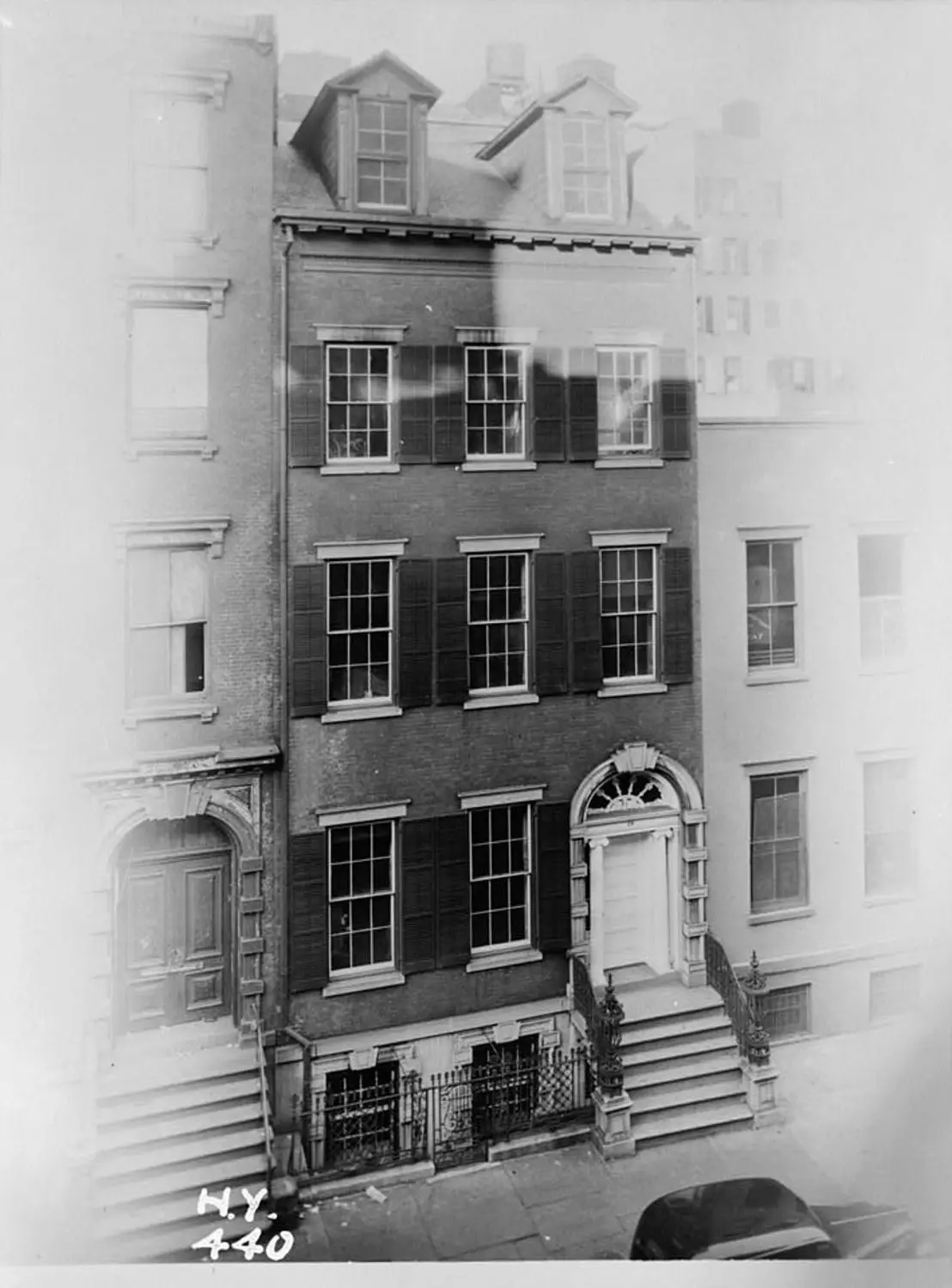
Museum · New York, NY
Merchant's House Museum
The Merchant's House Museum on East 4th Street is the 1832 home of the Tredwell family, preserved with their belongings.
Documented AccountsOpen to visitorsAlso a museum · also reported: being touched
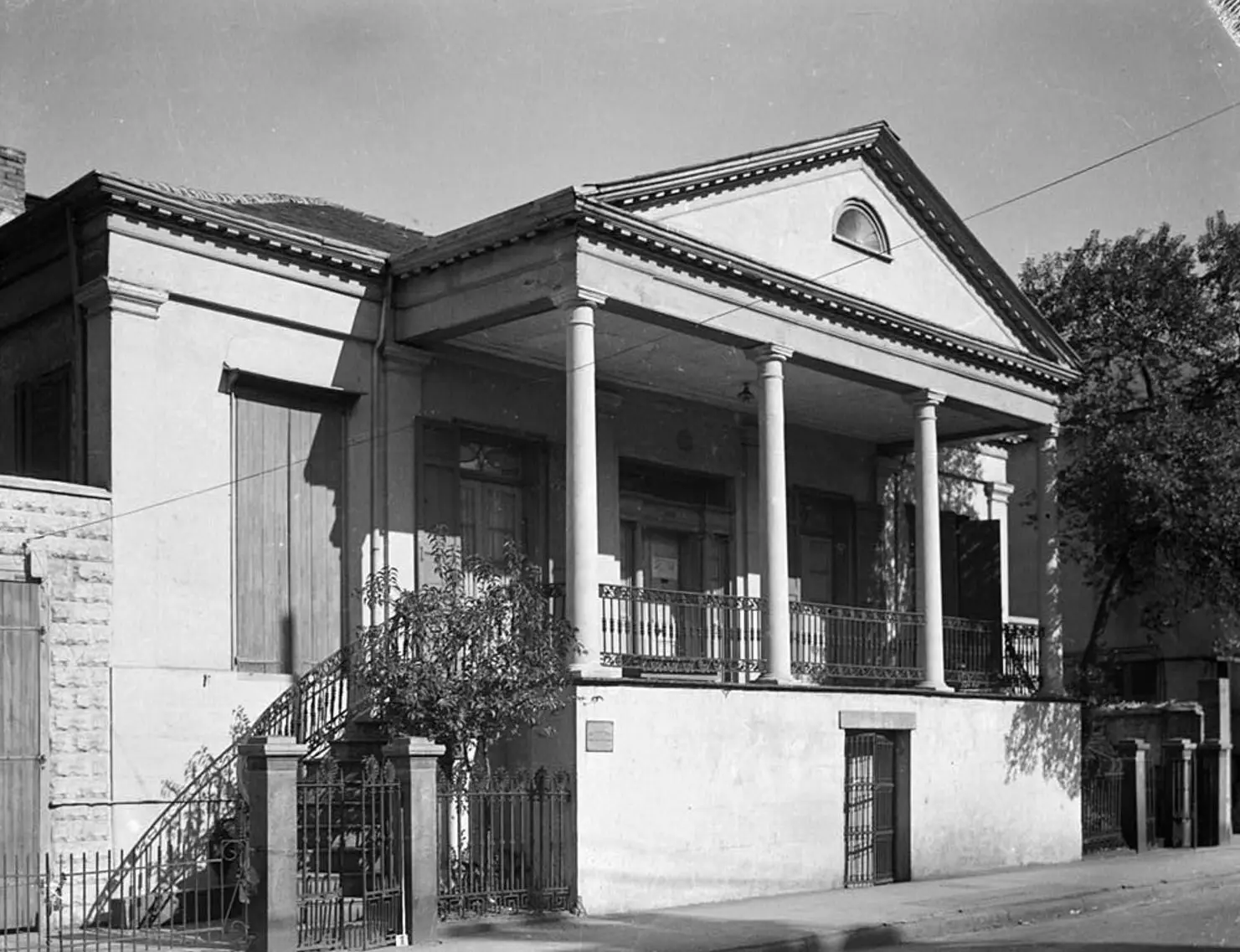
Museum · New Orleans, LA
Beauregard-Keyes House and Garden
An 1826 French Quarter house museum, home for a time to General Beauregard and later to novelist Frances Parkinson Keyes.
UnverifiedTours only