← Denver Croke-Patterson-Campbell Mansion
Croke-Patterson-Campbell Mansion
Denver, Colorado
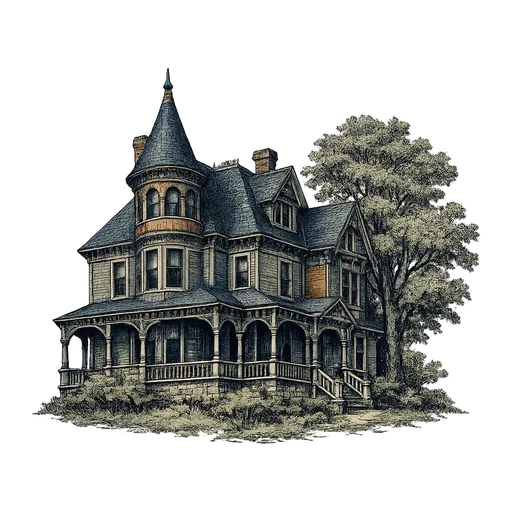
The Croke-Patterson-Campbell Mansion is an 1890–91 sandstone 'castle' in Denver's Capitol Hill, built for Thomas Croke and later home to Senator Thomas Patterson; it is now the Patterson Inn.
What do we know about Croke-Patterson-Campbell Mansion?
The main collection of accounts is a 2011 History Press book by Ann Alexander Leggett and Jordan Alexander Leggett, which we could read only through its publisher-platform summary. It includes a former owner's reports of a young woman on the stairs and moving drawers, and a man who saw an apparition on the stairs during a ghost hunt. The developer who renovated the house reported figures of children, voices and temperature changes, and made a documentary about it.
Our rating of the reports about Croke-Patterson-Campbell Mansion: Documented Accounts. At least one traceable published or first-hand account of an unexplained experience. We check that the reports exist, not the supernatural. The rating describes the evidence for the reports, not whether the place is haunted.
- Reported accounts
- 4
- Counted for the rating
- 3
- Research sources
- 6
Counted for the rating: independent accounts we could trace to a witness. Retellings of the same story count once, and staff passing on what visitors said aren’t counted. How we count
Reported experiences don’t establish a supernatural cause.
Read our evidence assessment →The hauntings
Accounts, encounters and stories associated with Croke-Patterson-Campbell Mansion.

What has been reported?
- Voices
- Apparitions
- Moving objects
- Cold spots
Phenomena described in accounts associated with this location — not independently verified events.
Reported experiences
4 published and reported accounts, each assessed by its source.
Account 01 · 2011
A former owner, 2011
A woman who owned the mansion with her husband from 1998 to 2005 told the authors of a 2011 book that she often saw a young woman on the main staircase and that drawers moved, and that her children saw a tall man in formal dress.[6]
- Apparitions
- Moving objects
Published accountReported by A former owner (in Leggett and Leggett, 2011)Note: Identified by first name only in the book; we read only the publisher-platform summary, not the full account.
Read full account ›
A woman who owned the mansion with her husband from 1998 to 2005 told the authors of a 2011 book that she often saw a young woman on the main staircase and that drawers moved, and that her children saw a tall man in formal dress.[6]
Account 02 · 2011
A ghost-hunt participant, 2011
The same book reports that a man who described himself as a skeptic, researching an acting role, saw a large apparition on the stairs during a ghost hunt and felt it was angry with him.[6]
- Apparitions
Published accountReported by A ghost-hunt participant (in Leggett and Leggett, 2011)Note: Identified by first name only; undated in the summary we read.
Read full account ›
The same book reports that a man who described himself as a skeptic, researching an acting role, saw a large apparition on the stairs during a ghost hunt and felt it was angry with him.[6]
Account 03 · 2011
Two visitors on a 1993 tour
The book also describes a woman and her mother who felt ill, unwelcome and overwhelmed on a 1993 tour of the house and later reported nightmares and misfortunes.[6]
Published accountReported by Two visitors on a 1993 tour (in Leggett and Leggett, 2011)Note: Feelings and later misfortunes, not an account of an apparition or event in the house; not counted toward the tier.
Read full account ›
The book also describes a woman and her mother who felt ill, unwelcome and overwhelmed on a 1993 tour of the house and later reported nightmares and misfortunes.[6]
Account 04 · October 1, 2013
The architect who renovated the house and his crew, 2013
The architect who bought the house in 2011 and his renovation crew reported seeing ghostly figures of children, hearing strange voices and feeling unexplained temperature changes, and he released a documentary about the project, The Castle Project, in 2013.[1][4]
- Cold spots
- Apparitions
- Voices
Published accountReported by The architect who renovated the house and his crew (The Castle Project, 2013)Note: Reported by the building's developer and promoted by his own film; the studio synopsis adds claims of illness and a fire that we have not checked.
Legends & disputed stories
Stories told about the place that the records don’t confirm.
- Legend
According to the historian Amy Zimmer, most of the mansion's ghost stories began in the 1970s, when it was used as offices. The best known says two guard dogs jumped from the third-floor turret, supposedly pushed by demons; others tell of crying babies and a body buried in the basement, and storytellers say ghosts drove Thomas Croke out.[5][4]
What the research shows: Zimmer argues Croke most likely left in grief after his wife's death, and that the real history is more interesting than the legends. We found no record of the dogs or a burial.
Before you go

Planning a visit?
Outside only
You can see it from public land; the inside isn’t open.
Access details ›
The mansion is now the Patterson Inn, a small boutique inn with nine guest suites. The interior is for overnight guests; others can see the building from the street. Please don't disturb guests. Commercial ghost tours and a 2013 documentary have promoted its haunted reputation; that publicity is not evidence. Check the inn's site for bookings.
Entry
Cost not confirmed
Access last checked November 19, 2026. Confirm times and prices before you travel.
Approximate location, within about 1 km.
The history of Croke-Patterson-Campbell Mansion
The Croke-Patterson-Campbell Mansion is an 1890–91 sandstone 'castle' in Denver's Capitol Hill, built for Thomas Croke and later home to Senator Thomas Patterson; it is now the Patterson Inn. Its ghost stories, which a historian traces to the 1970s, include guard dogs leaping from a tower, crying babies and figures on the stairs. A 2011 book collects accounts from a former owner and visitors. Guests can stay; others can view it from the street.
- Established
- 1890–1891
- Also known as
- Croke-Patterson Mansion
A Capitol Hill chateau
Thomas B. Croke, a Denver merchant and later an agricultural experimenter and state senator, took out a permit in December 1890 for a brick and sandstone house at 11th Avenue and Pennsylvania Street. Designed by Isaac Hodgson Jr. and built by J. M. Cochran, it was finished in 1891 in the Chateauesque style, loosely modeled on the Chateau d'Azay-le-Rideau.
Croke lived there only about six months. The Colorado Encyclopedia links his departure to the recent deaths of his wife and mother; he traded the house to Thomas M. Patterson for ranch land.
The Pattersons and Campbells
Patterson was a lawyer who became Colorado's territorial delegate in 1874, later served in the House and, from 1901 to 1907, in the U.S. Senate, and edited and published the Rocky Mountain News until 1913. His daughter Margaret married Richard Crawford Campbell, the paper's business manager, and the couple lived in the mansion with him until 1916.
Later uses
After the Campbells, the house held a music school and a radio station, and in 1930 it was divided into seven apartments; its address became 420 East 11th Avenue in 1932. A new owner bought it in 1972 and kept it from likely demolition. It was listed on the National Register and as a Denver landmark in 1973. An architect bought it in 2011, and after renovation it opened as the Patterson Inn in 2013.
Through the years
1890–1891
Mansion built for Thomas Croke
Thomas B. Croke, a Denver merchant, took out a permit in December 1890 for a brick and red sandstone mansion at 11th Avenue and Pennsylvania Street, designed by Isaac Hodgson Jr. and built by J. M. Cochran; it…
Read more ›
Thomas B. Croke, a Denver merchant, took out a permit in December 1890 for a brick and red sandstone mansion at 11th Avenue and Pennsylvania Street, designed by Isaac Hodgson Jr. and built by J. M. Cochran; it was completed in 1891 in the Chateauesque style, after the Chateau d'Azay-le-Rideau.[1][2]
Caveat: The 1973 nomination dates the house to 1890 and does not give the architects' first names.
1893
Patterson acquires the house
1916
Patterson family leaves
Thomas M. Patterson was Colorado's territorial delegate to Congress in 1874, later a U.S. representative and, from 1901 to 1907, a U.S. senator, and edited and published the Rocky Mountain News until 1913. His daughter Margaret and her…
Read more ›
Thomas M. Patterson was Colorado's territorial delegate to Congress in 1874, later a U.S. representative and, from 1901 to 1907, a U.S. senator, and edited and published the Rocky Mountain News until 1913. His daughter Margaret and her husband, Richard Crawford Campbell, the paper's business manager, lived with him in the mansion until 1916.[2][3]
1973
Listed on the National Register
After the family, the house held a music school and the KFVR radio station, was divided into seven apartments in 1930, and took the address 420 East 11th Avenue in 1932. A new owner bought it in 1972…
Read more ›
After the family, the house held a music school and the KFVR radio station, was divided into seven apartments in 1930, and took the address 420 East 11th Avenue in 1932. A new owner bought it in 1972 and kept it as apartments, saving it from likely demolition; it was listed as a Denver landmark and on the National Register in 1973.[1][2]
The research conclusion

Why it has this rating
Three origins: a former owner and a ghost-hunt visitor (both known through a 2011 book summary) and the 2011 developer and crew, who promoted their reports in his own documentary. Not consistent or independent enough for Well Documented; the stories date from the 1970s.
Read the full written assessment ›
The mansion's history is documented by its 1973 National Register nomination and a Colorado Heritage article adapted by the Colorado Encyclopedia. The ghost stories are late: the historian who wrote that article says most began in the 1970s, when the house held offices, and she argues the tale that ghosts drove out Thomas Croke ignores his grief after his wife died.
The main collection of accounts is a 2011 History Press book by Ann Alexander Leggett and Jordan Alexander Leggett, which we could read only through its publisher-platform summary. It includes a former owner's reports of a young woman on the stairs and moving drawers, and a man who saw an apparition on the stairs during a ghost hunt. The developer who renovated the house reported figures of children, voices and temperature changes, and made a documentary about it. These are what people say they experienced; none is independently confirmed.
The sources behind the story
6 research references support this entry.

1Colorado EncyclopediaCroke-Patterson-Campbell Mansion Website · Reference 01
Encyclopedia staff, adapted from Amy Zimmer, 'A Stronghold of the Smart Set', Colorado Heritage (Spring 2005), Croke-Patterson-Campbell Mansion. Colorado Encyclopedia.
Online encyclopedia article based on a Colorado Heritage magazine history: December 1890 permit; architect Isaac Hodgson Jr. and builder J. M. Cochran; completed 1891; Croke's six months there after his wife's and mother's deaths; later music school, KFVR radio, 1930 apartments, 1932 address change, 1972 purchase, 1973 listings; 2011 purchase by an architect and 2013 opening as the Patterson Inn. Mentions that he and his crew reported ghostly children, voices and temperature changes during renovation.
Accessed November 17, 2026.
2National Park Service (NPGallery)National Register of Historic Places Inventory–Nomination Form: Croke-Patterson-Campbell Mansion (ref. 73000467) Register or nomination · Reference 02
National Register of Historic Places Inventory–Nomination Form: Croke-Patterson-Campbell Mansion (ref. 73000467). National Park Service (NPGallery), 1973-09-19.
Nomination read by OCR: built for Thomas B. Croke in 1890, designed by 'Hodgson' and built by 'Cochran'; Chateauesque, after Azay-le-Rideau; Croke elected to the state senate in 1911; sold to Thomas MacDonald Patterson in 1892 (other sources say 1893); Patterson's career; the Campbells lived there until 1916. Nothing about ghosts.
Accessed November 17, 2026.
3Patterson InnHistory Official or site history · Reference 03
History. Patterson Inn.
Inn's own history page: built 1891 for Thomas B. Croke; sold to Thomas M. Patterson in 1893; Patterson's terms in Congress and the Senate and his ownership of the Rocky Mountain News until 1913; the Campbells living with him until 1916; local, state and National Register listings. No ghost content. Checked with the home page for access.
Accessed November 17, 2026.
4AllMovieThe Castle Project (2013) Website · Reference 04
The Castle Project (2013). AllMovie, 2013-10-01.
Film-database entry for the 86-minute documentary directed by the architect who bought and renovated the house. The studio synopsis says renovation workers reported ghostly children, temperature changes and whispering voices, and repeats older claims (guard dogs, babies buried in the basement). A promotional description by an interested party; we did not watch the film.
Accessed November 17, 2026.
5Colorado Virtual Library (Colorado State Library)The Croke-Patterson-Campbell Mansion (Colorado State Publications Blog) Website · Reference 05
Amy Zimmer, The Croke-Patterson-Campbell Mansion (Colorado State Publications Blog). Colorado Virtual Library (Colorado State Library), 2016-10-31.
State library blog post by the historian who wrote the 2005 Colorado Heritage article. Says most ghost stories began in the 1970s when the house was offices; recounts the guard-dog, crying-baby and buried-body tales; argues Croke left in grief, not because of ghosts. A skeptical, history-first view.
Accessed November 17, 2026.
6The History Press (Haunted America series)A Haunted History of Denver's Croke-Patterson Mansion Book · Reference 06
Ann Alexander Leggett and Jordan Alexander Leggett, A Haunted History of Denver's Croke-Patterson Mansion. The History Press (Haunted America series), 2011.
Popular ghost-history book (ISBN 9781609493127). We could read only the Perlego platform's description and preview, not the full text. It reports accounts from a former owner (1998-2005), a woman and her mother on a 1993 tour, and a man on a ghost hunt, identified by first names only. Accounts are collected by the authors, who visited during their research; we could not check how they were gathered.
Accessed November 17, 2026.
More haunted places
Explore nearby
Cemetery
Cheesman Park
Denver, Colorado · under 1 mile away · Outside only
Historic house
Molly Brown House Museum
Denver, Colorado · under 1 mile away · Open to visitors
Hotel
The Brown Palace Hotel and Spa
Denver, Colorado · 1.1 miles away · Open to visitors
Cemetery
Riverside Cemetery
Denver, Colorado · 4.3 miles away · Outside only

Similar places
Also a historic house · also reported: cold spots, moving objects
Historic house · VA
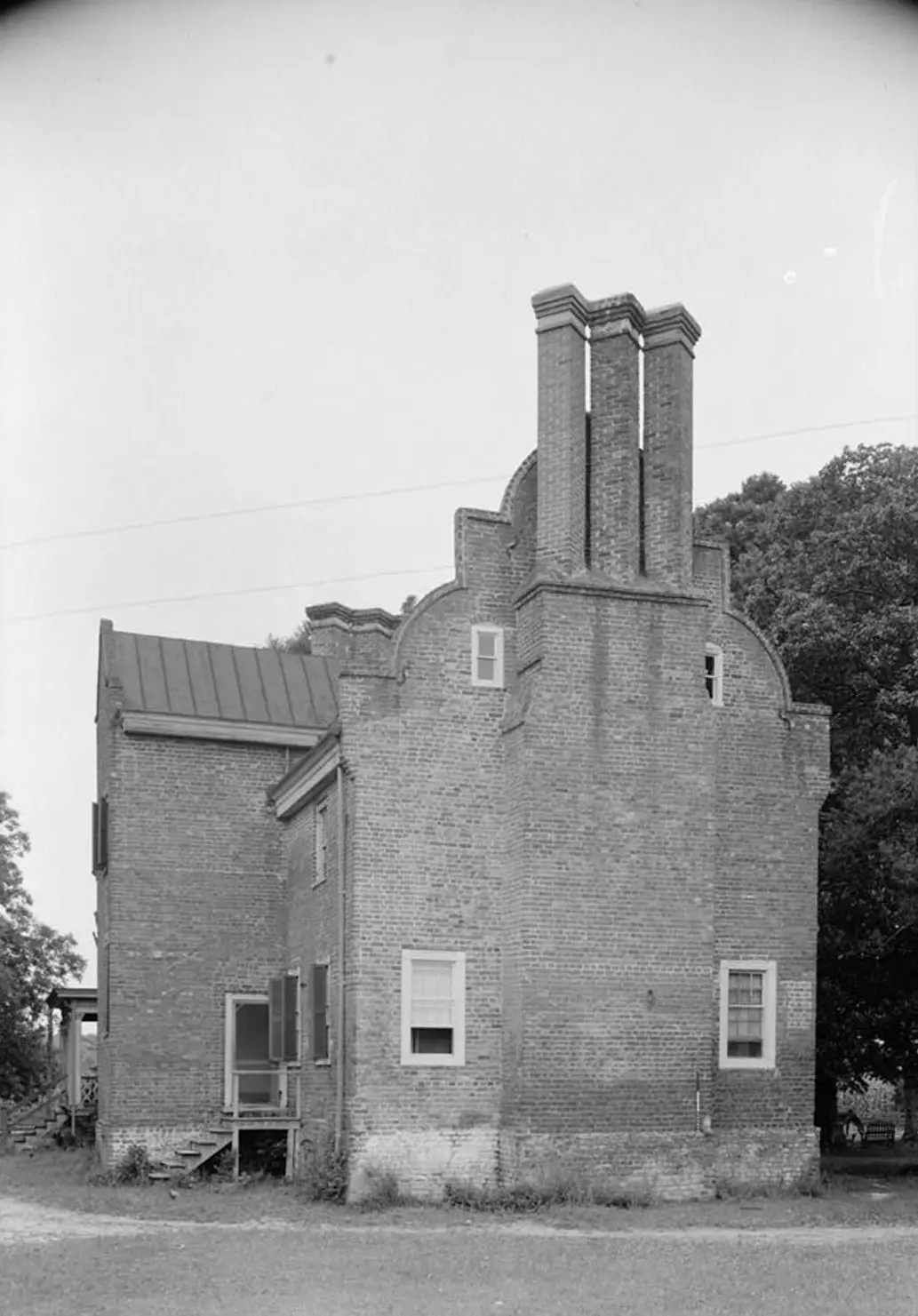
Bacon's Castle
Bacon's Castle is Virginia's oldest documented house, built in 1665 by current dating (older sources say about 1655) and seized by Bacon's rebels in 1676; its 19th-century owners, the Hankins family, enslaved people there.
Documented AccountsTours onlyAlso a historic house · also reported: cold spots
Historic house · Indianapolis, IN
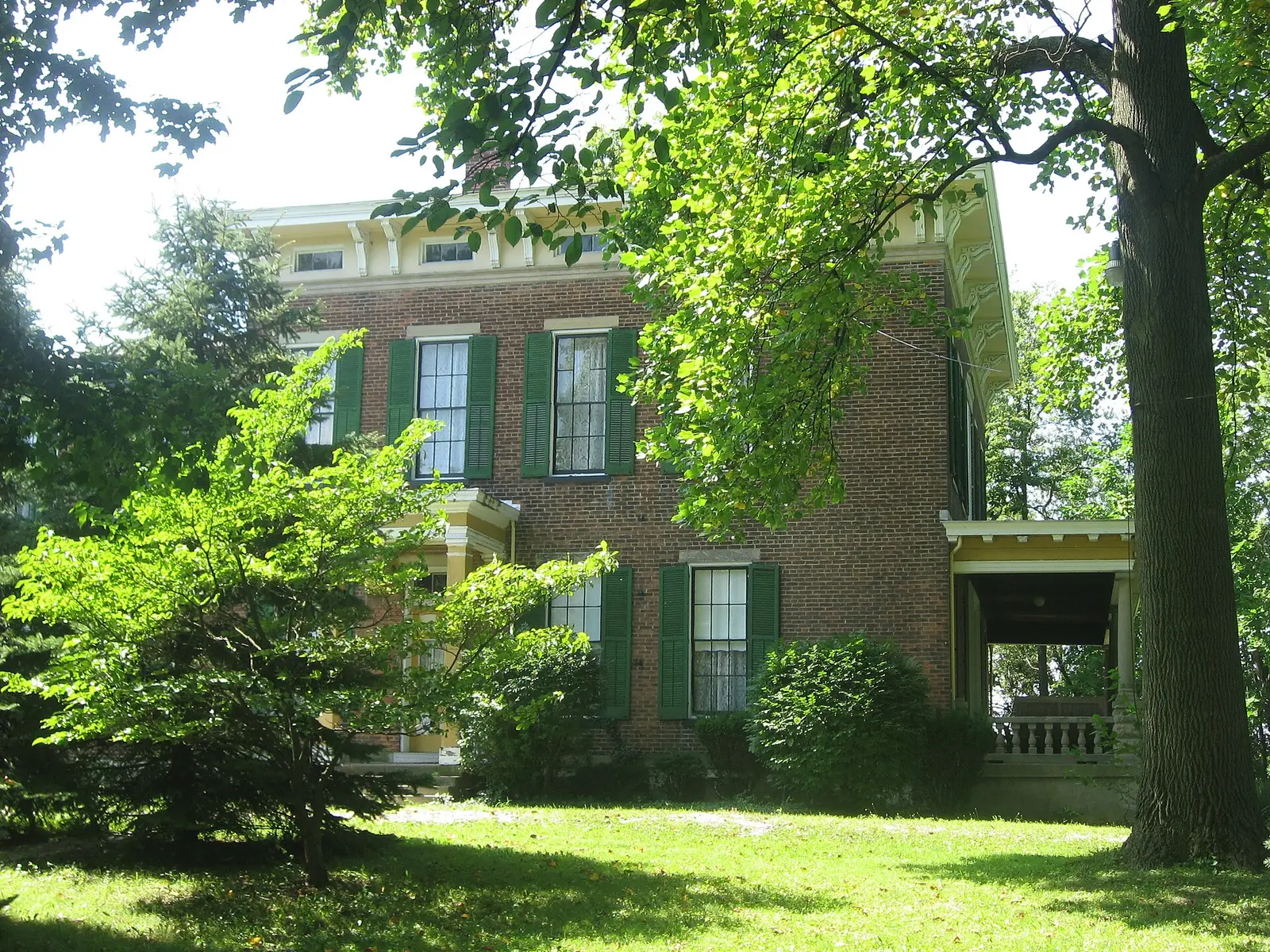
Hannah House
Hannah House is an Italianate farmhouse of 1858 or 1859 on Indianapolis's south side, built by Alexander Hannah and listed on the National Register.
Documented AccountsTours onlyAlso a historic house · also reported: cold spots
Historic house · Franklin, KY
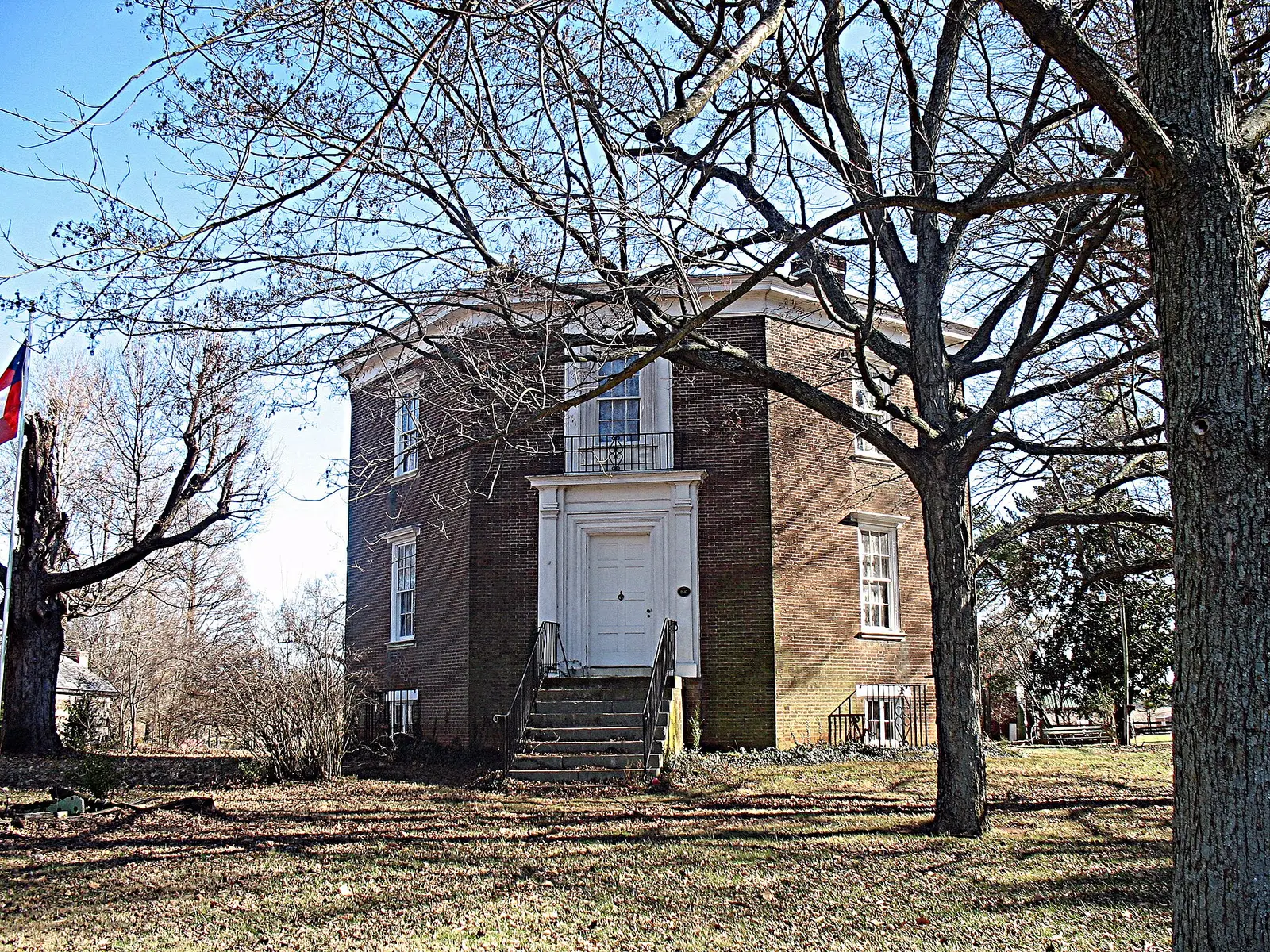
Octagon Hall
Octagon Hall is a rare eight-sided brick house north of Franklin, Kentucky, built in the mid-19th century by Andrew Jackson Caldwell with the labor of people he enslaved.
Well DocumentedTours onlyAlso a historic house · also reported: cold spots, moving objects
Hotel · Salem, MA
Joshua Ward House
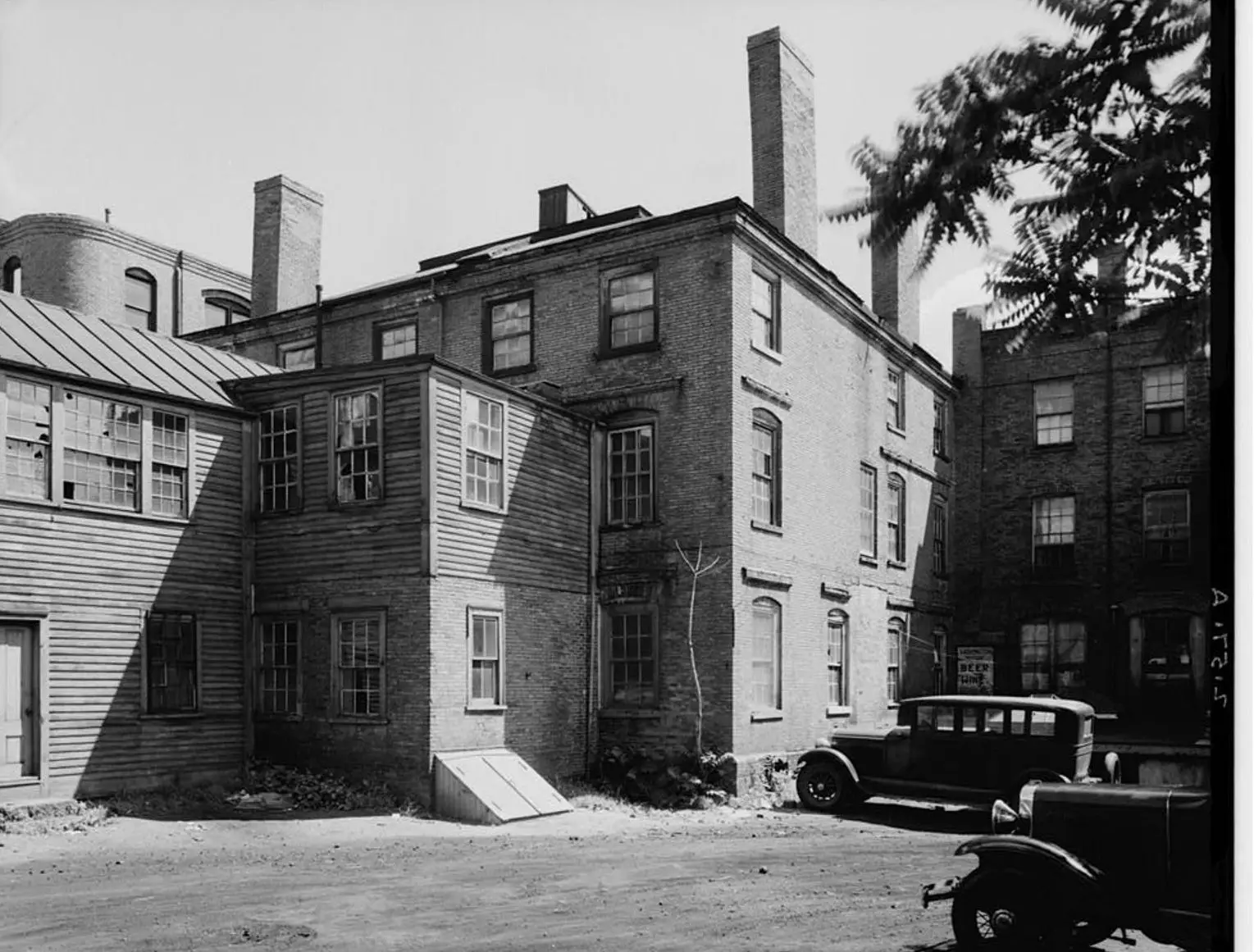
The Joshua Ward House is a 1780s brick mansion in downtown Salem where George Washington slept in 1789, now a boutique hotel.
UnverifiedBy permission