← New Orleans LaLaurie Mansion
LaLaurie Mansion
New Orleans, Louisiana
A private French Quarter house where, in April 1834, a fire led rescuers to seven enslaved people held in chains by Delphine Lalaurie.
What do we know about LaLaurie Mansion?
The haunting is a different matter. The earliest source found that calls the house haunted is Cable (1889), and the two experiences he describes, doors swinging open and a figure in the belvedere, were explained as a door fault and moonlight. A 1938 WPA guide repeats stories of lights, figures and chains without witnesses, and modern ghost stories add more without traceable sources. Many retellings also add gruesome details that the 1834 record does not support.
Our rating of the reports about LaLaurie Mansion: Unverified. A haunted reputation or legend, but no traceable account of an experience so far. The rating describes the evidence for the reports, not whether the place is haunted.
- Reported accounts
- 3
- Counted for the rating
- 0
- Research sources
- 8
Counted for the rating: independent accounts we could trace to a witness. Retellings of the same story count once, and staff passing on what visitors said aren’t counted. How we count
Reported experiences don’t establish a supernatural cause.
Read our evidence assessment →The hauntings
Accounts, encounters and stories associated with LaLaurie Mansion.
What has been reported?
- Doors
- Apparitions
- Voices
- Shadow figures
- Phantom lights

Phenomena described in accounts associated with this location — not independently verified events.
Reported experiences
3 published and reported accounts, each assessed by its source.
Account 01 · 1838
Harriet Martineau, 1838
Harriet Martineau, writing in 1838 from what she was told in New Orleans in 1836, said that a neighbor had seen an enslaved girl of about eight fall to her death from the roof while being chased by Lalaurie, and that an inquiry led to enslaved…
No traceable witnessReported by Harriet Martineau, from unnamed informantsNote: Secondhand account written down two years after the events; no court record of the girl's death has been found, and the relevant court records are lost. Cable (1889) retells it with more detail.
Read full account ›
Harriet Martineau, writing in 1838 from what she was told in New Orleans in 1836, said that a neighbor had seen an enslaved girl of about eight fall to her death from the roof while being chased by Lalaurie, and that an inquiry led to enslaved people being taken from her and then bought back through relatives.[5][6]
Account 02 · 1889
George Washington Cable, 1889
George Washington Cable wrote in 1889 that the ruined house came to be thought of as haunted. He described drawing-room doors that swung open by themselves, which pupils at the 1870s school linked to Lalaurie (he thought a carpenter could explain it), and a young neighbor…
- Doors
- Apparitions
Published accountReported by George Washington Cable (1889), retelling an unnamed neighbor and pupils of the 1870s schoolNote: Both experiences are reported secondhand by Cable, and both were explained by ordinary causes at the time. The witnesses are unnamed.
Read full account ›
George Washington Cable wrote in 1889 that the ruined house came to be thought of as haunted. He described drawing-room doors that swung open by themselves, which pupils at the 1870s school linked to Lalaurie (he thought a carpenter could explain it), and a young neighbor who saw what looked like a woman's figure in the rooftop belvedere and then decided it was moonlight.[6]
Account 03 · 1938
Federal Writers' Project, 1938
By 1938 a WPA guide called it the 'Haunted House' and said stories were told of strange lights, shadowy draped figures, hoarse voices and clanking chains, the most repeated being the ghost of the girl who fell from the roof. At that time the building was…
- Apparitions
- Voices
- Shadow figures
- Phantom lights
No traceable witnessReported by Federal Writers' Project (1938), retelling unnamed sourcesNote: The guide quotes an older, unnamed description and names no witnesses. It also says the house was a Union headquarters and a gambling house, which conflicts with Cable's account of a school.
Read full account ›
By 1938 a WPA guide called it the 'Haunted House' and said stories were told of strange lights, shadowy draped figures, hoarse voices and clanking chains, the most repeated being the ghost of the girl who fell from the roof. At that time the building was the Warrington House, a charity serving people in need.[2]
Legends & disputed stories
Stories told about the place that the records don’t confirm.

- Legend
Modern ghost tellings add screams from empty rooms, apparitions of enslaved people in chains and an early buyer who fled after a few months because of noises at night. Some older versions, recorded by 1945, go the other way and cast Lalaurie as an innocent victim of a jealous relative's gossip, which the 1834 newspaper accounts contradict.[7][8]
What the research shows: Cable's account of the 1837 sale (a buyer who resold after about three months at the same price) gives no reason for the sale; the haunted-buyer detail appears only in later ghost lore.
Before you go

Not open to visitors
Location
New Orleans, Louisiana
Private: no access
Private property. Please don’t visit or trespass.
Access details ›
The LaLaurie Mansion is a private residence. It is not open to the public and should not be visited: please do not go onto the property, approach the door or photograph the people who live there.
Access last checked November 19, 2026.
Please visit responsibly
This place isn’t open to visitors. Don’t trespass: view it from public land, or learn about it from local museums and archives.
Shown by town only: we don’t map private or sensitive places more closely.
The history of LaLaurie Mansion
A private French Quarter house where, in April 1834, a fire led rescuers to seven enslaved people held in chains by Delphine Lalaurie. A crowd wrecked the house and she fled to France. By 1889 the writer George Washington Cable called it haunted, though the experiences he recorded were explained at the time. Later ghost stories are retold lore. It is a private home and cannot be visited.
- Established
- 1831–1832
- Also known as
- Lalaurie House
The house on Royal Street
In 1831 Delphine Macarty Lalaurie bought two lots on Royal Street with a partly finished house on them, and the family was living there by 1832. She was already known to the courts: she was charged in 1828 with cruelty to the people she enslaved, acquitted in 1829, and indicted again in 1832, clearing herself by paying a sum of money.
April 10, 1834
A fire broke out in the kitchen. People who came to help were told that enslaved people were locked in the upper part of the building. Judge Jean-François Canonge asked Louis Lalaurie to let them be moved and was rudely refused, and the doors were broken open. Seven enslaved people were found held in chains, injured and starving. They were carried to the Mayor's office at the Cabildo for protection. None of them is named in the surviving record.
That evening a crowd broke into the house and wrecked it until the sheriff stepped in; the Bee reported that little but the walls remained. Delphine Lalaurie escaped in her carriage, driven by the enslaved coachman Bastien, and reached France. She was never tried, and she died in Paris in 1849. Her agent later sold 11 of the 30 people she enslaved; the other 19 do not appear in the archival record.
Harriet Martineau, writing in 1838 from what she heard in 1836, added the story of an enslaved girl of about eight who died in a fall from the roof. It is a secondhand account, and no court record of her death has been found.
A school, and a reputation
According to the writer George Washington Cable, in the 1870s the house held a public girls' school with both white students and students of color; a 1938 WPA guide instead calls it a gambling house in that decade. In December 1874 White League men entered and forced out pupils they judged to be of African descent.
George Washington Cable, writing in 1889, said the ruined house came to be thought of as haunted. He described doors that swung open by themselves, which he thought a carpenter could explain, and a neighbor who saw a woman's figure in the rooftop belvedere and then decided it was moonlight. A 1938 WPA guide repeated stories of lights, figures and chains, and modern ghost tellings add much more, none of it traceable to named witnesses. Some older versions even claimed Lalaurie was innocent, which the 1834 newspapers contradict.
We haven’t found an openly licensed photograph of LaLaurie Mansion yet. If you took one and are happy to share it, tell us.
Through the years
1828–1832
Earlier court cases
Before 1834 Lalaurie faced legal action over her treatment of the people she enslaved: she was charged in 1828 and acquitted by a jury in 1829, and in 1832 she was indicted again and cleared herself by paying a sum of money.[1]
Caveat: Long notes that the criminal court records for this period are lost; these details come from surviving letters and receipts.
1834–1837
Enslaved people sold; house sold
After she fled, her agent sold 11 of the 30 enslaved men and women she owned at the time of the fire, including Bastien; the other 19 do not appear in the archival record. The ruined house was sold for $14,000.[1][6]
Caveat: Cable dates the house sale to March 1837 and says the building stood in ruins for at least three years.
1834
Fire and discovery
On April 10, 1834, a fire broke out in the kitchen. People who came to help found seven enslaved people held in chains in the upper part of the building, injured and starving. Judge Jean-François Canonge asked Louis…
Read more ›
On April 10, 1834, a fire broke out in the kitchen. People who came to help found seven enslaved people held in chains in the upper part of the building, injured and starving. Judge Jean-François Canonge asked Louis Lalaurie to let them be moved to safety and was rudely refused, and the doors were broken open.[3][1]
Caveat: Later retellings add far more lurid details than the 1834 papers contain.
1834
Crowd wrecks the house
That evening and into the next day a crowd broke into the house and wrecked it, throwing furniture into the street, until the sheriff intervened. The Bee reported that nearly the whole building had been demolished and only…
1834
Lalaurie flees
Delphine Lalaurie escaped in her carriage, driven by the enslaved coachman Bastien, along the Bayou Road to Lake Pontchartrain, crossed to Mandeville and reached France. She was never tried, and she died in Paris on December 7, 1849.[5][1][6]
Caveat: A story that she was killed by a boar while hunting in France, repeated by Cable as hearsay, is contradicted by the record of her death in Paris.
1874
White League ejects pupils
In the 1870s, according to George Washington Cable, the house held a public girls' school attended by both white students and students of color. In December 1874, after the White League's armed uprising that September, a group of…
Read more ›
In the 1870s, according to George Washington Cable, the house held a public girls' school attended by both white students and students of color. In December 1874, after the White League's armed uprising that September, a group of White League men entered the school and forced out pupils they judged to be of African descent.[6]
Caveat: Known here only from Cable, who visited the school and drew on people who were present; no school-board or newspaper record was opened.
The research conclusion

Why it has this rating
The 1834 discovery of enslaved people abused in the house is thoroughly documented. The earliest account of experiences, George Washington Cable's in 1889, describes two that were explained at the time (a door fault and moonlight), and later ghost stories name no witnesses. So the haunting itself is Unverified.
Read the full written assessment ›
The core events are well recorded. New Orleans newspapers reported the fire, the discovery of seven enslaved people held in chains, Judge Canonge's attempt to have them moved and the crowd that wrecked the house, and those reports were reprinted across the country within weeks. Historian Carolyn Morrow Long has added court and notarial records showing earlier charges against Lalaurie and what happened to the people she enslaved. Other details, such as the girl's fall from the roof, rest on Harriet Martineau's 1838 secondhand account.
The haunting is a different matter. The earliest source found that calls the house haunted is Cable (1889), and the two experiences he describes, doors swinging open and a figure in the belvedere, were explained as a door fault and moonlight. A 1938 WPA guide repeats stories of lights, figures and chains without witnesses, and modern ghost stories add more without traceable sources. Many retellings also add gruesome details that the 1834 record does not support.
The sources behind the story
8 research references support this entry.

164 Parishes (Louisiana Endowment for the Humanities)Mistress of the Haunted House Website · Reference 01
Carolyn Morrow Long, Mistress of the Haunted House. 64 Parishes (Louisiana Endowment for the Humanities), 2016-10-18.
Archive-based summary by the historian who wrote the 2012 biography Madame Lalaurie: Mistress of the Haunted House (University Press of Florida). Best single source for the pre-1834 court cases, the 1834 newspapers, the fate of the people she enslaved and her death in Paris. Notes that the story has been embellished over time.
Accessed November 16, 2026.
2Houghton Mifflin, BostonNew Orleans City Guide (American Guide Series) Book · Reference 02
Federal Writers' Project of the Works Progress Administration, New Orleans City Guide (American Guide Series). Houghton Mifflin, Boston, 1938.
Government-sponsored 1938 guidebook, read in the Internet Archive scan. Useful as a dated snapshot of 1930s uses and of the lore then in circulation; it mixes history with retold 'legends' and cites no sources for the ghost stories.
Accessed November 16, 2026.
3Library of Congress, Chronicling AmericaNew-Hampshire Gazette, May 6, 1834, page 4 (reprinting the Louisiana Courier of April 10 and the Bee of April 11, 1834) Newspaper · Reference 03
New-Hampshire Gazette, May 6, 1834, page 4 (reprinting the Louisiana Courier of April 10 and the Bee of April 11, 1834). Library of Congress, Chronicling America, 1834-05-06.
Contemporary reprint of the New Orleans Courier's same-day account of the fire and discovery, and of the Bee's report of the crowd. Read from the Library of Congress OCR text, which has scanning errors. The original New Orleans issues were not consulted.
Accessed November 16, 2026.
4Library of Congress, Chronicling AmericaAlexandria Gazette, April 30, 1834, page 3 (reprinting the New Orleans Bee of April 12, 1834) Newspaper · Reference 04
Alexandria Gazette, April 30, 1834, page 3 (reprinting the New Orleans Bee of April 12, 1834). Library of Congress, Chronicling America, 1834-04-30.
Contemporary reprint of the Bee's account of the riot: the sheriff intervening, the house largely wrecked and its walls covered in writing. OCR text only.
Accessed November 16, 2026.
5Harper & Brothers, New YorkRetrospect of Western Travel, vol. 1 Book · Reference 05
Harriet Martineau, Retrospect of Western Travel, vol. 1. Harper & Brothers, New York, 1838.
English writer's account of what she was told in New Orleans in 1836, about two years after the events, by people she calls eyewitnesses. Hearsay; the earliest published source for the story of the enslaved girl's fall from the roof. Read in the Internet Archive scan, pp. 263–266.
Accessed November 16, 2026.
6Charles Scribner's Sons, New YorkStrange True Stories of Louisiana (chapter: The "Haunted House" in Royal Street) Book · Reference 06
George Washington Cable, Strange True Stories of Louisiana (chapter: The "Haunted House" in Royal Street). Charles Scribner's Sons, New York, 1889.
Literary nonfiction by a New Orleans novelist who quotes the 1834 papers and Judge Canonge's deposition but also repeats tradition and dramatizes scenes. The earliest source found that calls the house haunted and describes experiences there. Read in the Internet Archive scan, pp. 192–230.
Accessed November 16, 2026.
7GizmodoNearly 200 Years Ago, Awful Crimes Were Committed in This Haunted Mansion Website · Reference 07
Cheryl Eddy, Nearly 200 Years Ago, Awful Crimes Were Committed in This Haunted Mansion. Gizmodo, 2015-04-10.
Popular article that repeats ghost lore credited to the Prairie Ghosts website (Troy Taylor) without a primary source. Used only as a place where the modern ghost stories are published. Contains historical errors (for example a death year of 1842).
Accessed November 16, 2026.
8Houghton Mifflin, BostonGumbo Ya-Ya: A Collection of Louisiana Folk Tales Book · Reference 08
Lyle Saxon, Edward Dreyer and Robert Tallant (Louisiana Writers' Project), Gumbo Ya-Ya: A Collection of Louisiana Folk Tales. Houghton Mifflin, Boston, 1945.
Folklore collection from the Louisiana Writers' Project. Used only for its 1945 note that some versions of the story cast LaLaurie as an innocent victim of gossip. Read in the Internet Archive scan, pp. 237–238.
Accessed November 16, 2026.
More haunted places
Explore nearby
Historic house
Gardette-Le Prête House
New Orleans, Louisiana · under 1 mile away · Private: no access
Cemetery
St. Roch Chapel and Cemetery
New Orleans, Louisiana · 8.6 miles away · Access not confirmed
Museum
Old Ursuline Convent
New Orleans, Louisiana · 9.9 miles away · Open to visitors
Museum
Beauregard-Keyes House and Garden
New Orleans, Louisiana · 9.9 miles away · Tours only
Similar places
Also a historic house · also reported: doors, phantom lights
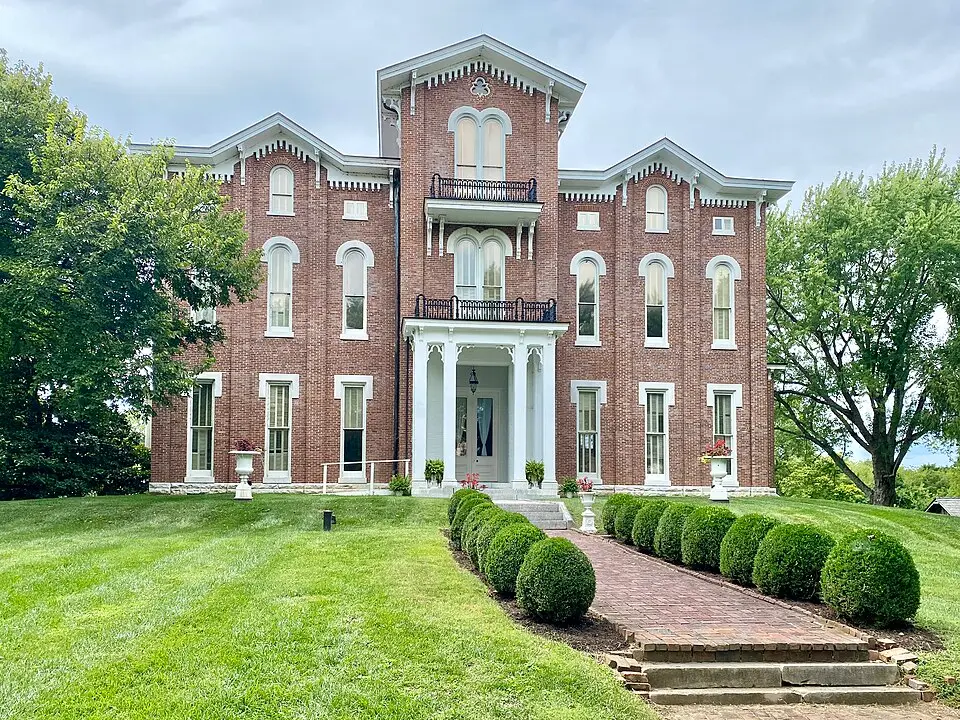
Historic house · KY
White Hall State Historic Site
White Hall, near Richmond, Kentucky, is the home of the antislavery politician Cassius Marcellus Clay, built on a house his father, a major enslaver, finished in 1799.
Documented AccountsTours onlyAlso a historic house · also reported: doors, shadow figures
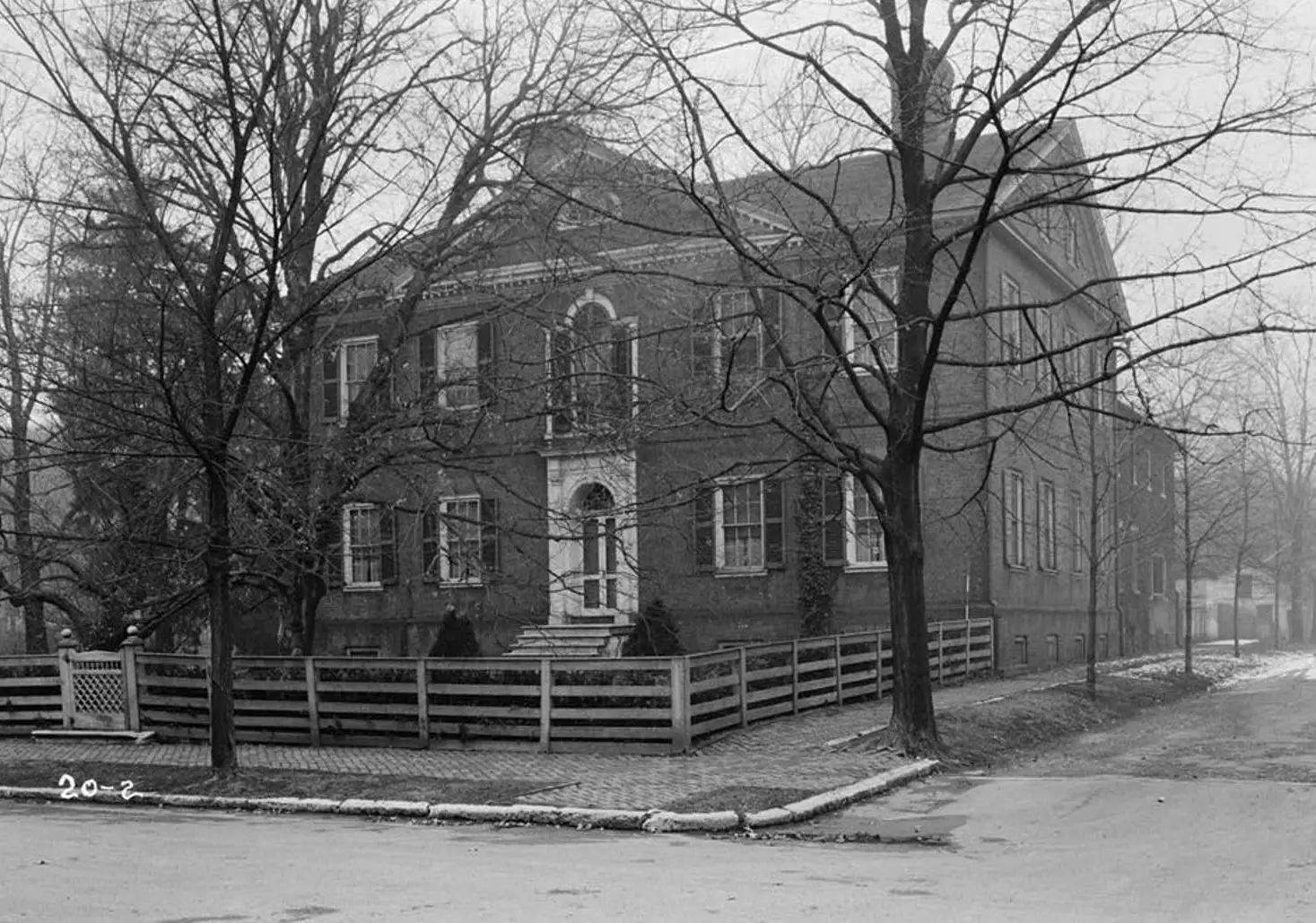
Historic house · Frankfort, KY
Liberty Hall Historic Site
Liberty Hall in Frankfort is the Federal-style home Senator John Brown built from 1796, now a museum.
Well DocumentedTours onlyAlso a historic house · also reported: doors, shadow figures
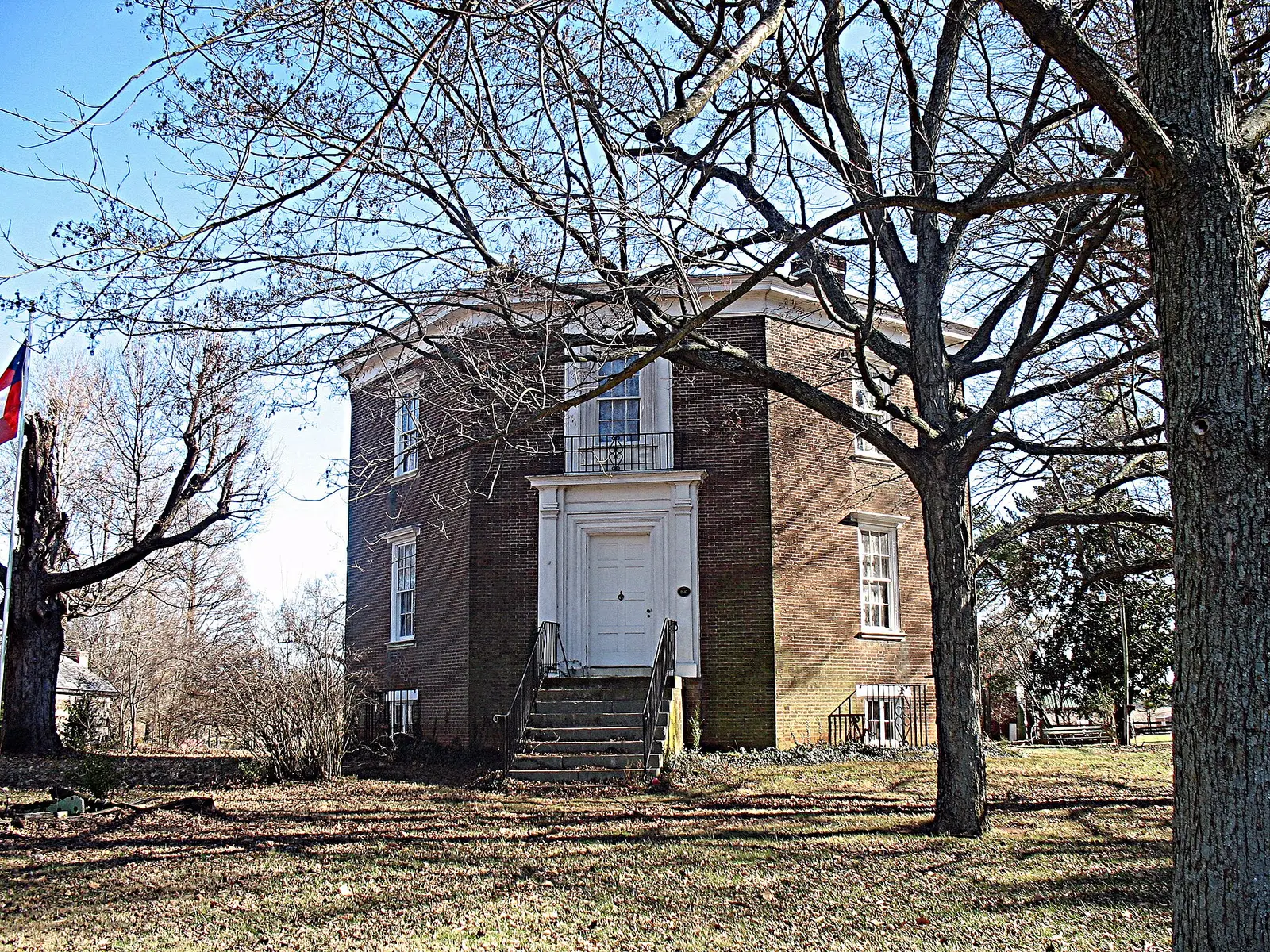
Historic house · Franklin, KY
Octagon Hall
Octagon Hall is a rare eight-sided brick house north of Franklin, Kentucky, built in the mid-19th century by Andrew Jackson Caldwell with the labor of people he enslaved.
Well DocumentedTours onlyAlso a historic house · also reported: doors, shadow figures
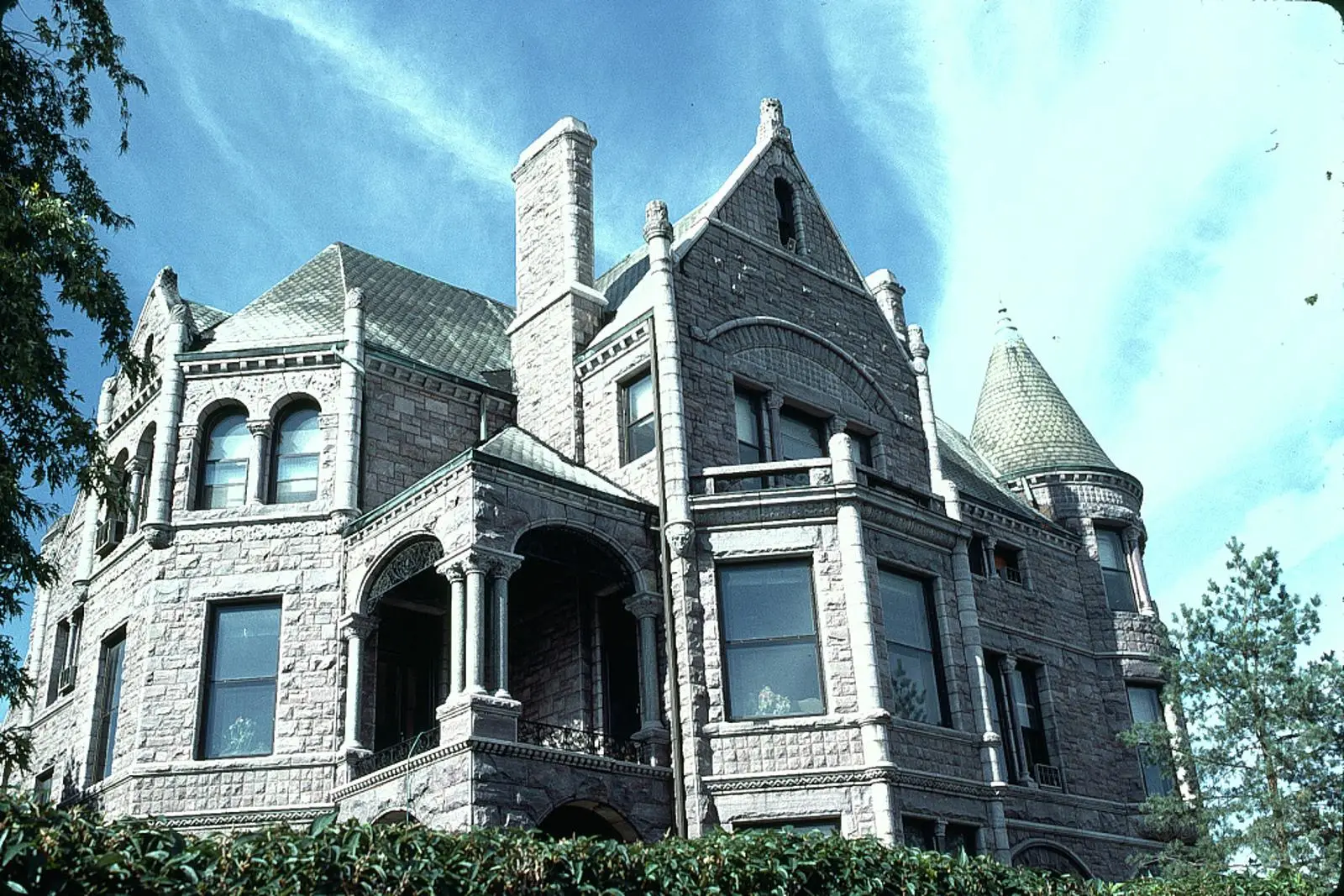
Historic house · Detroit, MI
The Whitney
The Whitney is a restored 1890s mansion on Woodward Avenue in Midtown Detroit, built for lumber baron David Whitney Jr. and now a restaurant.
Documented AccountsOpen to visitors