← South Carolina Hampton Plantation
Hampton Plantation
State Historic Site
South Carolina
Hampton Plantation State Historic Site near McClellanville is an 18th-century rice plantation house where the Horry, Pinckney and Rutledge families enslaved 100 or more people.
What do we know about Hampton Plantation?
The ghost story is folklore. The suicide over a forbidden marriage and the self-rocking chair appear in a book its author calls a parable and in a 2013 magazine piece that names the wrong plantation. The only first-person report is a former ranger's uneasy feeling in an upstairs room. None of this goes beyond what people have told or felt.
Our rating of the reports about Hampton Plantation: Unverified. A haunted reputation or legend, but no traceable account of an experience so far. The rating describes the evidence for the reports, not whether the place is haunted.
- Reported account
- 1
- Counted for the rating
- 0
- Research sources
- 7
Counted for the rating: independent accounts we could trace to a witness. Retellings of the same story count once, and staff passing on what visitors said aren’t counted. How we count
Reported experiences don’t establish a supernatural cause.
Read our evidence assessment →The hauntings
Accounts, encounters and stories associated with Hampton Plantation.
What has been reported?
- Apparitions
- Moving objects
Phenomena described in accounts associated with this location — not independently verified events.
Reported experiences
1 published and reported account, each assessed by its source.
Account 01 · 2024
A former Hampton Plantation ranger, 2024
A tour guide and author who once worked as a ranger at Hampton told a magazine that on her first visit to the mansion she found the atmosphere in one upstairs bedroom so heavy and dark that she left at once, and only later learned of…
Published accountReported by A former Hampton Plantation ranger (via Mount Pleasant Magazine)Note: A feeling, not an experience of a phenomenon, so not counted toward a tier. She is named in the article; we have not named her.
Read full account ›
A tour guide and author who once worked as a ranger at Hampton told a magazine that on her first visit to the mansion she found the atmosphere in one upstairs bedroom so heavy and dark that she left at once, and only later learned of the suicide story.[7]
Legends & disputed stories
Stories told about the place that the records don’t confirm.
- Legend
The best-known Hampton story says that young John Henry Rutledge was forbidden to marry the daughter of a Georgetown pharmacist, sank into despair in a rocking chair by his upstairs window and took his own life in that room in 1830.[5][6]
What the research shows: No historical source we consulted gives the cause of his death. Rhyne's book calls itself a parable, and the magazine piece misnames the plantation.
- Legend
His spirit is said never to have left the upstairs room, and the chair he sat in is said to have rocked by itself until it was taken out of the house.[5][6]
What the research shows: No witness is named in either source.
Before you go

Planning a visit?
Tours only
Visits are by guided tour or organized event.
Access details ›
State historic site. The official site says the grounds are free; the mansion is open only by guided tour, with a separate house admission. Park roads are unpaved. Check the official site for current tour times.
Entry
Free and paid areas
Access last checked November 17, 2026. Confirm times and prices before you travel.
Approximate location, within about 1 km.
The history of Hampton Plantation
Hampton Plantation State Historic Site near McClellanville is an 18th-century rice plantation house where the Horry, Pinckney and Rutledge families enslaved 100 or more people. Its ghost story concerns John Henry Rutledge, buried in the garden in 1830, who legend says took his life over a forbidden marriage and whose rocking chair kept rocking. No one has published a traceable sighting. The grounds are free; the house is shown by guided tour.
- Established
- 1735–1750
The house and its builders
Hampton's mansion, on Wambaw Creek in the Santee delta, was probably built between about 1735 and 1750. The old tradition that Huguenot settler Noe Serre built it is contradicted by the land records. The Horry family owned it from 1744, and Harriott Pinckney Horry probably added the grand portico around 1790–91, in time for George Washington's visit in 1791.
The people the Horrys enslaved
Hampton was a rice plantation built and worked by enslaved people. The earliest record is Daniel Horry's purchase of a woman named Sinder in 1746, and by 1764 deeds and a will name 32 people. From the late 1700s to the 1830s the community probably numbered 100 to 150, including household workers and many skilled artisans. Some sought freedom, among them the brothers Sogo and Joe in 1771, Toby in 1791 and Jack in 1795, and Daniel Horry said he lost 91 people, most of his tradesmen, during the Revolution.
John Henry Rutledge
In the garden behind the house, beside a brick path, lies the marble ledger stone of John Henry Rutledge, dated to 1830. An 1892 account says he was buried in the garden. The historical record we read does not say how he died.
The legend
The ghost story fills that gap. It says John Henry was forbidden to marry a Georgetown pharmacist's daughter, sat grieving in a rocking chair at his upstairs window and took his life in that room in 1830. His spirit is said to have stayed there, and his chair to have rocked by itself until it was removed. The story is told in Nancy Rhyne's book, which she calls a parable, and in a 2013 magazine piece that gives the plantation the wrong name. A former Hampton ranger told a magazine in 2024 that one upstairs bedroom felt so heavy that she left it. No one has published a sighting that can be traced.
Through the years
1735–1750
Mansion built
Hampton's mansion was probably built between about 1735 and 1750 by one of three successive owners. The long-told family tradition that the Huguenot settler Noe Serre built it in 1735 is not supported by the land records, which show Serre never owned the site.[1]
1746
First record of enslaved people at Hampton
The Horry family, who owned Hampton from 1744, enslaved people there from at least 1746, when Daniel Horry bought a woman named Sinder. Records name 32 enslaved people by 1764, and from the late 18th century to the…
Read more ›
The Horry family, who owned Hampton from 1744, enslaved people there from at least 1746, when Daniel Horry bought a woman named Sinder. Records name 32 enslaved people by 1764, and from the late 18th century to the 1830s the enslaved community probably numbered about 100 to 150, including household workers and many skilled artisans. They grew rice, indigo and timber products, and the buildings are monuments to their labor.[2][1]
1771–1795
1771–1795
People enslaved at Hampton sought freedom, including the brothers Sogo and Joe in 1771, Toby in 1791 and Jack in 1795. Daniel Horry said he lost 91 enslaved people, nearly all his skilled tradesmen, during the Revolution. Before…
Read more ›
People enslaved at Hampton sought freedom, including the brothers Sogo and Joe in 1771, Toby in 1791 and Jack in 1795. Daniel Horry said he lost 91 enslaved people, nearly all his skilled tradesmen, during the Revolution. Before emancipation the community shrank to a smaller group serving the household.[1]
1791
George Washington visits
The mansion's Adamesque portico was probably added by Harriott Pinckney Horry in about 1790–91, and George Washington visited Hampton in 1791 on his Southern tour. During the Revolution, Francis Marion is said to have hidden in Hampton's rice fields from British troops.[2][1]
Caveat: The portico date rests partly on family tradition that it was finished for Washington's visit.
1830
John Henry Rutledge dies
John Henry Rutledge's marble ledger stone stands in the garden behind the mansion, beside a brick-lined path. The nomination dates the grave to 1830, when he died, and an 1892 account says he was buried in the garden at Hampton.[3][1]
Caveat: The nomination does not say how he died or who he was in the family; it notes the stone may have been placed later. The bottom of the stone broke in Hurricane Hugo in 1989.
1971
State buys Hampton
Archibald Rutledge, South Carolina's poet laureate and the last private owner, returned to live at Hampton in 1937, repaired the house and opened it to tourists. Hampton was listed on the National Register and designated a National Historic…
Read more ›
Archibald Rutledge, South Carolina's poet laureate and the last private owner, returned to live at Hampton in 1937, repaired the house and opened it to tourists. Hampton was listed on the National Register and designated a National Historic Landmark on April 15, 1970, and the state bought 274 acres from the Rutledge family in 1971 to create the historic site.[2][4][1]
The research conclusion

Why it has this rating
The rocking-chair story of John Henry Rutledge has no named witness and appears in a book that calls itself a parable; a former ranger's feeling isn't counted. The enslaved community of about 100 to 150 people is documented history.
Read the full written assessment ›
Hampton's history is unusually well recorded: the 2016 National Register documentation traces its enslaved community through deeds, wills and inventories, as well as the house, Washington's visit and John Henry Rutledge's 1830 grave.
The ghost story is folklore. The suicide over a forbidden marriage and the self-rocking chair appear in a book its author calls a parable and in a 2013 magazine piece that names the wrong plantation. The only first-person report is a former ranger's uneasy feeling in an upstairs room. None of this goes beyond what people have told or felt.
The sources behind the story
7 research references support this entry.

1National Park Service (NPGallery)National Register of Historic Places Registration Form (additional documentation): Hampton Plantation (NRIS 70000582) Register or nomination · Reference 01
National Register of Historic Places Registration Form (additional documentation): Hampton Plantation (NRIS 70000582). National Park Service (NPGallery), 2016-01-08.
331-page file containing the 1970 nomination and the 2016 additional documentation prepared by Stacey L. Young, David Jones and Al Hester of the SC State Park Service, with footnotes to deeds, wills, inventories and archaeology reports. Gives the house's uncertain construction date (ca. 1735–50), the Horry family's enslavement of people from 1746, numbers, named individuals and freedom seekers, the portico of about 1790–91 and Washington's 1791 visit, Archibald Rutledge's return in 1937, the 1970 listing and NHL designation, and the John Henry Rutledge grave of 1830. District boundary points used for the location. Says nothing about ghosts or how John Henry Rutledge died.
Accessed November 17, 2026.
2South Carolina State ParksHampton Plantation: History and Interpretation Official or site history · Reference 02
Hampton Plantation: History and Interpretation. South Carolina State Parks.
Official park history: the buildings as monuments to the labor of enslaved Africans and the prominence of the Horry, Pinckney and Rutledge families; rice, indigo and naval stores; Francis Marion hiding in the rice fields; 274 acres bought from the Rutledge family in 1971. No mention of ghosts.
Accessed November 17, 2026.
3Random Thoughts (adairholland.com blog)Hampton Plantation Website · Reference 03
Lisa M. Bowes, Hampton Plantation. Random Thoughts (adairholland.com blog), 2022-05-02.
Personal travel blog. Under a 'Ghosts' heading says John Henry Rutledge died in an upstairs room and was buried within sight of the house, with a photograph of his marble ledger stone. Cites no source for the story.
Accessed November 17, 2026.
4South Carolina State ParksHampton Plantation State Historic Site Official or site history · Reference 04
Hampton Plantation State Historic Site. South Carolina State Parks.
Checked 17 November 2026: address 1950 Rutledge Rd, McClellanville; 'Grounds are free'; house by guided tour only, with a separate house admission; Archibald Rutledge named as the last private owner. No ghost programs mentioned.
Accessed November 17, 2026.
5Village Museum (store listing for a Sandlapper Press book)John Henry Rutledge, The Ghost of Hampton Plantation: A Parable as if told by Sue Alston (book listing) Website · Reference 05
Nancy Rhyne, John Henry Rutledge, The Ghost of Hampton Plantation: A Parable as if told by Sue Alston (book listing). Village Museum (store listing for a Sandlapper Press book).
Bookshop description of Nancy Rhyne's book, which by its title is a 'parable'. Says John Henry Rutledge took his own life in an upstairs room in 1830, was buried by the back steps, that many claim his spirit never left the room, and that his rocking chair was said to rock until it was removed; says Rhyne drew on taped conversations with Sue Alston and her sons in the 1970s. We did not see the book itself or its date.
Accessed November 17, 2026.
6Mount Pleasant MagazineSouthern Gothic Ghosts East of the Cooper Magazine · Reference 06
Southern Gothic Ghosts East of the Cooper. Mount Pleasant Magazine, 2013.
Magazine feature; the section on a McClellanville plantation is credited to ghost author Bruce Orr. It calls the house 'Hamlin Plantation' but tells the John Henry Rutledge story (forbidden marriage to a Georgetown pharmacist's daughter, death in his room in 1830, a rocking chair that rocks by itself); a 2021 reader comment says the house meant is Hampton. Folklore with an unsourced date.
Accessed November 17, 2026.
7Mount Pleasant MagazineHaints, Hags, Plat-Eyes: Eerie Estates and Unexplained Encounters Magazine · Reference 07
Sarah Rose and Sophie Rose, Haints, Hags, Plat-Eyes: Eerie Estates and Unexplained Encounters. Mount Pleasant Magazine, 2024.
Magazine feature quoting a tour guide and author who once worked as a Hampton ranger: she felt the energy in one upstairs bedroom was so heavy and dark that she left, and later learned of the suicide story. A feeling, not an account of a phenomenon.
Accessed November 17, 2026.
More haunted places
Explore nearby
Fort
Fort Moultrie
Sullivan's Island, South Carolina · 39 miles away · Open to visitors
Theater
Dock Street Theatre
Charleston, South Carolina · 41 miles away · Open to visitors
Museum
Old Exchange and Provost Dungeon
Charleston, South Carolina · 41 miles away · Open to visitors
Church
Unitarian Church in Charleston and churchyard
Charleston, South Carolina · 41 miles away · Open to visitors
Similar places
Also a historic house
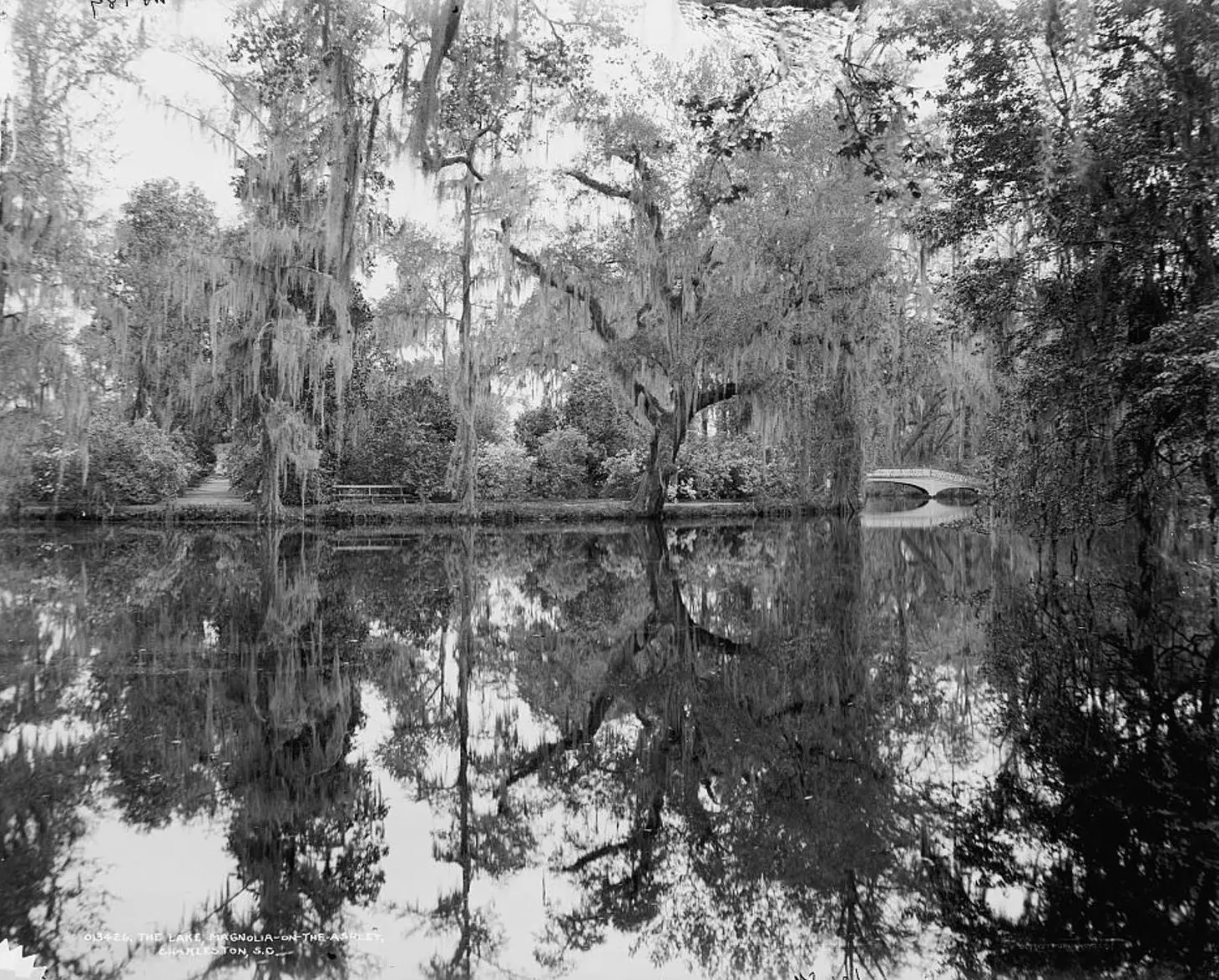
Historic house · Charleston, SC
Magnolia Plantation and Gardens
Magnolia Plantation and Gardens on the Ashley River is the Drayton family's former rice plantation, worked by enslaved people, and a public garden since about 1871.
UnverifiedTours onlyAlso a historic house · also reported: moving objects
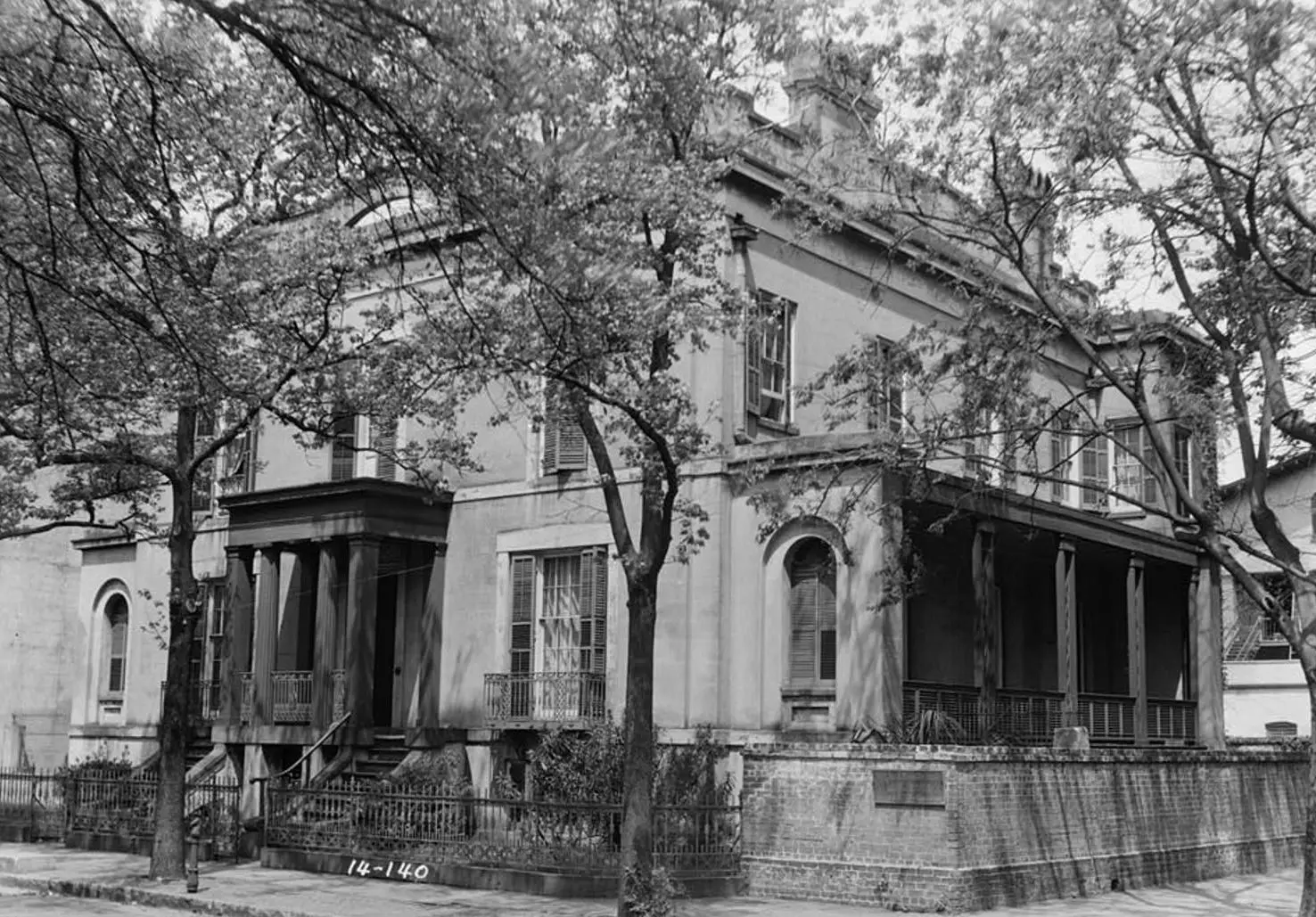
Historic house · Savannah, GA
Sorrel-Weed House
The Sorrel-Weed House on Madison Square was built about 1840 for merchant Francis Sorrel, who enslaved people there.
Documented AccountsTours onlyAlso a historic house · also reported: moving objects
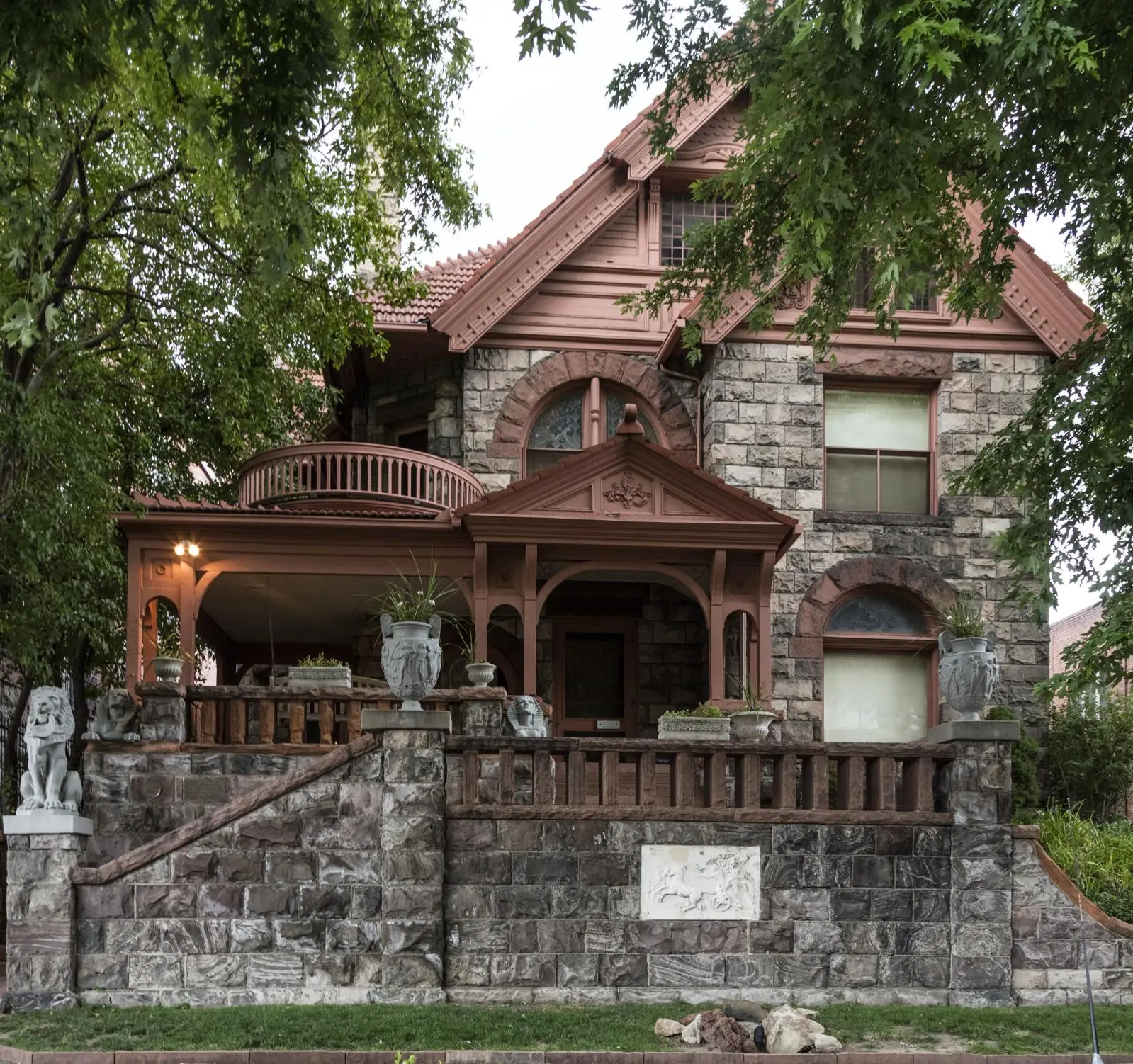
Historic house · Denver, CO
Molly Brown House Museum
The Molly Brown House is the late-1880s Capitol Hill home of Titanic survivor Margaret Brown, now a museum run by Historic Denver.
Documented AccountsOpen to visitorsAlso a historic house · also reported: moving objects
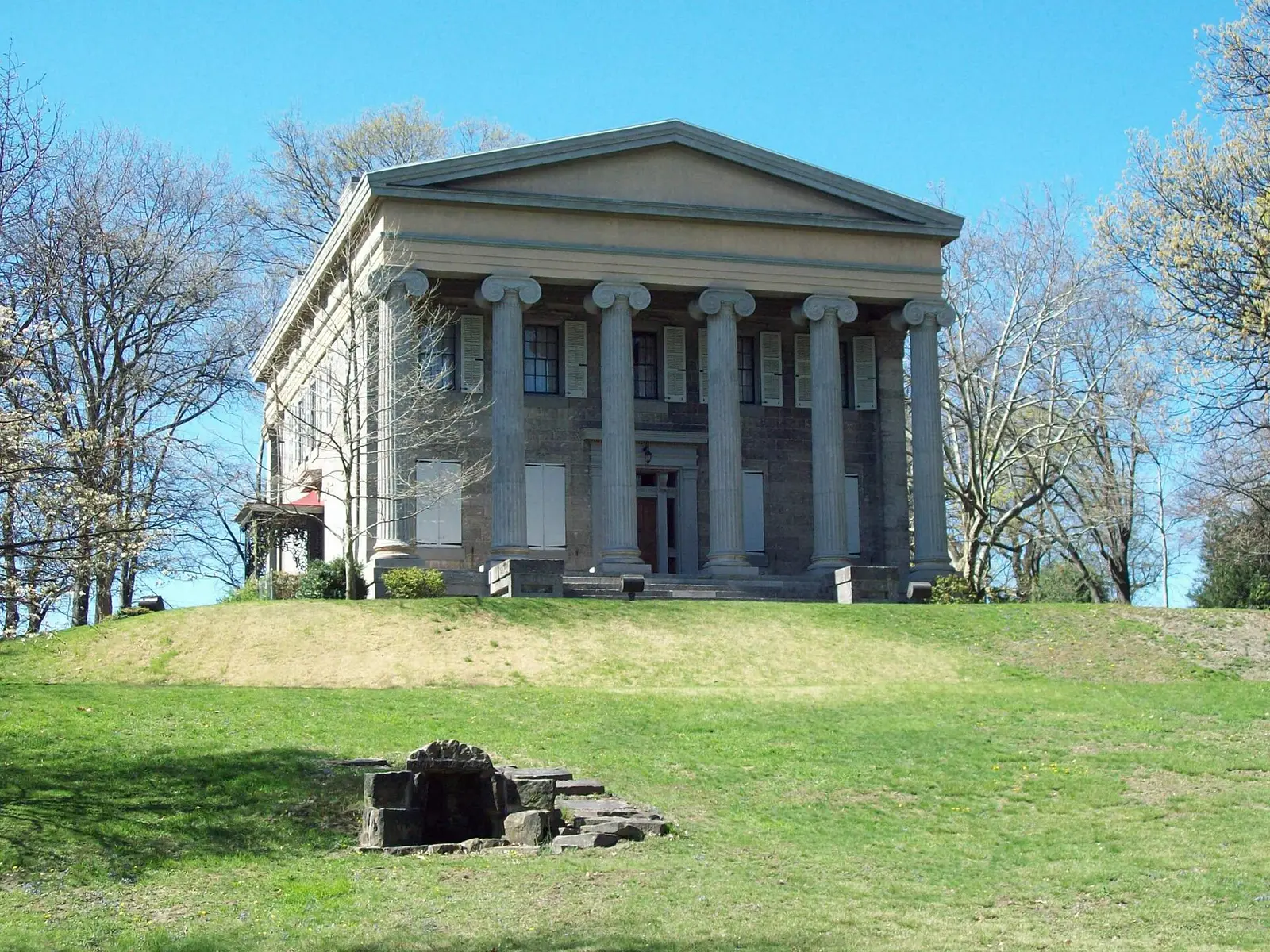
Historic house · Altoona, PA
Baker Mansion
Baker Mansion is a Greek Revival house built in the 1840s by Altoona ironmaster Elias Baker and run as a museum by the Blair County Historical Society since 1922.
UnverifiedTours only