← Savannah Sorrel-Weed House
Sorrel-Weed House
The Sorrel family, slavery and the Molly legend
Savannah, Georgia
The Sorrel-Weed House on Madison Square was built about 1840 for merchant Francis Sorrel, who enslaved people there. His wife Matilda died in 1860 after a fall from a window.
What do we know about Sorrel-Weed House?
The haunting rests on the operator's own guides and on TV ghost programs. The central legend, an affair with an enslaved woman named Molly who was then killed, cannot be traced to any record we could open; a historian and the house's own guide both say the evidence for Molly is largely absent. One named TV investigator reported a physical sensation. None of this shows more than what people say they felt or were told.
Our rating of the reports about Sorrel-Weed House: Documented Accounts. At least one traceable published or first-hand account of an unexplained experience. We check that the reports exist, not the supernatural. The rating describes the evidence for the reports, not whether the place is haunted.
- Reported accounts
- 2
- Counted for the rating
- 1
- Research sources
- 8
Counted for the rating: independent accounts we could trace to a witness. Retellings of the same story count once, and staff passing on what visitors said aren’t counted. How we count
Reported experiences don’t establish a supernatural cause.
Read our evidence assessment →The hauntings
Accounts, encounters and stories associated with Sorrel-Weed House.

What has been reported?
- Apparitions
- Being touched
- Footsteps
- Moving objects
- Shadow figures
- Knocking

Phenomena described in accounts associated with this location — not independently verified events.
Reported experiences
2 published and reported accounts, each assessed by its source.
Account 01 · May 17, 2014
Aaron Goodwin, 2014
During the Ghost Adventures lockdown at the house, investigator Aaron Goodwin said he felt something sharp puncture his ribcage.[5]
- Being touched
Published accountReported by Aaron Goodwin, Ghost Adventures (Travel Channel)Note: Known to us only from an episode listing; we did not watch the broadcast. Commercial TV investigation.
Read full account ›
During the Ghost Adventures lockdown at the house, investigator Aaron Goodwin said he felt something sharp puncture his ribcage.[5]
Account 02 · October 28, 2026
House guide 'Grace', 2026
A house guide told WTOC that a cabinet on Francis Sorrel's desk sometimes opens by itself, and the house's guides say visitors report headaches and nausea, shadows, knocking, scratching and footsteps in the basement, a tall shadow figure they call 'Shadow Man' in the breezeway, and…
- Apparitions
- Footsteps
- Moving objects
- Shadow figures
- Knocking
Published accountReported by House guide 'Grace' (via WTOC)Note: All from the operator's own guide (first name only) in a Halloween feature; one origin. Headaches and nausea are feelings, not accounts of an experience, and are not counted.
Read full account ›
A house guide told WTOC that a cabinet on Francis Sorrel's desk sometimes opens by itself, and the house's guides say visitors report headaches and nausea, shadows, knocking, scratching and footsteps in the basement, a tall shadow figure they call 'Shadow Man' in the breezeway, and a small girl on the stairs.[2]
Legends & disputed stories
Stories told about the place that the records don’t confirm.
- Legend
The house's best-known legend says Matilda Sorrel found her husband with an enslaved young woman called Molly, then jumped from the balcony, and that Molly was later found hanged in the carriage house; versions say an enslaved person was killed there by a family member.[5][7]
What the research shows: No record has been found showing that Molly existed. Historian Tiya Miles argues the story centers invented suffering of a Black woman and obscures the documented realities of slavery.
Before you go
Planning a visit?
Tours only
Visits are by guided tour or organized event.
Access details ›
Privately run house museum on Madison Square that sells daytime history tours, nightly ghost tours and late-night paranormal investigations. It is a paid ghost attraction, and its marketing is not evidence. Check the official site for current tours.
Entry
Paid entry
Access last checked November 17, 2026. Confirm times and prices before you travel.
Approximate location, within about 1 km.
The history of Sorrel-Weed House
The Sorrel-Weed House on Madison Square was built about 1840 for merchant Francis Sorrel, who enslaved people there. His wife Matilda died in 1860 after a fall from a window. Its famous ghost story, about an enslaved woman called Molly, has no documentary support, and historian Tiya Miles calls it largely myth. A TV investigator and the house's guides have reported experiences. It is a paid tour attraction.
- Established
- 1835–1841
- Also known as
- Old Sorrel-Weed House Museum
A merchant's house on Madison Square
Francis Sorrel, a shipping merchant born in Saint-Domingue in 1793, had this house built to designs by architect Charles B. Cluskey, and it was finished about 1840-41. Its Greek Revival front with Regency touches made it one of the notable houses of the city. The National Register nomination for the Savannah Historic District names it among Cluskey's surviving work, and it was marked as one of Georgia's first state landmarks in 1954.
The people Sorrel enslaved
Sorrel was an enslaver. Historian Tiya Miles describes him as a merchant who enslaved people in an urban setting, and a WTOC report says about 11 enslaved people worked in the basement in a given year. Their names are not recorded in any source we could open.
Matilda Sorrel and the Weeds
Matilda Sorrel, Francis Sorrel's second wife, died in 1860 after falling or jumping from a window; Miles says it was suicide. The house's own guide told WTOC that records place her death next door. Henry D. Weed agreed to buy the house in 1859, and his family owned it until 1914. Sorrel's son, G. Moxley Sorrel, later a Confederate general, grew up here.
The Molly legend
Ghost tours tell that Matilda found her husband with an enslaved young woman called Molly and leapt from the balcony, and that Molly was later found hanged in the carriage house. No record we could open supports this. Miles calls the story largely myth and argues it turns the imagined suffering of a Black woman into entertainment while hiding the real history of slavery. The house's guide also says archival evidence for Molly is largely absent. Archaeologists excavated the carriage house basement in 2017, but we could not read their report.
Through the years
1835–1841
House completed for Francis Sorrel
The house on Madison Square was designed by architect Charles B. Cluskey for Francis Sorrel (1793-1870), a shipping merchant born in Saint-Domingue (Haiti), and was completed about 1840-41 in a Greek Revival style with Regency touches.[1][2][3]
Caveat: Sources give the date as 1835-1840, 1840 and 1841.
1840–1859
1840–1859
Francis Sorrel was an enslaver who took part in Savannah's local slave trade; enslaved people worked in the house's basement, a WTOC report putting their number at about 11 in a given year.[4][2]
Caveat: The figure of about 11 comes from a house guide quoted by WTOC; we found no scholarly count we could open.
1860
Matilda Sorrel dies
Matilda Sorrel, Francis Sorrel's second wife, died in 1860 of injuries, including a concussion, after falling or jumping from a window; historian Tiya Miles says she did die by suicide.[4][2]
Caveat: A house guide told WTOC that records place her death next door, at 12 West Harris Street, not in this house. We could not access the records.
2017
Carriage house basement excavated
In 2017 Kelly Westfield of Armstrong State University's 'Digging Savannah' program reported on archaeological excavations in the carriage house basement.[8]
Caveat: We could open only the catalog record, not the report, so its findings are not stated here.
The research conclusion

Why it has this rating
One traceable account: investigator Aaron Goodwin said on Ghost Adventures in 2014 that he felt something sharp puncture his ribcage, known from the episode listing. The house guide's stories of a cabinet opening and of visitors' experiences don't say she saw these herself, so they are not counted. The 'Molly' story is legend, and Francis Sorrel's enslavement of people is documented history.
Read the full written assessment ›
The house's construction, the Sorrels' enslavement of people, Matilda Sorrel's 1860 death and the Weed ownership are documented by the 1954 state marker, the National Register district nomination and a 2026 WTOC report.
The haunting rests on the operator's own guides and on TV ghost programs. The central legend, an affair with an enslaved woman named Molly who was then killed, cannot be traced to any record we could open; a historian and the house's own guide both say the evidence for Molly is largely absent. One named TV investigator reported a physical sensation. None of this shows more than what people say they felt or were told.
The sources behind the story
8 research references support this entry.

1Georgia Historical SocietyOld Sorrel – Weed House (historical marker 025-27) Website · Reference 01
Old Sorrel – Weed House (historical marker 025-27). Georgia Historical Society, 1954.
Text of the 1954 marker: completed 1840 from plans by Charles B. Cluskey, built for shipping merchant Francis Sorrel (1793-1870), bought by Henry D. Weed in 1859, boyhood home of Gen. G. Moxley Sorrel. Its 1954 wording about a 'faithful slave' who saved Sorrel as a child in Saint-Domingue reflects the marker's era and is not used here.
Accessed November 17, 2026.
2WTOCHalloween Spooktacular: The Sorrel-Weed House Television or radio · Reference 02
Tyler Walls, Halloween Spooktacular: The Sorrel-Weed House. WTOC, 2026-10-28.
TV station feature. Gives construction 1835-1840, Georgia's first state landmark (1954), Matilda Sorrel's 1860 death after a fall or jump from a window, the Weed purchase in 1859 and family ownership to 1914, and about 11 people enslaved by Sorrel working in the basement each year. Ghost content comes from a house guide identified only as 'Grace', who says records place Matilda's death next door at 12 West Harris Street and that archival evidence for 'Molly' is largely absent.
Accessed November 17, 2026.
3National Park Service (NPGallery)National Register of Historic Places Inventory–Nomination Form: Savannah Historic District (ref. 66000277) Register or nomination · Reference 03
National Register of Historic Places Inventory–Nomination Form: Savannah Historic District (ref. 66000277). National Park Service (NPGallery), 1966.
Scanned district nomination (281 pages, read by OCR). On PDF page 6 it names the 'delicately refined Francis Sorrel House (6 West Harris Street, Madison Square, 1841)' among Charles Cluskey's surviving work. Establishes the house's place in the National Historic Landmark district; says nothing about the Sorrels' enslavement of people or ghosts.
Accessed November 17, 2026.
4Wisconsin Public Radio (To The Best of Our Knowledge)Uncovering the Buried History of Savannah's 'Ghost Tours' Television or radio · Reference 04
Uncovering the Buried History of Savannah's 'Ghost Tours'. Wisconsin Public Radio (To The Best of Our Knowledge), 2017-10-28.
Interview with historian Tiya Miles, author of Tales from the Haunted South (2015). She says Francis Sorrel enslaved people, that Matilda Sorrel did die by suicide, that the affair and the Molly story cannot be verified and are 'in large part' myth, and criticizes the evening tour for profiting from the suffering of enslaved people. Authoritative scholarly voice, but a radio summary rather than her book.
Accessed November 17, 2026.
5TheTVDBGhost Adventures, season 9, episode 10: Haunted Savannah Website · Reference 05
Ghost Adventures, season 9, episode 10: Haunted Savannah. TheTVDB, 2014-05-17.
Episode listing for the Travel Channel broadcast of May 17, 2014. Says Zak Bagans, Nick Groff and Aaron Goodwin investigated the house, repeats the legend of an enslaved woman killed in the carriage house, and says that during the lockdown Aaron felt something sharp puncture his ribcage. A fan-maintained listing summarizing a TV episode we did not watch.
Accessed November 17, 2026.
6Old Sorrel-Weed House MuseumSorrel Weed House: Savannah Ghost Tours and History Tours Official or site history · Reference 06
Sorrel Weed House: Savannah Ghost Tours and History Tours. Old Sorrel-Weed House Museum, 2026.
Operator's site: daytime history and architecture tours, nightly ghost tours, and late-night paranormal investigations with equipment provided; address 6 W Harris St. Commercial ghost-tour marketing; not evidence of anything paranormal.
Accessed November 17, 2026.
7ClioSorrel-Weed House Website · Reference 07
Sorrel-Weed House. Clio.
Short public-history entry (based on a Historic Savannah Foundation web page). Repeats the local lore that an enslaved African American was murdered in the carriage house by a family member and says the house was featured on Ghost Hunters. Contains errors (it dates the state landmark designation to 1953), so used only as a place where the legend is published.
Accessed November 17, 2026.
8Digital Library of Georgia / Georgia Southern University LibrariesExcavations in the Carriage House Basement of the Sorrel-Weed House (catalog record) Archive or collection · Reference 08
Kelly Westfield, Excavations in the Carriage House Basement of the Sorrel-Weed House (catalog record). Digital Library of Georgia / Georgia Southern University Libraries, 2017-04-01.
Catalog record only: an Armstrong State University 'Digging Savannah' report by Kelly Westfield, dated April 2017. We could not access the report itself, so it is cited only for the fact that the carriage house basement was excavated.
Accessed November 17, 2026.
More haunted places
Explore nearby
Hotel
The Marshall House
Savannah, Georgia · under 1 mile away · Open to visitors
Historic house
Davenport House Museum
Savannah, Georgia · under 1 mile away · Tours only
Historic house
Owens-Thomas House & Slave Quarters
Savannah, Georgia · under 1 mile away · Tours only
Cemetery
Colonial Park Cemetery
Savannah, Georgia · under 1 mile away · Outside only
Similar places
Also a historic house · also reported: knocking, footsteps
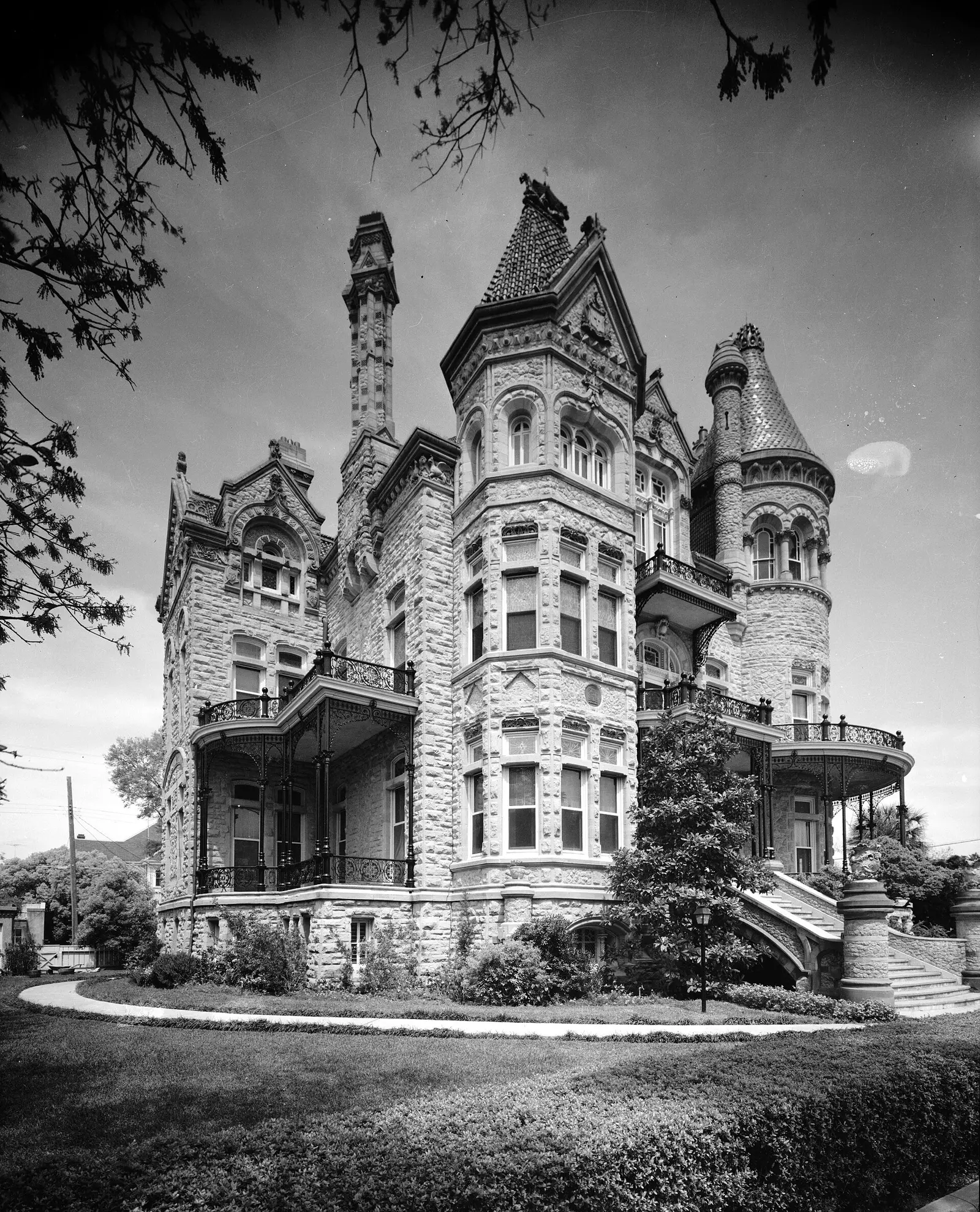
Historic house · Galveston, TX
Bishop's Palace
The Bishop's Palace is an 1890s stone mansion in Galveston, built for lawyer Walter Gresham and later home to the city's Catholic bishop.
UnverifiedOpen to visitorsAlso a historic house · also reported: knocking, footsteps
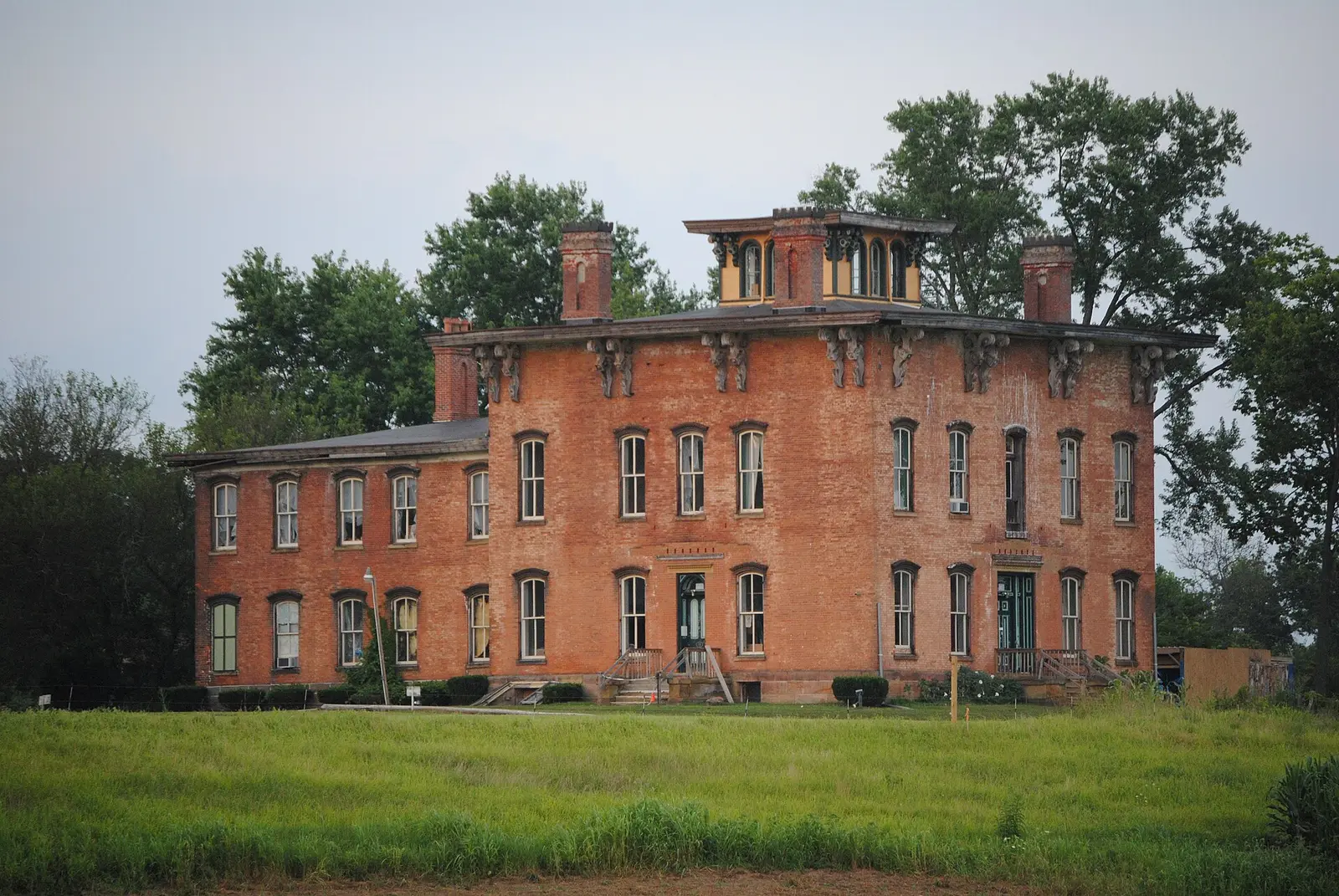
Historic house · Trinway, OH
Prospect Place Mansion
Prospect Place is an 1856 Italian Villa-style mansion near Trinway built for George W. Adams, whose family left Virginia opposing slavery.
Documented AccountsOpen to visitorsAlso a historic house · also reported: knocking, footsteps
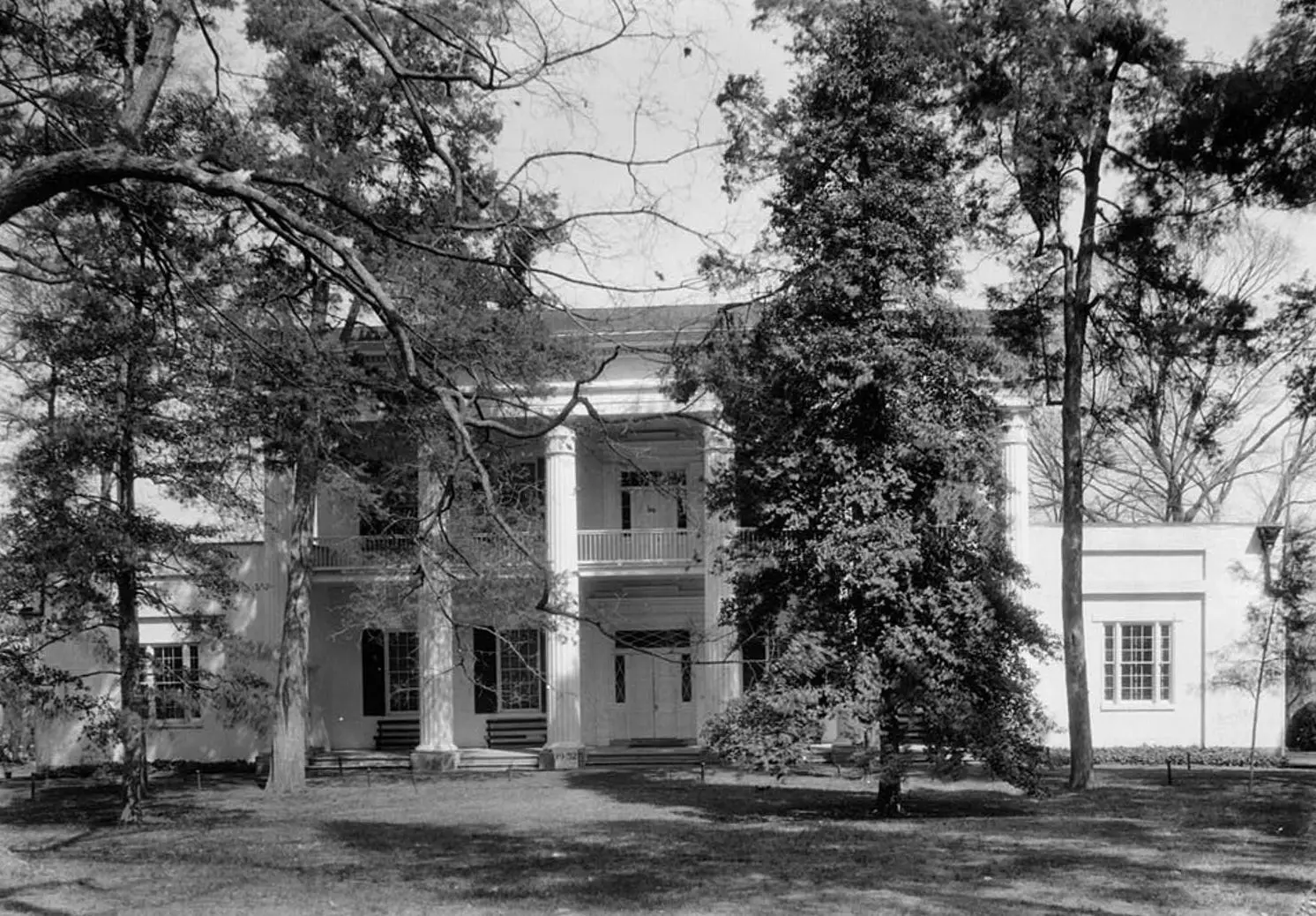
Historic house · TN
The Hermitage
The Hermitage is Andrew Jackson's plantation and mansion east of downtown Nashville, now a museum.
Documented AccountsOpen to visitorsAlso a historic house · also reported: shadow figures, being touched
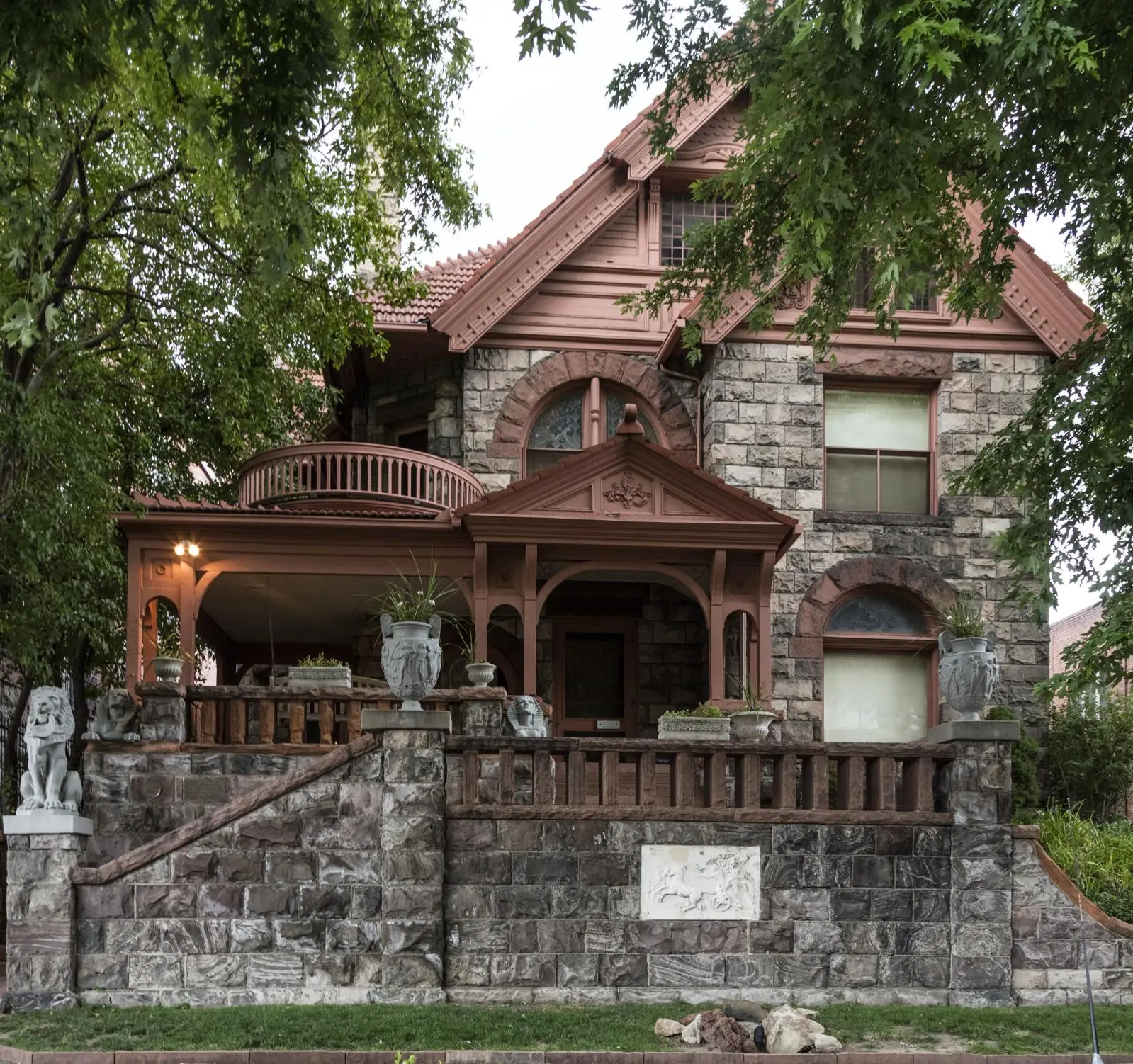
Historic house · Denver, CO
Molly Brown House Museum
The Molly Brown House is the late-1880s Capitol Hill home of Titanic survivor Margaret Brown, now a museum run by Historic Denver.
Documented AccountsOpen to visitors