← New Orleans Gardette-Le Prête House
Gardette-Le Prête House
The 'Sultan's Palace' legend and the record
New Orleans, Louisiana
The Gardette-Le Prête House is an 1836 town house in the French Quarter, known on ghost tours as the 'Sultan's Palace'.
What do we know about Gardette-Le Prête House?
The story can be traced to Helen Pitkin Schertz, a New Orleans journalist, whose romantic tale 'The Brother of the Sultan' appeared in 1922. She set it in the Spanish colonial era, decades before the house existed, with the Le Prêtres already living there, and she added the ghostly music, laughter and veiled figures herself. The 1938 WPA guide treated it as her story.

Our rating of the reports about Gardette-Le Prête House: Unverified. A haunted reputation or legend, but no traceable account of an experience so far. The rating describes the evidence for the reports, not whether the place is haunted.
- Reported accounts
- 2
- Counted for the rating
- 0
- Research sources
- 6
Counted for the rating: independent accounts we could trace to a witness. Retellings of the same story count once, and staff passing on what visitors said aren’t counted. How we count
Reported experiences don’t establish a supernatural cause.
Read our evidence assessment →The hauntings
Accounts, encounters and stories associated with Gardette-Le Prête House.

What has been reported?
- Apparitions
- Voices
- Footsteps
- Music
- Moving objects
- Shadow figures

Phenomena described in accounts associated with this location — not independently verified events.
Reported experiences
2 published and reported accounts, each assessed by its source.
Account 01
A former owner
A ghost-tour company says a former owner saw a dark figure approach her bed in the upper-floor apartment in 1979, and that another owner told a newscaster her only odd experience was keys going missing.[6]
- Moving objects
- Shadow figures
No traceable witnessReported by A former owner, as retold by Ghost City ToursNote: Retold by a commercial tour operator without sources; we could not find the original interviews.
Read full account ›
A ghost-tour company says a former owner saw a dark figure approach her bed in the upper-floor apartment in 1979, and that another owner told a newscaster her only odd experience was keys going missing.[6]
Account 02
Southern Spirit Guide
Ghost-folklore writers say residents have heard odd sounds and screams and seen figures, while also noting there is no evidence the massacre happened.[5]
- Apparitions
- Voices
No traceable witnessReported by Southern Spirit Guide, citing Kala Ambrose and James CaskeyNote: Unnamed residents; the page draws on Ambrose (2012) and Caskey (2014), which we have not consulted. Likely retellings of the Schertz tradition.
Read full account ›
Ghost-folklore writers say residents have heard odd sounds and screams and seen figures, while also noting there is no evidence the massacre happened.[5]
Legends & disputed stories
Stories told about the place that the records don’t confirm.

- Legend
In the story, the brother of a Turkish sultan leases the house, lives there in secrecy with women taken from his brother's harem, and is found murdered with them after a lavish party; the crew of his ship are suspected and vanish.[3][5][6][2][4]
What the research shows: No record of such a killing has been found; the details of the story conflict with the property records.
- Legend
Schertz's 1922 version ends with the haunting: sounds of music, laughter, a man's pleading and groans heard at night, and small veiled figures seen on the stairs.[4]
Before you go

Not open to visitors
Location
New Orleans, Louisiana
Private: no access
Private property. Please don’t visit or trespass.
Access details ›
This house is now private residences. Please don't visit, photograph residents or disturb the people who live there. It is not open to the public, and ghost tours that stop outside do not have access.
Access last checked November 19, 2026.
Please visit responsibly
This place isn’t open to visitors. Don’t trespass: view it from public land, or learn about it from local museums and archives.
Shown by town only: we don’t map private or sensitive places more closely.
The history of Gardette-Le Prête House
The Gardette-Le Prête House is an 1836 town house in the French Quarter, known on ghost tours as the 'Sultan's Palace'. Tours tell of a sultan's brother and his harem murdered there, but the story first appears as fiction in a 1922 book, and the property records contradict it. Reports of ghosts are retold by tour companies without traceable witnesses. It is now private residences, so please don't visit.
- Established
- 1836
- Also known as
- Sultan's Palace
A dentist's town house
The tall corner house at Dauphine and Orleans Streets was built for Joseph Coulon Gardette, a dentist, who bought the lot in July 1835. Builder Frederick Roy signed a contract with him on September 1, 1836, for a three-and-a-half-story stuccoed brick house in the Greek Revival style, raised on a high basement.
The Le Prêtre family
In April 1839 Jean Baptiste Le Prêtre bought the house. The ornate cast-iron galleries that wrap around it date from about 1850. The family lived there for decades, until the Citizens Bank of Louisiana acquired the house through a court sale in March 1878, according to the chain of title; another account quoted in the property survey dates the takeover to 1870. It later passed through several owners, including Joseph Saba from 1903.
Where the sultan comes from
The story told on ghost tours is that the brother of a Turkish sultan rented the house, hid there with young women taken from his brother's harem, and was found murdered with them after a party, while his ship's crew vanished. The earliest published version we could find is 'The Brother of the Sultan', a romantic tale in Helen Pitkin Schertz's 1922 book Legends of Louisiana. Schertz retold it briefly in her French Quarter walking guide, and the 1938 WPA New Orleans City Guide repeated it as her story.
Testing the tale against the record
Schertz sets her story in the Spanish colonial period, with Spanish governors as the Le Prêtres' guests and Monsieur Le Prêtre leasing his mansion to the visitor. The records show otherwise: in those years the lot belonged to other owners, the present house was not built until 1836, and Le Prêtre did not buy it until 1839. No record of a massacre at the house has been found.
How the ghosts arrived
The ghosts are part of Schertz's fiction from the start. Her tale ends with music, laughter, a man's pleading and groans heard at night, and small veiled figures on the stairs. Later retellings by tour companies and folklore writers repeat these themes. A ghost-tour company says a former owner saw a dark figure by her bed in 1979, and that another owner's only odd experience was missing keys, but it gives no source for either account.
Through the years
1835
Gardette buys the lot
Joseph Coulon Gardette, a dentist, bought the corner lot at Dauphine and Orleans Streets from Celestin Jung in July 1835.[1]
1836
House built
Under a contract dated September 1, 1836, builder Frederick Roy put up the present house for Gardette: a three-and-a-half-story stuccoed brick building in the Greek Revival style, raised on a high basement.[1]
Caveat: One source quoted by the survey says the house was built in the fall of 1835.
1878
Bank takes the house
In March 1878, according to the chain of title (another account quoted in the survey says 1870), the Citizens Bank of Louisiana acquired the house from the Le Prêtre family through a court sale; it changed hands several…
Read more ›
In March 1878, according to the chain of title (another account quoted in the survey says 1870), the Citizens Bank of Louisiana acquired the house from the Le Prêtre family through a court sale; it changed hands several times afterward and was bought by Joseph Saba in 1903.[1]
Caveat: A passage quoted by the survey dates the bank takeover to 1870.
1922
Schertz publishes the story
1938
WPA guide credits the story to Schertz
The 1938 WPA New Orleans City Guide repeated the tale as 'an interesting story' told by Schertz, not as an event in the house's history, and did not mention ghosts.[2]
Also recorded
Schertz sets her story in the Spanish colonial period, with Monsieur Le Prêtre already owning and leasing out the house; the property records show the lot belonged to other owners then, and that the house was not built until 1836 or bought by Le Prêtre until 1839.[1][4]
Caveat: Schertz names Spanish governors (Gálvez, Carondelet, Gayoso) and the 1803 French prefect Laussat as the Le Prêtres' guests.
The research conclusion

Why it has this rating
No traceable account of an experience: the 'sultan' story and its ghosts begin in a 1922 work of fiction, and the property records contradict it. Later accounts attributed to owners are retold by a tour company without sources.
Read the full written assessment ›
The documented history is clear and has nothing to do with sultans. The property records show the lot passing through ordinary owners, a building contract in 1836, and the Le Prêtre family as owners from 1839 to 1878 (another account quoted in the survey ends their ownership in 1870). No record of a massacre has been found.
The story can be traced to Helen Pitkin Schertz, a New Orleans journalist, whose romantic tale 'The Brother of the Sultan' appeared in 1922. She set it in the Spanish colonial era, decades before the house existed, with the Le Prêtres already living there, and she added the ghostly music, laughter and veiled figures herself. The 1938 WPA guide treated it as her story. Later ghost reports come from tour operators and folklore writers, without named witnesses or original sources, and grew out of her tale.
The sources behind the story
6 research references support this entry.

1The Historic New Orleans Collection716 Dauphine St. (Square 73, Lot 18755), Collins C. Diboll Vieux Carré Digital Survey Archive or collection · Reference 01
716 Dauphine St. (Square 73, Lot 18755), Collins C. Diboll Vieux Carré Digital Survey. The Historic New Orleans Collection.
Lot-by-lot survey compiled from notarial and court records: chain of title from 1731, the 1836 building contract, Vieux Carré Commission notes and extracts from the 1937 New Orleans City Guide and other publications. The best available stand-in for the original conveyance records, which we did not see. Its page layout makes some date attributions ambiguous (see notes).
Accessed November 16, 2026.
2Houghton Mifflin, BostonNew Orleans City Guide (American Guide Series) Book · Reference 02
Federal Writers' Project of the Works Progress Administration, New Orleans City Guide (American Guide Series). Houghton Mifflin, Boston, 1938.
Federal guidebook; entry 43, 'The Le Prete Home', pp. 244–245. Summarizes the story and credits it to Schertz. Read in OCR text.
Accessed November 16, 2026.
3New Orleans Journal (scan by HathiTrust, hosted by the Louisiana Anthology)A Walk Through French Town in Old New Orleans (fifth edition) Book · Reference 03
Helen Pitkin Schertz, A Walk Through French Town in Old New Orleans (fifth edition). New Orleans Journal (scan by HathiTrust, hosted by the Louisiana Anthology).
Schertz's own walking guide, undated; it mentions events of 1923, so this edition is from the 1920s. Retells the sultan story in brief, points readers to Legends of Louisiana for the complete story, and does not mention ghosts.
Accessed November 16, 2026.
4New Orleans Journal (digitized by Internet Archive)Legends of Louisiana: The Romance of the Royal Oak; The Brother of the Sultan Book · Reference 04
Helen Pitkin Schertz, Legends of Louisiana: The Romance of the Royal Oak; The Brother of the Sultan. New Orleans Journal (digitized by Internet Archive), 1922.
A work of romantic fiction by a New Orleans journalist, with invented dialogue and characters. The earliest version of the sultan story we could find and open, and the earliest that adds ghostly sounds and figures. Read in the Internet Archive's OCR text; story begins about p. 54 and ends on p. 83.
Accessed November 16, 2026.
5Southern Spirit GuideStreet Guide to the Phantoms of the French Quarter—Dauphine Street Website · Reference 05
Lewis O. Powell IV, Street Guide to the Phantoms of the French Quarter—Dauphine Street. Southern Spirit Guide, 2016.
Ghost-folklore blog (first posted 2016, updated 2024). Retells the legend and residents' reports from Kala Ambrose (2012) and James Caskey (2014), which we have not consulted, and says there is no evidence the events occurred.
Accessed November 16, 2026.
6Ghost City ToursThe Haunted Sultan's Palace in New Orleans Website · Reference 06
Tim Nealon, The Haunted Sultan's Palace in New Orleans. Ghost City Tours.
Commercial ghost-tour operator's marketing page, undated. Cited only as the place where the reported experiences below were published; it gives no sources for them. It does say no record supports the massacre.
Accessed November 16, 2026.
More haunted places

Explore nearby
Historic house
LaLaurie Mansion
New Orleans, Louisiana · under 1 mile away · Private: no access
Cemetery
St. Roch Chapel and Cemetery
New Orleans, Louisiana · 8.6 miles away · Access not confirmed
Museum
Old Ursuline Convent
New Orleans, Louisiana · 9.9 miles away · Open to visitors
Museum
Beauregard-Keyes House and Garden
New Orleans, Louisiana · 9.9 miles away · Tours only
Similar places
Also a historic house · also reported: music, shadow figures
Historic house · Franklin, KY
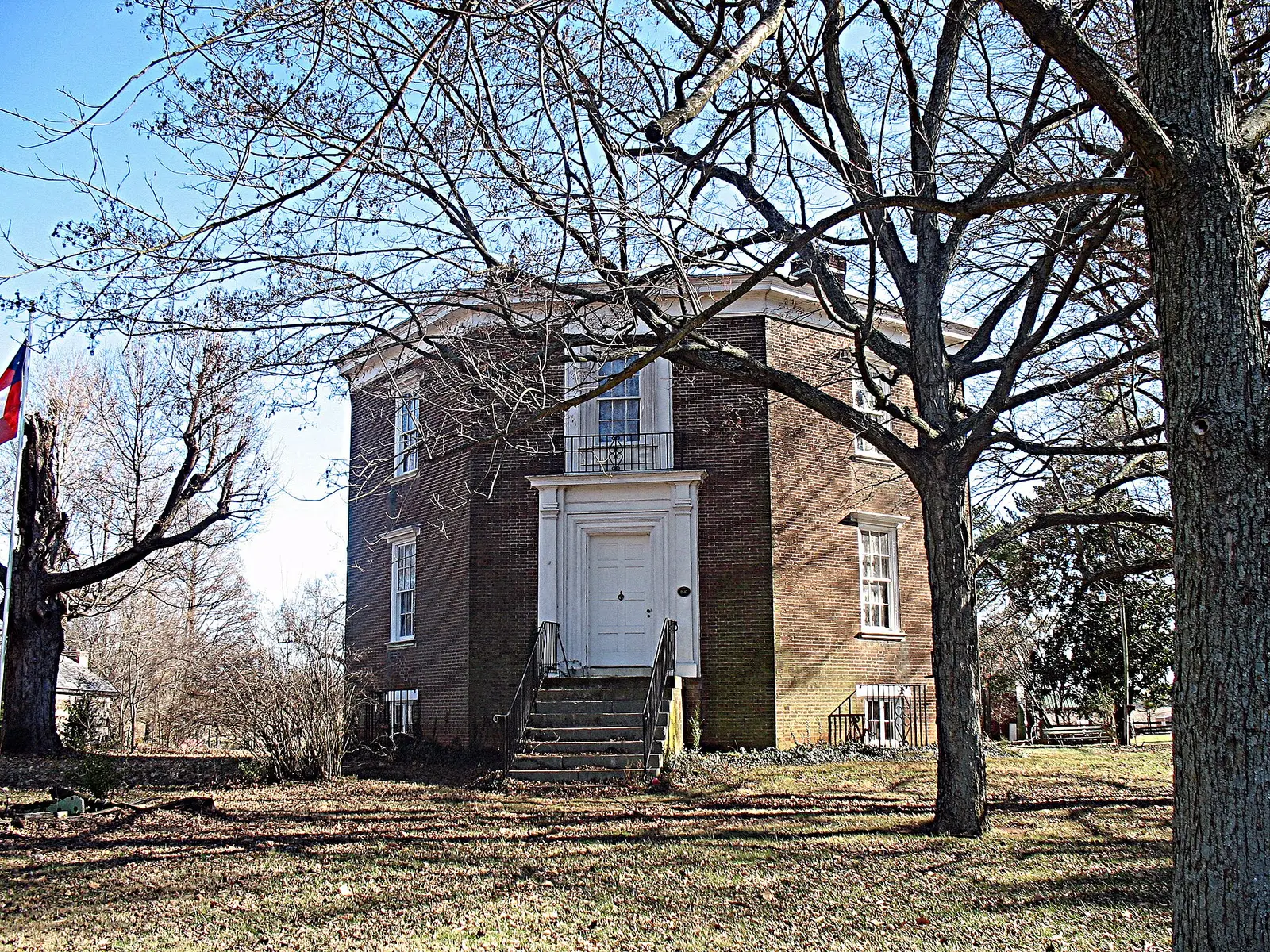
Octagon Hall
Octagon Hall is a rare eight-sided brick house north of Franklin, Kentucky, built in the mid-19th century by Andrew Jackson Caldwell with the labor of people he enslaved.
Well DocumentedTours onlyAlso a historic house · also reported: music, footsteps
Historic house · San Diego, CA
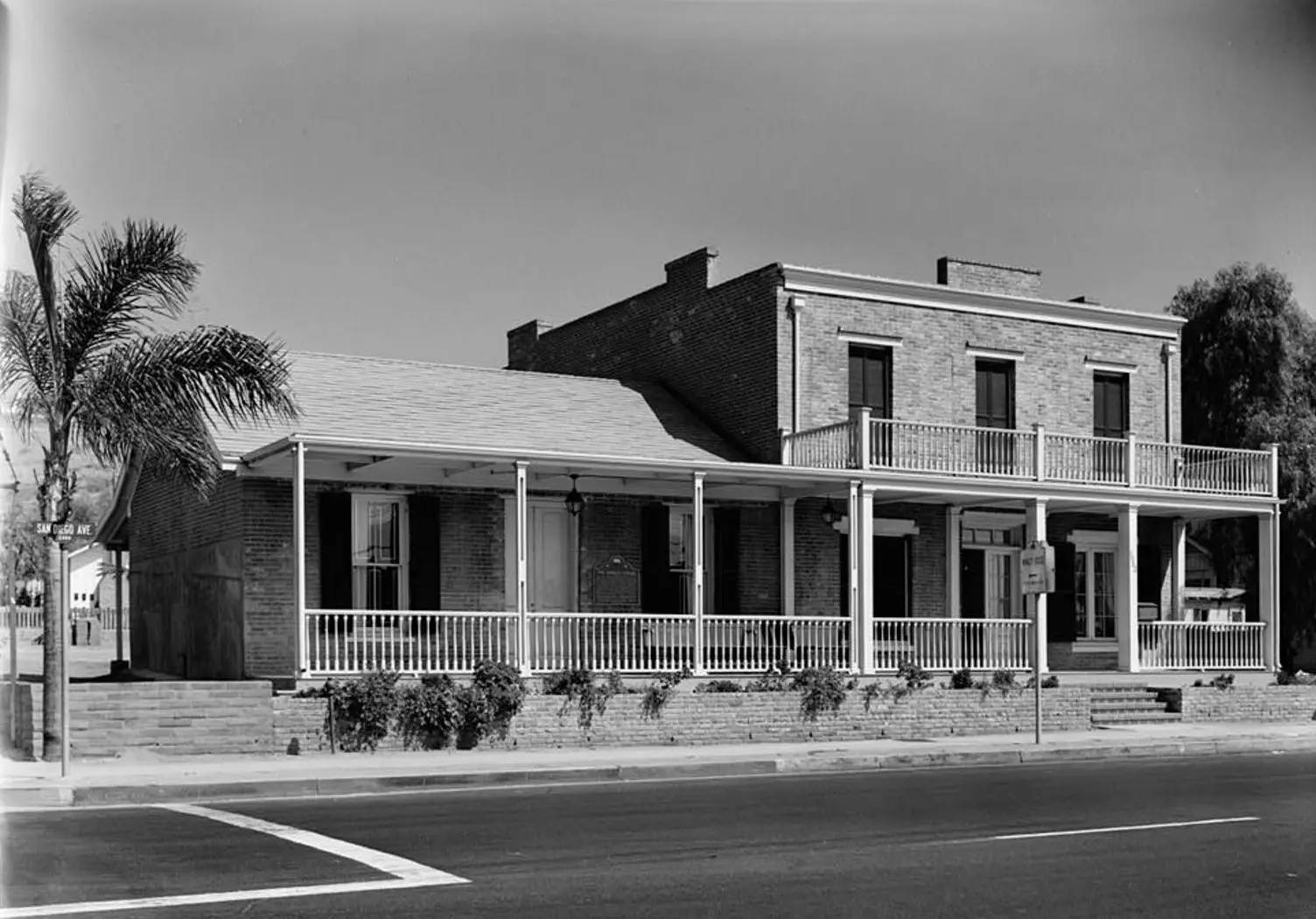
Whaley House
Footsteps, slamming doors and figures reported by museum staff since the 1960s, on the site of an 1852 hanging.
Documented AccountsOpen to visitorsAlso a historic house · also reported: music, footsteps
Historic house · KY
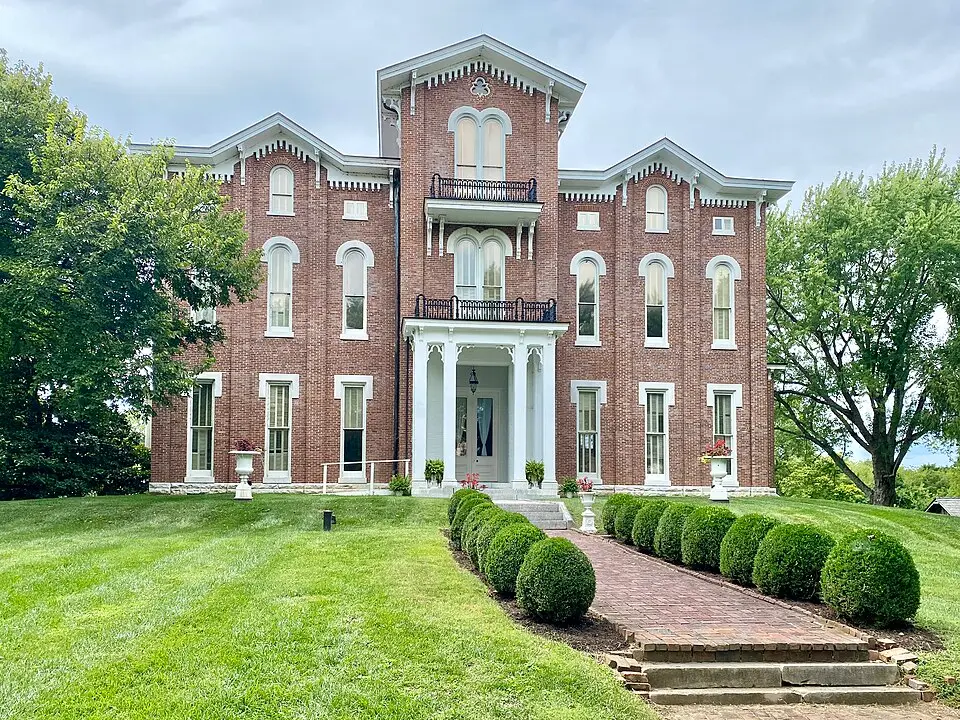
White Hall State Historic Site
White Hall, near Richmond, Kentucky, is the home of the antislavery politician Cassius Marcellus Clay, built on a house his father, a major enslaver, finished in 1799.
Documented AccountsTours onlyAlso a historic house · also reported: music, footsteps
Historic house · Galveston, TX
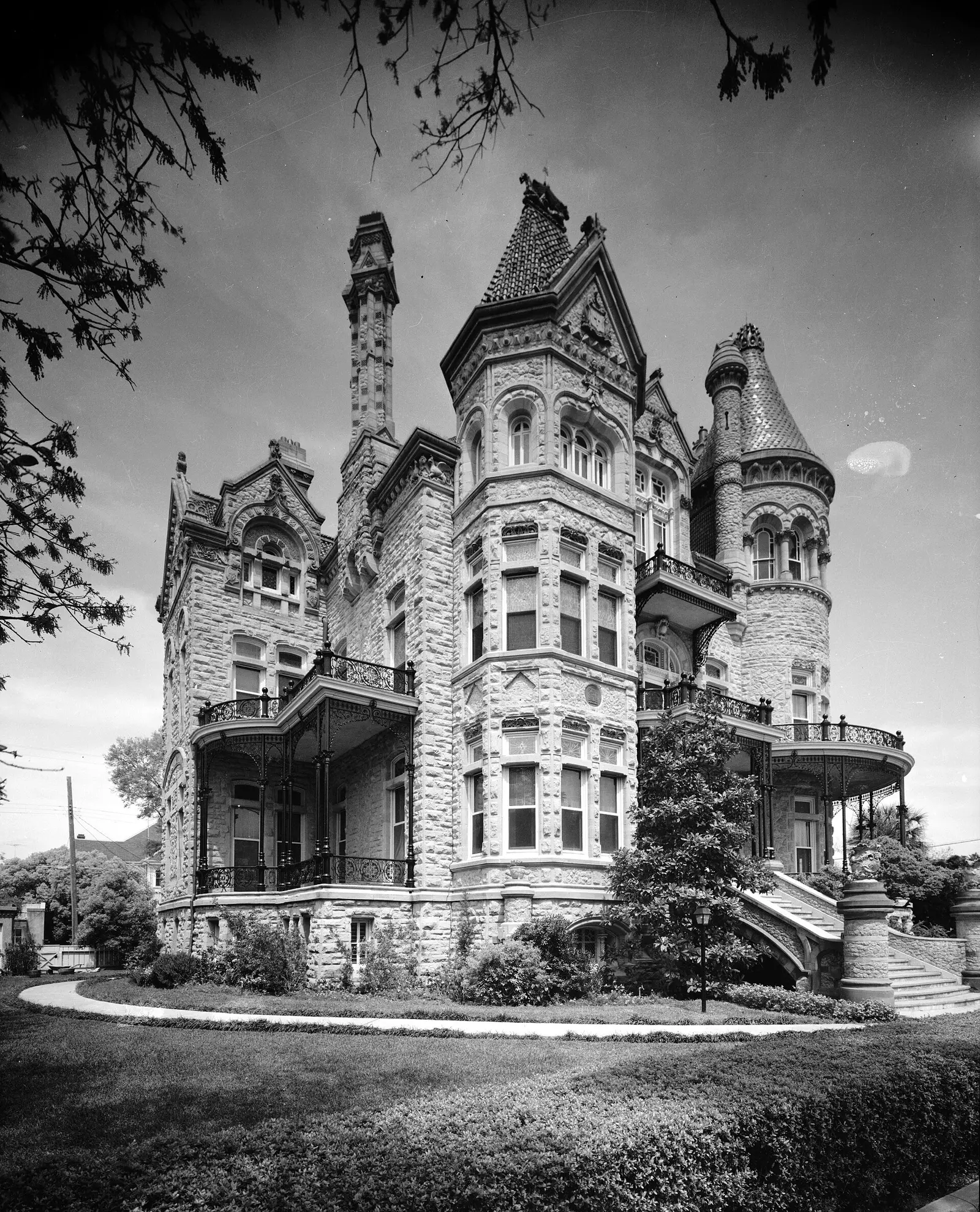
Bishop's Palace
The Bishop's Palace is an 1890s stone mansion in Galveston, built for lawyer Walter Gresham and later home to the city's Catholic bishop.
UnverifiedOpen to visitors