← New Orleans Beauregard-Keyes House and Garden
Beauregard-Keyes House and Garden
New Orleans, Louisiana
An 1826 French Quarter house museum, home for a time to General Beauregard and later to novelist Frances Parkinson Keyes.
What do we know about Beauregard-Keyes House and Garden?
The ghost stories are thin. The Beauregard-at-Shiloh tale appears to begin in fiction, Frances Parkinson Keyes's 1962 novel Madame Castel's Lodger, and was developed by ghost books from 2007–08, which we know only through a blog summary. Reports of gunfire and shadowy figures linked to 1908 name no witnesses, and the Paul Morphy story conflicts with his biography.
Our rating of the reports about Beauregard-Keyes House and Garden: Unverified. A haunted reputation or legend, but no traceable account of an experience so far. The rating describes the evidence for the reports, not whether the place is haunted.
- Reported account
- 1
- Counted for the rating
- 0
- Research sources
- 5
Counted for the rating: independent accounts we could trace to a witness. Retellings of the same story count once, and staff passing on what visitors said aren’t counted. How we count
Reported experiences don’t establish a supernatural cause.
Read our evidence assessment →The hauntings
Accounts, encounters and stories associated with Beauregard-Keyes House and Garden.
What has been reported?
- Apparitions
- Voices
- Being touched
- Smells
- Shadow figures
Phenomena described in accounts associated with this location — not independently verified events.
Reported experiences
1 published and reported account, each assessed by its source.
Account 01
Southern Spirit Guide, 2016
Ghost writers say passersby hear gunfire and shouting, smell gunpowder and see shadowy figures near the garden fountain, which they link to the 1908 shooting, and that guests have felt a cat brush their legs.[5]
- Being touched
- Smells
- Voices
- Shadow figures
No traceable witnessReported by Unnamed passersby and guests, as retold in ghost books and blogsNote: No named witnesses or dates; known from ghost books as summarized online.
Read full account ›
Ghost writers say passersby hear gunfire and shouting, smell gunpowder and see shadowy figures near the garden fountain, which they link to the 1908 shooting, and that guests have felt a cat brush their legs.[5]
Legends & disputed stories
Stories told about the place that the records don’t confirm.
- Legend
The best-known ghost story says General Beauregard returns to relive the Battle of Shiloh, with sounds of battle and even the battlefield itself appearing in the ballroom. One blogger traces it to Frances Parkinson Keyes's 1962 novel Madame Castel's Lodger, with later ghost books adding a voice chanting 'Shiloh' in 1893.[5]
What the research shows: Fiction and later ghost books are the only sources found; no witness is named.
- Legend
Some ghost books say Paul Morphy went insane in the house and haunts it. The record does not support this: he was born there, but no evidence shows he lived there as an adult, and he died in 1884 at a house on Royal Street.[5]
Before you go
Planning a visit?
Tours only
Visits are by guided tour or organized event.
Access details ›
A historic house museum run by the Keyes Foundation, open for scheduled guided tours of the house, garden and parts of the dependencies; admission is charged. Check the official site for days and times.
Entry
Paid entry
Access last checked November 16, 2026. Confirm times and prices before you travel.
Approximate location, within about 1 km.
The history of Beauregard-Keyes House and Garden
An 1826 French Quarter house museum, home for a time to General Beauregard and later to novelist Frances Parkinson Keyes. In 1908 three men were shot dead there, by a contemporary wire report's count, though early reports differ. Ghost stories of Beauregard reliving Shiloh seem to trace to a 1962 Keyes novel and later ghost books, and no witnesses are named. Open for paid guided tours.
- Established
- 1826
- Also known as
- LeCarpentier-Beauregard-Keyes House
A villa across from the convent
The house was built in 1826 for the auctioneer Joseph Le Carpentier, to plans by François Correjolles, on land that had belonged to the Ursuline Convent across the street. Enslaved people of African descent lived in the quarters behind it, which still stand, from 1826 until probably 1864, and enslaved laborers very likely built it. Le Carpentier's grandson Paul Morphy, later a world chess champion, was born there in 1837.
Beauregard and the Giaconas
After the Civil War, General P. G. T. Beauregard rented the house with his sons until 1868; he never owned it. In 1908 the house belonged to the Giacona family, wine merchants. On June 17 they shot dead three men who they said had been extorting money from them, and a fourth man was wounded, according to a contemporary wire report, though early reports differ on the number of dead; the Giaconas said their guests fired first.
The Keyes years
A memorial association bought the house to save it, in 1930 according to the National Register form; the museum says General Allison Owen bought it in 1926. During World War II the novelist Frances Parkinson Keyes rented rooms, then restored the house and formed the Keyes Foundation, which took it over in 1955. She died there in 1970, and the foundation has run it as a museum since. It was listed on the National Register of Historic Places in 1975.
Through the years
1826
House built
The house was built in 1826 for the auctioneer Joseph Le Carpentier, to plans by the architect François Correjolles, with James Lambert as builder, on land that had been part of the Ursuline Convent's grounds.[1][2][3]
Caveat: The museum credits the architect alone; the NRHP form names Lambert as builder. The NPS catalog spells the architect 'Dorrejolles'.
1826–1864
Enslaved people live and work here
Enslaved people of African descent lived in the quarters behind the house, which still stand, from 1826 until probably 1864, and the house was very likely built by enslaved laborers.[2]
1908
Giacona shooting
On June 17, 1908, the Giacona family, Italian wine merchants who then owned the house, shot dead three men who they said had been extorting money from them, and a fourth man was wounded, according to a contemporary…
Read more ›
On June 17, 1908, the Giacona family, Italian wine merchants who then owned the house, shot dead three men who they said had been extorting money from them, and a fourth man was wounded, according to a contemporary wire report; early reports differ on the number of dead. The Giaconas said the guests fired first; the shooting happened on the gallery over the courtyard.[4][2][5]
Caveat: Early reports also differ on who was present; the outcome of the case was not checked.
1944–1970
Keyes restores the house
A memorial association bought the house to save it from commercial use, in 1930 according to the National Register form (the museum says General Allison Owen bought it in 1926). The novelist Frances Parkinson Keyes rented rooms during…
Read more ›
A memorial association bought the house to save it from commercial use, in 1930 according to the National Register form (the museum says General Allison Owen bought it in 1926). The novelist Frances Parkinson Keyes rented rooms during World War II, restored the house, set up the Keyes Foundation, which took it over in 1955, and died there in July 1970; the foundation has run it as a museum since.[2][3]
Caveat: The museum says General Allison Owen bought the house in 1926; the NRHP form says the Beauregard Memorial Association bought it in 1930.
1975
National Register listing
The house was listed on the National Register of Historic Places in 1975.[3]
The research conclusion

Why it has this rating
No traceable account of an experience: the story of General Beauregard reliving Shiloh appears to trace to fiction and ghost books, with no named witness. The 1908 killing of three men at the house is documented history and doesn't raise the rating.
Read the full written assessment ›
The house's history is well recorded by its National Register nomination, the museum's own research and a contemporary 1908 news report of the shooting. That history includes the enslaved people who lived and worked there.
The ghost stories are thin. The Beauregard-at-Shiloh tale appears to begin in fiction, Frances Parkinson Keyes's 1962 novel Madame Castel's Lodger, and was developed by ghost books from 2007–08, which we know only through a blog summary. Reports of gunfire and shadowy figures linked to 1908 name no witnesses, and the Paul Morphy story conflicts with his biography.
The sources behind the story
5 research references support this entry.
1Houghton Mifflin, BostonNew Orleans City Guide (American Guide Series) Book · Reference 01
Federal Writers' Project of the Works Progress Administration, New Orleans City Guide (American Guide Series). Houghton Mifflin, Boston, 1938.
Government-sponsored 1938 guidebook, read in the Internet Archive scan. Useful as a dated snapshot of 1930s uses and of the lore then in circulation; it mixes history with retold 'legends' and cites no sources for the ghost stories.
Accessed November 16, 2026.
2Historic BK House & Gardens (Keyes Foundation)About: History of the House Official or site history · Reference 02
About: History of the House. Historic BK House & Gardens (Keyes Foundation).
The museum's own history: builder, architect, owners and residents including the enslaved people who lived in the rear quarters, Beauregard's tenancy and the Keyes years. Official site; does not mention ghosts.
Accessed November 16, 2026.
3National Park Service, NPGalleryLeCarpentier-Beauregard-Keyes House, National Register of Historic Places Inventory–Nomination Form (NRIS 75000853) Register or nomination · Reference 03
LeCarpentier-Beauregard-Keyes House, National Register of Historic Places Inventory–Nomination Form (NRIS 75000853). National Park Service, NPGallery, 1975.
Register nomination (published 11/20/1975): construction in 1826, architect and builder, the memorial association and Frances Parkinson Keyes's restoration and foundation. Read as OCR text. The NPS catalog spells the architect 'Dorrejolles'.
Accessed November 16, 2026.
4The Birmingham Age-Herald (via Library of Congress, Chronicling America)Unusual Sequel: Four Blackmailers Are Shot Dead By Victims Newspaper · Reference 04
Unusual Sequel: Four Blackmailers Are Shot Dead By Victims. The Birmingham Age-Herald (via Library of Congress, Chronicling America), 1908-06-18.
Wire report from New Orleans dated June 17, 1908, on the shooting at 1113 Chartres Street. Contemporary but early; names and numbers of dead and wounded shift within the article itself. Read from OCR text.
Accessed November 16, 2026.
5Southern Spirit Guide (blog)The Battlefield on Chartres Street Website · Reference 05
Lewis O. Powell IV, The Battlefield on Chartres Street. Southern Spirit Guide (blog), 2016-05-23.
Ghost-lore blog that also checks the record: traces the Beauregard ghost story to Frances Parkinson Keyes's 1962 novel Madame Castel's Lodger and later ghost books (Mary Beth Crain 2008, Jeff Dwyer), cites 1908 Daily Picayune articles on the Giacona case, and rejects the Morphy legend. Used as the place the stories are published and for its tracing; the books themselves were not consulted.
Accessed November 16, 2026.
More haunted places
Explore nearby
Museum
Old Ursuline Convent
New Orleans, Louisiana · under 1 mile away · Open to visitors
Museum
The Cabildo
New Orleans, Louisiana · under 1 mile away · Open to visitors
Hotel
Bourbon Orleans Hotel
New Orleans, Louisiana · under 1 mile away · Open to visitors
Museum
New Orleans Pharmacy Museum
New Orleans, Louisiana · under 1 mile away · Open to visitors
Similar places
Also a museum · also reported: smells, being touched
Museum · New York, NY
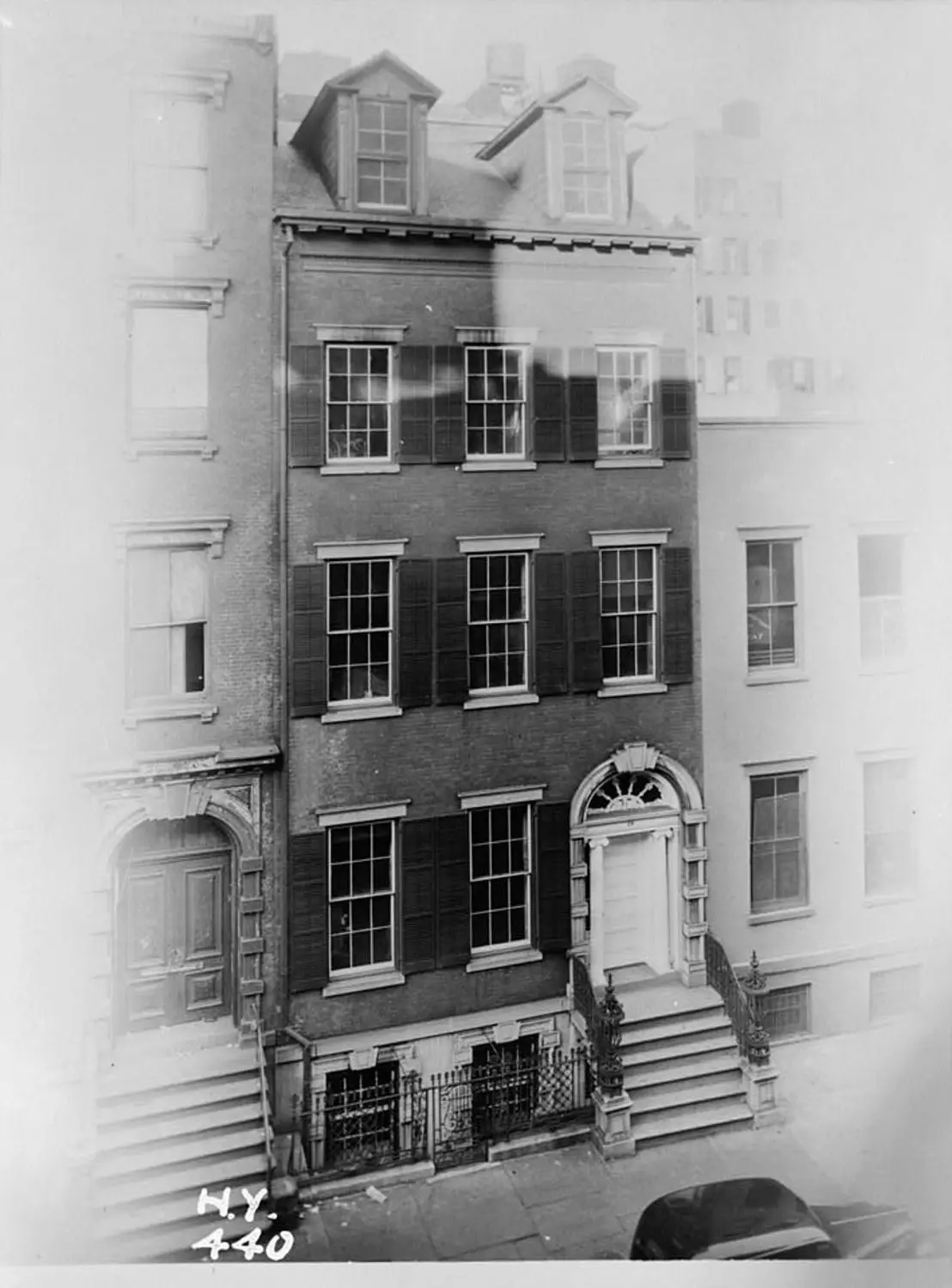
Merchant's House Museum
The Merchant's House Museum on East 4th Street is the 1832 home of the Tredwell family, preserved with their belongings.
Documented AccountsOpen to visitorsAlso a museum · also reported: shadow figures, being touched
Museum · Richmond, VA
Edgar Allan Poe Museum
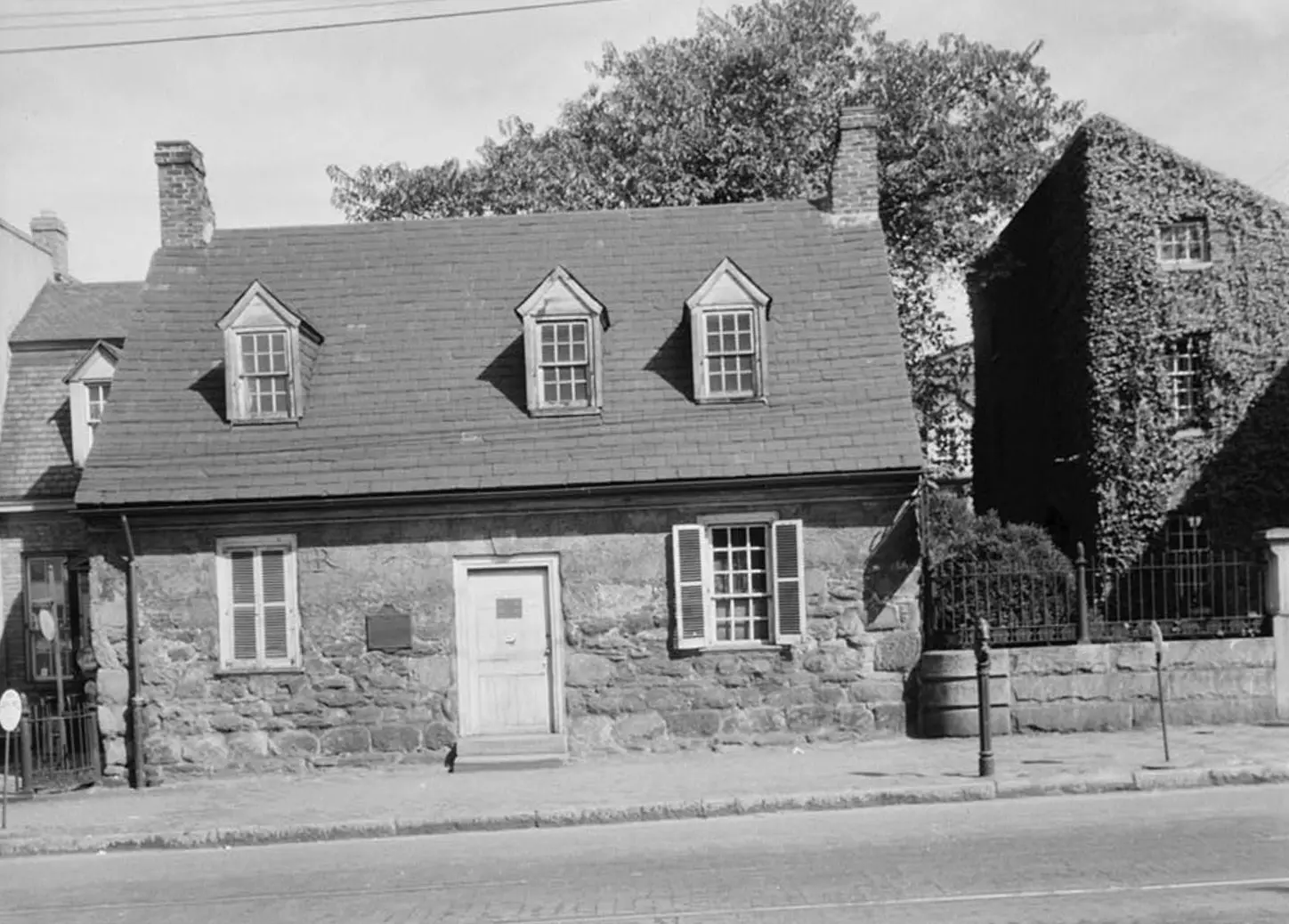
The Poe Museum in Richmond occupies the Old Stone House, the city's oldest house (about 1754, by tree-ring dating), once home of the Ege family; Poe never lived there.
UnverifiedOpen to visitorsAlso a museum · also reported: smells
Museum · New Orleans, LA
Hermann-Grima House
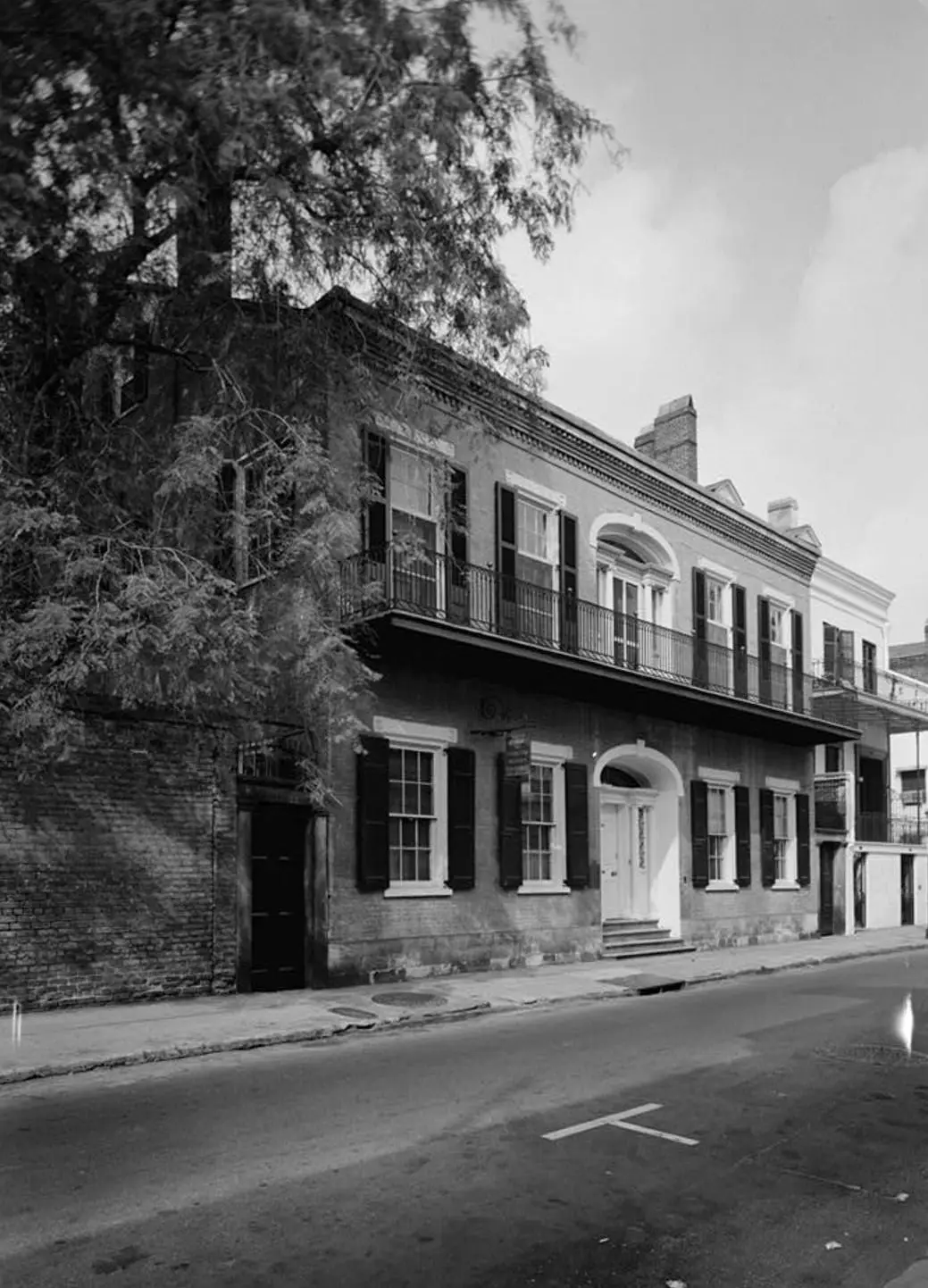
An 1831 townhouse museum in the French Quarter, built for broker Samuel Hermann and later home to notary Félix Grima's family.
UnverifiedTours onlyAlso a museum · also reported: being touched
Museum · Franklin, TN
The Carter House
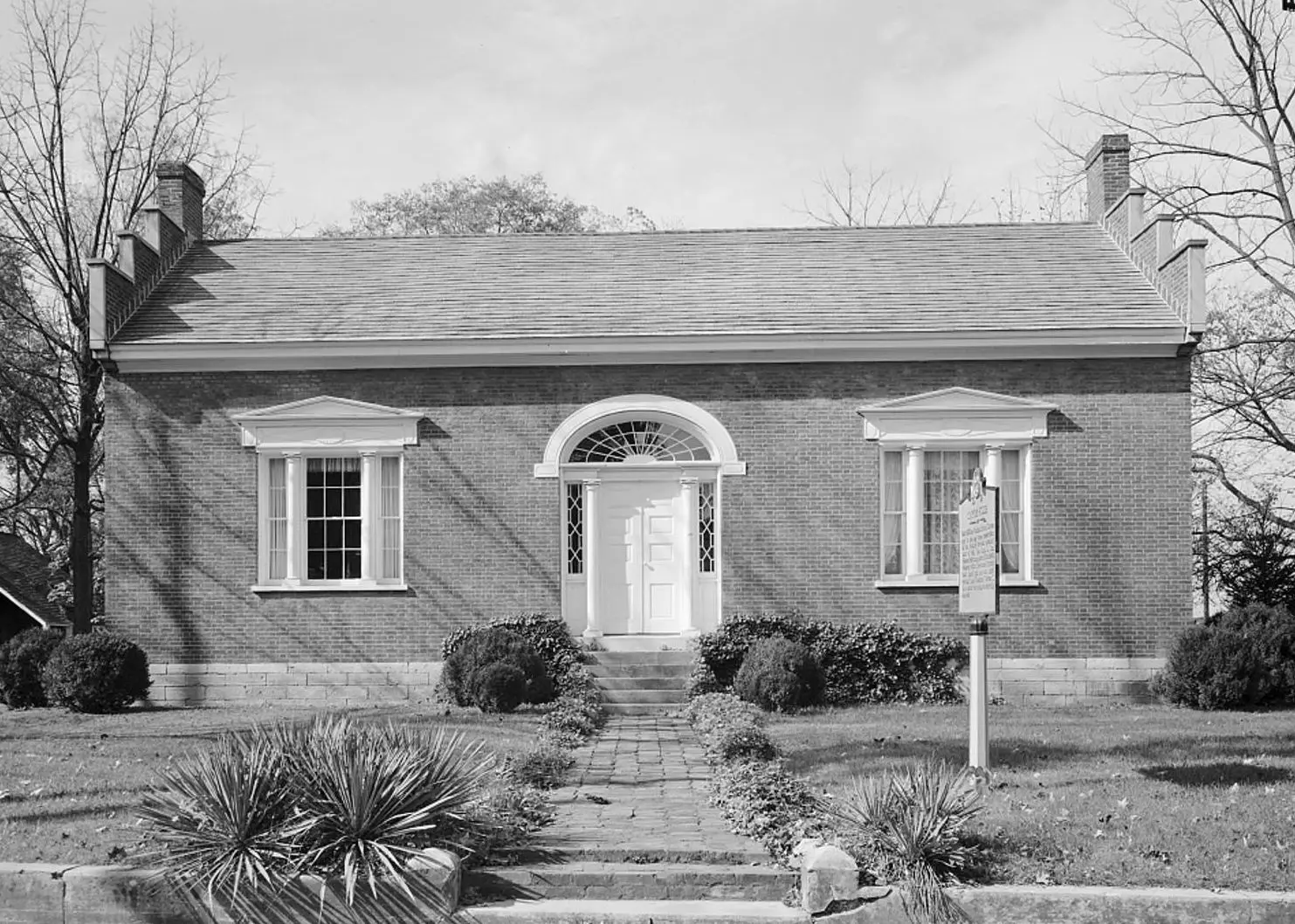
The Carter House in Franklin is the 1830 farmhouse of Fountain Branch Carter, who enslaved 28 people there.
Documented AccountsTours only