← Virginia Beach Ferry Plantation House
Ferry Plantation House
Grace Sherwood and its ghost stories
Virginia Beach, Virginia
Ferry Plantation House is an 1830 brick house on the Lynnhaven River in Virginia Beach, built from the ruins of the Walke manor on an old ferry and courthouse site.
What do we know about Ferry Plantation House?
Every ghost account comes from the museum, its volunteers or caretakers it describes, so they count as one origin. Its investigators' recordings and photographs, including the name 'Henry', are device output, not history.
Our rating of the reports about Ferry Plantation House: Unverified. A haunted reputation or legend, but no traceable account of an experience so far. The rating describes the evidence for the reports, not whether the place is haunted.
- Reported account
- 1
- Counted for the rating
- 0
- Research sources
- 6
Counted for the rating: independent accounts we could trace to a witness. Retellings of the same story count once, and staff passing on what visitors said aren’t counted. How we count
Reported experiences don’t establish a supernatural cause.
Read our evidence assessment →The hauntings
Accounts, encounters and stories associated with Ferry Plantation House.
What has been reported?
- Apparitions
- Electrical
- Being touched
Phenomena described in accounts associated with this location — not independently verified events.
Reported experiences
1 published and reported account, each assessed by its source.
Account 01 · October 17, 2023 · 3 versions
WHRO Public Media, 2023
The museum says caretakers hired in the 1980s, while the house stood empty, regularly saw the figure of an elderly African American man come up from the basement, kneel at the west wall of a room as if at some task, and leave; a fireplace was…
- Apparitions
- Electrical
- Being touched
Published accountReported by Unnamed caretakers (via the Ferry Plantation museum)Note: Caretakers unnamed and the account relayed by the museum. The museum adds that investigators' EVP recordings named him Henry; recordings are device output, not history or evidence.
Read full account ›
The museum says caretakers hired in the 1980s, while the house stood empty, regularly saw the figure of an elderly African American man come up from the basement, kneel at the west wall of a room as if at some task, and leave; a fireplace was later found behind that wall.[5]
Volunteers say lights on the third floor are often found switched on when the house is opened after being closed with every light off, and a former docent saw two children pressed against the wall at the top of the stairs before they vanished.[5]
A volunteer told WHRO in 2023 that during a tour a visitor suddenly raised his arm and walked off, saying something had grabbed his hand and pulled him through the house; volunteers name 11 spirits they say remain.[6]
Note: Unnamed volunteers and docent, relayed by the museum.
Note: A museum volunteer's account; same origin as the museum's own stories.
Legends & disputed stories
Stories told about the place that the records don’t confirm.
- Legend
The museum links a little girl with ringlets seen by several people to Bessie McIntosh, said to have died in 1860 aged five, and an image in a window photograph to Charles McIntosh's pregnant widow; it hires the house out for overnight paranormal investigations.[5]
What the research shows: Identifications made by the museum and investigators; photographs are not counted.
Before you go
Planning a visit?
Tours only
Visits are by guided tour or organized event.
Access details ›
Volunteer-run museum; tours must be booked more than 12 hours ahead, with walk-ins on some dates. The museum also rents the house for overnight paranormal investigations for a donation, so it operates partly as a paid ghost attraction; its ghost marketing is not evidence. The house sits in a residential neighborhood. Check the official site for availability.
Entry
Cost not confirmed
Access last checked November 19, 2026. Confirm times and prices before you travel.
Approximate location, within about 1 km.
The history of Ferry Plantation House
Ferry Plantation House is an 1830 brick house on the Lynnhaven River in Virginia Beach, built from the ruins of the Walke manor on an old ferry and courthouse site. It is tied to Grace Sherwood, Virginia's 'witch', tried by water nearby in 1706 and pardoned there in 2006. The museum and its volunteers report a kneeling figure, children on the stairs and lights switching on; no outside witness is named. Tours are by booking.
- Established
- 1830
- Also known as
- Old Donation Farm
A ferry on the Lynnhaven
Ferry Plantation takes its name from a ferry that ran from this point on the Lynnhaven River from 1642. In 1730 two acres were deeded to Princess Anne County for its third courthouse, which has not yet been found; the museum believes part of the old kitchen wing may be it. The Walke family built a brick manor here about 1751. After it burned about 1828, George McIntosh and his wife Anna, a Walke, built the present Federal-style house from the salvaged bricks about 1830 for their son Charles. The Walkes were a prominent planter family, and the museum describes part of the old kitchen as quarters for enslaved people, but we have not yet found a documentary record of the people enslaved here.
Charles McIntosh, the museum says, left the U.S. Navy when Virginia seceded and died in 1862 commanding the Confederate ironclad Louisiana. The house stayed in his family for more than 60 years, stood empty from 1987 to 1996, and is now being restored as a museum by volunteers with the City of Virginia Beach.
Grace Sherwood
The plantation is tied to Virginia's best-known witchcraft case. Grace Sherwood of Pungo was accused by neighbors from 1698 and charged in 1706. On July 10, 1706, she was 'tried by water' in a branch of the Lynnhaven River; she floated, was searched for marks and was jailed. She was free by 1714 and died about 1740. The museum says the courthouse that heard part of her case stood on the plantation. On July 10, 2006, Governor Timothy Kaine pardoned her, and the pardon was read at the annual reenactment of her trial at Ferry Plantation House.
Through the years
1706
Grace Sherwood tried by water
Grace Sherwood of Pungo, accused of witchcraft by neighbors from 1698, was charged by Luke and Elizabeth Hill in 1706. On July 10, 1706, she was 'tried by water' in a branch of the Lynnhaven River; she floated,…
Read more ›
Grace Sherwood of Pungo, accused of witchcraft by neighbors from 1698, was charged by Luke and Elizabeth Hill in 1706. On July 10, 1706, she was 'tried by water' in a branch of the Lynnhaven River; she floated, a jury of women reported marks on her body, and she was jailed to await another trial that the records do not show taking place. She was free by 1714 and died about 1740.[3]
Caveat: The museum says the courthouse that held part of her trial stood on the plantation; Encyclopedia Virginia does not place the trial there, and the trial-by-water site is traditionally Witchduck Point.
1730
Courthouse site deeded
In 1730 two acres of the property were deeded to the county for the third Princess Anne County courthouse; a later Walke manor stood so close to it that the old courthouse was used as its kitchen.[1][2]
Caveat: The courthouse has not been found archaeologically; the museum dates the brick courthouse to 1735 and suggests the house's old kitchen wing may be it, which tree-ring dating was testing in 2004.
1830
Present house built
Anthony Walke III built a brick manor house here about 1751; after fires it burned again about 1828, and about 1830 George McIntosh and his wife Anna, a Walke, built the present Federal-style house from its salvaged bricks for their son Charles.[4][2]
Caveat: The Walkes were a prominent planter family and the museum calls part of the old kitchen the quarters of enslaved people, but we did not find a documentary source naming the people the Walke and McIntosh families enslaved here.
2005
National Register listing
The house stayed in the McIntosh family for more than 60 years, passed through two more families, stood empty from 1987 to 1996, and is being restored as a museum by the Friends of the Ferry Plantation House…
Read more ›
The house stayed in the McIntosh family for more than 60 years, passed through two more families, stood empty from 1987 to 1996, and is being restored as a museum by the Friends of the Ferry Plantation House with the City of Virginia Beach. It was listed on the National Register in 2005.[1][4][2]
2006
Grace Sherwood pardoned
On July 10, 2006, exactly 300 years after her trial by water, Governor Timothy Kaine pardoned Grace Sherwood; the pardon was read aloud during the annual reenactment of her trial at Ferry Plantation House.[3]
The research conclusion

Why it has this rating
No traceable account of an experience: every story, of caretakers in the 1980s, a former docent and a visitor grabbed by the hand, is relayed by the museum or its volunteers without a named witness describing their own experience. Staff reports of what others experienced are not counted, so this is Unverified. Grace Sherwood's 1706 case is documented history, and the 'Henry' name comes from ghost-hunting recordings.
Read the full written assessment ›
The house's construction, the ferry and courthouse site and the Walke and McIntosh ownership are documented by the 2005 National Register nomination. Grace Sherwood's case is documented history from the county court records, summarized by Encyclopedia Virginia; the museum's claim that her trial was partly heard on the plantation is not confirmed there.
Every ghost account comes from the museum, its volunteers or caretakers it describes, so they count as one origin. Its investigators' recordings and photographs, including the name 'Henry', are device output, not history.
The sources behind the story
6 research references support this entry.

1Ferry Plantation (Friends of the Ferry Plantation House)Learn About Our History On The Lynnhaven Official or site history · Reference 01
Learn About Our History On The Lynnhaven. Ferry Plantation (Friends of the Ferry Plantation House).
Museum's own history: 1642 ferry; says the second Princess Anne courthouse, which 'held part of the trial of Grace Sherwood', stood on the plantation near Old Donation Church, and that the third, brick courthouse was built there in 1735 and later used as the Walke kitchen; 1828 fire; 1830 house; Charles McIntosh's Confederate naval service. Interested source; not independently confirmed.
Accessed November 17, 2026.
2Virginia Department of Historic ResourcesNational Register of Historic Places Registration Form: Ferry Plantation House (ref. 04001545) Register or nomination · Reference 02
National Register of Historic Places Registration Form: Ferry Plantation House (ref. 04001545). Virginia Department of Historic Resources, 2004.
Nomination listed January 20, 2005: ferry from 1642 under Savill Gaskin; two acres deeded in 1730 for the third Princess Anne County courthouse (not yet located archaeologically); Walke manor about 1751, burned about 1828; present house built about 1830 by George McIntosh for his son Charles from salvaged bricks; vacant 1987-1996. UTM 18 400323 4080145. Says nothing about enslaved people, Grace Sherwood or ghosts.
Accessed November 17, 2026.
3Encyclopedia Virginia (Virginia Humanities)Sherwood, Grace (ca. 1660–1740) Website · Reference 03
Monica C. Witkowski, Sherwood, Grace (ca. 1660–1740). Encyclopedia Virginia (Virginia Humanities).
Scholarly encyclopedia entry built on the Princess Anne County court records: the 1698 slander suits, the 1706 witchcraft charge, the water test of July 10, 1706, imprisonment, release by 1714, death about 1740, and the 2006 pardon read at the trial reenactment at Ferry Plantation House.
Accessed November 17, 2026.
4Virginia Department of Historic Resources134-0011 Ferry Plantation House Official or site history · Reference 04
134-0011 Ferry Plantation House. Virginia Department of Historic Resources.
State register summary: earlier manor about 1751, burned 1828; present Federal-style house built 1830 by George McIntosh for his son Charles; in the McIntosh family for over 60 years.
Accessed November 17, 2026.
5Ferry Plantation (Friends of the Ferry Plantation House)Paranormal Official or site history · Reference 05
Paranormal. Ferry Plantation (Friends of the Ferry Plantation House).
Museum's own ghost page: caretakers' sightings in the 1980s, lights turning on, a docent's sighting of two children, investigators' EVPs and photographs, and paid paranormal nights. The museum's staff, volunteers and caretakers count as one origin; its marketing is not evidence.
Accessed November 17, 2026.
6WHRO Public MediaHaunted Hampton Roads: The ghosts of Virginia Beach's Ferry Plantation House Television or radio · Reference 06
Connor Worley, Haunted Hampton Roads: The ghosts of Virginia Beach's Ferry Plantation House. WHRO Public Media, 2023-10-17.
Public media feature quoting two museum volunteers: the house's '11 spirits', an enslaved man named Henry said to have saved people in the 1828 fire, and a visitor whose hand was pulled during a tour. Volunteers' accounts belong to the museum's origin.
Accessed November 17, 2026.
More haunted places
Explore nearby
Fort
Fort Monroe National Monument
Hampton, Virginia · 14 miles away · Open to visitors
Historic house
Bacon's Castle
Virginia · 37 miles away · Tours only
Historic house
Peyton Randolph House
Williamsburg, Virginia · 43 miles away · Open to visitors
Historic house
George Wythe House
Williamsburg, Virginia · 43 miles away · Open to visitors
Similar places
Also a historic house · also reported: electrical, being touched
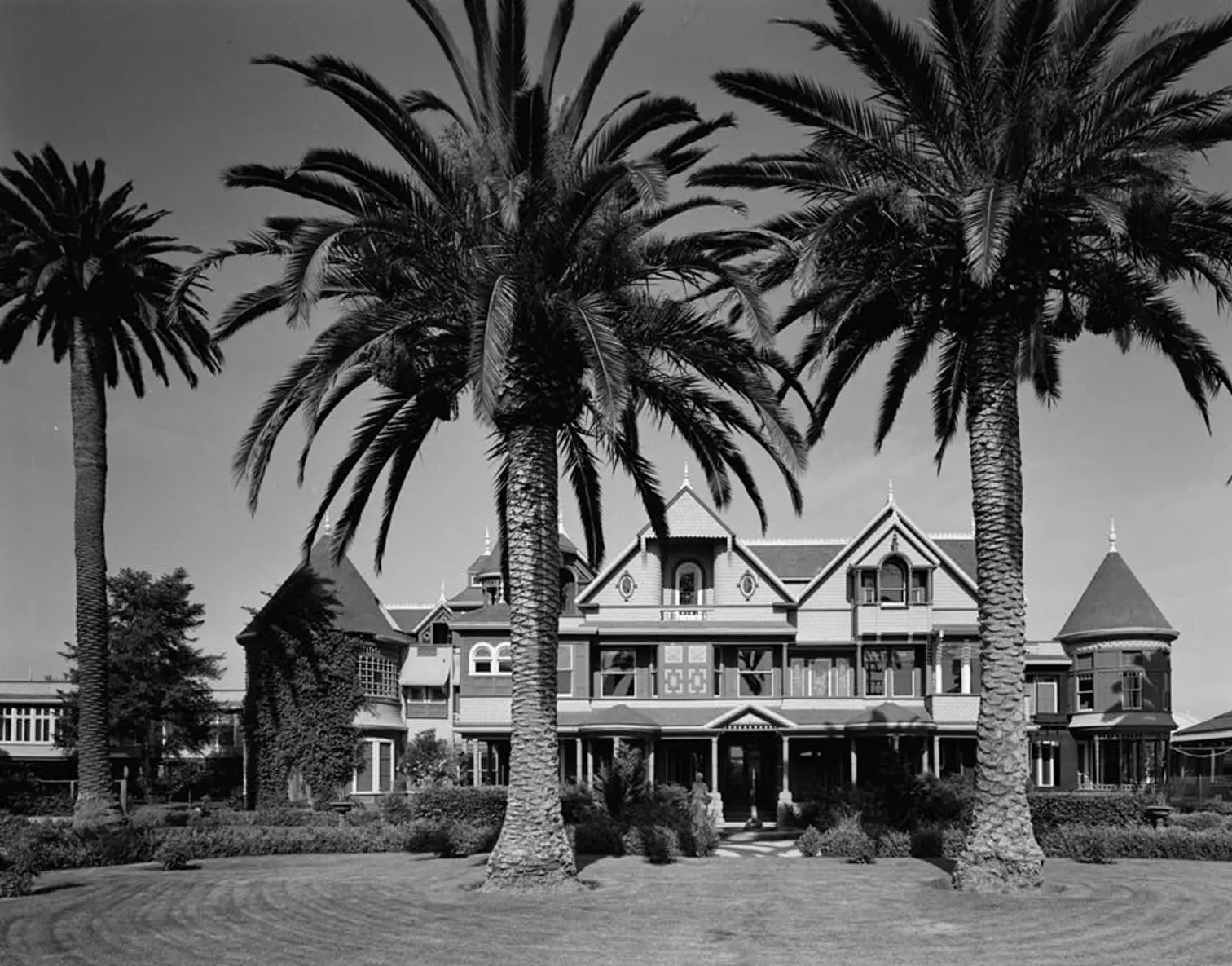
Historic house · San Jose, CA
Winchester Mystery House
Footsteps, touches and apparitions reported by the house’s own staff over forty years.
Documented AccountsTours onlyAlso a historic house · also reported: electrical
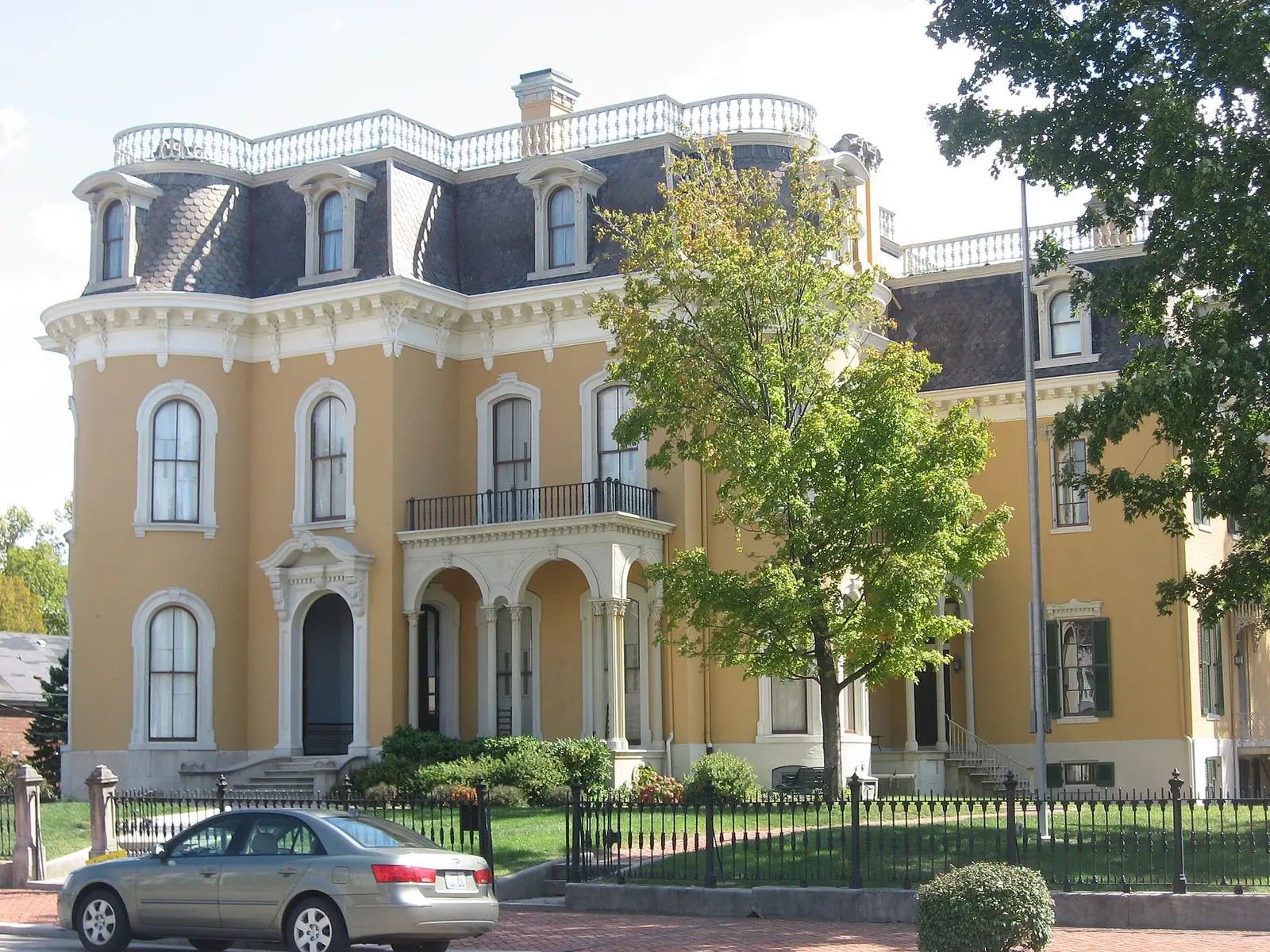
Historic house · New Albany, IN
Culbertson Mansion State Historic Site
Culbertson Mansion is a Second Empire house built just after the Civil War for William S. Culbertson, one of Indiana's wealthiest men, and now a state historic site.
Documented AccountsTours onlyAlso a historic house · also reported: electrical
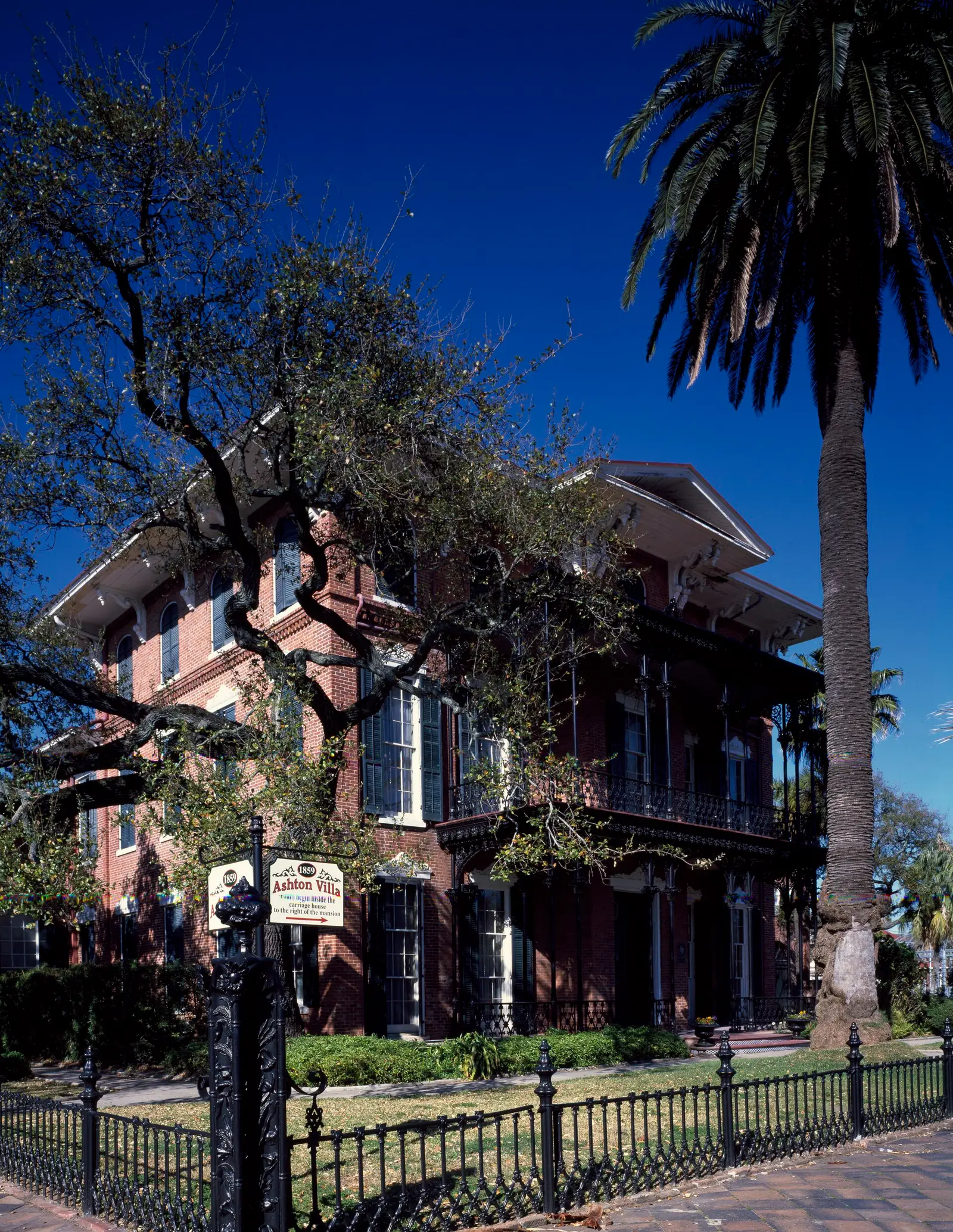
Historic house · Galveston, TX
Ashton Villa
Ashton Villa is a brick mansion in Galveston, built about 1859 by merchant James Moreau Brown partly with the labor of enslaved people; its 1969 National Register form gives 1858.
Documented AccountsTours onlyAlso a historic house · also reported: electrical
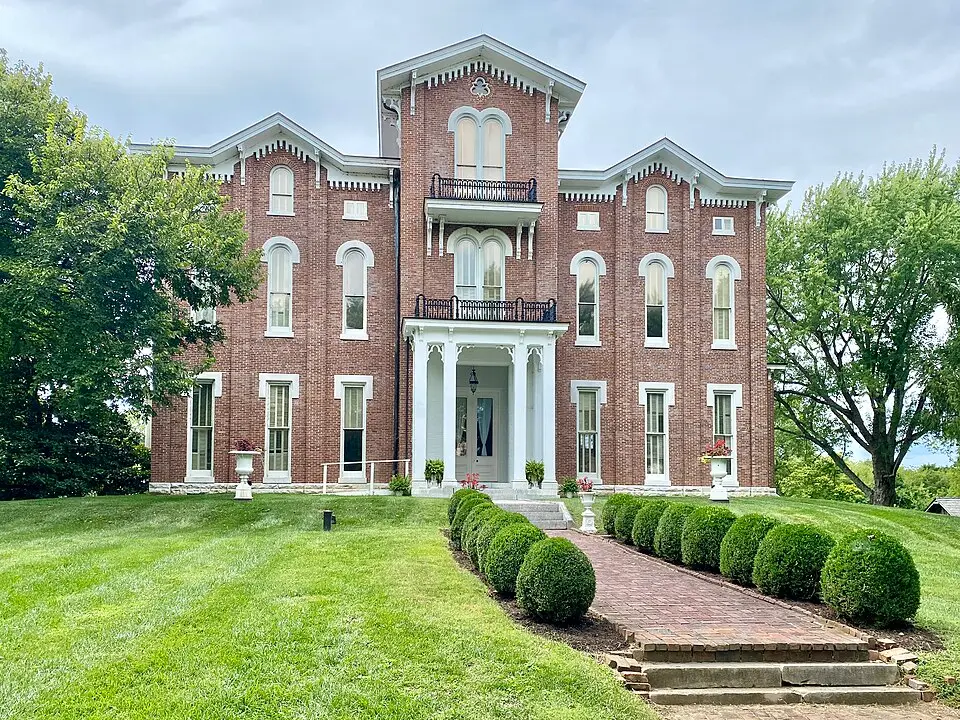
Historic house · KY
White Hall State Historic Site
White Hall, near Richmond, Kentucky, is the home of the antislavery politician Cassius Marcellus Clay, built on a house his father, a major enslaver, finished in 1799.
Documented AccountsTours only