← New York Morris-Jumel Mansion
Morris-Jumel Mansion
Washington's headquarters, Eliza Jumel and the ghost stories
New York, New York
The Morris-Jumel Mansion in Washington Heights, built in 1765, is Manhattan's oldest house and was Washington's headquarters in 1776. Its ghost stories center on Eliza Jumel, who died in 1865.
What do we know about Morris-Jumel Mansion?
The ghost evidence is two independent accounts: a governess's description, printed in 1916, of rappings in the house around 1868 that the family blamed on Madame Jumel, and a 1964 newspaper report of schoolchildren seeing a woman on the balcony, which we know only through Hans Holzer's retelling.
Our rating of the reports about Morris-Jumel Mansion: Documented Accounts. At least one traceable published or first-hand account of an unexplained experience. We check that the reports exist, not the supernatural. The rating describes the evidence for the reports, not whether the place is haunted.
- Reported accounts
- 4
- Counted for the rating
- 2
- Research sources
- 5
Counted for the rating: independent accounts we could trace to a witness. Retellings of the same story count once, and staff passing on what visitors said aren’t counted. How we count
Reported experiences don’t establish a supernatural cause.
Read our evidence assessment →The hauntings
Accounts, encounters and stories associated with Morris-Jumel Mansion.
What has been reported?
- Apparitions
- Knocking
- Voices
- Footsteps
Phenomena described in accounts associated with this location — not independently verified events.
Reported experiences
4 published and reported accounts, each assessed by its source.
Account 01 · 1916
Mademoiselle Nitschke, 1916
A governess who lived in the house from about 1868, three years after Madame Jumel's death, described a household member who was in nightly terror of Madame Jumel's ghost, and a still September night when loud raps sounded under a chair and in the walls, seemed…
- Apparitions
- Knocking
Published accountReported by Mademoiselle Nitschke, governess in the house c. 1868 (in William Henry Shelton, The Jumel Mansion, 1916)Note: Told to William Henry Shelton decades later; the governess said she did not believe in ghosts, and the bedside sighting is secondhand.
Read full account ›
A governess who lived in the house from about 1868, three years after Madame Jumel's death, described a household member who was in nightly terror of Madame Jumel's ghost, and a still September night when loud raps sounded under a chair and in the walls, seemed to answer questions with knocks, and drummed on a window and a tin pail. She said another member of the household claimed Madame Jumel had come to his bedside in white.[3]
Account 02 · January 11, 1964
Schoolchildren from P.S. 164, 1964
On January 11, 1964, the New York Journal-American reported that children on a school field trip said a tall, gray-haired elderly woman stepped onto the balcony before opening time and told them to be quiet, then went back inside; the curator said the house was locked…
- Apparitions
- Voices
Published accountReported by Schoolchildren from P.S. 164 (via the New York Journal-American, 1964, and Hans Holzer)Note: We could not access the 1964 article; it is known to us through Hans Holzer's retelling, which says he later questioned the children and their story was unchanged.
Read full account ›
Account 03 · 1997
Hans Holzer, 1997
Hans Holzer held a seance at the house on January 19, 1964, with the medium Ethel Meyers, who he said spoke for Stephen Jumel; the curator told him a nurse had heard strange noises in 1865, that visitors had heard footsteps, and that a retired guard…
- Apparitions
- Footsteps
No traceable witnessReported by Hans Holzer, ghost hunterNote: Mediumship is not counted as an account of an experience, and the curator's examples are secondhand without named witnesses.
Read full account ›
Hans Holzer held a seance at the house on January 19, 1964, with the medium Ethel Meyers, who he said spoke for Stephen Jumel; the curator told him a nurse had heard strange noises in 1865, that visitors had heard footsteps, and that a retired guard had seen Madame Jumel.[4]
Account 04 · October 31, 2011
The mansion's executive director in 2011
In 2011 the mansion's executive director told DNAinfo that nothing supernatural had happened in his twelve years working there; a ghost-hunting group's meters registered readings that its leader put down to natural causes.[5]
Published accountReported by The mansion's executive director in 2011 (via DNAinfo)Note: An account of experiencing nothing, not of an experience; meter readings are device output.
Read full account ›
In 2011 the mansion's executive director told DNAinfo that nothing supernatural had happened in his twelve years working there; a ghost-hunting group's meters registered readings that its leader put down to natural causes.[5]
Legends & disputed stories
Stories told about the place that the records don’t confirm.
- Legend
Later stories say a schoolteacher saw a Hessian soldier step out of a painting, and that one of Madame Jumel's maids died after jumping from a second-story balcony.[5]
What the research shows: No witness or date is given, and we found no record of the maid's death.
Before you go

Not open to visitors
Location
65 Jumel Terrace, New York, NY 10032
Closed
Closed to visitors, or demolished.
Access details ›
House museum in Roger Morris Park, Washington Heights. As of our check, regular tours are suspended during exterior restoration by the City of New York, with only limited candlelight visits on some December weekends; the park is free and open daily. The museum also sells paid after-dark 'paranormal investigations', and that marketing is not evidence.
Access last checked November 19, 2026.
Please visit responsibly
This place isn’t open to visitors. Don’t trespass: view it from public land, or learn about it from local museums and archives.
The history of Morris-Jumel Mansion
The Morris-Jumel Mansion in Washington Heights, built in 1765, is Manhattan's oldest house and was Washington's headquarters in 1776. Its ghost stories center on Eliza Jumel, who died in 1865. A governess described rappings blamed on her ghost around 1868, and in 1964 a newspaper reported schoolchildren seeing an old woman on the balcony tell them to be quiet. The museum is closed for restoration except for limited events.
- Established
- 1765
- Also known as
- Jumel Mansion
Manhattan's oldest house
The mansion was built in 1765 as Mount Morris, a summer house for the British officer Roger Morris and his wife Mary Philipse Morris. The museum says the actual laborers are unknown and may have included enslaved people whom the Morrises owned or hired from other enslavers. The Morrises, who were Loyalists, left during the Revolution, and in 1776 George Washington used the empty house as his headquarters for about five weeks; British and Hessian troops occupied it afterward. A receipt from that autumn records payment to a Black woman named Martha for washing laundry at the house.
The merchant Stephen Jumel and his wife Eliza bought the house in 1810. Stephen died in 1832, and the next year Eliza married Aaron Burr in the front parlor; she filed for divorce four months later. In 1841 she hired Anne Northup, the wife of Solomon Northup, as her cook. Eliza died in 1865, and her estate was fought over in the courts for years. The city bought the house in 1903, and it has been a museum since.
Through the years
1765
Mount Morris built
The house was built in 1765 as Mount Morris, a summer house for the British officer Roger Morris and his wife Mary Philipse Morris; it is Manhattan's oldest surviving house.[1]
1776
Washington's headquarters
George Washington used the abandoned house as his headquarters for about five weeks in the autumn of 1776; British and Hessian troops later occupied it until 1783. A receipt of October 19, 1776, records payment to a Black…
Read more ›
George Washington used the abandoned house as his headquarters for about five weeks in the autumn of 1776; British and Hessian troops later occupied it until 1783. A receipt of October 19, 1776, records payment to a Black woman named Martha for washing laundry at the house.[1][2]
Caveat: The museum says Martha's status, enslaved or free, is uncertain.
1833
Eliza Jumel marries Aaron Burr
Stephen and Eliza Jumel bought the house in 1810. Stephen died in 1832, and in 1833 Eliza married Aaron Burr in the front parlor, filing for divorce four months later.[1]
1841
1841
In the summer of 1841 Eliza Jumel hired Anne Northup, the wife of Solomon Northup, as her cook; her daughters worked as maids and her son as a footman.[2]
1903
City buys the house
Eliza Jumel died in 1865 and her estate was contested in court for years; the City of New York bought the house in 1903 and it became a museum. It was listed on the National Register in 1966…
Read more ›
Eliza Jumel died in 1865 and her estate was contested in court for years; the City of New York bought the house in 1903 and it became a museum. It was listed on the National Register in 1966 and made a city landmark in 1967.[1]
The research conclusion

Why it has this rating
Two origins: a governess's account of rappings around 1868, printed in Shelton's 1916 history of the house, and a 1964 newspaper report of schoolchildren seeing a woman on the balcony, known through Hans Holzer. Holzer's séance is mediumship and isn't counted.
Read the full written assessment ›
The house's history, from its 1765 building to Eliza Jumel's death in 1865, is documented by the museum, which also says the people who built it are unknown and may have been enslaved.
The ghost evidence is two independent accounts: a governess's description, printed in 1916, of rappings in the house around 1868 that the family blamed on Madame Jumel, and a 1964 newspaper report of schoolchildren seeing a woman on the balcony, which we know only through Hans Holzer's retelling. Holzer's seances, later stories of a soldier stepping out of a painting, and investigators' readings are not counted, and the museum's director in 2011 said he had seen nothing supernatural in twelve years.
The sources behind the story
5 research references support this entry.

1Morris-Jumel MansionHistory of the House Official or site history · Reference 01
History of the House. Morris-Jumel Mansion.
Museum's timeline: built 1765 for Roger Morris and Mary Philipse Morris as Mount Morris, possibly by enslaved laborers; Washington's headquarters for about five weeks in 1776, then British and Hessian troops until 1783; Jumels bought it 1810; Stephen died 1832; Eliza married Aaron Burr in the front parlor in 1833 and filed for divorce four months later; Eliza died 1865; city bought it in 1903 for $235,000; NRHP 1966, city landmark 1967 and 1975.
Accessed November 17, 2026.
2Morris-Jumel MansionOur Stories: Black Histories at the Morris-Jumel Mansion Official or site history · Reference 02
Our Stories: Black Histories at the Morris-Jumel Mansion. Morris-Jumel Mansion.
Museum research: the builders are unknown; a 'Martha' appears in Morris letters (status uncertain) and a receipt of October 19, 1776 pays a Black woman named Martha for laundry during Washington's stay; Eliza Jumel hired Anne Northup as cook in summer 1841, with her daughters as maids and son as footman.
Accessed November 17, 2026.
3Houghton Mifflin (digitized by Internet Archive)The Jumel Mansion: being a full history of the house on Harlem Heights built by Roger Morris before the Revolution Book · Reference 03
William Henry Shelton, The Jumel Mansion: being a full history of the house on Harlem Heights built by Roger Morris before the Revolution. Houghton Mifflin (digitized by Internet Archive), 1916.
Scholarly house history. Pages 209–210 print the narrative of Mademoiselle Nitschke, governess in the house from about 1868, describing nightly rappings blamed on Madame Jumel's ghost, a night of raps answering questions, and Mr. Pery's claim that Madame Jumel came to his bedside in white. The governess says she did not believe in ghosts. Read from the Internet Archive full text.
Accessed November 17, 2026.
4Black Dog & Leventhal (digitized by Internet Archive)Ghosts: True Encounters with the World Beyond, chapter 'The Ghosts at the Morris-Jumel Mansion' Book · Reference 04
Hans Holzer, Ghosts: True Encounters with the World Beyond, chapter 'The Ghosts at the Morris-Jumel Mansion'. Black Dog & Leventhal (digitized by Internet Archive), 1997.
Ghost hunter's own book (first paperback 2004). Quotes a New York Journal-American article of January 11, 1964, by Joan Hanauer: children from P.S. 164 said a tall, gray-haired woman stepped onto the balcony and told them to be quiet; the curator said the house was locked. Describes Holzer's seance of January 19, 1964, with medium Ethel Meyers, and the curator's mention of earlier reports. Read from the Internet Archive full text.
Accessed November 17, 2026.
5DNAinfo New YorkGhost Hunters Chase Spirits at Manhattan's Oldest House Newspaper · Reference 05
Serena Solomon and Carla Zanoni, Ghost Hunters Chase Spirits at Manhattan's Oldest House. DNAinfo New York, 2011-10-31.
Local news report on a ghost-hunting group's night at the house: repeats the 1960s schoolchildren story, a schoolteacher who saw a Hessian soldier step out of a painting, and a maid who jumped from a balcony; the group's meters registered 'energy' but its leader said the house 'probably wasn't haunted tonight'; the executive director said nothing supernatural had happened in his 12 years there.
Accessed November 17, 2026.
More haunted places
Explore nearby
Similar places
Also a historic house · also reported: knocking, footsteps
Historic house · Trinway, OH
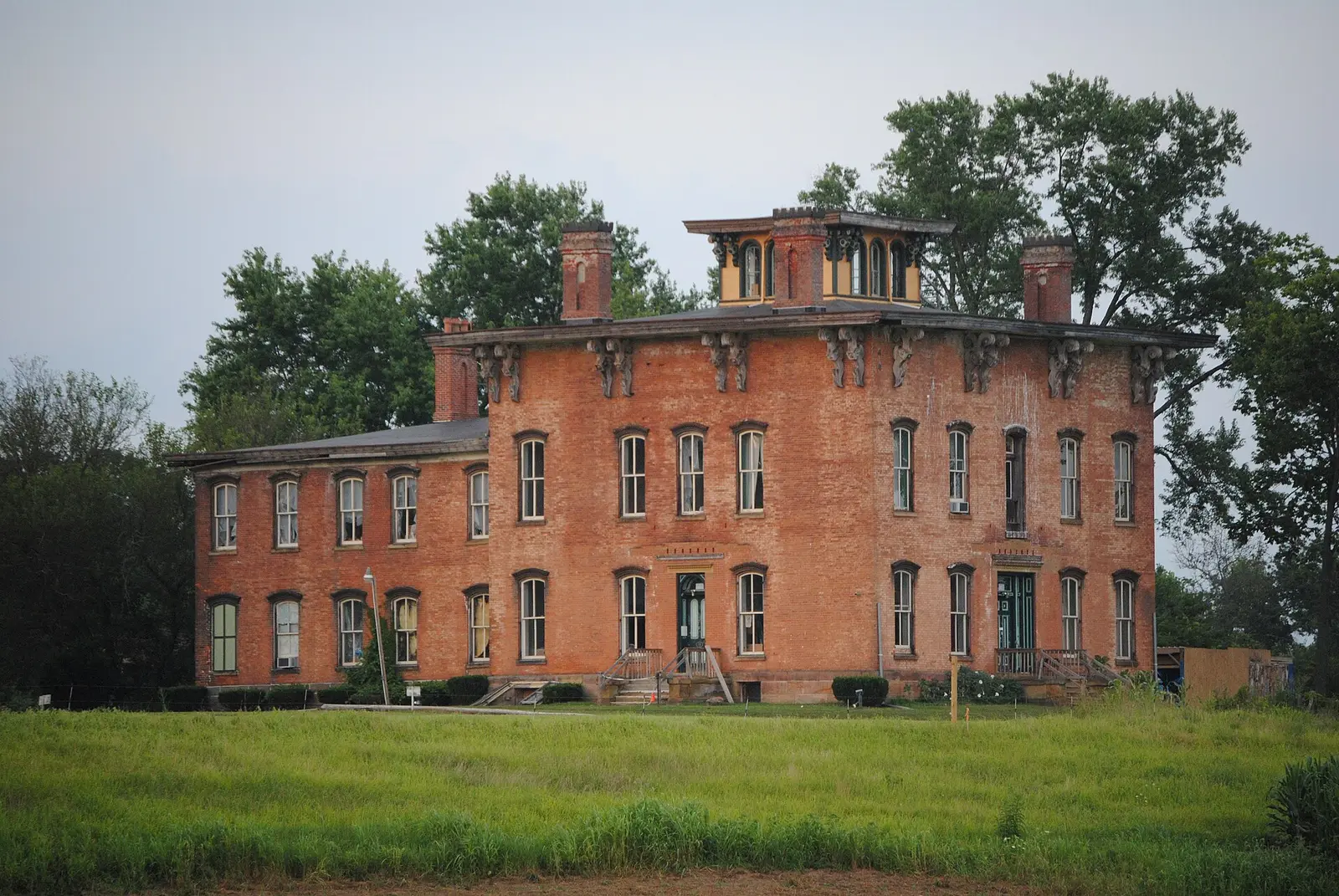
Prospect Place Mansion
Prospect Place is an 1856 Italian Villa-style mansion near Trinway built for George W. Adams, whose family left Virginia opposing slavery.
Documented AccountsOpen to visitorsAlso a historic house · also reported: knocking, footsteps
Historic house · TN
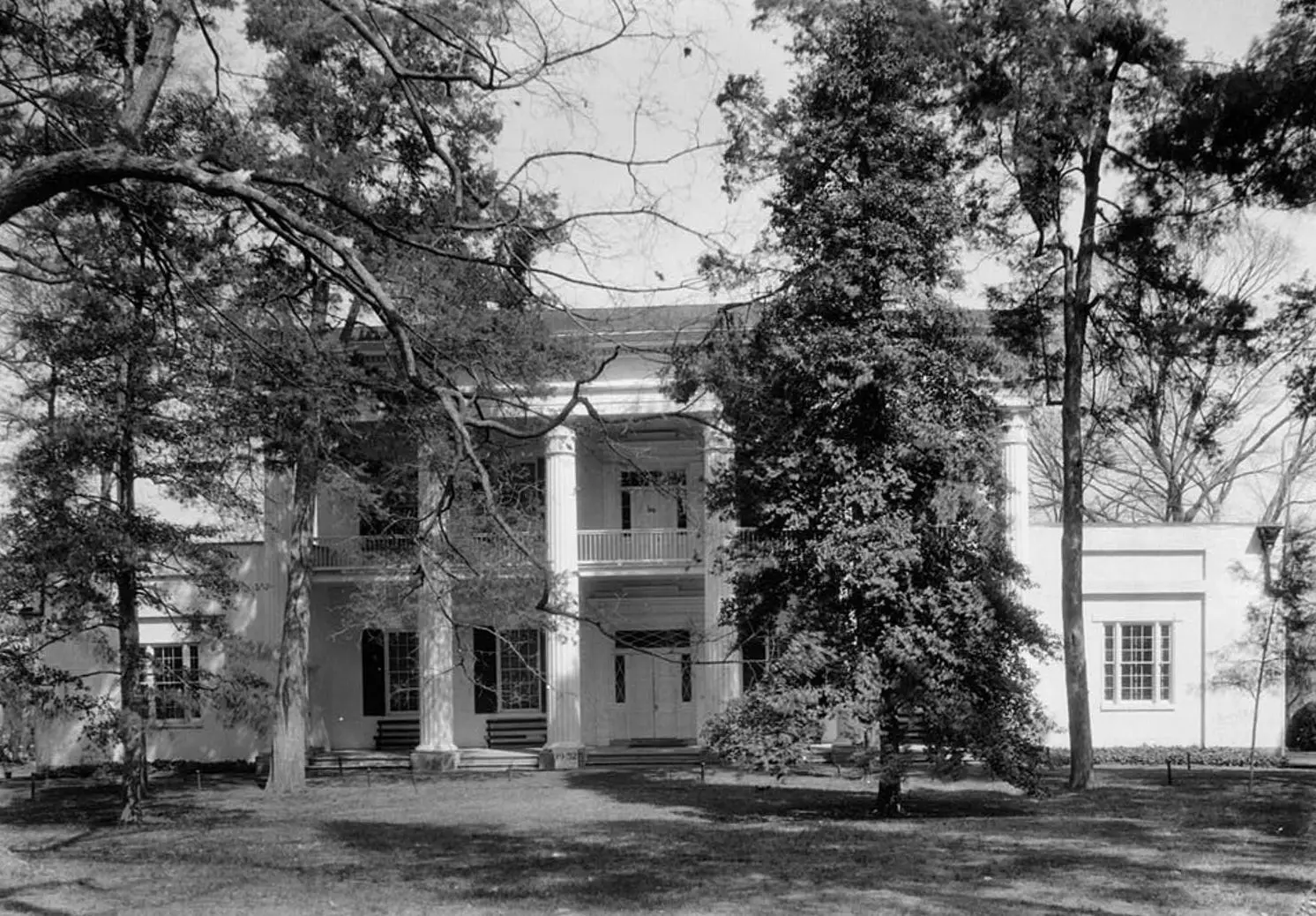
The Hermitage
The Hermitage is Andrew Jackson's plantation and mansion east of downtown Nashville, now a museum.
Documented AccountsOpen to visitorsAlso a historic house · also reported: knocking, footsteps
Historic house · Savannah, GA
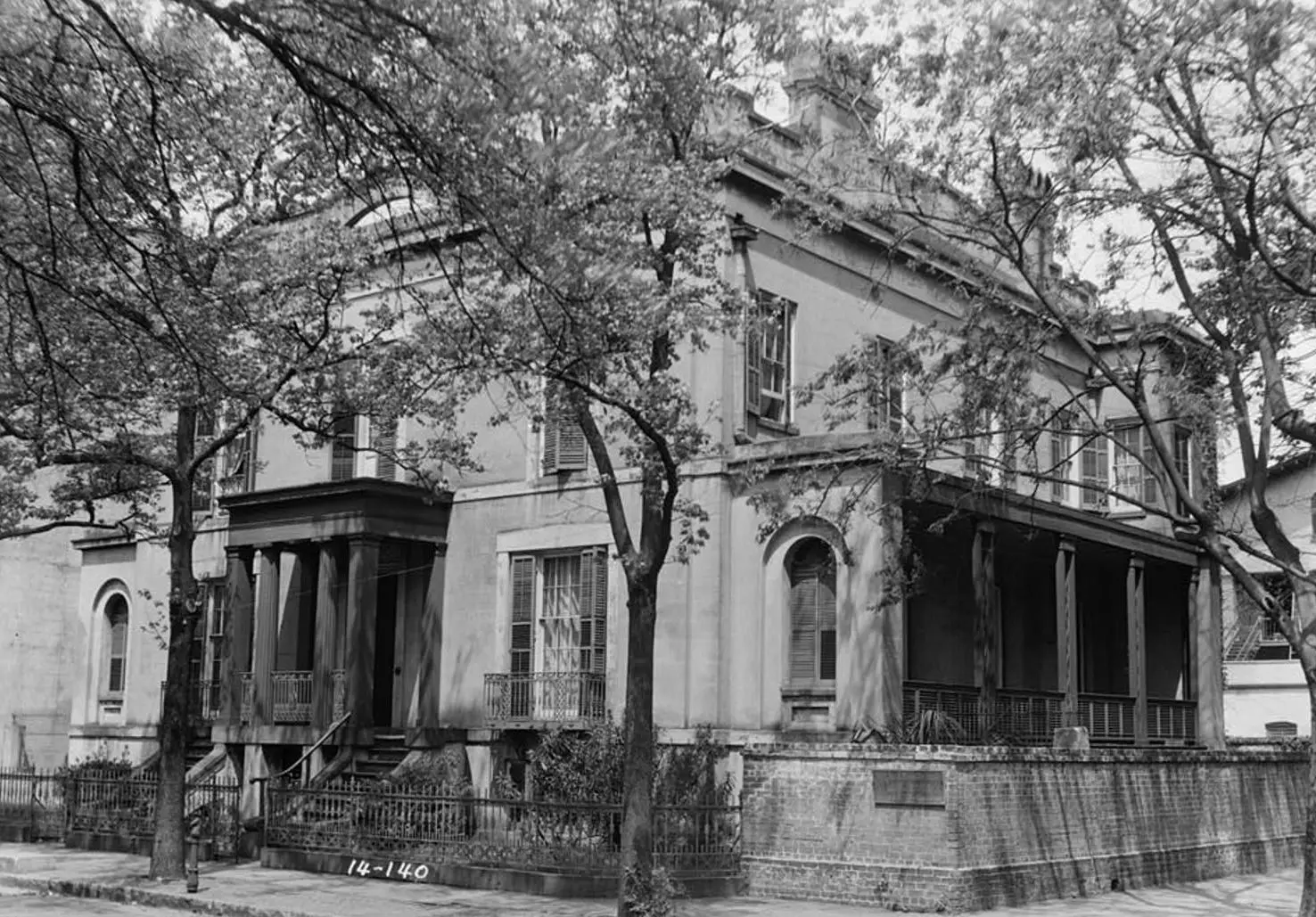
Sorrel-Weed House
The Sorrel-Weed House on Madison Square was built about 1840 for merchant Francis Sorrel, who enslaved people there.
Documented AccountsTours onlyAlso a historic house · also reported: knocking, footsteps
Historic house · Galveston, TX
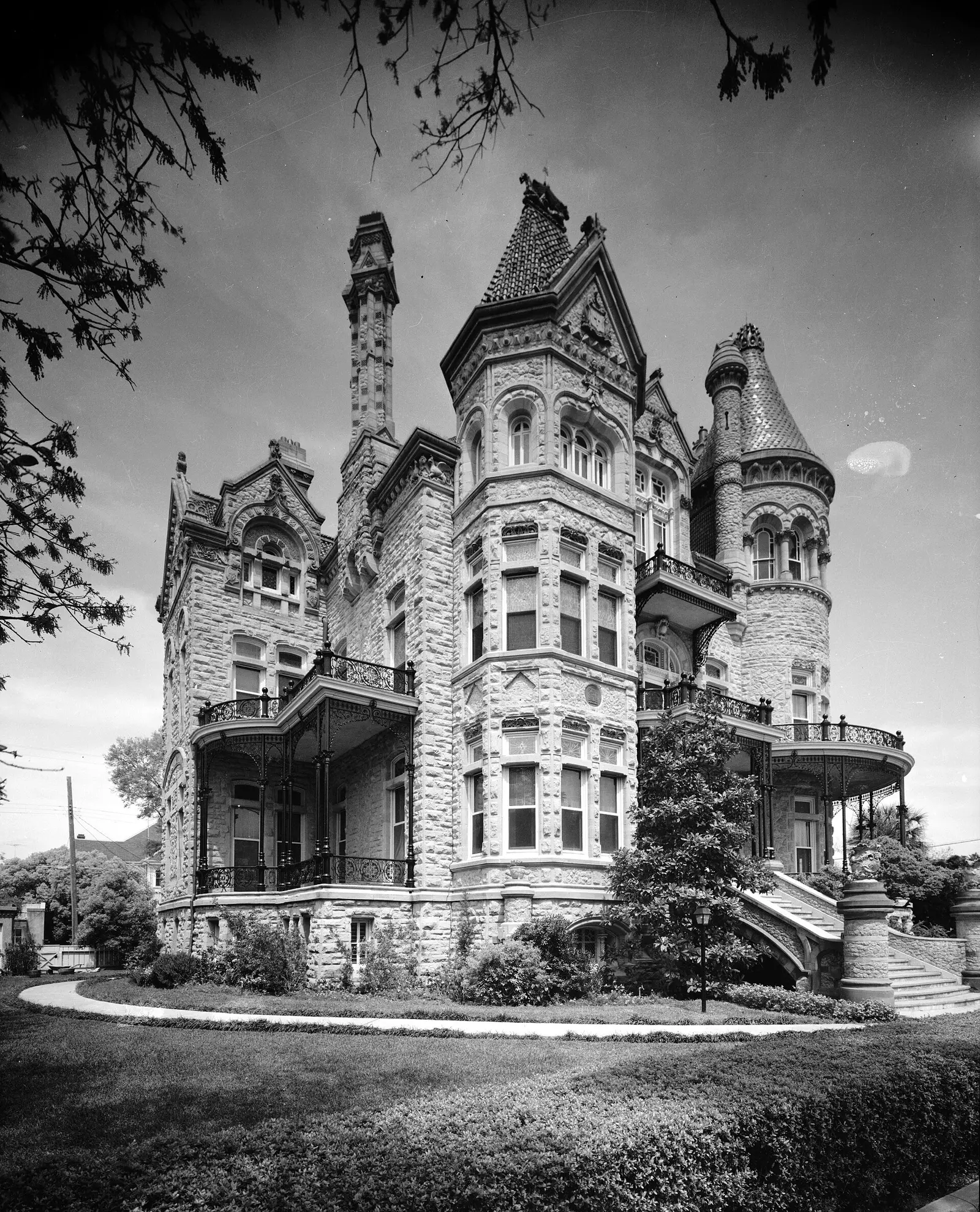
Bishop's Palace
The Bishop's Palace is an 1890s stone mansion in Galveston, built for lawyer Walter Gresham and later home to the city's Catholic bishop.
UnverifiedOpen to visitors