← Kentucky White Hall
White Hall
State Historic Site
Kentucky
White Hall, near Richmond, Kentucky, is the home of the antislavery politician Cassius Marcellus Clay, built on a house his father, a major enslaver, finished in 1799.
What do we know about White Hall?
The ghost evidence is modest. Two traceable sources describe experiences: ghost hunter Patti Starr (2011, read only in a blog reprint) and the site's head tour guide, who spoke to LEX 18 while promoting a paid ghost tour. They describe different things. Author Keven McQueen's lights and smells may not be first-hand, and the directory and tourism claims name no one.
Our rating of the reports about White Hall: Documented Accounts. At least one traceable published or first-hand account of an unexplained experience. We check that the reports exist, not the supernatural. The rating describes the evidence for the reports, not whether the place is haunted.
- Reported accounts
- 4
- Counted for the rating
- 2
- Research sources
- 8
Counted for the rating: independent accounts we could trace to a witness. Retellings of the same story count once, and staff passing on what visitors said aren’t counted. How we count
Reported experiences don’t establish a supernatural cause.
Read our evidence assessment →The hauntings
Accounts, encounters and stories associated with White Hall.
What has been reported?
- Apparitions
- Smells
- Electrical
- Doors
- Voices
- Footsteps
- Music
- Moving objects
- Phantom lights


Phenomena described in accounts associated with this location — not independently verified events.
Reported experiences
4 published and reported accounts, each assessed by its source.
Account 01 · July 9, 2011
Patti Starr, 2011
Ghost hunter Patti Starr, who wrote a chapter on White Hall in her book Ghosthunting Kentucky, told the Richmond Register she had encounters with children and with a woman in black who walks the hallways.[5]
- Apparitions
Published accountReported by Patti Starr, author of Ghosthunting Kentucky, to the Richmond Register (2011)Note: Read only in a blog reprint; her book was not consulted. A light in a wedding photo that she calls an apparition is device output and is not counted.
Read full account ›
Ghost hunter Patti Starr, who wrote a chapter on White Hall in her book Ghosthunting Kentucky, told the Richmond Register she had encounters with children and with a woman in black who walks the hallways.[5]
Account 02 · July 9, 2011
Keven McQueen, 2011
Keven McQueen, author of a biography of Cassius Clay, wrote that White Hall's ghosts seem fond of playing tricks with the lights, and described smells of pipe smoke or perfume and unexplained sounds.[5]
- Smells
- Electrical
No traceable witnessReported by Keven McQueen, as quoted by the Richmond Register (2011)Note: It is not clear whether McQueen experienced these himself; no witnesses or dates are given.
Read full account ›
Keven McQueen, author of a biography of Cassius Clay, wrote that White Hall's ghosts seem fond of playing tricks with the lights, and described smells of pipe smoke or perfume and unexplained sounds.[5]
Account 03
The site's head tour guide
The site's head tour guide told LEX 18 she has heard footsteps, whistling and her own name in the empty house, and has seen candles fall from their holders; she also described shutters and doors opening by themselves and furniture being moved, and said others have…
- Doors
- Voices
- Footsteps
- Music
- Moving objects
Published accountReported by The site's head tour guide, to LEX 18Note: Site staff, speaking to promote a paid ghost tour. The date of the story is not shown.
Read full account ›
The site's head tour guide told LEX 18 she has heard footsteps, whistling and her own name in the empty house, and has seen candles fall from their holders; she also described shutters and doors opening by themselves and furniture being moved, and said others have heard music from a piano that no longer works.[6]
- Apparitions
- Smells
- Footsteps
- Music
- Phantom lights
No traceable witnessReported by HauntedPlaces.org and Richmond Tourism, unattributedNote: No witnesses, dates or sources; the two pages share wording.
Before you go
Planning a visit?
Tours only
Visits are by guided tour or organized event.
Access details ›
A historic house museum outside Richmond, open for paid self-guided and guided tours in its season (the 2026 season began in June). The site has run paid evening ghost-story tours; these are entertainment, not evidence. Check the tourism listing or call before visiting, as management has changed in recent years.
Entry
Paid entry
Access last checked November 16, 2026. Confirm times and prices before you travel.
Approximate location, within about 1 km.
The history of White Hall
White Hall, near Richmond, Kentucky, is the home of the antislavery politician Cassius Marcellus Clay, built on a house his father, a major enslaver, finished in 1799. Ghost hunter Patti Starr and the site's head tour guide have described figures, footsteps, voices and falling candles. It is a historic house museum with paid tours, and has run ghost-story tours.
- Established
- 1798–1799
- Also known as
- White Hall State Historic House
Green Clay's house
General Green Clay built the first house here in 1798–1799: a seven-room Georgian brick farmhouse traditionally called Clermont. He surveyed land, ran mills, taverns and distilleries, and at his death in 1828 was arguably the largest landowner and the largest enslaver in Kentucky. Enslaved people lived at White Hall, including in stone quarters built behind the house in the early 1800s.
Cassius Marcellus Clay
Green Clay's son Cassius spoke against slavery but himself enslaved people. He freed some of them in 1844, according to the Kentucky Historical Society, though other accounts say he freed all the people he had inherited; many stayed on as paid workers. The Kentucky Historical Society notes that his opposition rested on slavery's harm to white Kentuckians rather than on sympathy for the enslaved. In 1845 he began the antislavery True American in Lexington.
In the 1860s Cassius and his wife, Mary Jane Warfield Clay, wrapped the old house in an Italianate addition, creating a 44-room mansion with central heating and an indoor bathroom. After his death in 1903 a grandson bought the house at auction. Descendants gave it to the state in 1968, and it opened as a historic site in 1971.
Through the years
1798–1799
Green Clay builds Clermont
General Green Clay built the first house here in 1798–1799, a seven-room Georgian brick house traditionally called Clermont. He gained land through surveying and owned taverns, mills and distilleries, and when he died in 1828 he was arguably…
Read more ›
General Green Clay built the first house here in 1798–1799, a seven-room Georgian brick house traditionally called Clermont. He gained land through surveying and owned taverns, mills and distilleries, and when he died in 1828 he was arguably the largest landowner and the largest enslaver in Kentucky.[1]
1844
Cassius Clay frees some enslaved people
Green Clay's son Cassius Marcellus Clay spoke against slavery from an early age but himself enslaved people. He freed some of them in 1844, according to the Historical Society (other accounts say all the people he had inherited),…
Read more ›
Green Clay's son Cassius Marcellus Clay spoke against slavery from an early age but himself enslaved people. He freed some of them in 1844, according to the Historical Society (other accounts say all the people he had inherited), at an estimated cost to him of $40,000, and many stayed at White Hall as paid workers. The Kentucky Historical Society notes that his opposition rested on slavery's harm to white Kentuckians rather than on sympathy for enslaved people.[4]
1845
The True American
In 1845 Clay began publishing the antislavery newspaper the True American in Lexington, and defended its press until a court order forced him to give way.[4]
1971
Opens as a state historic site
After Clay's death in 1903 the house was auctioned and bought by his grandson Warfield Bennett; descendants gave it to the Commonwealth of Kentucky in 1968, and it opened as a state historic site in 1971.[1]
Also recorded
In the 1860s Cassius and his wife, Mary Jane Warfield Clay, added an Italianate section around the old house, making a 44-room mansion of about 10,000 square feet with central heating and an indoor bathroom.[1]
The research conclusion

Why it has this rating
Two traceable origins: a ghost hunter (2011) and the site's head tour guide, describing different things, both tied to the site's paid ghost tours.
Read the full written assessment ›
The history is well recorded by the Kentucky Historical Society and a University of Kentucky collection, including the Clay family's enslavement of people.
The ghost evidence is modest. Two traceable sources describe experiences: ghost hunter Patti Starr (2011, read only in a blog reprint) and the site's head tour guide, who spoke to LEX 18 while promoting a paid ghost tour. They describe different things. Author Keven McQueen's lights and smells may not be first-hand, and the directory and tourism claims name no one.
The sources behind the story
8 research references support this entry.

1Kentucky Historical Society, ExploreKYHistoryWhite Hall Official or site history · Reference 01
Lashe Mullins, White Hall. Kentucky Historical Society, ExploreKYHistory.
State historical society entry by Lashe Mullins (named as White Hall's curator in a 2011 news report). Reliable for Green Clay's house of 1798–99, his standing as perhaps Kentucky's largest enslaver, the 1860s addition and state ownership from 1968. No ghost content.
Accessed November 16, 2026.
2Kentucky MonthlyHaunted Kentucky Magazine · Reference 02
Deborah Kohl Kremer, Haunted Kentucky. Kentucky Monthly, 2023-10-29.
Seasonal roundup. Says only that there have been reports of paranormal activity at White Hall and that the property housed enslaved people; no witnesses.
Accessed November 16, 2026.
3University of Kentucky Libraries, UKnowledgeSlide 02: Slave Quarters (Hidden Histories: Untold Stories of Blacks in Kentucky) Archive or collection · Reference 03
Reinette F. Jones (curator), Slide 02: Slave Quarters (Hidden Histories: Untold Stories of Blacks in Kentucky). University of Kentucky Libraries, UKnowledge, 2020.
University library collection item. Reliable for the stone quarters built behind the house in the early 1800s. It also repeats an escape-tunnel story that we could not confirm and did not use.
Accessed November 16, 2026.
4Kentucky Historical Society, ExploreKYHistoryLion of White Hall Official or site history · Reference 04
Lion of White Hall. Kentucky Historical Society, ExploreKYHistory.
State historical society entry on Cassius M. Clay. Reliable for his own enslavement of people and the partial emancipation of 1844, the True American (1845), and the limits of his antislavery views. No author shown as read.
Accessed November 16, 2026.
5Recreational Ghost Hunting blog, reprinting the Richmond RegisterWhite Hall hosts its annual 'Scandals and Ghost Stories' (Richmond Register, reprinted) Website · Reference 05
White Hall hosts its annual 'Scandals and Ghost Stories' (Richmond Register, reprinted). Recreational Ghost Hunting blog, reprinting the Richmond Register, 2011-07-09.
A blog repost of a Richmond Register article; the original was not found. Reports the paid tour's third year and quotes ghost hunter Patti Starr and author Keven McQueen. The blogger calls McQueen's Clay biography a novel, which is wrong.
Accessed November 16, 2026.
6LEX 18 (Lexington)White Hall in Madison County to host Halloween ghost tour Television or radio · Reference 06
Evelyn Schultz, White Hall in Madison County to host Halloween ghost tour. LEX 18 (Lexington).
Local TV news story, undated on the page as read (it mentions a tour on October 11 and 12 of an unstated year). Where the head tour guide's accounts are published.
Accessed November 16, 2026.
7HauntedPlaces.orgWhite Hall Website · Reference 07
White Hall. HauntedPlaces.org.
User-submitted ghost directory; the site says its stories are unverified. Undated; the same wording appears on the city tourism listing. Comments include two visitors who saw and heard nothing.
Accessed November 16, 2026.
8Richmond Tourism (visitrichmondky.com)White Hall State Historic House Website · Reference 08
White Hall State Historic House. Richmond Tourism (visitrichmondky.com).
City tourism listing, which Eastern Kentucky University's old White Hall address now redirects to; checked 16 November 2026. Gives the 2026 season, tour types, prices and address, and says the City of Richmond maintains the site. Also repeats ghost claims without sources; that part is promotion, not evidence.
Accessed November 16, 2026.
More haunted places
Explore nearby
Similar places
Also a historic house · also reported: music, doors
Historic house · Franklin, KY
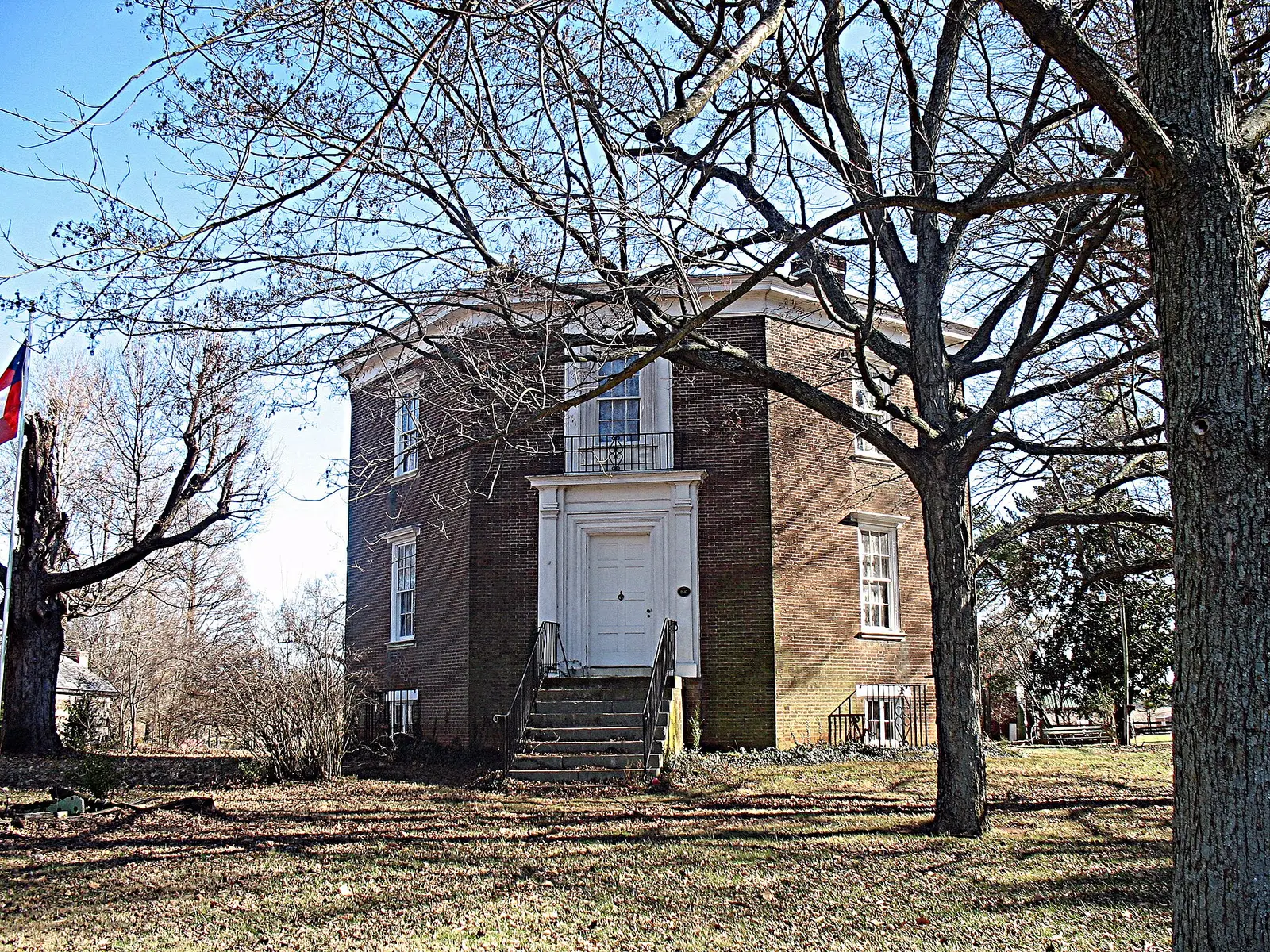
Octagon Hall
Octagon Hall is a rare eight-sided brick house north of Franklin, Kentucky, built in the mid-19th century by Andrew Jackson Caldwell with the labor of people he enslaved.
Well DocumentedTours onlyAlso a historic house · also reported: phantom lights, smells
Historic house · Louisville, KY
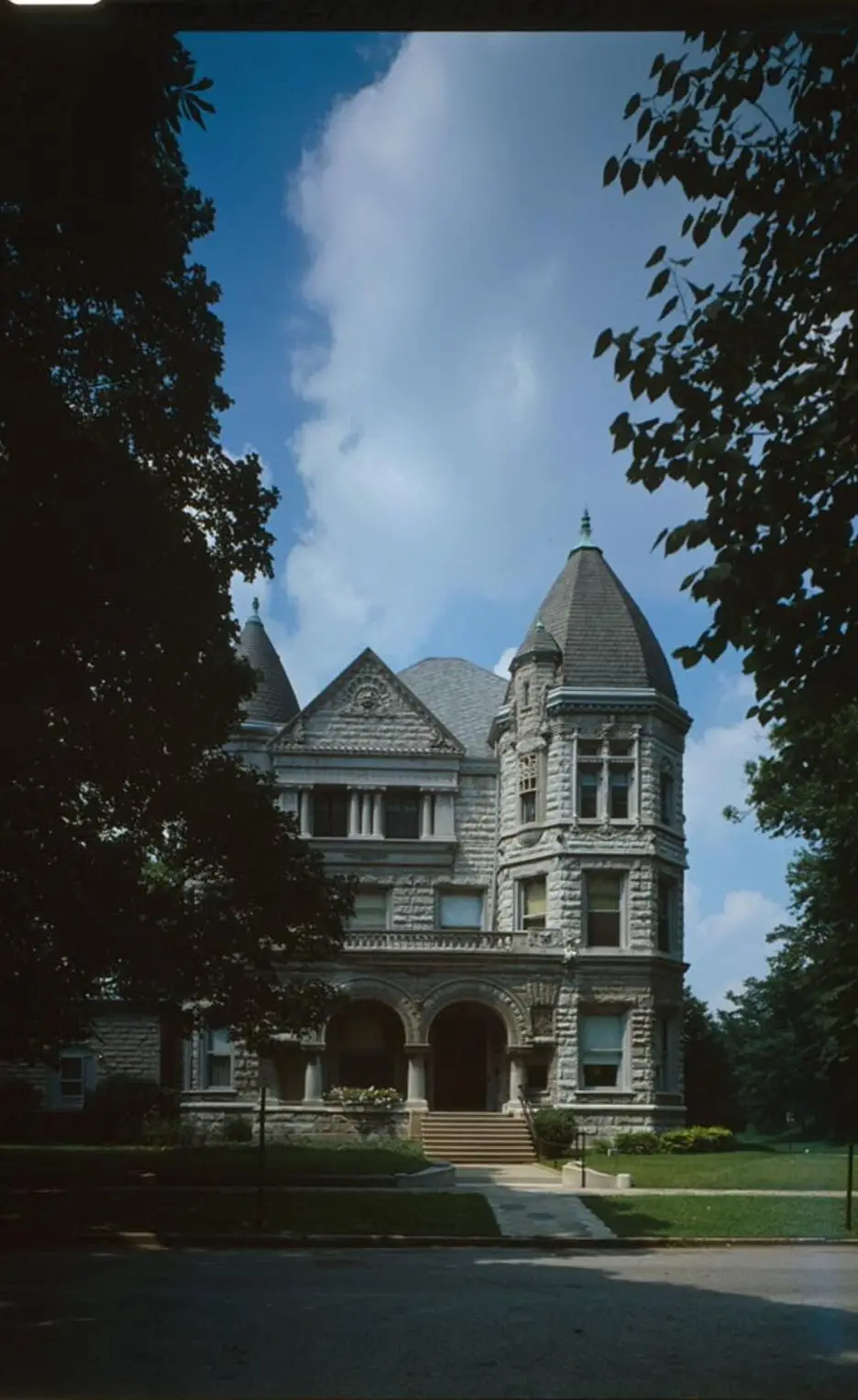
Conrad-Caldwell House Museum
The Conrad-Caldwell House is a stone mansion of 1893–95 on St. James Court in Old Louisville, now a house museum.
Documented AccountsOpen to visitorsAlso a historic house · also reported: music, doors
Historic house · San Diego, CA
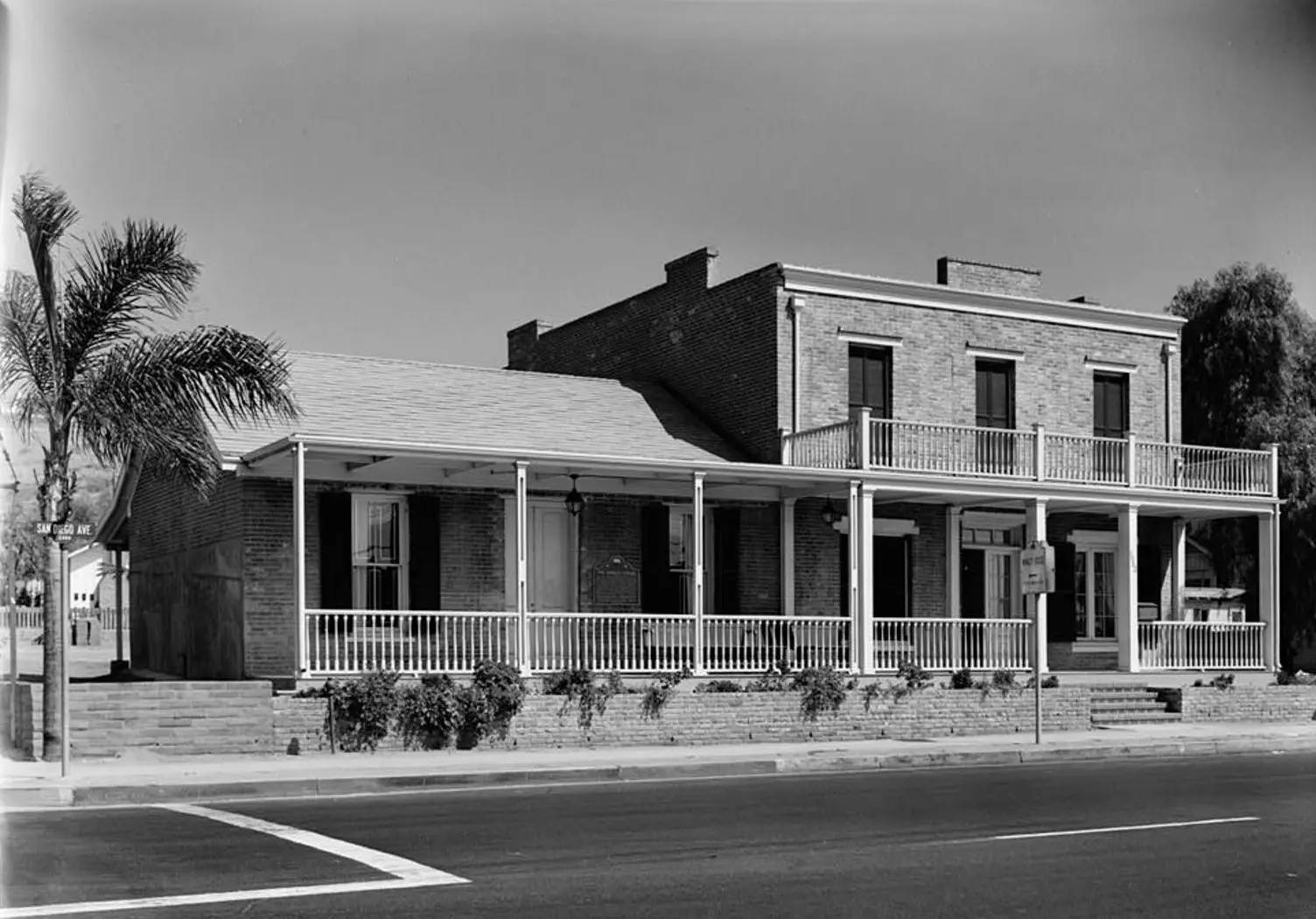
Whaley House
Footsteps, slamming doors and figures reported by museum staff since the 1960s, on the site of an 1852 hanging.
Documented AccountsOpen to visitorsAlso a historic house · also reported: doors, smells
Historic house · TN
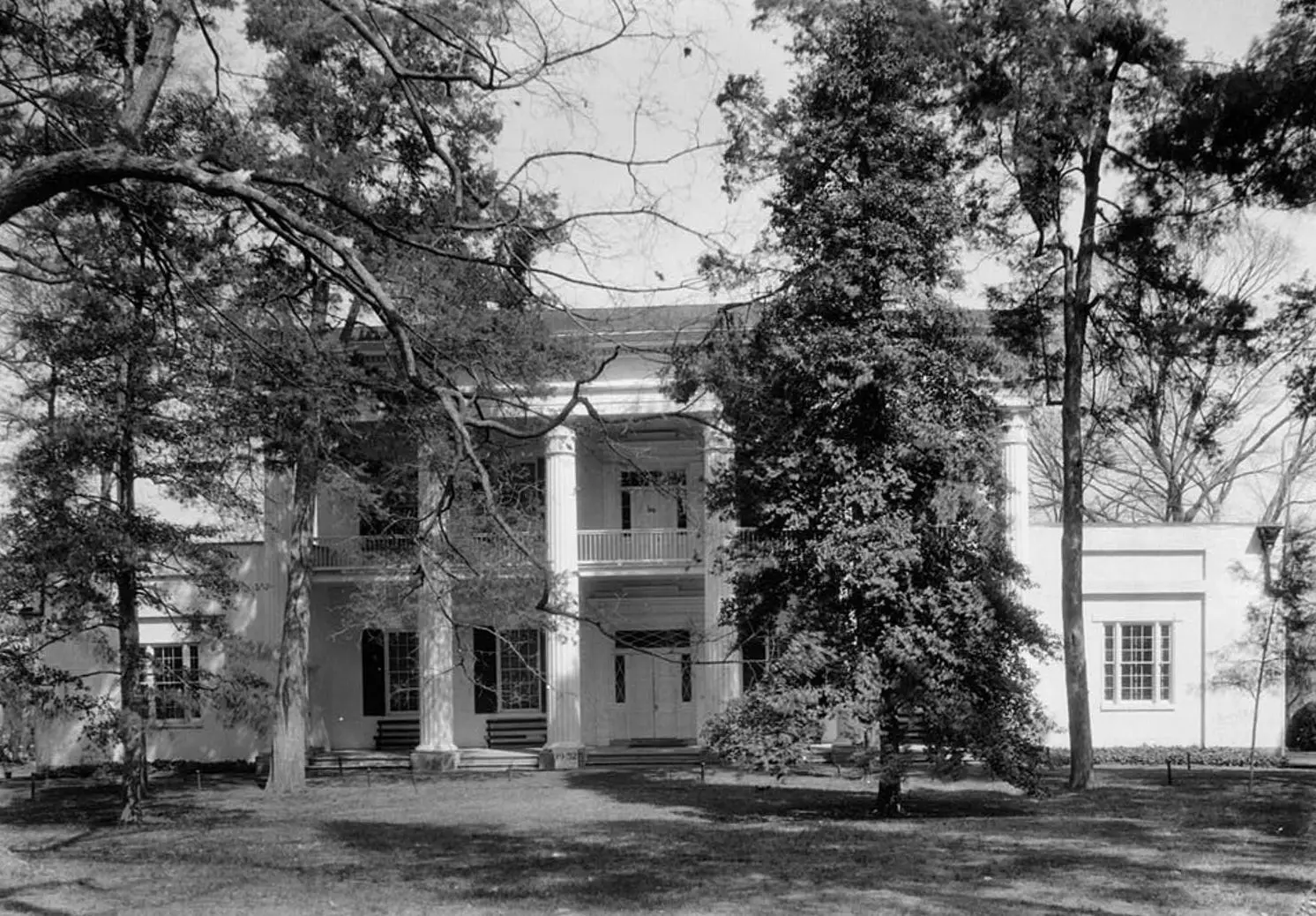
The Hermitage
The Hermitage is Andrew Jackson's plantation and mansion east of downtown Nashville, now a museum.
Documented AccountsOpen to visitors