
How to visit haunted places responsibly
Practical advice on private homes, active cemeteries, tours-only sites and places of suffering, drawn from our access notes.
- Research guide
- Published
- 4 min read
At a glance
Visiting a place with a ghost story responsibly means going only where visitors are welcome, at the times and on the terms the people in charge set, and remembering that the place matters to people who live, work, worship or grieve there. Private homes are not destinations, cemeteries are burial grounds first, and places of suffering deserve the respect you would give any memorial.
- 32researched places
- 14states
- 25places you can visit
Private homes are not destinations
Some of the best-known houses in our atlas are private residences, and they should not be visited. The LaLaurie Mansion and Franklin Castle are private homes: please do not go onto the property, approach the door or photograph the people who live there. The Gardette-Le Prête House is now private residences, and ghost tours that stop outside do not have access. On our maps, places like these are shown only by their town, or not at all.
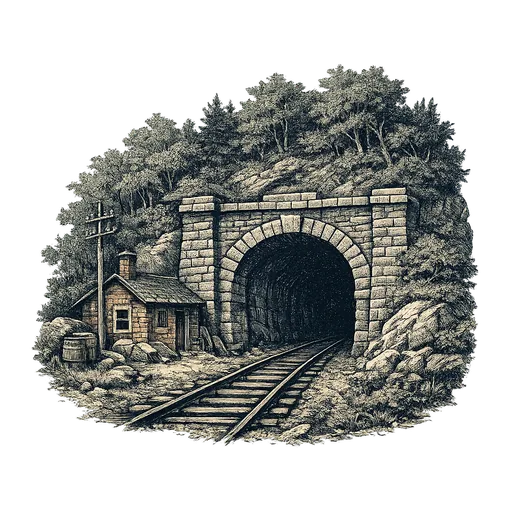
A ghost reputation does not make private land public. Victoria's Black Swan Inn is a family's home that also runs booked events, so do not visit or enter the grounds outside one. Along Gore Orphanage Road, the ruins lie in woods off the road and we could not confirm who owns them, so stay on the public road. At Sensabaugh Tunnel, a narrow, unlit road tunnel with a family farmhouse nearby, don't stop or park in the tunnel and don't trespass on the land around it.
Homes can also sit inside places that are open. Parts of the former Traverse City State Hospital are now private homes, Pike Place Market includes affordable housing, and most houses at Lily Dale are private homes in a living Spiritualist community. Don't photograph residents or treat their doorways as part of the visit.
Cemeteries are burial grounds first
Many of our cemeteries are still in use, with funerals and mourners. At Resurrection Cemetery, burials take place every day: keep away from funerals, and don't stop or walk on busy Archer Avenue outside the gates looking for the figure of the legend. Bellefontaine Cemetery does not allow ghost hunts or paranormal investigations and asks anyone attempting one to leave. Cave Hill Cemetery requires written permission for commercial photography, video and podcasts.
Some burial grounds limit entry altogether. Since 2015, St. Louis Cemetery No. 1 has admitted only visitors on an approved guided tour and relatives of people buried there, and marking the tombs damages them. Others ask you to leave graves untouched: Graceland Cemetery asks visitors to leave the Inez statue, a child's grave, as they find it. Night visits cause real harm. At Bachelor's Grove Cemetery, headstones have been broken for decades and police have been called at Halloween because of vandalism, so visit only in daylight. Some places are graves even when they don't look like it: many people are thought to remain under the lawns of Cheesman Park.
Places of suffering
Former prisons, asylums, plantations and disaster sites are places where real people suffered and died. They are history, never ghost material. Andersonville is a place of burial and remembrance for people who died in captivity. The Owens-Thomas House tells its story through the lives of the enslaved people who lived there, and the Eastland disaster site, where 844 people died, is best treated as a memorial.
Some of these sites sit beside places still in use. The Museum of Colorado Prisons shares a wall with a working state prison: respect its security and the privacy of the people held and working there, and don't photograph it. At Eloise, the former commissary is now a homeless shelter, so don't treat its residents as part of the attraction. The hospital buildings at Northern State Hospital are off limits, and its patients' cemetery is a burial ground.
Commercial ghost attractions now run at several former institutions. At Pennhurst, disability-rights advocates have objected to the attraction since it opened. If you go to places like these, go for the history, and remember the people who lived there.
Tours-only sites and house rules
Many sites can be seen only on a guided tour. The Point Sur Lighthouse is open only on docent-led walks, with no other public access to the rock, and Lafayette Cemetery No. 1 reopened in October 2026 for small guided tours only. Follow the house rules too: Eastern State Penitentiary does not permit paranormal investigations or ghost-hunting equipment, and neither does the Old Jail Museum in Jim Thorpe.
Check before you go, and stay safe
Access changes. As of our checks, regular tours at the Morris-Jumel Mansion were suspended during restoration, the Alexander Majors House said it was closed through summer 2027, and the original building of Bobby Mackey's Music World was demolished in 2024. Each place page says what we found and when, so check the official site before you set out.
Some places draw night-time visitors into real danger. The San Antonio Ghost Tracks are an active freight crossing on a public road: drive across normally and never stop, park or get out near the tracks. At Chickamauga, rangers have closed secondary roads at night around Halloween to keep out ghost hunters, so don't visit after hours.
For how we decide what to show on our maps, see the care section of our methodology.
Notable places in this guide
The best-documented places the guide draws on. Each page has the full history, every account we traced and the sources.
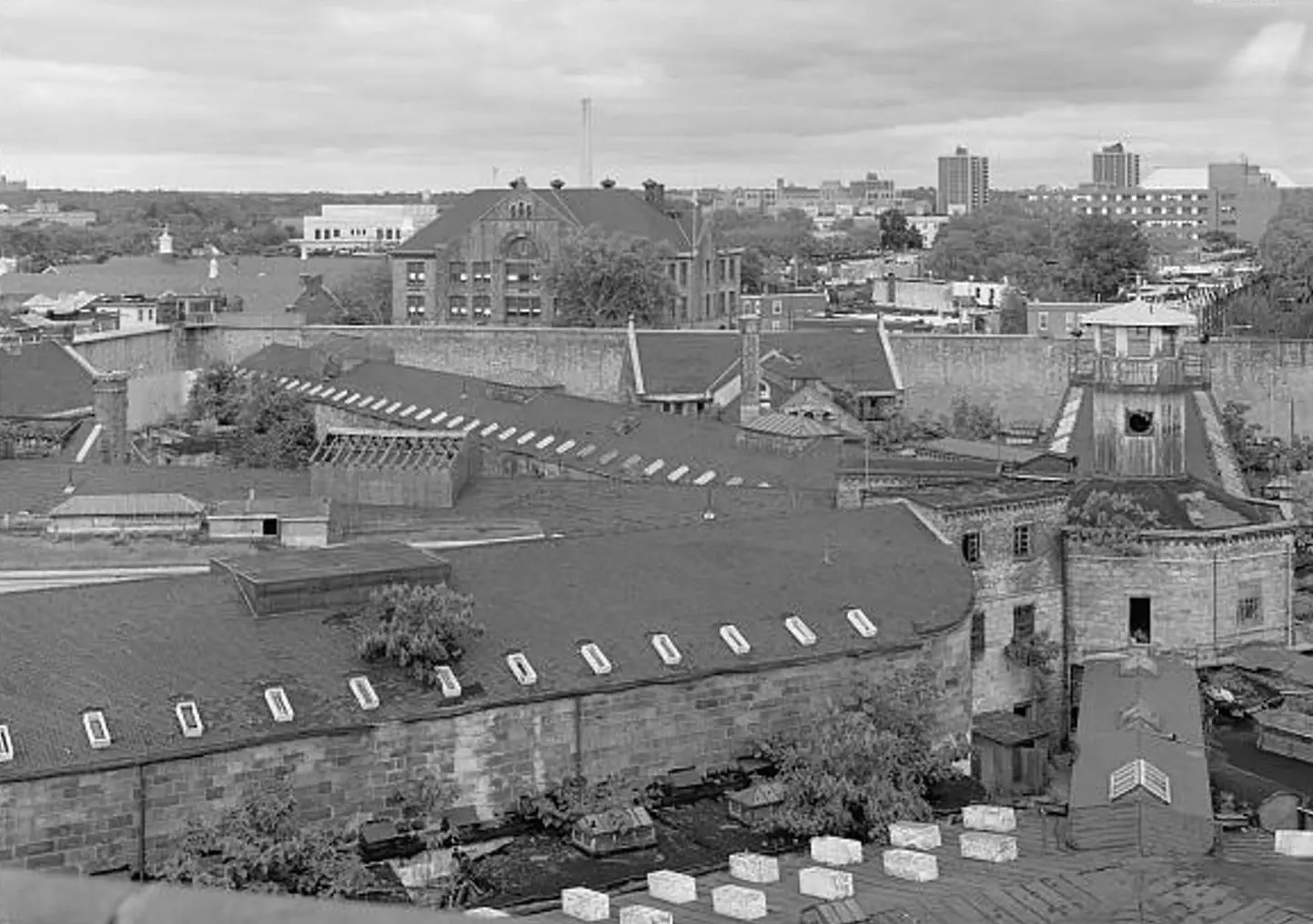
Prison · Philadelphia, PA
Eastern State Penitentiary
A locksmith’s story of a force that held him in Cellblock 4, and reports of voices and shadowy figures along the cellblocks.
Documented AccountsOpen to visitors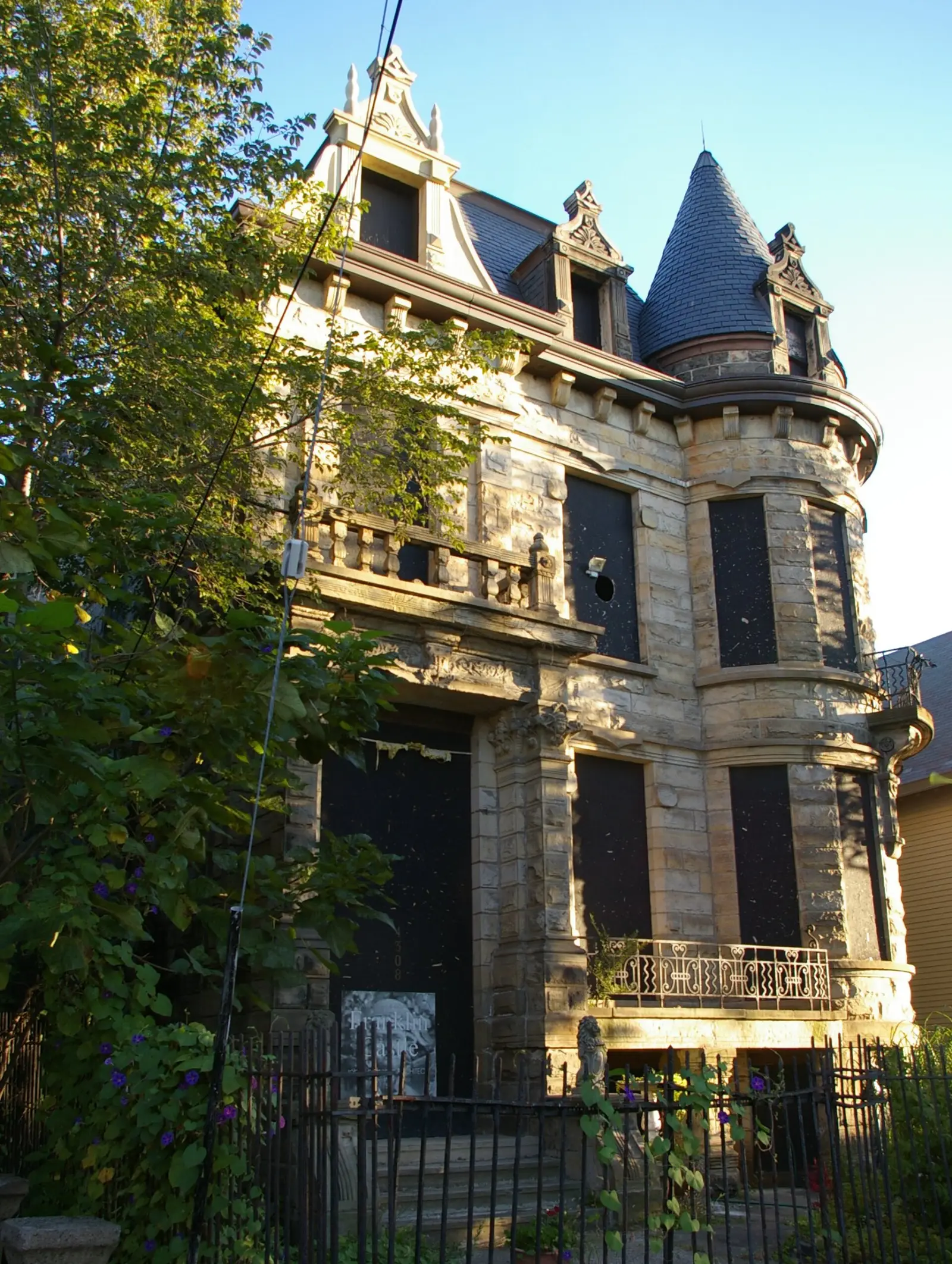
Historic house · Cleveland, OH
Franklin Castle
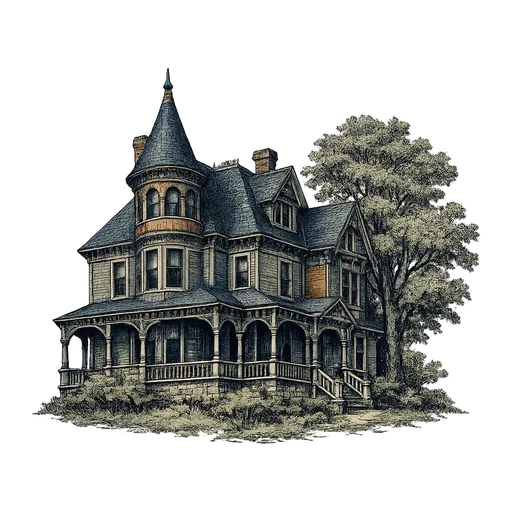
Franklin Castle is an 1880s sandstone mansion in Cleveland built for banker Hannes Tiedemann.
Documented AccountsPrivate: no access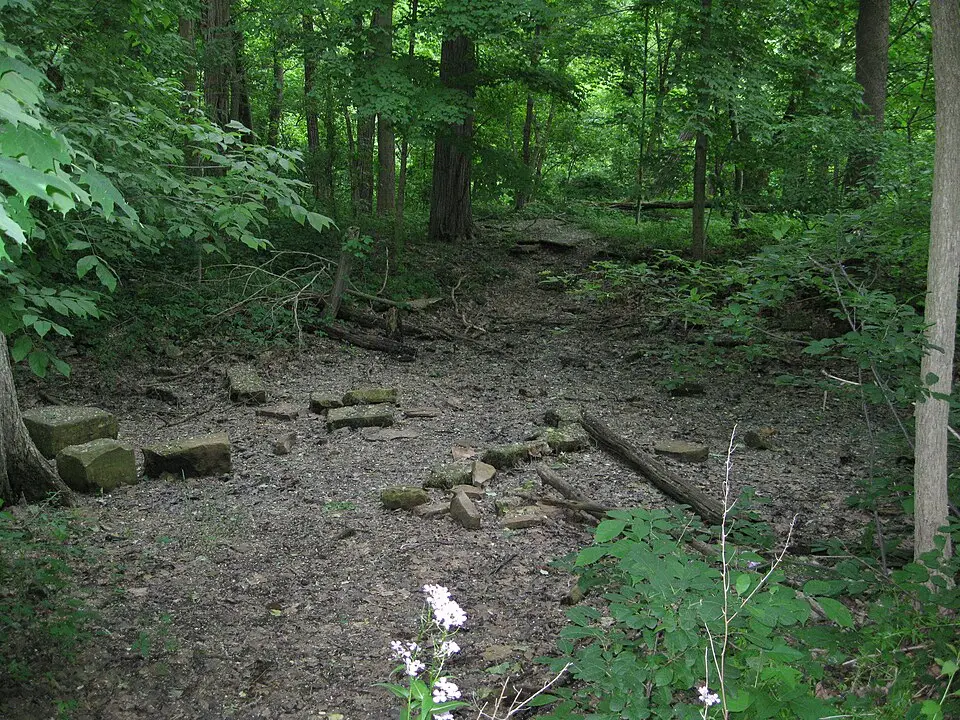
Road · OH
Gore Orphanage Road
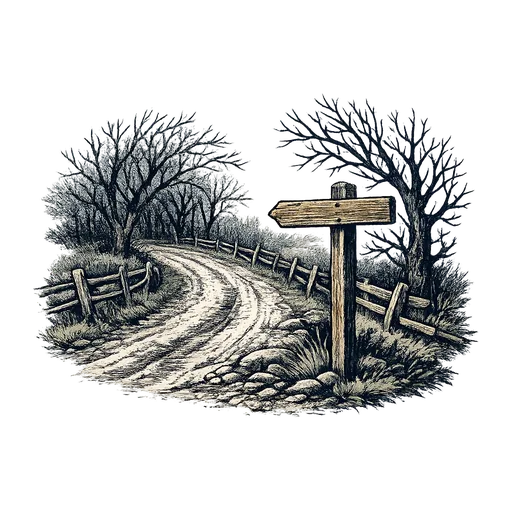
Gore Orphanage Road near Vermilion is known for a legend that children died in an orphanage fire and their cries can still be heard.
Documented AccountsAccess not confirmed
All 32 places in this guide
Historic house
LaLaurie Mansion
New Orleans, Louisiana
Historic house
Franklin Castle
Cleveland, Ohio
Historic house
Gardette-Le Prête House
New Orleans, Louisiana
Historic house
Victoria's Black Swan Inn
San Antonio, Texas
Road
Gore Orphanage Road
Ohio
Tunnel
Sensabaugh Tunnel
Tennessee
Former asylum
The Village at Grand Traverse Commons (former Traverse City State Hospital)
Traverse City, Michigan
Market
Pike Place Market
Seattle, Washington
Church
Lily Dale Assembly
New York
Cemetery
Resurrection Cemetery
Justice, Illinois
Cemetery
Bellefontaine Cemetery
St. Louis, Missouri
Cemetery
Cave Hill Cemetery
Louisville, Kentucky
Cemetery
St. Louis Cemetery No. 1
New Orleans, Louisiana
Cemetery
Graceland Cemetery
Chicago, Illinois
Cemetery
Bachelor's Grove Cemetery
Illinois
Cemetery
Cheesman Park
Denver, Colorado
Prison
Andersonville National Historic Site
Georgia
Historic house
Owens-Thomas House & Slave Quarters
Savannah, Georgia
Ship
Eastland Disaster Site
Chicago, Illinois
Prison
Museum of Colorado Prisons
Cañon City, Colorado
Former asylum
Eloise
Westland, Michigan
Former asylum
Northern State Hospital site
Sedro-Woolley, Washington
Former asylum
Pennhurst State School and Hospital
Pennsylvania
Lighthouse
Point Sur Lighthouse
California
Cemetery
Lafayette Cemetery No. 1
New Orleans, Louisiana
Prison
Eastern State Penitentiary
Philadelphia, Pennsylvania
Prison
Old Jail Museum (former Carbon County Jail)
Jim Thorpe, Pennsylvania
Historic house
Morris-Jumel Mansion
New York, New York
Historic house
Alexander Majors House
Kansas City, Missouri
Theater
Bobby Mackey's Music World
Wilder, Kentucky
Road
San Antonio Ghost Tracks
San Antonio, Texas
Battlefield
Chickamauga Battlefield, Chickamauga and Chattanooga National Military Park
Fort Oglethorpe, Georgia
Written from our published research and reviewed by the editor. Send a correction.