← Fort Oglethorpe Chickamauga Battlefield, Chickamauga and Chattanooga National Military Park
Chickamauga Battlefield, Chickamauga and Chattanooga National Military Park
The battle, the park and the legend of Old Green Eyes
Fort Oglethorpe, Georgia
Chickamauga, in northwest Georgia, was the site of a three-day 1863 battle with about 34,600 casualties, preserved since 1890 as the first national military park.
What do we know about Chickamauga Battlefield, Chickamauga and Chattanooga National Military Park?
Old Green Eyes is a legend with no fixed form: a decapitated soldier, a Cherokee spirit, a panther, even a creature older than the battle. The one attributed modern account, by a former park historian and chief ranger, describes a tall figure in a long coat, not green eyes, and reached us only through a blog that seems to reproduce a newspaper interview.

Our rating of the reports about Chickamauga Battlefield, Chickamauga and Chattanooga National Military Park: Documented Accounts. At least one traceable published or first-hand account of an unexplained experience. We check that the reports exist, not the supernatural. The rating describes the evidence for the reports, not whether the place is haunted.
- Reported accounts
- 2
- Counted for the rating
- 2
- Research sources
- 6
Counted for the rating: independent accounts we could trace to a witness. Retellings of the same story count once, and staff passing on what visitors said aren’t counted. How we count
Reported experiences don’t establish a supernatural cause.
Read our evidence assessment →The hauntings
Accounts, encounters and stories associated with Chickamauga Battlefield, Chickamauga and Chattanooga National Military Park.

What has been reported?
- Apparitions
- Footsteps
Phenomena described in accounts associated with this location — not independently verified events.
Reported experiences
2 published and reported accounts, each assessed by its source.
- Apparitions
Published accountReported by Former park historian and chief rangerNote: He did not describe green eyes. Known to us only through a blog that seems to reproduce a newspaper interview, attributed elsewhere to the Rome News-Tribune; we could not access the original.
Account 02
Jim Carlock
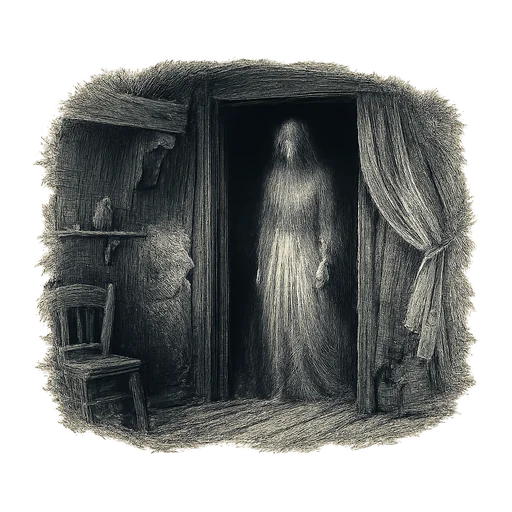
Jim Carlock, an early resident of the Post Oak community, is quoted as recalling a ghostly figure near the battlefield one night in 1876 and saying that people used to see ghosts on the Chickamauga battlefield just after the war.[4]
- Apparitions
Published accountReported by Jim Carlock (via Susie Blaylock McDaniel, Official History of Catoosa County)Note: Quoted from Susie Blaylock McDaniel's Official History of Catoosa County, which we could not access; the account is not about Old Green Eyes.
Read full account ›
Jim Carlock, an early resident of the Post Oak community, is quoted as recalling a ghostly figure near the battlefield one night in 1876 and saying that people used to see ghosts on the Chickamauga battlefield just after the war.[4]
Legends & disputed stories
Stories told about the place that the records don’t confirm.

- Legend
The battlefield's best-known legend is Old Green Eyes. The commonest version says it is a soldier whose head was taken off by a cannonball and who searches the field at night for his body; other versions call it a Cherokee spirit, a green-eyed panther, or a creature older than the battle.[4][5][6]
What the research shows: Versions contradict each other and none names an original source.
- Legend
Other battlefield legends include a Lady in White searching for her lover, and unnamed visitors are said to hear gunshots and hoofbeats at night.[4]
What the research shows: No named witnesses.
Before you go

Planning a visit?
Outside only
You can see it from public land; the inside isn’t open.
Access details ›
The Chickamauga Battlefield is part of a National Park Service military park; the NPS says entry to the battlefield is free (fees apply only at Point Park on Lookout Mountain, in Tennessee). Start at the visitor center on LaFayette Road. Park roads and grounds close at set hours, and rangers have closed secondary roads at night around Halloween to keep out ghost hunters; do not visit after hours. Check the official site for hours.
Entry
Free (checked)
Access last checked November 17, 2026. Confirm times and prices before you travel.
Approximate location, within about 1 km.
See Chickamauga Battlefield, Chickamauga and Chattanooga National Military Park on the full map →
The history of Chickamauga Battlefield, Chickamauga and Chattanooga National Military Park
Chickamauga, in northwest Georgia, was the site of a three-day 1863 battle with about 34,600 casualties, preserved since 1890 as the first national military park. Its best-known legend is Old Green Eyes, told variously as a soldier's head searching for its body or an older creature. A former park historian described seeing a tall figure vanish in 1976. The battlefield is free to visit.
- Established
- 1890–1895
- Also known as
- Chickamauga and Chattanooga National Military Park
The battle
In the summer of 1863 Union General William Rosecrans maneuvered Braxton Bragg's Confederate army out of Chattanooga and into Georgia. On September 19 the armies met along Chickamauga Creek. The next day, as Rosecrans shifted troops, a gap opened in the Union line, and James Longstreet's divisions broke through, driving a third of the Union army from the field. General George Thomas held Snodgrass Hill and Horseshoe Ridge until nightfall, earning the name the Rock of Chickamauga, before the Union army withdrew to Chattanooga. The National Park Service estimates 34,624 casualties, 16,170 Union and 18,454 Confederate.
The first national military park
Union veterans led by Henry Van Ness Boynton, who wanted veterans of both sides to mark the field together, pressed for a park, and in August 1890 President Benjamin Harrison signed the act creating Chickamauga and Chattanooga National Military Park, the first federal law to preserve an American battlefield. The park was dedicated on September 18–20, 1895. The War Department ran it until 1933, when it passed to the National Park Service. The Brotherton, Kelly and Snodgrass cabins are the only survivors of the 24 farms that stood on the field in 1863.
Old Green Eyes
The legend has many versions. The most common says Old Green Eyes is a soldier whose head was taken off by a cannonball and who searches the field at night for his body. Others call it a Cherokee spirit, a green-eyed panther, or something older than the battle.
The park's historian and chief ranger from 1969 to 1986 told an interviewer that around 4 a.m. one morning in 1976, near Glen Kelly Road, he saw a man over six feet tall in a long black duster who vanished when car headlights hit him. He did not describe green eyes. An older account, quoted from a Catoosa County history, has a local man, Jim Carlock, recalling a ghostly figure near the battlefield one night in 1876 and saying people used to see ghosts there just after the war.
A former chief ranger said the Park Service has no official opinion on the legend. In 2012 the park closed its secondary roads at sunset on Halloween night to keep out ghost hunters.
Through the years
1863
Battle of Chickamauga
At the Battle of Chickamauga, September 18–20, 1863, Braxton Bragg's Confederate army attacked William Rosecrans's Union army along Chickamauga Creek; on September 20 James Longstreet's divisions broke through a gap in the Union line and drove a third…
Read more ›
At the Battle of Chickamauga, September 18–20, 1863, Braxton Bragg's Confederate army attacked William Rosecrans's Union army along Chickamauga Creek; on September 20 James Longstreet's divisions broke through a gap in the Union line and drove a third of the Union army from the field, while George Thomas held Snodgrass Hill and Horseshoe Ridge until nightfall and earned the name the Rock of Chickamauga. The Union army withdrew to Chattanooga.[1][2][3]
Caveat: One NPS park page places Thomas's stand on the afternoon of September 19; the nomination and the NPS battle database place it on September 20.
1890
Park created by Congress
After a campaign by Union veterans led by Henry Van Ness Boynton, who proposed that veterans of both sides mark the field together, the Chickamauga Memorial Association formed in 1889 with Union and Confederate officers as directors, and…
Read more ›
After a campaign by Union veterans led by Henry Van Ness Boynton, who proposed that veterans of both sides mark the field together, the Chickamauga Memorial Association formed in 1889 with Union and Confederate officers as directors, and in August 1890 President Benjamin Harrison signed the act creating Chickamauga and Chattanooga National Military Park, the first national legislation to preserve an American battlefield.[1]
1895
Park dedicated
The park was dedicated on September 18–20, 1895, with about 120 monuments and 400 cannon in place and observation towers on the field; the War Department ran it until 1933, when it was transferred to the National Park Service.[1]
Caveat: The nomination gives both 119 and 120 monuments for 1895.
2012
Roads closed to ghost hunters
A former chief ranger said the National Park Service has no official opinion on Old Green Eyes. In 2012 Chief Ranger Todd Roeder said many people come to the park after hours looking for ghosts, and the park…
Read more ›
A former chief ranger said the National Park Service has no official opinion on Old Green Eyes. In 2012 Chief Ranger Todd Roeder said many people come to the park after hours looking for ghosts, and the park closed its secondary roads at sunset on Halloween night to keep would-be ghost hunters out.[4][5]
The research conclusion

Why it has this rating
Two named accounts from separate origins: the park's former chief ranger saw a tall figure vanish in his headlights in 1976, and a man recalled a ghost in 1876 in a county history. Both reach us secondhand and neither describes 'Old Green Eyes', which is recorded as folklore. The Park Service takes no position.
Read the full written assessment ›
The battle and the park's creation are documented by the National Park Service and the park's National Register nomination.
Old Green Eyes is a legend with no fixed form: a decapitated soldier, a Cherokee spirit, a panther, even a creature older than the battle. The one attributed modern account, by a former park historian and chief ranger, describes a tall figure in a long coat, not green eyes, and reached us only through a blog that seems to reproduce a newspaper interview. An account of a ghost seen in 1876 is quoted from a county history we could not access. The Park Service takes no position, and rangers have had to close roads to stop night-time ghost hunting.
The sources behind the story
6 research references support this entry.

1National Park Service (archived at npshistory.com)National Register of Historic Places Inventory–Nomination Form for Federal Properties: Chickamauga and Chattanooga National Military Park (with additional documentation) Register or nomination · Reference 01
National Register of Historic Places Inventory–Nomination Form for Federal Properties: Chickamauga and Chattanooga National Military Park (with additional documentation). National Park Service (archived at npshistory.com).
Text-searchable nomination and later additional documentation. Authoritative for the battle narrative, the park's creation (Chickamauga Memorial Association 1889, act signed August 1890, first national legislation preserving an American battlefield), the 1895 dedication, the War Department to NPS transfer in 1933, the surviving Brotherton, Kelly and Snodgrass cabins, and UTM references for the Chickamauga unit, whose center we used for the map point. Nothing on ghosts.
Accessed November 17, 2026.
2National Park Service, Chickamauga and Chattanooga National Military ParkChickamauga Battlefield Official or site history · Reference 02
Chickamauga Battlefield. National Park Service, Chickamauga and Chattanooga National Military Park, 2022-04-28.
NPS page (date is last updated): battle September 18–20, 1863, about 35,000 casualties, Snodgrass Hill and Thomas, the 85-foot Wilder Brigade Monument, and the visitor center address.
Accessed November 17, 2026.
3National Park Service, Civil War Soldiers and Sailors SystemBattle Detail: Chickamauga (GA004) Official or site history · Reference 03
Battle Detail: Chickamauga (GA004). National Park Service, Civil War Soldiers and Sailors System.
NPS battle database entry: commanders, Confederate victory, estimated casualties 34,624 (US 16,170; CS 18,454), and a summary of the fighting on September 19–20.
Accessed November 17, 2026.
4Proving Paranormal (blog)Chickamauga Website · Reference 04
Natalie (surname not given), Chickamauga. Proving Paranormal (blog), 2009-05-23.
Blog post that appears to reproduce a newspaper feature (not named; another site attributes the former historian's words to a Rome News-Tribune interview). Quotes the park's historian and chief ranger from 1969 to 1986 on his 1976 sighting and the legend's versions; quotes chief ranger Sam Weddle that the NPS has no official opinion; quotes Jim Carlock's 1876 account from Susie Blaylock McDaniel's Official History of Catoosa County. We could not access the newspaper or the book.
Accessed November 17, 2026.
5Chattanooga Times Free PressHalloween hauntings a headache for some Chattanooga area sites Newspaper · Reference 05
Tim Omarzu, Halloween hauntings a headache for some Chattanooga area sites. Chattanooga Times Free Press, 2012-10-31.
Local newspaper report: describes Old Green Eyes as the floating head of a soldier searching for his body (or a Cherokee spirit in some online versions), quotes Chief Ranger Todd Roeder on after-hours ghost hunters, and reports the park closing secondary roads at sunset on Halloween night.
Accessed November 17, 2026.
6Astonishing LegendsChickamauga Green Eyes Website · Reference 06
Chickamauga Green Eyes. Astonishing Legends, 2023-10-21.
Podcast show notes gathering versions of the legend (soldier, creature, older than the battle) and the former park historian's 1976 account, which it attributes to a Rome News-Tribune interview. Secondary; used for the range of versions only.
Accessed November 17, 2026.
More haunted places
Similar places
Also a battlefield · also reported: footsteps
Battlefield · San Antonio, TX
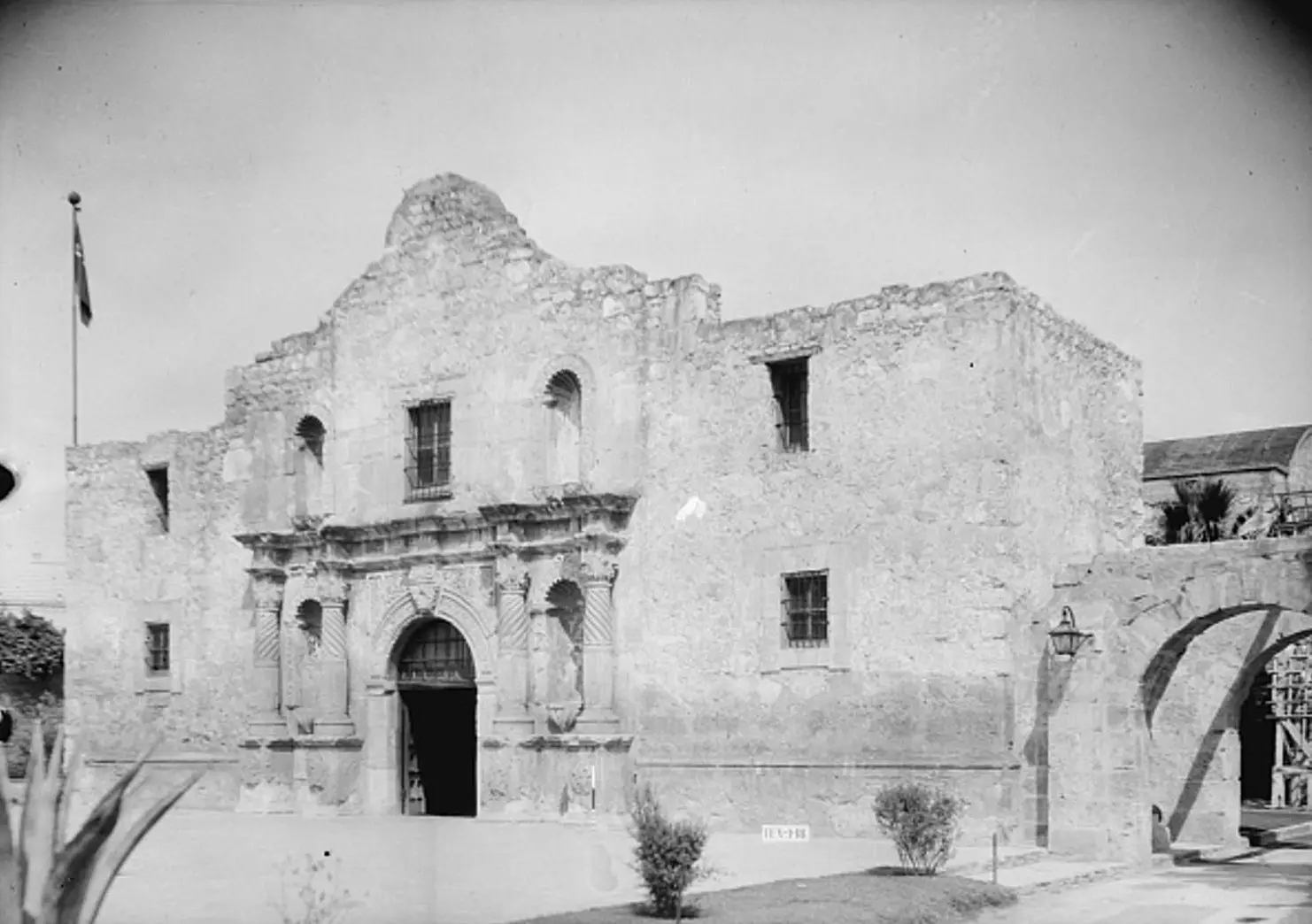
The Alamo
The Alamo is the church of the former Mission San Antonio de Valero, founded in 1718 and the site of the 1836 siege.
Documented AccountsOpen to visitorsAlso a battlefield · also reported: footsteps
Battlefield · KY
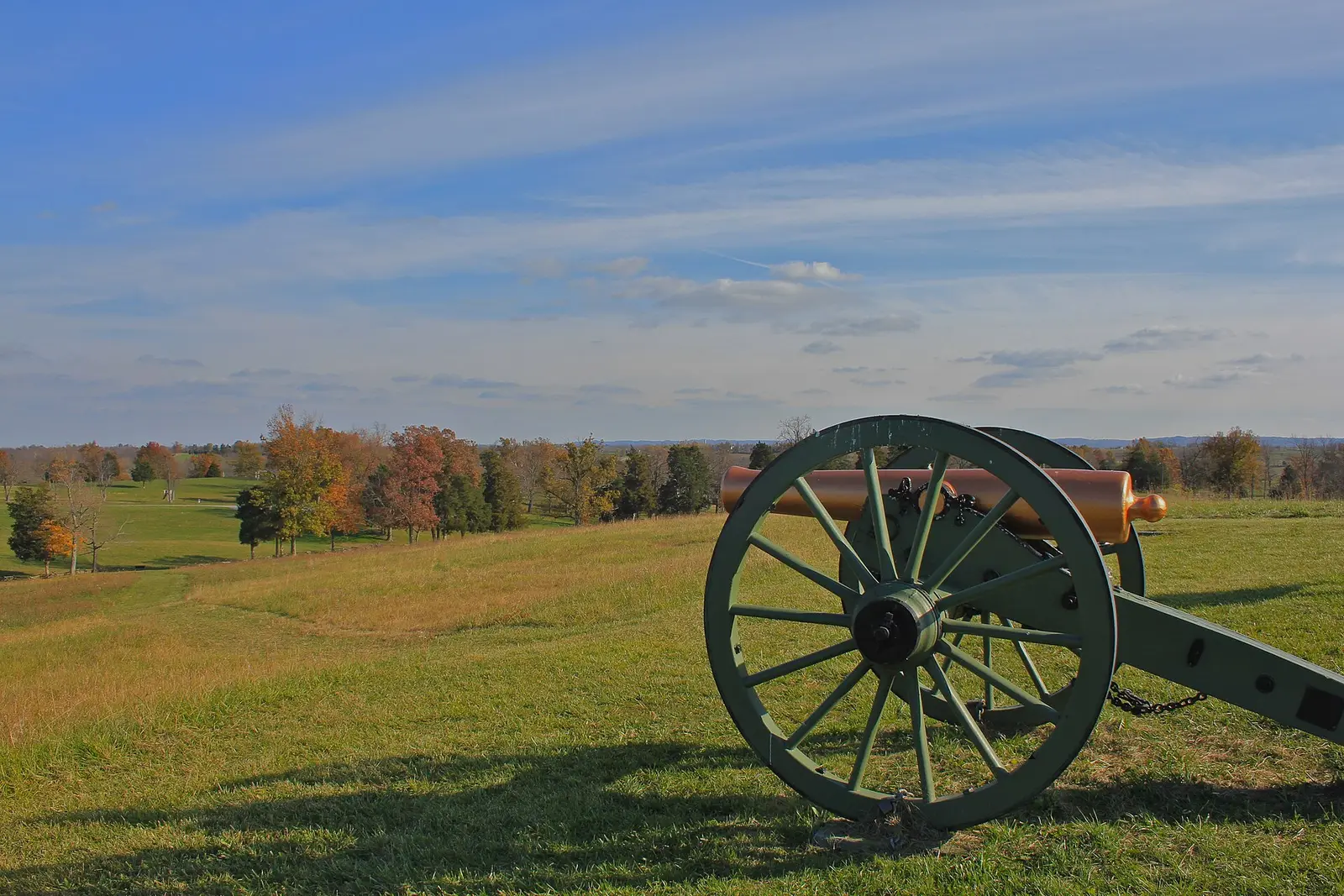
Perryville Battlefield State Historic Site
Perryville Battlefield State Historic Site preserves the ground of Kentucky's largest Civil War battle, fought on October 8, 1862, which left more than 7,600 soldiers killed, wounded or missing.
Documented AccountsOutside onlyAlso a battlefield
Battlefield · Battle Ground, IN
Tippecanoe Battlefield
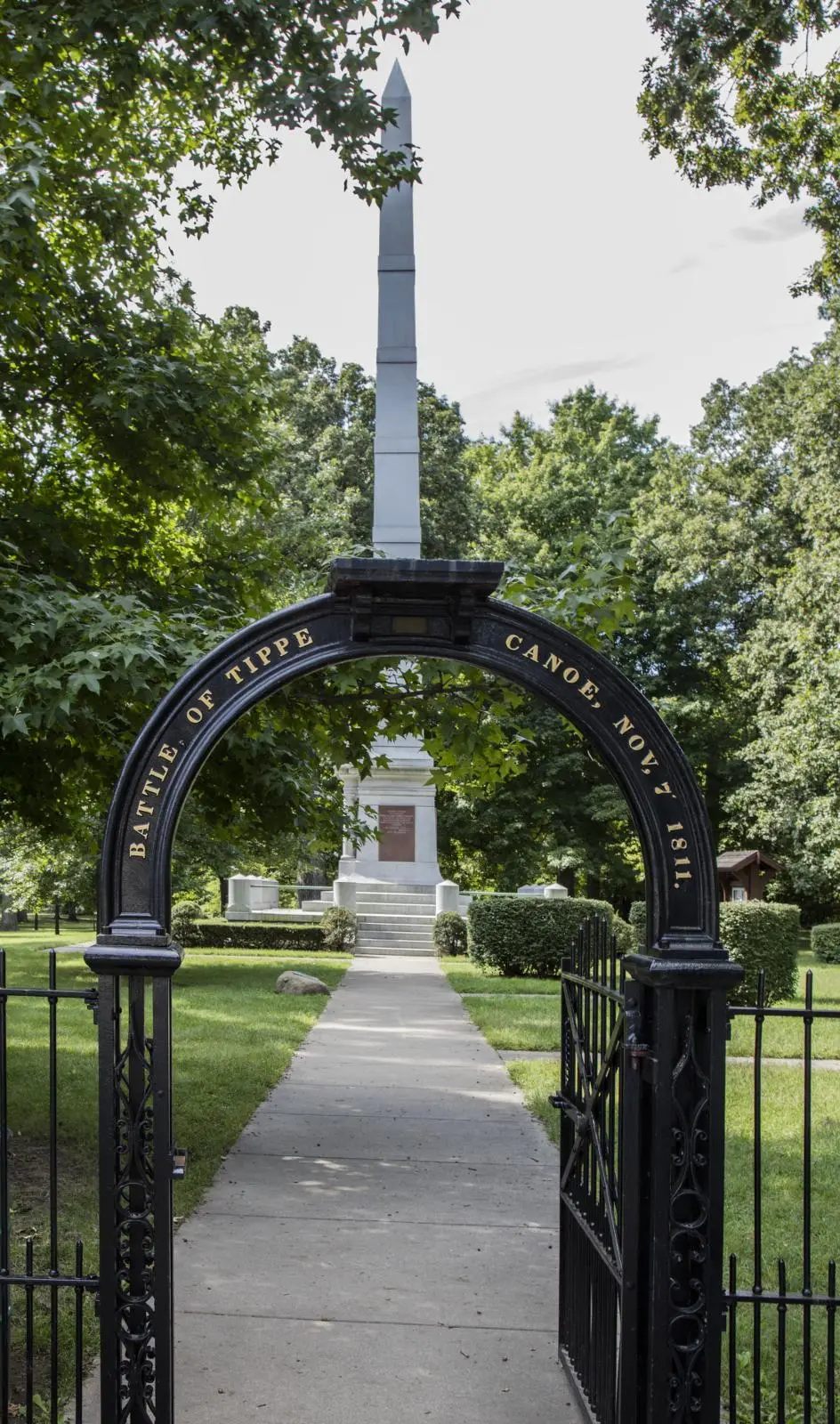
Tippecanoe Battlefield in Battle Ground, Indiana, is where warriors of Tecumseh and Tenskwatawa's confederacy fought William Henry Harrison's army on November 7, 1811.
UnverifiedOpen to visitorsAlso a battlefield
Battlefield · PA
Devil's Den
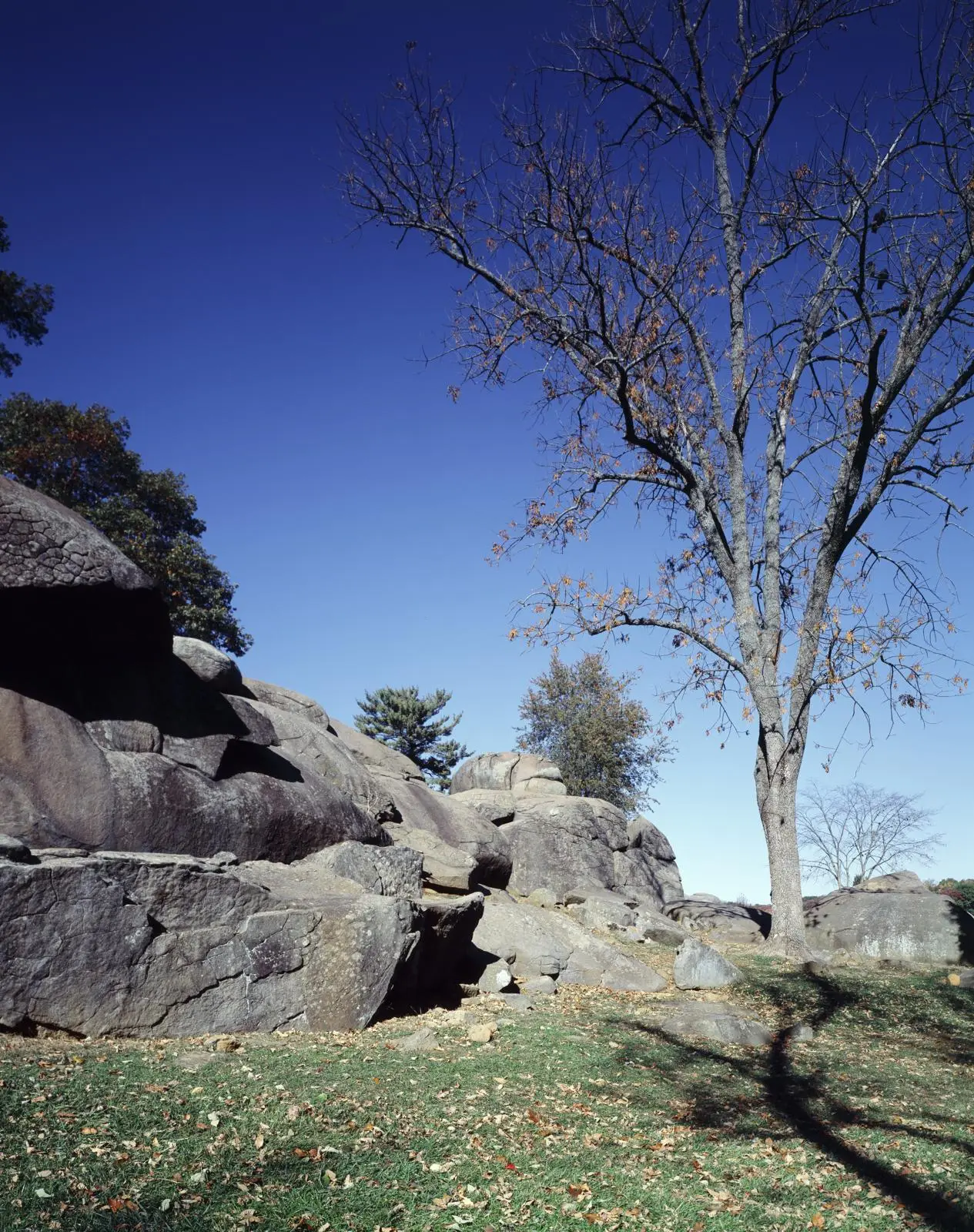
Devil's Den is a boulder field on the Gettysburg battlefield, fought over on July 2, 1863.
Documented AccountsOutside only