← Denver Cheesman Park
Cheesman Park
The cemetery under the park and its ghost stories
Denver, Colorado
Cheesman Park is a Denver city park laid out over the city's first cemetery.
What do we know about Cheesman Park?
The ghost material is far weaker. Most of it is anonymous: unnamed visitors and residents reporting sadness, whispering, shadow figures and a singing woman who vanishes. The only first-person account by a named person we found is a 2005 reader submission to a ghost-history website. Historic Denver has described the hauntings as rumor and anecdote. None of this shows more than what people believe they felt or saw.
Our rating of the reports about Cheesman Park: Documented Accounts. At least one traceable published or first-hand account of an unexplained experience. We check that the reports exist, not the supernatural. The rating describes the evidence for the reports, not whether the place is haunted.
- Reported accounts
- 2
- Counted for the rating
- 1
- Research sources
- 7
Counted for the rating: independent accounts we could trace to a witness. Retellings of the same story count once, and staff passing on what visitors said aren’t counted. How we count
Reported experiences don’t establish a supernatural cause.
Read our evidence assessment →The hauntings
Accounts, encounters and stories associated with Cheesman Park.
What has been reported?
- Apparitions
- Voices
- Shadow figures
- Knocking
- Being touched
Phenomena described in accounts associated with this location — not independently verified events.
Reported experiences
2 published and reported accounts, each assessed by its source.
Account 01 · November 2005
Lee Cook, 2005
In a November 2005 reader submission to a ghost-history website, Lee Cook described seeing, with a friend, a pale man in a bloodstained hospital gown with a broken jaw, accompanied by a boy on a bicycle, who said he had been stabbed and repeatedly vowed revenge.[7]
- Apparitions
- Voices
Published accountReported by Lee Cook (reader submission, Legends of America, 2005)Note: Undated experience; self-published on a website with no corroboration. We give it only as what he wrote.
Read full account ›
In a November 2005 reader submission to a ghost-history website, Lee Cook described seeing, with a friend, a pale man in a bloodstained hospital gown with a broken jaw, accompanied by a boy on a bicycle, who said he had been stabbed and repeatedly vowed revenge.[7]
Account 02
Legends of America, 2026
Ghost-history sites say unnamed visitors feel overwhelming sadness or dread in the park, hear whispering voices, see shadowy figures and children who vanish at night, and see a woman who sings quietly to herself and disappears when approached; neighbors are said to have reported knocking at…
- Apparitions
- Voices
- Shadow figures
- Knocking
No traceable witnessNote: No names or dates. A Historic Denver staff member described the hauntings as rumors and anecdotal.
Read full account ›
Ghost-history sites say unnamed visitors feel overwhelming sadness or dread in the park, hear whispering voices, see shadowy figures and children who vanish at night, and see a woman who sings quietly to herself and disappears when approached; neighbors are said to have reported knocking at doors and windows.[7][4]
Legends & disputed stories
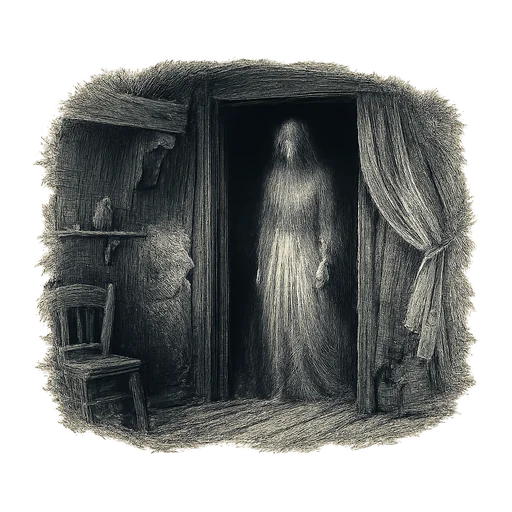
Stories told about the place that the records don’t confirm.

- Legend
A legend says that during the 1893 removal a worker who was looting graves felt a ghost land on his shoulders, fled and never returned to work.[7]
What the research shows: We found no contemporary source; the Denver Republican's March 19, 1893 report does not mention it.
- Legend
Local legends tie the park's hauntings to the old graveyard, and some name the ghosts of men from Denver's violent early years.[5]
What the research shows: We could not confirm the named men or the story linking them in a historical source, so we leave the names out.
Before you go

Planning a visit?
Outside only
You can see it from public land; the inside isn’t open.
Access details ›
A public city park of about 80 acres in Capitol Hill, managed by Denver Parks and Recreation. Many people buried in the former city cemetery, perhaps thousands, are thought to remain under the lawns, so please treat it as a burial ground as well as a park. Commercial ghost tours use the park; their marketing is not evidence. Playground and path works are planned from fall 2026 to winter 2027; check the city's site before visiting.
Entry
Cost not confirmed
Access last checked November 19, 2026. Confirm times and prices before you travel.
Approximate location, within about 1 km.
The history of Cheesman Park
Cheesman Park is a Denver city park laid out over the city's first cemetery. In 1893 a botched removal of graves was halted after a newspaper exposed it, and estimates of the burials left under the grass run from several hundred to 5,000; bones still surface. That history drives its ghost stories of figures, voices and sadness, almost all anonymous. It is a public city park.
- Established
- 1859–1910
- Also known as
- Congress Park (former name)
Denver's first cemetery
Mount Prospect Cemetery opened on a 160-acre hilltop east of the young city in 1859; the Denver Public Library records the first burial, of Abraham Kay, on March 17 that year. A 40-acre Catholic section, Mount Calvary, followed in 1865, and the city took over the cemetery in 1873, renaming it Denver City Cemetery. It soon had a poor reputation for neglect.
The removal of 1893
In January 1890 Congress allowed Denver to turn the cemetery into a park. On March 14, 1893, undertaker E. P. McGovern began moving unclaimed remains to Riverside Cemetery for $1.90 a body. Five days later the Denver Republican, under the headline "The Work of Ghouls," reported that single bodies were being divided between two or three boxes, so that 491 'bodies' had been carted away in four days. Mayor Platt Rogers (Riverside Cemetery's 1994 National Register nomination names a 'Mayor Van Horn') dismissed McGovern on March 21. The city dropped its plan to move everyone and left families to arrange removals by November 30, 1893.
The Denver Public Library estimates that 2,000 to 5,000 graves were never moved; a Historic Denver staff member has given a much lower estimate of 400 to 800. Riverside Cemetery's National Register nomination records that the reburials there went unmarked, and that a 1989 wetlands project uncovered closely spaced plain coffins that may be them. In October 2010, irrigation workers in the park found four skeletons.
From cemetery to park
The park was laid out from 1898 to a design by landscape architect Reinhard Schuetze. In 1907 Walter Cheesman's family gave $100,000 for the hilltop pavilion, and the park took his name. It was listed on the National Register in 1986.
Through the years
1859
Mount Prospect Cemetery opens
Mount Prospect Cemetery, Denver's first large cemetery, opened on a 160-acre site in 1859, with its first recorded burial on March 17. A 40-acre Catholic section, Mount Calvary, was set aside in 1865, and after the city acquired…
Read more ›
Mount Prospect Cemetery, Denver's first large cemetery, opened on a 160-acre site in 1859, with its first recorded burial on March 17. A 40-acre Catholic section, Mount Calvary, was set aside in 1865, and after the city acquired the land it was renamed Denver City Cemetery in 1873.[1][2]
Caveat: Some popular accounts date the cemetery to 1858, when the land was set aside.
1890
Congress allows a park
In 1872 Congress ruled the site federal land and sold it to Denver on condition that it always serve as a cemetery. After the city asked to use it as a park, Congress approved the change on January…
Read more ›
In 1872 Congress ruled the site federal land and sold it to Denver on condition that it always serve as a cemetery. After the city asked to use it as a park, Congress approved the change on January 25, 1890, and the site became Congress Park.[1]
1893
Newspaper exposes the removal
On March 19, 1893, the Denver Republican reported under the headline "The Work of Ghouls" that workers were dividing single bodies between two or three boxes, so that 491 'bodies' had been boxed and carted away in four…
Read more ›
On March 19, 1893, the Denver Republican reported under the headline "The Work of Ghouls" that workers were dividing single bodies between two or three boxes, so that 491 'bodies' had been boxed and carted away in four days, and that the contracts had been pushed through while the mayor was out of town.[3]
Caveat: A partisan paper attacking the city administration; we read it through a transcription and scan of the microfilm.
1893
Removal halted
Mayor Platt Rogers (Riverside Cemetery's 1994 nomination names a 'Mayor Van Horn') dismissed McGovern on March 21, 1893, before all the graves were moved. The city then dropped its plan to move every burial and gave families until…
Read more ›
Mayor Platt Rogers (Riverside Cemetery's 1994 nomination names a 'Mayor Van Horn') dismissed McGovern on March 21, 1893, before all the graves were moved. The city then dropped its plan to move every burial and gave families until November 30, 1893, to arrange removals themselves.[1]
Caveat: Riverside's 1994 nomination attributes the closure to a 'Mayor Van Horn'; the library's account names Platt Rogers.
1907
Renamed Cheesman Park
The park was laid out from 1898 to a design by landscape architect Reinhard Schuetze. In 1907 Walter Scott Cheesman's family gave $100,000 for a hilltop pavilion, completed about 1909, and the park was renamed for him. It…
Read more ›
The park was laid out from 1898 to a design by landscape architect Reinhard Schuetze. In 1907 Walter Scott Cheesman's family gave $100,000 for a hilltop pavilion, completed about 1909, and the park was renamed for him. It was listed on the National Register on September 17, 1986, as part of the Denver Park and Parkway System.[6][1]
1989
Possible 1893 reburials found at Riverside
The people moved to Riverside in 1893 were reburied in an unrecorded place. In 1989 a wetlands project beside Riverside uncovered closely spaced plain coffins that may be those reburials; they were covered over and the cemetery's boundary was extended to include them.[2]
2010
Skeletons found during irrigation work
The Denver Public Library estimates that 2,000 to 5,000 graves were never moved and remain under the park, though a Historic Denver staff member has given a much lower estimate of 400 to 800; remains still surface, as…
The research conclusion

Why it has this rating
One traceable, self-published first-person account (a 2005 reader submission), lurid and uncorroborated; everything else is anonymous. The badly handled removal of the city cemetery in 1893 is documented history; the park is treated as a burial ground.
Read the full written assessment ›
The cemetery's history is unusually well recorded: the Denver Public Library's archivists, the Denver Republican's 1893 exposé (read in a transcription and scan), the Riverside Cemetery National Register nomination and reports of skeletons found in 2010 all agree that the removal was abandoned and many people were left in place.
The ghost material is far weaker. Most of it is anonymous: unnamed visitors and residents reporting sadness, whispering, shadow figures and a singing woman who vanishes. The only first-person account by a named person we found is a 2005 reader submission to a ghost-history website. Historic Denver has described the hauntings as rumor and anecdote. None of this shows more than what people believe they felt or saw.
The sources behind the story
7 research references support this entry.

1Denver Public Library Special Collections and ArchivesCheesman Park's Past Life as a Cemetery Archive or collection · Reference 01
Katie Rudolph, Cheesman Park's Past Life as a Cemetery. Denver Public Library Special Collections and Archives, 2015-10-05.
Archivist's history drawing on the library's collections: 1859 opening and first burial; 1865 Mount Calvary; 1872 federal sale with a cemetery condition; 1873 renaming; January 25, 1890 congressional approval; McGovern's start on March 14, 1893 and dismissal on March 21; November 30, 1893 deadline; 1907 Cheesman gift; estimate of 2,000 to 5,000 graves never moved. Nothing about ghosts.
Accessed November 17, 2026.
2National Park Service (NPGallery)National Register of Historic Places Registration Form: Riverside Cemetery (ref. 94001253) Register or nomination · Reference 02
Fairmount Cemetery Company, National Register of Historic Places Registration Form: Riverside Cemetery (ref. 94001253). National Park Service (NPGallery), 1994-10-28.
Riverside's nomination (prepared March 1994 by its owner), read by OCR. Says City Cemetery held nearly 6,000 bodies, that the city hired McGovern (given as 'E.F.') to move them to Riverside, that the reburial site went unrecorded, and that a 1989 wetlands project uncovered closely spaced plain coffins that may be those reburials. Names the mayor as Van Horn, which conflicts with the library's Platt Rogers.
Accessed November 17, 2026.
3The Denver Republican; transcription and scan on theshamblog.comThe Work of Ghouls (Denver Republican, March 19, 1893), transcribed in 'The Work of Ghouls' by Scott Shambaugh Newspaper · Reference 03
Scott Shambaugh (transcriber), The Work of Ghouls (Denver Republican, March 19, 1893), transcribed in 'The Work of Ghouls' by Scott Shambaugh. The Denver Republican; transcription and scan on theshamblog.com, 1893-03-19.
Contemporary newspaper exposé, read through a 2018 blog transcription made from microfilm at the Denver Central Library, with a linked scan; the paper is not in the Colorado Historic Newspapers Collection. Reports McGovern's $1.90 per body contract, single bodies divided among two or three boxes, 491 'bodies' boxed in four days, and contracts pushed through while the mayor was away. A partisan paper attacking the city administration. 'Ghouls' is a metaphor; it says nothing about ghosts.
Accessed November 17, 2026.
4Denver7 (KMGH-TV)Discover Colorado's haunted history of Cheesman Park Television or radio · Reference 04
Denver7 Team, Discover Colorado's haunted history of Cheesman Park. Denver7 (KMGH-TV).
Undated TV feature. Quotes a Historic Denver staff member that there are 'rumors of hauntings' that are anecdotal, and that low estimates put 400 to 800 bodies still in the park, with higher estimates of two to four thousand. Names no witnesses.
Accessed November 17, 2026.
55280 MagazineRemains (and Spooky Legends) Rise Up at Cheesman Park Magazine · Reference 05
Michael de Yoanna, Remains (and Spooky Legends) Rise Up at Cheesman Park. 5280 Magazine, 2010-11-02.
Reports that irrigation workers found four skeletons in the park just before Halloween 2010 and quotes a Denver Parks spokeswoman (via the Denver Post) that many burials were of paupers and criminals without records. Summarizes local legends, citing 7News, naming two 1850s-60s figures as ghosts; we did not use those names (see notes).
Accessed November 17, 2026.
6History Colorado, National and State RegisterCheesman Park (5DV.5308) Register or nomination · Reference 06
Cheesman Park (5DV.5308). History Colorado, National and State Register.
State register summary: National Register listing September 17, 1986, as part of the Denver Park and Parkway System; designed by Reinhard Schuetze; dates the park to 1898; boundaries 13th Avenue, High Street, 8th Avenue and Franklin Street. Nothing about the cemetery or ghosts.
Accessed November 17, 2026.
7Legends of AmericaGhosts of Cheesman Park in Denver Website · Reference 07
Kathy Alexander; reader submission by Lee Cook, Ghosts of Cheesman Park in Denver. Legends of America, 2026-04.
Popular history and ghost site (updated April 2026). Retells the cemetery's history and gathers anonymous ghost reports (sadness, whispers, vanishing children, a singing woman, shadow figures), a legend of an 1893 grave-looting worker, and a reader account submitted by Lee Cook in November 2005. Cites no books; not independent evidence.
Accessed November 17, 2026.
More haunted places
Explore nearby
Historic house
Croke-Patterson-Campbell Mansion
Denver, Colorado · under 1 mile away · Outside only
Historic house
Molly Brown House Museum
Denver, Colorado · under 1 mile away · Open to visitors
Hotel
The Brown Palace Hotel and Spa
Denver, Colorado · 1.4 miles away · Open to visitors
Cemetery
Riverside Cemetery
Denver, Colorado · 4.2 miles away · Outside only
Similar places
Also a cemetery · also reported: shadow figures, being touched
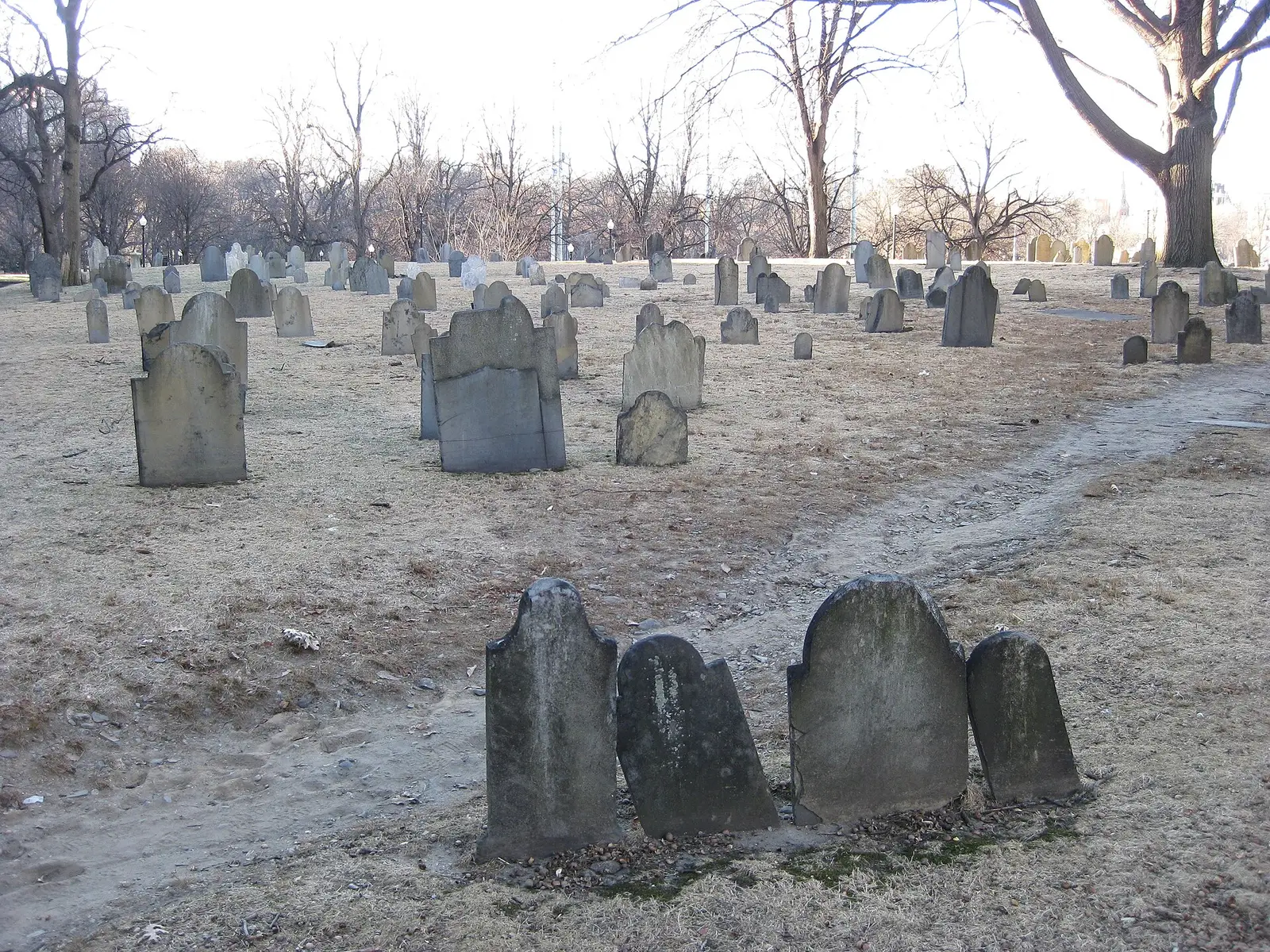
Cemetery · Boston, MA
Boston Common and the Central Burying Ground
The Central Burying Ground is the 1756 graveyard on the Boylston Street edge of Boston Common, the city's oldest park and once a place of public hangings.
UnverifiedOutside onlyAlso a cemetery · also reported: shadow figures
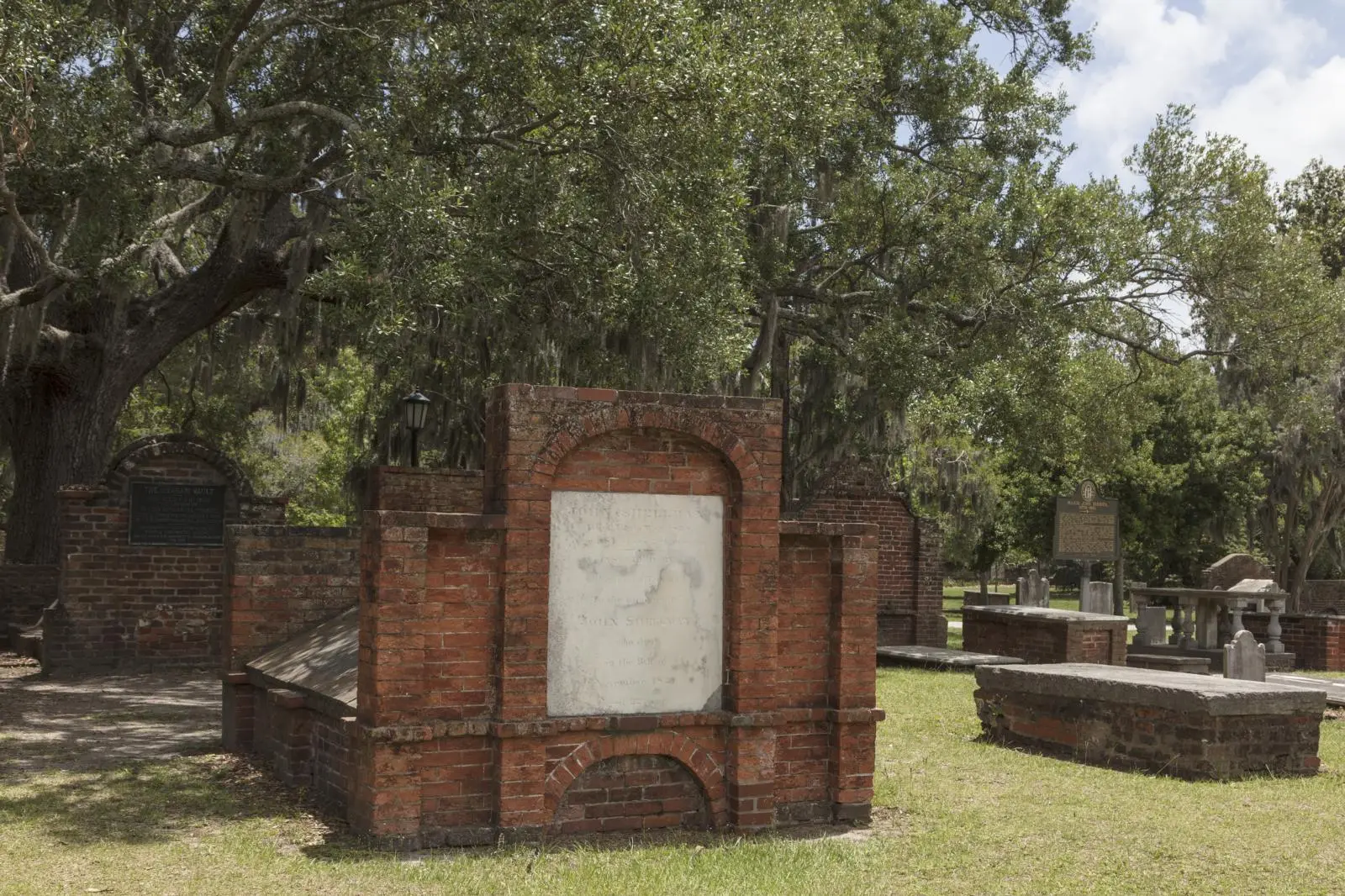
Cemetery · Savannah, GA
Colonial Park Cemetery
Colonial Park Cemetery was Savannah's main burial ground from about 1750 to 1853 and holds more than 9,000 graves, most now unmarked.
Documented AccountsOutside onlyAlso a cemetery · also reported: being touched
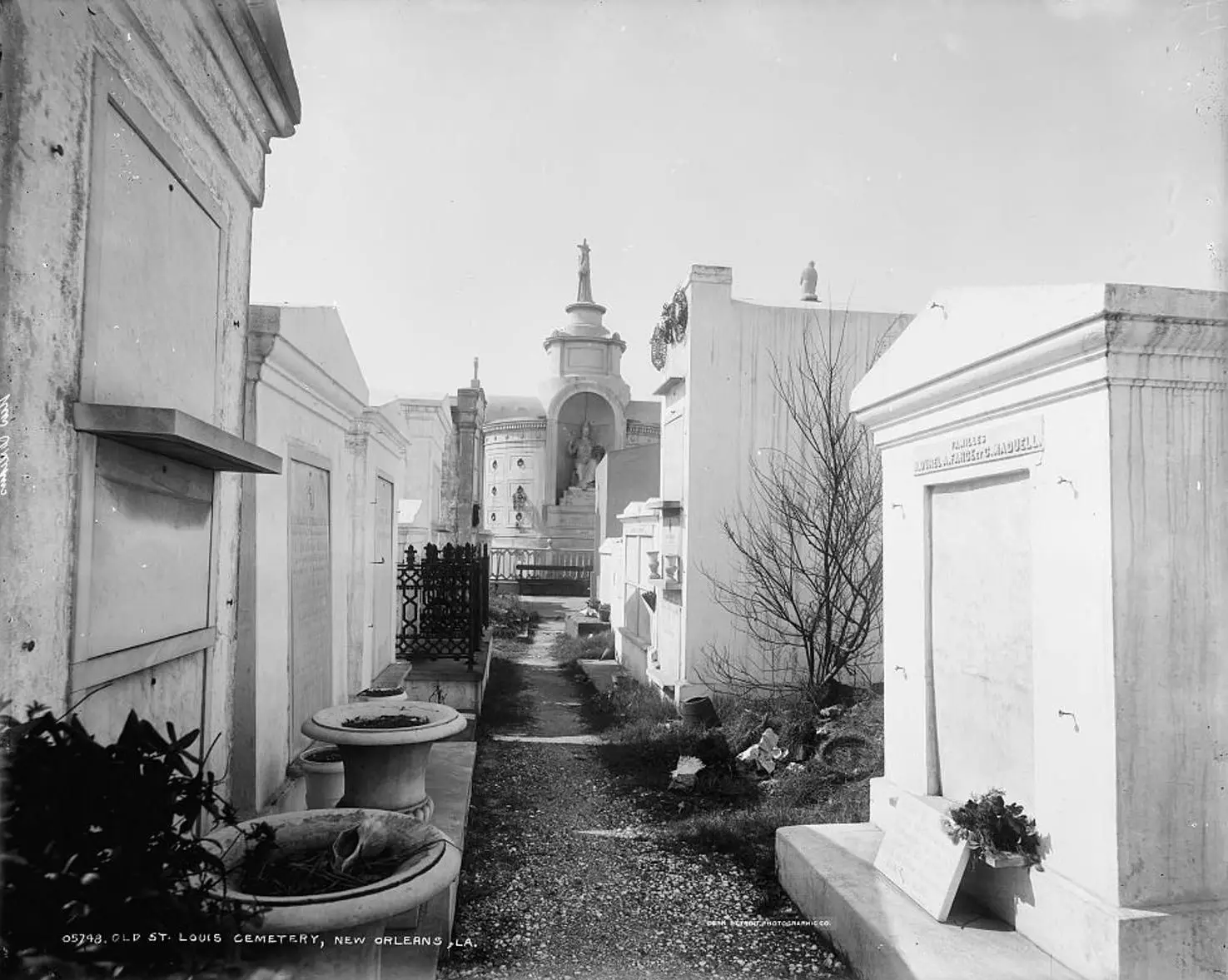
Cemetery · New Orleans, LA
St. Louis Cemetery No. 1
New Orleans' oldest surviving cemetery, founded in 1789 and known for its above-ground tombs.
UnverifiedTours onlyAlso a cemetery · also reported: being touched
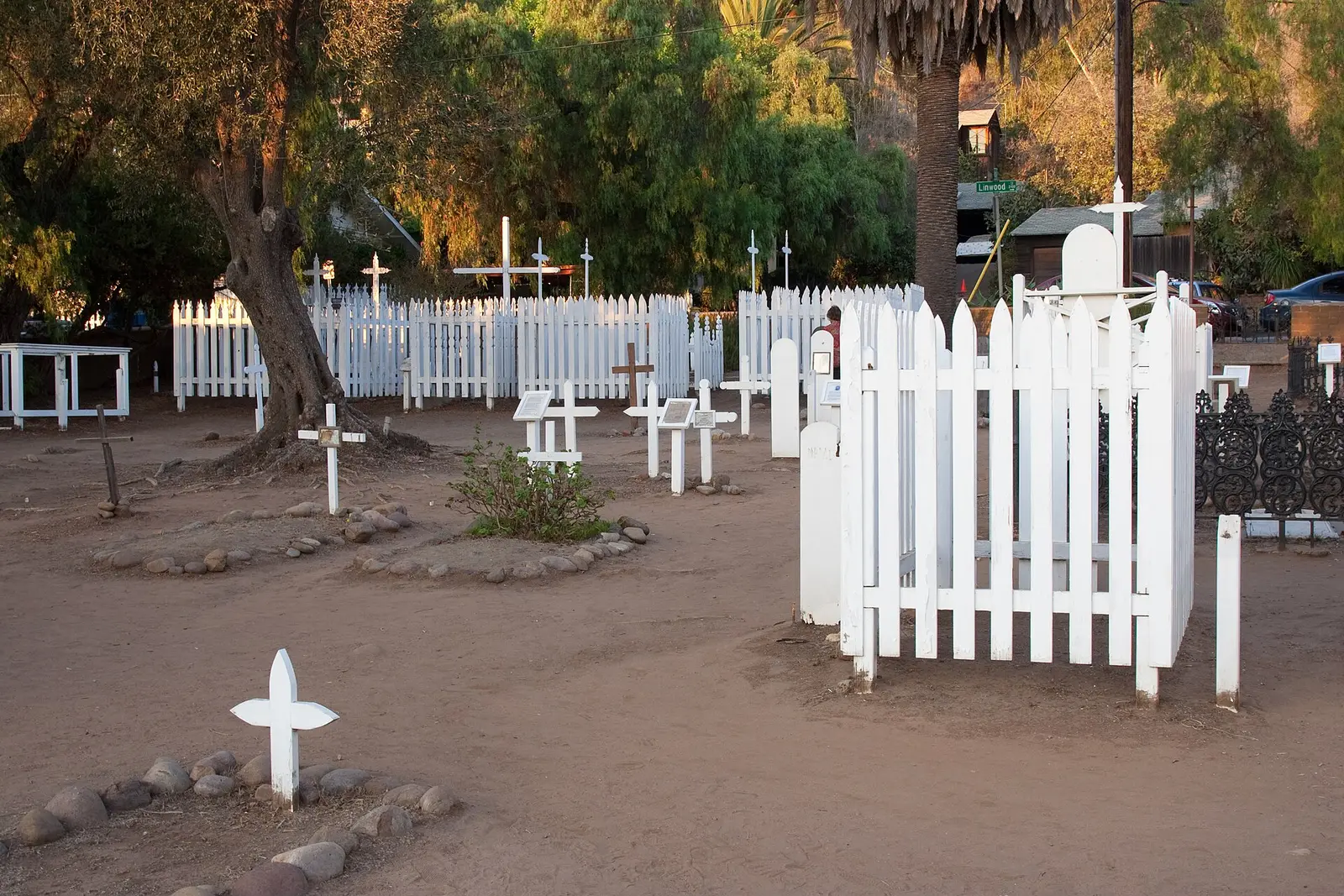
Cemetery · San Diego, CA
El Campo Santo Cemetery
El Campo Santo is Old Town San Diego's Catholic cemetery, opened in 1849, where about 477 people were buried, including many Native Americans and Yankee Jim Robinson.
UnverifiedOutside only