← New Orleans Lafayette Cemetery No. 1
Lafayette Cemetery No. 1
New Orleans, Louisiana
Lafayette Cemetery No. 1 is an above-ground cemetery in the Garden District, founded in 1833, where many yellow fever victims were buried.
What do we know about Lafayette Cemetery No. 1?
The ghost material is thin. The main story is a 1997 legend about wandering epidemic victims, with no witness, and ghost-tour pages offer only general claims of apparitions and sounds. The one first-person account we found describes a peaceful visit and phone-app readings, which are not evidence. The cemetery's fame owes much to fiction and film, which are not reports.

Our rating of the reports about Lafayette Cemetery No. 1: Unverified. A haunted reputation or legend, but no traceable account of an experience so far. The rating describes the evidence for the reports, not whether the place is haunted.
- Reported accounts
- 2
- Counted for the rating
- 0
- Research sources
- 7
Counted for the rating: independent accounts we could trace to a witness. Retellings of the same story count once, and staff passing on what visitors said aren’t counted. How we count
Reported experiences don’t establish a supernatural cause.
Read our evidence assessment →The hauntings
Accounts, encounters and stories associated with Lafayette Cemetery No. 1.
What has been reported?
- Apparitions
- Voices
Phenomena described in accounts associated with this location — not independently verified events.
Reported experiences
2 published and reported accounts, each assessed by its source.
Account 01
Ghost City Tours
A ghost-tour company says visitors report apparitions, unexplained sounds and a sense of being watched among the tombs.[6]
- Apparitions
- Voices
No traceable witnessReported by Ghost City ToursNote: No witnesses or dates given; the same page lists fictional characters from Anne Rice's novels among its 'spirits'.
Read full account ›
A ghost-tour company says visitors report apparitions, unexplained sounds and a sense of being watched among the tombs.[6]
Account 02 · December 27, 2013
The Haunted Librarian, 2013
A paranormal blogger who visited in December 2013 found the cemetery peaceful, recorded 'a few blips' and words on a ghost-detecting phone app, and said she did not think many spirits linger there.[7]
Published accountReported by The Haunted Librarian (blog)Note: App readings are not evidence of anything; this is mostly an account of experiencing nothing unusual.
Read full account ›
A paranormal blogger who visited in December 2013 found the cemetery peaceful, recorded 'a few blips' and words on a ghost-detecting phone app, and said she did not think many spirits linger there.[7]
Legends & disputed stories
Stories told about the place that the records don’t confirm.
- Legend
A published New Orleans ghost legend says the souls of 1853 yellow fever victims wander the cemetery and nearby streets before dawn, looking for home and calling to passersby who cannot hear them.[5]
What the research shows: A story with no named witness, reprinted by a ghost-tour company.
Before you go

Planning a visit?
Tours only
Visits are by guided tour or organized event.
Access details ›
After seven years closed, the cemetery reopened on October 1, 2026, but only for small guided tours booked through the Preservation Resource Center; the cemetery makes separate arrangements for people with relatives buried there. It is an active cemetery, so please be respectful. The walls can be seen from the surrounding streets.
Entry
Cost not confirmed
Access last checked November 19, 2026. Confirm times and prices before you travel.
The history of Lafayette Cemetery No. 1
Lafayette Cemetery No. 1 is an above-ground cemetery in the Garden District, founded in 1833, where many yellow fever victims were buried. A 1997 ghost book says the epidemic's dead wander there before dawn, and tour companies repeat general reports of apparitions, but no witness is named. It reopened in October 2026 for guided tours only.
- Established
- 1833
- Also known as
- Lafayette Cemetery
A cemetery for a new city
Lafayette Cemetery No. 1 lies in New Orleans's Garden District, which was once the separate City of Lafayette. When that city was laid out on the former de Livaudais plantation and incorporated in 1833, one square, bounded by Washington Avenue and Prytania, Coliseum and Sixth Streets, was set aside for burials. City ordinances of August 3, 1833, allowed burials to begin, though one early history says the site was in use as early as 1824.
Surveyor Benjamin Buisson laid it out with two avenues crossing at the center, and the WPA guide of 1938 called it the first planned cemetery in New Orleans. Burial vaults are built into its walls, and family tombs in Greek Revival and Gothic styles fill the quarters.
Epidemics and notable burials
The cemetery received large numbers of burials during the yellow fever epidemics, including many German and Irish immigrants who came in the 1830s and 1840s. Its tombs also hold Samuel J. Peters, who promoted the city's public schools, architect John Turpin and Confederate generals John B. Hood and Harry Hays. When Lafayette joined New Orleans in 1852, the cemetery became city property, though the tombs are privately owned. It was listed on the National Register of Historic Places in 1972.
Closure and reopening
The city closed the cemetery in 2019 for repairs, with vandalism and crowding from large tours also cited. It reopened on October 1, 2026, for small guided tours.
Through the years
1833
Cemetery established
When the City of Lafayette was laid out on the former de Livaudais plantation and incorporated in 1833, the square bounded by Washington Avenue and Prytania, Coliseum and Sixth Streets was set aside as a cemetery, and burials…
Read more ›
When the City of Lafayette was laid out on the former de Livaudais plantation and incorporated in 1833, the square bounded by Washington Avenue and Prytania, Coliseum and Sixth Streets was set aside as a cemetery, and burials began under city ordinances of August 3, 1833.[1]
Caveat: The nomination notes Rightor's Standard History says the site was used for burials as early as 1824.
1852
Lafayette joins New Orleans
When Lafayette merged with New Orleans in 1852, the cemetery became city property; the city owns the grounds, walls and walks, while the tombs and plots are privately owned.[1]
1972
Listed on the National Register
The cemetery was listed on the National Register of Historic Places on February 1, 1972.[1]
2026
Reopens for guided tours
The cemetery reopened on October 1, 2026, for small guided tours run by the Preservation Resource Center, with separate arrangements for people whose relatives are buried there.[3]

Also recorded
Large numbers of burials took place here during the yellow fever epidemics, including many German and Irish settlers who arrived in the 1830s and 1840s.[1]
Those buried here include Samuel J. Peters, a promoter of the city's public schools; architect John Turpin; and Confederate generals John B. Hood and Harry Hays.[1]
The research conclusion

Why it has this rating
No traceable account of a specific experience: the legend of wandering yellow fever victims has no witness, tour companies make generic claims, and the one named visitor, a blogger in 2013, found the cemetery peaceful apart from phone-app readings.
Read the full written assessment ›
The history is well recorded in its National Register nomination: the 1833 founding, Buisson's plan, mass burials during yellow fever epidemics and the city's ownership.
The ghost material is thin. The main story is a 1997 legend about wandering epidemic victims, with no witness, and ghost-tour pages offer only general claims of apparitions and sounds. The one first-person account we found describes a peaceful visit and phone-app readings, which are not evidence. The cemetery's fame owes much to fiction and film, which are not reports.
The sources behind the story
7 research references support this entry.

1National Park Service (NPGallery)Lafayette Cemetery No. 1, National Register of Historic Places Inventory–Nomination Form Register or nomination · Reference 01
Ray Samuel, Garden District Association, Lafayette Cemetery No. 1, National Register of Historic Places Inventory–Nomination Form. National Park Service (NPGallery), 1971.
Nomination prepared February 1971; listed February 1, 1972. Gives founding, design, ownership and notable burials, citing 19th-century guides and ordinances. Does not discuss ghosts.
Accessed November 16, 2026.
2Houghton Mifflin, BostonNew Orleans City Guide (American Guide Series) Book · Reference 02
Federal Writers' Project of the Works Progress Administration, New Orleans City Guide (American Guide Series). Houghton Mifflin, Boston, 1938.
Cemeteries chapter and Garden District tour entry 137. Supports the 'first planned cemetery' description.
Accessed November 16, 2026.
3WVUE Fox 8, republished by WLOXHistoric New Orleans cemetery reopens for tours after 7-year closure Television or radio · Reference 03
Jennifer Crockett, Historic New Orleans cemetery reopens for tours after 7-year closure. WVUE Fox 8, republished by WLOX, 2026-10-03.
Local TV news report on the October 1, 2026 reopening, quoting Save Our Cemeteries at the Preservation Resource Center. Does not give ticket prices.
Accessed November 16, 2026.
4City of New Orleans, Office of the Mayor (GovDelivery)Lafayette Cemetery No. 1 to Close Temporarily for Repairs Official or site history · Reference 04
Lafayette Cemetery No. 1 to Close Temporarily for Repairs. City of New Orleans, Office of the Mayor (GovDelivery), 2019-09-06.
City announcement of the 2019 closure for maintenance and repairs.
Accessed November 16, 2026.
5Haunted History Tours (Paranormal Blog)Haunted Lafayette Cemetery #1 Website · Reference 05
Kalila Smith (excerpt), Haunted Lafayette Cemetery #1. Haunted History Tours (Paranormal Blog).
A ghost-tour company's blog reprinting an excerpt from Kalila Smith's New Orleans Ghosts, Voodoo, & Vampires (1997). Cited only as the place the legend was published; its yellow fever figures are uncited.
Accessed November 16, 2026.
6Ghost City ToursHaunted Lafayette Cemetery in the Garden District Website · Reference 06
Tim Nealon, Haunted Lafayette Cemetery in the Garden District. Ghost City Tours.
Commercial ghost-tour operator's page, undated and uncited; it mixes in characters from Anne Rice's novels. Cited only as a place the lore is published.
Accessed November 16, 2026.
7The Haunted Librarian (blog)Lafayette Cemetery No. 1 Website · Reference 07
The Haunted Librarian (pseudonym), Lafayette Cemetery No. 1. The Haunted Librarian (blog), 2013-12-27.
Personal blog of a paranormal hobbyist describing one daytime visit, including readings from a 'Ghost Radar' phone app, which has no evidential value.
Accessed November 16, 2026.
More haunted places
Explore nearby
Hotel
Hotel Monteleone
New Orleans, Louisiana · 2 miles away · Open to visitors
Museum
New Orleans Pharmacy Museum
New Orleans, Louisiana · 2.2 miles away · Open to visitors
Cemetery
St. Louis Cemetery No. 1
New Orleans, Louisiana · 2.3 miles away · Tours only
Museum
Hermann-Grima House
New Orleans, Louisiana · 2.3 miles away · Tours only

Similar places
Also a cemetery
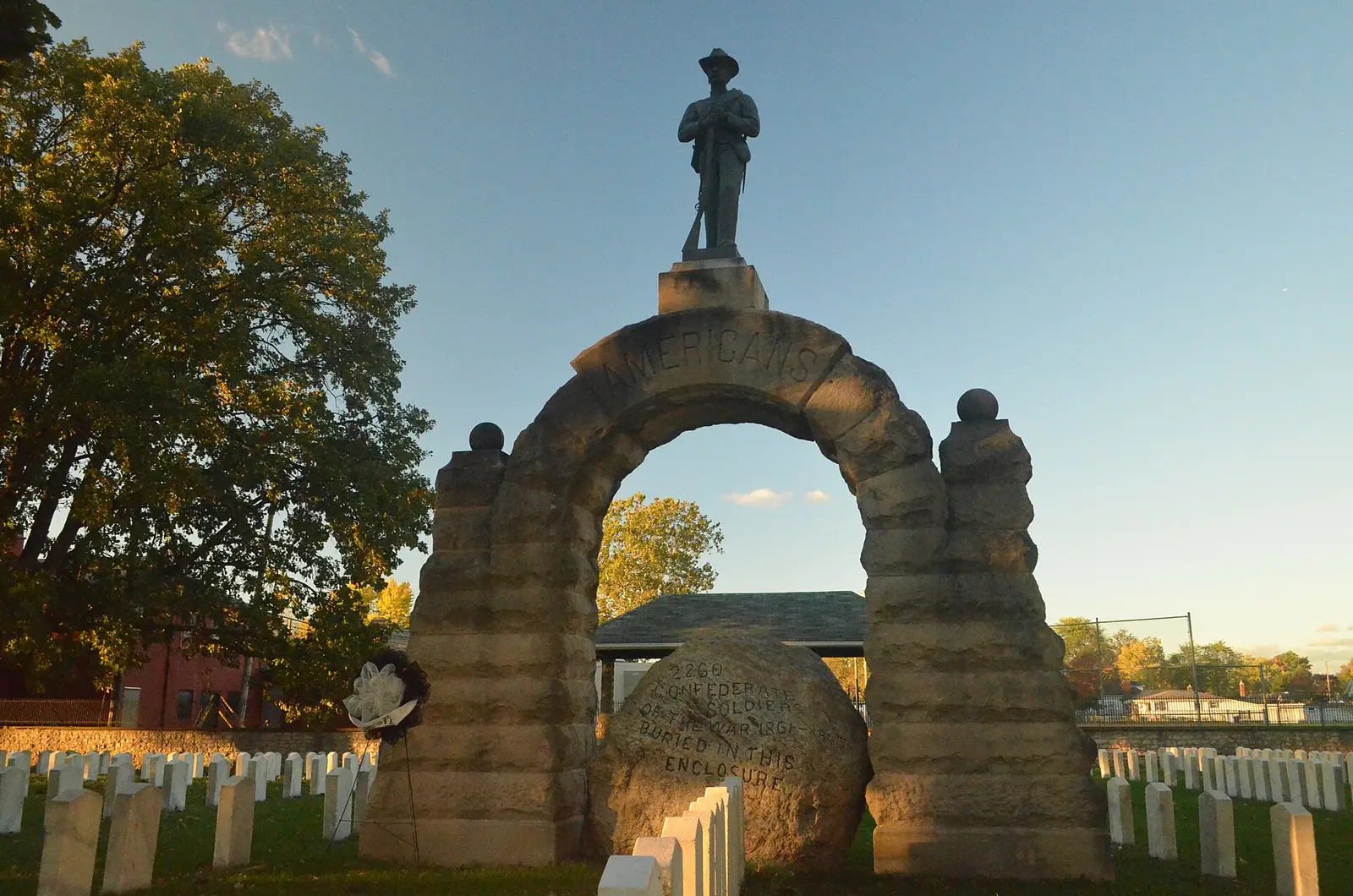
Cemetery · Columbus, OH
Camp Chase Confederate Cemetery
Camp Chase Confederate Cemetery holds more than 2,000 Confederate prisoners who died at a Union prison camp in Columbus between 1861 and 1865.
Documented AccountsOutside onlyAlso a cemetery
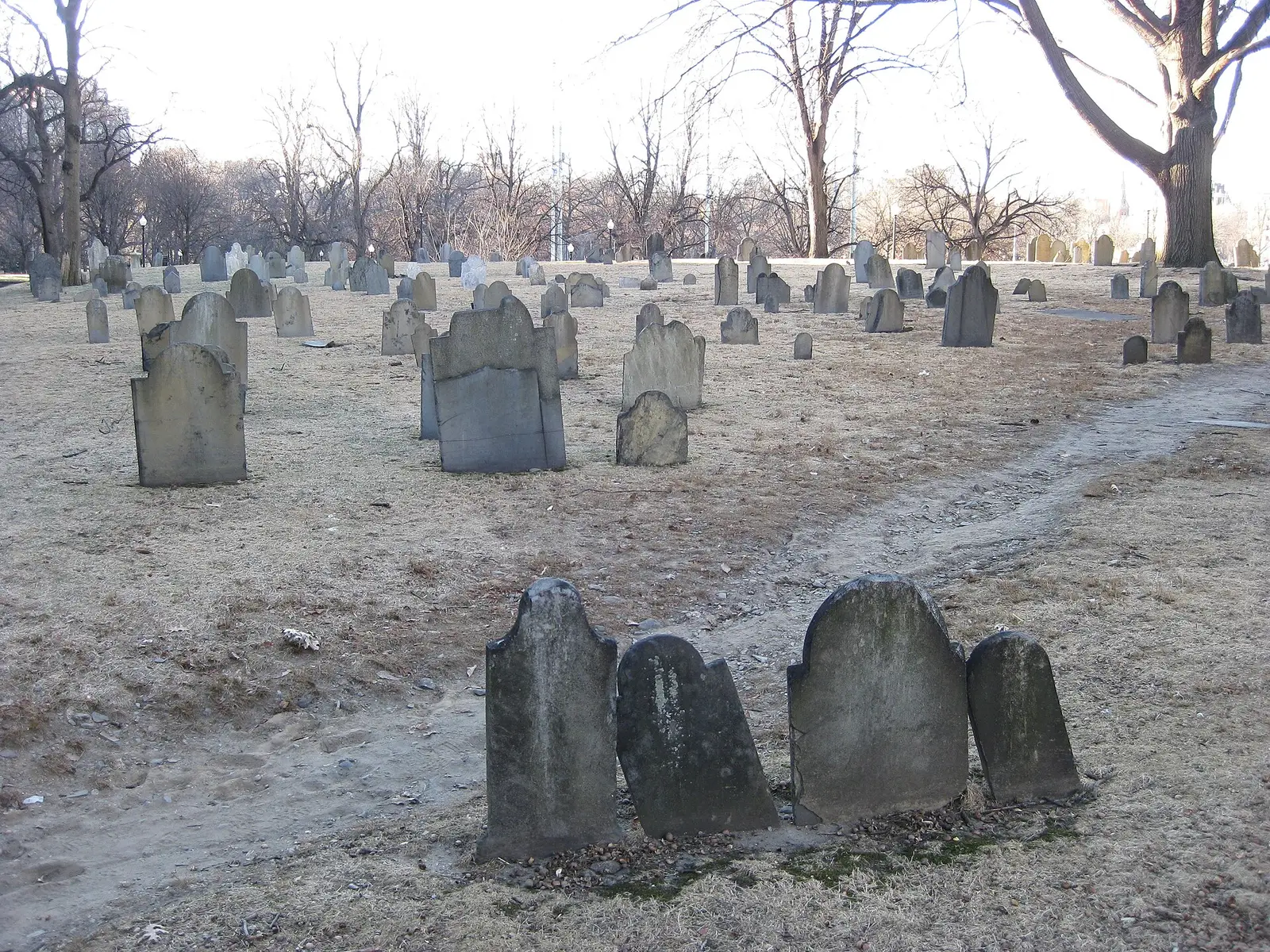
Cemetery · Boston, MA
Boston Common and the Central Burying Ground
The Central Burying Ground is the 1756 graveyard on the Boylston Street edge of Boston Common, the city's oldest park and once a place of public hangings.
UnverifiedOutside onlyAlso a cemetery
Cemetery · Springfield, IL
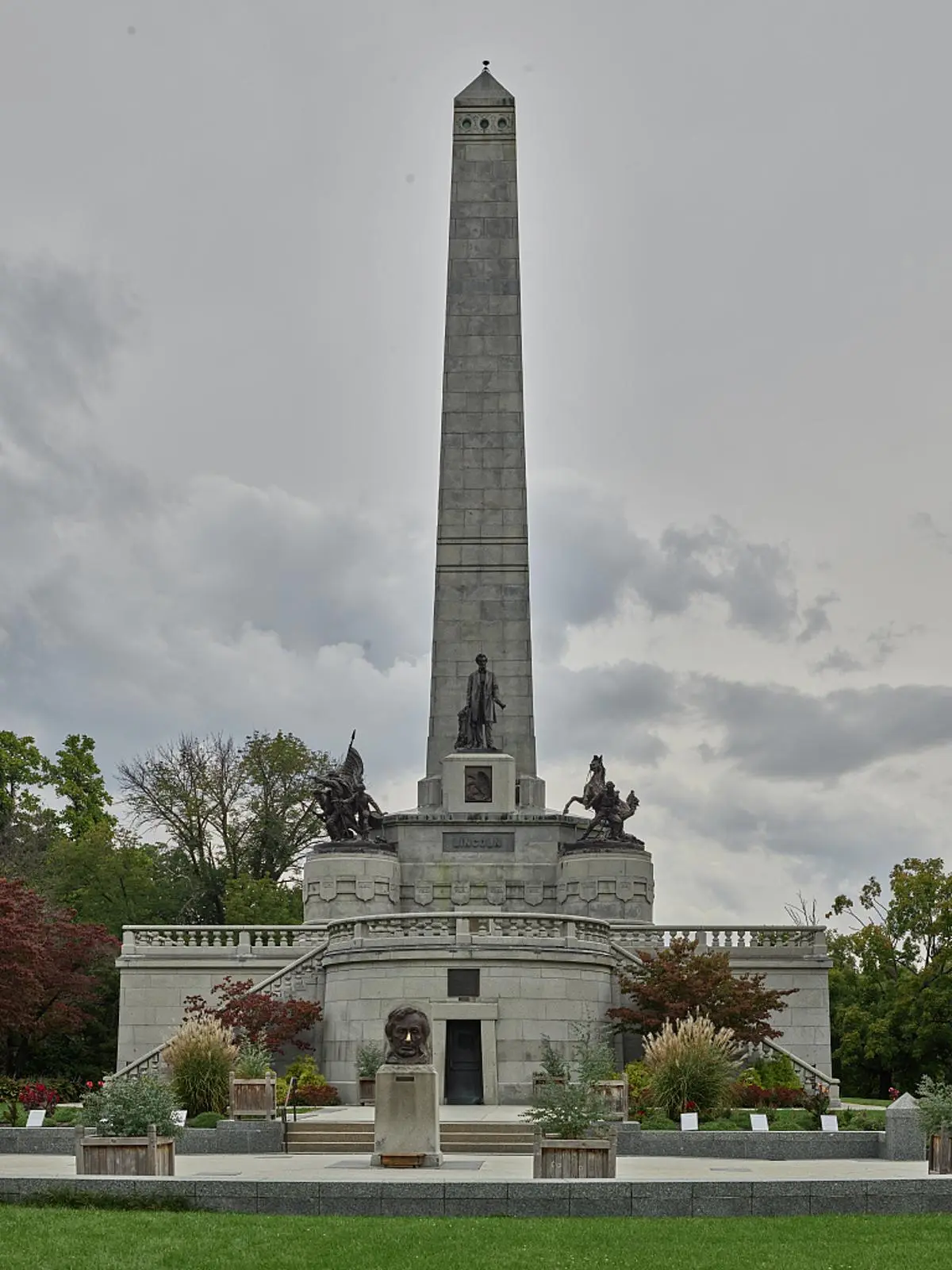
Lincoln Tomb State Historic Site
Lincoln Tomb in Springfield's Oak Ridge Cemetery is the burial place of Abraham Lincoln, Mary Lincoln and three of their sons, dedicated in 1874.
UnverifiedOpen to visitorsAlso a cemetery
Cemetery · Louisville, KY
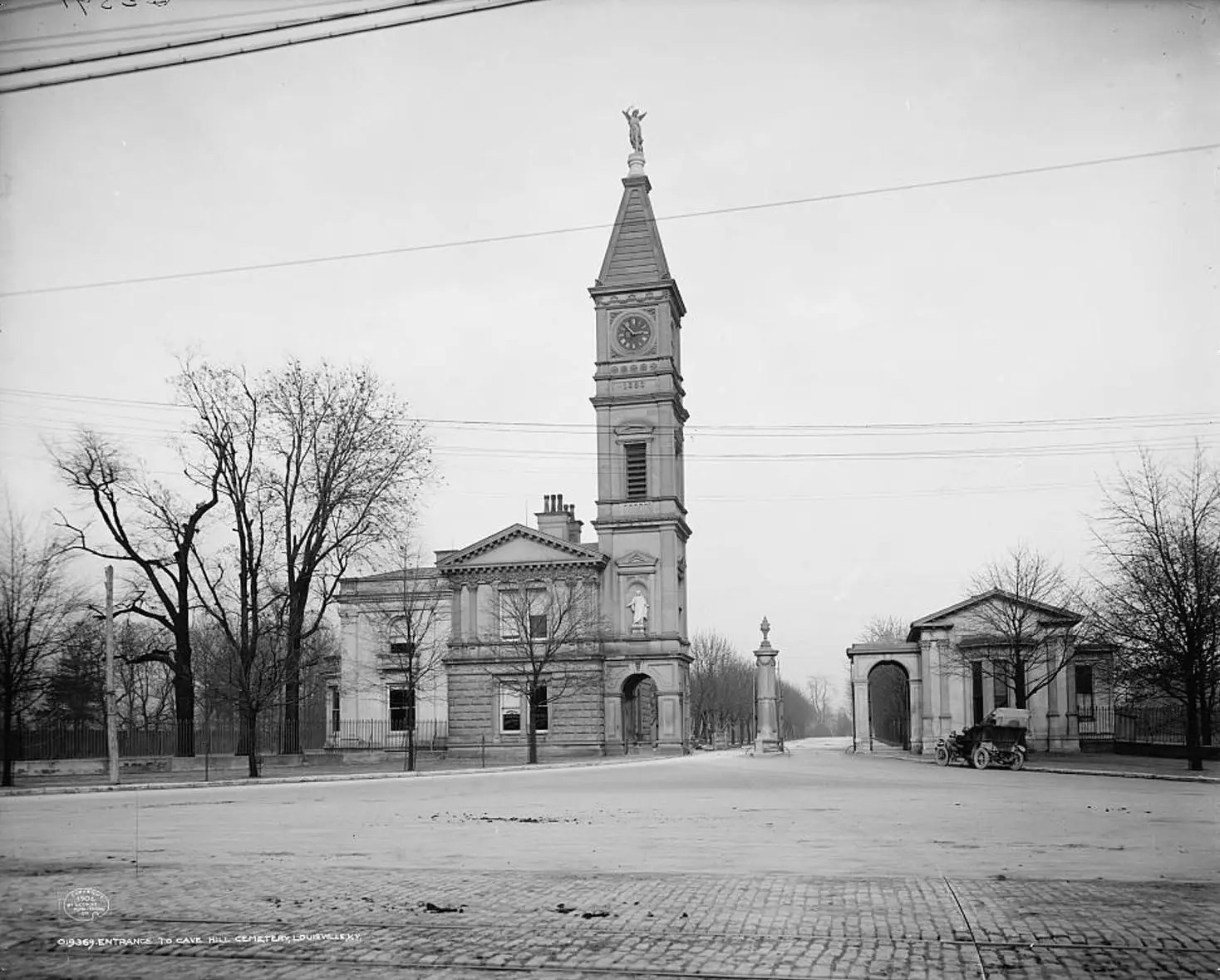
Cave Hill Cemetery
Cave Hill Cemetery is Louisville's great rural cemetery, dedicated in 1848 and the resting place of more than 141,000 people, including Muhammad Ali and George Rogers Clark.
UnverifiedOutside only