← Jim Thorpe Old Jail Museum (former Carbon County Jail)
Old Jail Museum (former Carbon County Jail)
The Molly Maguire hangings and the handprint in Cell 17
Jim Thorpe, Pennsylvania
The former Carbon County Jail in Jim Thorpe held prisoners from 1870 to 1995.
What do we know about Old Jail Museum (former Carbon County Jail)?
The handprint is a legend: accounts disagree over whose hand it was, and forensic scientists who examined it in 1994 said they could not prove or disprove the story. The only traceable ghost account is the museum co-owner's 2018 description of touches and things she has seen, a single source tied to the business.
Our rating of the reports about Old Jail Museum (former Carbon County Jail): Documented Accounts. At least one traceable published or first-hand account of an unexplained experience. We check that the reports exist, not the supernatural. The rating describes the evidence for the reports, not whether the place is haunted.
- Reported account
- 1
- Counted for the rating
- 1
- Research sources
- 5
Counted for the rating: independent accounts we could trace to a witness. Retellings of the same story count once, and staff passing on what visitors said aren’t counted. How we count
Reported experiences don’t establish a supernatural cause.
Read our evidence assessment →The hauntings
Accounts, encounters and stories associated with Old Jail Museum (former Carbon County Jail).
What has been reported?
- Being touched
- Apparitions
Phenomena described in accounts associated with this location — not independently verified events.
Reported experiences
1 published and reported account, each assessed by its source.
Account 01 · August 16, 2018
The museum's co-owner, 2018
The museum's co-owner told the Philadelphia Inquirer in 2018 that visitors sometimes feel their hair being touched or a hand on their shoulder, that she has seen things in the jail that are not there, and that she will not spend a night in the building.[4]
- Being touched
- Apparitions
Published accountReported by The museum's co-owner (Philadelphia Inquirer, 2018)Note: Account from the operator of the museum, so it counts as one origin with any staff stories.
Read full account ›
The museum's co-owner told the Philadelphia Inquirer in 2018 that visitors sometimes feel their hair being touched or a hand on their shoulder, that she has seen things in the jail that are not there, and that she will not spend a night in the building.[4]
Legends & disputed stories
Stories told about the place that the records don’t confirm.

- Legend
A legend says a condemned man pressed his hand to the wall of Cell 17 before his execution, declaring that the print would remain as proof of his innocence, and that the mark has survived scrubbing, painting and rebuilding of the wall.[2][4][5]
What the research shows: Usually attributed to Alexander Campbell (AP, 1994); the museum says some research points to Thomas Fisher. No contemporary record of the words was found.
Before you go
Planning a visit?
Tours only
Visits are by guided tour or organized event.
Access details ›
A privately run museum open in season for paid, guided-only tours of the cells, the Cell 17 handprint and the basement cells; weekday visits need a reservation. The museum does not sell ghost tours and does not allow paranormal or ghost-hunting equipment. Accessibility is limited.
Entry
Paid entry
Access last checked November 16, 2026. Confirm times and prices before you travel.
The history of Old Jail Museum (former Carbon County Jail)
The former Carbon County Jail in Jim Thorpe held prisoners from 1870 to 1995. Four men accused of being Molly Maguires were hanged here on June 21, 1877 (the state historical marker says June 22), and three more by 1879, after trials many historians call unfair. Its legend is a handprint in Cell 17 said to prove a condemned man's innocence. The museum's co-owner has described ghostly touches; the jail offers paid guided tours.
- Established
- 1869–1870
- Also known as
- Carbon County Jail
A county jail
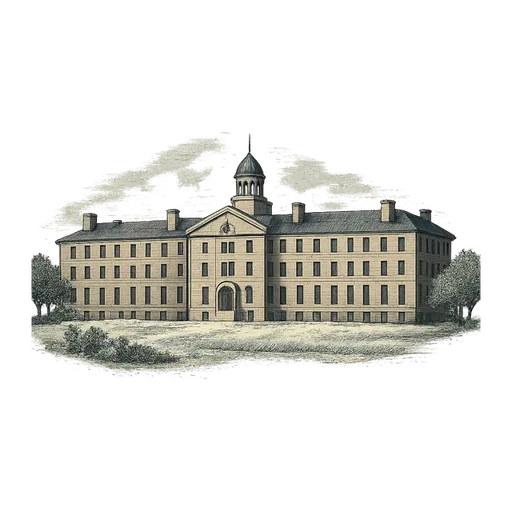
Carbon County built its jail on Broadway in Mauch Chunk, now Jim Thorpe, in 1869–1870. The museum credits the design to Edward Haviland, a specialist in prisons. It is a two-story building of rough-faced stone with a squat tower and thick walls, built to look like a fortress. It held prisoners until 1995, when the county opened a new jail, and its basement cells were used for solitary confinement until 1980.
The Molly Maguires
In the mid-1800s the anthracite coal region was torn by conflict between miners and mine owners. After a long strike broke the miners' union in 1875, a series of killings was blamed on the Molly Maguires, an alleged secret society of Irish mine workers. Men suspected of belonging to it were held in this jail during the trials at Mauch Chunk in 1875–1876.
On June 21, 1877 (June 22 on the state historical marker), Alexander Campbell, Edward Kelly, Michael Doyle and John Donohue were hanged at the jail, while six more men were hanged at Pottsville the same day. Thomas Fisher was hanged here in 1878, and James McDonnell and Charles Sharp in 1879.
The trials remain controversial. Much of the evidence came from a Pinkerton detective, James McParlan, in a campaign tied to railroad president Franklin Gowen, who had broken the miners' union. The state's own history essay calls the defendants' guilt hard to judge, and historians have long questioned whether the trials were fair. In 1979 Governor Milton Shapp granted a posthumous pardon to John Kehoe, described as the group's alleged leader.
The handprint in Cell 17
The jail's legend says a condemned man pressed his hand to the wall of Cell 17 and said the print would remain as proof of his innocence, and that it has survived washing, paint and rebuilding. It is usually credited to Alexander Campbell; the museum says it may have been Thomas Fisher's. In 1994 two forensic scientists examined it for a television program and said they were unlikely to prove or disprove the legend.
The stories
In 2018 the museum's co-owner told the Philadelphia Inquirer that visitors sometimes feel their hair touched or a hand on their shoulder, that she has seen things there, and that she will not stay overnight.
Through the years
1869–1870
Jail built
Carbon County's jail was built in 1869–1870 in Mauch Chunk (now Jim Thorpe) to a design the museum credits to the prison architect Edward Haviland; it is a two-story building of rusticated stone with thick walls and a…
Read more ›
Carbon County's jail was built in 1869–1870 in Mauch Chunk (now Jim Thorpe) to a design the museum credits to the prison architect Edward Haviland; it is a two-story building of rusticated stone with thick walls and a tower, built to look like a fortress.[1][2]
Caveat: The 1974 nomination names the architect as John Haviland and the builder as Henry Bowman; the museum says Edward Haviland and Harry Bowman.
1875–1876
Molly Maguire trials
Men suspected of being Molly Maguires, an alleged secret society of Irish mine workers blamed for violence in the anthracite region, were held at the jail during the trials at Mauch Chunk in 1875–1876, after the 1875 Long…
Read more ›
Men suspected of being Molly Maguires, an alleged secret society of Irish mine workers blamed for violence in the anthracite region, were held at the jail during the trials at Mauch Chunk in 1875–1876, after the 1875 Long Strike broke the miners' Workingmen's Benevolent Association.[3][1]
Caveat: The nomination notes there is no conclusive evidence about the organization's exact nature.
1877
Four men hanged at the jail
On June 21, 1877 (June 22 on the state historical marker), Alexander Campbell, Edward Kelly, Michael Doyle and John Donohue were hanged at the jail; six other men convicted as Molly Maguires were hanged at Pottsville the same day.[2][4]
Caveat: The state marker text gives June 22, 1877; the museum, the Inquirer and the marker essay give June 21.
Contradicted by source 3
1974
Listed on the National Register
The jail was listed on the National Register of Historic Places in 1974; its nomination calls it a reminder of the region's labor conflict and says the trials helped create lasting national suspicion of mine workers and their unions.[1]
1979
Posthumous pardon of John Kehoe
In 1979 Governor Milton Shapp granted a posthumous pardon to John "Blackjack" Kehoe, described as the alleged Molly Maguire leader.[4]
Caveat: Kehoe was not among the men hanged at this jail.
1994
Handprint examined
In 1994 forensic scientists Jeff Kercheval and James E. Starrs examined and photographed the handprint, including under infrared and ultraviolet light, for the TV program Unsolved Mysteries; Kercheval said they were unlikely to prove or disprove the legend.[5]
Also recorded
The fairness of the Molly Maguire prosecutions has long been questioned: much of the evidence came from Pinkerton detective James McParlan, working for interests led by railroad president Franklin Gowen, and historian Harold Aurand called the arrangement a remarkable surrender of state sovereignty; the state's own essay says the guilt of those executed is hard to establish.[3][4]
The research conclusion

Why it has this rating
One traceable account: the museum's co-owner told the Philadelphia Inquirer in 2018 that she has seen things in the jail that are not there. Her report of visitors feeling touches is not counted, and the handprint in Cell 17 is a legend that forensic examination neither confirmed nor explained.
Read the full written assessment ›
The jail's construction, the Molly Maguire imprisonments and the hangings are well recorded by its 1974 National Register nomination, the state historical marker program and the museum. Doubts about the fairness of the trials are part of that documented history.
The handprint is a legend: accounts disagree over whose hand it was, and forensic scientists who examined it in 1994 said they could not prove or disprove the story. The only traceable ghost account is the museum co-owner's 2018 description of touches and things she has seen, a single source tied to the business.
The sources behind the story
5 research references support this entry.
1Pennsylvania Historical and Museum Commission / National Park Service; National Archives CatalogNational Register of Historic Places Inventory–Nomination Form: Carbon County Jail Register or nomination · Reference 01
Sally McMurry, Historic Sites Survey, Pennsylvania Historical and Museum Commission, National Register of Historic Places Inventory–Nomination Form: Carbon County Jail. Pennsylvania Historical and Museum Commission / National Park Service; National Archives Catalog, 1974.
Primary register document (NRIS 74001764; received September 1974). Gives the building's description, 1869–70 construction, the imprisonment of suspected Molly Maguires in 1875–76 and the labor context. Contains errors: it names the architect John (not Edward) Haviland and lists informer James Kerrigan among those executed, so it is not relied on for those details.
Accessed November 16, 2026.
2The Old Jail MuseumThe Old Jail Museum (official site) Official or site history · Reference 02
The Old Jail Museum (official site). The Old Jail Museum.
Museum's own site, checked 2026-11-16: paid, guided-only tours; no paranormal equipment allowed. Gives construction 1869–1870 (Edward Haviland, builder Harry Bowman), use until 1995, the names and dates of the men hanged, and its version of the handprint legend.
Accessed November 16, 2026.
3ExplorePAHistory.com (WITF with the Pennsylvania Historical and Museum Commission)Execution of Molly Maguires (historical marker and background essay) Website · Reference 03
Execution of Molly Maguires (historical marker and background essay). ExplorePAHistory.com (WITF with the Pennsylvania Historical and Museum Commission), 2006-09-09.
State historical marker (dedicated September 9, 2006, at the jail) and an interpretive essay. The essay is the source for McParlan's role, Gowen and the Long Strike, and Harold Aurand's criticism. The marker text dates the executions to June 22, 1877, conflicting with June 21 elsewhere.
Accessed November 16, 2026.
4The Philadelphia InquirerFor sale: Historic NE Pennsylvania jail haunted by the ghosts of hanged coal miners Newspaper · Reference 04
Jason Nark, For sale: Historic NE Pennsylvania jail haunted by the ghosts of hanged coal miners. The Philadelphia Inquirer, 2018-08-16.
News feature on the jail's sale listing. Confirms the June 21, 1877 hangings and three later ones, the Cell 17 legend, historians' doubts about the trials and the 1979 Kehoe pardon. Quotes the museum's co-owner on ghosts; her account is the operator's.
Accessed November 16, 2026.
5Deseret News (Associated Press)Is hand print on jail cell wall an eerie taunt? Newspaper · Reference 05
Is hand print on jail cell wall an eerie taunt?. Deseret News (Associated Press), 1994-06-16.
Earliest published account of the handprint we consulted. Attributes it to Alexander Campbell as legend and reports a forensic examination for 'Unsolved Mysteries' by Jeff Kercheval and James E. Starrs.
Accessed November 16, 2026.
More haunted places
Explore nearby
Former asylum
Pennhurst State School and Hospital
Pennsylvania · 47 miles away · Tours only
Theater
Fulton Theatre
Lancaster, Pennsylvania · 64 miles away · Open to visitors
Prison
Eastern State Penitentiary
Philadelphia, Pennsylvania · 69 miles away · Open to visitors
Fort
Fort Mifflin
Philadelphia, Pennsylvania · 74 miles away · Open to visitors
Similar places
Also a prison · also reported: being touched
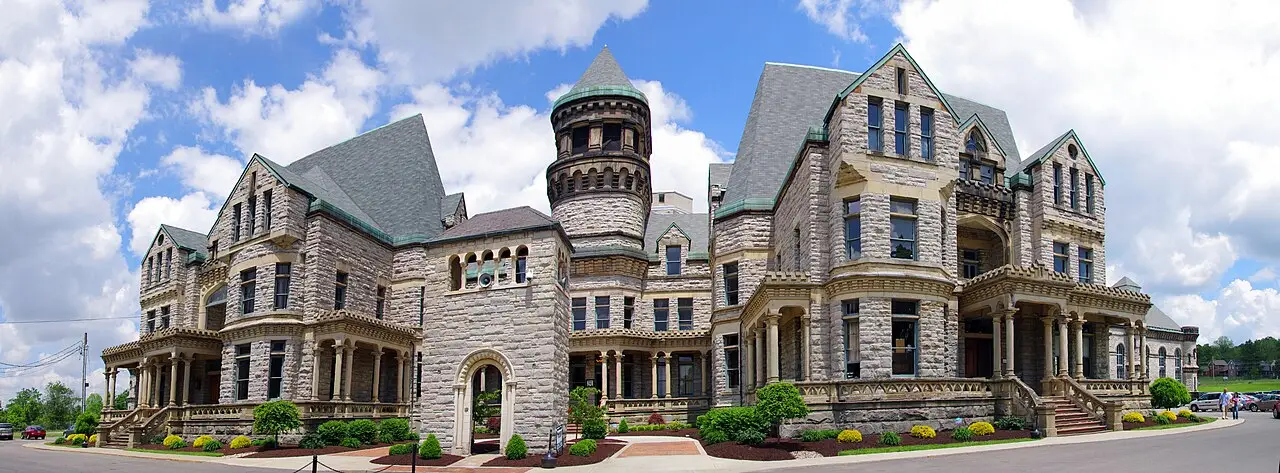
Prison · Mansfield, OH
Ohio State Reformatory
The Ohio State Reformatory in Mansfield opened in 1896 and closed in 1990.
Documented AccountsOpen to visitorsAlso a prison · also reported: being touched
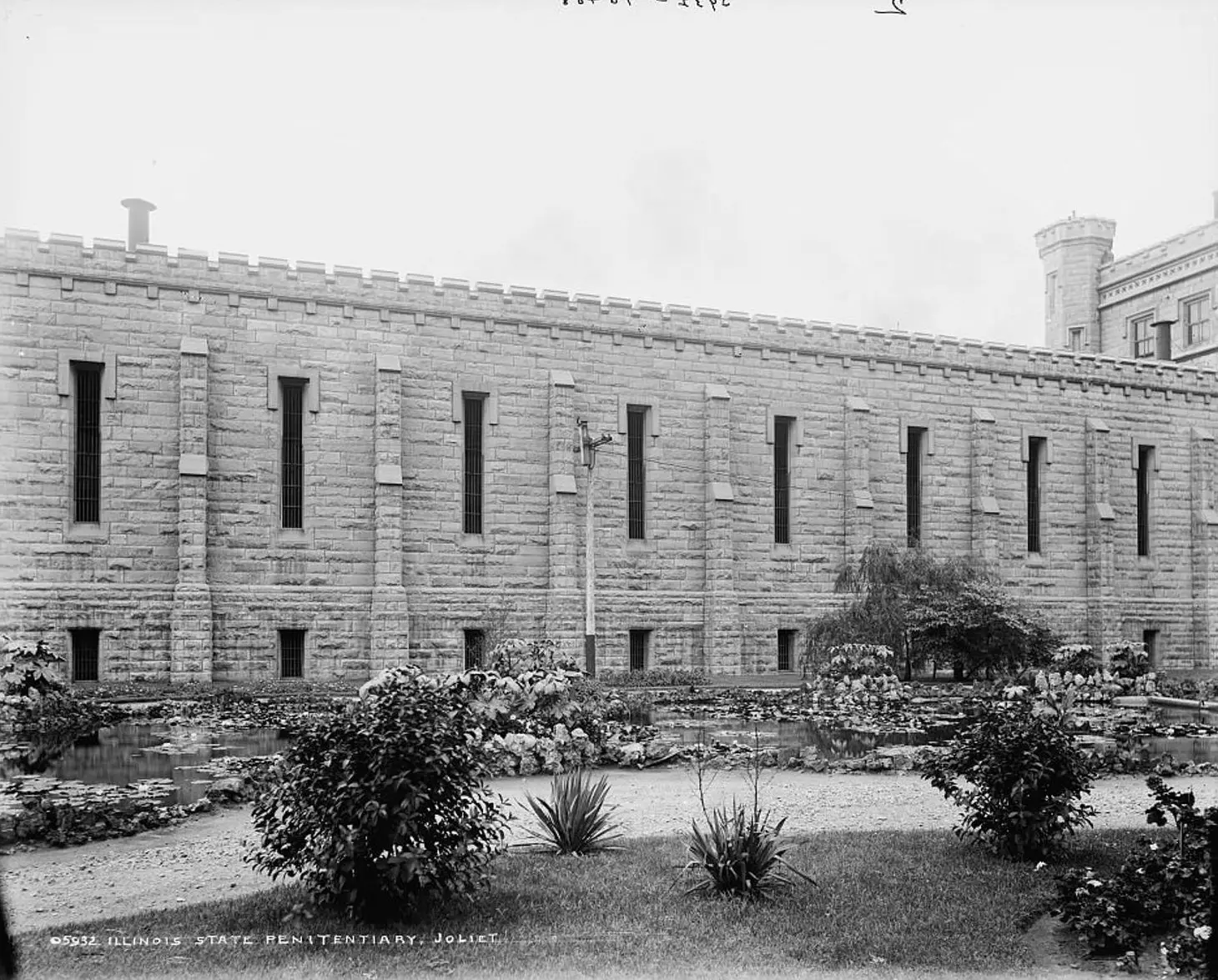
Prison · Joliet, IL
Old Joliet Prison
Old Joliet Prison is the limestone state penitentiary, opened in 1858 and closed in 2002, that people imprisoned there built themselves.
UnverifiedTours onlyAlso a prison · also reported: being touched
Prison · Crown Point, IN
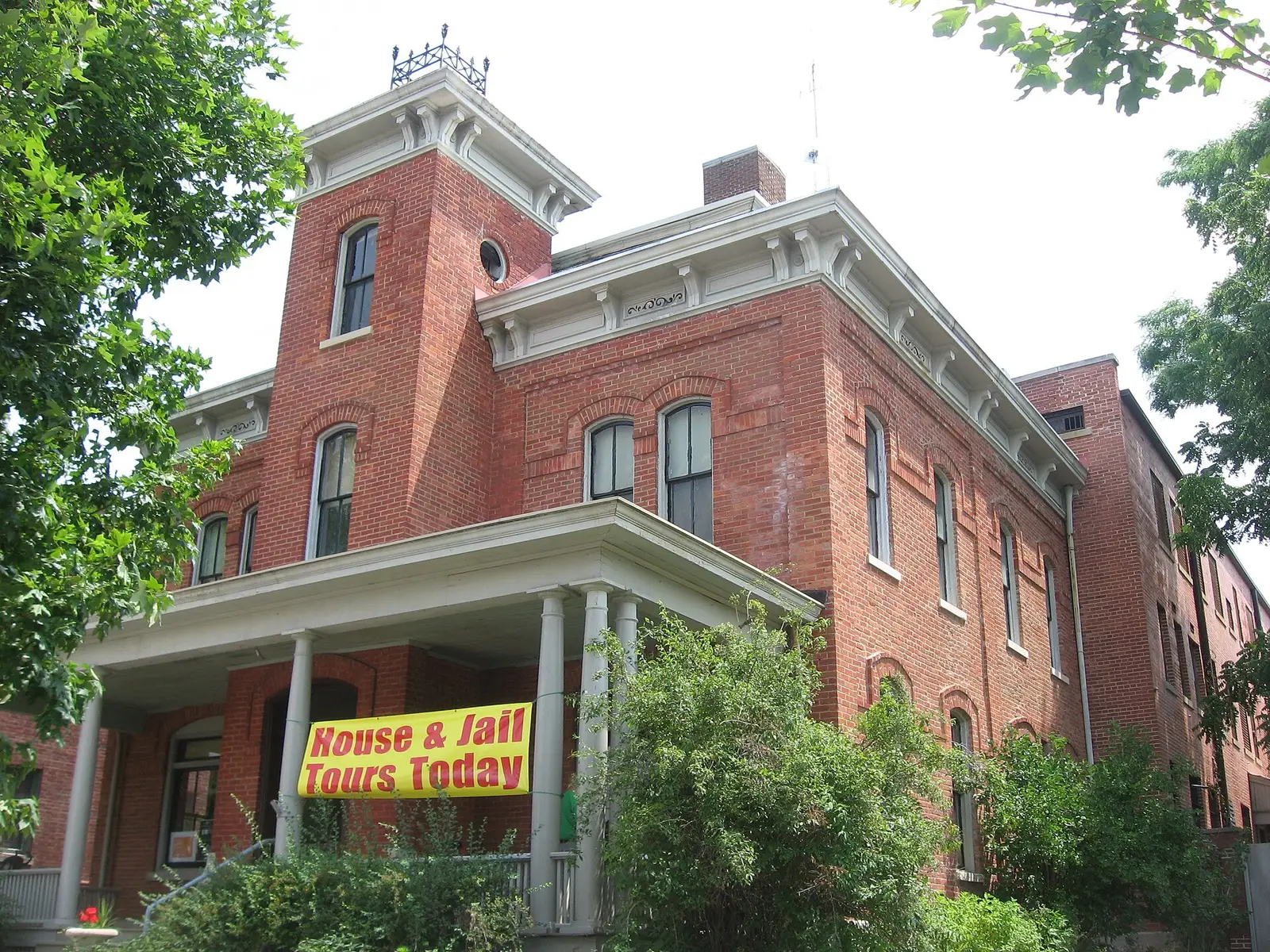
Old Lake County Jail and Sheriff's House
The Old Lake County Jail and Sheriff's House in Crown Point is an 1882 sheriff's residence with a later jail wing, best known as the jail John Dillinger escaped from in March 1934.
Documented AccountsTours onlyAlso a prison · also reported: being touched
Prison · Petros, TN
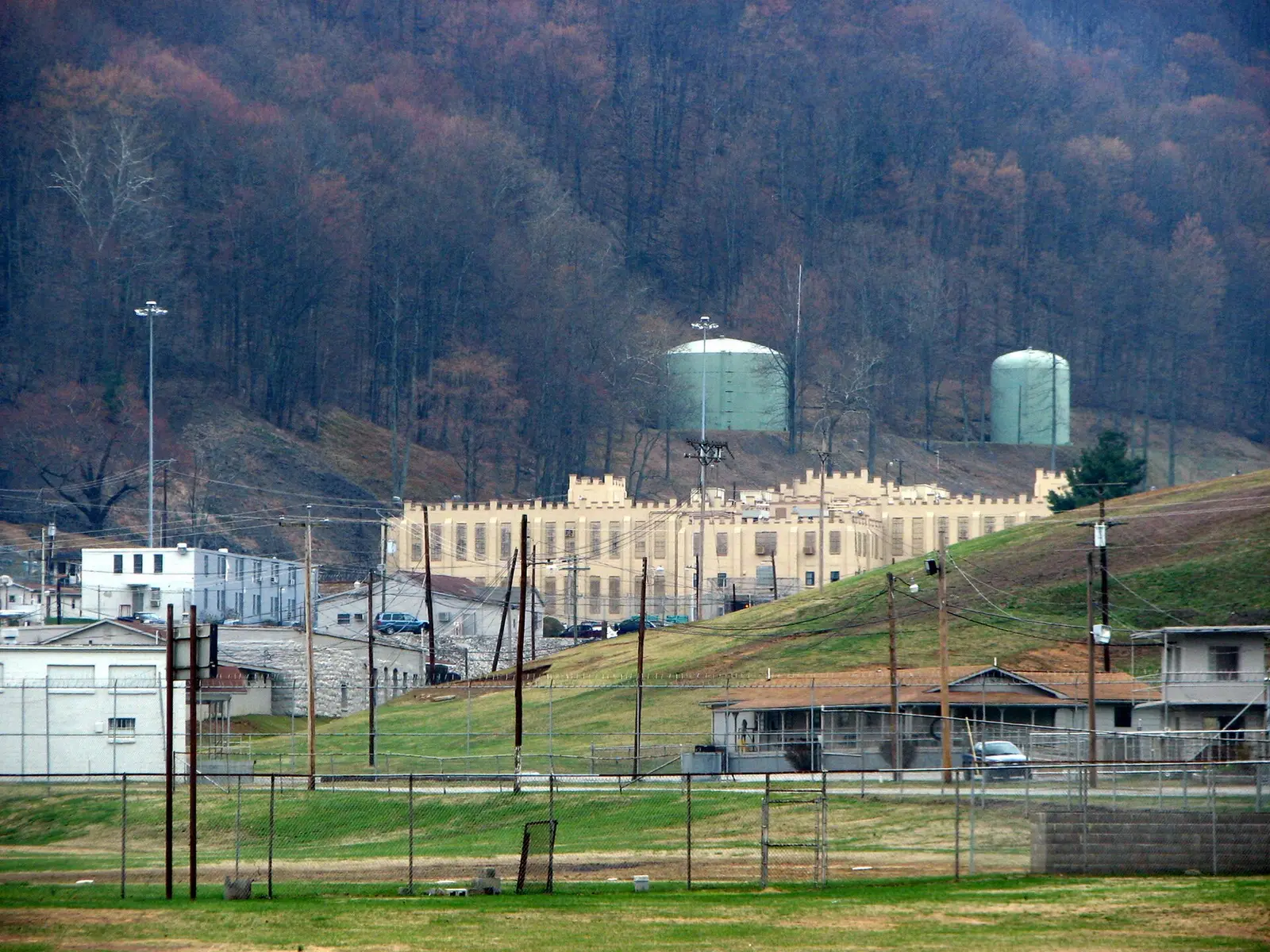
Brushy Mountain State Penitentiary
Brushy Mountain in Petros was a Tennessee state prison from 1896 to 2009, built after the convict-lease system ended so that incarcerated men could mine coal for the state.
UnverifiedTours only