← Georgia Andersonville
Andersonville
National Historic Site
Georgia
Andersonville was the Confederate prison camp where about 45,000 Union soldiers were held in 1864–65 and nearly 13,000 died.
What do we know about Andersonville?
The ghost stories are legends. Retellings by ghost writers describe apparitions, groans and a figure on the road said to be Wirz, without naming anyone who saw them. The only named visitors whose report we found, two investigators from the Ghost Research Society in 2025, said they experienced nothing; their device readings are not evidence of anything.

Our rating of the reports about Andersonville: Unverified. A haunted reputation or legend, but no traceable account of an experience so far. The rating describes the evidence for the reports, not whether the place is haunted.
- Reported accounts
- 2
- Counted for the rating
- 0
- Research sources
- 6
Counted for the rating: independent accounts we could trace to a witness. Retellings of the same story count once, and staff passing on what visitors said aren’t counted. How we count
Reported experiences don’t establish a supernatural cause.
Read our evidence assessment →The hauntings
Accounts, encounters and stories associated with Andersonville.

What has been reported?
- Apparitions
- Voices
- Footsteps
- Smells


Phenomena described in accounts associated with this location — not independently verified events.
Reported experiences
2 published and reported accounts, each assessed by its source.
Account 01 · September 9, 2025
Dale Kaczmarek and Paul Adams, 2025
Ghost Research Society investigators Dale Kaczmarek and Paul Adams visited on September 9, 2025 and reported no personal paranormal experiences and no evidence; Kaczmarek described only awe and sorrow at the scale of the site. This is a report of nothing unusual, not an account of…
Published accountReported by Dale Kaczmarek and Paul Adams, Ghost Research SocietyNote: Their report also lists random words produced by an Ovilus device near Providence Spring; device output is not an account of an experience and is not counted.
Read full account ›
Ghost Research Society investigators Dale Kaczmarek and Paul Adams visited on September 9, 2025 and reported no personal paranormal experiences and no evidence; Kaczmarek described only awe and sorrow at the scale of the site. This is a report of nothing unusual, not an account of an experience.[6]
Account 02
Ghost Research Society, 2025
Paranormal websites say unnamed visitors have reported echoes of gunfire, whispers, cries, foul smells and figures in the fog at the site.[6]
- Apparitions
- Smells
- Voices
No traceable witnessNote: No named witness or date.
Read full account ›
Paranormal websites say unnamed visitors have reported echoes of gunfire, whispers, cries, foul smells and figures in the fog at the site.[6]
Legends & disputed stories
Stories told about the place that the records don’t confirm.

- Legend
Ghost writers retell legends of soldiers' apparitions, groans, voices and the sound of marching men on the former prison grounds, often blamed on the hanged Raiders, and of a figure said to be Henry Wirz walking the road near the camp.[5]
What the research shows: No witnesses or dates are given; these are storytelling, not history, and the site's dead are not the subject of any documented account.
Before you go

Planning a visit?
Open to visitors
Parts of the inside are open to the public.
Access details ›
A National Park Service site with the National Prisoner of War Museum, the prison site and Andersonville National Cemetery. The NPS says there is no entrance fee. It is a place of burial and remembrance for people who died in captivity; please visit it in that spirit. The park does not run ghost tours. Check the official site for hours.
Entry
Free (checked)
Access last checked November 17, 2026. Confirm times and prices before you travel.
Approximate location, within about 1 km.
The history of Andersonville
Andersonville was the Confederate prison camp where about 45,000 Union soldiers were held in 1864–65 and nearly 13,000 died. It is now a National Historic Site with a national cemetery and the National Prisoner of War Museum. Ghost stories about the camp and its commander circulate in books and online, but no named witness reports an experience; investigators who visited in 2025 reported none. Entry is free.
- Established
- 1864
- Also known as
- Camp Sumter
Camp Sumter
The Confederacy began building Camp Sumter in southwest Georgia to move Union prisoners away from Richmond, in early 1864 according to the Park Service, though the site's National Register nomination says construction began in 1863. The first prisoners arrived in late February 1864. The open pen of about 16½ acres had a 15-foot stockade; a rail fence inside it marked the deadline, and guards shot anyone who crossed it. The stockade was enlarged to about 26½ acres in the summer, but by August more than 32,000 men were held in a pen built for 10,000.
Loss of life
Over its 14 months about 45,000 Union soldiers were held at Andersonville, and nearly 13,000 died, mostly of disease, poor sanitation, malnutrition, overcrowding and exposure. More than 100 African American soldiers were imprisoned there. They were denied medical treatment and forced onto burial details and other hard labor; 33 died and lie beside their fellow prisoners.
Gangs known as the Raiders preyed on other prisoners from May 1864; they were arrested by the end of June, and six of their leaders were hanged on July 11, 1864. On August 9, 1864, a spring burst out during a storm; the Woman's Relief Corps built a spring house over Providence Spring in 1901.
The prison's commander from March 1864, Captain Henry Wirz, was tried after the war on charges of murder in violation of the laws of war and hanged in Washington on November 10, 1865.
The national cemetery
In the summer of 1865 Clara Barton and Dorence Atwater, a former prisoner who had recorded the names of the dead, came with a team to mark the graves; only 460 were left as unknown. Andersonville became a national cemetery. The site became a National Historic Site in 1970 and is home to the National Prisoner of War Museum.
Legends
Ghost writers retell stories of soldiers' apparitions, groans and voices on the old prison grounds, often blamed on the Raiders, and of a figure said to be Wirz walking the road near the camp. No one is named as a witness. Two Ghost Research Society investigators who visited in 2025 reported no experiences of their own.
Through the years
1864
1864
More than 100 African American soldiers were imprisoned at Andersonville. They were denied medical treatment, forced onto burial details and other hard labor, and faced severe punishment; 33 died there and were buried beside their fellow prisoners.[1]
1864
First prisoners arrive
The Confederacy built Camp Sumter to move Union prisoners away from Richmond, starting in early 1864 according to the Park Service (the National Register nomination says construction began in 1863); the first prisoners arrived in late February 1864…
Read more ›
The Confederacy built Camp Sumter to move Union prisoners away from Richmond, starting in early 1864 according to the Park Service (the National Register nomination says construction began in 1863); the first prisoners arrived in late February 1864 at an unfinished pen of about 16½ acres inside a 15-foot stockade, with a deadline fence inside it that guards shot anyone for crossing.[1][2][3]
1864
Six Raiders hanged
Gangs of prisoners known as the Raiders, who preyed on other prisoners from May 1864, were arrested by the end of June, and six of their leaders were hanged on July 11, 1864.[4]
1864
Prison at its most crowded
The stockade was enlarged to about 26½ acres in the summer of 1864, but prisoners kept arriving: more than 26,000 were held by June in a pen built for 10,000, and the number peaked above 32,000 in August…
Read more ›
The stockade was enlarged to about 26½ acres in the summer of 1864, but prisoners kept arriving: more than 26,000 were held by June in a pen built for 10,000, and the number peaked above 32,000 in August 1864. About 45,000 Union soldiers were held there over the camp's 14 months.[1][2]
Caveat: The NPS history page gives a peak of 33,000 and dates the enlargement to June; the brochure says July and over 32,000.
1970
National Historic Site
The prison site passed into private ownership in 1875, was bought by the Grand Army of the Republic in 1890 and donated to the nation by the Woman's Relief Corps in 1910. Congress made it a National Historic…
Read more ›
The prison site passed into private ownership in 1875, was bought by the Grand Army of the Republic in 1890 and donated to the nation by the Woman's Relief Corps in 1910. Congress made it a National Historic Site in October 1970, and the National Park Service has run it since July 1, 1971; it now houses the National Prisoner of War Museum.[1][2][3]
The research conclusion

Why it has this rating
Only legends, with no named witness; the only named visitors, two investigators in 2025, reported no experience, and their device words aren't counted. The prisoners who suffered and died here are documented history and are never treated as ghost material.
Read the full written assessment ›
The history of Camp Sumter is thoroughly documented by the National Park Service and the site's National Register nomination: when it was built, how many people were held there, how many died and why, the Raiders, Captain Henry Wirz's trial and execution, and the creation of the national cemetery.
The ghost stories are legends. Retellings by ghost writers describe apparitions, groans and a figure on the road said to be Wirz, without naming anyone who saw them. The only named visitors whose report we found, two investigators from the Ghost Research Society in 2025, said they experienced nothing; their device readings are not evidence of anything.
The sources behind the story
6 research references support this entry.

1National Park Service (archived at npshistory.com)Andersonville National Historic Site (official park brochure) Official or site history · Reference 01
Andersonville National Historic Site (official park brochure). National Park Service (archived at npshistory.com), 2019.
Official brochure. Source for the deadline, the stockade's enlargement and more than 32,000 prisoners by August, and the section on Black soldiers held at Andersonville: over 100 imprisoned, denied medical care, forced labor, and 33 deaths. Also Wirz's command from March 1864.
Accessed November 17, 2026.
2National Park Service, Andersonville National Historic SiteCamp Sumter / Andersonville Prison Official or site history · Reference 02
Camp Sumter / Andersonville Prison. National Park Service, Andersonville National Historic Site, 2024-12-11.
NPS history page (date is last updated). Authoritative for construction, first arrivals, stockade size, about 45,000 held and nearly 13,000 dead, causes of death, Wirz's trial and execution, Providence Spring, Barton and Atwater, and the later history to 1971. Nothing on ghosts.
Accessed November 17, 2026.
3National Park Service (NPGallery)National Register of Historic Places Inventory–Nomination Form for Federal Properties: Andersonville National Cemetery and Andersonville Prison Park Register or nomination · Reference 03
National Register of Historic Places Inventory–Nomination Form for Federal Properties: Andersonville National Cemetery and Andersonville Prison Park. National Park Service (NPGallery).
Scanned form, read by OCR. Gives the site's establishment in October 1970, 495 acres, the 27.15-acre walled cemetery, the first burial on February 27, 1864, the 1872 cemetery wall, the Spring House and the state monuments. No coordinates; nothing on ghosts.
Accessed November 17, 2026.
4National Park Service, Andersonville National Historic SiteThe Raiders Official or site history · Reference 04
The Raiders. National Park Service, Andersonville National Historic Site, 2022-10-26.
NPS page (date is last updated): gangs appeared from May 1864, were arrested by the end of June, and six leaders were hanged on July 11, 1864.
Accessed November 17, 2026.
5American Hauntings (blog)'Hell Hole of the Confederacy' Website · Reference 05
Troy Taylor, 'Hell Hole of the Confederacy'. American Hauntings (blog), 2014-02-24.
Ghost writer's blog, crediting the story to Dave Goodwin and Troy Taylor's book Soldiers and the Supernatural (not consulted). Retells legends of apparitions, groans and marching sounds blamed on the Raiders and of Wirz's ghost on the road near the camp; names no witnesses. Used only as the place the legends were published.
Accessed November 17, 2026.
6Ghost Research SocietyAndersonville Prison Investigation Website · Reference 06
Dale Kaczmarek, Andersonville Prison Investigation. Ghost Research Society, 2025-09-09.
Paranormal group's own report of a September 9, 2025 visit by Dale Kaczmarek and Paul Adams: no personal experiences, no evidence collected, and an Ovilus device session. A general section lists phenomena reported by unnamed visitors, with no sources.
Accessed November 17, 2026.
More haunted places
Similar places
Also a prison · also reported: smells
Prison · Joliet, IL
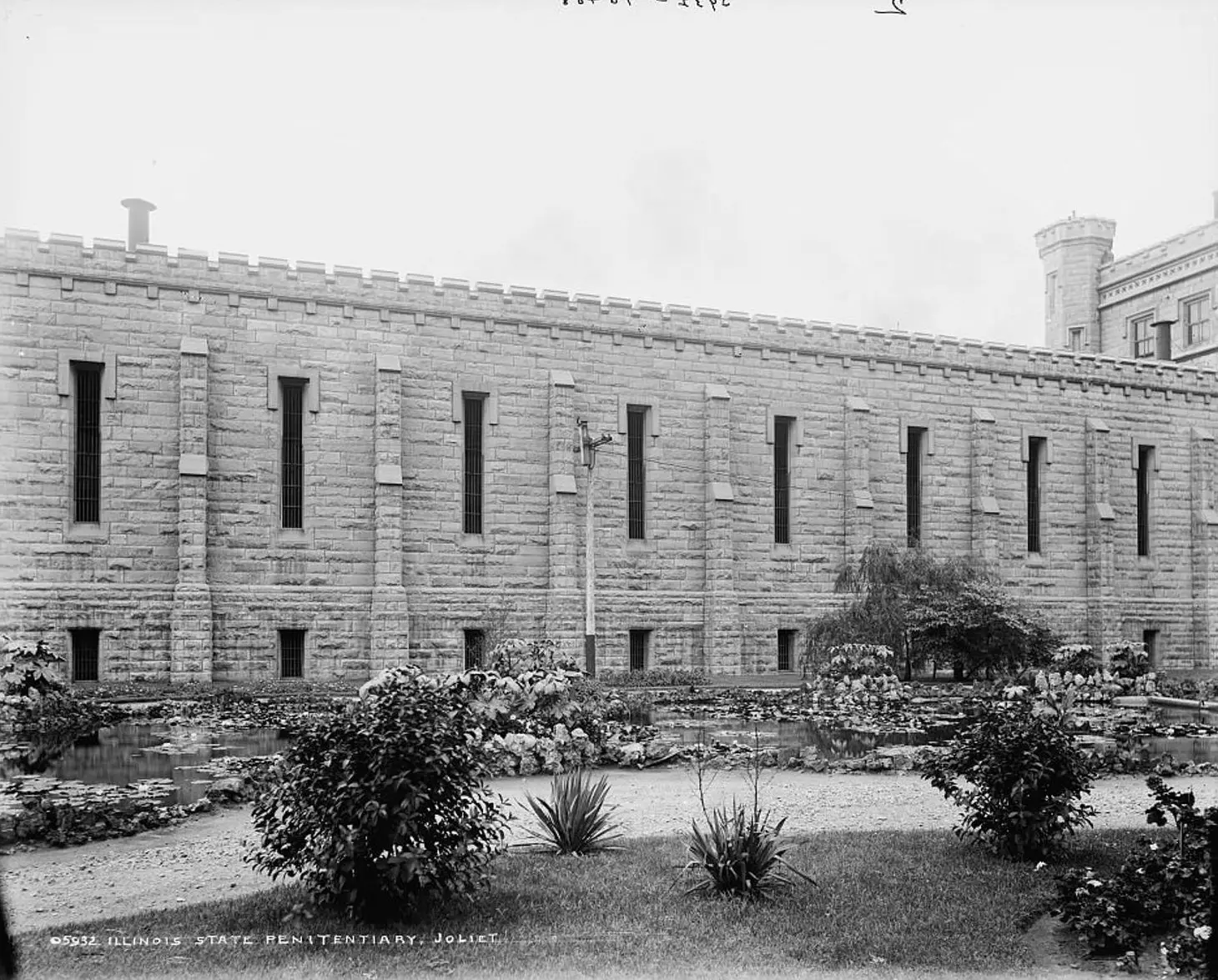
Old Joliet Prison
Old Joliet Prison is the limestone state penitentiary, opened in 1858 and closed in 2002, that people imprisoned there built themselves.
UnverifiedTours onlyAlso a prison · also reported: smells
Prison · Crown Point, IN
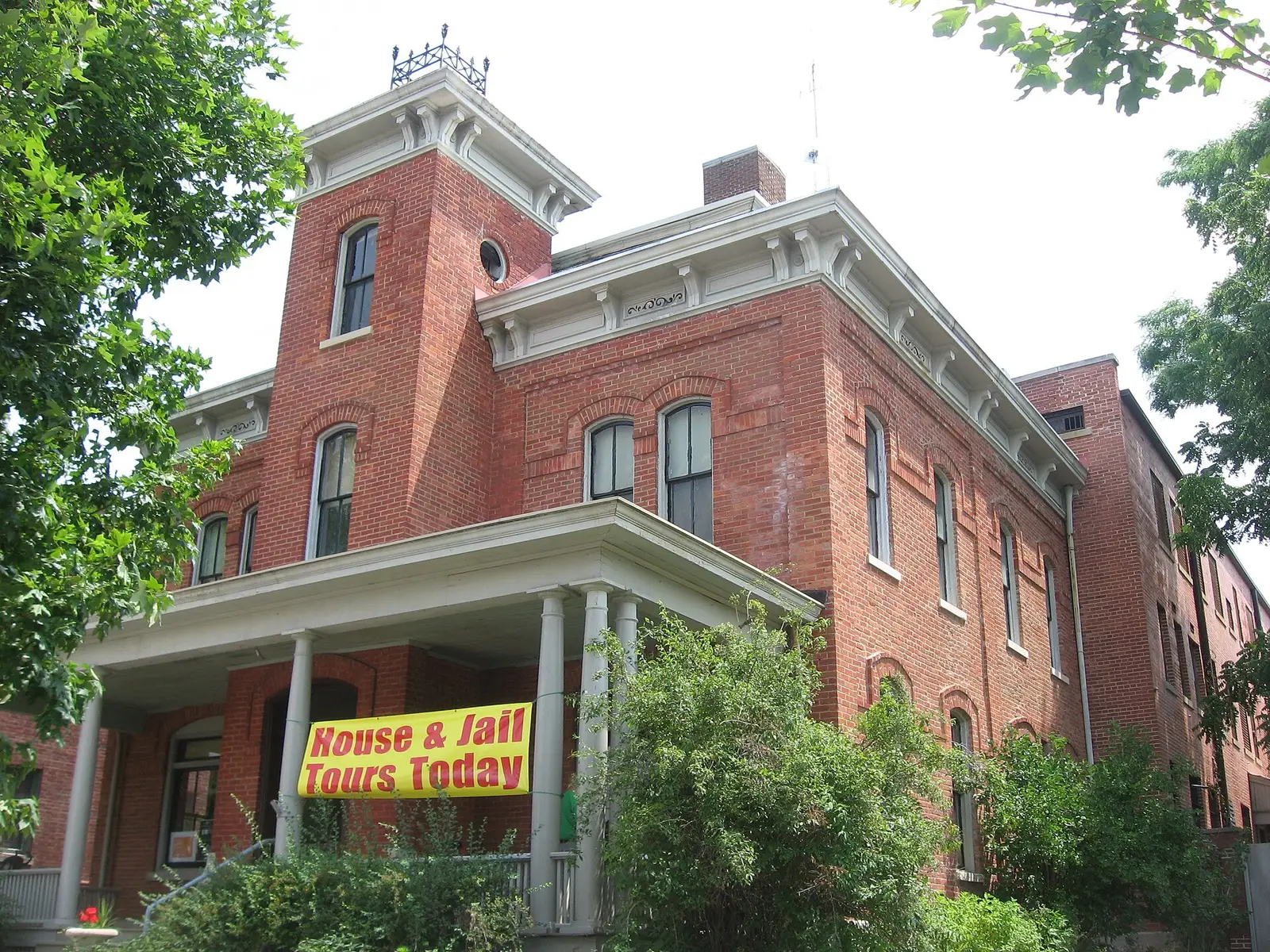
Old Lake County Jail and Sheriff's House
The Old Lake County Jail and Sheriff's House in Crown Point is an 1882 sheriff's residence with a later jail wing, best known as the jail John Dillinger escaped from in March 1934.
Documented AccountsTours onlyAlso a prison · also reported: smells
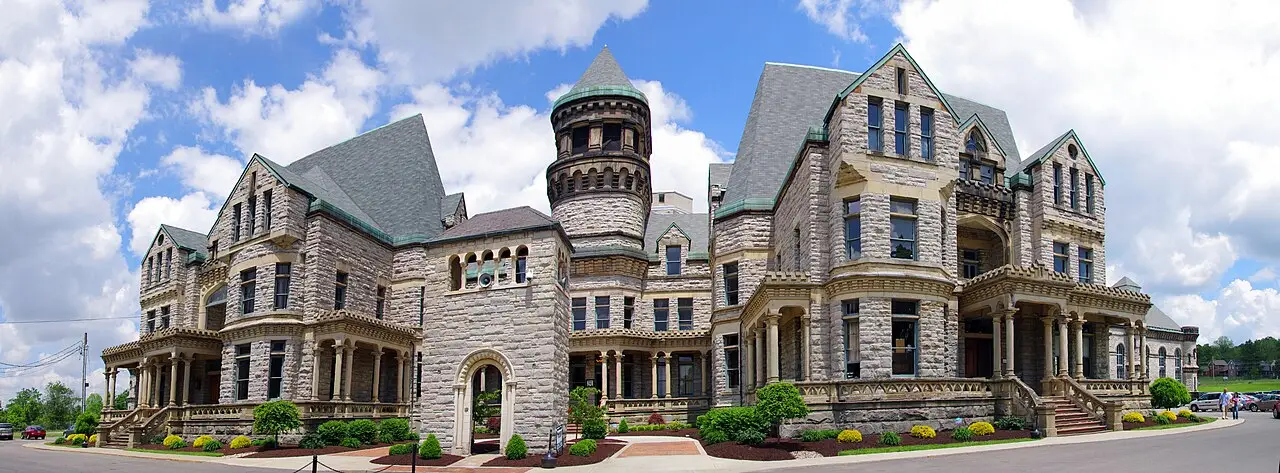
Prison · Mansfield, OH
Ohio State Reformatory
The Ohio State Reformatory in Mansfield opened in 1896 and closed in 1990.
Documented AccountsOpen to visitorsAlso a prison · also reported: footsteps
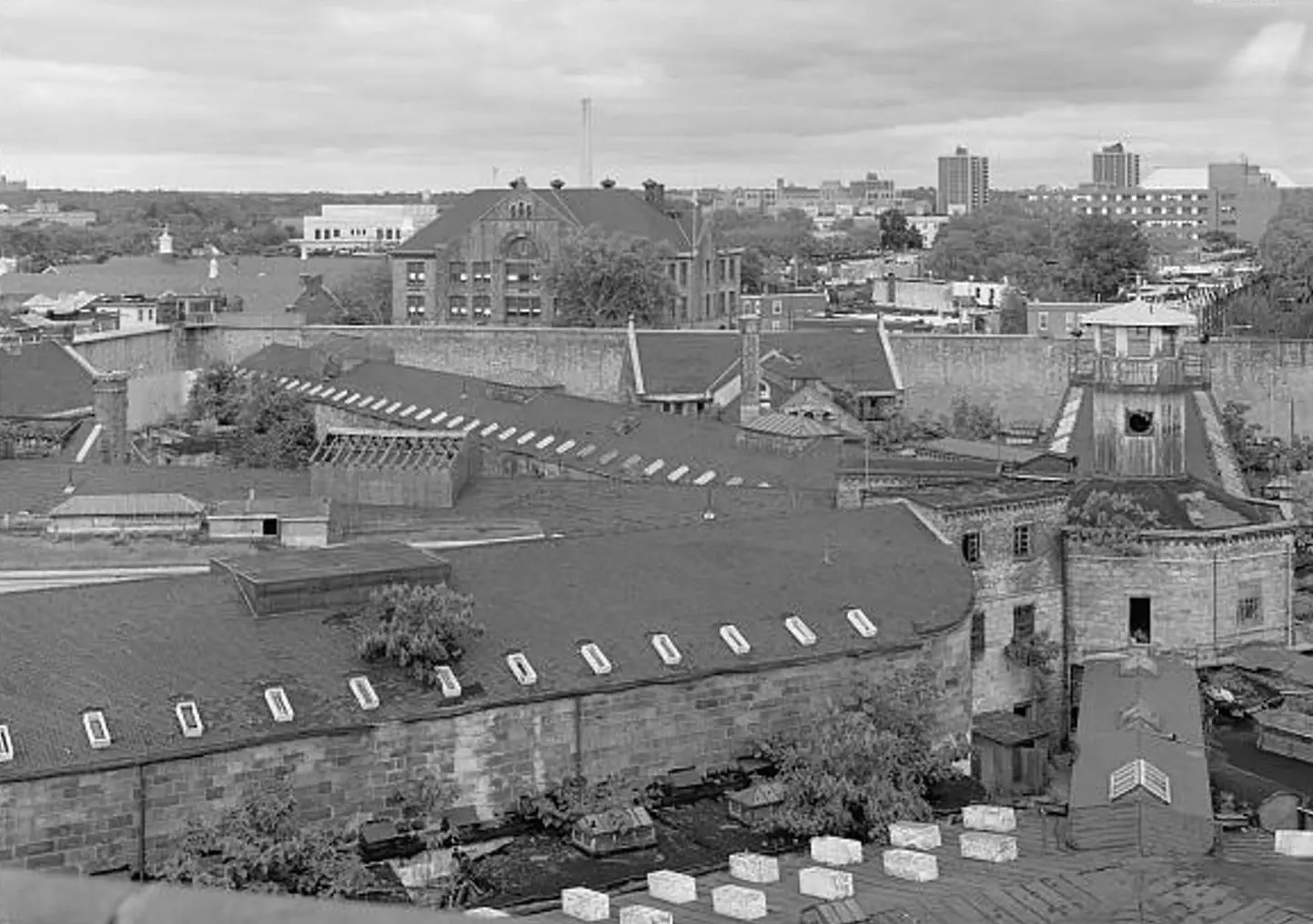
Prison · Philadelphia, PA
Eastern State Penitentiary
A locksmith’s story of a force that held him in Cellblock 4, and reports of voices and shadowy figures along the cellblocks.
Documented AccountsOpen to visitors