← Chicago Graceland Cemetery
Graceland Cemetery
The Inez statue, history and legend
Chicago, Illinois
Graceland is a historic North Side cemetery founded in 1860. Its best-known grave is a life-size statue of a girl in a glass case, inscribed 'Inez'.
What do we know about Graceland Cemetery?
The ghost stories are folklore. The lightning death, the statue that disappears in storms and the watchman who fled are told without a source, and one historian notes that tales of her ghost cite 'many people' but no first-hand witness. We found no traceable account.
Our rating of the reports about Graceland Cemetery: Unverified. A haunted reputation or legend, but no traceable account of an experience so far. The rating describes the evidence for the reports, not whether the place is haunted.
- Reported account
- 1
- Counted for the rating
- 0
- Research sources
- 5
Counted for the rating: independent accounts we could trace to a witness. Retellings of the same story count once, and staff passing on what visitors said aren’t counted. How we count
Reported experiences don’t establish a supernatural cause.
Read our evidence assessment →The hauntings
Accounts, encounters and stories associated with Graceland Cemetery.
What has been reported?
- Moving objects
- Apparitions
Phenomena described in accounts associated with this location — not independently verified events.
Reported experiences
1 published and reported account, each assessed by its source.
- Apparitions
No traceable witnessNote: Historian Adam Selzer notes these stories cite 'many people' but no first-hand source; we found none either.
Legends & disputed stories
Stories told about the place that the records don’t confirm.

- Legend
Legend says Inez was killed by lightning, sometimes after being locked outside in a storm, and that her statue disappears during thunderstorms because she is afraid of them.[2][4]
What the research shows: The cemetery presents this as folklore; the records point to an illness.
- Legend
In one version, a night watchman making his rounds in a storm found the glass case empty, fled and never returned, and the statue was back in place the next morning.[5]
What the research shows: The watchman is never named.
Before you go

Planning a visit?
Outside only
You can see it from public land; the inside isn’t open.
Access details ›
A working cemetery and arboretum on Chicago's North Side whose gates are open every day, with shorter hours in fall and winter; check the cemetery's hours page. The main entrance is on North Clark Street. Guided group visits need registration, and there is a self-guided audio tour. The cemetery's site does not say whether visiting is free. The Inez statue is a child's grave: please leave it as you find it.
Entry
Cost not confirmed
Access last checked November 19, 2026. Confirm times and prices before you travel.
Approximate location, within about 1 km.
The history of Graceland Cemetery
Graceland is a historic North Side cemetery founded in 1860. Its best-known grave is a life-size statue of a girl in a glass case, inscribed 'Inez'. Legends say she was killed by lightning and that the statue vanishes during storms, but no named witness has described this. The cemetery's own research says she was almost certainly Inez Briggs, who died in 1880. The grounds are open daily.
- Established
- 1860
- Also known as
- Graceland Cemetery and Arboretum
Graceland
Graceland Cemetery was founded in 1860 by Chicago lawyer Thomas Bryan, who bought its first 80 acres; Illinois granted it a permanent charter in 1861, and it later grew to 119 acres. H.W.S. Cleveland drew the original naturalistic plan, William Le Baron Jenney contributed design and engineering, and Ossian Simonds later shaped its pastoral landscape with native plants. It is still a working cemetery and is famous for the architects and other notable Chicagoans buried there.
The girl in the glass case
One of Graceland's most visited graves is a life-size statue of a little girl, now protected by a glass case. The stone reads 'Inez' and 'Daughter of J.N. & M.C. Clarke'. For decades nobody could say who she was. Cemetery records listed no Inez Clarke; the burial was recorded under the name Amos Briggs. Genealogist John Binder found no record of an Amos Briggs dying that year, but did find an Inez Briggs. In the 1880 census, an Inez Briggs was living with her grandparents, David and Jane Rothrock, who are buried beside the statue. The cemetery now says it is all but certain that the girl is Inez Briggs, born September 20, 1873, who died August 1, 1880, the daughter of Mary C. Clarke by an earlier marriage; 'Clarke' was her mother's later married name. She reportedly died of diphtheria. Historian Adam Selzer credits the statue to sculptor Andrew Gagel.
Visitors leave toys and trinkets at the grave. In 2024 Graceland and DePaul University began a project in which DePaul researcher Misha Mikami is studying those offerings and telling Inez's real story.
The legends
The stories say Inez was killed by lightning, sometimes after being locked outside during a storm, and that her statue disappears whenever there is a thunderstorm because she is afraid. In one version a night watchman found the case empty during a storm, fled and never came back, and the statue was back in place the next morning. Others claim to have glimpsed a small child in 19th-century dress playing among the graves. None of these stories names a witness, and the records point to an ordinary childhood illness, not lightning.
Through the years
1860
Graceland founded
Graceland Cemetery was founded in 1860 by Chicago lawyer Thomas Bryan, who bought its original 80 acres; Illinois granted it a permanent charter in 1861, and it later grew to 119 acres.[1]
1880
1880
Cemetery records list no Inez Clarke and record the burial under the name Amos Briggs. Genealogist John Binder found no Amos Briggs death that year but did find an Inez Briggs, and the 1880 census shows Inez Briggs…
Read more ›
Cemetery records list no Inez Clarke and record the burial under the name Amos Briggs. Genealogist John Binder found no Amos Briggs death that year but did find an Inez Briggs, and the 1880 census shows Inez Briggs living with her grandparents David and Jane Rothrock, who are buried beside the statue.[4]
Caveat: Summarized by historian Adam Selzer; we have not consulted the original research article or the census and death records.
1880
Inez Briggs dies
The cemetery now says it is all but certain the girl is Inez Briggs, born September 20, 1873, who died August 1, 1880, the daughter of Mary C. Clarke by a previous marriage; 'Clarke' was her mother's later…
Read more ›
The cemetery now says it is all but certain the girl is Inez Briggs, born September 20, 1873, who died August 1, 1880, the daughter of Mary C. Clarke by a previous marriage; 'Clarke' was her mother's later married name. She reportedly died of diphtheria.[2][4]
Caveat: The cemetery's page does not give a cause of death; diphtheria comes from Selzer's summary of the research.
2024
Graceland–DePaul project
Visitors leave toys and trinkets at the grave. In 2024 Graceland and DePaul University began a project in which researcher Misha Mikami studies these offerings and tells Inez's real story.[3]
Also recorded
H.W.S. Cleveland drew Graceland's original naturalistic plan, William Le Baron Jenney contributed design and engineering, and Ossian Simonds later created its pastoral landscape with native plants.[1]
The research conclusion

Why it has this rating
Only folklore about the statue of a girl that vanishes in storms, with no first-hand source. The cemetery's own research says the girl is almost certainly Inez Briggs (1873–1880).
Read the full written assessment ›
The cemetery's history and the girl's identity are documented: Graceland's own page, backed by genealogists' census and death-record research, identifies her as Inez Briggs (1873–1880), daughter of Mary C. Clarke by an earlier marriage.
The ghost stories are folklore. The lightning death, the statue that disappears in storms and the watchman who fled are told without a source, and one historian notes that tales of her ghost cite 'many people' but no first-hand witness. We found no traceable account.
The sources behind the story
5 research references support this entry.

1Graceland Cemetery and ArboretumThe Story of Graceland Official or site history · Reference 01
The Story of Graceland. Graceland Cemetery and Arboretum.
Official history: founded 1860 by lawyer Thomas Bryan with 80 acres, state charter 1861, later 119 acres; H.W.S. Cleveland's plan, William Le Baron Jenney, Ossian Simonds.
Accessed November 17, 2026.
2Graceland Cemetery and ArboretumInez Clarke Official or site history · Reference 02
Joe Collier (photo and text), Inez Clarke. Graceland Cemetery and Arboretum.
The cemetery's own page: the marker reads 'Inez' and 'Daughter of J.N. & M.C. Clarke'; identity long in question; 'all but certain' she is Inez Briggs (Sept. 20, 1873 – Aug. 1, 1880), daughter of Mary C. Clarke from a previous marriage. Mentions the lightning and disappearing-statue legends as folklore. Does not name the sculptor or date the glass case.
Accessed November 17, 2026.
3DePaul University NewsroomDePaul University, Graceland Cemetery collaborate to highlight hidden stories Official or site history · Reference 03
Jade Walker, DePaul University, Graceland Cemetery collaborate to highlight hidden stories. DePaul University Newsroom, 2024-09-23.
University news release: a Graceland–DePaul project whose first exhibit, curated by DePaul alumna Misha Mikami, studies the toys and trinkets visitors leave at the Inez grave and tells her real story; describes the statue in a glass box and its link to ghost stories. Uses both 'Briggs' and 'Clarke'.
Accessed November 17, 2026.
4Mysterious ChicagoGirl in Glass: The Inez Statue at Graceland Cemetery Website · Reference 04
Adam Selzer, Girl in Glass: The Inez Statue at Graceland Cemetery. Mysterious Chicago, 2020-10-05.
Chicago historian and tour guide's blog summarizing the identity research: cemetery records list no Inez Clarke and record the burial as Amos Briggs; genealogist John Binder found an Inez Briggs but no Amos Briggs death; the 1880 census places Inez Briggs with grandparents David and Jane Rothrock, buried beside the statue; diphtheria; sculptor Andrew Gagel. Notes that ghost stories cite 'many people' but no first-hand source.
Accessed November 17, 2026.
5Graveyards of Chicago (graveyards.com)Inez Clark (Graceland Cemetery) Website · Reference 05
Matt Hucke, Inez Clark (Graceland Cemetery). Graveyards of Chicago (graveyards.com), 1996–2008.
Long-running cemetery guide that retells the legend 'according to local legend': a night watchman found the case empty during a storm and fled, and others glimpsed a small child in 19th-century dress. Names no witnesses; predates the identity research and calls her Inez Clark(e).
Accessed November 17, 2026.
More haunted places

Explore nearby
Ship
Eastland Disaster Site
Chicago, Illinois · 4.4 miles away · Outside only
Hotel
Congress Plaza Hotel
Chicago, Illinois · 5.5 miles away · Open to visitors
Museum
Jane Addams Hull-House Museum
Chicago, Illinois · 5.5 miles away · Open to visitors
Cemetery
Resurrection Cemetery
Justice, Illinois · 16 miles away · Outside only

Similar places
Also a cemetery
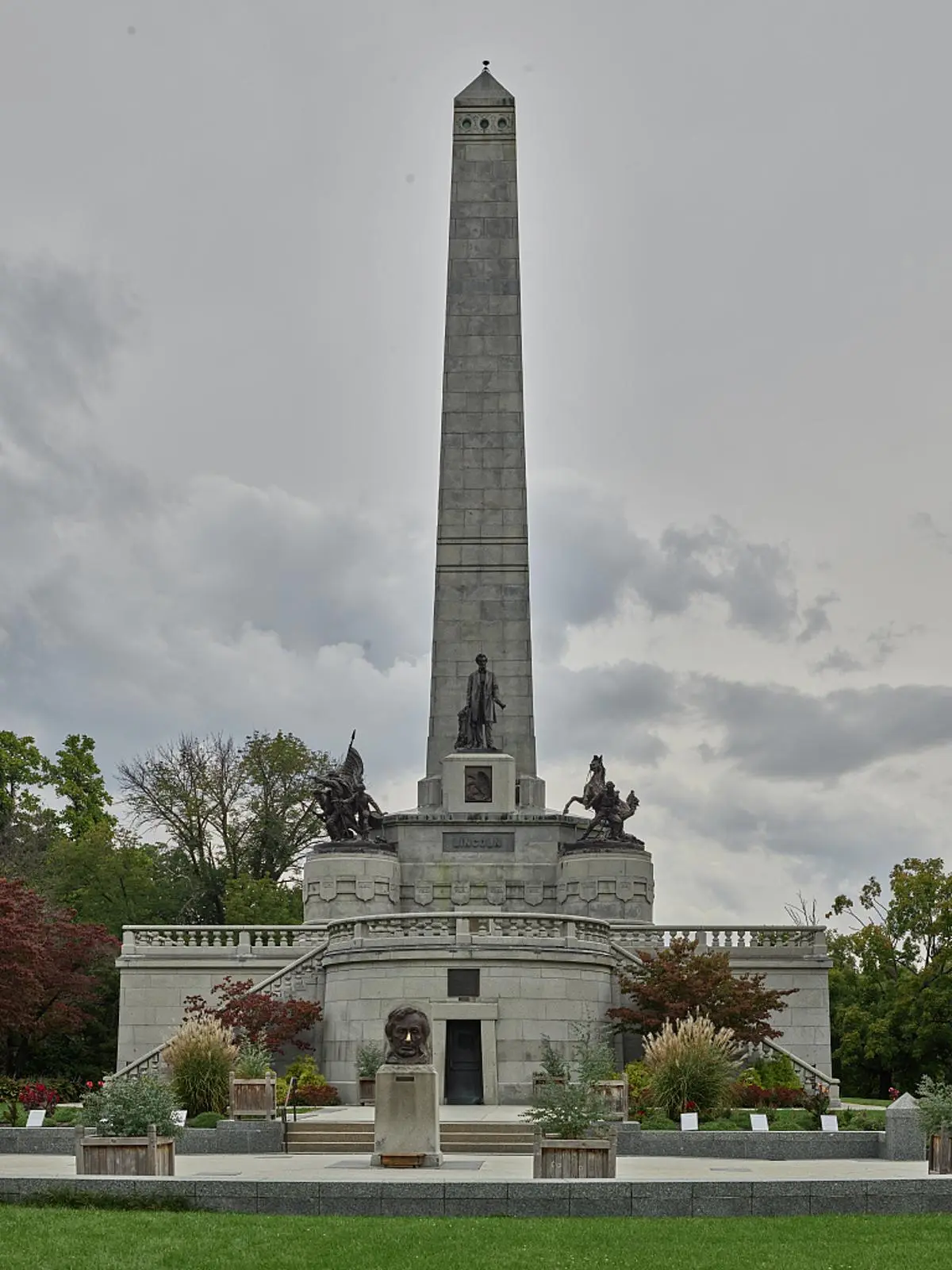
Cemetery · Springfield, IL
Lincoln Tomb State Historic Site
Lincoln Tomb in Springfield's Oak Ridge Cemetery is the burial place of Abraham Lincoln, Mary Lincoln and three of their sons, dedicated in 1874.
UnverifiedOpen to visitorsAlso a cemetery
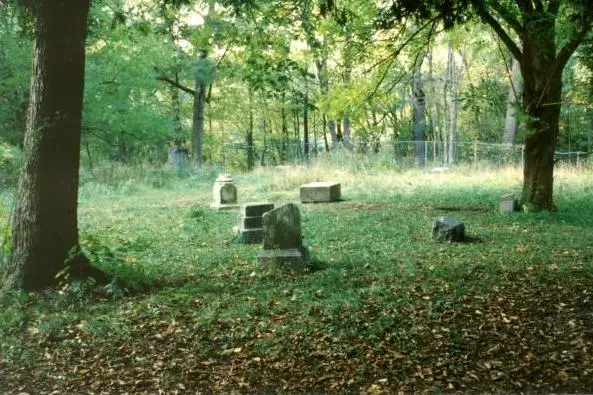
Cemetery · IL
Bachelor's Grove Cemetery
Bachelor's Grove is a small 19th-century settlers' cemetery inside a Cook County forest preserve near Midlothian.
Documented AccountsOutside onlyAlso a cemetery · also reported: moving objects
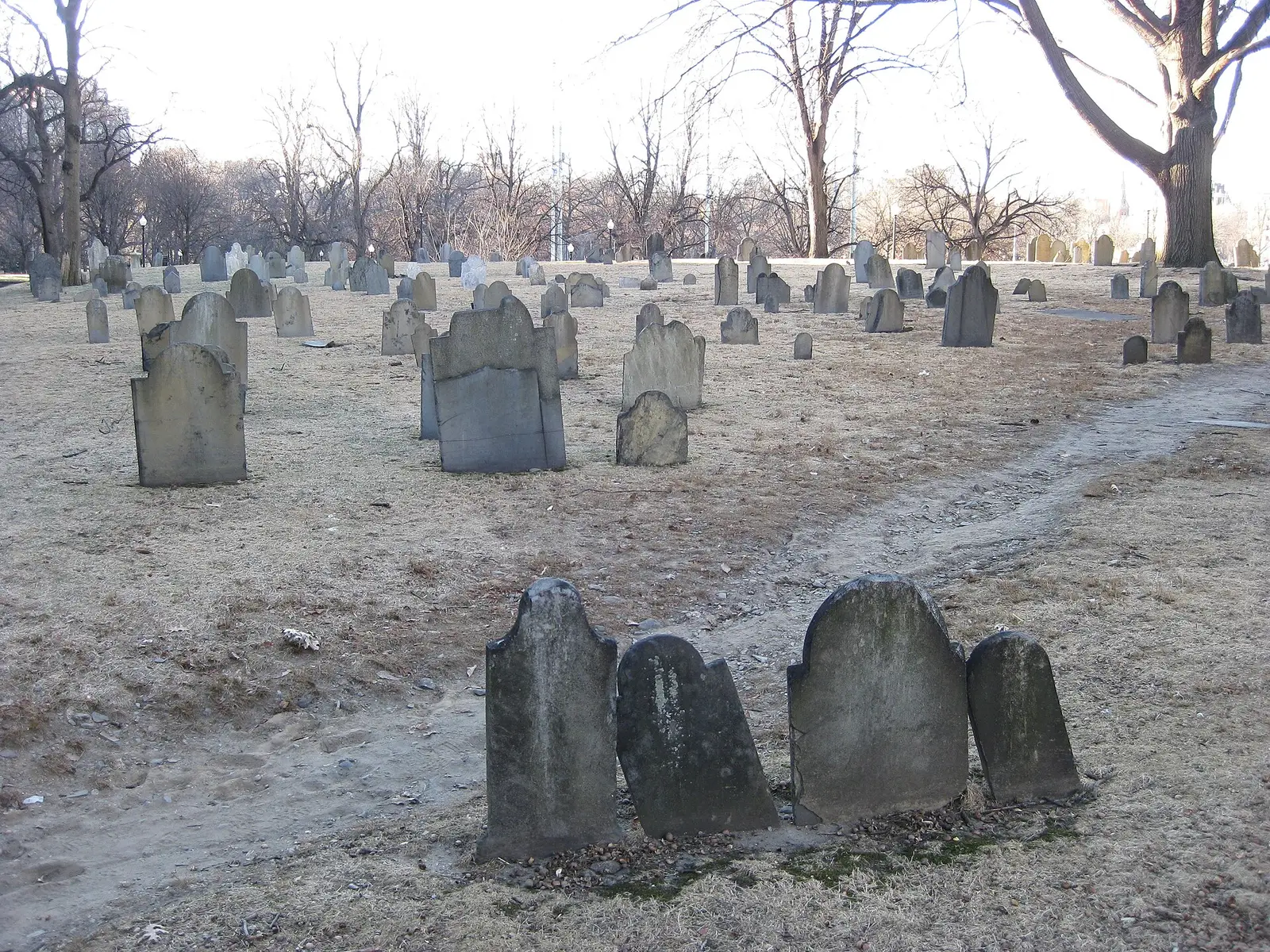
Cemetery · Boston, MA
Boston Common and the Central Burying Ground
The Central Burying Ground is the 1756 graveyard on the Boylston Street edge of Boston Common, the city's oldest park and once a place of public hangings.
UnverifiedOutside onlyAlso a cemetery · also reported: moving objects
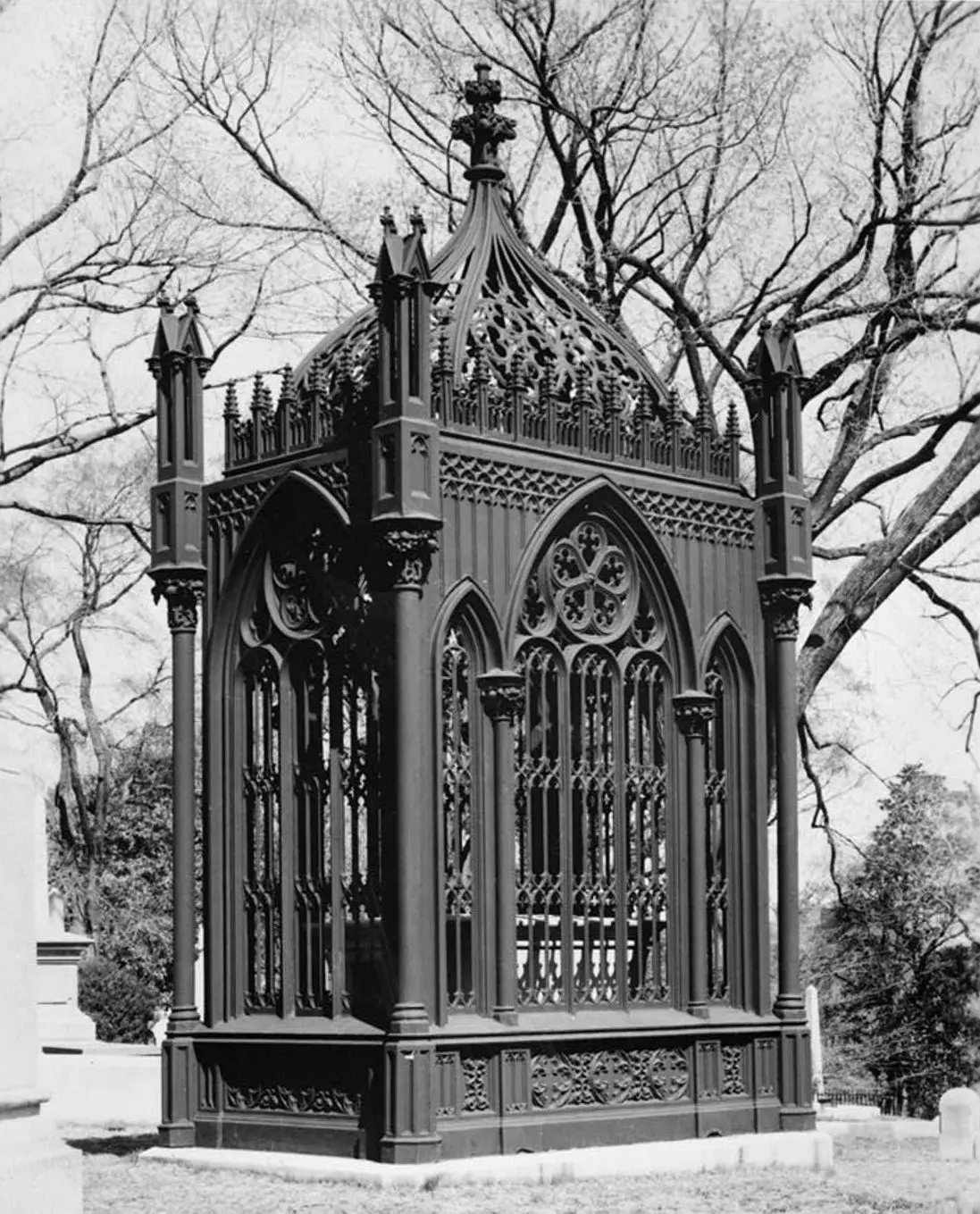
Cemetery · Richmond, VA
Hollywood Cemetery
Hollywood Cemetery is Richmond's 1840s garden cemetery, burial place of Presidents Monroe and Tyler and of Jefferson Davis.
UnverifiedOutside only