How ghost tours shape haunted reputations
What our research shows about ghost tours and paid paranormal events: who tells the stories, and how often the records back them up.
- Research guide
- Published
- 5 min read
At a glance
At the places we have researched, commercial ghost tours and paid paranormal events are often the main or only source for a place's ghost stories, and the people telling them are often the people selling the tickets. Tours rarely add a traceable witness: most of what they publish is retold lore or marketing with no names or dates. Some guides and sites also do the opposite, keeping legend apart from history or saying plainly that a story has no record behind it.
- 29researched places
- 16states
- 27places you can visit
Where tours are part of the place
At some of our places the ghost story is the business. Waverly Hills Sanatorium is privately owned and entered by paid tour, investigation or seasonal haunted house. Hill View Manor is run as a paid paranormal attraction, and part of the Eloise site opened as a haunted attraction to which patients' families have objected.
This is not new. Postcards of the Bell Witch Cave were printed in 1908 and 1909, and the cave is listed on the National Register for its significance in tourism. The Winchester Mystery House opened to paying visitors in 1923, months after Sarah Winchester's death, and the author Ignoffo writes that it was turned into a haunted house to attract tourists. A new owner began public tours of Franklin Castle as a haunted house in 1974.
Many museums sell their own ghost events. Liberty Hall, rated Well Documented, runs October Gray Lady tours, and White Hall has run evening ghost-story tours since about 2009. The haunted-house fundraiser at Culbertson Mansion, held since the 1980s, is the site's main fundraiser. The USS Lexington and the Museum of Colorado Prisons sell ghost tours and overnight investigations led by their own people.
Other sites have nothing to do with the tours that tell their stories. The Owens-Thomas House museum runs no ghost tours, and its stories come from private companies. Bellefontaine Cemetery does not allow ghost hunts or supernatural tours, yet a ghost-tour company describes sightings among its graves.
Who tells the stories
A guide for a Charleston tour company told a TV station that guests at the Unitarian Church in Charleston had reported a woman in a wedding dress several dozen times, but named none of them. At Pike Place Market the guide who runs the ghost tours said she had no first-hand experience and that the stories need "a leap of faith."
Some guides do describe their own experiences. Author and tour guide James Caskey wrote in a book that in 2001, while leading a tour of Colonial Park Cemetery, he saw a mist rise near a grave. At the Missouri State Penitentiary, a former corrections officer who now leads the paid ghost tours described a figure he saw during a head count. A longtime guide at Mammoth Cave described a figure in an old guide's hat, while stressing that echoes and darkness work on the imagination.
Under our rules, accounts from staff and tour sellers count together as one origin, and operator marketing is not evidence, so a story told on every tour can still rest on a single source.
What the records show

Where we could check tour stories against records, many did not hold up. At the New Orleans Pharmacy Museum, tour lore makes serious accusations against a 19th-century doctor that no document supports and the museum disputes, and differs from the museum's record on his name, purchase date and death. A legend at the Old Ursuline Convent about women who arrived in 1728 is set in a building not begun until 1748. A tour operator said Jane Addams described a ghost at Hull-House, but we found no such passage in her book. At Preston Castle, TV and tour versions place the woman their legend names in an upstairs apartment, but the historian J'aime Rubio notes that she never lived there.
Tour pages also mix in things that are not reports at all. One company's page for Lafayette Cemetery No. 1 lists fictional characters from Anne Rice's novels among its "spirits," and another page, for St. Roch Chapel and Cemetery, describes hypothetical scenarios rather than actual accounts. An estimate of deaths at Waverly Hills that is often repeated comes from a ghost-tour company's site and has not been checked against death certificates.
Sometimes the corrections come from tour people themselves. The ghost-tour company that tells a lynching legend at Colonial Park says no historical record supports it, and a Denton author and ghost-tour guide found no record of the man or the lynching at the center of the Old Alton Bridge legend, and said those elements are not true.
Sites that keep the stories apart
Several sites draw a line between history and ghost stories. At Eastern State Penitentiary, a guide said the prison does not claim to be haunted and that among staff it is harder to find a believer than a skeptic; the site bans paranormal investigations. Daytime tours at the Jennie Wade House do not discuss the paranormal, and ghost tours are sold separately in the evening. The Hermitage keeps supernatural stories for its lantern-lit tours so that its regular programs focus on history. Halloween tours at Lone Fir Cemetery have told the cemetery's history rather than ghost stories.
How we rate these stories
A ghost tour is a good guide to which stories are told about a place, but rarely to who first told them. We trace each story back past the tour to its first source, count staff and tour accounts as one origin and record where the history disagrees, as our methodology explains. The patterns across the whole atlas are in the evidence report.
Notable places in this guide
The best-documented places the guide draws on. Each page has the full history, every account we traced and the sources.
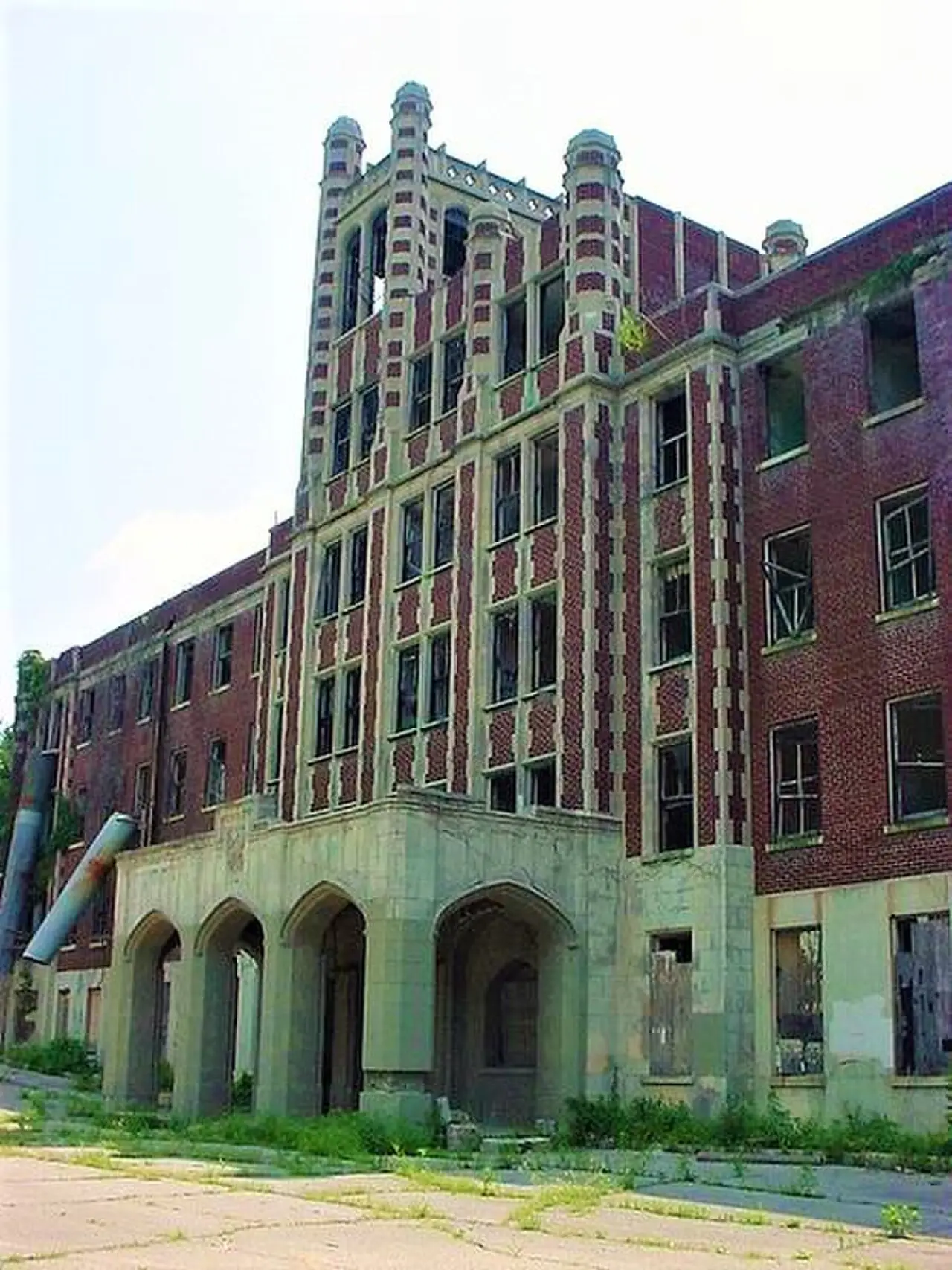
Former asylum · Louisville, KY
Waverly Hills Sanatorium
Shadowy figures in the long corridors, described by tour staff, a ghost-story writer and a TV investigation team.
Well DocumentedTours only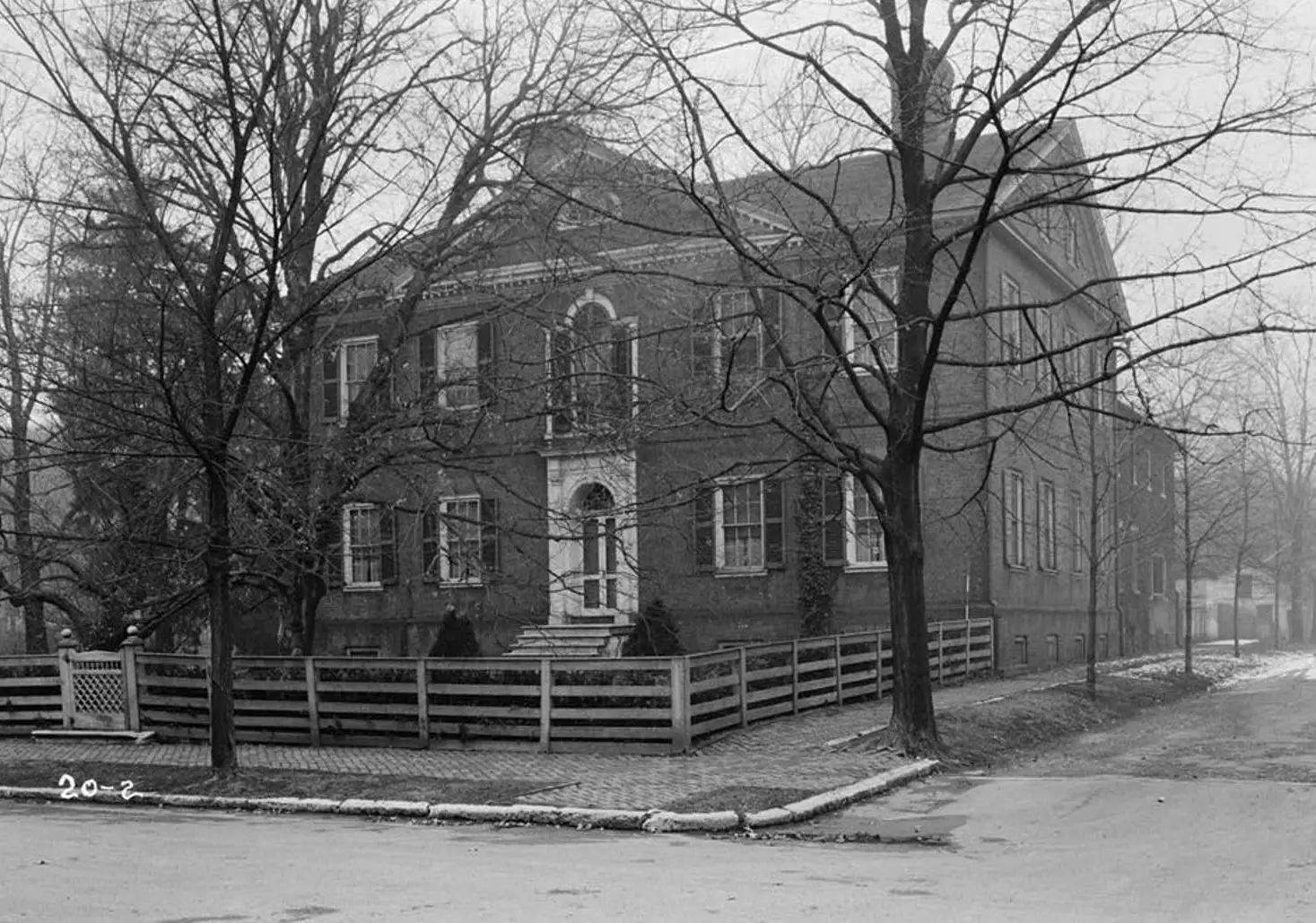
Historic house · Frankfort, KY
Liberty Hall Historic Site
Liberty Hall in Frankfort is the Federal-style home Senator John Brown built from 1796, now a museum.
Well DocumentedTours only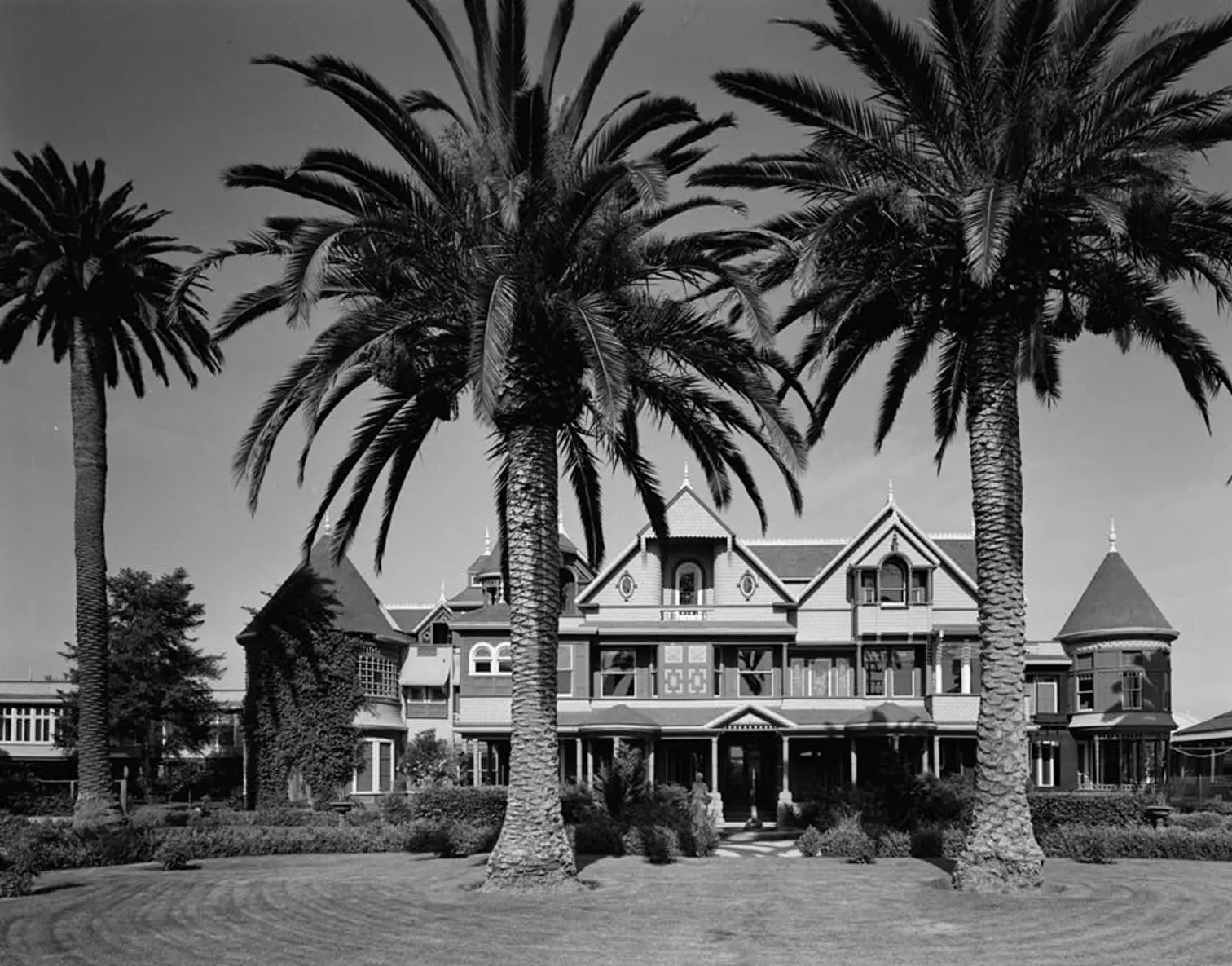
Historic house · San Jose, CA
Winchester Mystery House
Footsteps, touches and apparitions reported by the house’s own staff over forty years.
Documented AccountsTours only
All 29 places in this guide
Former asylum
Waverly Hills Sanatorium
Louisville, Kentucky
Former asylum
Hill View Manor (former Lawrence County Home)
Pennsylvania
Former asylum
Eloise
Westland, Michigan
Cave
Bell Witch Cave
Tennessee
Historic house
Winchester Mystery House
San Jose, California
Historic house
Franklin Castle
Cleveland, Ohio
Historic house
Liberty Hall Historic Site
Frankfort, Kentucky
Historic house
White Hall State Historic Site
Kentucky
Historic house
Culbertson Mansion State Historic Site
New Albany, Indiana
Ship
USS Lexington Museum on the Bay
Corpus Christi, Texas
Prison
Museum of Colorado Prisons
Cañon City, Colorado
Historic house
Owens-Thomas House & Slave Quarters
Savannah, Georgia
Cemetery
Bellefontaine Cemetery
St. Louis, Missouri
Church
Unitarian Church in Charleston and churchyard
Charleston, South Carolina
Market
Pike Place Market
Seattle, Washington
Cemetery
Colonial Park Cemetery
Savannah, Georgia
Prison
Missouri State Penitentiary
Jefferson City, Missouri
Cave
Mammoth Cave National Park
Kentucky
Museum
New Orleans Pharmacy Museum
New Orleans, Louisiana
Museum
Old Ursuline Convent
New Orleans, Louisiana
Museum
Jane Addams Hull-House Museum
Chicago, Illinois
Former school
Preston Castle
Ione, California
Cemetery
Lafayette Cemetery No. 1
New Orleans, Louisiana
Cemetery
St. Roch Chapel and Cemetery
New Orleans, Louisiana
Bridge
Old Alton Bridge
Texas
Prison
Eastern State Penitentiary
Philadelphia, Pennsylvania
Museum
Jennie Wade House
Gettysburg, Pennsylvania
Historic house
The Hermitage
Tennessee
Cemetery
Lone Fir Cemetery
Portland, Oregon
Written from our published research and reviewed by the editor. Send a correction.