← Texas Old Alton Bridge
Old Alton Bridge
History and legend
Texas
The Old Alton Bridge is an 1884 iron truss bridge over Hickory Creek in Denton County, now on a public trail.
What do we know about Old Alton Bridge?
The Goatman story is a legend, not history. A local author found no Oscar Washburn near the bridge in the census and no record of a 1938 lynching in Denton, and the Lynching in Texas database lists no lynching there or in the county in the 1930s. Reports of strange lights, sounds and figures name no witnesses.

Our rating of the reports about Old Alton Bridge: Unverified. A haunted reputation or legend, but no traceable account of an experience so far. The rating describes the evidence for the reports, not whether the place is haunted.
- Reported accounts
- 2
- Counted for the rating
- 0
- Research sources
- 7
Counted for the rating: independent accounts we could trace to a witness. Retellings of the same story count once, and staff passing on what visitors said aren’t counted. How we count
Reported experiences don’t establish a supernatural cause.
Read our evidence assessment →The hauntings
Accounts, encounters and stories associated with Old Alton Bridge.

What has been reported?
- Apparitions
- Phantom lights


Phenomena described in accounts associated with this location — not independently verified events.
Reported experiences
2 published and reported accounts, each assessed by its source.
Account 01 · October 31, 2017 · 2 versions
Shelly Tucker, 2017
Denton author and ghost-tour guide Shelly Tucker told NBC 5 that years of research, including census records, found no Black man named Oscar Washburn living near the bridge and no record of a lynching in Denton in 1938; she said the Klan and lynching elements are…
Published accountReported by Shelly Tucker, author of Ghosts of Denton, to NBC 5 (2017)Note: A research finding, not an account of an experience. Her research itself (in her book Ghosts of Denton) was not consulted.
Read full account ›
Denton author and ghost-tour guide Shelly Tucker told NBC 5 that years of research, including census records, found no Black man named Oscar Washburn living near the bridge and no record of a lynching in Denton in 1938; she said the Klan and lynching elements are 'not true'.[5]
Texas Standard reported in 2023 that there is little evidence that Oscar Washburn existed; local historian Shaun Treat said the story 'isn't verifiably true', and the piece used it to discuss the documented history of lynching in Texas.[4]
Note: Not an account of an experience.
Account 02 · October 27, 2017
NBC 5 Dallas-Fort Worth, 2017
Visitors are said to see lights and hear sounds at the bridge at night, and teenagers turn off their headlights and honk to try to see the Goatman's glowing red eyes; one man told NBC 5 of a farmer who had seen a goat-like creature run…
- Apparitions
- Phantom lights
No traceable witnessReported by Unnamed visitors and a farmer, as relayed by NBC 5 and the Austin ChronicleNote: No witness is named; the farmer's sighting is third-hand.

Legends & disputed stories
Stories told about the place that the records don’t confirm.

- Legend
The best-known legend says that in 1938 Oscar Washburn, a successful Black goat farmer who hung a sign on the bridge pointing to 'the Goatman', was seized by Klansmen and hanged from the bridge, and that his body vanished; later versions add that his family was killed and that a goat-man figure appears to anyone who knocks three times on the bridge.[4][5][3]
What the research shows: This is folklore. No record of Washburn living near the bridge, or of any lynching there, has been found (see the claims below).
Before you go

Planning a visit?
Location
Texas
Outside only
You can see it from public land; the inside isn’t open.
Access details ›
A historic iron bridge, closed to cars, on a public hiking and riding trail by Hickory Creek. We could not access an official page to confirm hours or whether access is free. The bridge draws night-time visitors because of the legend; visit in daylight and respect the trail rules.
Entry
Cost not confirmed
Access last checked November 19, 2026. Confirm times and prices before you travel.
The history of Old Alton Bridge
The Old Alton Bridge is an 1884 iron truss bridge over Hickory Creek in Denton County, now on a public trail. It is known as Goatman's Bridge because of a legend that a Black goat farmer was lynched there in 1938. Researchers have found no record of the man or of any lynching at the bridge. Reports of lights and figures there name no witnesses.
- Established
- 1884
- Also known as
- Goatman's Bridge
The bridge
In August 1884 Denton County's Commissioners' Court approved money for an iron bridge over Hickory Creek, and in September it recorded the finished bridge's inspection. It was apparently built from a kit made by the King Iron Bridge and Manufacturing Company of Cleveland. The bridge is a Pratt through-truss with a 108-foot main span, one of the oldest of its type surviving in Texas.
It carried the main road between Denton and Dallas and took its name from Alton, a county seat in the 1850s that had faded away by then. The bridge was listed on the National Register in 1988. It carried cars until 2001 and is now used by hikers and riders on the Elm Fork trail.
The legend
The bridge is better known as Goatman's Bridge. The usual story says that in 1938 Oscar Washburn, a successful Black goat farmer who hung a sign on the bridge pointing to 'the Goatman', was seized by Klansmen and hanged from it, and that his body vanished. Later versions add the killing of his family and a goat-man figure who appears when someone knocks three times.
What the records show
This is a legend, and should not be read as history. Shelly Tucker, a Denton author and ghost-tour guide, told NBC 5 in 2017 that years of research, including census records, turned up no Black man named Oscar Washburn near the bridge and no record of a lynching in Denton in 1938. Texas Standard reported in 2023 that there is little evidence Washburn existed.
The Lynching in Texas database, which covers 1882 to 1945, lists Denton County lynchings in 1882 and 1922, at Elm Bottom and Pilot Point, but none in the 1930s and none at the bridge. Lynching in Texas was real and widespread, and Texas Standard used the legend to discuss that history.
Through the years
1848–1857
1848–1857
It carried the main Denton-to-Dallas road and was named for nearby Alton, a short-lived county seat that had faded by the time the bridge was built.[2][1]
Caveat: The National Register form says Alton was county seat from 1851 to 1857; the Handbook says the seat was established in 1848, moved to a second Alton site in 1850, and replaced by Denton after an 1856 vote.
1882
June 22, 1882
The Lynching in Texas database, which covers 1882 to 1945, lists lynchings in Denton County in June 1882, when four men accused of cattle theft were found hanged or shot at a place called Elm Bottom, and in…
Read more ›
The Lynching in Texas database, which covers 1882 to 1945, lists lynchings in Denton County in June 1882, when four men accused of cattle theft were found hanged or shot at a place called Elm Bottom, and in December 1922 at Pilot Point; it records none in the 1930s and none at the bridge.[6][7]
Caveat: The project calls its database ongoing, so absence is strong but not final evidence. These were real deaths of real people, unconnected with the bridge legend, and are recorded here only to show what the documentary record contains.
1884
Bridge built
Denton County's Commissioners' Court approved financing for the bridge over Hickory Creek on August 20, 1884, and recorded its final inspection and approval on September 22, 1884; it was apparently built from a kit supplied by the King…
Read more ›
Denton County's Commissioners' Court approved financing for the bridge over Hickory Creek on August 20, 1884, and recorded its final inspection and approval on September 22, 1884; it was apparently built from a kit supplied by the King Iron Bridge and Manufacturing Company of Cleveland.[1]
1884
1884
The bridge is an iron Pratt through-truss with a 108-foot main span, about 145 feet long overall, and is one of the oldest surviving examples of the type in Texas.[1]
1988
National Register listing
The bridge was listed on the National Register of Historic Places on July 8, 1988.[1]
2001
Closed to traffic
The bridge carried road traffic until 2001 and is now used by hikers and riders on the Elm Fork trail.[3]
Caveat: From a travel column; we could not access an official county or city page to confirm the date.

The research conclusion

Why it has this rating
A strong legend but no traceable account: reports of lights, sounds and a goat-like creature are unattributed. No record supports the lynching the legend describes; the real Denton County lynchings of 1882 and 1922 are unconnected to it.
Read the full written assessment ›
The bridge's history is well recorded: county court minutes cited in its National Register form date it to 1884.
The Goatman story is a legend, not history. A local author found no Oscar Washburn near the bridge in the census and no record of a 1938 lynching in Denton, and the Lynching in Texas database lists no lynching there or in the county in the 1930s. Reports of strange lights, sounds and figures name no witnesses.
The sources behind the story
7 research references support this entry.

1Denton County Historical Commission for the National Park Service (copy on Texas Historical Commission Atlas)National Register of Historic Places Inventory-Nomination Form: Old Alton Bridge (Copper Canyon Road Bridge) Register or nomination · Reference 01
Mark Atkins, June Tyler and Yvonne Jenkins; revised by Peter Flagg Maxson (THC), National Register of Historic Places Inventory-Nomination Form: Old Alton Bridge (Copper Canyon Road Bridge). Denton County Historical Commission for the National Park Service (copy on Texas Historical Commission Atlas), 1988-07-08.
Federal nomination form (NRIS 88000979), prepared 1986 and listed 1988, drawing on Denton County Commissioners' Court minutes. Reliable for the 1884 approval and inspection, the King Iron Bridge kit, the bridge's design and its place on the Denton–Dallas road. Gives a UTM reference (zone 14, 676900 E, 3667020 N). Says nothing about any legend or lynching.
Accessed November 16, 2026.
2Texas State Historical Association, Handbook of Texas OnlineAlton, TX (Denton County) Website · Reference 02
David Minor, Alton, TX (Denton County). Texas State Historical Association, Handbook of Texas Online, 1952.
Scholarly encyclopedia entry. Reliable for Alton's brief life as county seat (established 1848, moved in 1850, replaced by Denton after an 1856 vote). Its dates differ slightly from the National Register form's.
Accessed November 16, 2026.
3The Austin ChronicleDay Trips: Old Alton Bridge, Denton Newspaper · Reference 03
Gerald E. McLeod, Day Trips: Old Alton Bridge, Denton. The Austin Chronicle, 2017-10-27.
Travel column. Source for the bridge carrying traffic until 2001 and now serving trail users. Tells the Oscar Washburn story as if it were fact, without any source; used here only as a place the legend is published.
Accessed November 16, 2026.
4Texas Standard (public radio)The Goatman of Old Alton Bridge: A tale rooted in Texas' historical racial tensions Television or radio · Reference 04
Sean Saldana, The Goatman of Old Alton Bridge: A tale rooted in Texas' historical racial tensions. Texas Standard (public radio), 2023-10-31.
Public-radio feature. Records the legend in its fullest form, reports little evidence that Washburn existed, and places the story against documented lynching in Texas, quoting historians Karlos Hill and Jeff Littlejohn. Names no Denton County lynching.
Accessed November 16, 2026.
5NBC 5 Dallas-Fort WorthDenton's Haunted Bridge Legend Grows, But Does the Story Add Up? Television or radio · Reference 05
Seth Voorhees, Denton's Haunted Bridge Legend Grows, But Does the Story Add Up?. NBC 5 Dallas-Fort Worth, 2017-10-31.
TV news story that tests the legend. Reports that author Shelly Tucker found, in years of research including census records, no Oscar Washburn living near the bridge and no record of a lynching in Denton in 1938.
Accessed November 16, 2026.
6Lynching in Texas (project directed by Jeffrey L. Littlejohn)Search results for 'Denton' Archive or collection · Reference 06
Lynching in Texas staff, Search results for 'Denton'. Lynching in Texas (project directed by Jeffrey L. Littlejohn).
Database of lynchings in Texas from 1882 to 1945, compiled from the Chicago Tribune, NAACP records and newspapers; described by the project as ongoing. Searched 16 November 2026: six records, for June 22, 1882 (Elm Bottom) and December 14, 1922 (Pilot Point). Nothing for the 1930s and nothing at Alton or Hickory Creek.
Accessed November 16, 2026.
7Lynching in TexasLynching of Unknown Victim: June 22, 1882 Archive or collection · Reference 07
Lynching in Texas staff, Lynching of Unknown Victim: June 22, 1882. Lynching in Texas, 2018-02-16.
One of the 1882 Denton County records, citing contemporary newspapers (San Antonio Light, Dallas Daily Herald, June 23, 1882) that reported four men found dead, two hanged and two shot, accused of cattle theft. It does not place Elm Bottom precisely.
Accessed November 16, 2026.
More haunted places
Similar places
Also a bridge · also reported: phantom lights
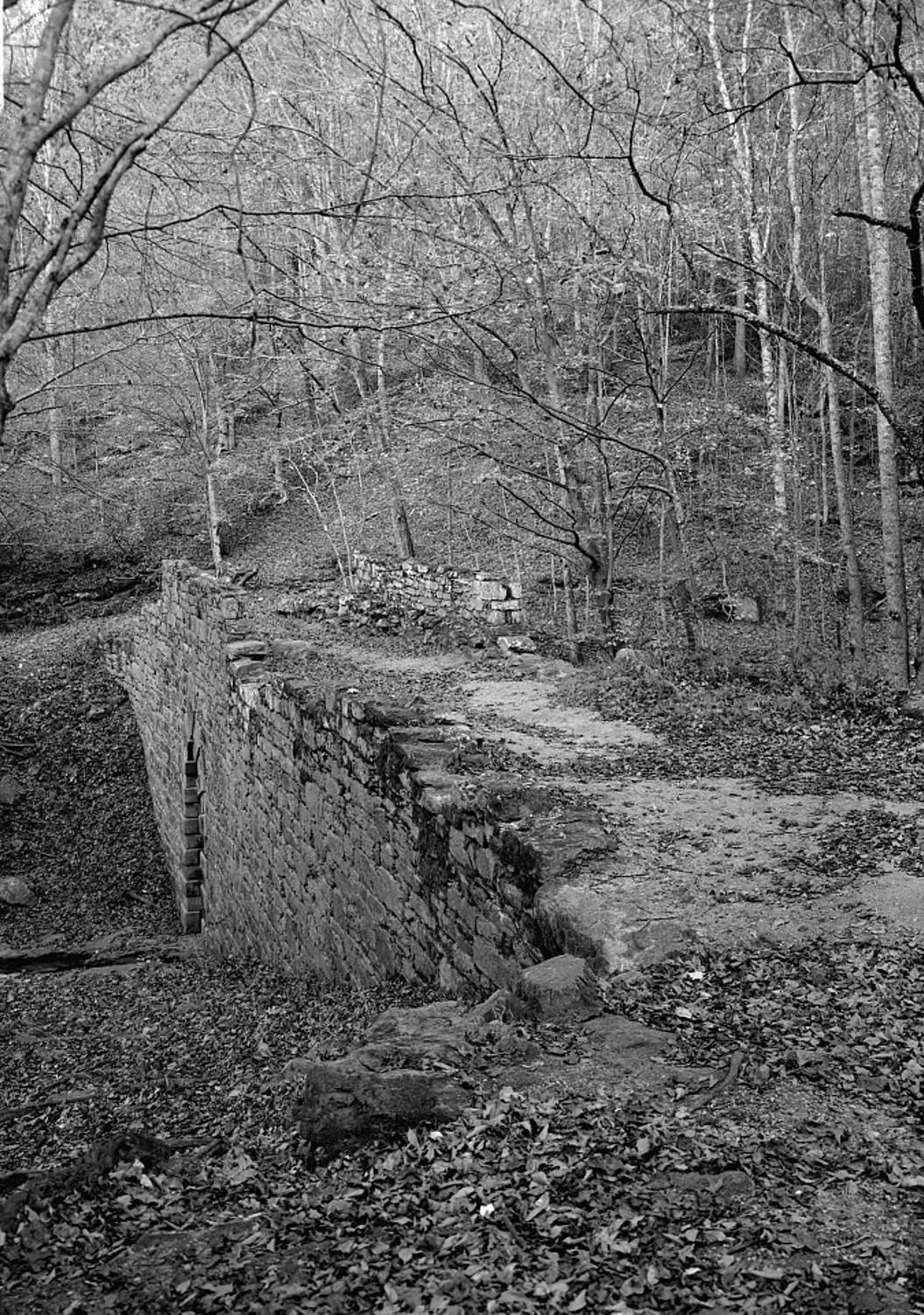
Bridge · SC
Poinsett Bridge
Poinsett Bridge is a stone bridge with a Gothic arch built in 1820 on the old State Road through the Saluda Mountains, thought to be South Carolina's oldest surviving bridge.
UnverifiedClosedAlso a bridge
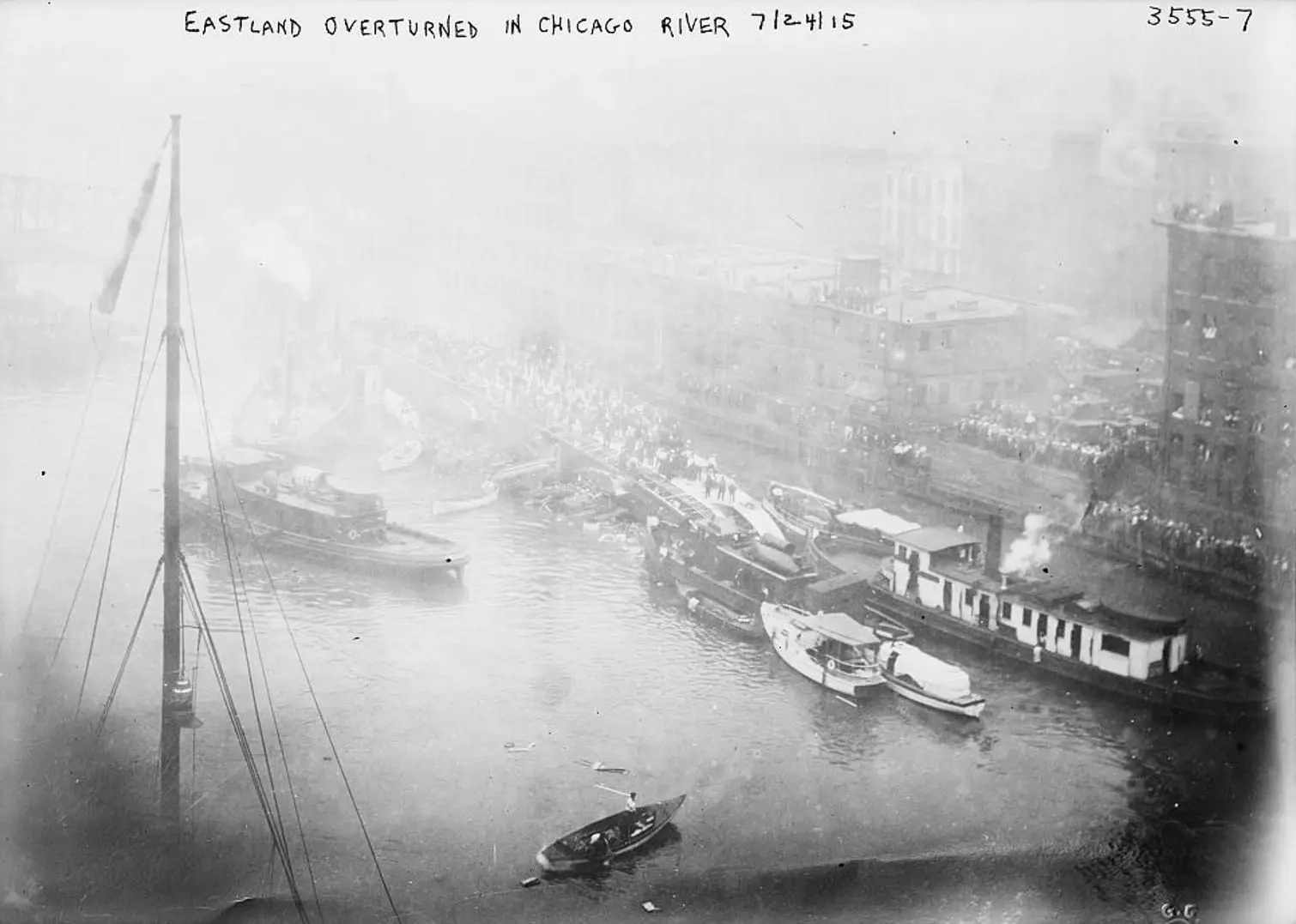
Ship · Chicago, IL
Eastland Disaster Site
On July 24, 1915, the steamer Eastland rolled over at its dock on the Chicago River by the Clark Street bridge, and 844 passengers died, according to the Smithsonian and CBS (WBEZ gives 848), most of them young Western Electric workers and their families.
UnverifiedOutside onlyAlso reported: phantom lights
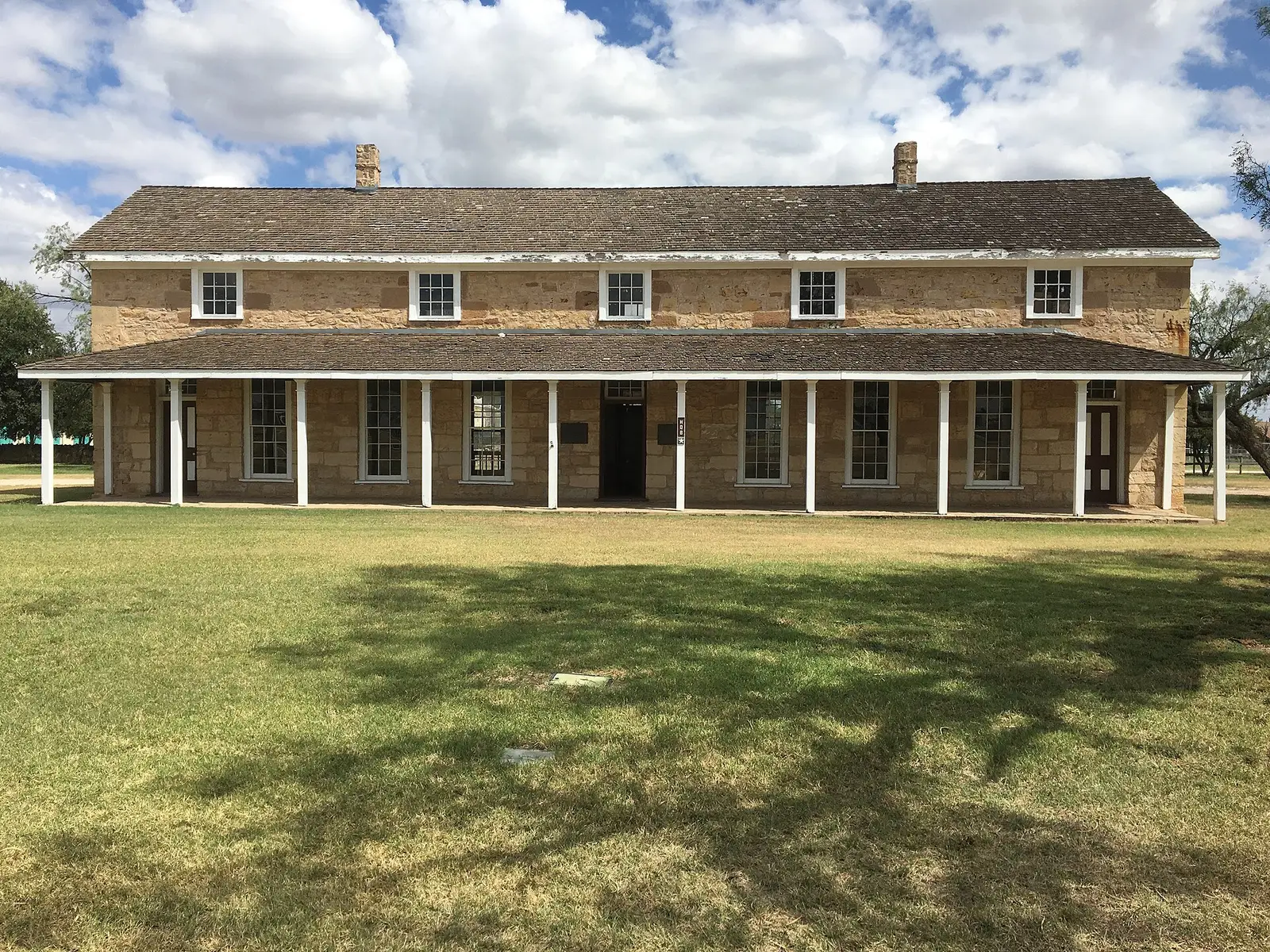
Fort · San Angelo, TX
Fort Concho National Historic Landmark
Fort Concho is a frontier army post in San Angelo, founded in 1867 and home to the Buffalo Soldiers of the Tenth Cavalry.
Documented AccountsOpen to visitorsAlso reported: phantom lights
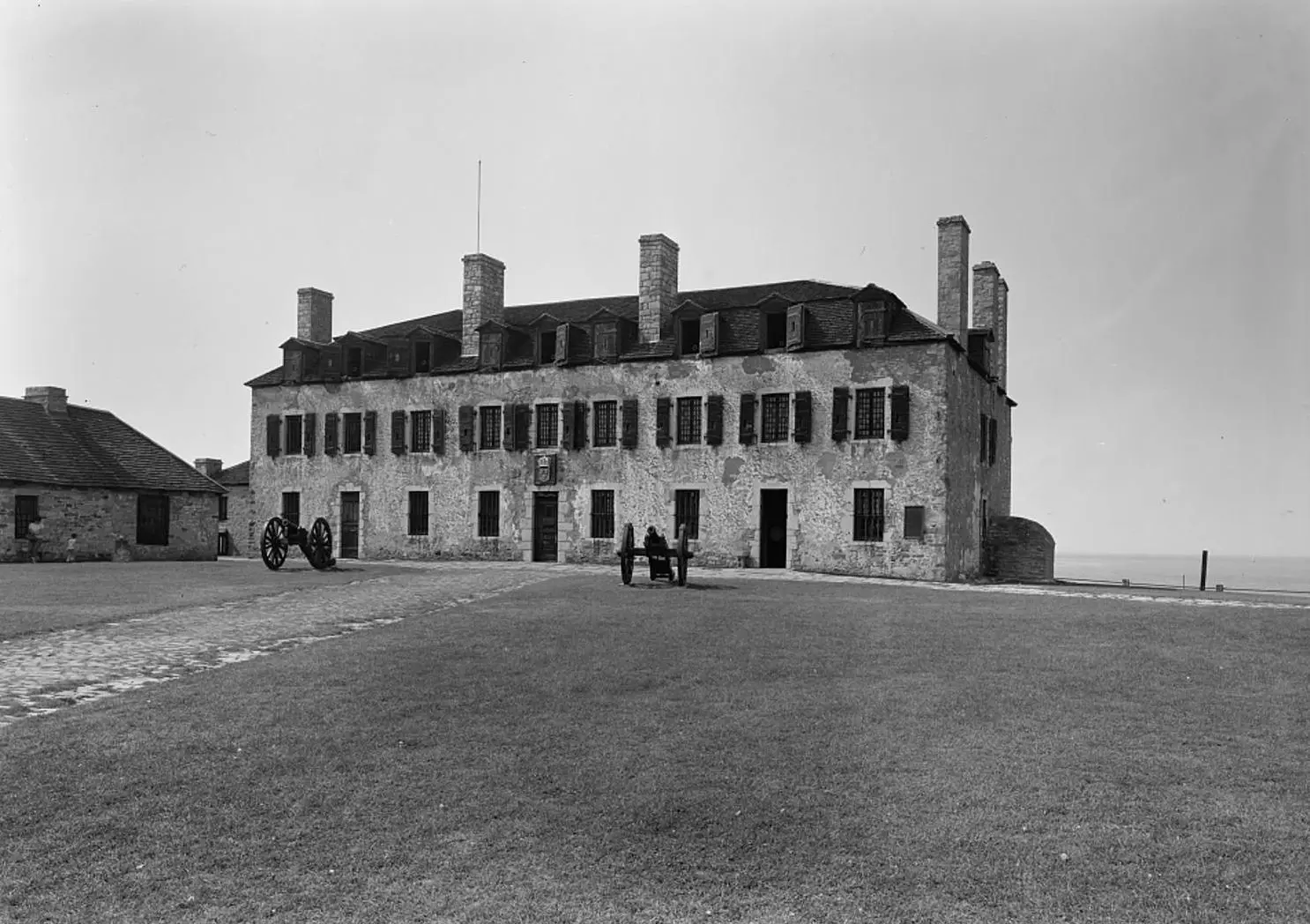
Fort · NY
Old Fort Niagara
Old Fort Niagara guards the mouth of the Niagara River; its French Castle, built in 1726–27, is the oldest masonry building in the Great Lakes basin.
Documented AccountsOpen to visitors