← Kentucky Mammoth Cave National Park
Mammoth Cave National Park
Enslaved guides, a failed TB hospital and the story of Floyd Collins
Kentucky
Mammoth Cave National Park in Kentucky protects the world's longest known cave.
What do we know about Mammoth Cave National Park?
The ghost material is thin. One traceable account, from longtime guide Charles Hanion in a 2022 newspaper feature, describes a figure in an old guide's hat; he also warns that the cave's darkness and echoes play on the imagination. Other stories (Floyd Collins's ghost, coughing near Corpse Rock) have no named witness, and the 'Melissa' legend began as fiction.
Our rating of the reports about Mammoth Cave National Park: Documented Accounts. At least one traceable published or first-hand account of an unexplained experience. We check that the reports exist, not the supernatural. The rating describes the evidence for the reports, not whether the place is haunted.
- Reported accounts
- 3
- Counted for the rating
- 1
- Research sources
- 8
Counted for the rating: independent accounts we could trace to a witness. Retellings of the same story count once, and staff passing on what visitors said aren’t counted. How we count
Reported experiences don’t establish a supernatural cause.
Read our evidence assessment →The hauntings
Accounts, encounters and stories associated with Mammoth Cave National Park.
What has been reported?
- Apparitions
- Phantom lights
- Voices

Phenomena described in accounts associated with this location — not independently verified events.
Reported experiences
3 published and reported accounts, each assessed by its source.
Account 01 · August 14, 2022
Charles Hanion, 2022
Charles Hanion, a park guide for decades, told the Bowling Green Daily News that on a tour in the Big Chief area a visitor asked who was standing on a rock when the other guide was at the back of the group, and that on another…
- Apparitions
Published accountReported by Charles Hanion, Mammoth Cave guideNote: Hanion also stressed that echoes and darkness work on the imagination and that some stories are told tongue-in-cheek. He is park staff and co-author of a book of the cave's stories.
Read full account ›
Charles Hanion, a park guide for decades, told the Bowling Green Daily News that on a tour in the Big Chief area a visitor asked who was standing on a rock when the other guide was at the back of the group, and that on another tour he himself made out a figure, 'not a shadow', wearing a slouched hat like those of the old guides.[8]
Account 02 · August 14, 2022
Bowling Green Daily News, 2022
The ghost of Floyd Collins is said to have been reported in the cave system and at his grave, and lights have been reported in the windows of the old Mammoth Cave Baptist Church building.[8]
- Apparitions
- Phantom lights
No traceable witnessNote: No witness is named.
Read full account ›
The ghost of Floyd Collins is said to have been reported in the cave system and at his grave, and lights have been reported in the windows of the old Mammoth Cave Baptist Church building.[8]
Account 03 · August 14, 2022
Bowling Green Daily News, 2022
Some visitors have reported hearing coughing near Corpse Rock, where the bodies of patients who died in the 1842-43 experiment were laid.[8]
- Voices
No traceable witnessNote: No witness is named.
Read full account ›
Some visitors have reported hearing coughing near Corpse Rock, where the bodies of patients who died in the 1842-43 experiment were laid.[8]
Legends & disputed stories
Stories told about the place that the records don’t confirm.
- Legend
A legend tells of 'Melissa', a woman whose spirit is said to search the cave for a lost love after a jealous act of her own; the story began as fiction published in a New York newspaper in 1858.[8]
What the research shows: Fiction, not a report.
Before you go
Planning a visit?
Location
Kentucky
Tours only
Visits are by guided tour or organized event.
Access details ›
A national park. The NPS says there is no fee to enter the park, but tickets are required for cave tours, which are ranger-led. The TB huts are on cave tour routes. Floyd Collins's grave is in a church cemetery; treat burial grounds with respect.
Entry
Free and paid areas
Access last checked November 16, 2026. Confirm times and prices before you travel.
Approximate location, within about 1 km.
The history of Mammoth Cave National Park
Mammoth Cave National Park in Kentucky protects the world's longest known cave. Enslaved guides, above all Stephen Bishop, explored and mapped it; tuberculosis patients lived in huts inside it in 1842-43; and caver Floyd Collins died trapped in nearby Sand Cave in 1925. A longtime guide has described seeing a figure in an old guide's hat. Park entry is free; cave tours are ticketed.
- Also known as
- Mammoth Cave
The enslaved guides
In 1838 Franklin Gorin bought Mammoth Cave and put Stephen Bishop, an enslaved teenager, to work as a guide. Over the next two decades Bishop explored and named much of the cave, crossed the Bottomless Pit to open miles of new passages, and drew a map from memory that was published in 1844. Other early guides, including Mat and Nick Bransford, were also enslaved men, leased to the cave's owner. In 1839 Dr. John Croghan bought the cave and Bishop with it. Croghan's will freed the people he enslaved seven years after his death, and Stephen and Charlotte Bishop were freed in 1856. Stephen died in 1857 and was buried in an unmarked grave.
A hospital underground
Croghan believed the cave's steady air could cure tuberculosis. In 1842 he moved patients into stone and wooden huts built inside the cave by enslaved workers, who also carried in meals. Smoke and damp made the patients worse, and five of them died in the cave; their bodies were laid on a rock now called Corpse Rock. The experiment ended by early 1843. Croghan died of tuberculosis in 1849. Two stone huts remain.
Floyd Collins
Floyd Collins, who had found Great Crystal Cave in 1917, was trapped by a fallen rock in Sand Cave on January 30, 1925. The rescue drew national attention, but he died around February 13, days before rescuers reached him. His body was later shown in Crystal Cave against his family's wishes, stolen in 1929, and finally reburied in 1989. The national park was established in 1941.
The stories
Longtime guide Charles Hanion told the Bowling Green Daily News that he once made out a figure, 'not a shadow', wearing a slouched hat like the old guides', and that a visitor had asked about a man standing on a rock when no guide was there. Floyd Collins's ghost is said to have been reported, and some visitors say they hear coughing near Corpse Rock, but no witnesses are named. The legend of 'Melissa' began as fiction in 1858.
Through the years
1838
1838
Other early guides were also enslaved men, including Mat and Nick Bransford, who were leased to the cave's owner from 1838, and Alfred Croghan; Mat Bransford's descendants guided at the cave until the late 1930s.[4][2]
Caveat: The NPS and Smithsonian say Mat and Nick Bransford were not related; the shared surname came from their enslaver.
1838–1857
1838–1857
Bishop explored and named large parts of the cave, including Mammoth Dome and the Ruins of Karnak, crossed the Bottomless Pit to open miles of new passages, reached the underground rivers, and drew a map of the cave…
1842
Tuberculosis experiment begins
Croghan, who believed the cave's steady temperature and humidity could cure tuberculosis, moved patients into the cave in 1842 to live in two stone and eight wooden huts; the huts were built by enslaved people, who also carried in meals.[1][5][6]
Caveat: The NPS article says 16 patients from winter 1842; the park timeline says the first of ten patients entered in May 1842.
1843
Experiment abandoned
Smoke from lamps and fires and the damp air made the patients worse. Five patients died in the cave, and their bodies were laid on a rock now called Corpse Rock; the experiment ended by early 1843, after…
Read more ›
Smoke from lamps and fires and the damp air made the patients worse. Five patients died in the cave, and their bodies were laid on a rock now called Corpse Rock; the experiment ended by early 1843, after no more than five months, and showed that cave air did not cure tuberculosis. Croghan himself died of the disease in 1849. Two stone huts survive.[1][5][6]
1856
Stephen Bishop freed
In 1839 Dr. John Croghan of Louisville bought the cave, and Bishop with it. Croghan's will freed the people he enslaved seven years after his death; Stephen and Charlotte Bishop were freed in 1856, and Stephen died in…
Read more ›
In 1839 Dr. John Croghan of Louisville bought the cave, and Bishop with it. Croghan's will freed the people he enslaved seven years after his death; Stephen and Charlotte Bishop were freed in 1856, and Stephen died in 1857 and was buried in an unmarked grave near the cave; a gravestone was supplied decades later.[1][2][3]
Caveat: NPS says he died in summer (July) 1857; Smithsonian says late 1857. The later gravestone carries a wrong date.
1925
Floyd Collins trapped in Sand Cave
Floyd Collins, a local explorer who had found Great Crystal Cave in 1917, was trapped by a fallen rock in Sand Cave on January 30, 1925. Despite a rescue effort followed by national crowds and press, he died…
Read more ›
Floyd Collins, a local explorer who had found Great Crystal Cave in 1917, was trapped by a fallen rock in Sand Cave on January 30, 1925. Despite a rescue effort followed by national crowds and press, he died around February 13; rescuers reached him only on February 16-17. His body was later exhibited in a glass-topped coffin in Crystal Cave over his family's objections, stolen in 1929 and recovered, and reburied in 1989 in Mammoth Cave Baptist Church Cemetery.[1][7]
Caveat: The NPS timeline says rescuers reached him February 16; the radio report says February 17.
The research conclusion

Why it has this rating
One traceable account: a park guide's sighting of a figure in an old guide's hat (Bowling Green Daily News, 2022). The Floyd Collins and Corpse Rock stories name no witnesses, and the 'Melissa' legend began as fiction in 1858.
Read the full written assessment ›
The history here is unusually well recorded by the National Park Service: the enslaved guides, Bishop's explorations and freedom, Croghan's tuberculosis experiment and its five deaths, and Floyd Collins's death and the treatment of his body.
The ghost material is thin. One traceable account, from longtime guide Charles Hanion in a 2022 newspaper feature, describes a figure in an old guide's hat; he also warns that the cave's darkness and echoes play on the imagination. Other stories (Floyd Collins's ghost, coughing near Corpse Rock) have no named witness, and the 'Melissa' legend began as fiction.
The sources behind the story
8 research references support this entry.
1National Park Service, Mammoth Cave National ParkMammoth Cave Timeline Official or site history · Reference 01
Mammoth Cave Timeline. National Park Service, Mammoth Cave National Park.
Park chronology. Gives the 1838 purchase by Franklin Gorin and A.A. Harvey, Stephen Bishop becoming a guide in 1838, the 1839 sale to Dr. John Croghan, the 1842 tuberculosis experiment ('the first of ten'), Bishop's freedom in 1856 and death in July 1857, Floyd Collins's discoveries and death, his 1989 reburial, and the park's 1941, 1981 and 1990 milestones.
Accessed November 16, 2026.
2Smithsonian MagazineEnslaved Tour Guide Stephen Bishop Made Mammoth Cave the Must-See Destination It Is Today Magazine · Reference 02
Joy Lanzendorfer, Enslaved Tour Guide Stephen Bishop Made Mammoth Cave the Must-See Destination It Is Today. Smithsonian Magazine, 2019-02-06.
Magazine history drawing on historians. Gives Bishop's age (17 in 1838), his sale with the cave to Croghan in 1839, the Bransfords as leased enslaved men, his explorations, Croghan's will freeing the people he enslaved seven years after his death, emancipation in 1856, and his death in 1857.
Accessed November 16, 2026.
3National Park ServiceStephen Bishop Official or site history · Reference 03
Stephen Bishop. National Park Service, 2021-03-25.
NPS biography. Gives his arrival in 1838, explorations (Mammoth Dome, Ruins of Karnak, crossing the Bottomless Pit), the map drawn from memory at Locust Grove and published in 1844, his wife Charlotte and son Thomas, the 1856 move to their own land, his death in 1857 and his unmarked grave.
Accessed November 16, 2026.
4National Park Service, Mammoth Cave National ParkAfrican American History Official or site history · Reference 04
African American History. National Park Service, Mammoth Cave National Park, 2025-02-05.
NPS page naming Stephen Bishop, Mat Bransford, Nick Bransford and Alfred Croghan as early enslaved guides and Mat Bransford's descendants who guided until 1937 and 1939.
Accessed November 16, 2026.
5National Park ServiceTuberculosis in Mammoth Cave Official or site history · Reference 05
Tuberculosis in Mammoth Cave. National Park Service, 2025-03-24.
NPS article. Gives 16 patients from winter 1842, two stone and eight wooden huts built by enslaved people, meals prepared by enslaved people, worsening health, five deaths in the cave with bodies laid on 'Corpse Rock', and the end of the experiment by early 1843. Its patient count differs from the park timeline.
Accessed November 16, 2026.
6National Park ServiceTB Huts Official or site history · Reference 06
TB Huts. National Park Service, 2021-04-13.
NPS place page on the two surviving stone huts; says patients lived in the cave for up to five months and that smoke and damp worsened their condition. Mentions no deaths.
Accessed November 16, 2026.
7WKU Public Radio (via Louisville Public Media)Legends of 'Greatest Cave Explorer Ever Known' live on a century later at Mammoth Cave Television or radio · Reference 07
Michael J. Collins, Legends of 'Greatest Cave Explorer Ever Known' live on a century later at Mammoth Cave. WKU Public Radio (via Louisville Public Media), 2025-02-14.
Public radio centenary piece on Floyd Collins: entrapment in Sand Cave from January 30, 1925, death around February 13, rescuers reaching him February 17, the exhibition of his body in Crystal Cave from 1927, its theft in 1929 and the 1989 reburial. No ghost material.
Accessed November 16, 2026.
8Bowling Green Daily NewsThe mysteries of Mammoth Cave Newspaper · Reference 08
Wes Swietek, The mysteries of Mammoth Cave. Bowling Green Daily News, 2022-08-14.
Local newspaper feature on the cave's legends, quoting longtime guide Charles Hanion, co-author of Scary Stories of Mammoth Cave. The only source found with a named first-hand account. Notes that the 'Melissa' story began as fiction.
Accessed November 16, 2026.
More haunted places
Explore nearby
Historic house
Octagon Hall
Franklin, Kentucky · 37 miles away · Tours only
Former asylum
Waverly Hills Sanatorium
Louisville, Kentucky · 66 miles away · Tours only
Cave
Bell Witch Cave
Tennessee · 67 miles away · Tours only
Battlefield
Perryville Battlefield State Historic Site
Kentucky · 71 miles away · Outside only
Similar places
Also reported: phantom lights
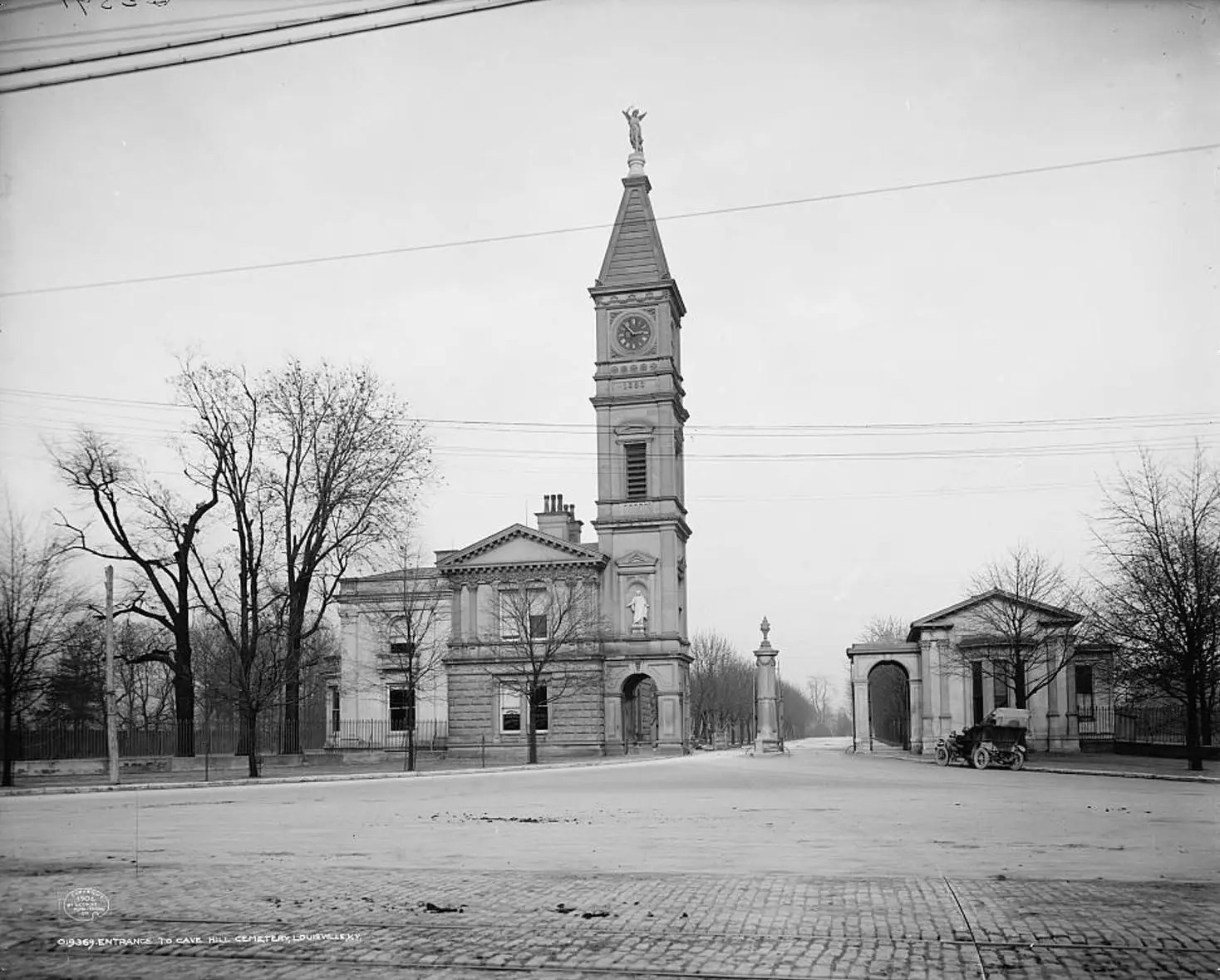
Cemetery · Louisville, KY
Cave Hill Cemetery
Cave Hill Cemetery is Louisville's great rural cemetery, dedicated in 1848 and the resting place of more than 141,000 people, including Muhammad Ali and George Rogers Clark.
UnverifiedOutside onlyAlso reported: phantom lights
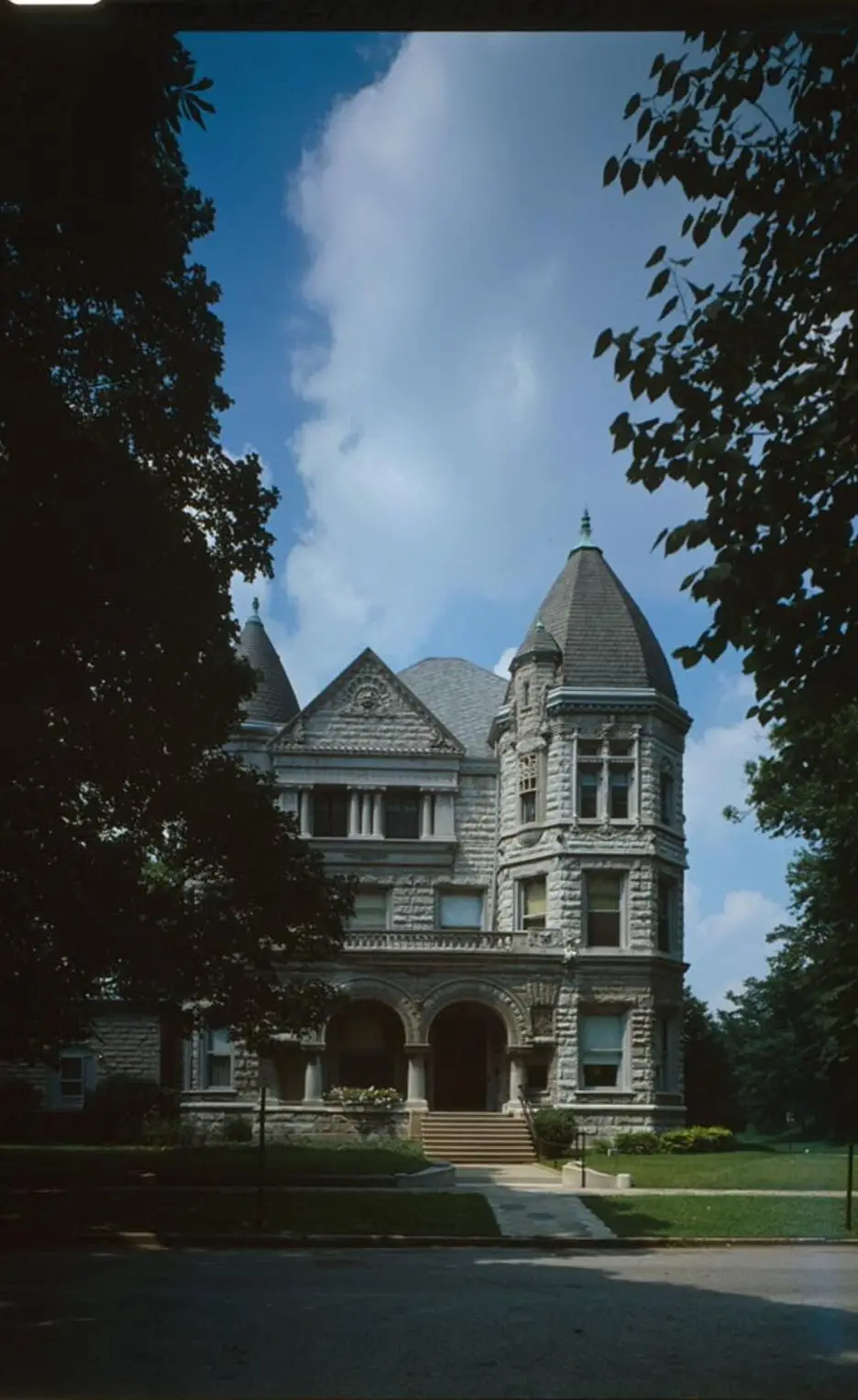
Historic house · Louisville, KY
Conrad-Caldwell House Museum
The Conrad-Caldwell House is a stone mansion of 1893–95 on St. James Court in Old Louisville, now a house museum.
Documented AccountsOpen to visitorsAlso reported: phantom lights
Historic house · KY
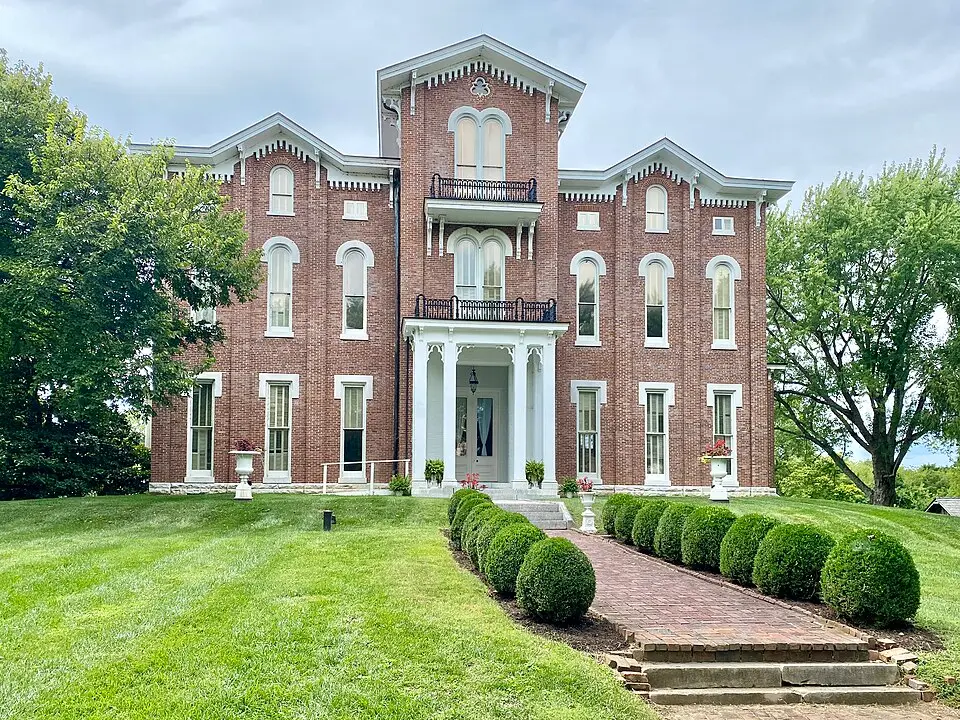
White Hall State Historic Site
White Hall, near Richmond, Kentucky, is the home of the antislavery politician Cassius Marcellus Clay, built on a house his father, a major enslaver, finished in 1799.
Documented AccountsTours onlyAlso reported: phantom lights
Fort · NY
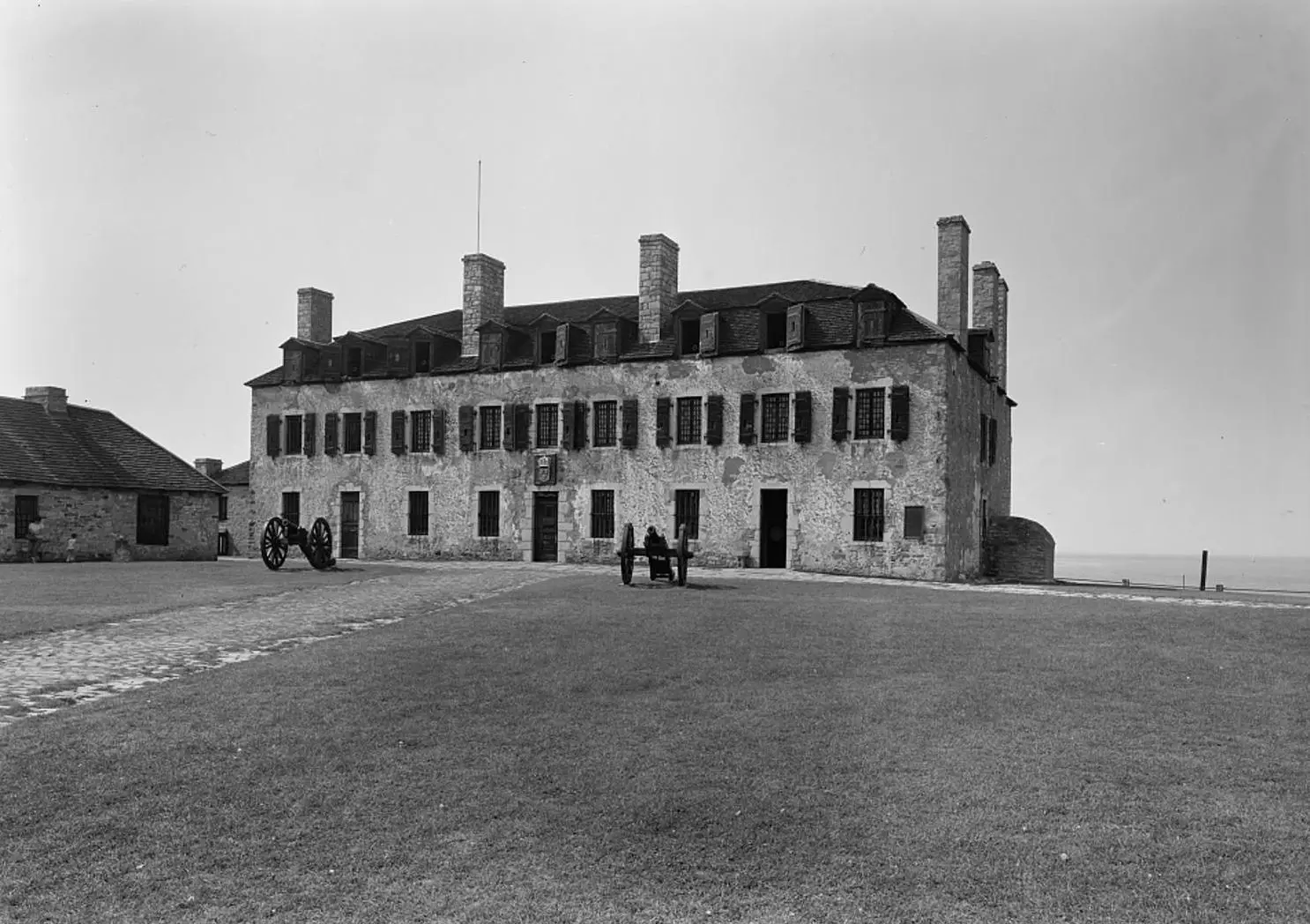
Old Fort Niagara
Old Fort Niagara guards the mouth of the Niagara River; its French Castle, built in 1726–27, is the oldest masonry building in the Great Lakes basin.
Documented AccountsOpen to visitors