← New Orleans St. Roch Chapel and Cemetery
St. Roch Chapel and Cemetery
The votive room and its legends
New Orleans, Louisiana
St. Roch Chapel and Cemetery, near the Marigny and Bywater, was founded by a German priest after a yellow fever epidemic.
What do we know about St. Roch Chapel and Cemetery?
The ghost material is folklore. Ghost-tour and travel writers describe a large black dog that vanishes and a hooded figure, with no names, dates or sources, and the tour operator itself allows the dog may be a stray. The votive room is unsettling to some visitors, but it is a devotional space, not evidence of a haunting.

Our rating of the reports about St. Roch Chapel and Cemetery: Unverified. A haunted reputation or legend, but no traceable account of an experience so far. The rating describes the evidence for the reports, not whether the place is haunted.
- Reported account
- 1
- Counted for the rating
- 0
- Research sources
- 6
Counted for the rating: independent accounts we could trace to a witness. Retellings of the same story count once, and staff passing on what visitors said aren’t counted. How we count
Reported experiences don’t establish a supernatural cause.
Read our evidence assessment →The hauntings
Accounts, encounters and stories associated with St. Roch Chapel and Cemetery.

What has been reported?
- Apparitions
Phenomena described in accounts associated with this location — not independently verified events.
Reported experiences
1 published and reported account, each assessed by its source.
Account 01
Ghost City Tours
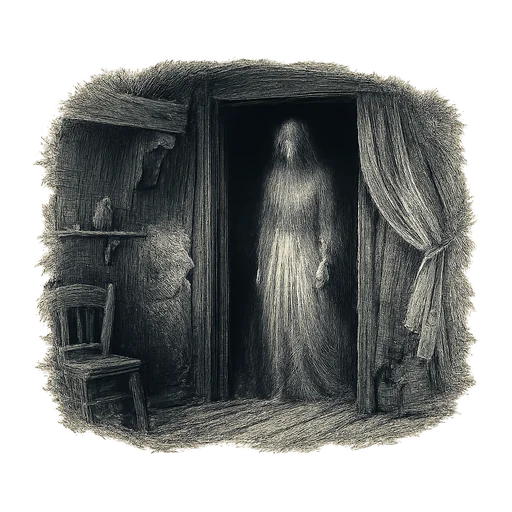
A ghost-tour company says a man in a black hooded robe has been seen walking through the cemetery after the gates close and vanishing through a wall.[6]
- Apparitions
No traceable witnessReported by Ghost City ToursNote: Unnamed visitors, no dates; the page describes hypothetical scenarios rather than actual accounts.
Read full account ›
A ghost-tour company says a man in a black hooded robe has been seen walking through the cemetery after the gates close and vanishing through a wall.[6]
Legends & disputed stories
Stories told about the place that the records don’t confirm.

- Legend
For many years young women made a Good Friday pilgrimage praying at nine churches and ending at St. Roch's, in the belief that they would find a husband within the year; finding a four-leaf clover in the cemetery was thought doubly lucky.[4][2]
- Legend
The WPA guide recorded a legend that red spots on clover in the cemetery came from the blood of a bride-to-be who took her own life on her lover's grave.[2]
What the research shows: A legend; no person or date is given.
- Legend
Ghost-tour and travel writers say a very large black dog roams the cemetery and vanishes when approached, linking it to the dog that, in legend, fed St. Roch.[5][6]
What the research shows: No named witness or date; the tour company itself suggests it may be a stray.
Before you go

Can I visit?
Location
1725 St Roch Ave, New Orleans, LA 70117
Access not confirmed
We haven’t confirmed whether visitors are allowed.
Access details ›
An active Catholic cemetery and chapel run by New Orleans Catholic Cemeteries; please visit as you would any place of prayer and burial. We could not confirm current opening arrangements, and the chapel has kept limited hours in recent years, so check with New Orleans Catholic Cemeteries before you go.
Access last checked November 16, 2026.
Please visit responsibly
This place isn’t open to visitors. Don’t trespass: view it from public land, or learn about it from local museums and archives.
Approximate location, within about 1 km.
The history of St. Roch Chapel and Cemetery
St. Roch Chapel and Cemetery, near the Marigny and Bywater, was founded by a German priest after a yellow fever epidemic. Its small votive room holds crutches, braces and artificial limbs left by people giving thanks for healing. Local legends include a lucky-clover custom and a phantom black dog, but no traceable ghost witness. It is an active Catholic cemetery; check access before visiting.
- Established
- 1875–1876
- Also known as
- St. Roch Cemetery No. 1
A priest's vow
In the late 1860s Father Peter Leonard Thevis, a young German priest, was assistant pastor of Holy Trinity Church, in what is now the Bywater. Yellow fever swept the city, and an outbreak killed the church's pastor (1868 in the WPA guide and New Orleans Historical). Thevis asked his parishioners to pray to St. Roch, a French saint invoked against plague, and promised to build a chapel in his honor. Church tradition says none of his congregation died, though the WPA guide of 1938 says many parishioners were lost, and sources give the epidemic as 1866–67, 1867 or 1868.
The Campo Santo
The cemetery was dedicated in 1875. Thevis called it the Campo Santo, after the German burial ground near St. Peter's in Rome. The small Gothic chapel was completed on the saint's feast day, August 16, 1876. Thevis died in 1893 and lies beneath the chapel floor in front of the altar.
The votive room
The chapel is known for its ex-votos, offerings left in thanks for healing. In 1938 the WPA guide described marble plaques, artificial limbs and crutches along the walls. Today crutches, leg braces and other offerings fill a small room beside the chapel. Hurricane Katrina flooded the chapel in 2005, and New Orleans Catholic Cemeteries began a restoration in 2017, deliberately leaving the votive room as it was.
Customs and legends
The WPA guide recorded a Good Friday custom: young women prayed at nine churches, ending at St. Roch's, hoping to marry within the year, and a four-leaf clover found in the cemetery was doubly lucky. It also recorded a legend that red spots on the clover came from a bride-to-be who died on her lover's grave.
Through the years
1868
Thevis's vow
Father Peter Leonard Thevis, a German priest serving as assistant pastor of Holy Trinity Church, asked his parishioners to pray to St. Roch, a saint invoked against plague, during a yellow fever epidemic, and vowed to build a chapel in the saint's honor.[1][2][3]
Caveat: Sources date the epidemic to 1867 (64 Parishes, which says Thevis arrived then), 1868 (WPA, New Orleans Historical) or 1866–67 (Schertz).
1868
1868
2017
Restoration begins
Floodwater from Hurricane Katrina damaged the chapel; New Orleans Catholic Cemeteries began a restoration in 2017 and deliberately left the ex-voto room undisturbed.[1]
The research conclusion

Why it has this rating
No traceable account of an experience: the black dog and hooded figure appear only in tour and travel writing with no named witness. The chapel's votive offerings are devotional history, not ghost reports.
Read the full written assessment ›
The chapel's founding, dates and votive offerings are well recorded, with the WPA guide describing the ex-votos as early as 1938. The founding vow is a church tradition, and sources disagree on the epidemic's year.
The ghost material is folklore. Ghost-tour and travel writers describe a large black dog that vanishes and a hooded figure, with no names, dates or sources, and the tour operator itself allows the dog may be a stray. The votive room is unsettling to some visitors, but it is a devotional space, not evidence of a haunting.
The sources behind the story
6 research references support this entry.

164 Parishes (Louisiana Endowment for the Humanities)The Leg-Brace Saint Magazine · Reference 01
Cheré Dastugue Coen, The Leg-Brace Saint. 64 Parishes (Louisiana Endowment for the Humanities), 2022-08-29.
Humanities-magazine feature on the chapel and its restoration, quoting New Orleans Catholic Cemeteries staff. Good on dates and the renovation; does not discuss ghosts.
Accessed November 16, 2026.
2Houghton Mifflin, BostonNew Orleans City Guide (American Guide Series) Book · Reference 02
Federal Writers' Project of the Works Progress Administration, New Orleans City Guide (American Guide Series). Houghton Mifflin, Boston, 1938.
Cemeteries chapter, 'St. Rock Cemetery', pp. 197–198. A detailed 1930s description of the chapel, its ex-votos and local customs; its founding account follows church tradition.
Accessed November 16, 2026.
3New Orleans Historical (Midlo Center for New Orleans Studies, UNO)St. Roch Cemetery, Plagues, and Germans in New Orleans Website · Reference 03
Madison Roxanne White, Kelsey Lacourrege, Robert Daemmrich, Karen Snyder and Kathryn O'Dwyer, St. Roch Cemetery, Plagues, and Germans in New Orleans. New Orleans Historical (Midlo Center for New Orleans Studies, UNO), 2016-03-06.
University public-history entry with a bibliography (including Huber, McDowell and Christovich, New Orleans Architecture vol. 3, 1974). Calls the vow story a legend and dates it to 1868.
Accessed November 16, 2026.
4New Orleans Journal (scan by HathiTrust, hosted by the Louisiana Anthology)A Walk Through French Town in Old New Orleans (fifth edition) Book · Reference 04
Helen Pitkin Schertz, A Walk Through French Town in Old New Orleans (fifth edition). New Orleans Journal (scan by HathiTrust, hosted by the Louisiana Anthology).
1920s tourist guide (undated; mentions 1923). Its short St. Roch note dates the epidemic to 1866–67, which conflicts with later sources.
Accessed November 16, 2026.
5American Roads Travel MagazineDark Roads (St. Roch Cemetery section) Magazine · Reference 05
Dark Roads (St. Roch Cemetery section). American Roads Travel Magazine.
Travel-magazine web feature, author and date not shown (URL suggests fall 2014). Repeats the black dog story without a witness.
Accessed November 16, 2026.
6Ghost City ToursSt. Roch Cemetery (Haunted New Orleans) Website · Reference 06
Tim Nealon, St. Roch Cemetery (Haunted New Orleans). Ghost City Tours.
Commercial ghost-tour operator's page, undated and uncited. Cited only as the place the ghost lore is published; it admits the 'ghost dog' may be a stray and that it has not seen the claimed photos.
Accessed November 16, 2026.
More haunted places
Explore nearby
Museum
Old Ursuline Convent
New Orleans, Louisiana · 1.5 miles away · Open to visitors
Museum
Beauregard-Keyes House and Garden
New Orleans, Louisiana · 1.5 miles away · Tours only
Hotel
Bourbon Orleans Hotel
New Orleans, Louisiana · 1.7 miles away · Open to visitors
Museum
The Cabildo
New Orleans, Louisiana · 1.8 miles away · Open to visitors
Similar places
Also a church
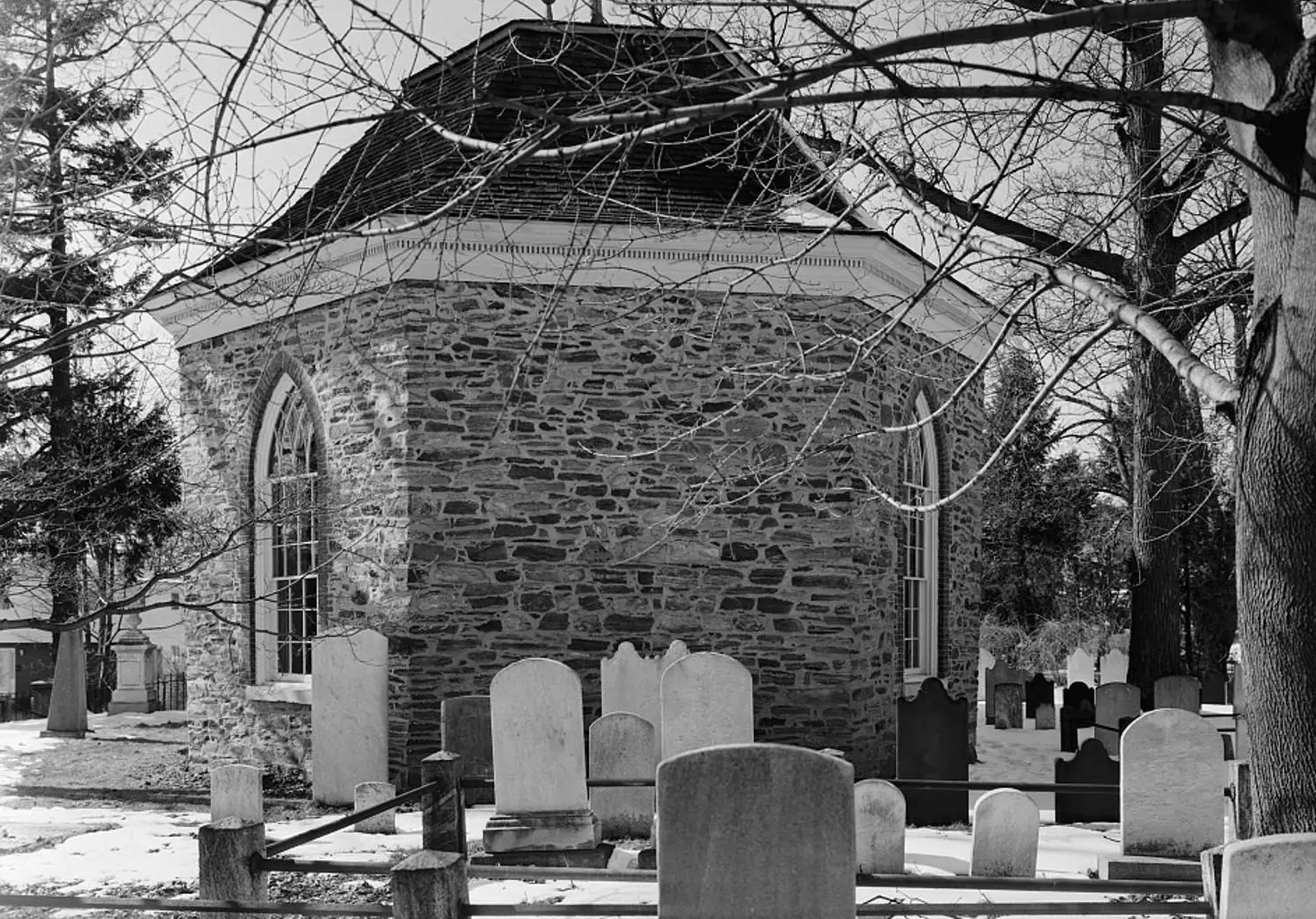
Church · Sleepy Hollow, NY
Old Dutch Church of Sleepy Hollow and Burying Ground
The Old Dutch Church in Sleepy Hollow was built for Frederick Philipse, with the labor of Africans he enslaved, beside an older burial ground; its National Historic Landmark nomination dates it to around 1697, while the congregation dates it to 1685.
UnverifiedOutside onlyAlso a church
Church · Charleston, SC
Unitarian Church in Charleston and churchyard
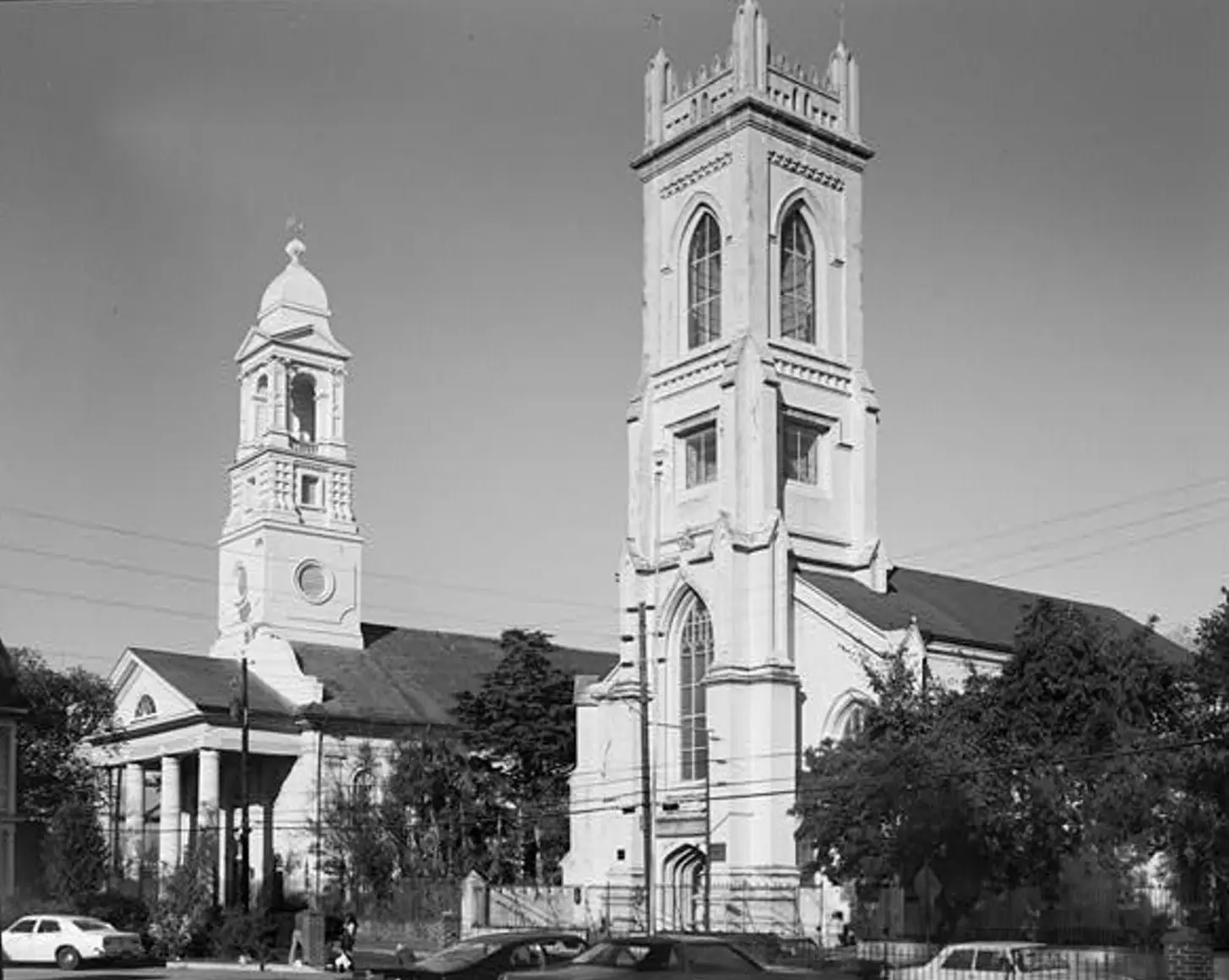
The Unitarian Church on Archdale Street, begun in 1772 and remodeled in Gothic style in 1852-1854, is the oldest Unitarian church in the South.
UnverifiedOpen to visitorsAlso a cemetery
Cemetery · New Orleans, LA
Lafayette Cemetery No. 1
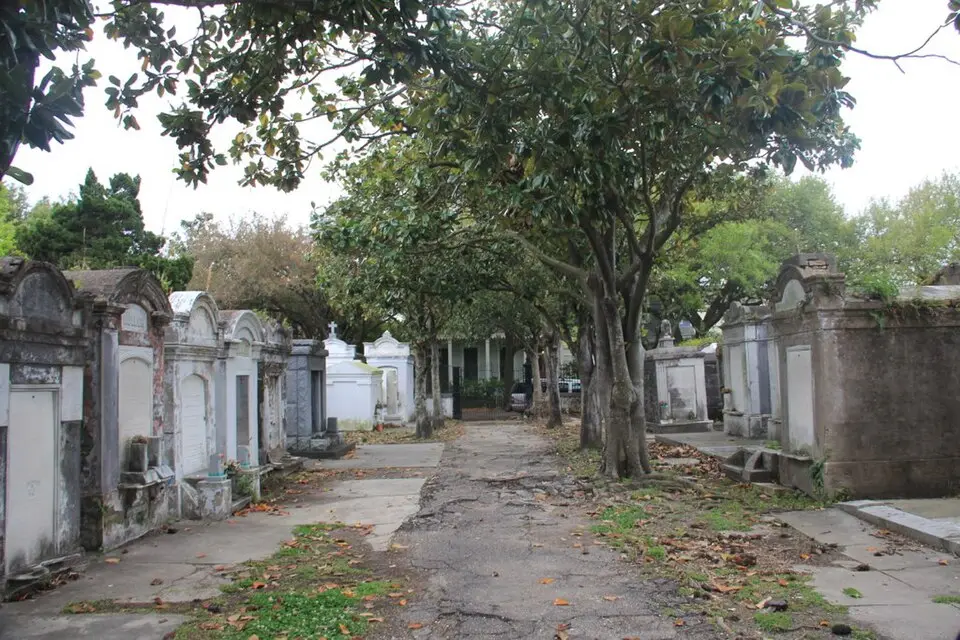
Lafayette Cemetery No. 1 is an above-ground cemetery in the Garden District, founded in 1833, where many yellow fever victims were buried.
UnverifiedTours onlyAlso a cemetery
Cemetery · New Orleans, LA
St. Louis Cemetery No. 1
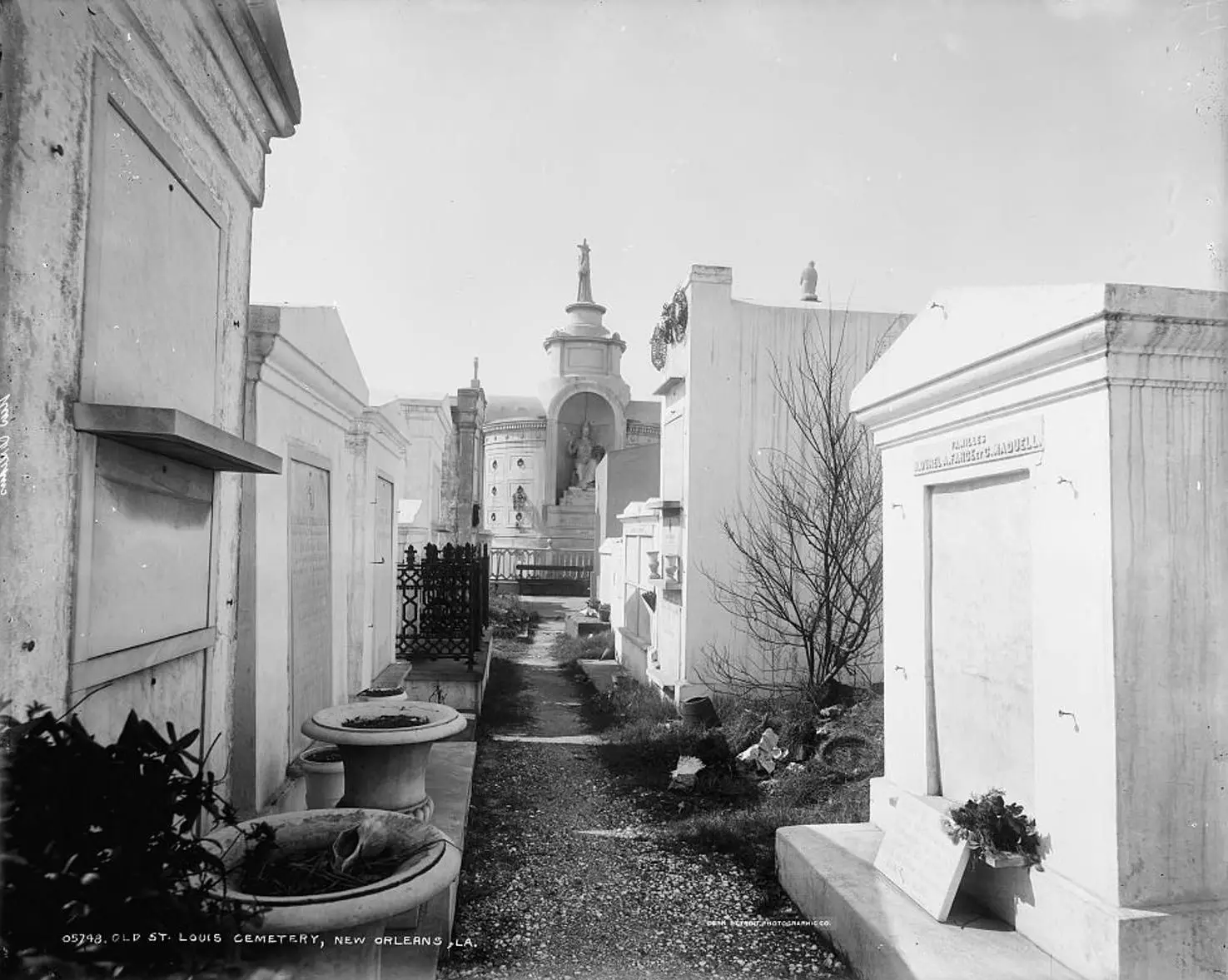
New Orleans' oldest surviving cemetery, founded in 1789 and known for its above-ground tombs.
UnverifiedTours only