← Charleston Unitarian Church in Charleston and churchyard
Unitarian Church in Charleston and churchyard
The churchyard and the 'Annabel Lee' legend
Charleston, South Carolina
The Unitarian Church on Archdale Street, begun in 1772 and remodeled in Gothic style in 1852-1854, is the oldest Unitarian church in the South.
What do we know about Unitarian Church in Charleston and churchyard?
The Annabel Lee story is folklore told on ghost tours. We found no record of the Anna Ravenel of the legend, a writer who looked into it calls it false, and the Poe Museum points to Poe's wife Virginia as the poem's likely main inspiration. The sightings of a Lady in White come only from tour guides relaying unnamed guests.

Our rating of the reports about Unitarian Church in Charleston and churchyard: Unverified. A haunted reputation or legend, but no traceable account of an experience so far. The rating describes the evidence for the reports, not whether the place is haunted.
- Reported accounts
- 2
- Counted for the rating
- 0
- Research sources
- 8
Counted for the rating: independent accounts we could trace to a witness. Retellings of the same story count once, and staff passing on what visitors said aren’t counted. How we count
Reported experiences don’t establish a supernatural cause.
Read our evidence assessment →The hauntings
Accounts, encounters and stories associated with Unitarian Church in Charleston and churchyard.

What has been reported?
- Apparitions
Phenomena described in accounts associated with this location — not independently verified events.
Reported experiences
2 published and reported accounts, each assessed by its source.
Account 01 · October 25, 2018
A Tour Charleston guide, 2018
A Tour Charleston guide told Live 5 News in 2018 that tour guests had reported a woman in a wedding dress standing behind them while they talked, which he said had happened several dozen times.[8]
- Apparitions
No traceable witnessReported by A Tour Charleston guide (via Live 5 News)Note: Secondhand; no guest is named.
Read full account ›
A Tour Charleston guide told Live 5 News in 2018 that tour guests had reported a woman in a wedding dress standing behind them while they talked, which he said had happened several dozen times.[8]
Account 02 · October 1, 2025
A former tour guide, 2025
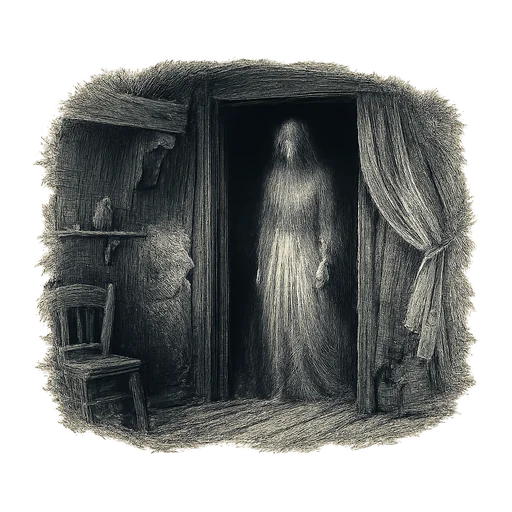
A former tour guide told National Geographic in 2025 that Anna's ghost wanders the cemetery in a white dress and is known as the Lady in White.[7]
- Apparitions
No traceable witnessReported by A former tour guide (via National Geographic)Note: No witness or sighting is described.
Read full account ›
A former tour guide told National Geographic in 2025 that Anna's ghost wanders the cemetery in a white dress and is known as the Lady in White.[7]
Legends & disputed stories
Stories told about the place that the records don’t confirm.

- Legend
Ghost tours tell of Anna Ravenel, a young Charleston woman who fell in love with a soldier at Fort Moultrie; her father had him transferred, she fell ill and died, and the family dug several decoy graves in the Unitarian churchyard and left hers unmarked so he could not find it. Some tellers identify the soldier as Poe and Anna as 'Annabel Lee'.[5][7][8]
What the research shows: No record of this Anna Ravenel or of the decoy graves was found.
- Disputed
Writer Joseph D'Agnese argues that the Annabel Lee story is false, that the Anna of the legend never existed, and that Poe was unlikely to have courted anyone in town from Sullivan's Island or to have waited some 20 years to write the poem.[5]
What the research shows: He cites another writer's article rather than records. This disputes the legend; it is not an account of an experience.
- Legend
Guides offer other identities for the Lady in White, including Lavinia Fisher, hanged in Charleston in 1820, and Mary Whitridge, said to have died of grief after her husband was buried in Baltimore and to lie beside an empty space meant for him.[8]
What the research shows: The guide who told Live 5 doubted the Lavinia Fisher identification; the Whitridge story is not documented in any source we consulted.
Before you go

Planning a visit?
Open to visitors
Parts of the inside are open to the public.
Access details ›
An active congregation. Sunday services are open to all, and volunteer docents open the church on set days from September to June. The churchyard is a burial ground; we could not confirm its opening arrangements, so check the church's site and visit respectfully.
Entry
Cost not confirmed
Access last checked November 19, 2026. Confirm times and prices before you travel.
Approximate location, within about 1 km.
See Unitarian Church in Charleston and churchyard on the full map →
The history of Unitarian Church in Charleston and churchyard
The Unitarian Church on Archdale Street, begun in 1772 and remodeled in Gothic style in 1852-1854, is the oldest Unitarian church in the South. Ghost tours say its overgrown churchyard is haunted by a Lady in White, often said to be Anna Ravenel, a girl whose romance with a Fort Moultrie soldier, sometimes said to be Edgar Allan Poe, inspired 'Annabel Lee'. No record supports the story, and no named witness has described a sighting.
- Established
- 1772–1787
- Also known as
- Unitarian Church in Charleston
The church
The church was begun in 1772 to take the overflow from Charleston's Independent Church, but the Revolution interrupted the work and the building served as barracks for both armies. It was finished and consecrated in 1787. A Unitarian minister led the congregation from the 1810s, and it was rechartered as Unitarian in 1839, making it the oldest Unitarian church in the South. Minister Samuel Gilman served for almost 40 years, and his wife Caroline, a well-known author, designed the churchyard in 1831.
Between 1852 and 1854 architect Francis D. Lee remodeled the church in the Gothic Revival style, adding a four-story tower and a fan-vaulted ceiling of lath and plaster. It was damaged in the 1886 earthquake, and it is a National Historic Landmark, listed on the National Register in 1973.
Poe in Charleston
Edgar Allan Poe enlisted in the Army in May 1827 under an assumed name and was stationed at Fort Moultrie, across the harbor, from November 1827 to December 1828. 'Annabel Lee' appeared in 1849, the year he died. The Poe Museum suggests his wife Virginia, who died in 1847, was its main inspiration.
The legend
Ghost tours tell of Anna Ravenel, a young Charleston woman who fell in love with a soldier at Fort Moultrie. Her father had him sent away, she died, and to keep the soldier from her grave the family dug several decoy graves and left hers unmarked. Some tellers say the soldier was Poe. A writer who investigated the story calls it false and says the Anna of the legend never existed.
The Lady in White
In 2018 a guide told Live 5 News that tour guests had reported a woman in a wedding dress standing behind them several dozen times. In 2025 a former tour guide described Anna's ghost to National Geographic as a Lady in White wandering the cemetery. Guides also suggest other identities for her, including Lavinia Fisher. No witness is named.
Through the years
1827–1828
Poe at Fort Moultrie
Edgar Allan Poe enlisted in the US Army on May 26, 1827 under an assumed name and served with his artillery battery at Fort Moultrie, on Sullivan's Island across the harbor, from November 18, 1827 until it sailed for Virginia on December 11, 1828.[4]
1831
Caroline Gilman designs the churchyard
A Unitarian minister led the congregation from the 1810s and it was rechartered as Unitarian in 1839, making it the oldest Unitarian church in the South; minister Samuel Gilman served for almost 40 years, and his wife Caroline,…
Read more ›
A Unitarian minister led the congregation from the 1810s and it was rechartered as Unitarian in 1839, making it the oldest Unitarian church in the South; minister Samuel Gilman served for almost 40 years, and his wife Caroline, a leading Southern author, designed the churchyard in 1831.[2][3]
Caveat: The congregation says its first Unitarian minister arrived in 1815; NPS says the 1817 charter brought a Unitarian minister.
1849
1849
Poe's poem 'Annabel Lee' was published in 1849, the year he died; the Poe Museum's curator writes that his wife Virginia, who died in 1847, may be argued to be its main inspiration.[4][5][6]
Caveat: Several women have been proposed as the inspiration; none of the sources we consulted links the poem to Charleston.
1852–1854
Gothic Revival remodeling
Between 1852 and 1854 architect Francis D. Lee, a member of the congregation, remodeled the church in the Gothic Revival style, adding a four-story crenellated tower, a rear chancel, stucco over the old brick walls and a fan-vaulted lath-and-plaster ceiling modeled on English chapels.[1][2][3]
Caveat: NPS and the nomination name Henry VII's chapel at Westminster as the model; the congregation names King's College Chapel, Cambridge.
The research conclusion

Why it has this rating
Two tour guides relay sightings of a woman in white without naming witnesses, and the Annabel Lee story is folklore that a 2021 essay argues is false.
Read the full written assessment ›
The church's history is documented in its National Register nomination, by the National Park Service and by the congregation. Poe really was stationed at Fort Moultrie in 1827-1828, under an assumed name.
The Annabel Lee story is folklore told on ghost tours. We found no record of the Anna Ravenel of the legend, a writer who looked into it calls it false, and the Poe Museum points to Poe's wife Virginia as the poem's likely main inspiration. The sightings of a Lady in White come only from tour guides relaying unnamed guests.
The sources behind the story
8 research references support this entry.

1National Park Service (NPGallery)National Register of Historic Places Inventory–Nomination Form: Unitarian Church, ref. 73001696 Register or nomination · Reference 01
Tray Stephenson and Bernard Kearse, National Register of Historic Places Inventory–Nomination Form: Unitarian Church, ref. 73001696. National Park Service (NPGallery), 1973-04-25.
Nomination prepared by the South Carolina Department of Archives and History, read by OCR. Gives the church begun in 1772, gothicized by Francis D. Lee in 1852-1854, the interior modeled on Henry VII's chapel at Westminster, and stuccoed brick walls. No churchyard history or ghosts.
Accessed November 17, 2026.
2National Park ServiceUnitarian Church Official or site history · Reference 02
Unitarian Church. National Park Service, 2018-02-15.
NPS place page (last updated date given). Gives 4 Archdale Street, construction from 1772 to 1787, 1817 charter as the Second Independent Church with a Unitarian minister, 1839 recharter, Lee's 1852 renovation, 1886 earthquake damage, and National Historic Landmark status.
Accessed November 17, 2026.
3Unitarian Church in CharlestonChurch History Official or site history · Reference 03
Church History. Unitarian Church in Charleston.
Congregation's own history. Gives the 1772 start, use as barracks during the war, consecration in 1787, Unitarian ministers from 1815, Samuel and Caroline Gilman, Caroline Gilman's 1831 design of the churchyard, Francis Lee's remodel, and docent visiting hours. Says the first Unitarian minister arrived in 1815, not 1817 as NPS has it. No ghosts.
Accessed November 17, 2026.
4National Park ServiceEdgar Allan Poe Official or site history · Reference 04
Edgar Allan Poe. National Park Service, 2023-01-30.
NPS biography (last updated date given). Poe enlisted May 26, 1827 under an assumed name, reached Fort Moultrie on November 18, 1827, sailed for Fortress Monroe on December 11, 1828; his wife Virginia died in 1847 and he died October 7, 1849. Does not mention the Unitarian churchyard or Annabel Lee.
Accessed November 17, 2026.
5SleuthSayersAnnabel Lee Buried Here, and Other... Website · Reference 05
Joseph D'Agnese, Annabel Lee Buried Here, and Other.... SleuthSayers, 2021-10-08.
Writer's blog essay arguing the legend is false: the Anna of the story did not exist, and the timing and Poe's circumstances make it unlikely. Cites a Gothic Horror Stories article rather than records. Title as taken from the page URL.
Accessed November 17, 2026.
6The Poe Museum (The Poe Blog)What Type of Beauty Could Move Poe's Sensitive Soul to Tears This Valentine's Day? Website · Reference 06
Chris Semtner, What Type of Beauty Could Move Poe's Sensitive Soul to Tears This Valentine's Day?. The Poe Museum (The Poe Blog), 2016-02-14.
Poe Museum curator's blog post; says it may be argued that Virginia Poe was the main inspiration for 'Annabel Lee'. Does not mention Charleston. Title as taken from the page URL.
Accessed November 17, 2026.
7National GeographicHaunted Charleston Magazine · Reference 07
Kinsey Gidick, Haunted Charleston. National Geographic, 2025-10-01.
Travel feature quoting a former tour guide on the Lady in White and repeating the Anna Ravenel and Poe story. Title as given in the page URL.
Accessed November 17, 2026.
8Live 5 News (WCSC)Haunted Charleston: The Lady in White at the Unitarian Churchyard Television or radio · Reference 08
Haunted Charleston: The Lady in White at the Unitarian Churchyard. Live 5 News (WCSC), 2018-10-25.
TV feature built almost entirely on a Tour Charleston guide's narration: the Anna Ravenel legend with Poe as the soldier, alternative identities for the Lady in White, and guests' reports relayed by the guide. No records cited.
Accessed November 17, 2026.
More haunted places

Explore nearby
Theater
Dock Street Theatre
Charleston, South Carolina · under 1 mile away · Open to visitors
Museum
Old Exchange and Provost Dungeon
Charleston, South Carolina · under 1 mile away · Open to visitors
Prison
Old City Jail
Charleston, South Carolina · under 1 mile away · Tours only
Hotel
Battery Carriage House Inn
Charleston, South Carolina · under 1 mile away · By permission
Similar places
Also a church
Church · Sleepy Hollow, NY
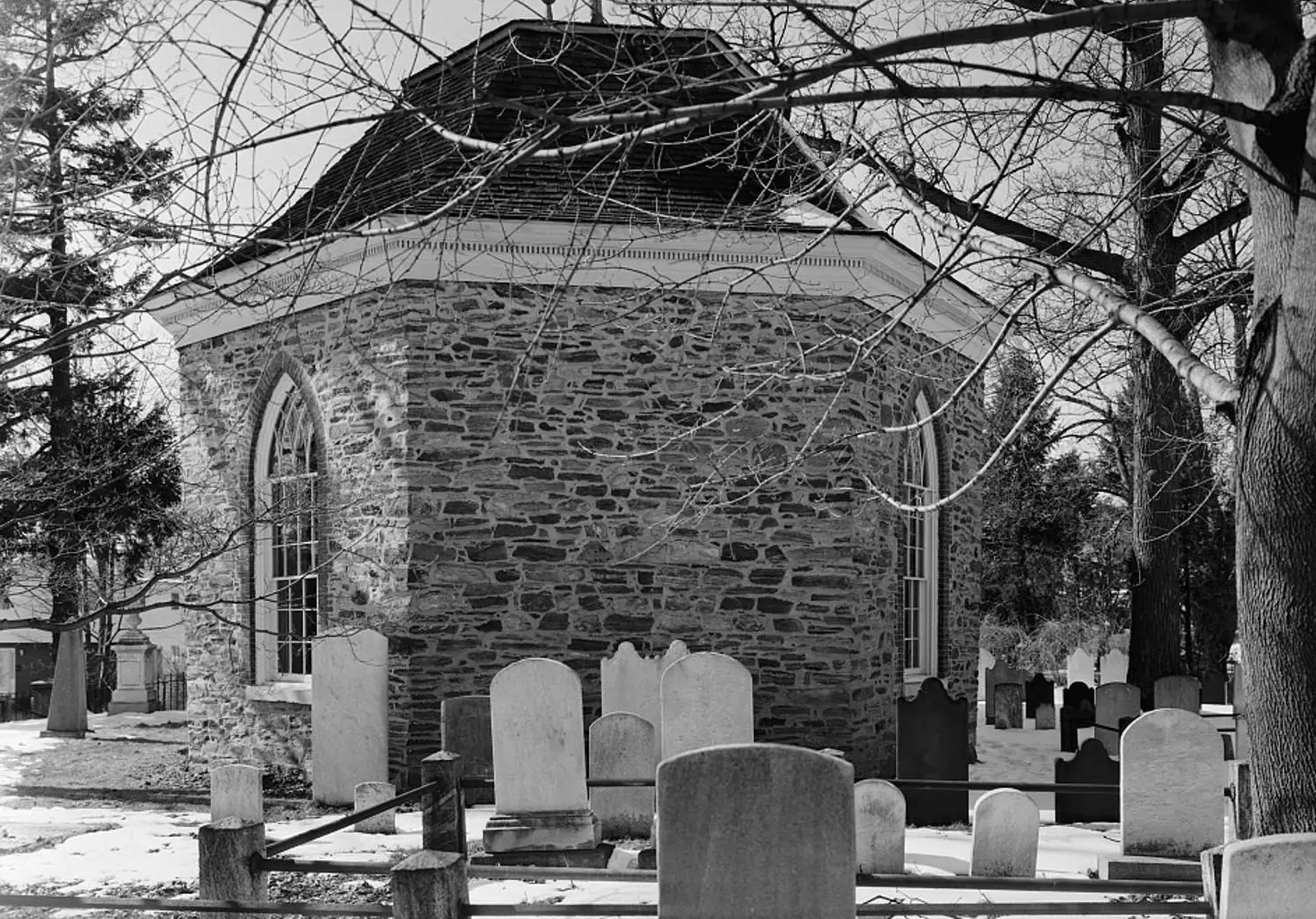
Old Dutch Church of Sleepy Hollow and Burying Ground
The Old Dutch Church in Sleepy Hollow was built for Frederick Philipse, with the labor of Africans he enslaved, beside an older burial ground; its National Historic Landmark nomination dates it to around 1697, while the congregation dates it to 1685.
UnverifiedOutside onlyAlso a church
Church · NY
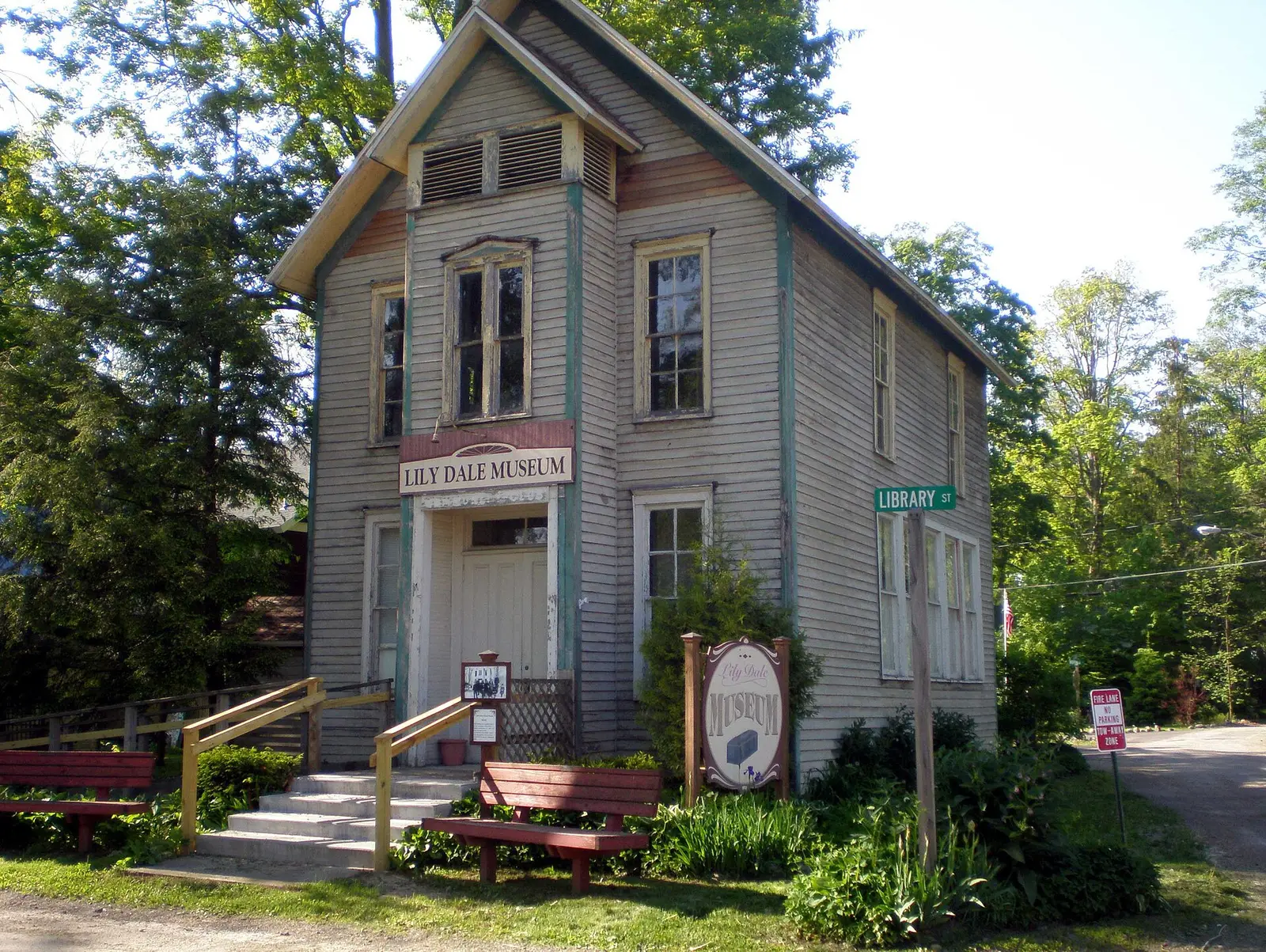
Lily Dale Assembly
Lily Dale, founded in 1879 beside Cassadaga Lake, is a Spiritualist community where registered mediums offer readings as part of the faith.
UnverifiedOpen to visitorsAlso a church
Church · San Antonio, TX
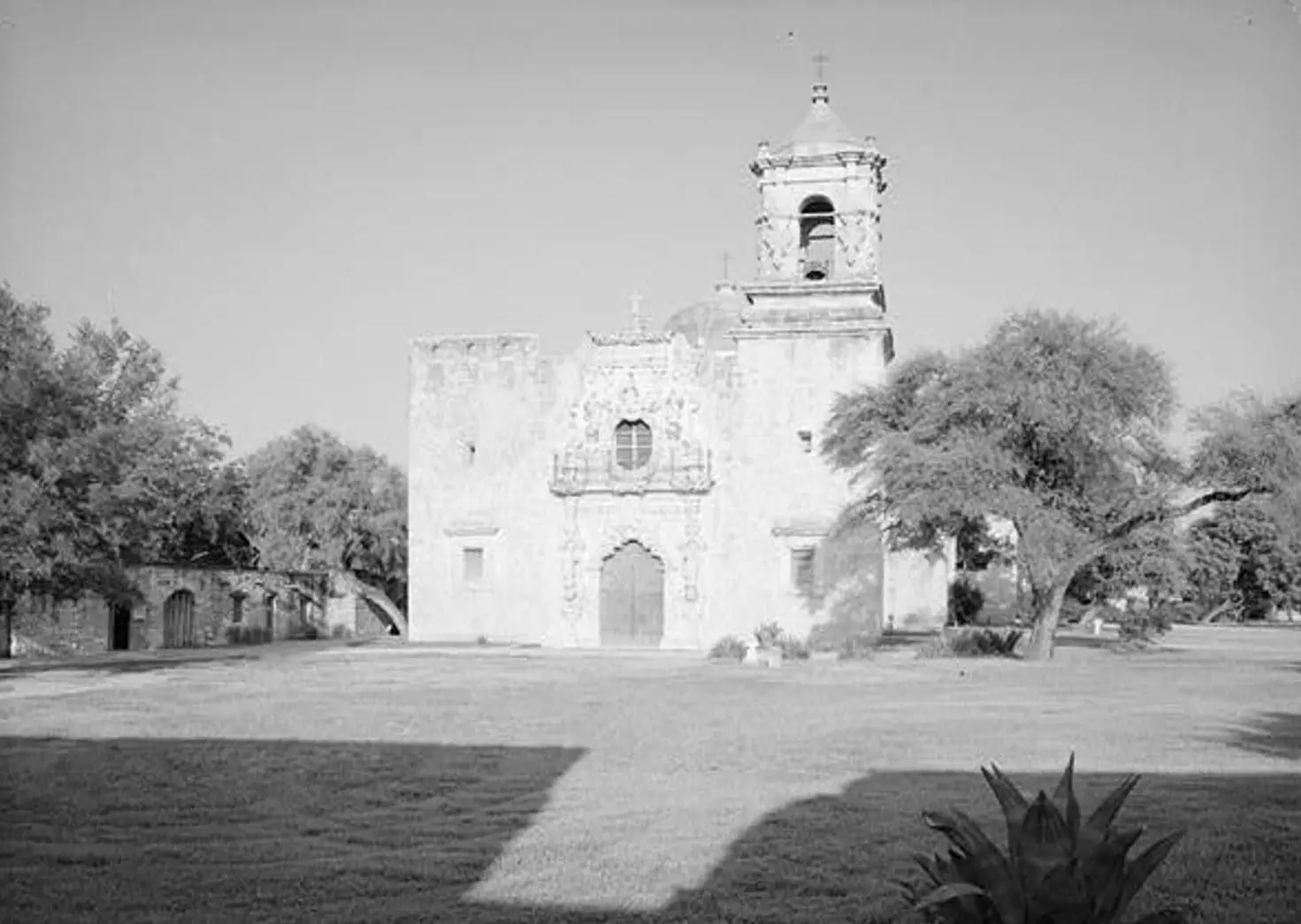
Mission San José
Mission San José is an 18th-century Spanish mission on San Antonio's south side, now in a national park and still an active parish.
UnverifiedOpen to visitorsAlso a church
Cemetery · New Orleans, LA
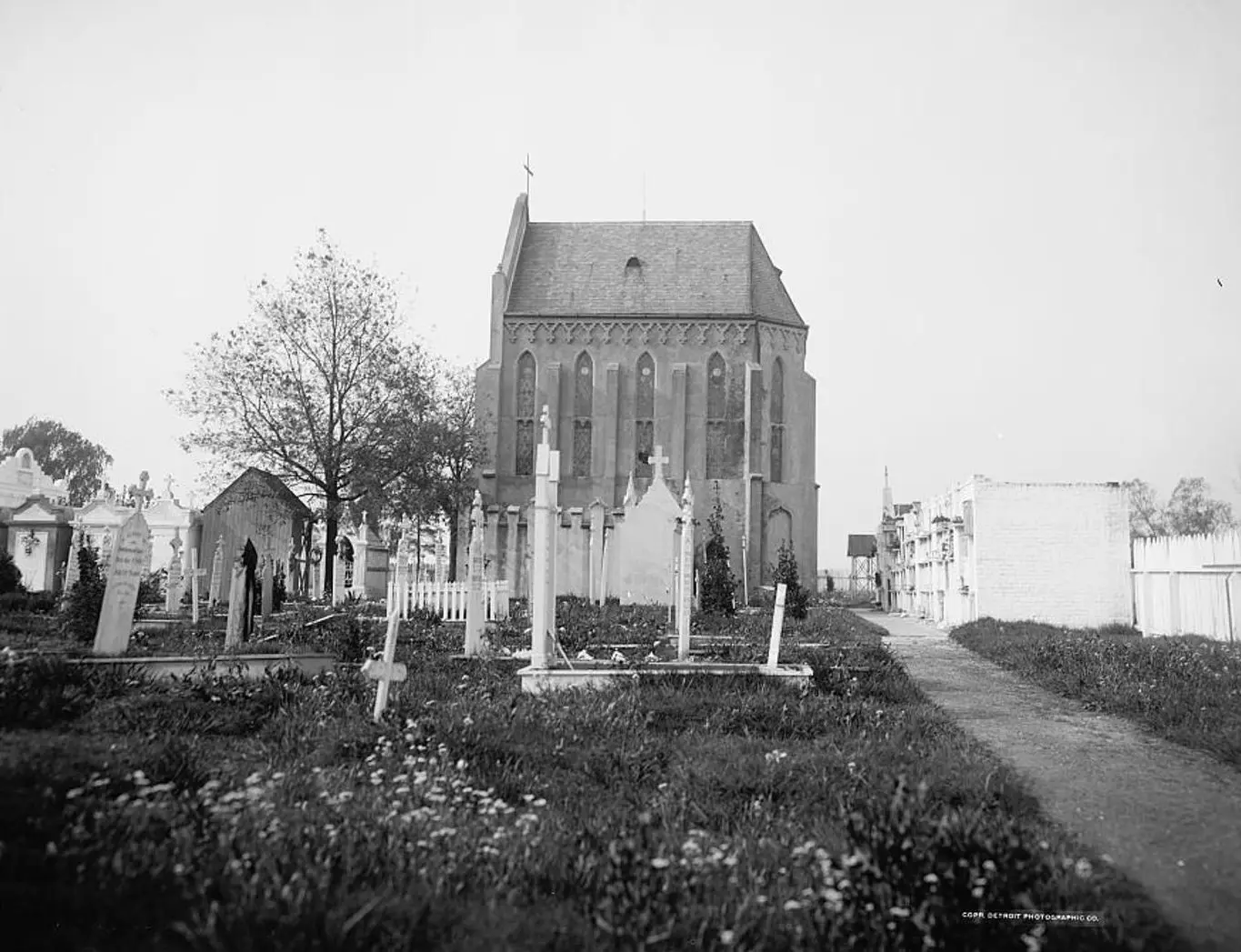
St. Roch Chapel and Cemetery
St. Roch Chapel and Cemetery, near the Marigny and Bywater, was founded by a German priest after a yellow fever epidemic.
UnverifiedAccess not confirmed