← New Orleans New Orleans Pharmacy Museum
New Orleans Pharmacy Museum
Dufilho's pharmacy and the Dr. Dupas stories
New Orleans, Louisiana
The New Orleans Pharmacy Museum occupies Louis Dufilho Jr. 's 1820s pharmacy in the French Quarter. Ghost tours say a later owner, Dr.
What do we know about New Orleans Pharmacy Museum?
The ghost stories are one tradition retold by tour companies, folklore writers and a trade magazine. Their details (a 'Joseph' Dupas, an 1857 sale, death from syphilis in 1867) don't match the museum's account, no witness is named, and the earliest named source is a 1998 book of New Orleans ghost stories. The museum suggests the story borrowed from Dr. J. Marion Sims's real experiments on enslaved women. Those were documented, but at another place entirely.
Our rating of the reports about New Orleans Pharmacy Museum: Unverified. A haunted reputation or legend, but no traceable account of an experience so far. The rating describes the evidence for the reports, not whether the place is haunted.
- Reported accounts
- 2
- Counted for the rating
- 0
- Research sources
- 7
Counted for the rating: independent accounts we could trace to a witness. Retellings of the same story count once, and staff passing on what visitors said aren’t counted. How we count
Reported experiences don’t establish a supernatural cause.
Read our evidence assessment →The hauntings
Accounts, encounters and stories associated with New Orleans Pharmacy Museum.
What has been reported?
- Apparitions
- Electrical
- Moving objects
Phenomena described in accounts associated with this location — not independently verified events.
Reported experiences
2 published and reported accounts, each assessed by its source.
- Apparitions
- Electrical
- Moving objects
No traceable witnessReported by Ghost-tour lore, retold by Pharmacy Times (citing Examiner.com), Ghost City Tours and Southern Spirit GuideNote: No named witness or date; all appear to be retellings of the same tour tradition.
Account 02
Ghost City Tours
A ghost-tour company says a front-desk employee told its staff that a boy and a girl have been seen inside the building and in the courtyard.[5]
- Apparitions
No traceable witnessReported by An unnamed museum employee, as retold by Ghost City ToursNote: Unnamed employee, undated, reported secondhand by a tour operator.
Read full account ›
A ghost-tour company says a front-desk employee told its staff that a boy and a girl have been seen inside the building and in the courtyard.[5]
Legends & disputed stories
Stories told about the place that the records don’t confirm.
- Legend
Ghost tours and writers claim that Dr. Dupas performed cruel experiments on enslaved pregnant women and voodoo rites in the building, and that his ghost haunts it.[5][6][7]
What the research shows: No documentary support has been found; the museum disputes it. Earliest named source found is Kalila Katherina Smith's 1998 book (not consulted).
Before you go
Planning a visit?
Open to visitors
Parts of the inside are open to the public.
Access details ›
A museum open to visitors for self-guided visits and booked guided tours; admission is charged. The museum does not allow paranormal investigations. Check the official site for current days and holiday closures.
Entry
Paid entry
Access last checked November 16, 2026. Confirm times and prices before you travel.
The history of New Orleans Pharmacy Museum
The New Orleans Pharmacy Museum occupies Louis Dufilho Jr.'s 1820s pharmacy in the French Quarter. Ghost tours say a later owner, Dr. Dupas, experimented on enslaved women and haunts the building, throwing books and setting off alarms. No witness is named, and the museum says it has no evidence of the experiments. It is a museum open to visitors, with paid admission.
- Established
- 1822–1823
- Also known as
- Louis Dufilho's pharmacy
Dufilho's pharmacy
The building at 514 Chartres Street was built in 1822–1823 for Louis J. Dufilho Jr., whom the museum describes as the first licensed pharmacist in the United States. He ran his pharmacy on the ground floor and lived upstairs with his family until 1855.
The Dupas years
In 1855 Dufilho sold the building to Celestine Pauline Fleitas, the wife of Dr. James Dupas. According to the museum, the couple lived on the top floor, Dupas saw patients in an office on the second floor, and he ran a pharmacy on the ground floor. He died of acute diarrhea in 1870, at about 60.
By the late 1930s the building was in poor condition, and the WPA's New Orleans City Guide reported that Mayor Maestri had bought it to restore it. The New Orleans Pharmacy Museum was founded in 1950.
The Dr. Dupas stories
Ghost tours tell a darker version. In their telling, 'Dr. Joseph Dupas' bought the pharmacy in 1857, performed cruel experiments on enslaved pregnant women and voodoo rites there, and died of syphilis in 1867. These details don't match the museum's account, and the tellers name no source for them. The earliest named source we found is a 1998 book of New Orleans ghost stories by Kalila Katherina Smith, which we could not access.
The museum says it has no evidence that Dupas poisoned anyone or experimented on enslaved or other unwilling people. It suggests the story borrowed from Dr. J. Marion Sims, a surgeon who operated on enslaved women without their consent, though not at this building.
What people report
Retellings describe a short, mustached man in a brown suit, said to be Dupas, seen after closing, and blame him for thrown books, moved objects in the cases and alarms going off. A ghost-tour company also says an unnamed front-desk employee told its staff that a boy and a girl have been seen in the building and courtyard. None of these accounts names a witness or a date, and they appear to come from a single tour tradition.
Through the years
1822–1823
Dufilho's pharmacy built
1855
Dupas family buys building
In 1855 Dufilho sold the building to Celestine Pauline Fleitas, wife of Dr. James Dupas; the couple lived on the top floor, Dupas had his medical office on the second floor and ran a pharmacy on the ground floor.[3]
Caveat: Ghost-tour retellings call him Joseph Dupas and date the sale to 1857.
1870
Dr. Dupas dies
According to the museum, Dr. Dupas died of acute diarrhea in New Orleans in late March or early April 1870, at about 60.[3]
Caveat: Ghost-tour retellings say he died of syphilis in 1867; no source for that is given.
1938
Building in ruins; mayor buys it
By the late 1930s the building was in poor condition; the WPA guide reported that Mayor Maestri had bought it and planned to restore it.[4]
1950
Museum founded
The New Orleans Pharmacy Museum was founded in 1950 and interprets the history of pharmacy and medicine in the building.[1]
Also recorded
The museum says it has no evidence that Dupas poisoned anyone or experimented on enslaved or other unwilling people, and suggests the stories borrowed from the documented non-consensual surgeries that Dr. J. Marion Sims performed on enslaved women elsewhere.[3]
Caveat: The museum's own assessment; it does not cite the records it checked.
The museum does not permit paranormal investigations.[3]
The research conclusion
Why it has this rating
No traceable account of an experience: the stories come from one ghost-tour tradition with no named witness, and the museum itself says it has no evidence of the experiments the stories describe.
Read the full written assessment ›
The building's history is documented by the museum: Dufilho built it in 1822–1823 and sold it in 1855 to the family of Dr. James Dupas, who died there in 1870. Nothing documented links Dupas to crimes or experiments.
The ghost stories are one tradition retold by tour companies, folklore writers and a trade magazine. Their details (a 'Joseph' Dupas, an 1857 sale, death from syphilis in 1867) don't match the museum's account, no witness is named, and the earliest named source is a 1998 book of New Orleans ghost stories. The museum suggests the story borrowed from Dr. J. Marion Sims's real experiments on enslaved women. Those were documented, but at another place entirely.
The sources behind the story
7 research references support this entry.
1New Orleans Pharmacy MuseumHistory & Mission Official or site history · Reference 01
History & Mission. New Orleans Pharmacy Museum.
Official site history: construction dates, Dufilho, and the museum's founding. The 'first licensed pharmacist' claim is the museum's own.
Accessed November 16, 2026.
2New Orleans Pharmacy MuseumNew Orleans Pharmacy Museum (home page: hours and admission) Official or site history · Reference 02
New Orleans Pharmacy Museum (home page: hours and admission). New Orleans Pharmacy Museum.
Checked 2026-11-16 for address, admission and tour arrangements only.
Accessed November 16, 2026.
3New Orleans Pharmacy MuseumFrequently Asked Questions Official or site history · Reference 03
Frequently Asked Questions. New Orleans Pharmacy Museum.
The museum's own answers on the building's owners, Dr. James Dupas and the ghost stories. It cites no documents on the page; dates such as the 1855 sale and the 1870 death should be checked against notarial and death records.
Accessed November 16, 2026.
4Houghton Mifflin, BostonNew Orleans City Guide (American Guide Series) Book · Reference 04
Federal Writers' Project of the Works Progress Administration, New Orleans City Guide (American Guide Series). Houghton Mifflin, Boston, 1938.
Entry 86, '514 Chartres Street', pp. 265–266. Describes the building's condition in the 1930s and the 'Napoleon House' tradition; says nothing about Dupas or ghosts.
Accessed November 16, 2026.
5Ghost City ToursThe Haunted Pharmacy Museum Website · Reference 05
Tim Nealon, The Haunted Pharmacy Museum. Ghost City Tours.
Commercial ghost-tour operator's page, undated. Cited only as the place the stories were published; it admits it could not verify the experiments story.
Accessed November 16, 2026.
6Southern Spirit GuideStreet Guide to the Phantoms of the French Quarter—Chartres Street Website · Reference 06
Lewis O. Powell IV, Street Guide to the Phantoms of the French Quarter—Chartres Street. Southern Spirit Guide, 2016.
Ghost-folklore blog (posted 2016, revised 2020). Cites Kalila Katherina Smith's Journey Into Darkness (1998), the earliest named source for the Dupas ghost we found, which we have not consulted.
Accessed November 16, 2026.
7Pharmacy TimesThings That Go Bump in the Haunted Pharmacy Magazine · Reference 07
Eileen Oldfield, Things That Go Bump in the Haunted Pharmacy. Pharmacy Times, 2014-10-30.
Seasonal trade-magazine feature; its Dupas material comes from an Examiner.com article we could not access. Its details (Joseph Dupas, 1857 sale, death in 1867) conflict with the museum's.
Accessed November 16, 2026.
More haunted places
Explore nearby
Museum
The Cabildo
New Orleans, Louisiana · under 1 mile away · Open to visitors
Hotel
Bourbon Orleans Hotel
New Orleans, Louisiana · under 1 mile away · Open to visitors
Hotel
Hotel Monteleone
New Orleans, Louisiana · under 1 mile away · Open to visitors
Cemetery
St. Louis Cemetery No. 1
New Orleans, Louisiana · under 1 mile away · Tours only
Similar places
Also a museum
Museum · New Orleans, LA
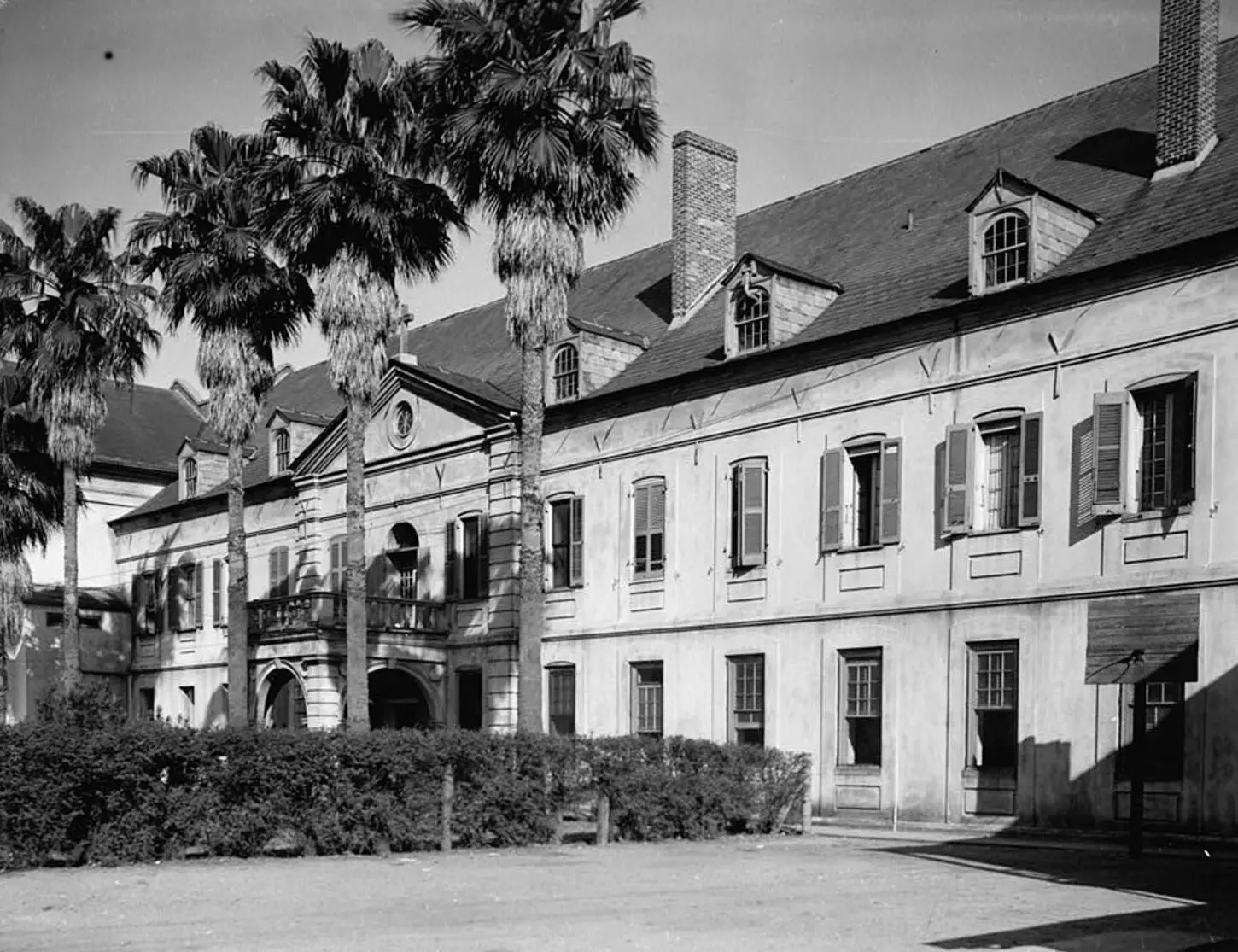
Old Ursuline Convent
A convent built in 1748–52 for the Ursuline nuns, the only public building in New Orleans known to date from French rule, now an archdiocesan museum.
UnverifiedOpen to visitorsAlso a museum
Museum · New Orleans, LA
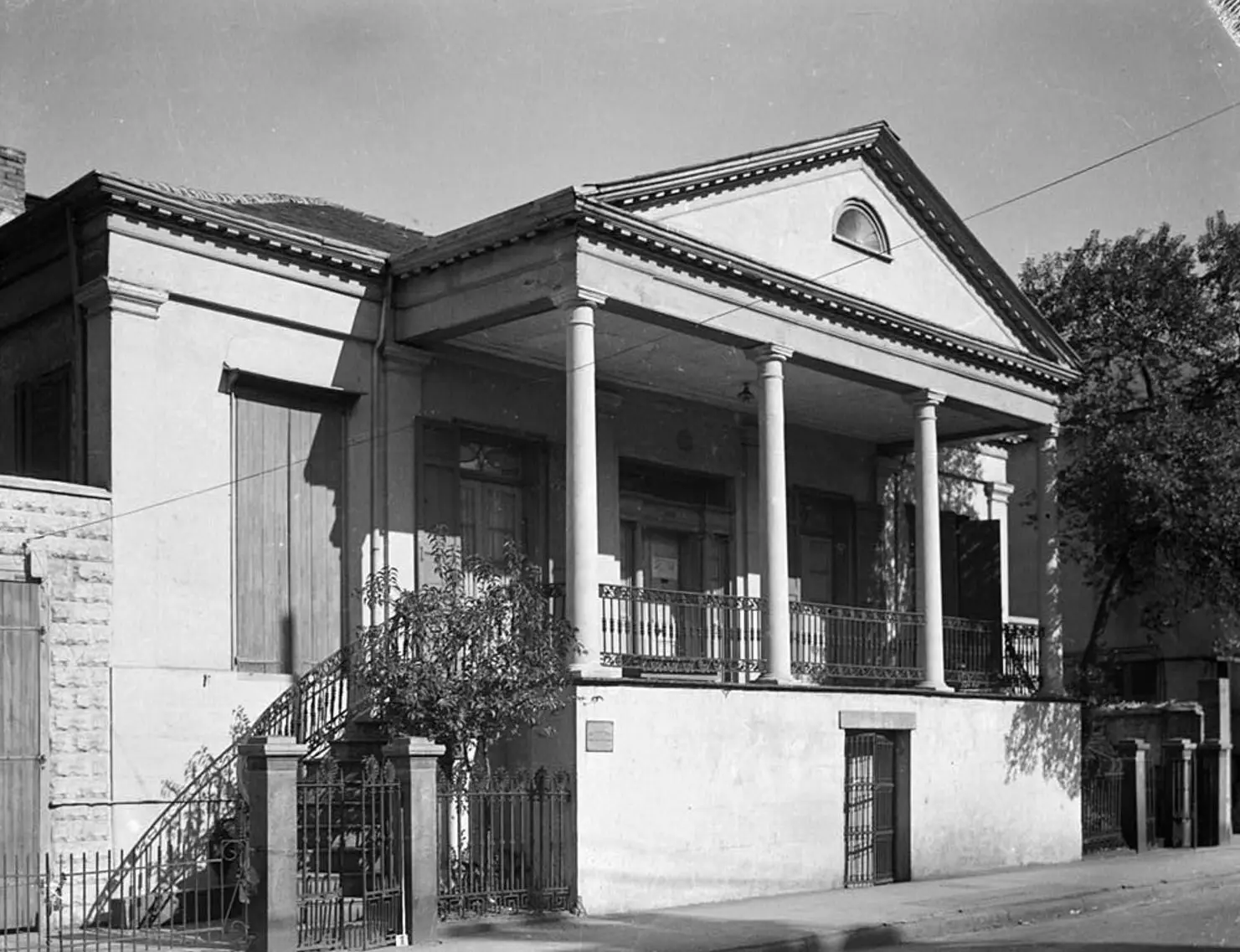
Beauregard-Keyes House and Garden
An 1826 French Quarter house museum, home for a time to General Beauregard and later to novelist Frances Parkinson Keyes.
UnverifiedTours onlyAlso a museum · also reported: electrical, moving objects
Historic house · New Albany, IN
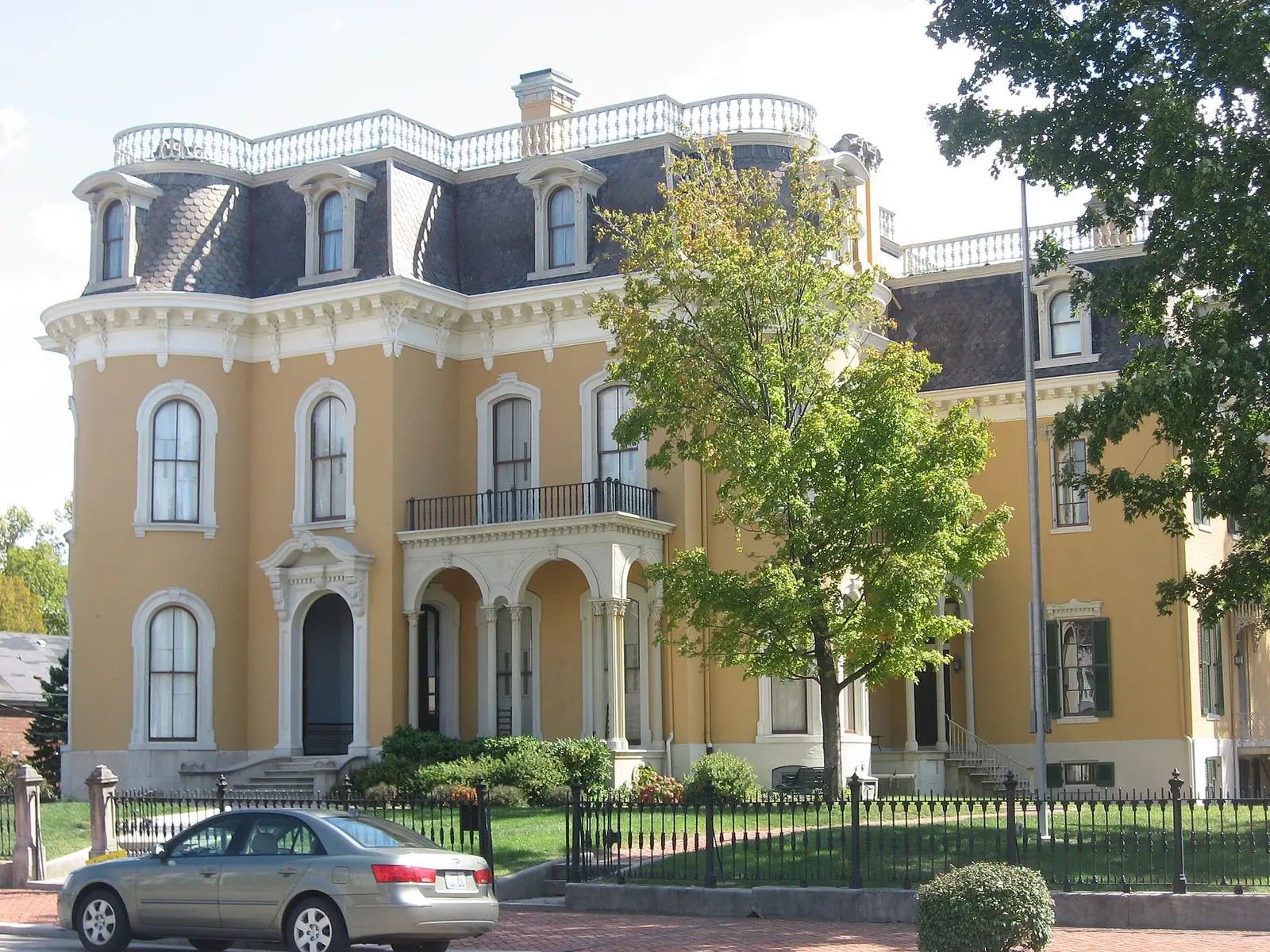
Culbertson Mansion State Historic Site
Culbertson Mansion is a Second Empire house built just after the Civil War for William S. Culbertson, one of Indiana's wealthiest men, and now a state historic site.
Documented AccountsTours onlyAlso a museum · also reported: electrical, moving objects
Historic house · VA
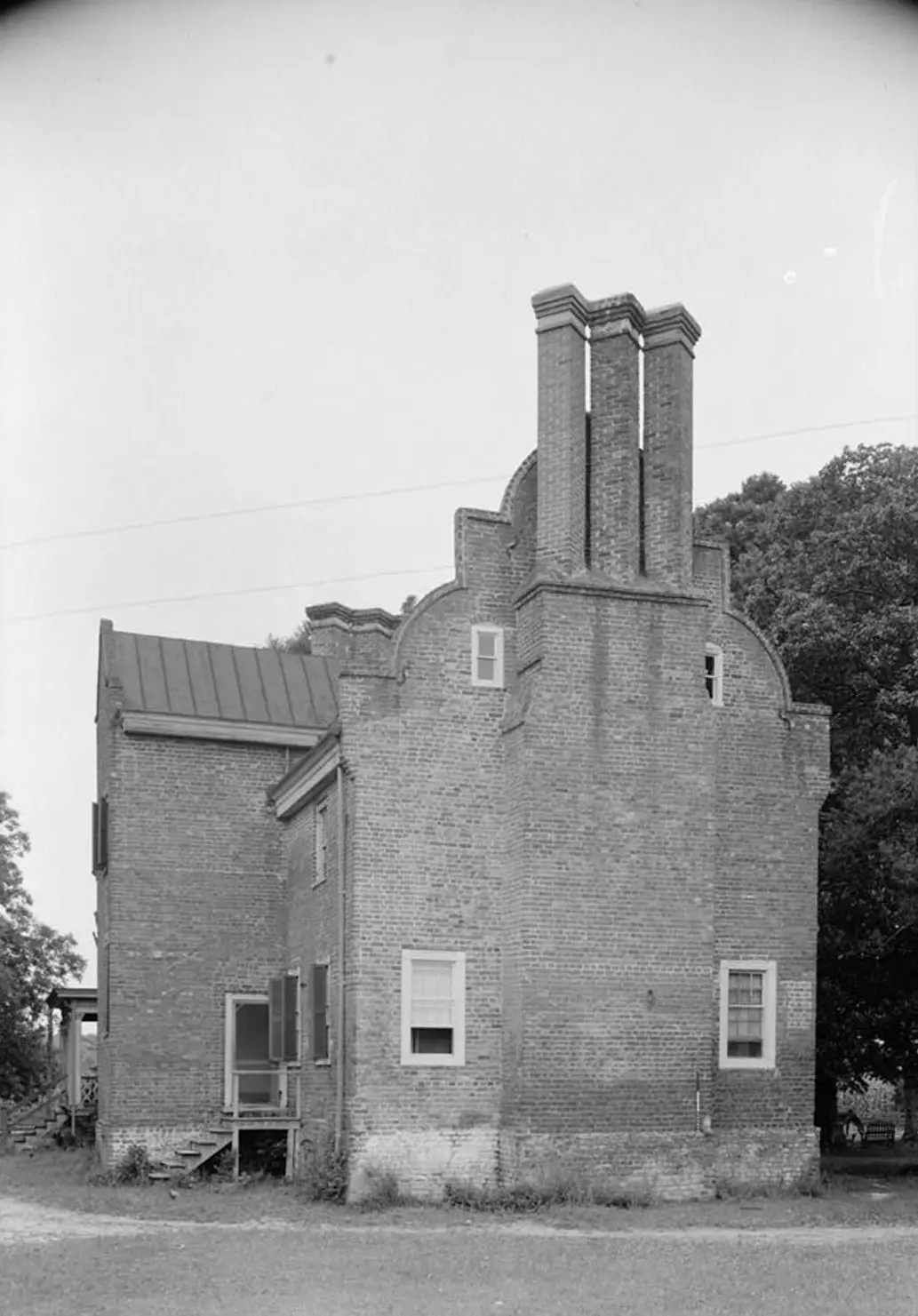
Bacon's Castle
Bacon's Castle is Virginia's oldest documented house, built in 1665 by current dating (older sources say about 1655) and seized by Bacon's rebels in 1676; its 19th-century owners, the Hankins family, enslaved people there.
Documented AccountsTours only