← New Orleans Old Ursuline Convent
Old Ursuline Convent
History and the casket girls legend
New Orleans, Louisiana
A convent built in 1748–52 for the Ursuline nuns, the only public building in New Orleans known to date from French rule, now an archdiocesan museum.
What do we know about Old Ursuline Convent?
The vampire story is legend. It has no historical support, the tourism office calls it much more recent than the events, and the building it is set in did not yet exist in 1728. Ghost sightings of nuns and a soldier come from a 2007 ghost guide known to us only secondhand, with no named witnesses.
Our rating of the reports about Old Ursuline Convent: Unverified. A haunted reputation or legend, but no traceable account of an experience so far. The rating describes the evidence for the reports, not whether the place is haunted.
- Reported account
- 1
- Counted for the rating
- 0
- Research sources
- 10
Counted for the rating: independent accounts we could trace to a witness. Retellings of the same story count once, and staff passing on what visitors said aren’t counted. How we count
Reported experiences don’t establish a supernatural cause.
Read our evidence assessment →The hauntings
Accounts, encounters and stories associated with Old Ursuline Convent.
What has been reported?
- Apparitions
Phenomena described in accounts associated with this location — not independently verified events.
Reported experiences
1 published and reported account, each assessed by its source.
Account 01 · 2007
Jeff Dwyer, 2007
A 2007 ghost guide, as retold online, says the spirits of Ursuline sisters have been seen gliding through the building and a soldier from the Civil War era in the garden.[10]
- Apparitions
No traceable witnessReported by Jeff Dwyer, Ghost Hunter's Guide to New Orleans (2007), as retold by Southern Spirit GuideNote: Known to us only secondhand; no witnesses, dates or earlier sources given.
Read full account ›
A 2007 ghost guide, as retold online, says the spirits of Ursuline sisters have been seen gliding through the building and a soldier from the Civil War era in the garden.[10]
Legends & disputed stories
Stories told about the place that the records don’t confirm.
- Legend
A modern legend says the casket girls' trunks held vampires, which the nuns locked in the convent's third-floor attic behind shutters nailed shut with blessed nails, and that figures or glowing eyes are sometimes seen at those windows.[7][8][9]
What the research shows: The present building was not begun until 1748, twenty years after the 1728 group arrived, and the tourism page calls the vampire element much more recent. Even ghost-tour writers say there is no historical evidence for it.
Before you go
Planning a visit?
Open to visitors
Parts of the inside are open to the public.
Access details ›
Run as a museum by the Archdiocese of New Orleans, with the adjoining St. Mary's Church, an active place of worship. Third-party listings describe self-guided visits with paid admission, but the museum's own website could not be reached to confirm this; check before visiting.
Entry
Cost not confirmed
Access last checked November 16, 2026. Confirm times and prices before you travel.
Approximate location, within about 1 km.
The history of Old Ursuline Convent
A convent built in 1748–52 for the Ursuline nuns, the only public building in New Orleans known to date from French rule, now an archdiocesan museum. It is linked to the 'casket girls,' young French women the nuns housed in 1728. The tale that their trunks held vampires sealed in the attic is a modern legend, and ghost stories about it have no named witnesses.
- Established
- 1748–1752
- Also known as
- Ursuline Convent
The nuns and their convent
Ursuline nuns from Rouen reached New Orleans in 1727 under a contract to run the colony's Royal Hospital and to teach girls. Their school taught white, African and Native American girls, enslaved and free. The nuns were also enslavers: their contract promised them a plantation worked by enslaved Africans, they were given six enslaved African women on arrival, and they enslaved Indigenous people too, who worked in the hospital and the convent. Their first convent, finished in 1734, was half-timbered and soon decayed in the damp climate. The building that stands today was designed in 1745 by the architect de Batz with the chief engineer Ignace Broutin, and built in 1748–52. It is the only public building in New Orleans known for certain to date from the French colonial period, and it is a National Historic Landmark.
Later lives
In 1824 the Ursulines moved to a new convent downriver and gave the building to the bishop. It became a boys' school, then the meeting place of the state legislature from 1831 to 1834, then the home of the bishops and archbishops of New Orleans until 1899, and afterward archdiocesan offices and a rectory for St. Mary's Church next door. In 1975 it was closed for restoration as a Catholic museum, which it is today.
The casket girls
French colonial authorities sent groups of young women to the Gulf Coast to marry colonists. They were called filles à la cassette after the small trunks that held their belongings. The Ursulines housed the group that came to New Orleans in 1728 until they married.
The vampire legend
A modern legend says the women's trunks held vampires, locked by the nuns in the third-floor attic behind shutters nailed with blessed nails, and that figures or glowing eyes appear at those windows. Even the tour writers who tell it say there is no historical evidence, and New Orleans' tourism office calls the vampire element much more recent. The building the story is set in was not begun until twenty years after the 1728 group arrived. A 2007 ghost guide adds sightings of nuns and of a soldier from the Civil War era, without named witnesses.
Through the years
1727
Ursulines arrive
A group of Ursuline nuns from Rouen arrived in New Orleans in 1727 under a contract with the Company of the Indies to run the Royal Hospital and to teach girls. Their first convent, a three-story half-timbered building, was finished in 1734.[1][2][3]
Caveat: The landmark form gives the arrival as October 1727.
1727
Enslaved people held by the convent
The Ursulines were enslavers. Under their contract with the Company of the Indies they were to receive a plantation worked by enslaved Africans, and on arrival they were given six enslaved African women. They also enslaved Indigenous people.…
Read more ›
The Ursulines were enslavers. Under their contract with the Company of the Indies they were to receive a plantation worked by enslaved Africans, and on arrival they were given six enslaved African women. They also enslaved Indigenous people. Enslaved people worked in the convent's hospital and did its cooking, cleaning and errands. The records say little about their individual lives.[4][5]
1727–1824
1727–1824
The Ursulines' school taught white, African and Native American girls, and the nuns ran the colony's Royal Hospital.[3]
1728
Casket girls arrive
Groups of young French women chosen as wives for colonists, called filles à la cassette after the small trunks that held their belongings, came to the Gulf Coast in the early 1700s. The Ursulines in New Orleans housed…
Read more ›
Groups of young French women chosen as wives for colonists, called filles à la cassette after the small trunks that held their belongings, came to the Gulf Coast in the early 1700s. The Ursulines in New Orleans housed the group that arrived in 1728 until they married.[6][7][3]
Caveat: Sources differ on the groups: 64 Parishes mentions a group of more than eighty at Biloxi in 1721, while the tourism page lists 1704 (Mobile), 1719 (Biloxi) and about 1728 (New Orleans).
1748–1752
Present convent built
The first convent decayed quickly in the damp climate. The present building was designed in 1745 by the architect de Batz with the colony's chief engineer, Ignace Broutin, and built in 1748–52. It is the only public building…
Read more ›
The first convent decayed quickly in the damp climate. The present building was designed in 1745 by the architect de Batz with the colony's chief engineer, Ignace Broutin, and built in 1748–52. It is the only public building in New Orleans known for certain to date from the French colonial period.[2]
1824–1899
Ursulines leave; archbishop's residence
In 1824 the Ursulines moved to a new convent downriver and gave the building to the bishop. It then served as a boys' school, as the meeting place of the state legislature from 1831 to 1834, as the…
Read more ›
In 1824 the Ursulines moved to a new convent downriver and gave the building to the bishop. It then served as a boys' school, as the meeting place of the state legislature from 1831 to 1834, as the residence of the bishops and archbishops of New Orleans until 1899, and afterward as archdiocesan offices and a rectory for the adjoining St. Mary's Church, built in 1845.[1][2]
Caveat: The landmark form says the nuns moved in 1823–24; the WPA guide gives 1824.
1975
Restoration as a museum
In 1975 the building was closed for restoration, with plans to turn it into a Catholic museum and historic center; it is now open as the Old Ursuline Convent Museum.[2]
Caveat: Current operation and visiting arrangements come from third-party listings; the museum's own website could not be reached.
The research conclusion

Why it has this rating
No traceable account of an experience: the 'casket girls' vampire story is a modern legend contradicted by the record (the building was begun twenty years after the young women arrived), and the sightings of nuns and a soldier come secondhand from a 2007 ghost guide.
Read the full written assessment ›
The convent's history is well recorded in its National Historic Landmark nomination and in Louisiana history references: the nuns' arrival in 1727, the present building of 1748–52 and its later uses. The casket girls were real; the Ursulines housed young French women sent as brides in 1728.
The vampire story is legend. It has no historical support, the tourism office calls it much more recent than the events, and the building it is set in did not yet exist in 1728. Ghost sightings of nuns and a soldier come from a 2007 ghost guide known to us only secondhand, with no named witnesses.
The sources behind the story
10 research references support this entry.
1Houghton Mifflin, BostonNew Orleans City Guide (American Guide Series) Book · Reference 01
Federal Writers' Project of the Works Progress Administration, New Orleans City Guide (American Guide Series). Houghton Mifflin, Boston, 1938.
Government-sponsored 1938 guidebook, read in the Internet Archive scan. Useful as a dated snapshot of 1930s uses and of the lore then in circulation; it mixes history with retold 'legends' and cites no sources for the ghost stories.
Accessed November 16, 2026.
2National Park Service, NPGalleryUrsuline Convent, National Register of Historic Places Inventory–Nomination Form (National Historic Landmark, NRIS 66000376) Register or nomination · Reference 02
Patricia Heintzleman (original form by Charles W. Snell, 1968), Ursuline Convent, National Register of Historic Places Inventory–Nomination Form (National Historic Landmark, NRIS 66000376). National Park Service, NPGallery, 1975-05-22.
Landmark nomination: design (1745) and construction (1748–52), the earlier 1734 convent, and later uses. Authoritative for the building's history; read as OCR text. Written while the building was closed for restoration.
Accessed November 16, 2026.
364 Parishes (Louisiana Endowment for the Humanities)Women in Colonial Louisiana Website · Reference 03
Lee Smith, Women in Colonial Louisiana. 64 Parishes (Louisiana Endowment for the Humanities), 2011-01-21.
Encyclopedia entry: the Ursulines' contract, school and hospital work, and the 1728 filles à la cassette whom the nuns housed until they married.
Accessed November 16, 2026.
4The Historic New Orleans Collection, First DraftReading Between the Lines of the Ursulines Nuns' Prayer Books Archive or collection · Reference 04
Jasmine Christopher, Reading Between the Lines of the Ursulines Nuns' Prayer Books. The Historic New Orleans Collection, First Draft, 2025-03-28.
Museum and research center article: says the nuns were given six enslaved African women on arrival under their agreement with the French government, also enslaved Indigenous people, and that records give few specifics of their lives.
Accessed November 16, 2026.
564 Parishes (Louisiana Endowment for the Humanities)Marie Tranchepain Website · Reference 05
Daniella Kostroun, Marie Tranchepain. 64 Parishes (Louisiana Endowment for the Humanities), 2021-06-02.
Encyclopedia entry by a historian: the 1726 contract under which the Company of the Indies would give the Ursulines a plantation with enslaved Africans to work it.
Accessed November 16, 2026.
664 Parishes (Louisiana Endowment for the Humanities)Filles à la Cassette Website · Reference 06
Louisiana Endowment for the Humanities staff, Filles à la Cassette. 64 Parishes (Louisiana Endowment for the Humanities), 2010-03-30.
Short encyclopedia entry on the name and on a 1721 group sent to Biloxi; does not mention New Orleans or any legend. Its dates differ from other entries.
Accessed November 16, 2026.
7New Orleans & Company (official tourism marketing organization)The History of the Casket Girls of New Orleans Website · Reference 07
The History of the Casket Girls of New Orleans. New Orleans & Company (official tourism marketing organization).
Tourism page that separates the history (1704, 1719 and about 1728 groups; the trunks; the Ursulines) from the vampire legend, which it calls much more recent and full of holes. Undated and unsigned.
Accessed November 16, 2026.
8New Orleans Legendary Walking Tours (blog)Ursuline Convent Website · Reference 08
Ursuline Convent. New Orleans Legendary Walking Tours (blog), 2024-06-17.
Ghost-tour company blog. Used only as a place where the vampire and sealed-attic legend is published; it states there is no historical evidence for vampires. Its history section cites SAH Archipedia.
Accessed November 16, 2026.
9Legends of AmericaHaunted New Orleans, Louisiana Website · Reference 09
Kathy Alexander, Haunted New Orleans, Louisiana. Legends of America, 2026-02.
Ghost-lore compilation without witness names or per-claim sources. Used only as a place where the shutters legend is published.
Accessed November 16, 2026.
10Southern Spirit Guide (blog)Phantoms of the French Quarter–New Orleans, Louisiana Website · Reference 10
Lewis O. Powell IV, Phantoms of the French Quarter–New Orleans, Louisiana. Southern Spirit Guide (blog), 2016-06.
Ghost-lore blog. Used only because it traces the convent's ghost claims to Jeff Dwyer, Ghost Hunter's Guide to New Orleans (Pelican, 2007), which we have not consulted.
Accessed November 16, 2026.
More haunted places
Explore nearby
Museum
Beauregard-Keyes House and Garden
New Orleans, Louisiana · under 1 mile away · Tours only
Museum
The Cabildo
New Orleans, Louisiana · under 1 mile away · Open to visitors
Hotel
Bourbon Orleans Hotel
New Orleans, Louisiana · under 1 mile away · Open to visitors
Museum
New Orleans Pharmacy Museum
New Orleans, Louisiana · under 1 mile away · Open to visitors
Similar places
Also a church
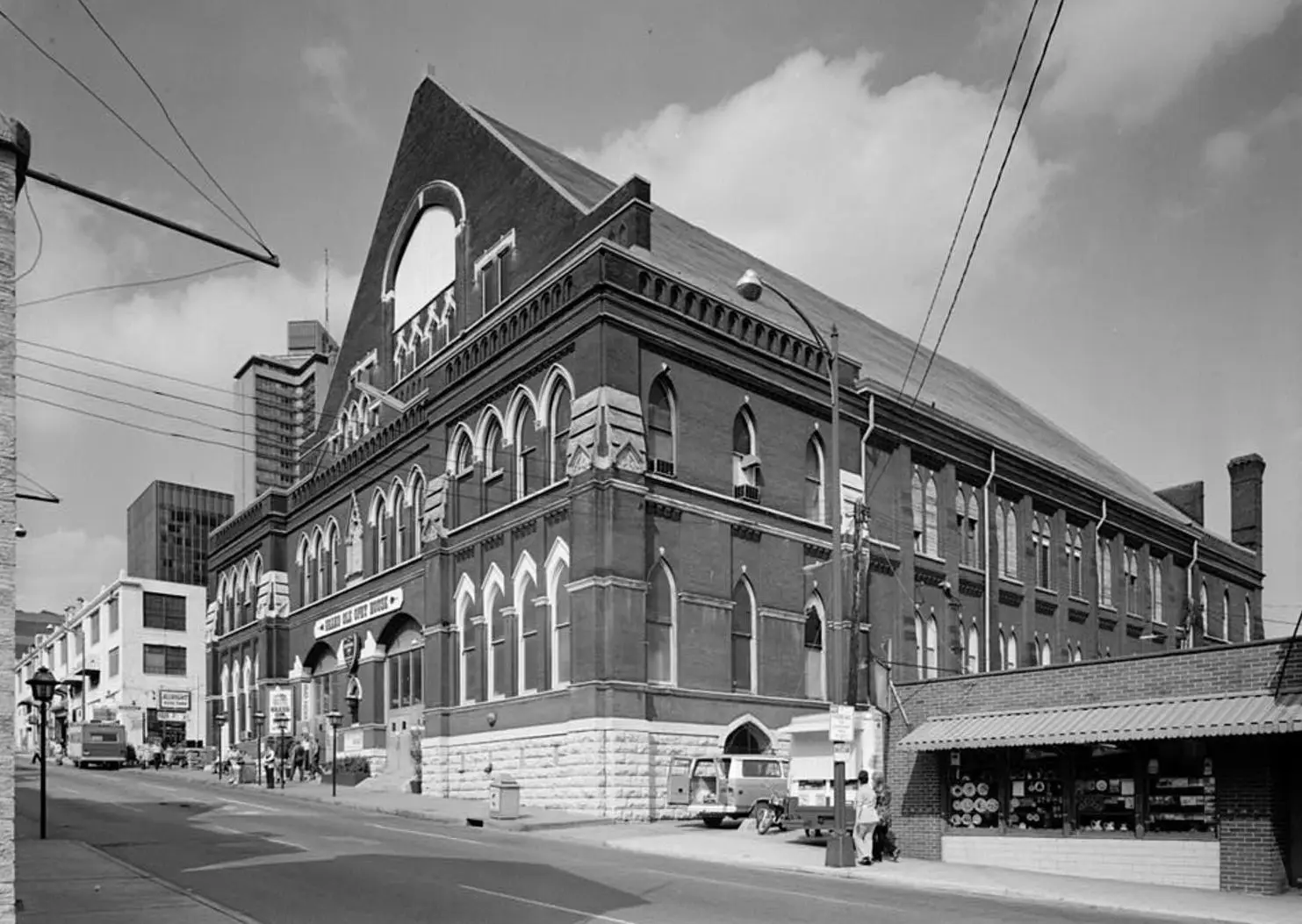
Theater · TN
Ryman Auditorium
The Ryman in Nashville opened in 1892 as the Union Gospel Tabernacle and was the Grand Ole Opry's home from 1943 to 1974.
UnverifiedOpen to visitorsAlso a church
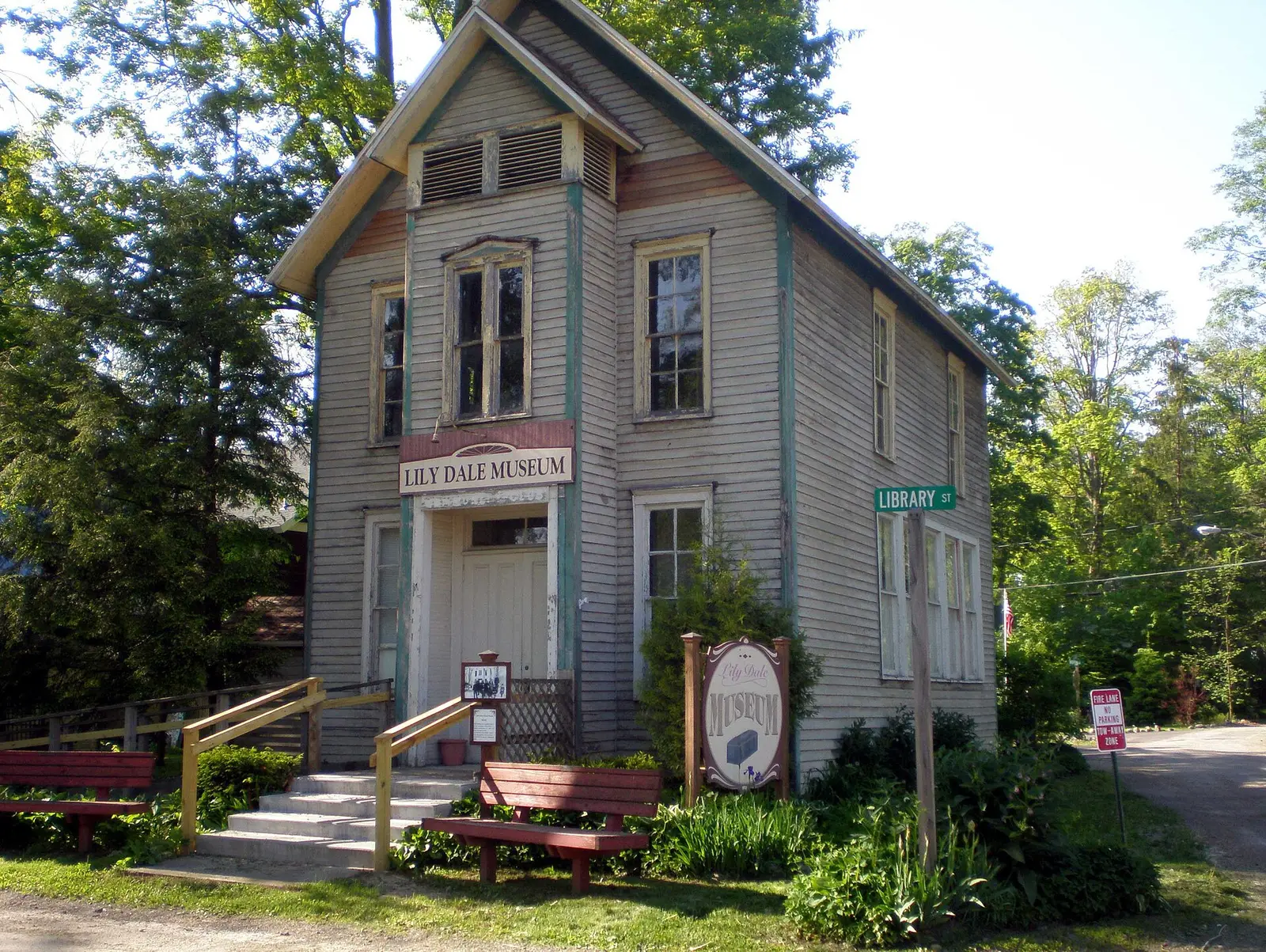
Church · NY
Lily Dale Assembly
Lily Dale, founded in 1879 beside Cassadaga Lake, is a Spiritualist community where registered mediums offer readings as part of the faith.
UnverifiedOpen to visitorsAlso a church
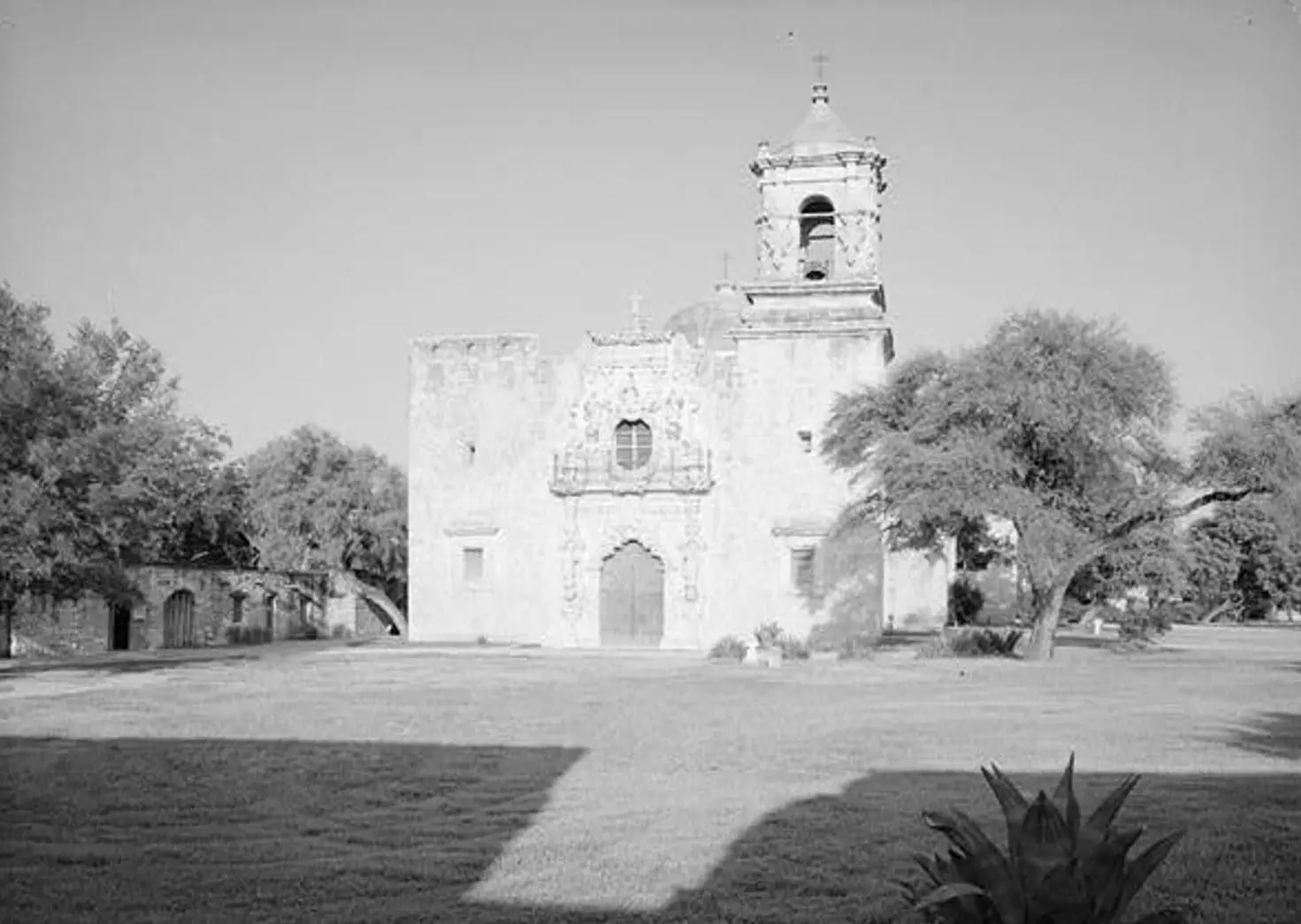
Church · San Antonio, TX
Mission San José
Mission San José is an 18th-century Spanish mission on San Antonio's south side, now in a national park and still an active parish.
UnverifiedOpen to visitorsAlso a church
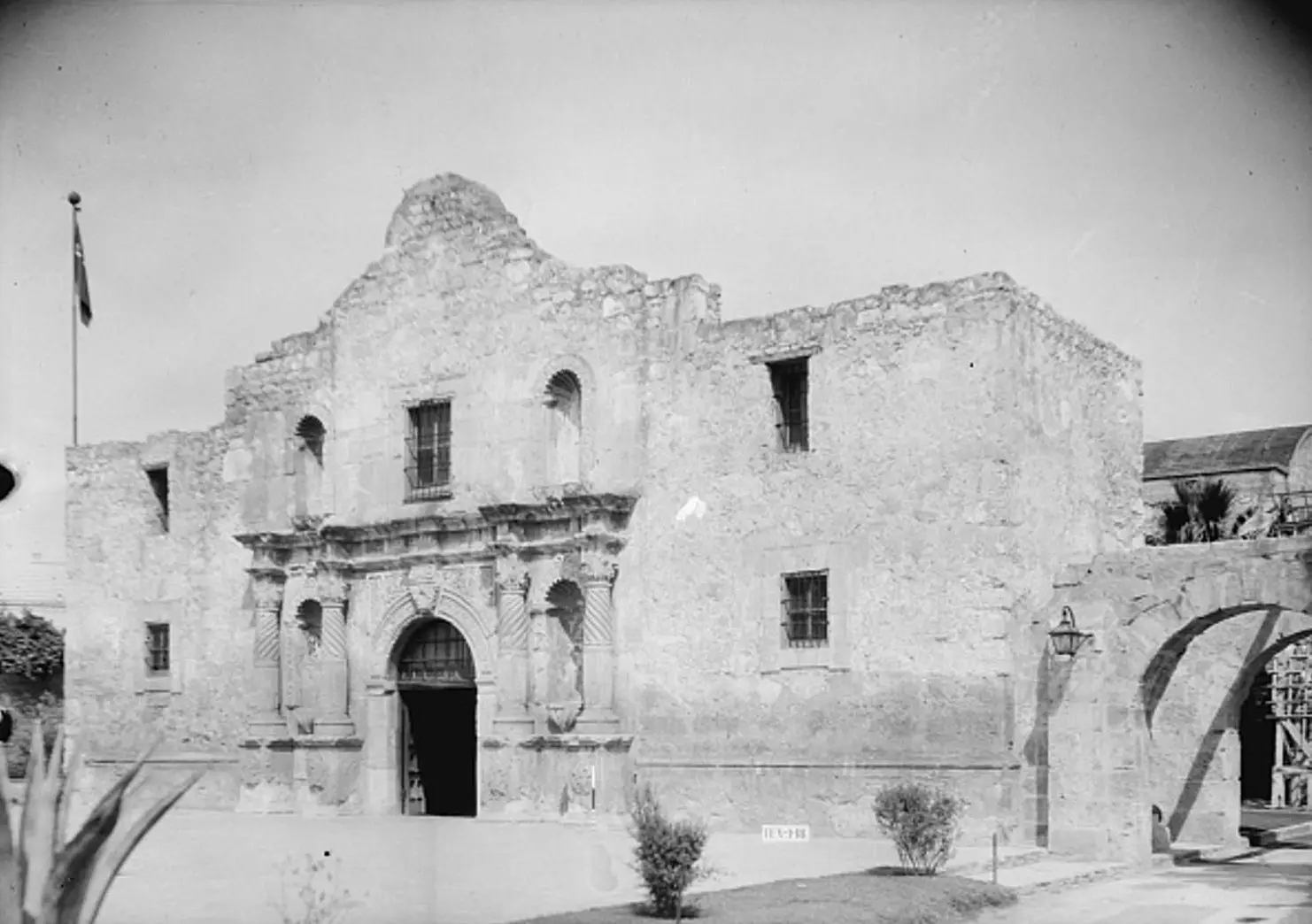
Battlefield · San Antonio, TX
The Alamo
The Alamo is the church of the former Mission San Antonio de Valero, founded in 1718 and the site of the 1836 siege.
Documented AccountsOpen to visitors