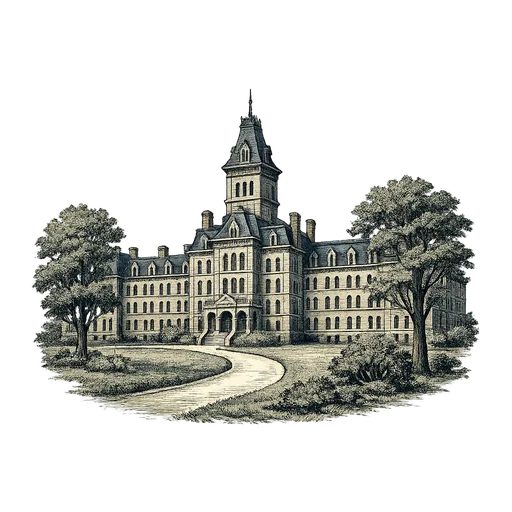
← Louisville Waverly Hills Sanatorium
Waverly Hills Sanatorium
Tuberculosis history and ghost stories
Louisville, Kentucky
Waverly Hills was Louisville's tuberculosis sanatorium from 1910 to 1961, then a nursing home until 1982. It is now privately owned and sells historical and paranormal tours.
What do we know about Waverly Hills Sanatorium?
Three separate sources publish accounts of experiences: the owners and their tour staff, an American Hauntings writer's 2002 visit, and the Ghost Hunters team. Several mention shadowy figures. All come from people connected with ghost tours or ghost-hunting TV, and none shows more than what those present believed they saw or heard.

Our rating of the reports about Waverly Hills Sanatorium: Well Documented. At least three independent, traceable accounts from visitors or witnesses that describe consistent experiences, often the same things in the same places. The rating describes the evidence for the reports, not whether the place is haunted.
- Reported accounts
- 3
- Counted for the rating
- 3
- Research sources
- 9
Counted for the rating: independent accounts we could trace to a witness. Retellings of the same story count once, and staff passing on what visitors said aren’t counted. How we count
Reported experiences don’t establish a supernatural cause.
Read our evidence assessment →The hauntings
Accounts, encounters and stories associated with Waverly Hills Sanatorium.

What has been reported?
- Doors
- Apparitions
- Moving objects
- Shadow figures
- Phantom lights
- Voices

Phenomena described in accounts associated with this location — not independently verified events.
Reported experiences
3 published and reported accounts, each assessed by its source.
Account 01 · October 30, 2013
Co-owners of the property and a guide, 2013
The property's co-owners and staff describe frequent experiences: a co-owner told the Associated Press that overnight guests often claim to see apparitions and shadow movements, and on Ghost Hunters a co-owner said she had seen lights move from Room 502 to the roof, 'shadow people' crossing…
- Doors
- Apparitions
- Moving objects
- Shadow figures
- Phantom lights
Published accountReported by Co-owners of the property and a guide (AP 2013; Syfy)Note: All from people who own the property or work for its paid tours, so counted as one origin. The co-owners are not named here because they are current private owners.
Read full account ›
The property's co-owners and staff describe frequent experiences: a co-owner told the Associated Press that overnight guests often claim to see apparitions and shadow movements, and on Ghost Hunters a co-owner said she had seen lights move from Room 502 to the roof, 'shadow people' crossing the roof, and a man with a white dog on the third floor who vanished. A guide told the AP that locked doors had unlocked and opened themselves and that he saw a tub of concrete slide on its own.[5][9]
Account 02
Author of the American Hauntings article
The unsigned author of an American Hauntings article describes a September 2002 visit to the fourth floor with a friend who knew the owners: both heard doors slamming in a closed-off wing, and the author saw the silhouette of a man, apparently in a long white…
- Doors
- Apparitions
- Shadow figures
Published accountReported by Author of the American Hauntings article (unsigned)Note: First-person account published by a ghost-tour company; the author is not named on the page and the companion is unnamed.
Read full account ›
The unsigned author of an American Hauntings article describes a September 2002 visit to the fourth floor with a friend who knew the owners: both heard doors slamming in a closed-off wing, and the author saw the silhouette of a man, apparently in a long white coat, cross a lit doorway and vanish into an empty room.[7]
Account 03 · December 16, 2014
TAPS investigators on Ghost Hunters, 2014
On the TV series Ghost Hunters, TAPS members reported a moan on the fifth floor that sounded like a human voice, glimpses of 'walking legs' on the roof level, and a short shadow crossing between doorways; Grant Wilson said he saw a full-body apparition.[9]
- Apparitions
- Voices
- Shadow figures
Published accountReported by TAPS investigators on Ghost Hunters (Syfy), including Grant WilsonNote: From the network's promotional recap. A thermal-camera shape and a white flash on screen were device output and are not counted.
Read full account ›
On the TV series Ghost Hunters, TAPS members reported a moan on the fifth floor that sounded like a human voice, glimpses of 'walking legs' on the roof level, and a short shadow crossing between doorways; Grant Wilson said he saw a full-body apparition.[9]
Legends & disputed stories
Stories told about the place that the records don’t confirm.

- Legend
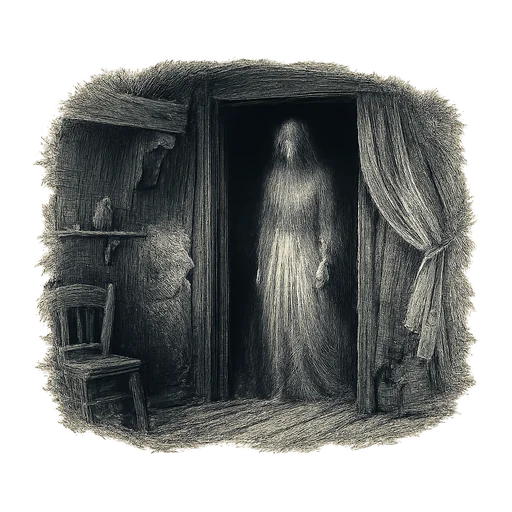
A figure of about 63,000 deaths at Waverly Hills is widely repeated online. No source found supports it, and the sources that discuss it reject it; it is far above what the other estimates allow.[8]
- Legend
Legends say a nurse was found hanged in Room 502 in 1928 and another fell from the roof in 1932, and that a child ghost nicknamed 'Timmy' plays with balls left in the halls. American Hauntings says no records confirm either nurse's death.[7][5]
What the research shows: No documentary evidence for either death was found.
Before you go

Planning a visit?
Tours only
Visits are by guided tour or organized event.
Access details ›
Privately owned. Entry is by paid guided historical or paranormal tour, paid investigation, or a seasonal haunted house sold through the official site, which gives specific gates for each; don't visit outside booked events. The ghost tours and haunted house are commercial attractions and their marketing is not evidence. Thousands of people died here of tuberculosis; visitors are asked to remember them as patients, not as ghost-story props.
Entry
Paid entry
Access last checked November 16, 2026. Confirm times and prices before you travel.
Approximate location, within about 1 km.
The history of Waverly Hills Sanatorium
Waverly Hills was Louisville's tuberculosis sanatorium from 1910 to 1961, then a nursing home until 1982. It is now privately owned and sells historical and paranormal tours. Its owners, a guide, a ghost-tour writer and the Ghost Hunters TV team have described shadow figures, slamming doors and voices. The often-repeated toll of 63,000 deaths is unsupported; estimates from records are around 6,000.
- Established
- 1910–1926
- Also known as
- Waverly Hills Tuberculosis Sanatorium
A hospital on the hill
In the early 1900s Louisville had one of the highest tuberculosis death rates in the United States. A city-county board set up in 1906 bought hilltop land from Major Thomas H. Hays, whose estate gave Waverly Hills its name, and the first sanatorium buildings opened in July 1910. Overcrowding led to a large Tudor Gothic building designed by Arthur Loomis with D.X. Murphy & Bro., dedicated in October 1926 with room for about 400 patients.
Patients' own words survive. The Filson Historical Society holds diaries kept by James Gabhart from 1928 to 1931 and letters written by Stella Hatfield in 1929-30. Its architectural drawings include a separate 'addition to hospital for Negroes', a reminder that care was segregated.
A tunnel ran down the hill toward Dixie Highway. It carried supplies, and staff used it to take away the bodies of patients who had died, out of sight of the living. Ghost tours call it the 'body chute'.
Closing and after
After streptomycin reached Waverly's patients in 1949, numbers fell, and the sanatorium closed in 1961. From 1962 the buildings were the Woodhaven Geriatric Center, a nursing home for older people and for people with severe intellectual disabilities; the state closed it in 1982 after a grand jury inspection found abuse of residents and poor conditions.
How many died?
A figure of 63,000 deaths is repeated widely online, but no source supports it. Kentucky Historic Institutions is compiling a patient death index that begins in 1911. An American Hauntings article reports an estimate of about 6,000 deaths and a peak of 152 in one year, and University of Louisville archivist Tom Owen describes roughly two to three deaths a week.
The stories
The property's co-owners say overnight guests often report apparitions and shadow movements, and a co-owner told Ghost Hunters she had seen 'shadow people' on the roof. A guide told the Associated Press that locked doors opened themselves. The unsigned author of an American Hauntings article describes hearing doors slam on the fourth floor in 2002 and seeing the silhouette of a man in what looked like a white coat. The Ghost Hunters team reported a moan, a short shadow and, in Grant Wilson's case, a full figure.
Legends about nurses dying in Room 502 and a child ghost called 'Timmy' have no documentary support.
Through the years
1910
First sanatorium opens
Louisville and Jefferson County appointed a tuberculosis hospital board in 1906, bought much of the site in 1908 from Major Thomas H. Hays, whose estate gave Waverly Hills its name, and opened the first sanatorium buildings, designed by…
Read more ›
Louisville and Jefferson County appointed a tuberculosis hospital board in 1906, bought much of the site in 1908 from Major Thomas H. Hays, whose estate gave Waverly Hills its name, and opened the first sanatorium buildings, designed by J.J. Gaffney, on July 26, 1910. Louisville then had one of the highest tuberculosis death rates in the country.[1][2][3]
Caveat: The National Register file dates the first buildings about 1909-1911; Kentucky Historic Institutions gives the opening as July 26, 1910.
1911–1960
1911–1960
No verified total of deaths at Waverly Hills has been published. Kentucky Historic Institutions is compiling a patient death index from 1911 onward; an American Hauntings article reports an estimate of about 6,000 from death certificates and a…
Read more ›
No verified total of deaths at Waverly Hills has been published. Kentucky Historic Institutions is compiling a patient death index from 1911 onward; an American Hauntings article reports an estimate of about 6,000 from death certificates and a peak of 152 deaths in a single year; and archivist Tom Owen puts the rate at roughly two to three a week over nearly 50 years, which would also mean several thousand.[2][7][3]
Caveat: The 6,000 estimate and the 152 figure come from a ghost-tour company's site and were not checked against the death certificates themselves.
1926
Main building dedicated
1928–1931
1928–1931
The Filson Historical Society holds records written by people treated at Waverly Hills, including diaries kept by patient James Gabhart from 1928 to 1931 and letters from patient Stella Hatfield in 1929-30, and architects' drawings that include a…
Read more ›
The Filson Historical Society holds records written by people treated at Waverly Hills, including diaries kept by patient James Gabhart from 1928 to 1931 and letters from patient Stella Hatfield in 1929-30, and architects' drawings that include a separate 'addition to hospital for Negroes', showing that care there was racially segregated.[4]
Caveat: The guide describes the drawing but does not date it or say how the segregated wing was used.
1961
Sanatorium closes
Control passed to the Louisville and Jefferson County board of health in 1942. After streptomycin reached Waverly's patients in 1949, numbers fell; patients were moved to state institutions and the sanatorium closed in June 1961.[1][3]
Caveat: The National Register file dates the transfer of patients to 1960; Kentucky Historic Institutions gives June 1961 for the closure.
1962–1982
Woodhaven Geriatric Center
From 1962 the buildings housed the Woodhaven Geriatric Center, a nursing home for older people, including people with dementia, and for people with severe intellectual disabilities. The state closed it in 1982 after a grand jury inspection found abuse of residents and poor conditions.[1][3]
Caveat: The 1982 grand jury finding is from one source (Kentucky Historic Institutions) and was not checked against court or news records.

The research conclusion

Why it has this rating
Three separate origins describe shadowy or human figures: the owners and tour staff, an American Hauntings writer's 2002 visit, and the Ghost Hunters team. That meets the guide for Well Documented, though every account comes from ghost tours or ghost television. The commonly repeated toll of 63,000 deaths has no source; the record supports several thousand, and patients are not treated as ghost material.
Read the full written assessment ›
The history is well recorded in the National Register file, a state archive guide and local research: the 1906 board, the 1910 opening, the 1926 building, closure in 1961 and the Woodhaven years. The number of deaths is not: there is a death index from certificates but no published total, and the 63,000 figure has no source. Estimates of about 6,000, and an archivist's two to three deaths a week, point to several thousand.
Three separate sources publish accounts of experiences: the owners and their tour staff, an American Hauntings writer's 2002 visit, and the Ghost Hunters team. Several mention shadowy figures. All come from people connected with ghost tours or ghost-hunting TV, and none shows more than what those present believed they saw or heard.
The sources behind the story
9 research references support this entry.

1National Park Service (NPGallery), prepared by the Jefferson County Office of Historic PreservationKentucky Historic Resources Inventory JF-75, 76, 77: Waverly Hills Tuberculosis Sanatarium (National Register file, with 1982 additional information) Register or nomination · Reference 01
Mary Jean Kinsman, Kentucky Historic Resources Inventory JF-75, 76, 77: Waverly Hills Tuberculosis Sanatarium (National Register file, with 1982 additional information). National Park Service (NPGallery), prepared by the Jefferson County Office of Historic Preservation, 1979-08-31.
Scanned state inventory form filed with the National Register record; read by OCR, so small errors are possible. Gives the 1906 board, land bought in 1908 from Major Thomas H. Hays, J.J. Gaffney as architect of the first buildings (ca. 1909-11), Arthur Loomis and D.X. Murphy & Bro. for the main building dedicated in October 1926, the 1942 transfer to the city-county board of health, the 1960 transfer of patients to state institutions, the 1962 lease to the Kentucky Geriatrics Foundation, and UTM points. Calls the main building four stories. Says nothing about ghosts.
Accessed November 16, 2026.
2Spectrum News 1 (Louisville)The history behind Waverly Hills Sanatorium Television or radio · Reference 02
Sarah Weitzman, The history behind Waverly Hills Sanatorium. Spectrum News 1 (Louisville), 2026-11-01.
Local TV news feature quoting University of Louisville archivist Tom Owen, who says roughly two to three people died each week over the nearly 50 years the sanatorium ran, and describes the tunnel. No ghost accounts.
Accessed November 16, 2026.
3Kentucky Historic InstitutionsWaverly Hills Sanatorium Website · Reference 03
Phil Tkacz, Shawn Logan, Jay Gravatte and Hope Bryant, Waverly Hills Sanatorium. Kentucky Historic Institutions.
Volunteer research site on Kentucky institutions with archival images. Gives the July 26, 1910 opening, the 1926 building (five stories, capacity 400), streptomycin from 1949, closure in June 1961, the Woodhaven Geriatric Center (1962-1982) and later owners. Gives no death total. Not a peer-reviewed source, but detailed and consistent with the National Register file.
Accessed November 16, 2026.
4The Filson Historical SocietyWaverly Hills Sanatorium materials at the Filson Historical Society Archive or collection · Reference 04
Lynn Pohl, Waverly Hills Sanatorium materials at the Filson Historical Society. The Filson Historical Society, 2023-03-10.
Archive research guide. Lists patient diaries (James Gabhart, 1928-1931) and letters (Stella Hatfield, 1929-30), and D.X. Murphy & Bro. drawings that include an 'addition to hospital for Negroes' at Waverly Hills. Gives no death figures.
Accessed November 16, 2026.
5NBC News (Associated Press)Former TB hospital now attracts ghost hunters Television or radio · Reference 05
Dylan Lovan, Former TB hospital now attracts ghost hunters. NBC News (Associated Press), 2013-10-30.
Wire feature. Quotes the property's co-owner on what overnight guests report, and a guide and paranormal investigator on his own experiences; repeats the nurse and 'Timmy' legends. The co-owner says records show 'thousands' died; no total.
Accessed November 16, 2026.
6Waverly Hills Historical SocietyWaverly Hills Sanatorium (official site) Official or site history · Reference 06
Waverly Hills Sanatorium (official site). Waverly Hills Historical Society.
Checked 2026-11-16. Sells historical tours, paranormal tours, investigations and a seasonal haunted house; gives 4400 Paralee Drive as its contact address and specific gates for entry. Marketing ('shadow people', 'body chute'), not evidence.
Accessed November 16, 2026.
7American HauntingsWaverly Hills Sanatorium Website · Reference 07
Waverly Hills Sanatorium. American Hauntings.
Ghost-tour company's site (Troy Taylor's American Hauntings); the article is unsigned and undated (after 2006). Cited for its first-person account of a September 2002 visit and for its discussion of the death toll (about 6,000 by death certificates; a peak of 152 deaths in one year attributed to former assistant medical director Dr. J. Frank Stewart). It says no records confirm the Room 502 deaths. We could not check the Stewart figure against a primary source.
Accessed November 16, 2026.
8Haunted SilenceWaverly Hills Sanatorium: 63,000 TB Deaths, the Body Chute and Louisville's Most Terrifying Haunted Building Website · Reference 08
HauntedSilence Research Team, Waverly Hills Sanatorium: 63,000 TB Deaths, the Body Chute and Louisville's Most Terrifying Haunted Building. Haunted Silence, 2026-03-23.
Ghost site cited only to show the 63,000 figure still circulates; the page itself calls the figure disputed and cites no source for it.
Accessed November 16, 2026.
9SyfyEpisode Recap: Waverly Hills (Ghost Hunters, season 2) Television or radio · Reference 09
Episode Recap: Waverly Hills (Ghost Hunters, season 2). Syfy, 2014-12-16.
Network's promotional recap of the TAPS investigation. Cited only as where these reports were published. The page is dated 2014 but recaps a season 2 episode, which aired earlier (date not confirmed). Thermal-camera images and the team's conclusion are not accounts of experiences.
Accessed November 16, 2026.
More haunted places
Explore nearby
Historic house
Conrad-Caldwell House Museum
Louisville, Kentucky · 8 miles away · Open to visitors
Hotel
The Seelbach Hilton
Louisville, Kentucky · 9.5 miles away · Open to visitors
Cemetery
Cave Hill Cemetery
Louisville, Kentucky · 9.7 miles away · Outside only
Historic house
Culbertson Mansion State Historic Site
New Albany, Indiana · 11 miles away · Tours only
Similar places
Also a former asylum · also reported: doors, shadow figures
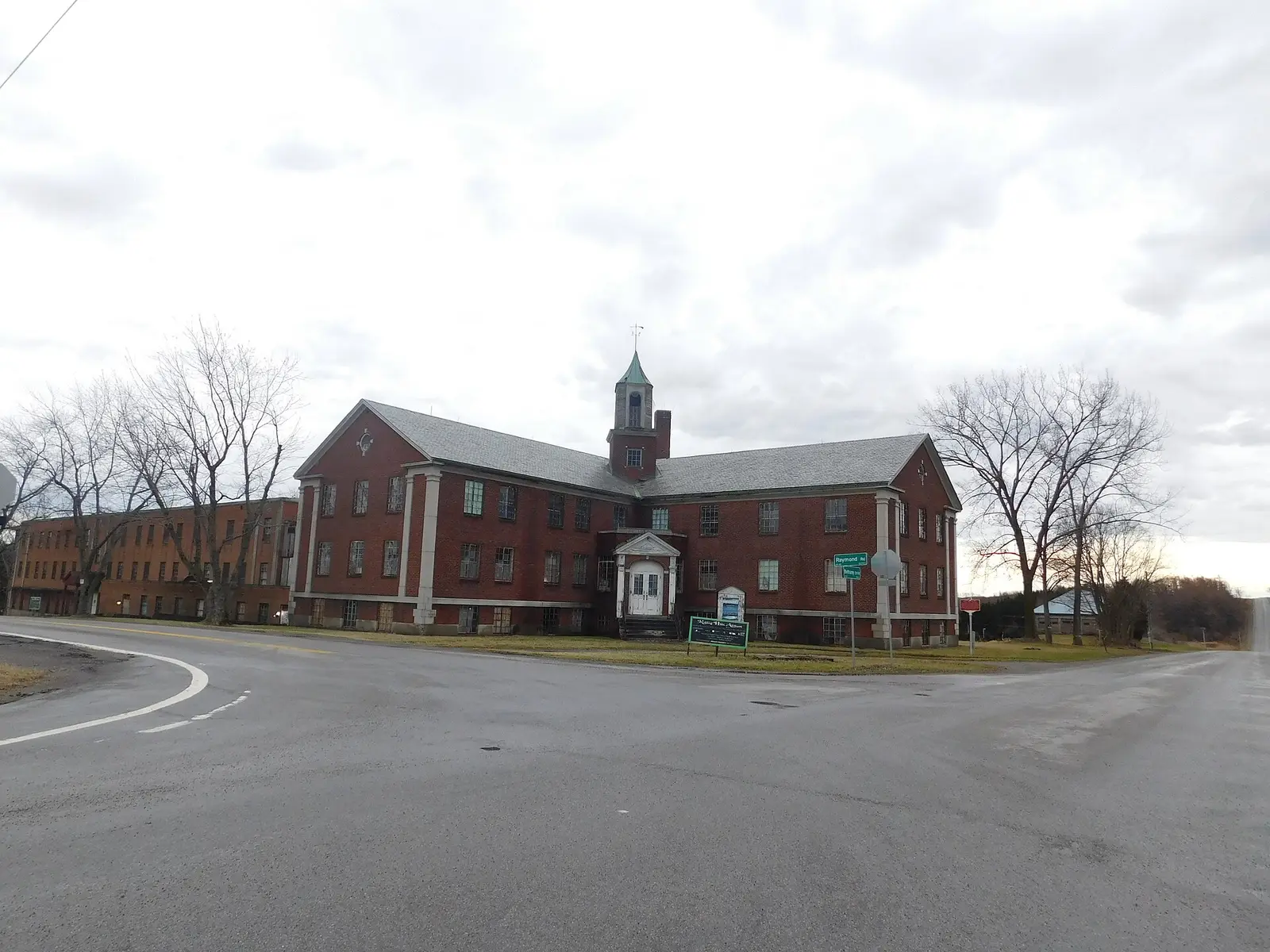
Former asylum · NY
Rolling Hills Asylum
Rolling Hills Asylum in East Bethany is the former Genesee County Poorhouse, which opened in 1827 and, as a county home and nursing home, cared for poor, elderly and disabled people until 1974.
Documented AccountsTours onlyAlso a former asylum · also reported: phantom lights, shadow figures
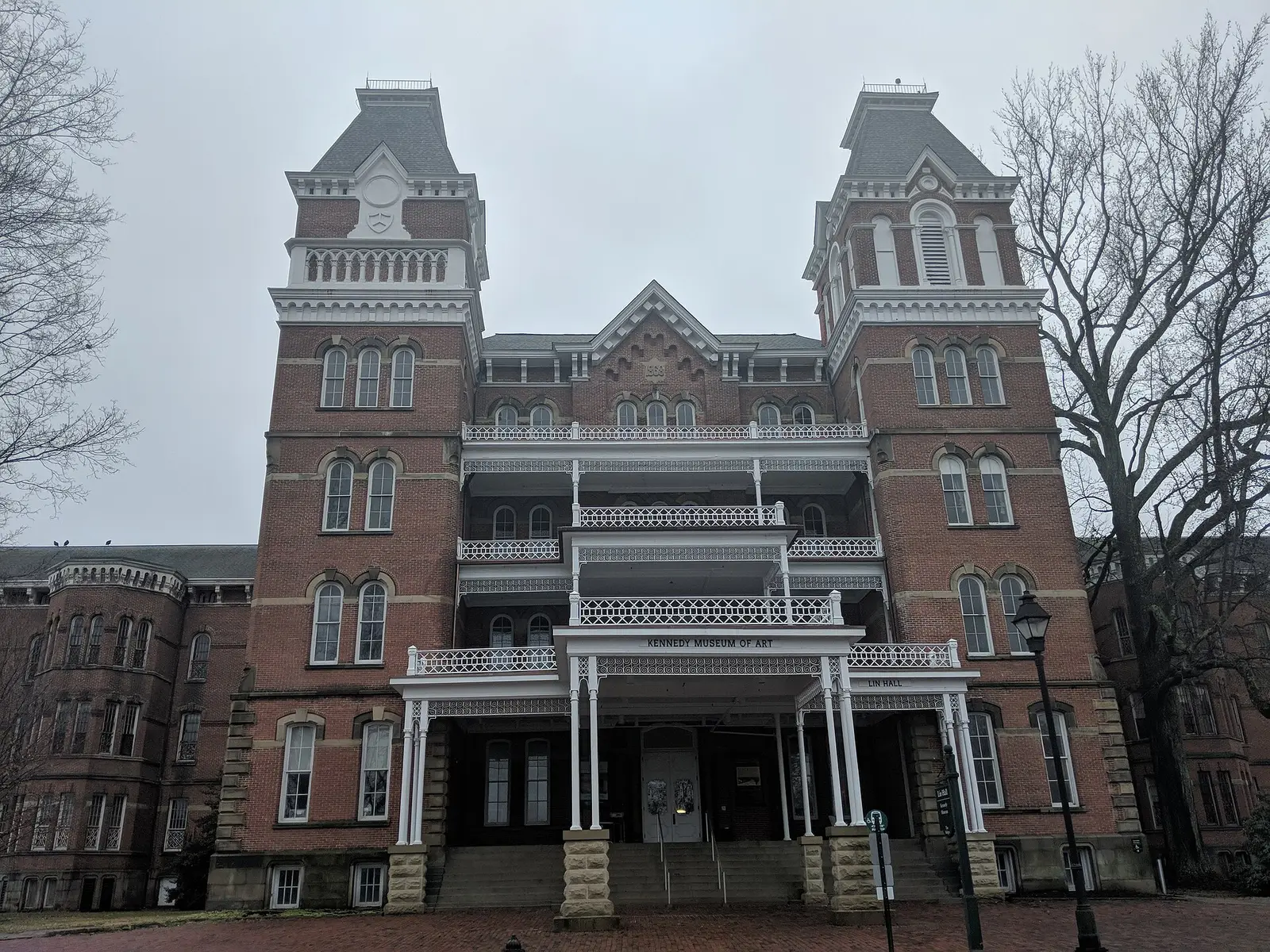
Former asylum · Athens, OH
The Ridges (former Athens Lunatic Asylum)
The Ridges is the former Athens State Hospital, a Kirkbride-plan psychiatric hospital that served southeastern Ohio from 1874 to 1993 and now belongs to Ohio University.
UnverifiedOpen to visitorsAlso a former asylum · also reported: phantom lights, shadow figures
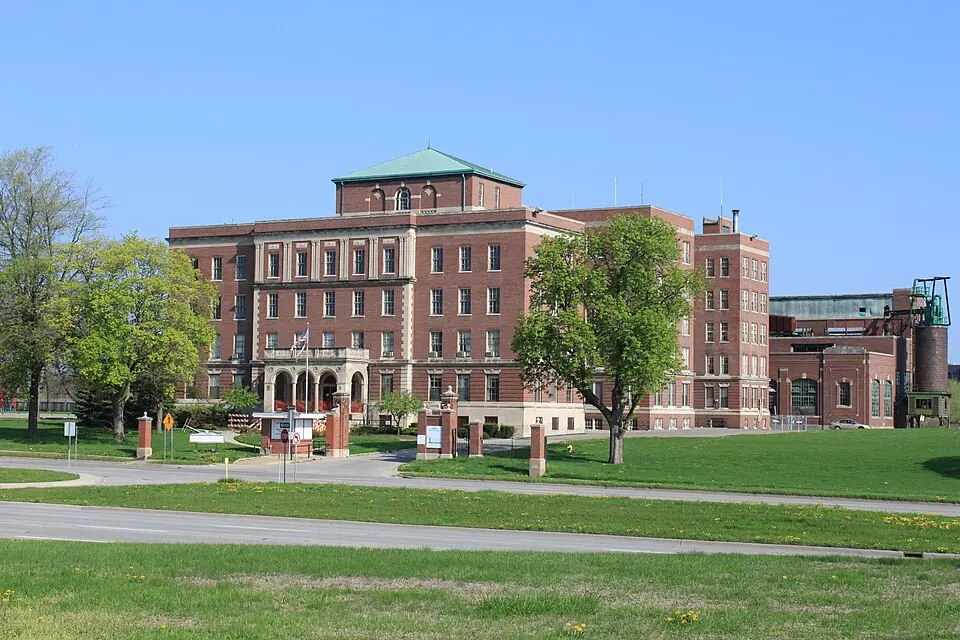
Former asylum · Westland, MI
Eloise
Eloise was Wayne County's poorhouse and later a vast hospital complex in Westland, where about 10,000 people lived at its peak.
Documented AccountsTours onlyAlso a former asylum · also reported: shadow figures, moving objects
IllustrationFormer asylum · PA
Hill View Manor (former Lawrence County Home)
Hill View Manor opened in 1926 as Lawrence County's home for older and poor residents, became a county nursing home and closed in 2004.
Documented AccountsTours only