
When the record contradicts the story
Famous ghost stories whose history does not hold up, and what deeds, death records and site histories actually show.
- Research guide
- Published
- 5 min read
At a glance
Many well-known ghost stories rest on events that the historical record does not show, or shows happening differently. When a legend fails against deeds, death records, newspapers or a site's own history, we keep the story but label it as legend, and we set out what the records actually say beside it.
- 20researched places
- 12states
- 16places you can visit
Stories that began as fiction
Some legends can be traced to a book or a newspaper story. The headless horseman linked to the Old Dutch Church of Sleepy Hollow comes from Washington Irving's "The Legend of Sleepy Hollow" of 1820. Irving presents it as country folklore, but we found no record of the legend before his story. At Mammoth Cave National Park, the tale of "Melissa" searching the cave for a lost love began as fiction published in a New York newspaper in 1858.
In New Orleans, the story of a sultan's brother found murdered with his household at the Gardette-Le Prête House goes back to Helen Pitkin Schertz's telling of 1922. No record of such a killing has been found, and the details conflict with the property records. Nearby, one blogger traces the story of General Beauregard reliving the Battle of Shiloh at the Beauregard-Keyes House to Frances Parkinson Keyes's 1962 novel Madame Castel's Lodger.
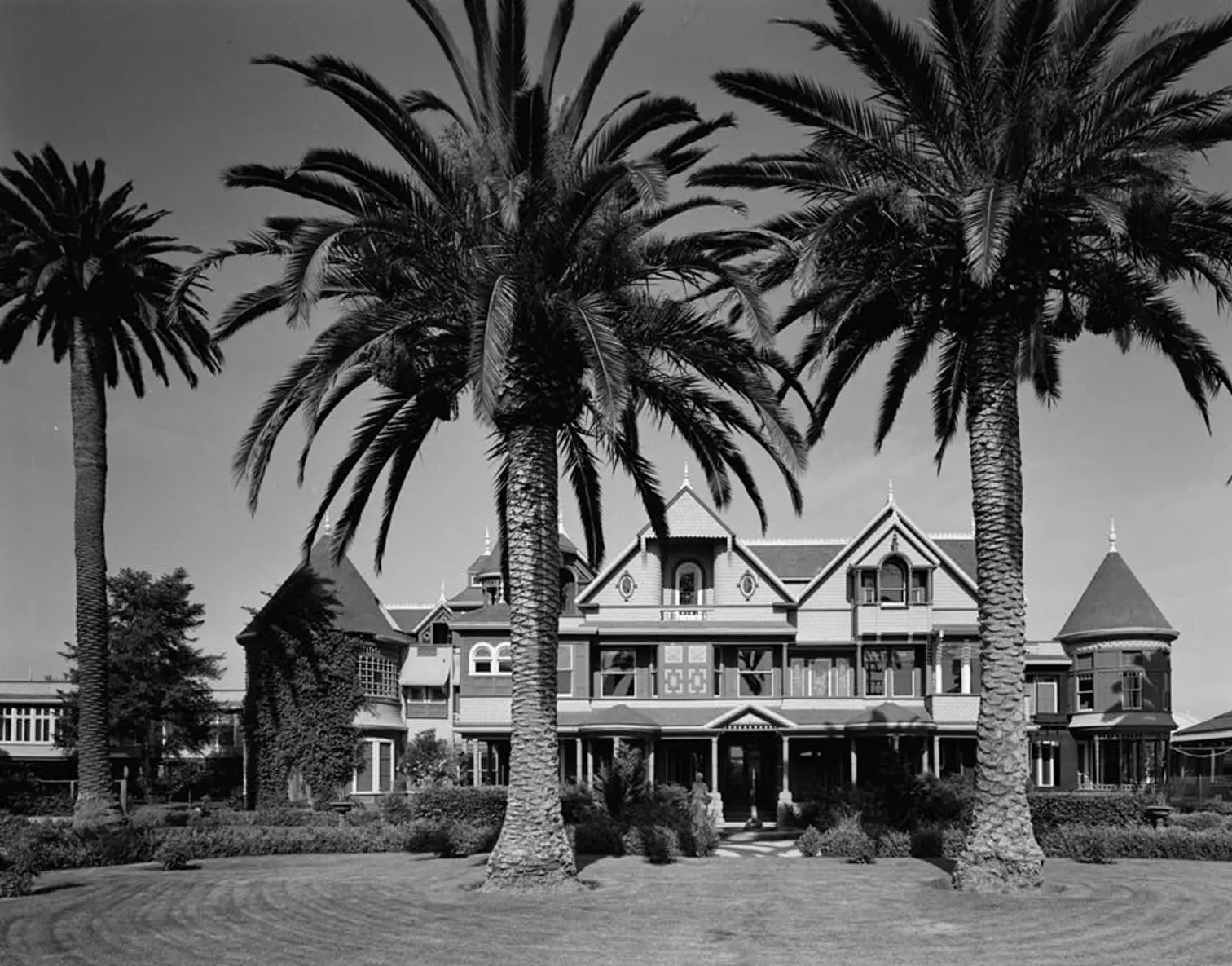
The best-known version of the Winchester Mystery House story says a medium told Sarah Winchester to build without stopping to appease the spirits of people killed by Winchester rifles. It is repeated in the 1974 National Register form, but the spirit theme was already in a syndicated feature by January 1923, months after her death, written without sources by someone who never met her. Her biographer, Mary Jo Ignoffo, found no evidence that she consulted a medium or attended Spiritualist gatherings, and argues that the story was built by a hostile press and then by the house's promoters, who were advertising a "builder guided by the spirits" by 1929. That is a historian's reading of the record, and it cannot prove what Winchester privately believed.
When the dates don't fit
A modern legend at the Old Ursuline Convent says the trunks of the young women known as the casket girls held vampires, locked away in the third-floor attic. The present building was not begun until 1748, twenty years after the 1728 group arrived. At the Story Inn, many guests identify the Blue Lady as Jane Story, but the room is in a store built in 1916, decades after the Story family left the area in the early 1880s.
The operator's blog at the Ohio State Reformatory places guard Frank Hanger's death in the 1940s, while period-based records put it in 1932. A 2023 press release about Carnton claimed that the generals were laid on the porch and died there; the federal nominations say they were killed in the battle and their bodies brought to the house afterward.
Deaths the record doesn't show
The story at Squire's Castle has Squire's wife dying in the building, but it is contradicted by the record of her death in Wickliffe. The tale of an orphanage fire with children trapped inside, told along Gore Orphanage Road, is not supported by the documented history; writers suggest it merged the orphanage, the Wilber family's losses and the memory of the Collingwood fire.
At Sensabaugh Tunnel, the City of Kingsport reports that the Sensabaugh of the story lived until the 1950s and lost no children as babies. A Ghost Adventures episode claimed that a teacher was murdered at Preston Castle; a local historian found that he was taken to a hospital and died there in 1965. Arizona Highways printed the story of 18 miners hanged at the Hanging Tree in Vulture City without a source, and local historians found no record of deaths at the tree.
When a legend borrows real suffering
Some invented stories borrow real injustice. The best-known legend at the Sorrel-Weed House centers on an enslaved young woman called Molly, but no record has been found showing that she existed. The historian Tiya Miles argues that the story centers invented suffering of a Black woman and obscures the documented realities of slavery. At Poinsett Bridge, a legend of an enslaved woman killed in the 1860s has no record behind it either. At the Old Alton Bridge, no record shows the lynching the legend describes, and the legend at Fort Moultrie draws on a real desecration of the Seminole leader Osceola's body.
We state plainly that these stories lack support, and we keep the documented history of the people involved apart from them. Enslaved people, the dead and Osceola himself are history, not material for ghost stories.
What we do with a contradicted story
A contradicted legend stays on the place page, labeled as folklore or as disputed, with the record set beside it. Sometimes the record offers an ordinary explanation instead: at Resurrection Cemetery, the cemetery said that a truck bent the gate bars and that a worker's torch, used to straighten them, left the marks some saw as handprints. Where sources disagree with each other, as they do over when the stories began at Franklin Castle, we report the disagreement rather than pick a date.
None of this moves a rating up or down. Ratings rest on traceable accounts of experiences, not on whether a legend's history holds, as our methodology explains. For the wider pattern across our places, see the evidence report.
Notable places in this guide
The best-documented places the guide draws on. Each page has the full history, every account we traced and the sources.
Historic house · San Jose, CA
Winchester Mystery House
Footsteps, touches and apparitions reported by the house’s own staff over forty years.
Documented AccountsTours only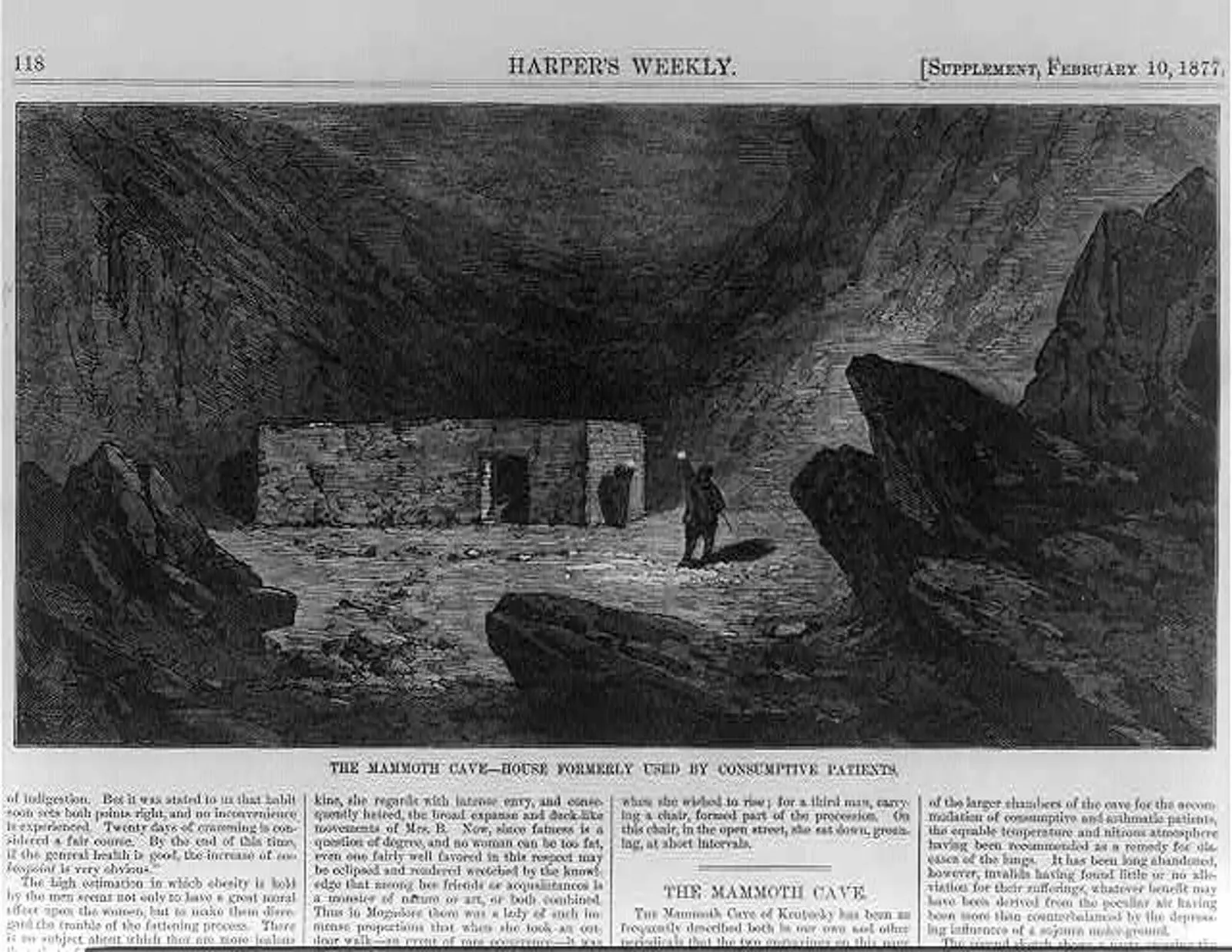
Cave · KY
Mammoth Cave National Park
Mammoth Cave National Park in Kentucky protects the world's longest known cave.
Documented AccountsTours only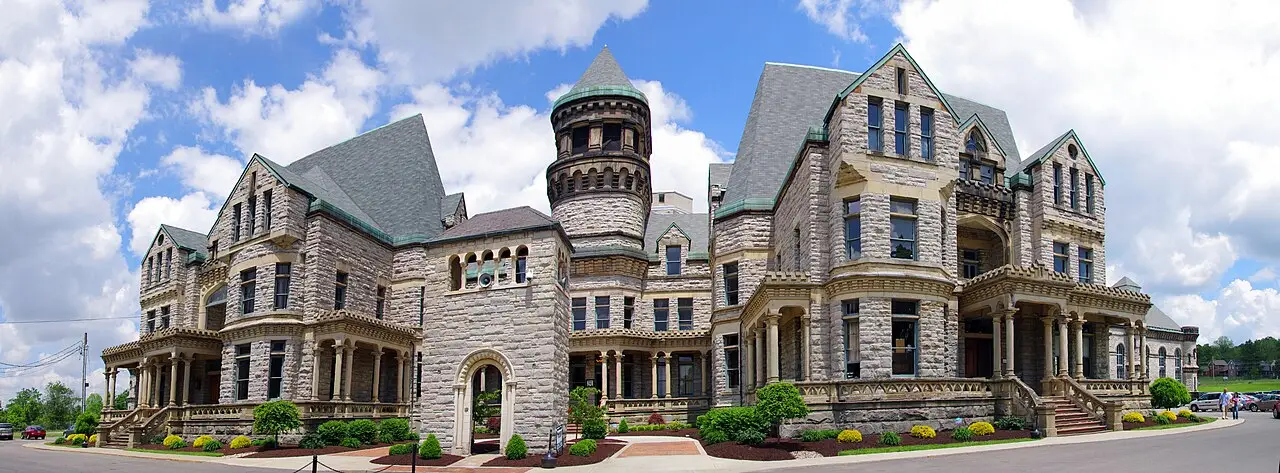
Prison · Mansfield, OH
Ohio State Reformatory
The Ohio State Reformatory in Mansfield opened in 1896 and closed in 1990.
Documented AccountsOpen to visitors
All 20 places in this guide
Church
Old Dutch Church of Sleepy Hollow and Burying Ground
Sleepy Hollow, New York
Cave
Mammoth Cave National Park
Kentucky
Historic house
Gardette-Le Prête House
New Orleans, Louisiana
Museum
Beauregard-Keyes House and Garden
New Orleans, Louisiana
Historic house
Winchester Mystery House
San Jose, California
Museum
Old Ursuline Convent
New Orleans, Louisiana
Hotel
Story Inn
Indiana
Prison
Ohio State Reformatory
Mansfield, Ohio
Historic house
Carnton
Franklin, Tennessee
Historic house
Squire's Castle
Willoughby Hills, Ohio
Road
Gore Orphanage Road
Ohio
Tunnel
Sensabaugh Tunnel
Tennessee
Former school
Preston Castle
Ione, California
Ghost town
Vulture City
Arizona
Historic house
Sorrel-Weed House
Savannah, Georgia
Bridge
Poinsett Bridge
South Carolina
Bridge
Old Alton Bridge
Texas
Fort
Fort Moultrie
Sullivan's Island, South Carolina
Cemetery
Resurrection Cemetery
Justice, Illinois
Historic house
Franklin Castle
Cleveland, Ohio

Written from our published research and reviewed by the editor. Send a correction.