← Sleepy Hollow Old Dutch Church of Sleepy Hollow and Burying Ground
Old Dutch Church of Sleepy Hollow and Burying Ground
History, Irving's Headless Horseman and the lore
Sleepy Hollow, New York
The Old Dutch Church in Sleepy Hollow was built for Frederick Philipse, with the labor of Africans he enslaved, beside an older burial ground; its National Historic Landmark nomination dates it to around 1697, while the congregation dates it to 1685.
What do we know about Old Dutch Church of Sleepy Hollow and Burying Ground?
The Headless Horseman is fiction: Irving framed him as country folklore, but we found no record of the legend before his 1820 story, and no named person who has reported an experience at the church or burying ground. The modern lore, such as visitors searching for the Horseman's grave, grows out of the story, so this place is a legend site rather than a haunting with accounts.

Our rating of the reports about Old Dutch Church of Sleepy Hollow and Burying Ground: Unverified. A haunted reputation or legend, but no traceable account of an experience so far. The rating describes the evidence for the reports, not whether the place is haunted.
- Recorded legends
- 2
- Research sources
- 7
Reported experiences don’t establish a supernatural cause.
Read our evidence assessment →The hauntings
Accounts, encounters and stories associated with Old Dutch Church of Sleepy Hollow and Burying Ground.
What has been reported?
- Apparitions
Phenomena described in accounts associated with this location — not independently verified events.
Legends & disputed stories
Stories told about the place that the records don’t confirm.

- Legend
In 'The Legend of Sleepy Hollow' (1820), Washington Irving wrote that the valley's chief spirit was a headless horseman, said to be a Hessian trooper whose head was carried away by a cannonball, whose body was buried in the churchyard and who rode out nightly in search of his head, tethering his horse among the graves.[6]
What the research shows: Fiction. Irving presents it as country folklore, but we found no record of the legend before his story, which itself hints that a rival played the ghost.
- Legend
Local writers have since called the burying ground the haunt of the Headless Horseman and linked him to a Hessian said to have lost his head near White Plains in 1776; visitors still look for the Horseman's grave, which the church does not claim exists.[7][2]
What the research shows: We found no named person who reports an experience at the church or burying ground.
Before you go

Planning a visit?
Outside only
You can see it from public land; the inside isn’t open.
Access details ›
The burying ground is open to visitors daily during the day; the church itself is used for summer Sunday worship and opens for tours on October weekends. It is an active church and a burial ground: organized groups need the church's permission first. Washington Irving's grave is in the adjacent Sleepy Hollow Cemetery, which has its own rules.
Entry
Cost not confirmed
Access last checked November 19, 2026. Confirm times and prices before you travel.
Approximate location, within about 1 km.
See Old Dutch Church of Sleepy Hollow and Burying Ground on the full map →
The history of Old Dutch Church of Sleepy Hollow and Burying Ground
The Old Dutch Church in Sleepy Hollow was built for Frederick Philipse, with the labor of Africans he enslaved, beside an older burial ground; its National Historic Landmark nomination dates it to around 1697, while the congregation dates it to 1685. Its ghost is fictional: in 1820 Washington Irving's 'Legend of Sleepy Hollow' had a headless Hessian trooper buried in the churchyard. We found no traceable ghost sighting here. The burying ground is open daily.
- Established
- 1697–1702
- Also known as
- Old Dutch Church
A manor church
Settlers on the north bank of the Pocantico River had a community burial ground by the mid-1600s; when Frederick Philipse, first lord of Philipsburg Manor, built his mill and country seat nearby around 1683, there were already at least fifty burials. Philipse then built a stone church at the south end of the ground. Its congregation was organized by 1697, and the open belfry holds a bell cast in Holland in 1685. A fire in 1837 led to new pointed windows and other changes, partly reversed in an 1897 restoration.
Philipse was an enslaver and slave trader. Historic Hudson Valley says the church was built with the labor of African captives he enslaved. The congregation's historian writes that eight people too ill to be sold from the ship Charles in 1685 were brought to the Upper Mills, that Philipse's 1700 will named 21 enslaved people there, and that enslaved people could be baptized but were not admitted as full members. Whether enslaved people were buried in the churchyard is not recorded.
During the Revolution the church stood in the 'Neutral Ground' between the armies.
Irving's ghost
In 'The Legend of Sleepy Hollow', published in 1820, Washington Irving wrote that the region's chief spirit was a headless horseman, said to be a Hessian trooper whose head was carried off by a cannonball, whose body lay in the churchyard and who rode out nightly in search of his head, tethering his horse among the graves. Irving presented this as local folk belief, but it is fiction, and his story ends with the hint that a rival in love played the ghost.
The lore since
Local writers have called the burying ground the haunt of the Horseman and linked him to a Hessian said to have lost his head in 1776; ABC7 reports historians citing a 1798 newspaper account of a Hessian decapitated by a cannonball. Visitors still look for the Horseman's grave, which the church does not claim exists. We found no traceable account of anyone experiencing anything here.
Through the years
1683
1683
A community burial ground on the north bank of the Pocantico River already held at least 50 burials when Frederick Philipse built his country seat and mill nearby around 1683; the church was built at its southern end.[1]
1685
1685
In 1685 the Philipse ship Charles carried 146 enslaved Africans to be sold in Barbados; eight considered too ill for sale were brought by way of Rye to the Upper Mills. Philipse's 1700 will names 21 enslaved people…
Read more ›
In 1685 the Philipse ship Charles carried 146 enslaved Africans to be sold in Barbados; eight considered too ill for sale were brought by way of Rye to the Upper Mills. Philipse's 1700 will names 21 enslaved people there. Enslaved people could be baptized at the church but were not admitted as full members.[3][4]
Caveat: Whether enslaved people were buried in the churchyard is not recorded.
1697
Congregation organized
The stone church was built for Frederick Philipse between 1697 and 1702, the National Historic Landmark nomination giving 1697 as the generally accepted date, though the congregation dates the church to 1685, the year of the bell; its…
Read more ›
The stone church was built for Frederick Philipse between 1697 and 1702, the National Historic Landmark nomination giving 1697 as the generally accepted date, though the congregation dates the church to 1685, the year of the bell; its congregation was organized by 1697, and its belfry holds a bell cast in Holland in 1685.[1][2]
Also recorded
During the Revolutionary War the church stood in the 'Neutral Ground' between British and American lines; historians cited by ABC7 say a 1798 newspaper described a Hessian soldier decapitated by an American cannonball.[5]
Caveat: We have not consulted the 1798 newspaper, and it is not tied to this churchyard.
The research conclusion

Why it has this rating
No reported experience: the Headless Horseman is Washington Irving's 1820 fiction, and no earlier legend or later named sighting was found. The church was built with the labor of Africans enslaved by Frederick Philipse; that is documented history.
Read the full written assessment ›
The church's age, builders and history are documented by its National Historic Landmark nomination, the congregation's own historian and Historic Hudson Valley, including the enslaved Africans whose labor built it.
The Headless Horseman is fiction: Irving framed him as country folklore, but we found no record of the legend before his 1820 story, and no named person who has reported an experience at the church or burying ground. The modern lore, such as visitors searching for the Horseman's grave, grows out of the story, so this place is a legend site rather than a haunting with accounts.
The sources behind the story
7 research references support this entry.

1National Park ServiceDutch Reformed (Sleepy Hollow) Church, National Historic Landmark nomination form Register or nomination · Reference 01
Dutch Reformed (Sleepy Hollow) Church, National Historic Landmark nomination form. National Park Service, 1976.
NHL nomination (Form 10-300, prepared by Richard Greenwood, Landmark Review Task Force, about 1976): constructed 1697–1702 by Frederick and Catherine Philipse; congregation organized by 1697; bell cast in Holland in 1685; 1837 fire repairs and alterations, partial restoration before the 1897 bicentennial; burial ground predates the church, with at least 50 burials when Philipse arrived around 1683. Location 'U.S. Route 9, North Tarrytown'.
Accessed November 17, 2026.
2Reformed Church of the TarrytownsOld Dutch Church Official or site history · Reference 02
Old Dutch Church. Reformed Church of the Tarrytowns.
Congregation's page: built 1685, organized 1697; the burying ground surrounds the church on about three acres and is open to visitors until 4:30 p.m. daily; tours on October weekends; groups need permission; Irving's story made the church famous and visitors look for the Headless Horseman's grave; Irving is buried in adjacent Sleepy Hollow Cemetery. No fee stated.
Accessed November 17, 2026.
3Reformed Church of the TarrytownsCuffy's Church: Enslaved Africans and The Old Dutch Church Official or site history · Reference 03
Deborah McCue, Cuffy's Church: Enslaved Africans and The Old Dutch Church. Reformed Church of the Tarrytowns, 2020-06-01.
Essay by a church docent: enslaved Africans supplied much of the building labor; in 1685 the Philipse ship Charles carried 146 enslaved Africans toward Barbados and eight too ill for sale were brought via Rye to the Upper Mills; Philipse's 1700 will names 21 enslaved people there; enslaved people could be baptized but not admitted as full members. The year is inferred from the page's upload path.
Accessed November 17, 2026.
4Historic Hudson Valley (People Not Property)Old Dutch Church Website · Reference 04
Old Dutch Church. Historic Hudson Valley (People Not Property).
Museum organization's research site on slavery in the colonial North: the church was 'built with the labor of African captives' enslaved by Frederick Philipse, eight of whom built the church, manor house, farm and mill; church and Philipse papers do not show whether enslaved people were buried in the churchyard.
Accessed November 17, 2026.
5ABC7 New York (WABC-TV)Inside Sleepy Hollow's 300-year-old Old Dutch Church Television or radio · Reference 05
Emily Hartmann and Rolando Pujol, Inside Sleepy Hollow's 300-year-old Old Dutch Church. ABC7 New York (WABC-TV), 2026-07-04.
Television station feature with church docents: founded by Frederick and Margaret Philipse; the church in the Revolutionary 'Neutral Ground'; 1837 fire; historians say Irving drew on folklore and that a 1798 newspaper described a Hessian decapitated by an American cannonball. Reports no sightings.
Accessed November 17, 2026.
6G. P. Putnam's Sons edition, 1875 (digitized by Internet Archive)The Legend of Sleepy Hollow (in The Sketch Book of Geoffrey Crayon, Gent.) Book · Reference 06
Washington Irving, The Legend of Sleepy Hollow (in The Sketch Book of Geoffrey Crayon, Gent.). G. P. Putnam's Sons edition, 1875 (digitized by Internet Archive), 1820.
Irving's short story, first published in 1820. Describes the headless horseman, 'said by some to be the ghost of a Hessian trooper' buried in the churchyard, who 'tethered his horse nightly among the graves'. Fiction; read in an 1875 edition on the Internet Archive.
Accessed November 17, 2026.
7The Rye RecordHaunted by History Newspaper · Reference 07
Jana Seitz, Haunted by History. The Rye Record, 2018-10-31.
Local history column calling the burying ground 'the haunt of the headless horseman' and suggesting the Horseman was inspired by a Hessian who lost his head near the Battle of White Plains around Halloween 1776. No source cited for that story.
Accessed November 17, 2026.
More haunted places
Explore nearby
Similar places
Also a church
Church · Charleston, SC
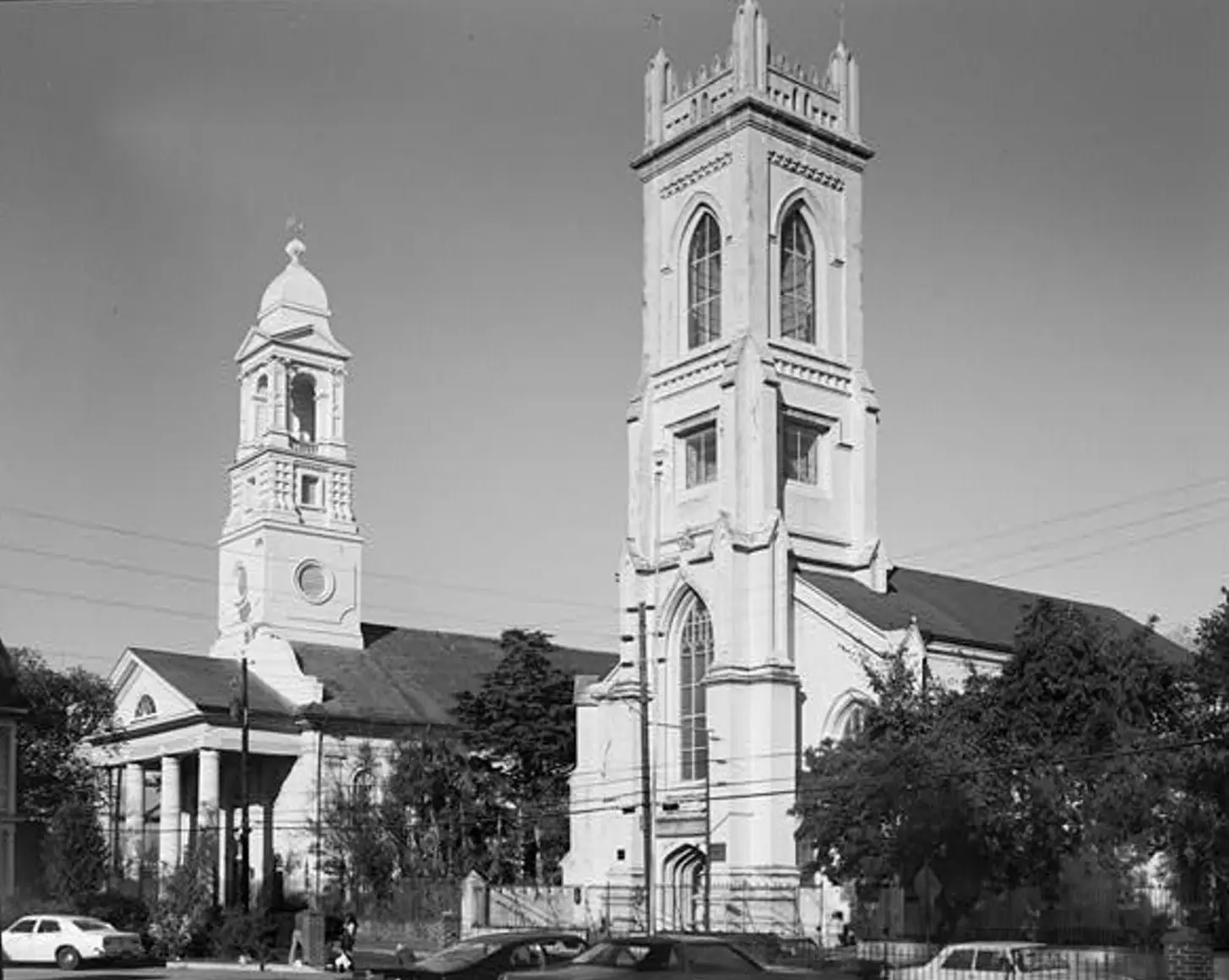
Unitarian Church in Charleston and churchyard
The Unitarian Church on Archdale Street, begun in 1772 and remodeled in Gothic style in 1852-1854, is the oldest Unitarian church in the South.
UnverifiedOpen to visitorsAlso a church
Church · NY
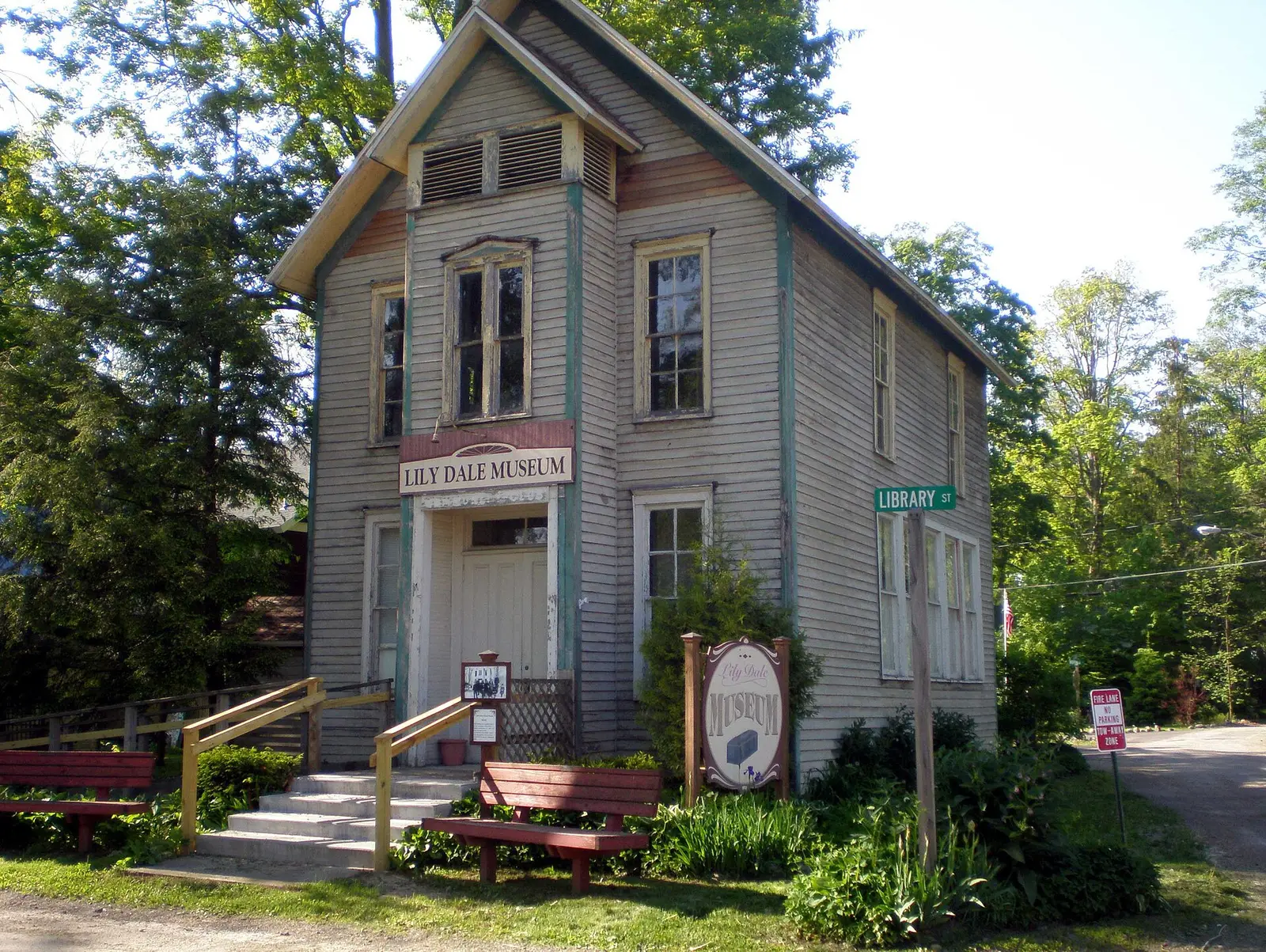
Lily Dale Assembly
Lily Dale, founded in 1879 beside Cassadaga Lake, is a Spiritualist community where registered mediums offer readings as part of the faith.
UnverifiedOpen to visitorsAlso a church
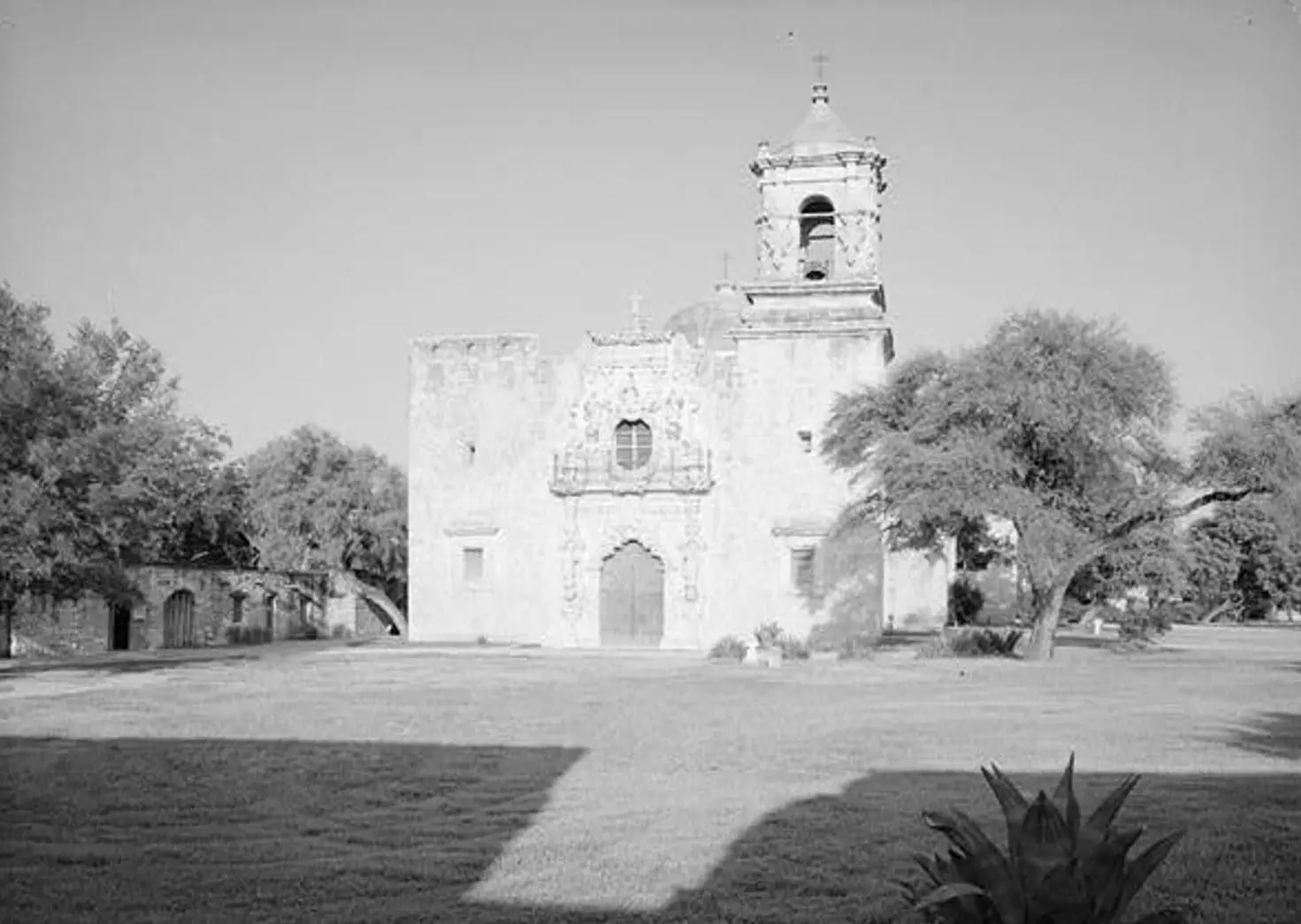
Church · San Antonio, TX
Mission San José
Mission San José is an 18th-century Spanish mission on San Antonio's south side, now in a national park and still an active parish.
UnverifiedOpen to visitorsAlso a church
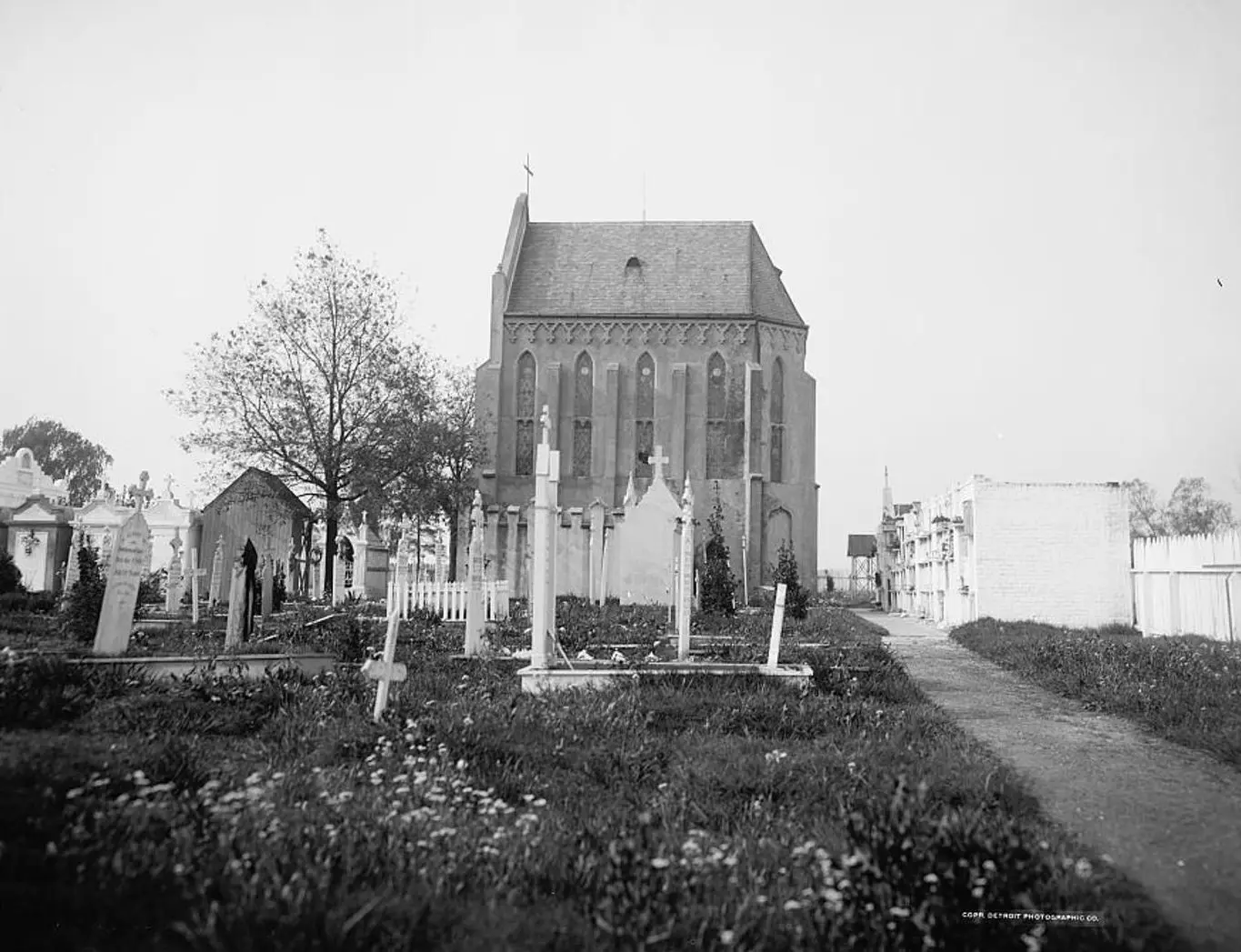
Cemetery · New Orleans, LA
St. Roch Chapel and Cemetery
St. Roch Chapel and Cemetery, near the Marigny and Bywater, was founded by a German priest after a yellow fever epidemic.
UnverifiedAccess not confirmed