← Mansfield Ohio State Reformatory
Ohio State Reformatory
Mansfield, Ohio
The Ohio State Reformatory in Mansfield opened in 1896 and closed in 1990.
What do we know about Ohio State Reformatory?
The reported experiences are traceable to named people, but those people work for the operator, which sells ghost hunts. There are no independent witnesses in the sources we checked, and one widely repeated story (Hanger's ghost) is attached to a wrong date. Nothing here shows more than that staff and visitors describe smells, movements and sightings.

Our rating of the reports about Ohio State Reformatory: Documented Accounts. At least one traceable published or first-hand account of an unexplained experience. We check that the reports exist, not the supernatural. The rating describes the evidence for the reports, not whether the place is haunted.
- Reported accounts
- 3
- Counted for the rating
- 1
- Research sources
- 6
Counted for the rating: independent accounts we could trace to a witness. Retellings of the same story count once, and staff passing on what visitors said aren’t counted. How we count
Reported experiences don’t establish a supernatural cause.
Read our evidence assessment →The hauntings
Accounts, encounters and stories associated with Ohio State Reformatory.

What has been reported?
- Smells
- Moving objects
- Apparitions
- Being touched
- Cold spots

Phenomena described in accounts associated with this location — not independently verified events.
Reported experiences
3 published and reported accounts, each assessed by its source.
Account 01 · October 31, 2025 · 2 versions
The paranormal program manager, 2025
The site's paranormal program manager told public radio she smelled roses near Helen Glattke's former bedroom on the second floor during her first tour; staff link the scent to the rose-water perfume Helen is said to have used. The operator's 2017 blog says ghost hunters have…
- Smells
Published accountReported by The paranormal program manager, to Ideastream Public Media (2025); MRPS blog (2017)Note: Both accounts come from the site's own staff and promotional material, so they are not independent of each other.
Read full account ›
The site's paranormal program manager told public radio she smelled roses near Helen Glattke's former bedroom on the second floor during her first tour; staff link the scent to the rose-water perfume Helen is said to have used. The operator's 2017 blog says ghost hunters have reported the same scent.[4][5]
Staff say visitors sometimes notice tobacco smoke that they associate with Arthur Glattke; the 2017 blog calls it cigar smoke, while the 2025 radio account describes cherry pipe tobacco.[4][5]
Note: The two staff sources disagree about the kind of smoke. The program manager also offers a non-ghostly explanation for a separate smoke smell in the West Attic.
Account 02 · October 31, 2025
The paranormal program manager, 2025
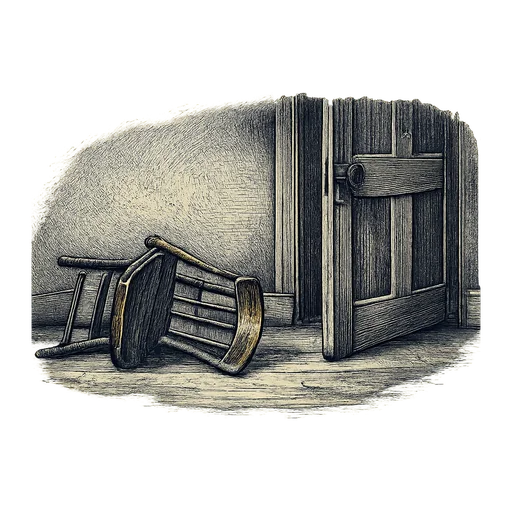
A wooden chair in the so-called Chair Room is said by staff to move and vibrate on its own; participants in paid ghost hunts sit in it in the dark.[4]
- Moving objects
Published accountReported by The paranormal program manager, to Ideastream Public Media (2025)Note: Reported as part of the site's own ghost-hunt programme; no independent account was found.
Read full account ›
A wooden chair in the so-called Chair Room is said by staff to move and vibrate on its own; participants in paid ghost hunts sit in it in the dark.[4]
Account 03 · November 22, 2017
Mansfield Reformatory Preservation Society, 2017
Unnamed visitors and investigators are said to report cold spots and a sense of being watched in the solitary-confinement area known as the Hole, and pushes or a helping hand on the stairs.[5]
- Being touched
- Cold spots
No traceable witnessNote: No named witness or date; published in promotional material.
Read full account ›
Unnamed visitors and investigators are said to report cold spots and a sense of being watched in the solitary-confinement area known as the Hole, and pushes or a helping hand on the stairs.[5]
Legends & disputed stories
Stories told about the place that the records don’t confirm.

- Disputed
The operator's blog quotes a program coordinator as saying Guard Frank Hanger has been seen repeatedly, on camera and during a live investigation.[3][5]
What the research shows: The blog places Hanger's death in the 1940s, but period-based records put it in 1932, so the story's factual frame is wrong. No photos or recordings were found.
Before you go

Planning a visit?
Open to visitors
Parts of the inside are open to the public.
Access details ›
Open for ticketed self-guided tours and paranormal programs; routes change during the autumn haunted attraction, so check the official site.
Entry
Paid entry
Access last checked November 16, 2026. Confirm times and prices before you travel.
The history of Ohio State Reformatory
The Ohio State Reformatory in Mansfield opened in 1896 and closed in 1990. Its ghost stories, about the superintendent's wife Helen Glattke, her husband Arthur and Frank Hanger, a guard killed in 1932, come almost entirely from the museum's own staff and promotional material, including a 2025 public-radio interview. The building is open for paid tours.
- Established
- 1886–1910 (opened 1896)
- Also known as
- Mansfield Reformatory
A reformatory for young men
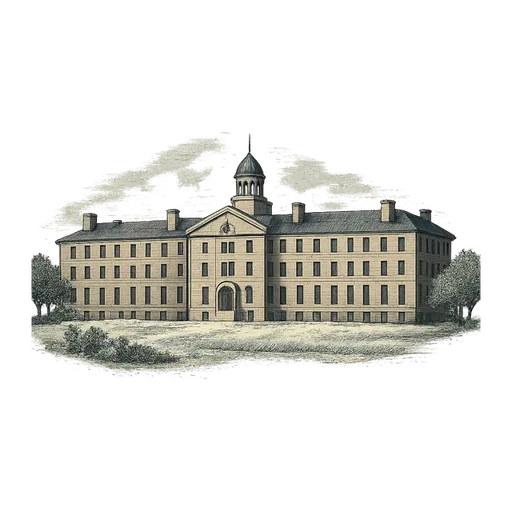
In 1884 Ohio's legislature approved a prison that would sit between the boys' industrial school at Lancaster and the Ohio Penitentiary, and Mansfield was chosen to host it. Designed by Levi T. Scofield, the reformatory opened in 1896 to rehabilitate young male offenders through work, schooling and trades, with its own power plant and farm. The state marker calls its six-tier East Cell Block the largest known structure of its kind.
Later decades
The institution became a maximum-security prison in 1946, was judged substandard by the 1970s and closed in 1990. It was listed on the National Register of Historic Places in 1983 and has since appeared in films, most famously The Shawshank Redemption.
Real deaths are part of its history. Guard Frank B. Hanger died in October 1932, days after an inmate struck him during an escape attempt. Helen Glattke, wife of superintendent Arthur Glattke, died around 1949–50 after a gun went off by accident in the family's quarters; sources disagree on the year. Arthur Glattke, who led the reformatory from 1935 to 1959, died of a heart attack in 1959.
What people report
Almost every published ghost account comes from the reformatory's own staff and promotional material. In a 2025 public-radio interview, the site's paranormal program manager described smelling roses near Helen Glattke's former bedroom, a scent staff connect with her perfume. Staff also speak of tobacco smoke linked to Arthur Glattke, though one account says cigar and another pipe. A chair in the "Chair Room" is said to move by itself.
A 2017 blog post on the operator's site quotes a program coordinator as saying Frank Hanger has been seen repeatedly, but it dates his death to the 1940s rather than 1932. The same post repeats unattributed stories of cold spots in the solitary cells and pushes on the stairs.
Through the years
1884
Legislature approves an intermediate prison
In 1884 the Ohio legislature approved a new prison meant as an intermediate step between the boys' industrial school at Lancaster and the Ohio Penitentiary in Columbus, and Mansfield was chosen as its site.[1]
1932
Guard Frank Hanger dies after assault
Guard Frank B. Hanger, 42, was struck on the head by an inmate during an escape attempt on the night of October 2, 1932, and died on October 6 without regaining consciousness.[3]
Caveat: The Officer Down Memorial Page lists him, but its page could not be accessed in full when checked; the date rests on the Knox Pages article.
1950
Helen Glattke dies
Helen Glattke, wife of superintendent Arthur Glattke, died a few days after a handgun went off accidentally in the family's quarters at the reformatory, around 1949–50.[4][5]
Caveat: Sources conflict on the year (WYSO says 1950, the MRPS blog 1949) and differ on how the gun fell or discharged. No contemporary record was found to settle it.

Also recorded
The state marker describes the six-tier East Cell Block as the largest known structure of its kind.[2]
Caveat: This superlative comes from the marker text; it was not checked against another source.
The research conclusion

Why it has this rating
One traceable account: the paranormal program manager told public radio in 2025 that she smelled roses near Helen Glattke's former bedroom. Staff reports of what visitors notice, such as tobacco smoke and a moving chair, are not counted, and the stories about guard Frank Hanger are disputed.
Read the full written assessment ›
The documented history is solid: an official state marker and Ohio History Connection guide cover the reformatory's founding, purpose and closure, and a local-history article sets out Guard Frank Hanger's death in 1932. The circumstances and even the year of Helen Glattke's death differ between sources.
The reported experiences are traceable to named people, but those people work for the operator, which sells ghost hunts. There are no independent witnesses in the sources we checked, and one widely repeated story (Hanger's ghost) is attached to a wrong date. Nothing here shows more than that staff and visitors describe smells, movements and sightings.
The sources behind the story
6 research references support this entry.

1Ohio History ConnectionOhio State Reformatory (Ohio Prison Records research guide) Archive or collection · Reference 01
Ohio State Reformatory (Ohio Prison Records research guide). Ohio History Connection.
State archives research guide. Reliable for the institution's founding, purpose, change to maximum security and closure, and for which inmate records survive. No haunting content.
Accessed November 16, 2026.
2Remarkable Ohio (Ohio History Connection marker program)4-70 The Ohio State Reformatory (Ohio Historical Marker) Official or site history · Reference 02
4-70 The Ohio State Reformatory (Ohio Historical Marker). Remarkable Ohio (Ohio History Connection marker program).
Official state marker text, sponsored in part by the Ohio Historical Society and the Mansfield Reformatory Preservation Society. Reliable for the outline history and gives the marker's coordinates (at the main entrance). Says nothing about hauntings.
Accessed November 16, 2026.
3Knox Pages (Area History)Mount Vernon guard killed in 1932 Ohio State Reformatory escape attempt Newspaper · Reference 03
Mount Vernon guard killed in 1932 Ohio State Reformatory escape attempt. Knox Pages (Area History), 2019-08-11.
Local-history article drawing on period records (city directory, obituary details). Byline shows only an email address. Reliable enough for the dates of Guard Frank B. Hanger's injury and death; a photo caption gives 1934, which conflicts with its own text.
Accessed November 16, 2026.
4Ideastream Public Media (via WYSO)Ghost stories of 'The Shawshank Redemption' prison live on in Mansfield Television or radio · Reference 04
Dave DeOreo and Jean-Marie Papoi, Ghost stories of 'The Shawshank Redemption' prison live on in Mansfield. Ideastream Public Media (via WYSO), 2025-10-31.
Public-radio feature. Useful because it names the staff who report experiences, but nearly all ghost accounts come from the site's paranormal program manager, and there is no independent checking.
Accessed November 16, 2026.
5Mansfield Reformatory Preservation Society (blog)SHOCKING PROOF of 10 Real-Life Ghost Stories at an Ohio Prison Official or site history · Reference 05
SHOCKING PROOF of 10 Real-Life Ghost Stories at an Ohio Prison. Mansfield Reformatory Preservation Society (blog), 2017-11-22.
Promotional blog post by the operator; no author. Cited only as the place where staff and visitor stories were published. Most stories have no named witness, and its '1940s' date for Frank Hanger's death conflicts with 1932 records.
Accessed November 16, 2026.
6National Park Service, NPGalleryOhio State Reformatory (NRIS 83002039), National Register record Register or nomination · Reference 06
Ohio State Reformatory (NRIS 83002039), National Register record. National Park Service, NPGallery, 1983.
Confirms the National Register listing (published 4/14/1983) and location on Olivesburg Rd. The nomination PDF linked there is a 'not yet digitized' placeholder, so the form itself was not read.
Accessed November 16, 2026.
More haunted places

Explore nearby
Historic house
Prospect Place Mansion
Trinway, Ohio · 52 miles away · Open to visitors
Museum
Thurber House
Columbus, Ohio · 62 miles away · Open to visitors
Historic house
Franklin Castle
Cleveland, Ohio · 64 miles away · Private: no access
Cemetery
Camp Chase Confederate Cemetery
Columbus, Ohio · 66 miles away · Outside only

Similar places
Also a prison · also reported: smells, being touched
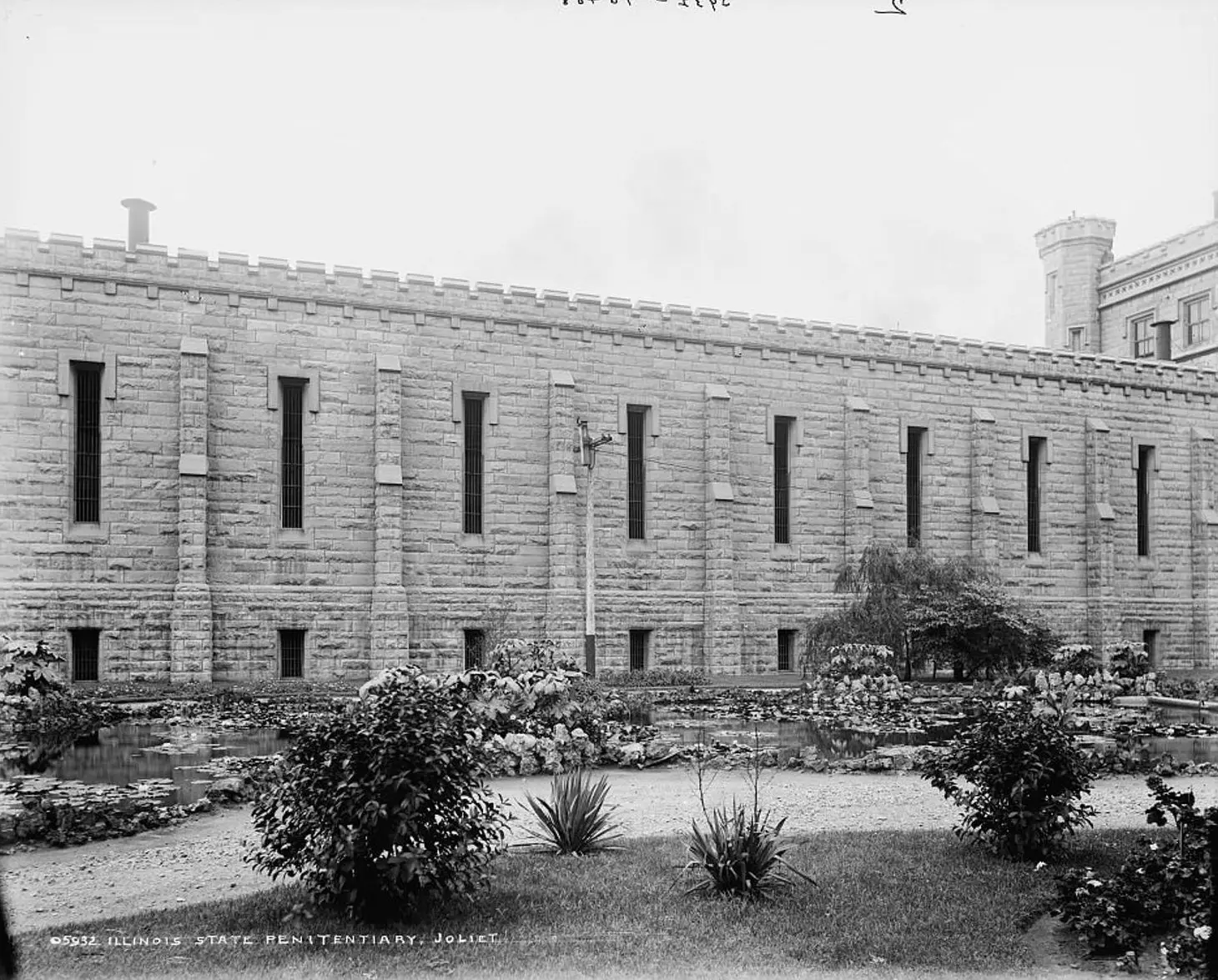
Prison · Joliet, IL
Old Joliet Prison
Old Joliet Prison is the limestone state penitentiary, opened in 1858 and closed in 2002, that people imprisoned there built themselves.
UnverifiedTours onlyAlso a prison · also reported: smells, being touched
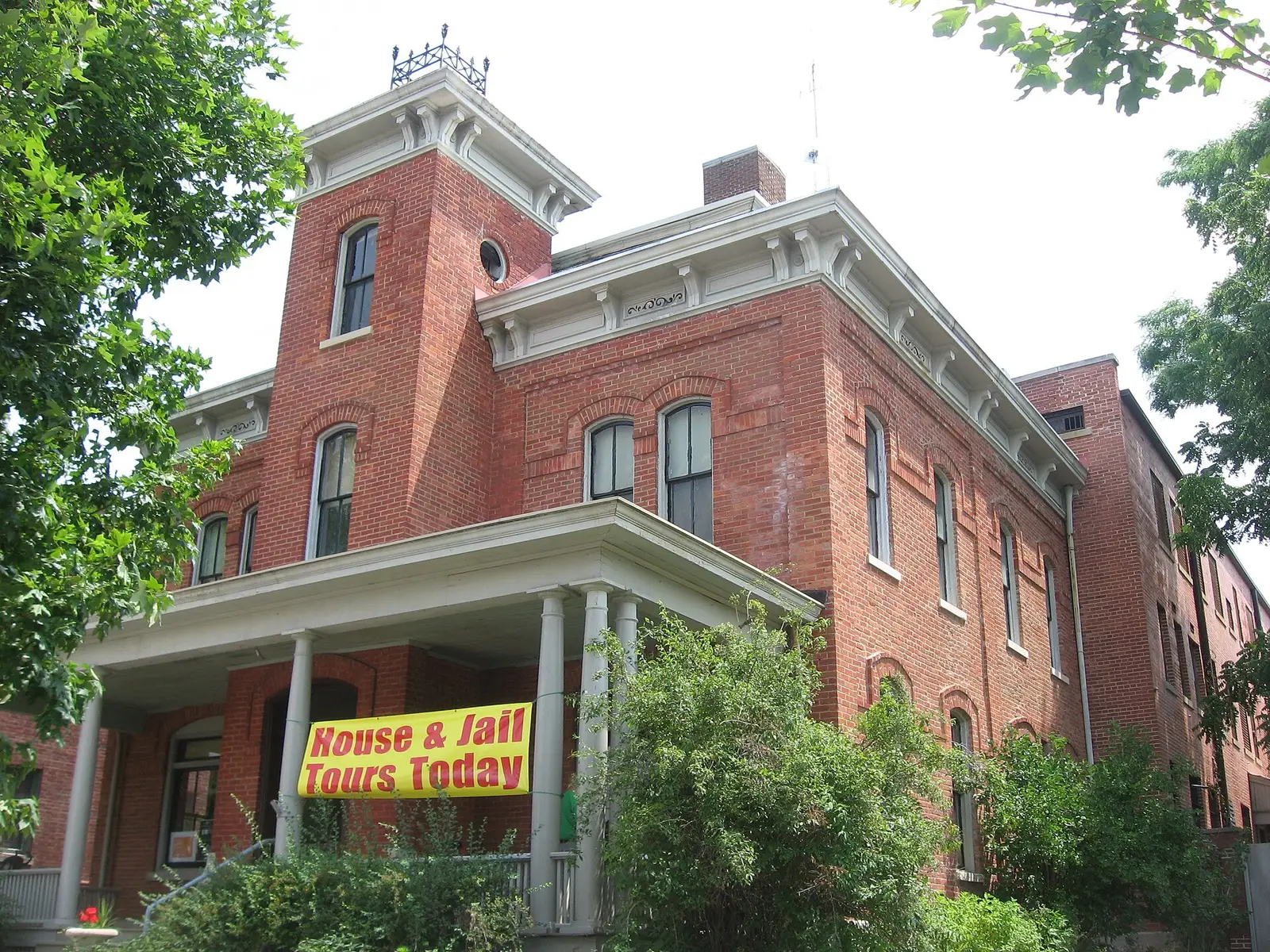
Prison · Crown Point, IN
Old Lake County Jail and Sheriff's House
The Old Lake County Jail and Sheriff's House in Crown Point is an 1882 sheriff's residence with a later jail wing, best known as the jail John Dillinger escaped from in March 1934.
Documented AccountsTours onlyAlso a prison · also reported: being touched, moving objects
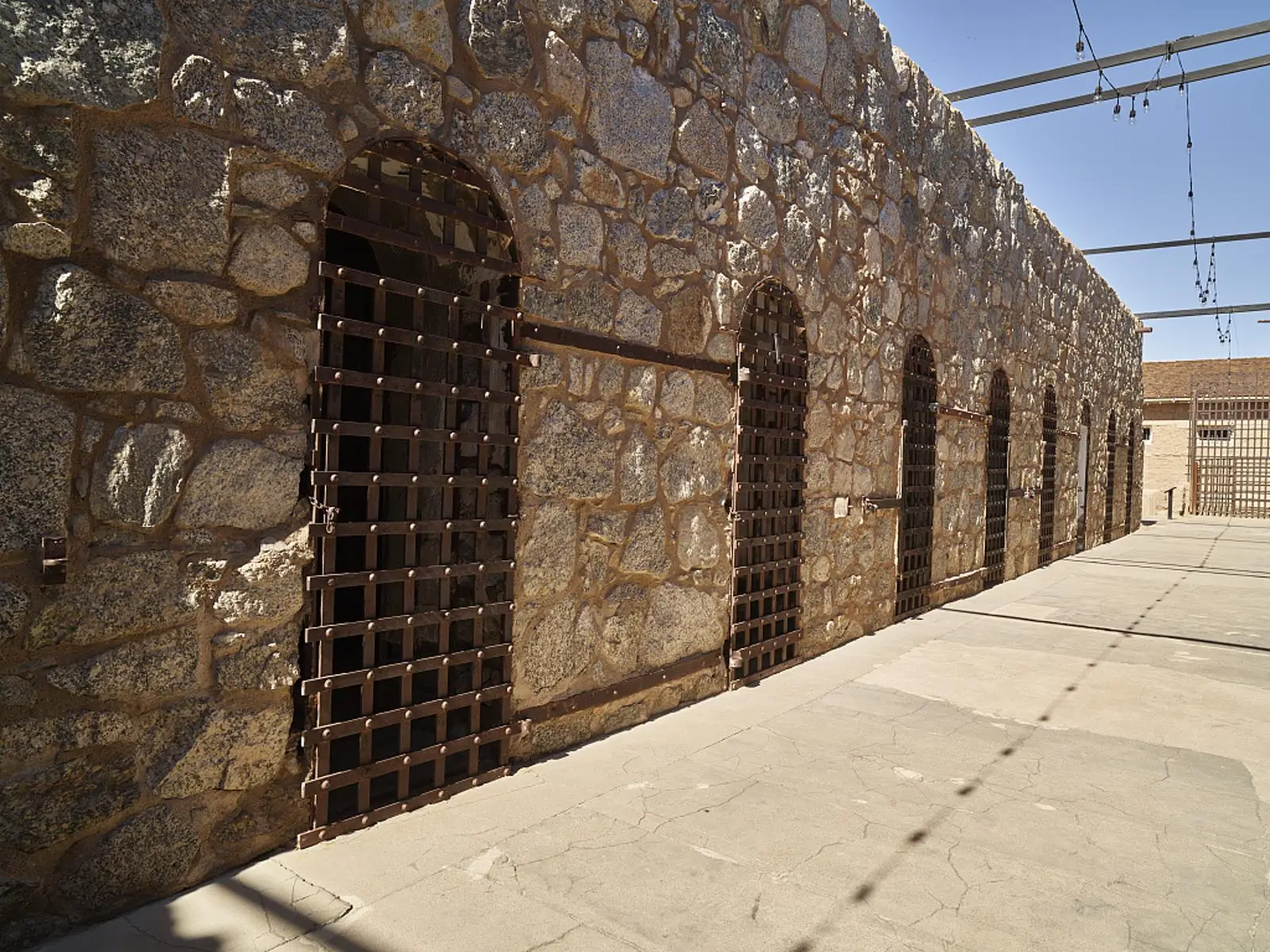
Prison · Yuma, AZ
Yuma Territorial Prison State Historic Park
Yuma Territorial Prison held 3,069 people convicted in the Arizona Territory from 1876 to 1909 and is now a state historic park.
Documented AccountsOpen to visitorsAlso a prison · also reported: being touched, moving objects
Prison · Cañon City, CO
Museum of Colorado Prisons
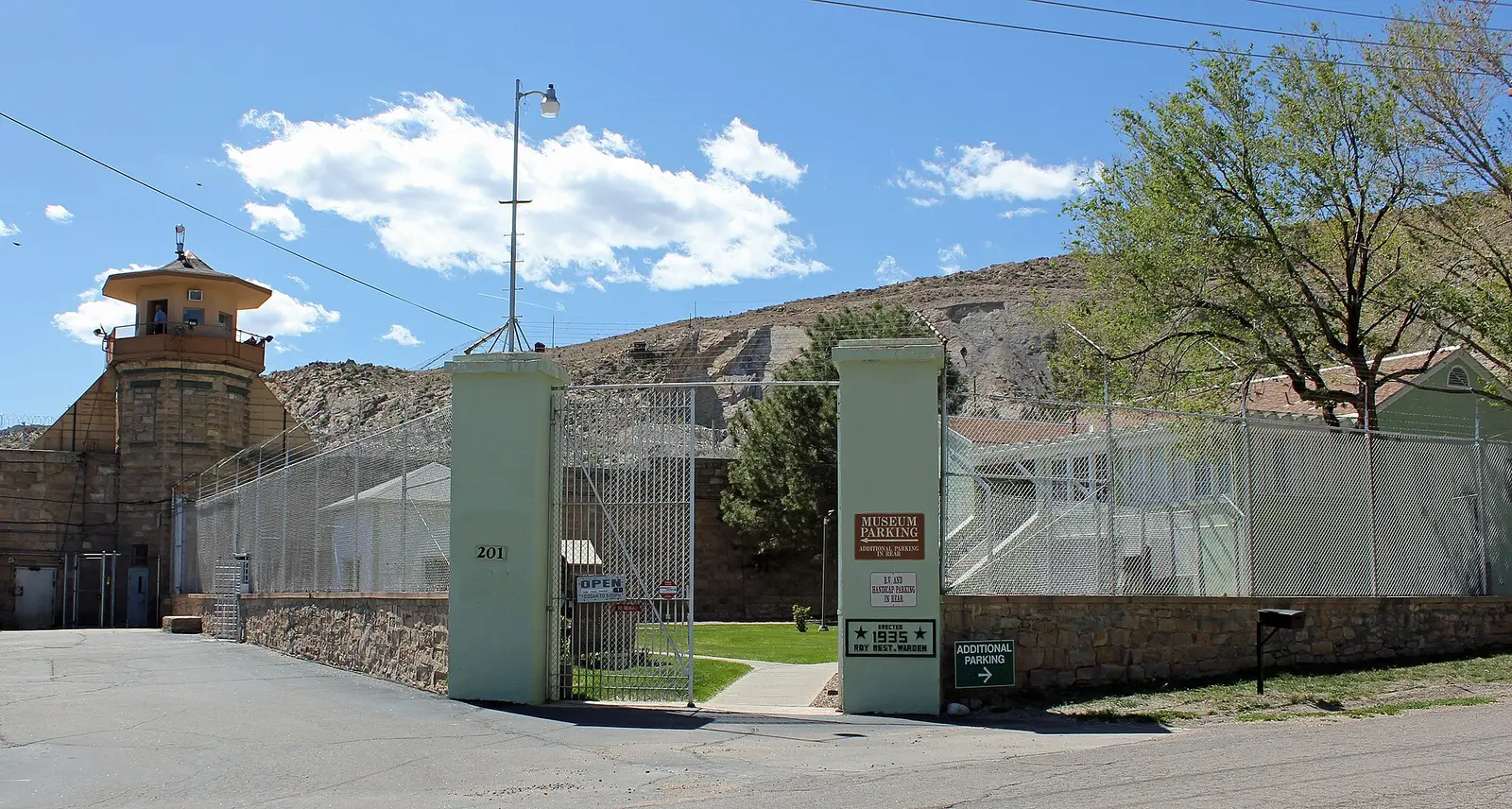
The Museum of Colorado Prisons occupies Colorado's 1935 women's prison, beside the still-operating Territorial Correctional Facility in Cañon City.
Documented AccountsOpen to visitors