Haunted Places USA

Haunted Places in Savannah

The stories, the history and the evidence behind 7 haunted places in Savannah, Georgia, from cemeteries to hotels and inns.

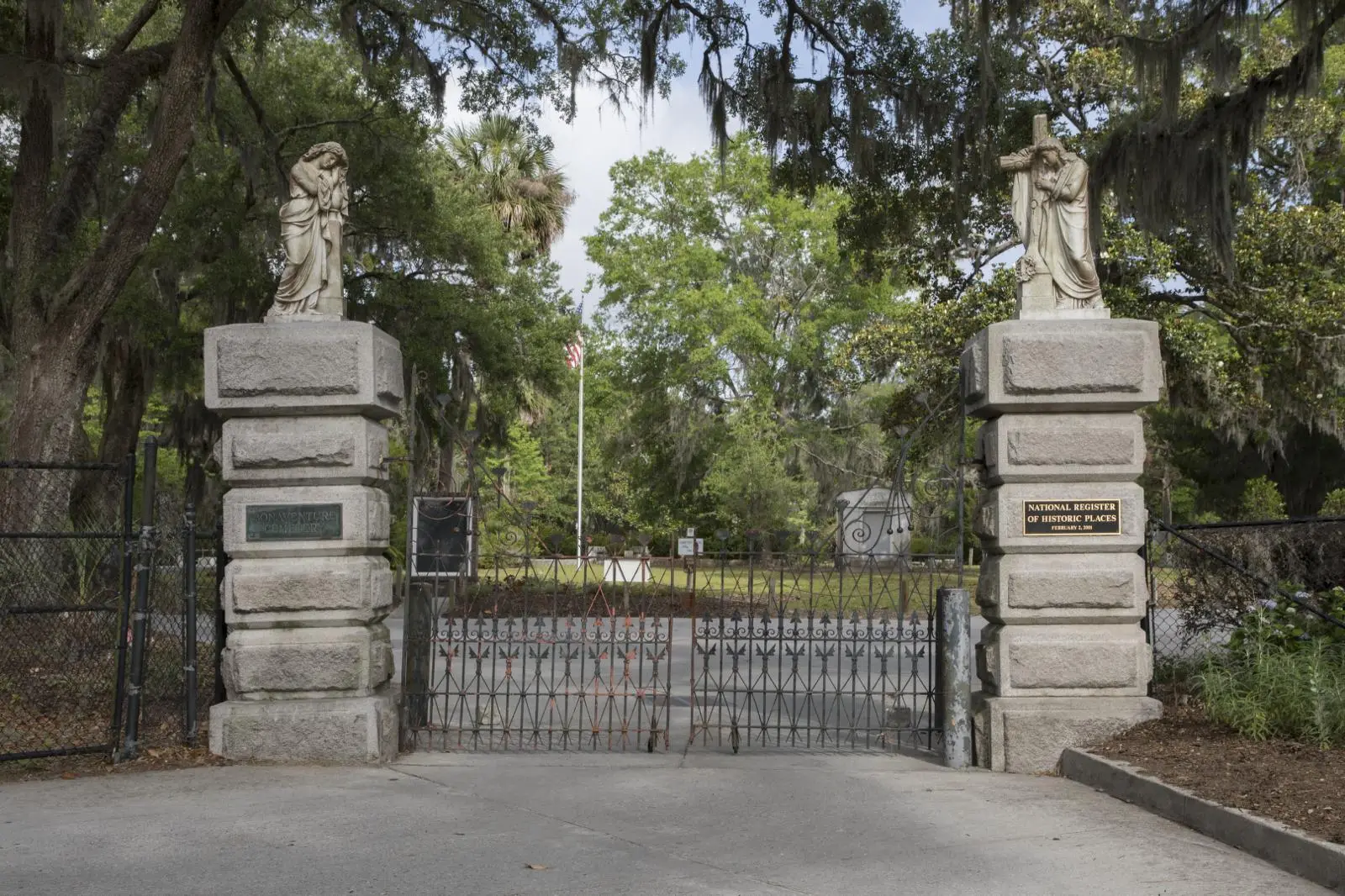
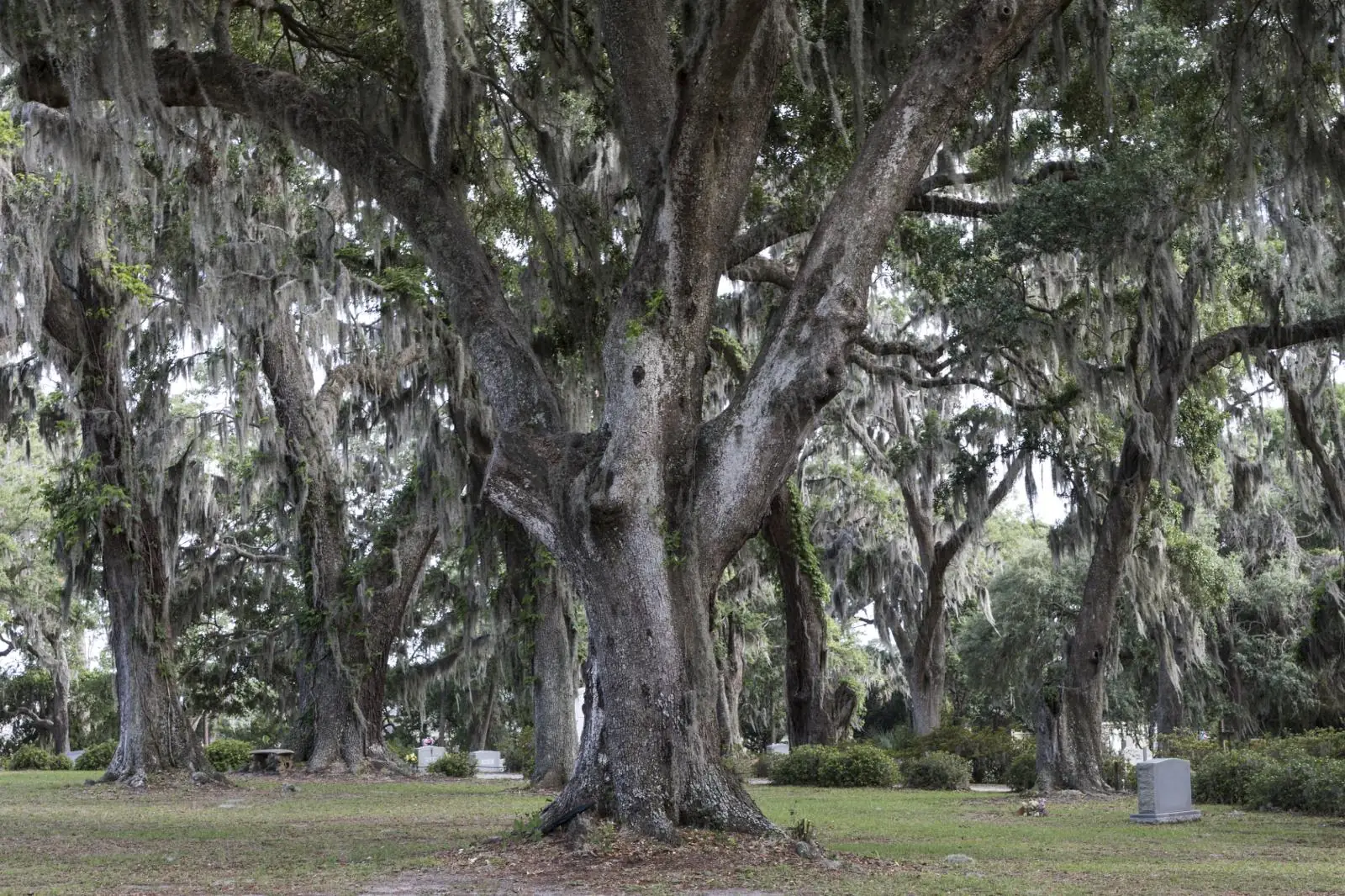
Photo: Bonaventure Cemetery, Savannah, Georgia, Carol M. Highsmith, Library of Congress

  • 7 researched places3 cemeteries, 3 historic houses and mansions and 1 hotel.
  • Documented accounts and legends4 with a traceable account of an experience; 3 resting on legend or unnamed reports so far.
  • Visit with respectAll can be visited, at least from outside.
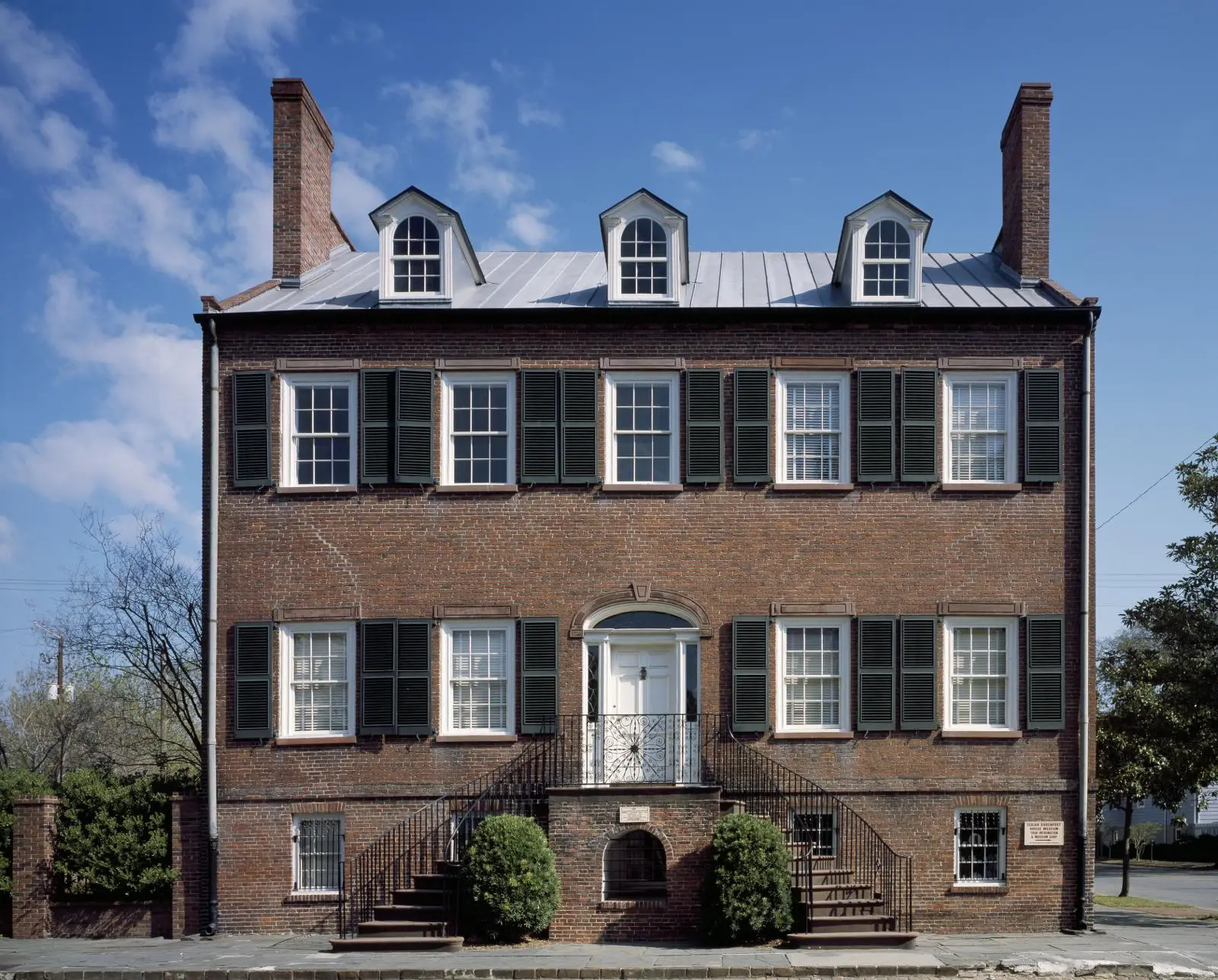
  • The front of the Davenport House: a symmetrical red-brick Federal house with green shutters, three dormers and a double iron-railed stair to the fanlit front door, under a blue sky.

    Historic house · Savannah, GA

    Davenport House Museum

    The Davenport House is the Federal-style home master builder Isaiah Davenport finished about 1820 on Columbia Square, built with the labor of men he enslaved.

    Documented AccountsTours only

    4 reported accounts · 7 sources

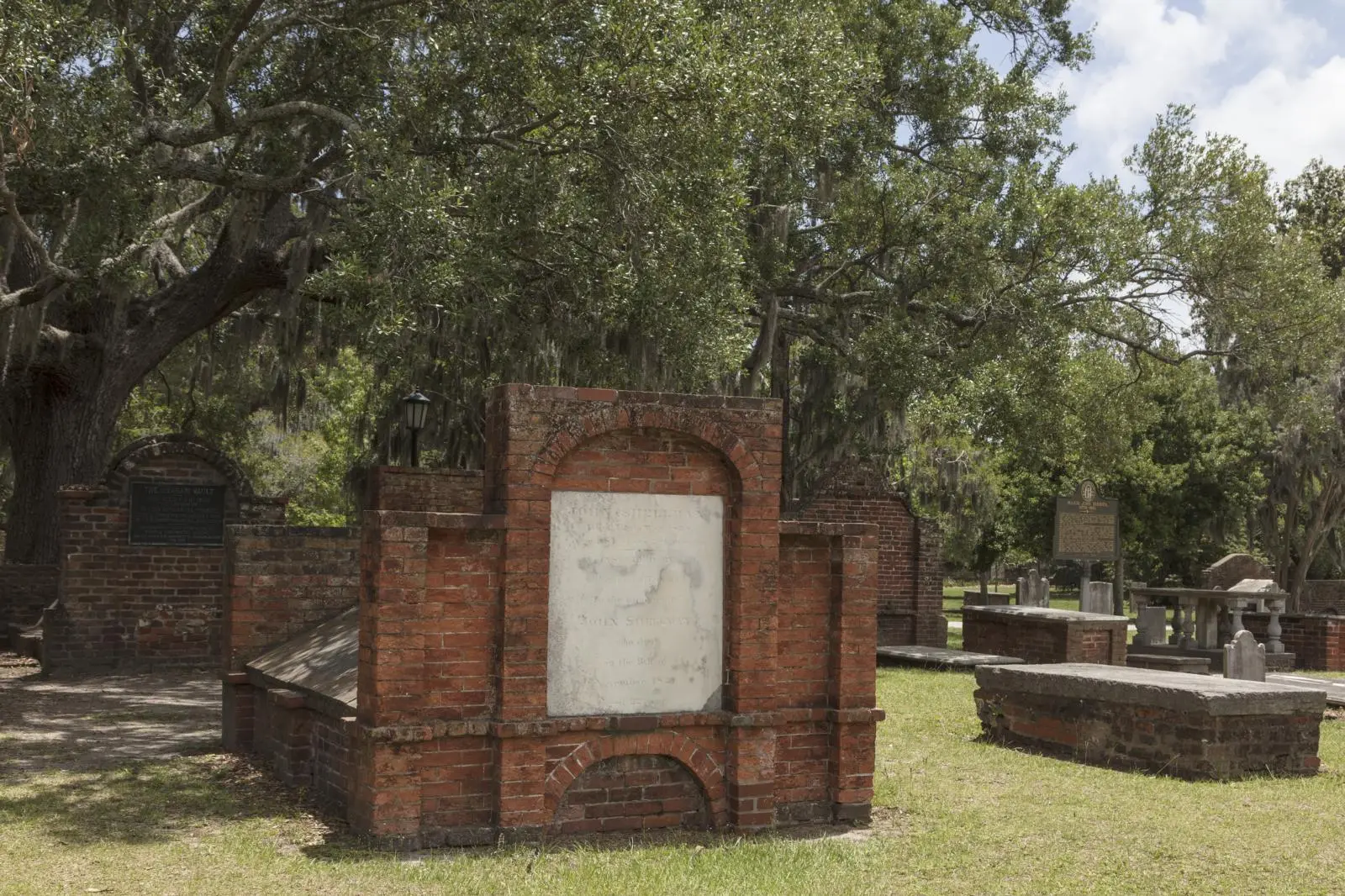
  • Brick box tombs and an arched brick vault with a weathered marble tablet in Colonial Park Cemetery, under live oaks hung with Spanish moss.

    Cemetery · Savannah, GA

    Colonial Park Cemetery

    Colonial Park Cemetery was Savannah's main burial ground from about 1750 to 1853 and holds more than 9,000 graves, most now unmarked.

    Documented AccountsOutside only

    2 reported accounts · 5 sources

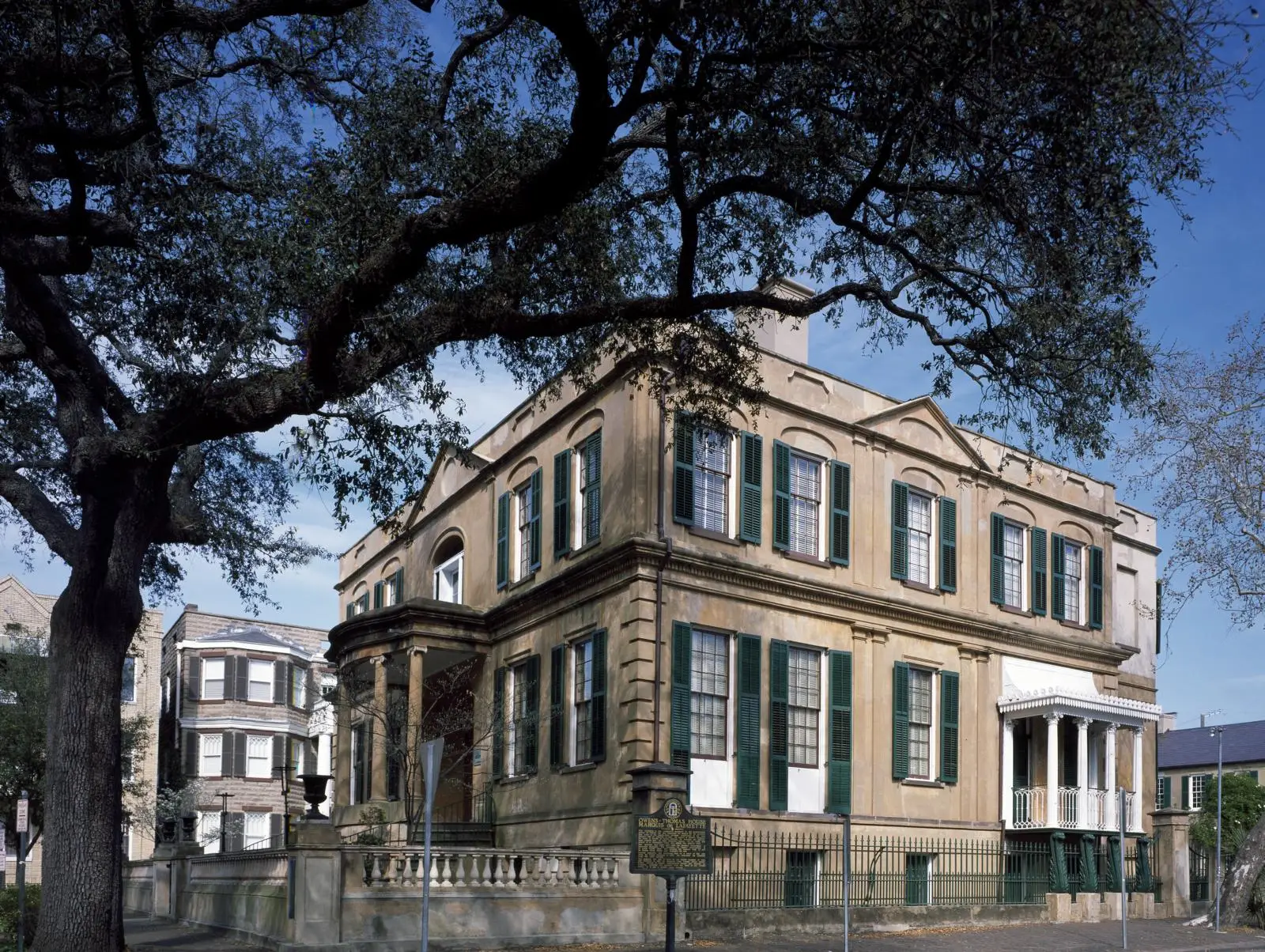
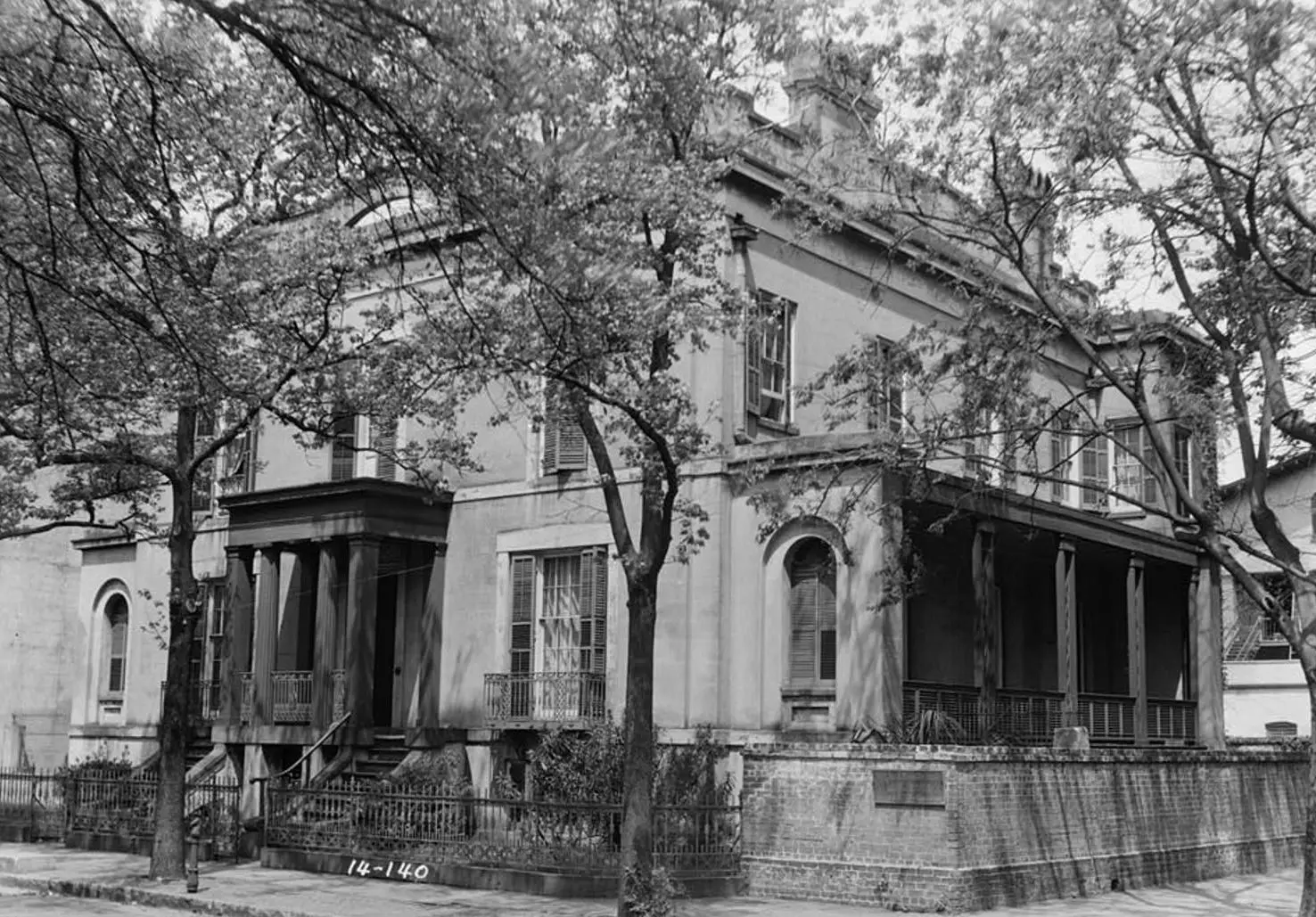
  • The Owens-Thomas House: a pale stuccoed Regency mansion with green shutters, a curved entrance portico and a cast-iron side balcony, framed by the branches of a live oak.

    Historic house · Savannah, GA

    Owens-Thomas House & Slave Quarters

    The Owens-Thomas House on Oglethorpe Square is a Regency mansion finished in 1819, with rare surviving urban slave quarters behind it.

    Documented AccountsTours only

    2 reported accounts · 6 sources

Explore all 7 places in Savannah

7 places

Savannah haunted places map

Private and sensitive places have no pin, by design.

Explore on the full map

Which haunted places in Savannah can you visit?

All of them, at least from outside. Check opening times and prices with each site before you go; we list how to visit, not hours or prices.

Open to visitors

1 place

Tours only

3 places

Outside only

3 places

Please be respectful. Many of these places are historic homes, working businesses or active places of remembrance. Follow access rules, take guided tours where they’re required, and never enter private property.

Savannah’s legends and history

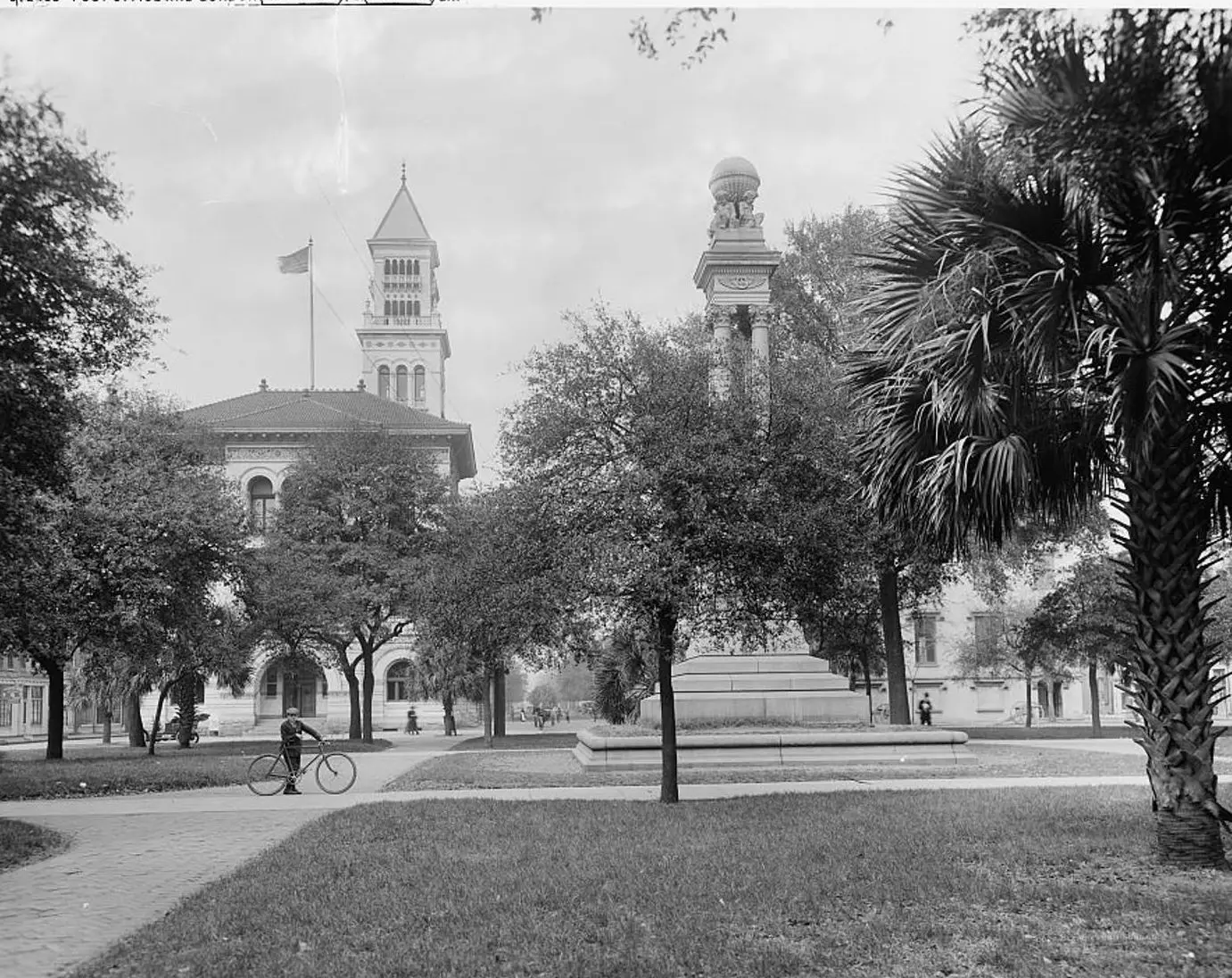
Most of our Savannah places sit among the city's squares. Wright Square on Bull Street is open to walk through, and because it holds Tomochichi's burial place and memorial boulder, we ask visitors to treat it as a grave site. Colonial Park Cemetery on Abercorn Street is now a city park open to pedestrians, and the Owens-Thomas House & Slave Quarters, also on Abercorn, stands on Oglethorpe Square. The Davenport House Museum is on Columbia Square and the Sorrel-Weed House on Madison Square.

The house museums treat ghost stories very differently. The Owens-Thomas House, run by Telfair Museums, and the Davenport House, run by Historic Savannah Foundation, are seen on guided tours and run no ghost tours; the Owens-Thomas tours center the lives of the people enslaved there. The Sorrel-Weed House is privately run and sells daytime history tours alongside nightly ghost tours and late-night paranormal investigations. After dark, commercial ghost tours also stop at Wright Square and Colonial Park Cemetery, although the cemetery itself keeps daytime hours. We treat what these tours tell as leads, not evidence.

Bonaventure Cemetery, Savannah's largest city cemetery, lies away from the squares, east of the city. It is a working burial ground open daily, private companies run ghost and night tours there, and the Bonaventure Historical Society asks visitors to leave nothing at Gracie Watson's grave.
Guides that mention Savannah

Within reach of Savannah

We rate the reports, not the ghosts.

Every place here is researched from historical records, published accounts and sources you can check, with a clear assessment of the evidence and its limits.

Our research methodology