← Savannah Bonaventure Cemetery
Bonaventure Cemetery
History and legends
Savannah, Georgia
Bonaventure is Savannah's largest city cemetery, laid out from 1846 on the former Tattnall family plantation.
What do we know about Bonaventure Cemetery?
The ghost stories are another matter. Every version we found is unattributed legend, retold by a ghost encyclopedia, tour companies and listicles. We found no named person who says they experienced anything; the one named local writer quoted on the subject says she passes Gracie's grave several times a week and has never seen the statue cry. The legends are part of the place's reputation, not evidence of anything.
Our rating of the reports about Bonaventure Cemetery: Unverified. A haunted reputation or legend, but no traceable account of an experience so far. The rating describes the evidence for the reports, not whether the place is haunted.
- Reported accounts
- 2
- Counted for the rating
- 0
- Research sources
- 8
Counted for the rating: independent accounts we could trace to a witness. Retellings of the same story count once, and staff passing on what visitors said aren’t counted. How we count
Reported experiences don’t establish a supernatural cause.
Read our evidence assessment →The hauntings
Accounts, encounters and stories associated with Bonaventure Cemetery.
What has been reported?
- Voices
- Apparitions
- Footsteps
Phenomena described in accounts associated with this location — not independently verified events.
Reported experiences
2 published and reported accounts, each assessed by its source.
Account 01 · April 25, 2022
Enocha Edenfield, 2022
Savannah Morning News writer Enocha Edenfield wrote that she walks past Gracie's grave several times a week and has never seen the statue cry. This is a report of nothing unusual, not an account of an experience.[5]
Published accountReported by Enocha Edenfield, Savannah Morning NewsNote: Not counted towards the tier.
Read full account ›
Savannah Morning News writer Enocha Edenfield wrote that she walks past Gracie's grave several times a week and has never seen the statue cry. This is a report of nothing unusual, not an account of an experience.[5]
Account 02
Ghost City Tours
A Savannah ghost-tour company says unnamed visitors report figures among the graves, faint voices, laughter and footsteps on the gravel, and a little girl near Gracie's statue.[8]
- Apparitions
- Voices
- Footsteps
No traceable witnessNote: No named witness or date; commercial tour marketing.
Read full account ›
A Savannah ghost-tour company says unnamed visitors report figures among the graves, faint voices, laughter and footsteps on the gravel, and a little girl near Gracie's statue.[8]
Legends & disputed stories
Stories told about the place that the records don’t confirm.

- Legend
Legend says Gracie's statue weeps tears of blood if someone takes one of the gifts left for her, and that her marble cheeks are warm on cold winter nights when the moon is full.[6][7][5]
What the research shows: No witness is named in any version we found.
- Legend
A legend retold in a ghost encyclopedia says the plantation house burned during a dinner party, and that laughter and the clatter of dishes are heard where it stood; the same retelling describes a pack of phantom dogs that chase visitors.[6]
What the research shows: The National Register records the house burning in 1771 and 1800 but says nothing about a dinner party. No witnesses are named.
Before you go

Planning a visit?
Outside only
You can see it from public land; the inside isn’t open.
Access details ›
A working city cemetery, open daily during set hours; check the City of Savannah's cemetery page for current hours. It is an active burial ground, so please be respectful of graves and funerals. The Bonaventure Historical Society asks visitors to leave nothing at Gracie Watson's grave. Commercial ghost and night tours are run by private companies; their marketing is not evidence.
Entry
Cost not confirmed
Access last checked November 19, 2026. Confirm times and prices before you travel.
Approximate location, within about 1 km.
The history of Bonaventure Cemetery
Bonaventure is Savannah's largest city cemetery, laid out from 1846 on the former Tattnall family plantation. Its legends center on the 1890 marble statue of six-year-old Gracie Watson, said to weep if her gifts are taken, a plantation dinner party said to be heard after a fire, and phantom dogs. No named witness reports any of them. The cemetery is open daily.
- Established
- 1846–1917
- Also known as
- Bonaventure Plantation
A plantation called Bonaventure
Bonaventure was a colonial plantation on a bluff over what is now the Wilmington River, about three miles from Savannah. Englishman John Mullryne settled it in the mid-1700s, and his daughter Mary married Josiah Tattnall in 1761. The plantation house burned in 1771 and, after it was rebuilt, again in 1800. In 1779, during the siege of Savannah, French troops set up a hospital camp here, and many wounded men who died there are probably buried in graves whose places are unknown.
The Mullrynes and Tattnalls were Loyalists and were banished in 1782, but Josiah Tattnall Jr. bought the land back in 1785 and later served as governor of Georgia. He and his wife were buried in the family burial ground, which survives inside the cemetery.
From plantation to city cemetery
In 1846 Peter Wiltberger bought the 600-acre plantation and dedicated 70 acres to a private cemetery in the rural cemetery style. His son formed the Evergreen Cemetery Company in 1868, and in 1907 the City of Savannah bought the cemetery and renamed it Bonaventure. A Jewish section was added in 1909 and a Jewish chapel built in 1917. The cemetery, now 160 acres, was listed on the National Register in 2001. Songwriter Johnny Mercer and poet Conrad Aiken are buried here.
Little Gracie
Gracie Watson, whose parents ran the Pulaski House hotel, died of pneumonia in April 1889, a few days before Easter, aged six. Sculptor John Walz carved the life-size marble statue that marks her grave. The Bonaventure Historical Society fenced it in 1999 because visitors were damaging it.
The legends say the statue cries tears of blood if someone takes one of the gifts left for her, and that her cheeks are warm on cold winter nights under a full moon. A Savannah Morning News writer who passes the grave several times a week wrote that she has never seen it cry.
Other legends
A ghost encyclopedia retells a story that the plantation house burned during a dinner party, and that laughter and the clatter of dishes are heard where it stood. The National Register records the house burning twice but says nothing of a dinner party. The same retelling describes a pack of phantom dogs that chase visitors. A Savannah ghost-tour company says visitors report figures, voices and footsteps, without naming anyone.
Through the years
1753–1762
Bonaventure Plantation founded
Bonaventure was a colonial plantation of about 600 acres on a bluff over the river east of Savannah, settled by Englishman John Mullryne; when his daughter Mary married Josiah Tattnall in 1761, live oak avenues were planted on the estate.[1][2]
Caveat: The National Register nomination says Mullryne settled the land in 1753; The Cultural Landscape Foundation gives 1762.
1771
Plantation house burns
The plantation house burned in 1771 and, after being rebuilt, burned again in 1800; archaeological traces of it have been found in Section F of the cemetery.[1]
1779
French hospital camp
During the siege of Savannah in 1779, French troops used Bonaventure as a hospital camp; many wounded men who died there are probably buried in unmarked graves whose locations are unknown.[1]
1782–1803
1782–1803
Loyalists John Mullryne and Josiah Tattnall were banished and their property confiscated in 1782; Josiah Tattnall Jr. bought Bonaventure back in 1785, became governor of Georgia in 1801 and was buried in the family burial ground after his…
Read more ›
Loyalists John Mullryne and Josiah Tattnall were banished and their property confiscated in 1782; Josiah Tattnall Jr. bought Bonaventure back in 1785, became governor of Georgia in 1801 and was buried in the family burial ground after his death in 1803. That burial ground is now Section E, Lot 1 of the cemetery.[1]
1846–1910
Wiltberger opens the cemetery
In 1846 Peter Wiltberger bought the 600-acre plantation from Commodore Josiah Tattnall III and dedicated 70 acres as a private cemetery; his son William formed the Evergreen Cemetery Company in 1868, and the City of Savannah bought the…
Read more ›
In 1846 Peter Wiltberger bought the 600-acre plantation from Commodore Josiah Tattnall III and dedicated 70 acres as a private cemetery; his son William formed the Evergreen Cemetery Company in 1868, and the City of Savannah bought the cemetery in 1907, renamed it Bonaventure and enlarged it to 160 acres with a Jewish section added in 1909–1910.[1][3][2]
Caveat: The city's page describes the cemetery as over 100 acres; the nomination gives 160.
1889
Gracie Watson dies
Gracie Watson, daughter of the managers of the Pulaski House hotel, died of pneumonia in April 1889 aged six; sculptor John Walz carved the life-size marble statue on her grave, commissioned by her father, and the Bonaventure Historical…
Read more ›
Gracie Watson, daughter of the managers of the Pulaski House hotel, died of pneumonia in April 1889 aged six; sculptor John Walz carved the life-size marble statue on her grave, commissioned by her father, and the Bonaventure Historical Society fenced the grave in 1999 because visitors were damaging it.[1][5]
1994
Midnight in the Garden of Good and Evil
A photograph of the cemetery's Bird Girl statue on the cover of John Berendt's 1994 book Midnight in the Garden of Good and Evil brought crowds of visitors; the statue was later moved to a museum, and by…
2001
Listed on the National Register
Bonaventure was listed on the National Register of Historic Places in 2001 as an example of the rural cemetery movement; those buried there include songwriter Johnny Mercer and poet Conrad Aiken.[1][4]
Caveat: The Cultural Landscape Foundation calls it a National Historic Landmark; the NPS record shows a National Register listing.
The research conclusion

Why it has this rating
Every story (the weeping statue of a six-year-old, a phantom dinner party, ghostly dogs) is unattributed; the only named writer says she has never seen the statue cry.
Read the full written assessment ›
The cemetery's history is well recorded in its National Register nomination: the plantation, the two fires that destroyed the house, the French hospital camp of 1779, Wiltberger's cemetery, the city purchase and John Walz's statue of Gracie Watson.
The ghost stories are another matter. Every version we found is unattributed legend, retold by a ghost encyclopedia, tour companies and listicles. We found no named person who says they experienced anything; the one named local writer quoted on the subject says she passes Gracie's grave several times a week and has never seen the statue cry. The legends are part of the place's reputation, not evidence of anything.
The sources behind the story
8 research references support this entry.

1National Park Service (NPGallery); prepared by the Georgia Historic Preservation DivisionNational Register of Historic Places Registration Form: Bonaventure Cemetery (ref. 01000035) Register or nomination · Reference 01
Kenneth H. Thomas Jr. (historian), from drafts by Jonna Wensel, Savannah College of Art and Design, National Register of Historic Places Registration Form: Bonaventure Cemetery (ref. 01000035). National Park Service (NPGallery); prepared by the Georgia Historic Preservation Division, 2000-12-07.
Text-searchable nomination (form dated December 7, 2000; NPGallery record dated February 2, 2001). Authoritative on the plantation (settled by John Mullryne in 1753), the house fires of 1771 and 1800, the 1779 French hospital camp, the Tattnall family burial ground, Wiltberger's 1846 purchase, the 1868 Evergreen Cemetery Company, the 1907 city purchase, the 1909 Jewish section and 1917 chapel, notable burials, John Walz and the Gracie Watson statue, and UTM references used for the map point. Says nothing about ghosts and, in what we read, nothing about the people enslaved on the plantation.
Accessed November 17, 2026.
2The Cultural Landscape FoundationBonaventure Cemetery Website · Reference 02
Bonaventure Cemetery. The Cultural Landscape Foundation.
Landscape history summary: gives 1762 for Mullryne's plantation, the live oak avenues, Wiltberger's 1846 purchase, the 1850 layout by James H. Rion, the 1907 city purchase and the 1994 'Midnight in the Garden of Good and Evil' cover. Its statement that the cemetery became a National Historic Landmark in 2001 conflicts with the NPS record, which shows a National Register listing.
Accessed November 17, 2026.
3City of Savannah, Department of CemeteriesBonaventure Cemetery Official or site history · Reference 03
Bonaventure Cemetery. City of Savannah, Department of Cemeteries.
Official page: former plantation, private cemetery from 1846, public from 1907, over 100 acres, daily hours and the 330 Bonaventure Rd address. It mentions local folklore as part of the draw but tells no ghost stories, and says nothing about admission charges.
Accessed November 17, 2026.
4National Park ServiceNPGallery asset record: Bonaventure Cemetery (NRIS 01000035) Register or nomination · Reference 04
NPGallery asset record: Bonaventure Cemetery (NRIS 01000035). National Park Service, 2001-02-02.
Catalog record giving the NRIS number, the address (Bonaventure Rd., 1 mile north of US 80) and a published date of February 2, 2001; it does not state a separate listing date.
Accessed November 17, 2026.
5Savannah Morning News (via Yahoo News)Boo Business: Little Gracie Watson is a small figure with a big story in Bonaventure Cemetery Newspaper · Reference 05
Enocha Edenfield, Boo Business: Little Gracie Watson is a small figure with a big story in Bonaventure Cemetery. Savannah Morning News (via Yahoo News), 2022-04-25.
Local newspaper feature checking the Gracie legend against records: her 1889 obituary, her parents and the Pulaski House, the Walz statue, and the Bonaventure Historical Society's 1999 fence. Treats the tears and good-luck stories as lore and says the author has never seen the statue cry.
Accessed November 17, 2026.
6Occult WorldBonaventure Cemetery – Savannah Website · Reference 06
Bonaventure Cemetery – Savannah. Occult World, 2017-08-03.
Ghost site reproducing an entry it attributes to Jeff Belanger (ed.), Encyclopedia of Haunted Places (2005), which we could not access. Source of the dinner-party, tears-of-blood and ghost-dog legends; names no witnesses and misspells Gracie's surname as Watkins. Used only as the place the legends were published.
Accessed November 17, 2026.
7CBS News (Sunday Morning)The ghostly beauty of Savannah's Bonaventure Cemetery Television or radio · Reference 07
The ghostly beauty of Savannah's Bonaventure Cemetery. CBS News (Sunday Morning), 2017-10-29.
TV feature presented by Martha Teichner. Repeats the warm-cheeks legend as legend and gives visitor numbers (about 250,000 a year) and the move of the Bird Girl statue to a museum. No witness accounts.
Accessed November 17, 2026.
8Ghost City ToursThe Ghosts and Hauntings of Bonaventure Cemetery Website · Reference 08
Tim Nealon, The Ghosts and Hauntings of Bonaventure Cemetery. Ghost City Tours.
Ghost-tour company page by its founder. Says unnamed visitors report figures, voices, laughter, footsteps and a girl near Gracie's statue; names no witness and gives no dates. Commercial marketing, not evidence.
Accessed November 17, 2026.
More haunted places
Explore nearby
Historic house
Sorrel-Weed House
Savannah, Georgia · 3.1 miles away · Tours only
Hotel
The Marshall House
Savannah, Georgia · 3.6 miles away · Open to visitors
Historic house
Davenport House Museum
Savannah, Georgia · 3.6 miles away · Tours only
Historic house
Owens-Thomas House & Slave Quarters
Savannah, Georgia · 3.6 miles away · Tours only
Similar places
Also a cemetery · also reported: footsteps
Cemetery · Springfield, IL
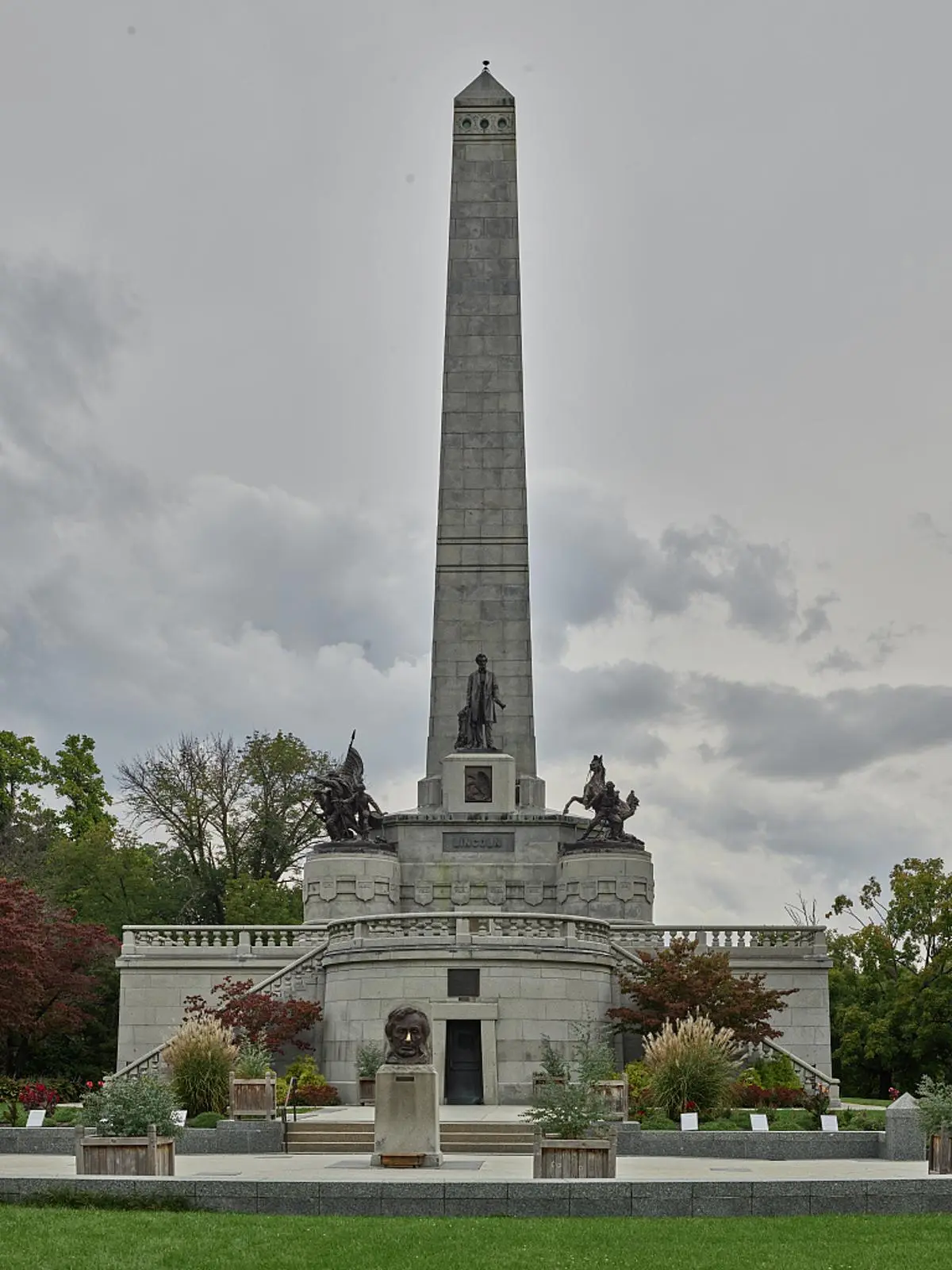
Lincoln Tomb State Historic Site
Lincoln Tomb in Springfield's Oak Ridge Cemetery is the burial place of Abraham Lincoln, Mary Lincoln and three of their sons, dedicated in 1874.
UnverifiedOpen to visitorsAlso a cemetery
Cemetery · Savannah, GA
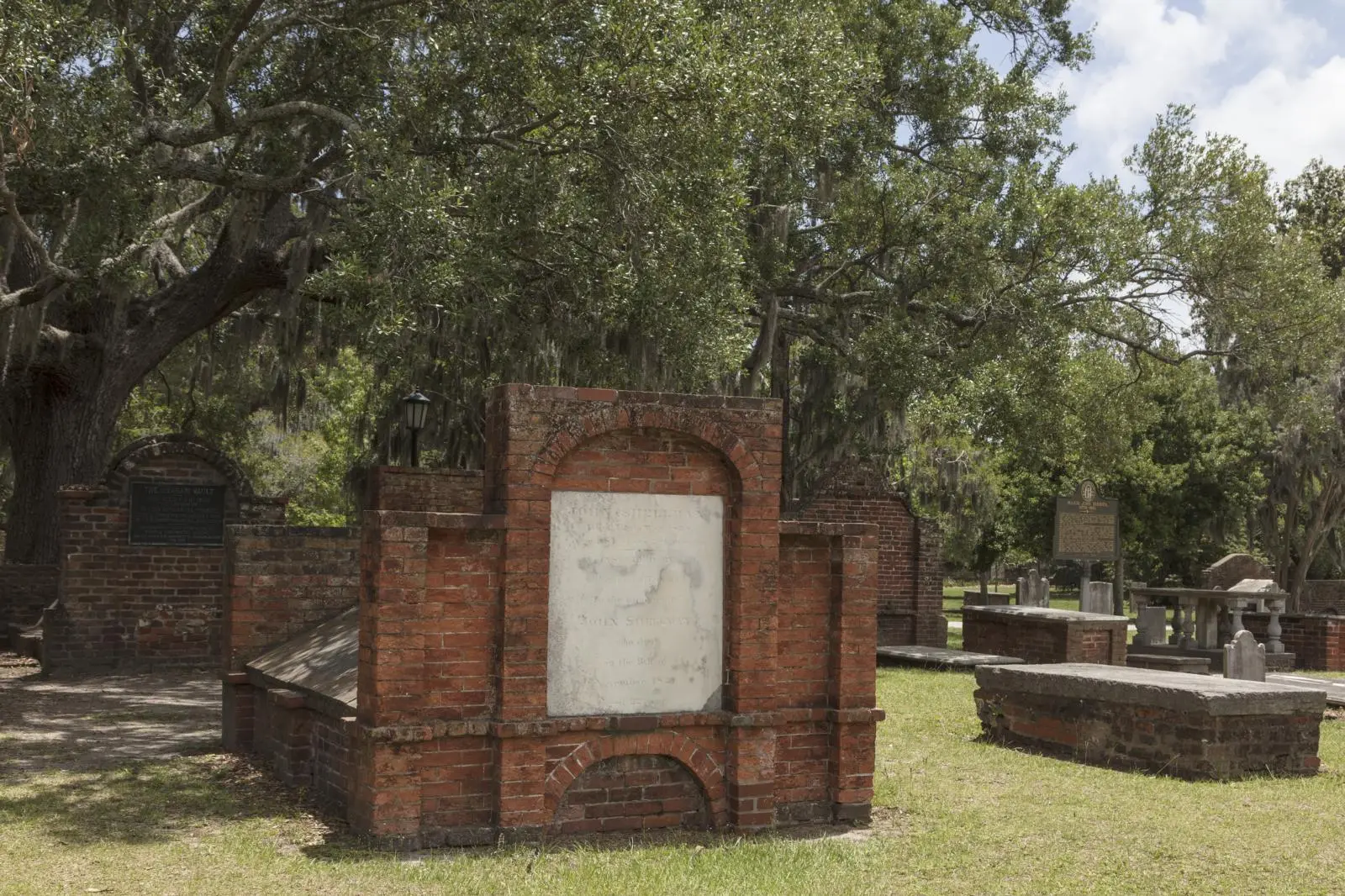
Colonial Park Cemetery
Colonial Park Cemetery was Savannah's main burial ground from about 1750 to 1853 and holds more than 9,000 graves, most now unmarked.
Documented AccountsOutside onlyAlso a cemetery
Cemetery · Savannah, GA
Wright Square
Wright Square, laid out in 1733, is where Tomochichi, the Yamacraw leader who helped found Georgia, was buried in 1739.
UnverifiedOutside onlyAlso a cemetery
Cemetery · Columbus, OH
Camp Chase Confederate Cemetery
Camp Chase Confederate Cemetery holds more than 2,000 Confederate prisoners who died at a Union prison camp in Columbus between 1861 and 1865.
Documented AccountsOutside only