Haunted Places USA

GeorgiaHaunted Places

The stories, the history and the evidence behind 11 haunted places in Georgia, from cemeteries to prisons and jails.

  • 11Researched places
  • 3Cities and towns
  • 7Place types
  • 5With traceable accounts
View on map

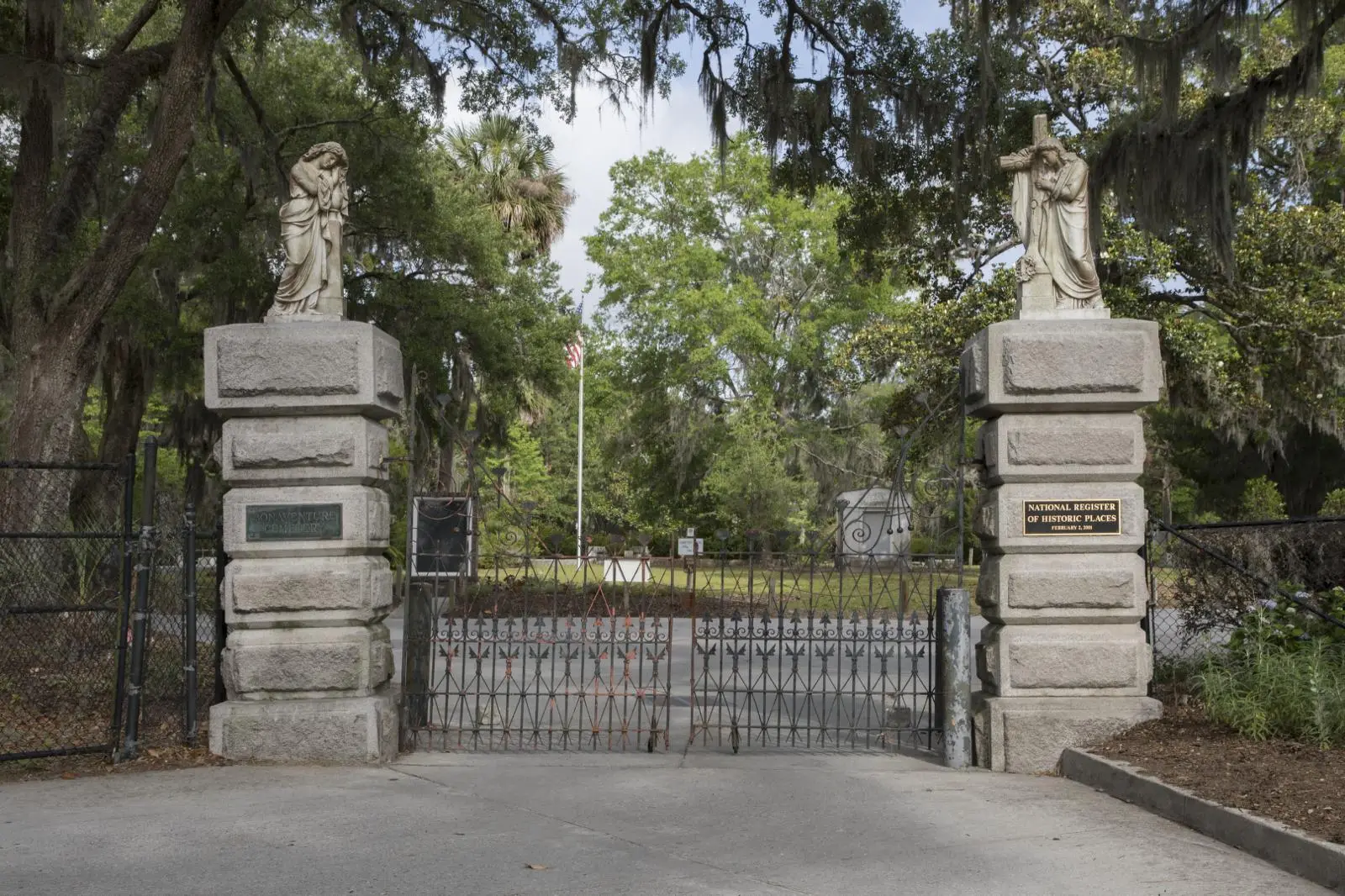
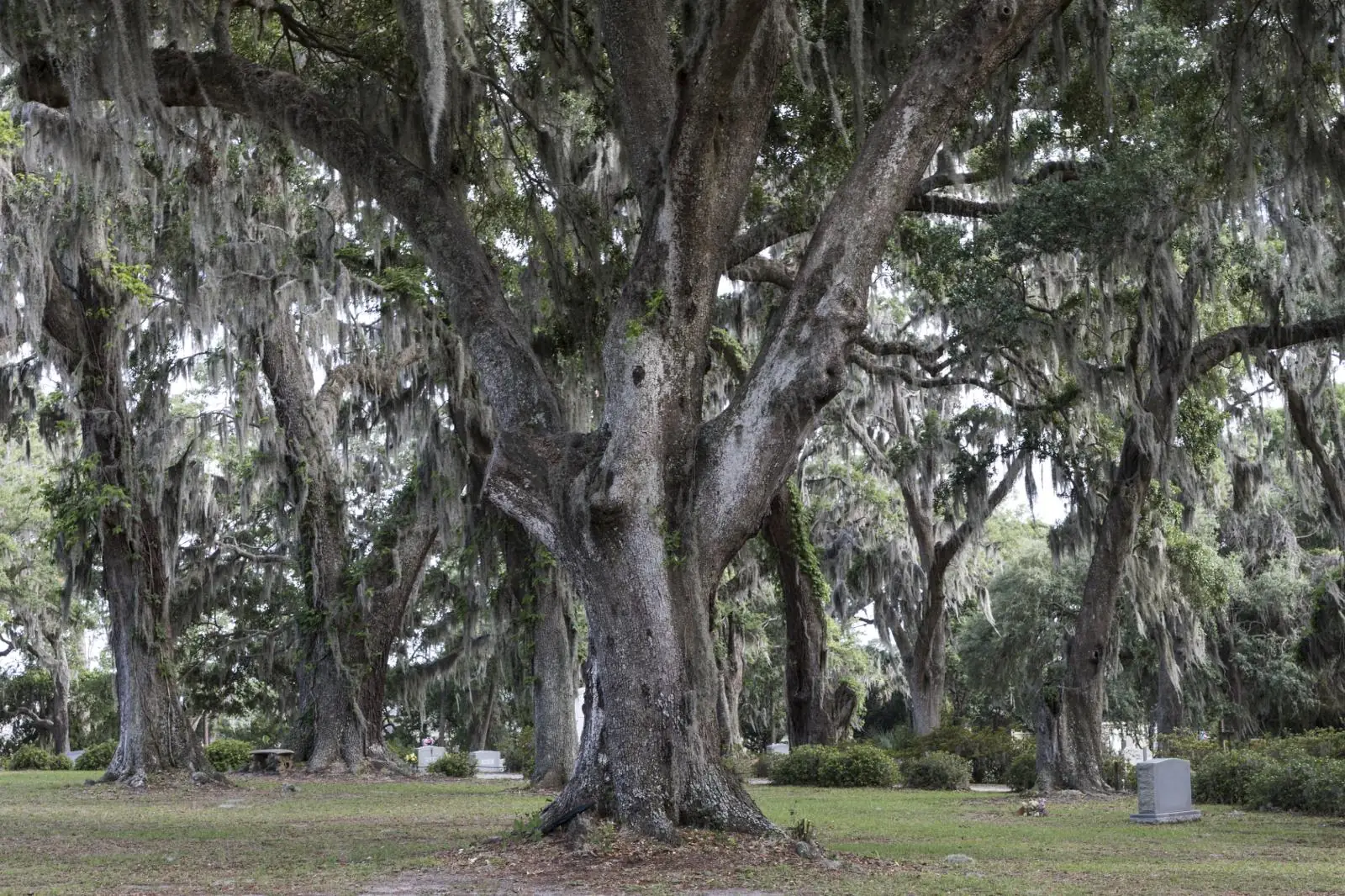
Photo: Bonaventure Cemetery, Savannah, Georgia, Carol M. Highsmith, Library of Congress

Featured haunted places in Georgia

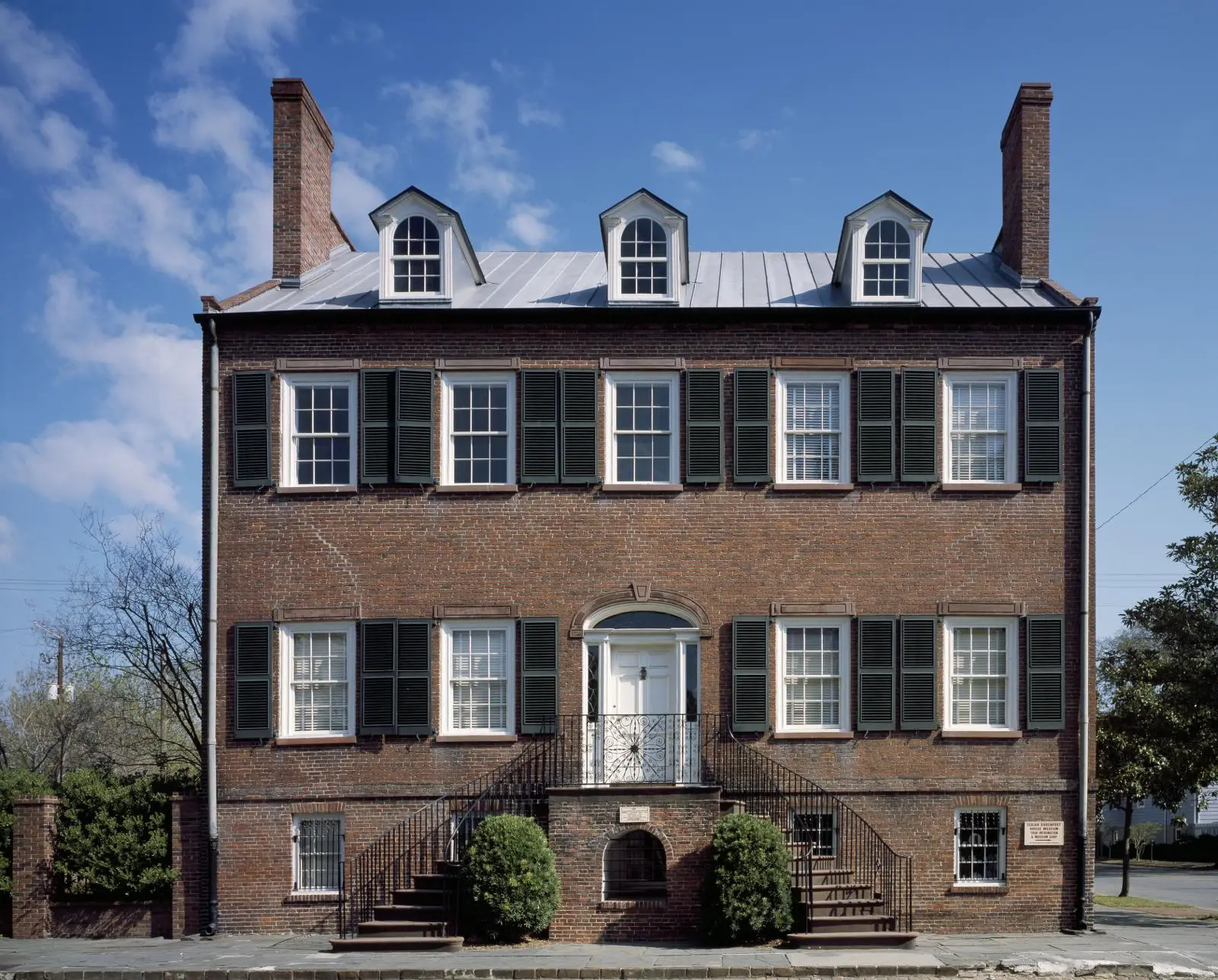
  • The front of the Davenport House: a symmetrical red-brick Federal house with green shutters, three dormers and a double iron-railed stair to the fanlit front door, under a blue sky.

    Historic house · Savannah, GA

    Davenport House Museum

    The Davenport House is the Federal-style home master builder Isaiah Davenport finished about 1820 on Columbia Square, built with the labor of men he enslaved.

    Documented AccountsTours only

    4 reported accounts · 7 sources

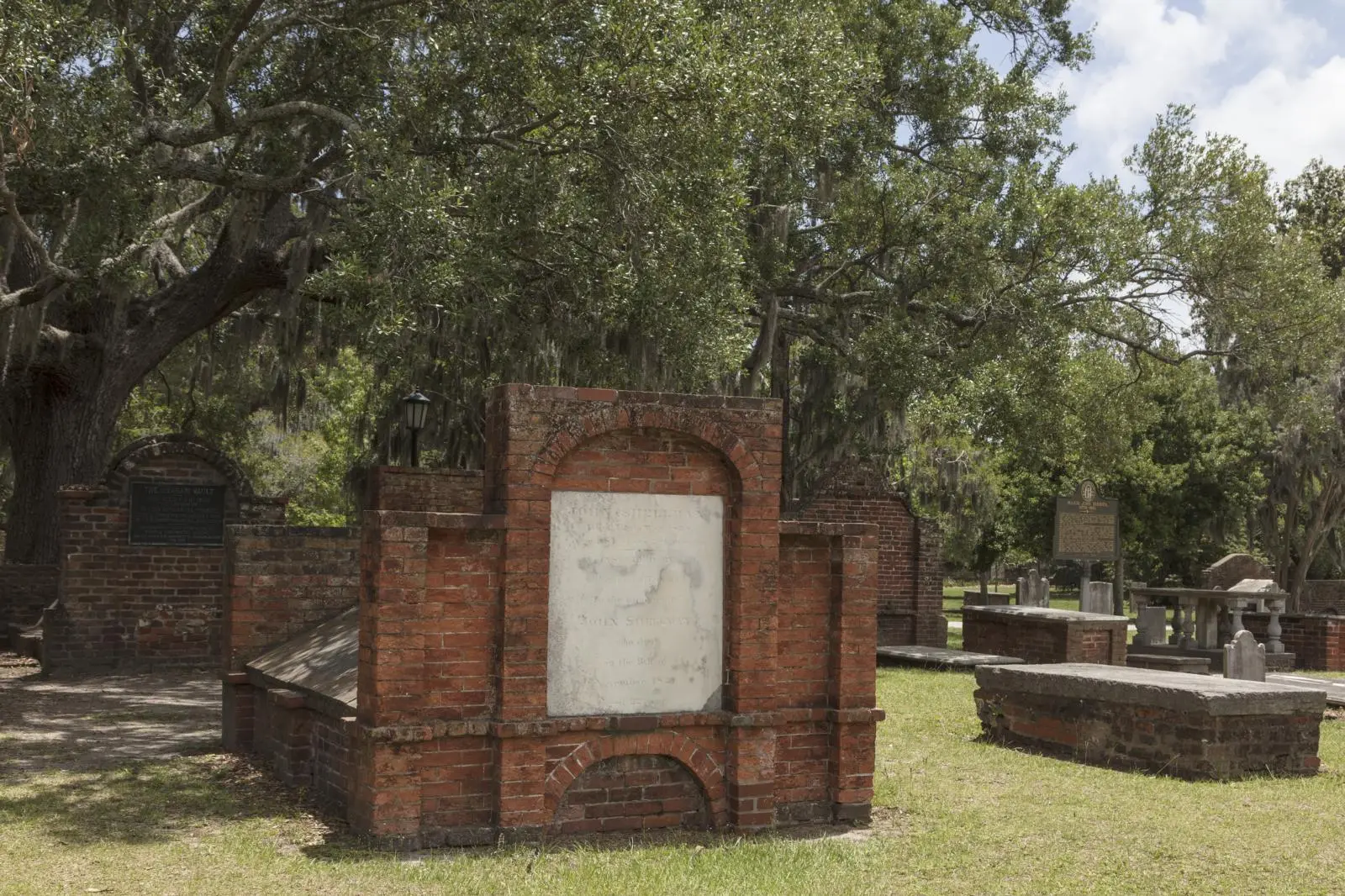
  • Brick box tombs and an arched brick vault with a weathered marble tablet in Colonial Park Cemetery, under live oaks hung with Spanish moss.

    Cemetery · Savannah, GA

    Colonial Park Cemetery

    Colonial Park Cemetery was Savannah's main burial ground from about 1750 to 1853 and holds more than 9,000 graves, most now unmarked.

    Documented AccountsOutside only

    2 reported accounts · 5 sources

Explore Georgia’s haunted places

11 places

Georgia haunted places map

Private and sensitive places have no pin, by design.

Explore on the full map

Which haunted places in Georgia can you visit?

All of them, at least from outside. Check opening times and prices with each site before you go; we list how to visit, not hours or prices.

Please be respectful. Many of these places are historic homes, working businesses or active places of remembrance. Follow access rules, take guided tours where they’re required, and never enter private property.

Georgia’s legends and history

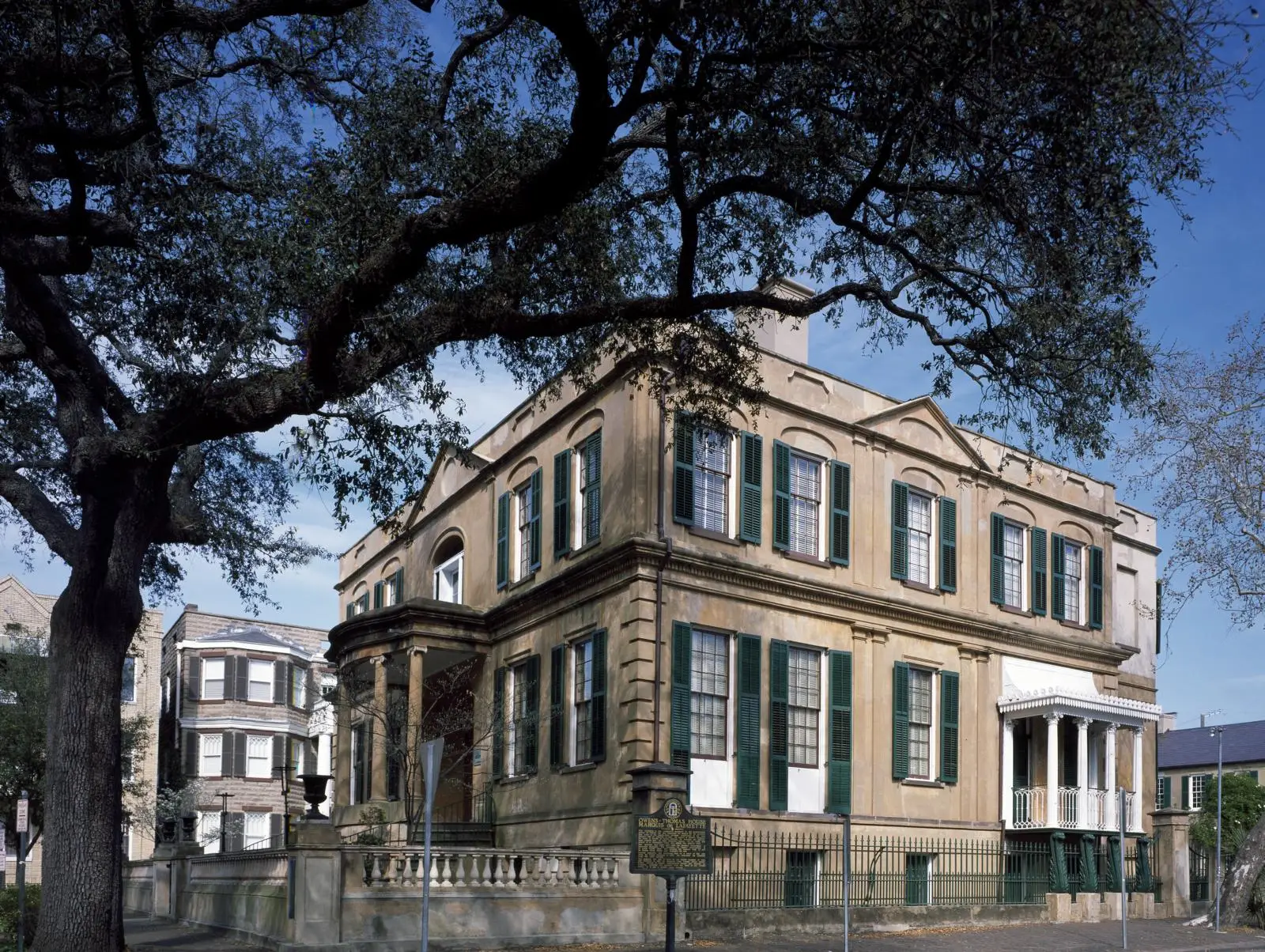
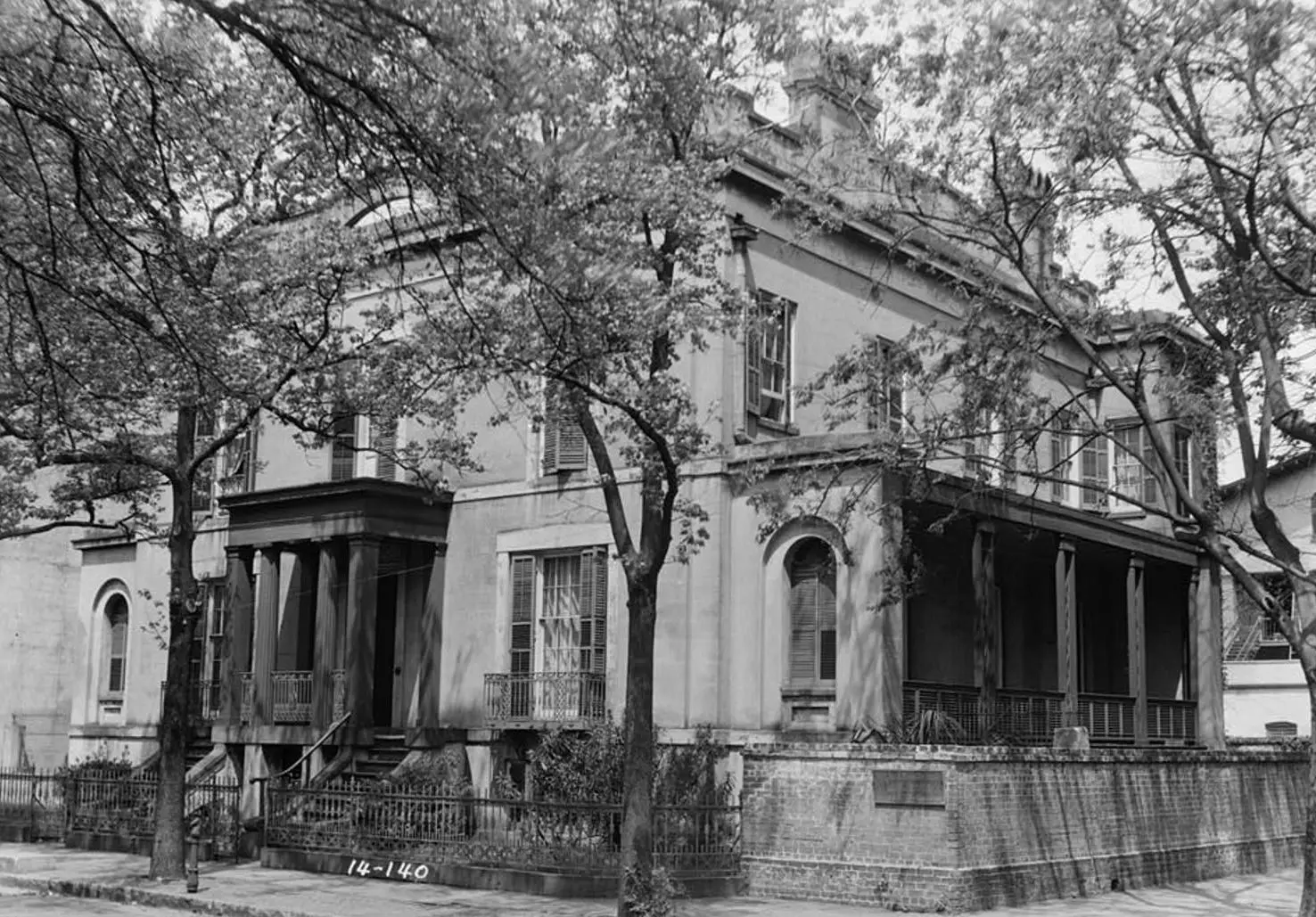
Georgia's history in our atlas starts in Savannah's squares. Wright Square, laid out in 1733, is where Tomochichi, the Yamacraw leader who helped found Georgia, was buried in 1739, and Colonial Park Cemetery was the city's main burial ground from about 1750 to 1853. Bonaventure Cemetery began as a colonial plantation on a bluff over the Wilmington River. The grand houses on the squares were built and run with enslaved labor: Isaiah Davenport built the Davenport House with the labor of men he enslaved, Francis Sorrel enslaved people who worked in the Sorrel-Weed House, and the Owens-Thomas House keeps rare urban slave quarters, where Telfair Museums tells the story of the people enslaved there.

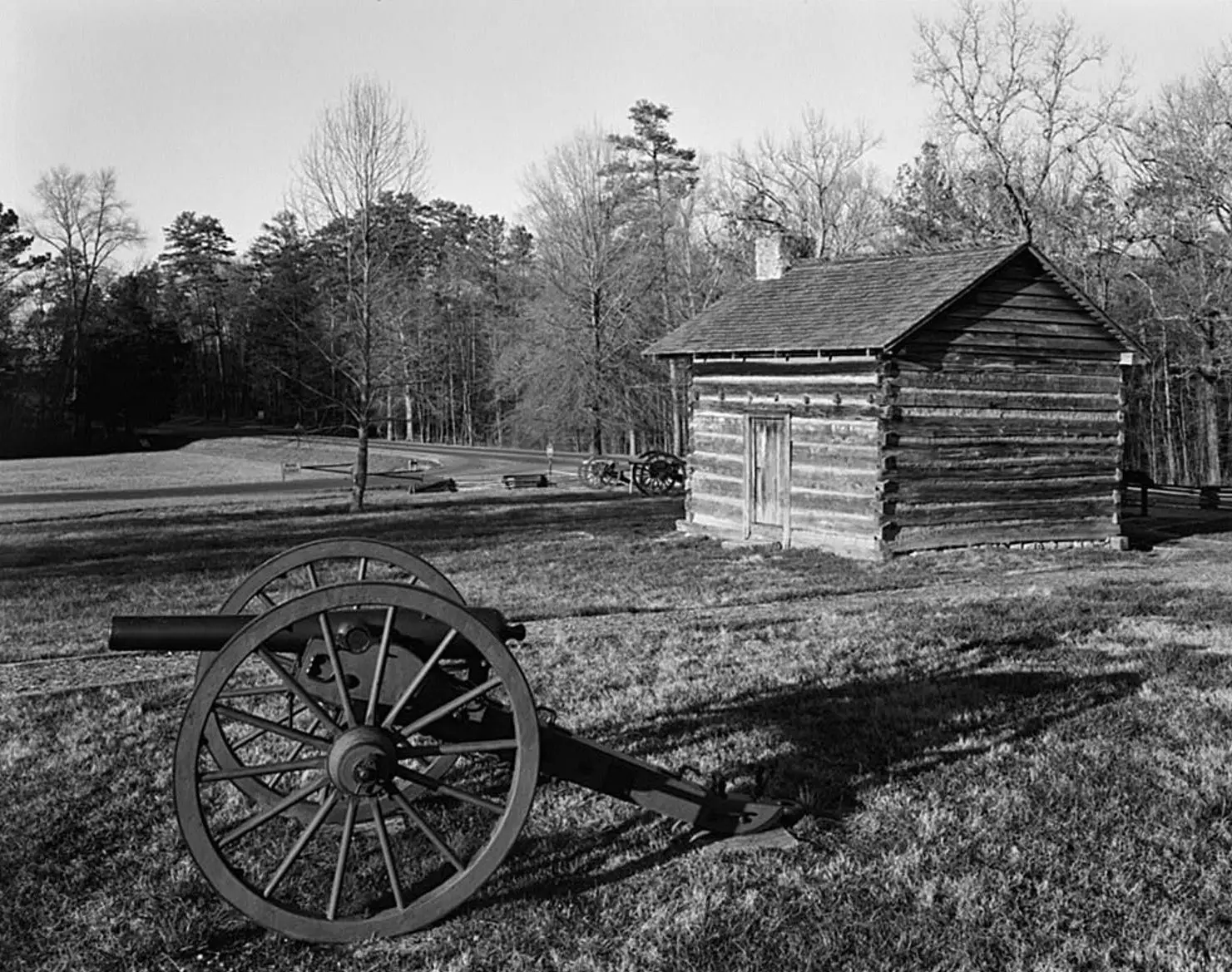
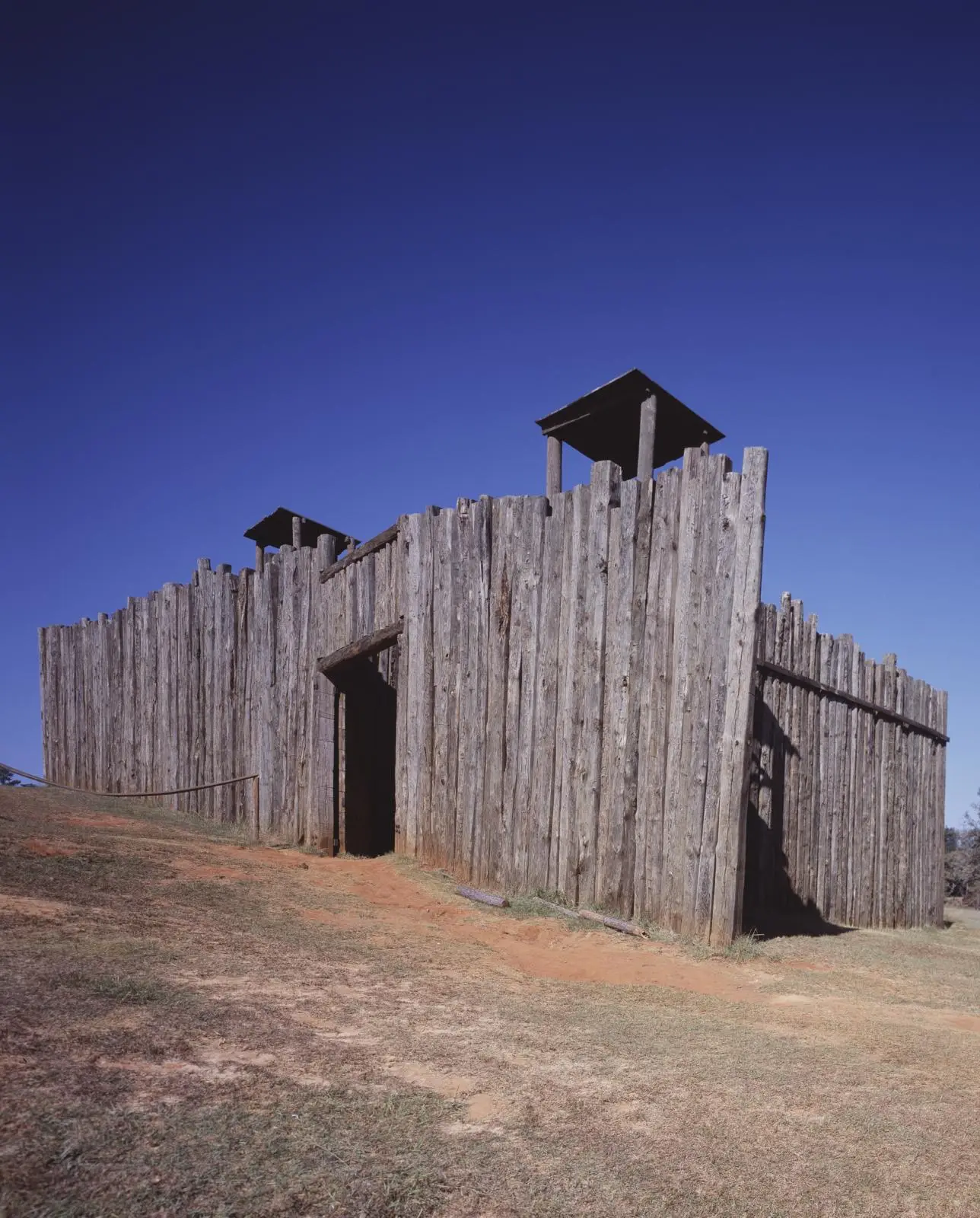
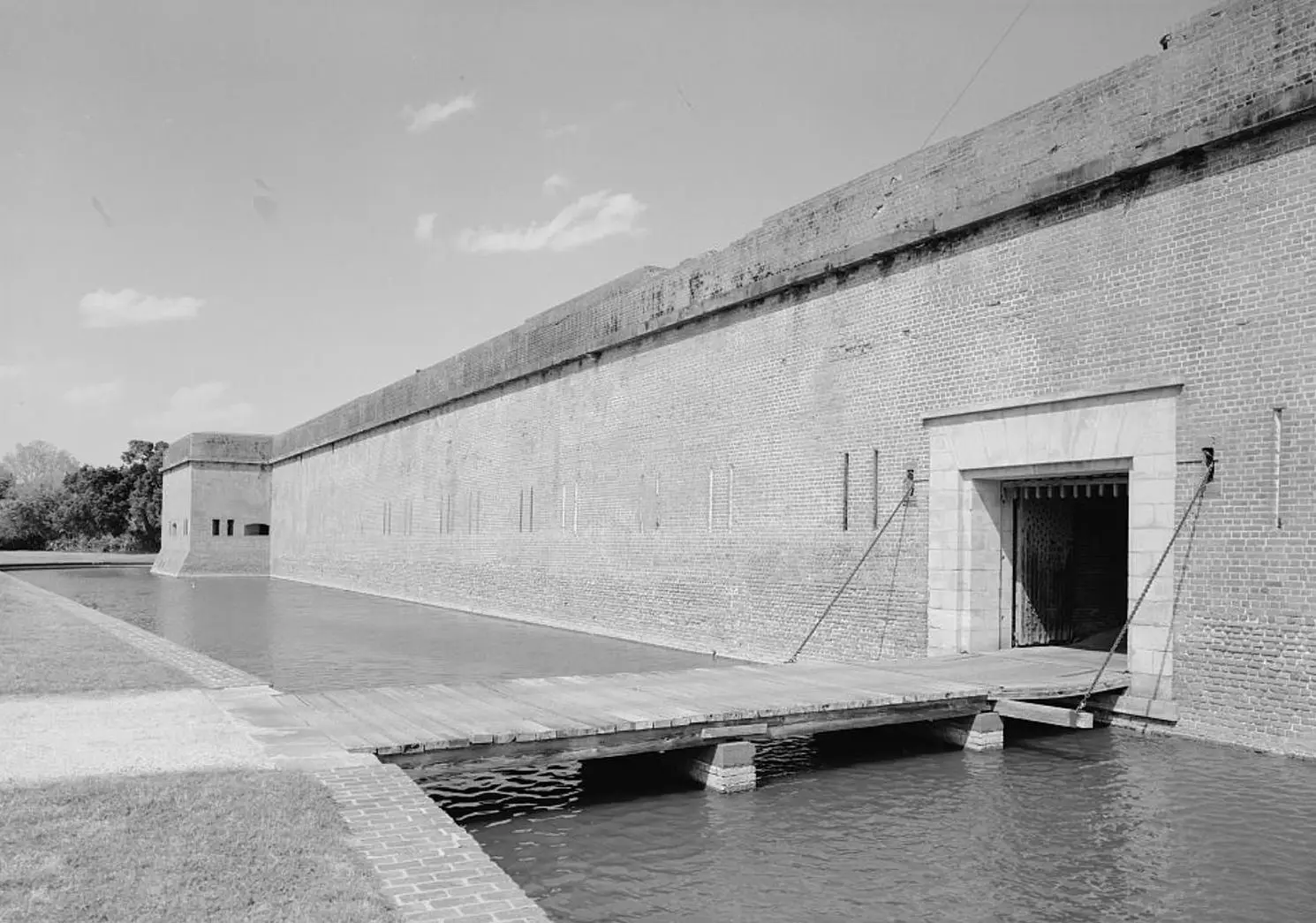
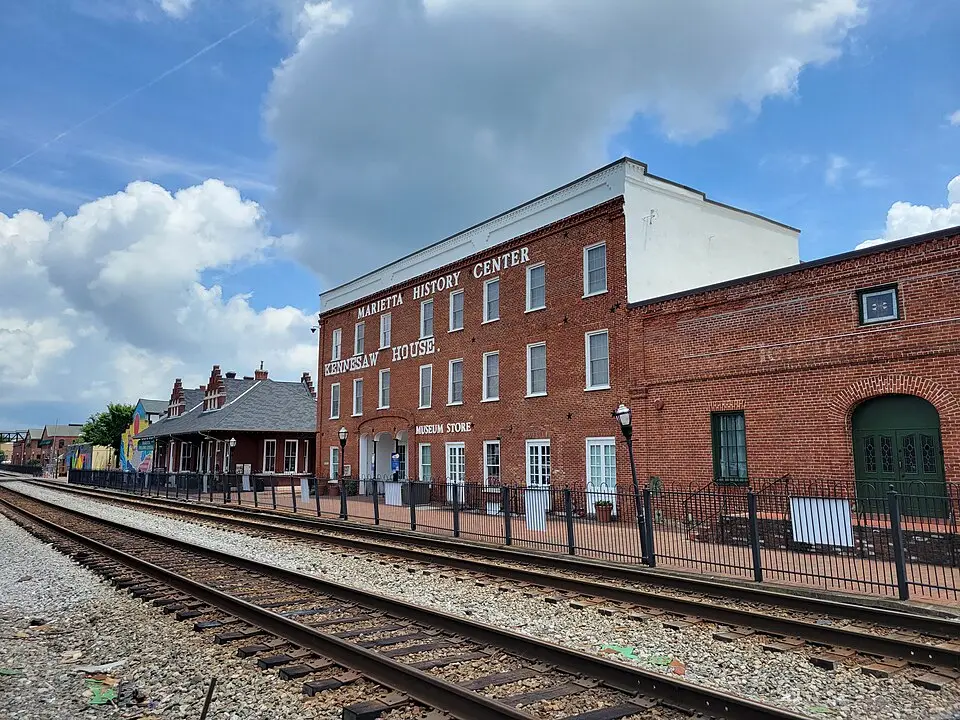
The Civil War is the other thread. Union rifled cannon breached Fort Pulaski in 1862, and the fort later held Confederate officer prisoners known as the Immortal Six Hundred. At Andersonville, the Confederate prison camp, about 45,000 Union soldiers were held and nearly 13,000 died. The 1863 battlefield at Chickamauga has been preserved since 1890 as the first national military park, and in Marietta, Kennesaw House saw Andrews' Raiders meet in 1862, Confederate wounded treated and Sherman set up his headquarters in 1864.

Much of what is told about these places comes from ghost tours and ghost books, usually without named witnesses, and the Owens-Thomas museum tells no ghost stories at all. At Andersonville, the only named visitors we found reported nothing. A few accounts can be traced to a person, such as a former Chickamauga park historian's description of a tall figure that vanished in 1976.
Nearby states

Continue your journey in neighbouring states.

Stay the night

Our sister site Haunted Hotels USA, a related directory, covers hotels and inns with a haunted reputation, including which rooms you can ask for.

Visit Haunted Hotels USA