← New Orleans Bourbon Orleans Hotel
Bourbon Orleans Hotel
New Orleans, Louisiana
The Bourbon Orleans, in the French Quarter, grew from the Orleans Ballroom, which John Davis added in 1817 when he rebuilt the Théâtre d'Orléans.
What do we know about Bourbon Orleans Hotel?
The hauntings are told on the hotel's own pages and its 2014 festival publicity, repeated by ghost sites. None names a witness. The nun's death has no record, and the room she is tied to postdates the convent; no deaths of orphans are documented; and nothing shows the building was a hospital. Author Cheré Dastugue Coen, the one named overnight guest on record, met with nothing.
Our rating of the reports about Bourbon Orleans Hotel: Unverified. A haunted reputation or legend, but no traceable account of an experience so far. The rating describes the evidence for the reports, not whether the place is haunted.
- Reported account
- 1
- Counted for the rating
- 0
- Research sources
- 6
Counted for the rating: independent accounts we could trace to a witness. Retellings of the same story count once, and staff passing on what visitors said aren’t counted. How we count
Reported experiences don’t establish a supernatural cause.
Read our evidence assessment →The hauntings
Accounts, encounters and stories associated with Bourbon Orleans Hotel.
Reported experiences
1 published and reported account, each assessed by its source.
Legends & disputed stories
Stories told about the place that the records don’t confirm.
- Disputed
The ballroom is said to have been the setting for quadroon balls.[3]
What the research shows: Disputed: some historians say no such balls took place there.
- Legend
Room 644 is said to be haunted by a nun who killed herself there.[4][1]
What the research shows: Nothing on record backs it up, and the room dates from after the convent left.
- Legend
Orphans said to have died of yellow fever are said to be heard in the halls.[1]
What the research shows: We found no documented deaths.
- Legend
A Confederate soldier, supposedly treated here during a time as a hospital, is said to walk its halls.[5]
What the research shows: We found no evidence that the building served as a hospital.
- Legend
A woman is said to be seen dancing by herself in the ballroom.[1][5]
What the research shows: The hotel promotes the story; nobody who saw her is named.
Before you go
Planning a visit?
Open to visitors
Parts of the inside are open to the public.
Access details ›
A working hotel in the French Quarter. The lobby, bar and restaurant are generally open to visitors and diners; check with the hotel before you go.
Entry
Paid entry
Confirm times and prices before you travel.
Staying the night?
Our sister site covers Bourbon Orleans Hotel as a place to stay: rooms, room requests and guest accounts.
The history of Bourbon Orleans Hotel
The Bourbon Orleans, in the French Quarter, grew from the Orleans Ballroom, which John Davis added in 1817 when he rebuilt the Théâtre d'Orléans. A religious order, Sisters of the Holy Family, later kept a convent, a school and an orphanage there, and the hotel opened in 1966. The hotel promotes a dancing woman in the ballroom, a nun in Room 644, orphans and a soldier, but none has a named witness or a record behind it. It is a working hotel with public areas open to visitors.
- Established
- Orleans Ballroom 1817; convent from 1881; hotel since 1966
A ballroom beside the theater
John Davis put up the Orleans Ballroom in 1817, alongside the Théâtre d'Orléans. Sources do not agree on who designed it. In 2017 the magazine French Quarterly marked the room's two hundredth anniversary.
Quadroon balls are often said to have taken place in the ballroom. That is contested: New Orleans Magazine, writing about the building's history, notes that some historians say they did not.
A convent, school and orphanage
In 1881, the year most sources give, the building was sold to a religious order, Sisters of the Holy Family. For decades it held their convent, a school and an orphanage. In 1966 the Sisters sold it, and it opened as a hotel with the old ballroom restored.
The stories
The hotel itself publishes a list of ghosts, and in 2014 it launched a yearly paranormal festival it called "Ghost Camp," announced through a press release. The best-known figure is a woman who dances by herself in the ballroom; the hotel promotes her, but nobody who saw her is named.
A second story tells of a nun who killed herself in Room 644 and remains there. Nothing on record backs it up, and the room itself was created after the convent had gone. A third speaks of children from the orphanage, said to have died of yellow fever, who are heard in the halls; the Sisters did care for orphans here, though no deaths of children are documented. A fourth places a Confederate soldier in the building, supposedly treated there while it served as a hospital. We found no evidence that it was ever a hospital, and the site Haunted Rooms, which repeats several of the tales, says the claims lack records.
A night in Room 644
The one named stay we found came to nothing. In a 2024 article on ghost hunting in New Orleans, author Cheré Dastugue Coen wrote that she spent a night in Room 644 and that nothing paranormal happened.
Through the years
1966
The hotel opens
In 1966 the Sisters sold the property, and it opened as a hotel with the ballroom restored.[3]
The research conclusion

Why it has this rating
No traceable account of an experience. The dancing woman, the nun, the orphans and the soldier are told by the hotel and ghost sites without a named witness, and the one named stay in Room 644, by Cheré Dastugue Coen, was a night in which she saw nothing.
Read the full written assessment ›
The building's past is reasonably well recorded: the 1817 ballroom and its builder, the Sisters' convent from 1881, and the 1966 sale and hotel opening, drawn from New Orleans Magazine, French Quarterly and the hotel's own history. The architect of the ballroom and the quadroon balls are both disputed.
The hauntings are told on the hotel's own pages and its 2014 festival publicity, repeated by ghost sites. None names a witness. The nun's death has no record, and the room she is tied to postdates the convent; no deaths of orphans are documented; and nothing shows the building was a hospital. Author Cheré Dastugue Coen, the one named overnight guest on record, met with nothing.
The sources behind the story
6 research references support this entry.
1Bourbon Orleans HotelHistory Official or site history · Reference 01
History. Bourbon Orleans Hotel.
The hotel's own history page, which also lists its ghosts; promotional for the ghost material.
Accessed November 14, 2026.
2French QuarterlyThe Orleans Ballroom Celebrates 200-year Anniversary Magazine · Reference 02
The Orleans Ballroom Celebrates 200-year Anniversary. French Quarterly, 2017-09-07.
A 2017 magazine piece marking two hundred years of the ballroom; supports its 1817 origin and builder.
Accessed November 14, 2026.
3New Orleans Magazine1964: The Orleans Ballroom Magazine · Reference 03
John R. Kemp, 1964: The Orleans Ballroom. New Orleans Magazine, 2025-08-29.
A 2025 history column in New Orleans Magazine covering the convent years, the 1960s sale and the disagreement over the quadroon balls.
Accessed November 14, 2026.
4Haunted RoomsHaunted Bourbon Orleans Hotel, New Orleans: Room 644 Website · Reference 04
Haunted Bourbon Orleans Hotel, New Orleans: Room 644. Haunted Rooms.
A ghost-travel site on Room 644 that points out the stories lack supporting records.
Accessed November 14, 2026.
5PRWebBourbon Orleans Hotel Launches Annual Paranormal Festival "Ghost Camp" Official or site history · Reference 05
Bourbon Orleans Hotel Launches Annual Paranormal Festival "Ghost Camp". PRWeb, 2014-08-08.
The hotel's 2014 press release launching its yearly ghost festival; marketing, not evidence.
Accessed November 14, 2026.
6Weird, Wacky & Wild SouthGhost hunting in New Orleans First-hand account · Reference 06
Cheré Dastugue Coen, Ghost hunting in New Orleans. Weird, Wacky & Wild South, 2024-10-09.
An author's own account of a night in Room 644 in which she saw nothing; it also describes a session with a medium.
Accessed November 14, 2026.
More haunted places
Explore nearby
Museum
The Cabildo
New Orleans, Louisiana · under 1 mile away · Open to visitors
Museum
New Orleans Pharmacy Museum
New Orleans, Louisiana · under 1 mile away · Open to visitors
Museum
Old Ursuline Convent
New Orleans, Louisiana · under 1 mile away · Open to visitors
Museum
Beauregard-Keyes House and Garden
New Orleans, Louisiana · under 1 mile away · Tours only

Similar places
Also a hotel
Hotel · New Orleans, LA
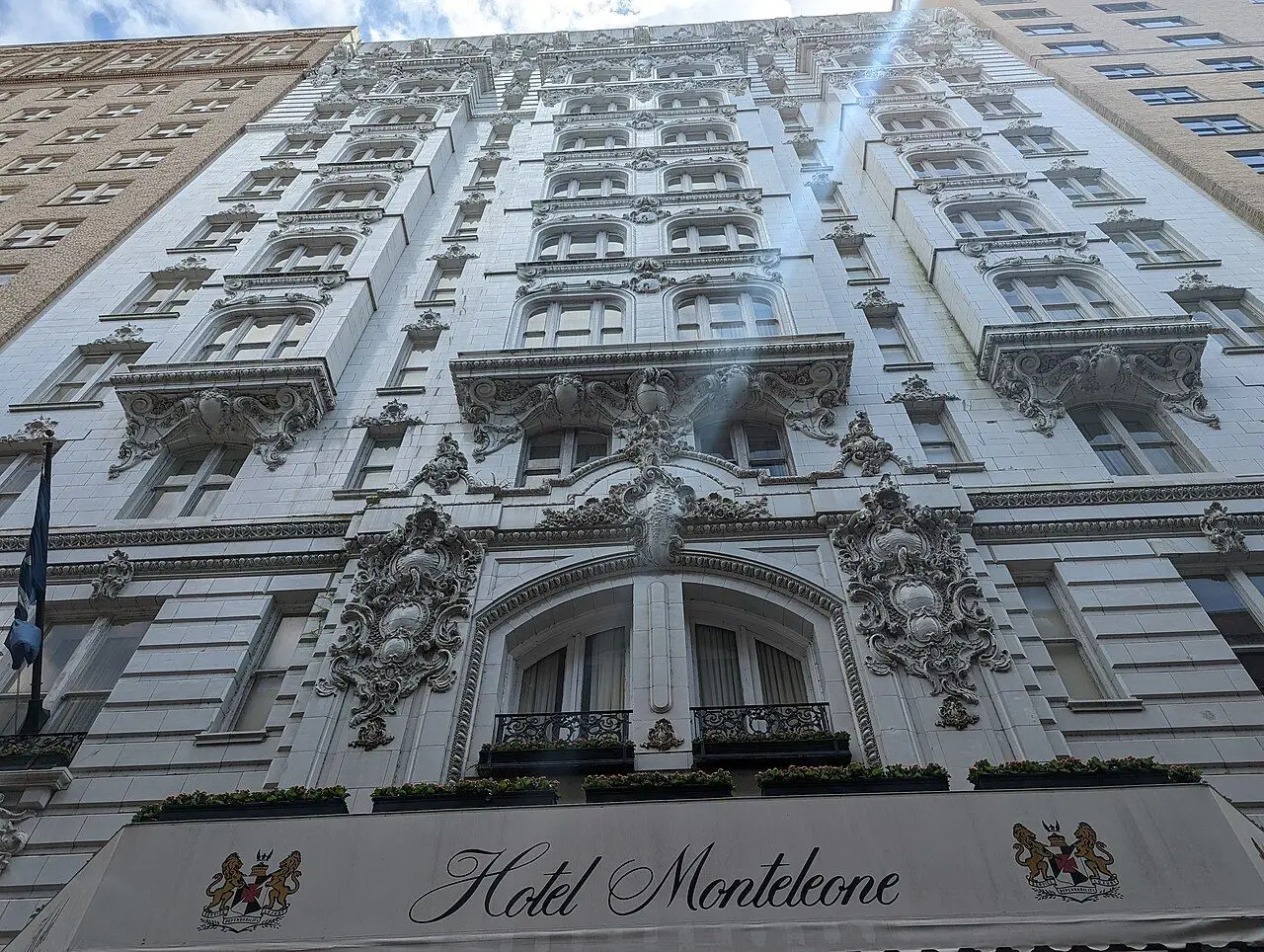
Hotel Monteleone
Hotel Monteleone stands on the corner of Royal and Iberville in New Orleans.
Documented AccountsOpen to visitorsAlso a hotel
Hotel · St. Francisville, LA
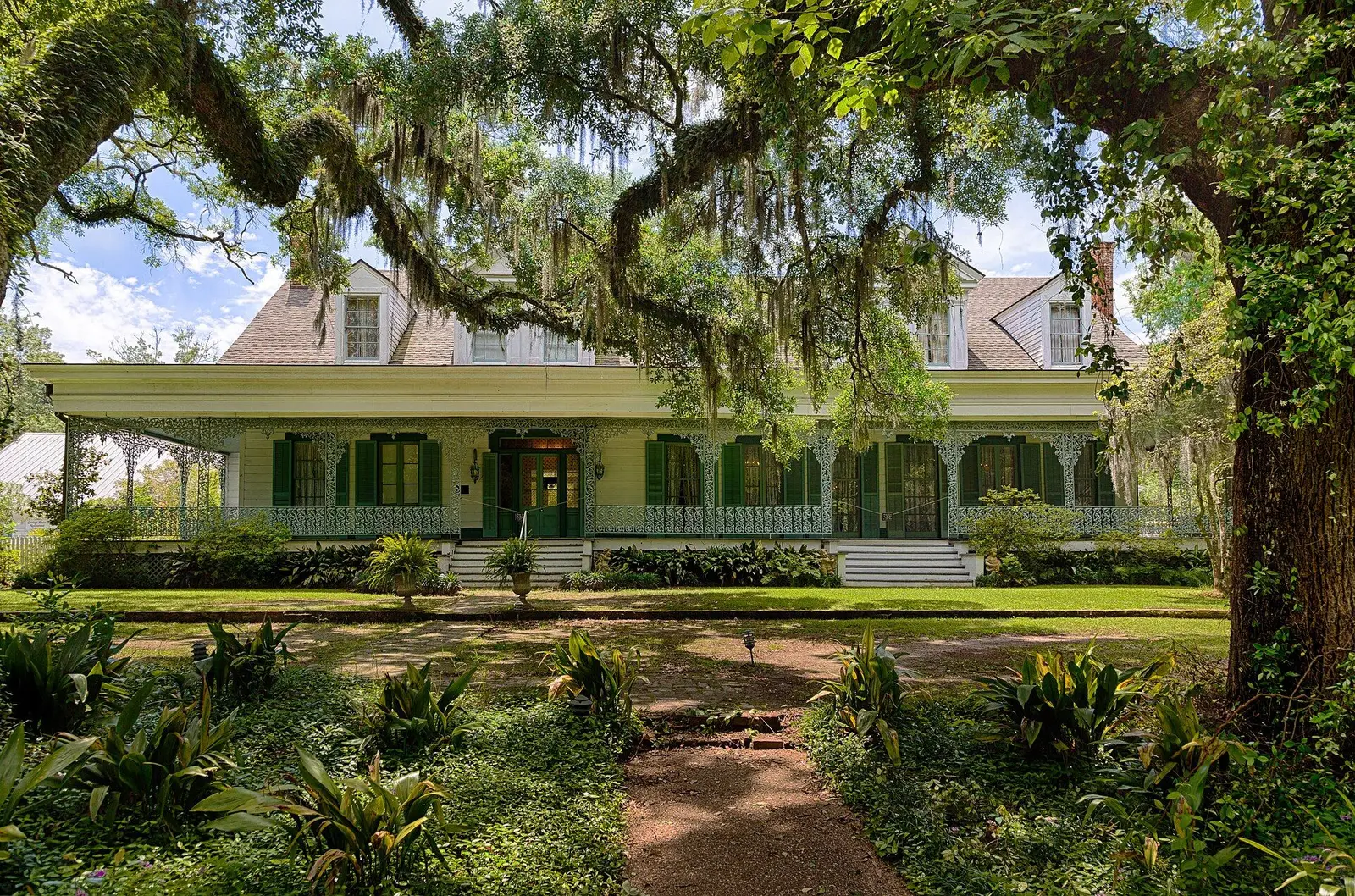
The Myrtles
The Myrtles, outside St. Francisville in Louisiana, is a plantation house begun by David Bradford in 1796 or 1797 and enlarged in the 1850s; enslaved people lived and worked there.
Documented AccountsOpen to visitorsAlso a hotel
Hotel · Riverside, CA
The Mission Inn Hotel & Spa
Riverside’s Mission Inn grew out of Glenwood Cottage, a boarding house of adobe that the Miller family opened in 1875 or 1876.
Documented AccountsOpen to visitorsAlso a hotel
Hotel · MA
Longfellow's Wayside Inn
Longfellow's Wayside Inn is a working inn on the old Boston Post Road in Sudbury, licensed since 1716 and made famous by Longfellow's Tales of a Wayside Inn.
Documented AccountsOpen to visitors