← New Orleans The Cabildo
The Cabildo
New Orleans, Louisiana
The Cabildo on Jackson Square was the Spanish colonial town hall, the site of the 1803 Louisiana Purchase transfer, and part of a prison complex for nearly two centuries.
What do we know about The Cabildo?
The ghost stories are thin. The executed-soldier tale and the reports of staff feeling someone rush past come from a 2007 ghost-hunting guidebook, known to us only through a blog retelling, with no names, dates or records of an execution. The one first-person account we found is a blogger's impression of heaviness and phone-app output from 2013.

Our rating of the reports about The Cabildo: Unverified. A haunted reputation or legend, but no traceable account of an experience so far. The rating describes the evidence for the reports, not whether the place is haunted.
- Reported accounts
- 2
- Counted for the rating
- 0
- Research sources
- 6
Counted for the rating: independent accounts we could trace to a witness. Retellings of the same story count once, and staff passing on what visitors said aren’t counted. How we count
Reported experiences don’t establish a supernatural cause.
Read our evidence assessment →The hauntings
Accounts, encounters and stories associated with The Cabildo.

What has been reported?
- Apparitions
- Being touched
Phenomena described in accounts associated with this location — not independently verified events.
Reported experiences
2 published and reported accounts, each assessed by its source.
Account 01 · 2007
Southern Spirit Guide, 2016
Staff and visitors are said to have felt someone rush past them in the building.[5]
- Being touched
No traceable witnessReported by Unnamed staff and visitors, per Jeff Dwyer (2007) as retold by Southern Spirit GuideNote: No named witness or date; known to us only secondhand.
Read full account ›
Staff and visitors are said to have felt someone rush past them in the building.[5]
Account 02 · December 24, 2013
The Haunted Librarian, 2013
A paranormal blogger who toured the museum in 2013 said the prison-like ground floor felt heavy and 'haunted', and that a ghost-detecting phone app produced the words 'Mary', 'European' and 'burn'.[6]
Published accountReported by The Haunted Librarian (blog)Note: Impressions and app output only; she partly blamed the heaviness on the air quality.
Read full account ›
A paranormal blogger who toured the museum in 2013 said the prison-like ground floor felt heavy and 'haunted', and that a ghost-detecting phone app produced the words 'Mary', 'European' and 'burn'.[6]
Legends & disputed stories
Stories told about the place that the records don’t confirm.

- Legend
A ghost story says a young soldier held in the prison behind the Cabildo was tried by a military tribunal and executed in the courtyard, and that his ragged figure is still seen.[5]
What the research shows: No name, date or record of such an execution is given.
Before you go

Planning a visit?
Open to visitors
Parts of the inside are open to the public.
Access details ›
Part of the Louisiana State Museum and open to visitors with paid admission; check the official site for current days and closures.
Entry
Paid entry
Access last checked November 16, 2026. Confirm times and prices before you travel.
The history of The Cabildo
The Cabildo on Jackson Square was the Spanish colonial town hall, the site of the 1803 Louisiana Purchase transfer, and part of a prison complex for nearly two centuries. Ghost writers tell of an executed soldier's ghost and of staff feeling someone rush past, but no witness is named. It is a Louisiana State Museum building, open with paid admission.
- Established
- 1795–1799
- Also known as
- Cabildo
The seat of Spanish rule
The Cabildo stands on Jackson Square beside St. Louis Cathedral. Government buildings, a guardhouse and a prison had stood on the site since the French colonial period, but fires in 1788 and 1794 destroyed them. Work on the present building, designed by Gilberto Guillemard, began on December 4, 1795, and the Spanish governing council, the Cabildo, moved in on May 10, 1799.
In 1803 Louisiana passed from Spain to France and then to the United States in the building's council chamber, the final transfer taking place on December 20, 1803.
The prison behind the Cabildo
For nearly two hundred years a prison complex stood in and around the courtyard. Officials and visitors described poor conditions, with too little food and clothing and rats. A new parish prison opened in 1839 and most of the old jail was torn down, but some cells were kept as a police jail, and a block of six cells designed by Louis Pilié in 1850 still stands. In 1938 the WPA guide noted museum displays arranged in the former prison rooms.
Courthouse and museum
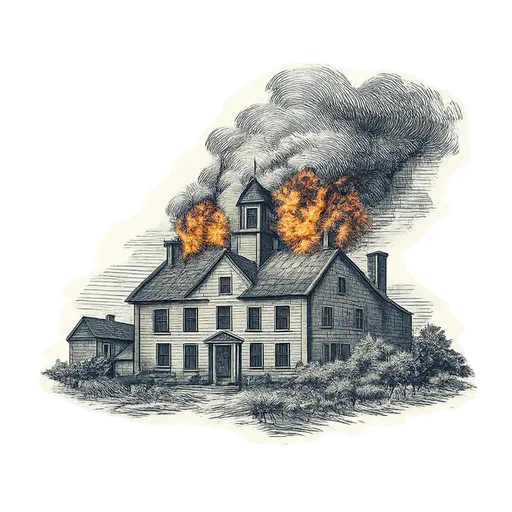
A mansard roof and third story were added in 1847. The building housed city government until 1853 and then the Louisiana Supreme Court, where the Plessy v. Ferguson case began in 1892. It became part of the Louisiana State Museum in the early 1900s. A fire badly damaged the top floor in May 1988, and the restored building reopened in 1994.
Through the years
1788
Fires destroy earlier buildings
Spanish officials built a town hall with prisons, a guardhouse and council chambers on this site around 1769–1770; the Great Fire of 1788 and a second fire in 1794 destroyed the earlier buildings.[1][2][3]
Caveat: New Orleans Historical gives 1769; the WPA guide says 1770. A prison and guardhouse stood on the site from 1730.
1850
1850
Some cells beside the Cabildo were kept as a police jail, and in 1850 Louis Pilié designed a three-story block of six cells that is still part of the building.[1]
The research conclusion

Why it has this rating
No traceable account of a specific experience: the stories of staff and an executed soldier name no witnesses and are known only secondhand, no record supports the execution, and the one named visitor, a blogger in 2013, described only a heavy atmosphere and phone-app readings.
Read the full written assessment ›
The building's history is exceptionally well recorded, including the prison complex behind it, whose harsh conditions are on record.
The ghost stories are thin. The executed-soldier tale and the reports of staff feeling someone rush past come from a 2007 ghost-hunting guidebook, known to us only through a blog retelling, with no names, dates or records of an execution. The one first-person account we found is a blogger's impression of heaviness and phone-app output from 2013.
The sources behind the story
6 research references support this entry.

1National Park Service (NPGallery)The Cabildo, National Register of Historic Places Inventory–Nomination Form (National Historic Landmark) Register or nomination · Reference 01
Patricia Heintzelman, The Cabildo, National Register of Historic Places Inventory–Nomination Form (National Historic Landmark). National Park Service (NPGallery), 1975-06-30.
Landmark Review Project nomination drawing on Huber and Wilson's The Cabildo (1970). Authoritative on construction, the jail complex and the building's later uses. Says nothing about ghosts.
Accessed November 16, 2026.
2Houghton Mifflin, BostonNew Orleans City Guide (American Guide Series) Book · Reference 02
Federal Writers' Project of the Works Progress Administration, New Orleans City Guide (American Guide Series). Houghton Mifflin, Boston, 1938.
Entry 79, 'The Cabildo', pp. 261–262. Describes the museum in the 1930s, including exhibits in the former prison rooms; no ghosts mentioned.
Accessed November 16, 2026.
3New Orleans Historical (Midlo Center for New Orleans Studies, UNO)The Cabildo Website · Reference 03
D. Ryan Gray, The Cabildo. New Orleans Historical (Midlo Center for New Orleans Studies, UNO), 2020-08-10.
Archaeologist's public-history entry on the courtyard prison complex and its excavation after the 1988 fire; no references listed on the page.
Accessed November 16, 2026.
4Louisiana State MuseumThe Cabildo Official or site history · Reference 04
The Cabildo. Louisiana State Museum.
Official museum page, checked 2026-11-16 for access and admission; brief history including the 1853 Supreme Court use, Plessy v. Ferguson and the 1988 fire.
Accessed November 16, 2026.
5Southern Spirit Guide (blog)Phantoms of the French Quarter–New Orleans, Louisiana Website · Reference 05
Lewis O. Powell IV, Phantoms of the French Quarter–New Orleans, Louisiana. Southern Spirit Guide (blog), 2016-06.
Ghost-folklore blog; its Cabildo entry cites Jeff Dwyer's Ghost Hunter's Guide to New Orleans (Pelican, 2007), which we have not consulted. Cited only as the place the stories were published.
Accessed November 16, 2026.
6The Haunted Librarian (blog)The Cabildo Website · Reference 06
The Haunted Librarian (pseudonym), The Cabildo. The Haunted Librarian (blog), 2013-12-24.
Personal blog of a paranormal hobbyist describing a daytime museum visit, including 'Ghost Radar' phone-app output, which has no evidential value.
Accessed November 16, 2026.
More haunted places
Explore nearby
Hotel
Bourbon Orleans Hotel
New Orleans, Louisiana · under 1 mile away · Open to visitors
Museum
New Orleans Pharmacy Museum
New Orleans, Louisiana · under 1 mile away · Open to visitors
Museum
Old Ursuline Convent
New Orleans, Louisiana · under 1 mile away · Open to visitors
Museum
Beauregard-Keyes House and Garden
New Orleans, Louisiana · under 1 mile away · Tours only
Similar places
Also a museum · also reported: being touched
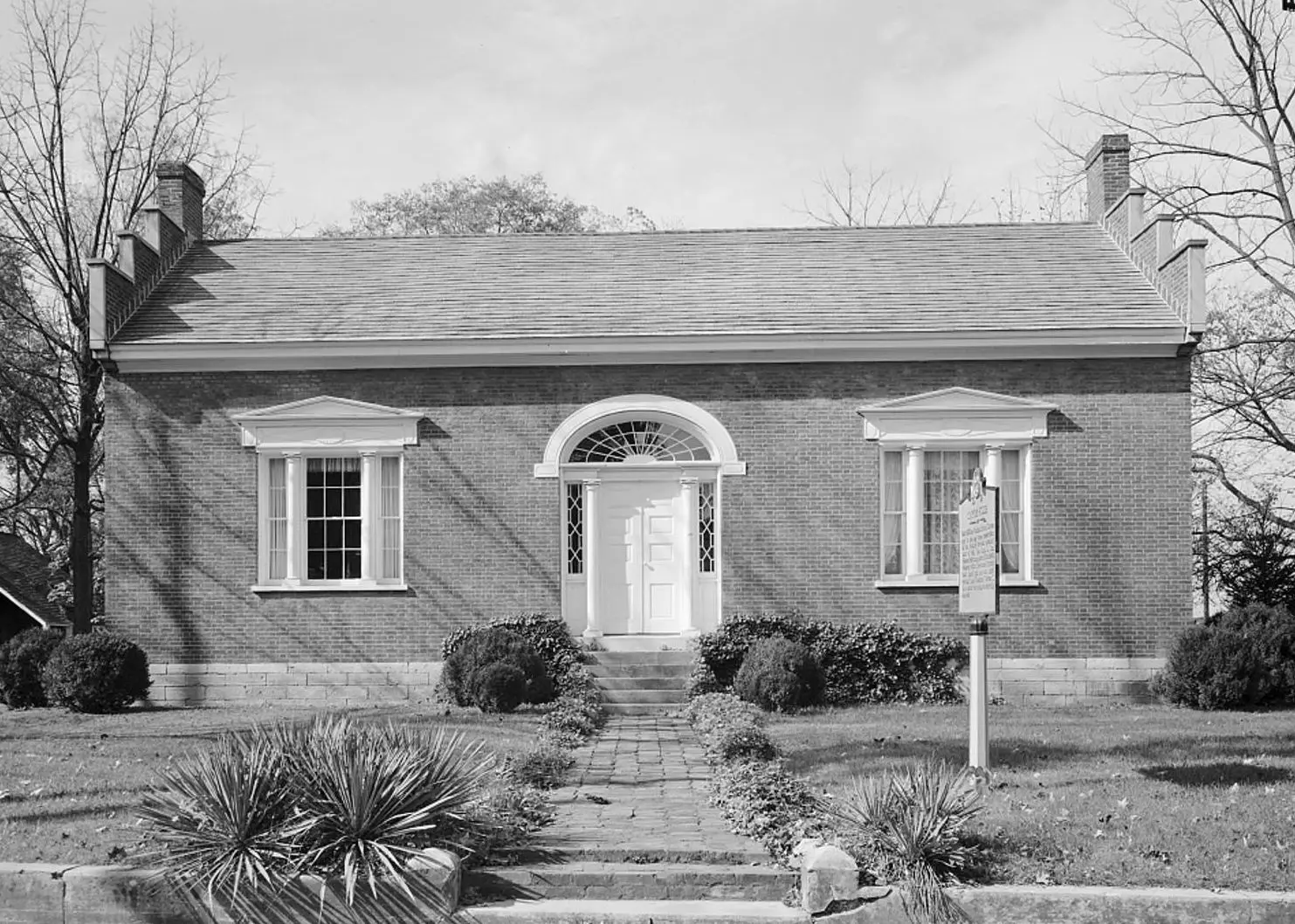
Museum · Franklin, TN
The Carter House
The Carter House in Franklin is the 1830 farmhouse of Fountain Branch Carter, who enslaved 28 people there.
Documented AccountsTours onlyAlso a museum · also reported: being touched
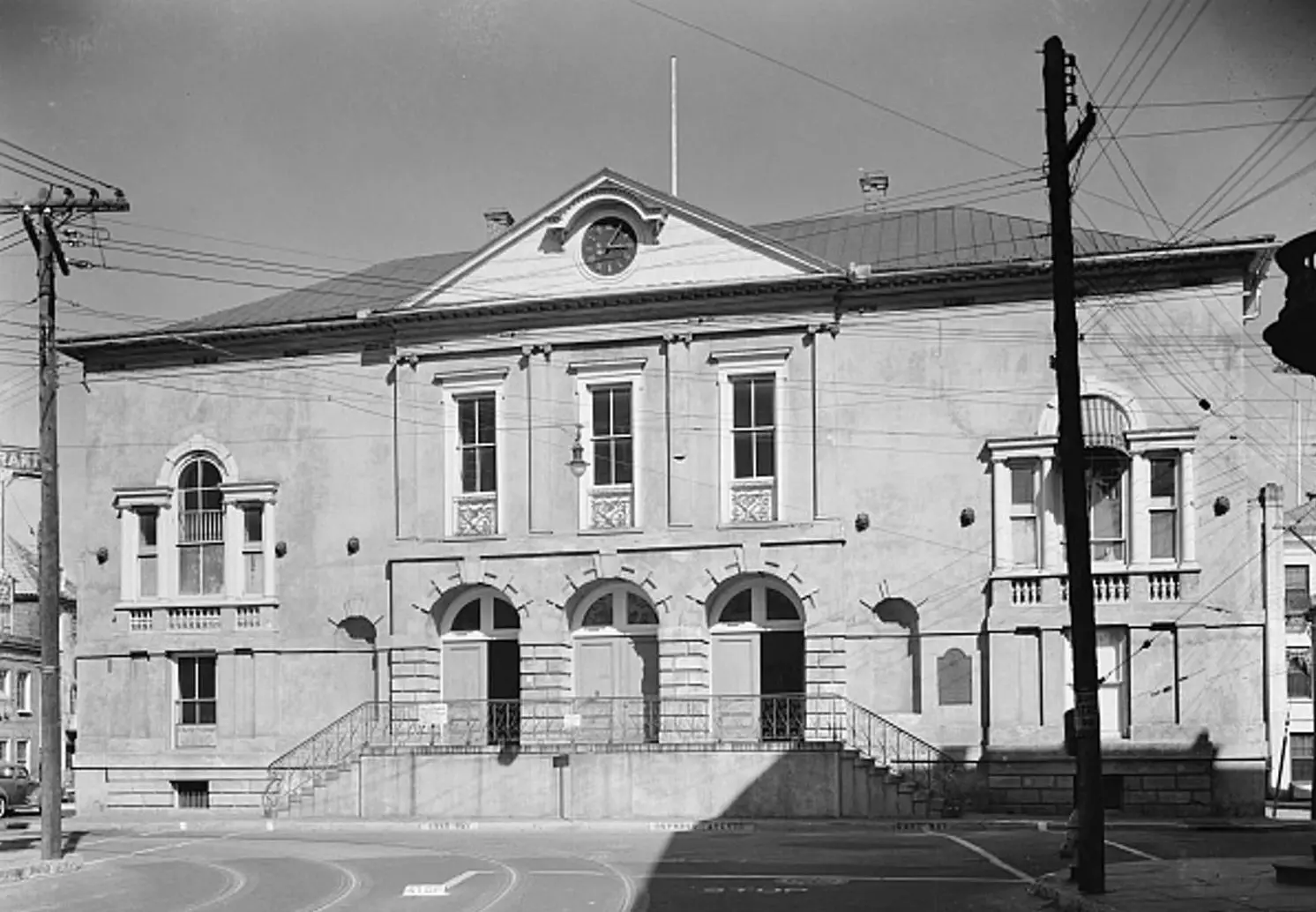
Museum · Charleston, SC
Old Exchange and Provost Dungeon
The Old Exchange on East Bay Street, finished in 1771 or 1772, was a customhouse, a British military prison during the Revolution, and Charleston's most common site for public auctions of enslaved people.
UnverifiedOpen to visitorsAlso a museum · also reported: being touched
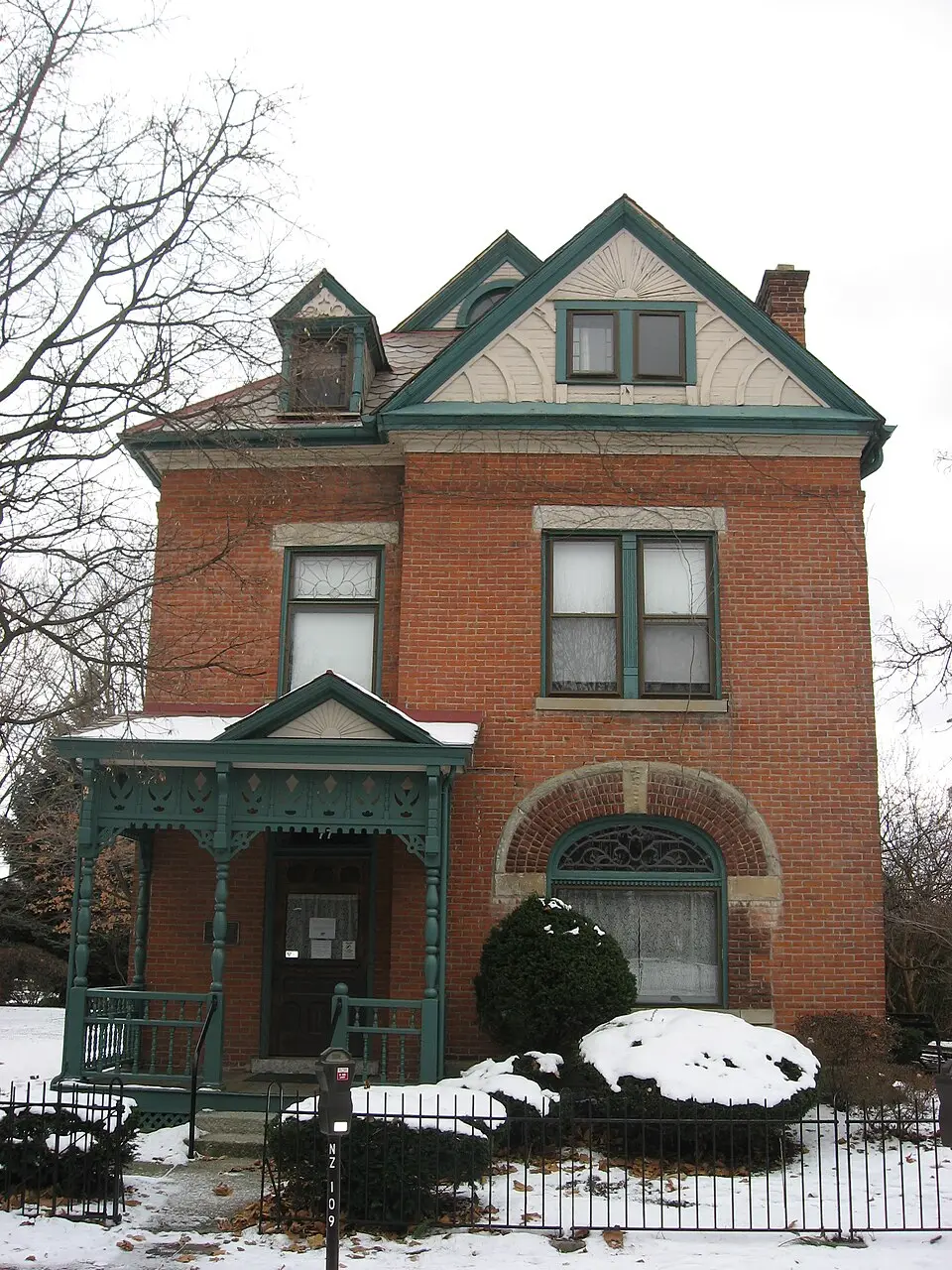
Museum · Columbus, OH
Thurber House
Thurber House is James Thurber's boyhood home in Columbus, now a literary center and museum.
Documented AccountsOpen to visitorsAlso a museum · also reported: being touched
Museum · Richmond, VA
Edgar Allan Poe Museum
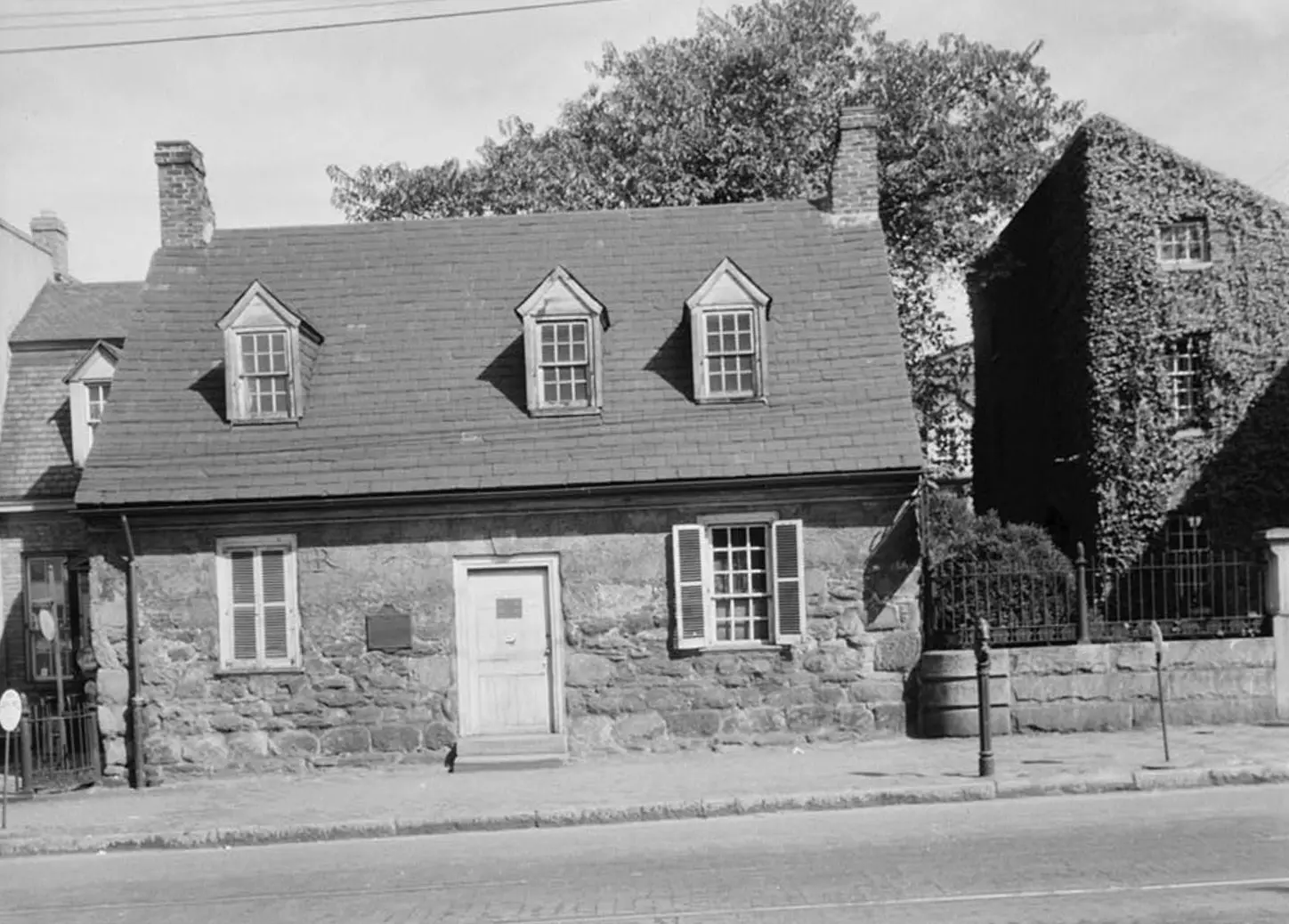
The Poe Museum in Richmond occupies the Old Stone House, the city's oldest house (about 1754, by tree-ring dating), once home of the Ege family; Poe never lived there.
UnverifiedOpen to visitors