← San Antonio Mission San José
Mission San José
San Antonio, Texas
Mission San José is an 18th-century Spanish mission on San Antonio's south side, now in a national park and still an active parish.
What do we know about Mission San José?
The ghost material is legend and unattributed report only. Adina De Zavala recorded the 'window of the voices' as a folk tale in 1917. A ghost-tour company lists shadowy figures, footsteps, Spanish-speaking voices and doors moving, credited to unnamed visitors and staff, and newspapers repeat a headless friar. No account names a witness, and the park makes no ghost claims.

Our rating of the reports about Mission San José: Unverified. A haunted reputation or legend, but no traceable account of an experience so far. The rating describes the evidence for the reports, not whether the place is haunted.
- Reported account
- 1
- Counted for the rating
- 0
- Research sources
- 8
Counted for the rating: independent accounts we could trace to a witness. Retellings of the same story count once, and staff passing on what visitors said aren’t counted. How we count
Reported experiences don’t establish a supernatural cause.
Read our evidence assessment →The hauntings
Accounts, encounters and stories associated with Mission San José.

What has been reported?
- Voices
- Footsteps
- Apparitions
- Cold spots
- Doors
- Shadow figures




Phenomena described in accounts associated with this location — not independently verified events.
Reported experiences
1 published and reported account, each assessed by its source.
Account 01 · 2026
Ghost City Tours, 2026
A ghost-tour company says visitors report indistinct shadowy figures near the church and courtyards in the evening, footsteps on the stone corridors, whispered voices in Spanish and church doors opening or slamming with no one near, and that investigators have recorded voices, meter spikes and cold…
- Cold spots
- Doors
- Voices
- Footsteps
- Shadow figures
No traceable witnessReported by Ghost City Tours, summarizing unnamed reportsNote: Every report is credited to unnamed visitors, staff or investigators; the recordings and readings are device output.
Read full account ›
A ghost-tour company says visitors report indistinct shadowy figures near the church and courtyards in the evening, footsteps on the stone corridors, whispered voices in Spanish and church doors opening or slamming with no one near, and that investigators have recorded voices, meter spikes and cold spots.[8]
Legends & disputed stories
Stories told about the place that the records don’t confirm.

- Legend
Folklore says the carpenter Pedro Huizar carved the church's Rose Window for his sweetheart Rosa, who was lost at sea on her way to join him; another account says it is named for St. Rose of Lima.[4][1]
What the research shows: A love story, not a ghost story. The NPS says the sculptor is unknown; the Handbook credits the design to Huizar.
- Legend
In 1917 Adina De Zavala recorded a folk tale that anyone standing at the 'window of the voices' in the old mission rooms at the right time would hear many voices and the steps of sandaled and moccasined feet, which folk tellers said were the mission's Indigenous residents and their priests, returned.[5]
What the research shows: Presented in the book as a folk tale; no witness is named.
- Legend
Later ghost stories tell of a headless friar wandering the grounds, and Texas Public Radio said several of the San Antonio missions report ghostly Spanish soldiers or conquistadors.[6][7]
What the research shows: No witness, date or source is given.
Before you go

Planning a visit?
Open to visitors
Parts of the inside are open to the public.
Access details ›
Part of San Antonio Missions National Historical Park; the National Park Service says no entrance pass is required, and its visitor center film and ranger-led walks are free. The church is an active Catholic parish, so visitors should be respectful during services. The park makes no ghost claims and does not offer ghost tours; commercial ghost-tour marketing is not evidence. Check the park's site for current arrangements.
Entry
Free (checked)
Access last checked November 16, 2026. Confirm times and prices before you travel.
Approximate location, within about 1 km.
The history of Mission San José
Mission San José is an 18th-century Spanish mission on San Antonio's south side, now in a national park and still an active parish. Its oldest ghost tale is a 1917 legend of voices and footsteps at the 'window of the voices'; later ghost-tour and media stories tell of a headless friar, shadowy figures and figures in colonial dress, but no witness is named. Entry to the park is free.
- Established
- 1768–1782
- Also known as
- Mission San José y San Miguel de Aguayo
The mission
Mission San José y San Miguel de Aguayo was established in 1720 at the request of the Franciscan Fray Antonio Margil de Jesús, with land on the San Antonio River set aside for it on February 23 of that year. It was built in a region where nomadic Coahuiltecan bands lived, and Coahuiltecan families, other Indigenous groups and people from Mexico lived and worked there. An epidemic in 1739 cut the Indigenous population to 49, and the mission moved to higher ground on the west bank around 1739 or 1740, according to the National Park Service; the Handbook of Texas gives about 1730 or 1739. Walls with corner towers went up in the 1750s or 1760s, by different National Park Service accounts, in response to Apache and Comanche raids; in 1768 some 350 people lived inside them.
The present church was begun in 1768 and finished in 1782. In 1777 Fray Juan Agustín Morfi praised it as the finest mission in beauty, plan and strength, and it came to be called the Queen of the Missions. Its carved Rose Window is the subject of a folk tale that the carpenter Pedro Huizar made it for his sweetheart Rosa, lost at sea.
Decline and restoration
Secularization began in 1794 and was completed on February 29, 1824. In December 1868 storms brought down part of the north wall, the dome and the roof, and the bell tower fell in 1928. A large restoration in the 1930s, with federal work programs, rebuilt the walls, the dome and the Indigenous families' quarters. San José became a national and state historic site in 1941 and part of San Antonio Missions National Historical Park in 1978. The Franciscans returned in 1931 and it remains an active parish.
The window of the voices
In 1917 Adina De Zavala wrote down a folk tale about a window of the old mission rooms: stand there at the right time, it said, and you will hear voices and steps of sandaled and moccasined feet. She said folk tellers believed these were the mission's Indigenous residents and their priests, returned.
Later stories
A 2014 San Antonio Current feature repeated a story of a headless friar on the grounds. A ghost-tour company lists shadowy figures at dusk, footsteps on the stone corridors, whispered voices in Spanish and church doors opening and closing, credited to unnamed visitors and staff, along with ghost hunters' recordings. Texas Public Radio said several missions report ghostly Spanish soldiers. None of these names a witness.
Through the years
1720
Mission established
Mission San José y San Miguel de Aguayo was established in 1720 at the request of Fray Antonio Margil de Jesús; on February 23, 1720, Capt. Juan Valdez presented him with land on the San Antonio River for it.[1][2]
Caveat: The NPS gives 1720 as the founding year; the Handbook describes the founding as a series of steps from December 1719 to February 1720.
1739
Epidemic and move
The mission was set up in a region where nomadic Coahuiltecan bands lived; Coahuiltecan families, other Indigenous groups and people from Mexico lived and worked there, and an epidemic in 1739 reduced the Indigenous population to 49 before the mission moved to higher ground.[1][3][2]
Caveat: Sources differ on when it reached its present site: about 1730 or 1739 (Handbook), around 1739 (NPS itinerary), around 1740 (NPS place page).
1941
Historic site designated
In the 1930s the church, the San Antonio Conservation Society, Bexar County and federal work programs restored the walls, the Indigenous families' quarters, the granary and the church dome; the Franciscans returned in 1931. San José became a…
Read more ›
In the 1930s the church, the San Antonio Conservation Society, Bexar County and federal work programs restored the walls, the Indigenous families' quarters, the granary and the church dome; the Franciscans returned in 1931. San José became a national and state historic site in 1941 and part of San Antonio Missions National Historical Park on November 10, 1978, and it remains an active parish.[4][1][3]
The research conclusion

Why it has this rating
No traceable account of an experience: the 1917 'window of the voices' and the headless friar are legends, and a ghost-tour company's reports are unattributed. The mission's Indigenous community is documented history, not ghost material.
Read the full written assessment ›
The history is well recorded by the National Park Service and the Handbook of Texas, including the Indigenous people who lived and worked at the mission.
The ghost material is legend and unattributed report only. Adina De Zavala recorded the 'window of the voices' as a folk tale in 1917. A ghost-tour company lists shadowy figures, footsteps, Spanish-speaking voices and doors moving, credited to unnamed visitors and staff, and newspapers repeat a headless friar. No account names a witness, and the park makes no ghost claims.
The sources behind the story
8 research references support this entry.

1Texas State Historical Association, Handbook of Texas OnlineSan José y San Miguel de Aguayo Mission Book · Reference 01
Gilberto R. Cruz, San José y San Miguel de Aguayo Mission. Texas State Historical Association, Handbook of Texas Online, 2019-02-12.
Scholarly encyclopedia entry (first published 1952, revised 2019). Reliable for the 1720 founding steps, the 1739 epidemic and move, church construction from 1768, Morfi's 1777 praise, secularization dates, the 1868 and 1928 collapses, the 1930s restoration and the 1941 and 1978 designations. Credits the Rose Window to Pedro Huizar, which the NPS calls folklore.
Accessed November 16, 2026.
2National Park ServiceMission San José Official or site history · Reference 02
Mission San José. National Park Service.
NPS place page. Reliable for the 1720 founding, the moves (current site around 1740), the 1755 walls, the 1768 population of about 350, secularization (partial 1794, full 1824) and the 1930s WPA restoration. Gives no Indigenous group names.
Accessed November 16, 2026.
3National Park ServiceMission San José y San Miguel de Aguayo (Spanish Missions travel itinerary) Official or site history · Reference 03
Mission San José y San Miguel de Aguayo (Spanish Missions travel itinerary). National Park Service, 2016-04-15.
NPS travel-itinerary page. Names the Coahuiltecans and other Indigenous people who lived and worked at the mission, notes Apache and Comanche raids, the 1760s walls, the church's completion in 1782 and that it is an active parish. Its opening line, that the community was first set up 'in east Texas', conflicts with the Handbook and is not used.
Accessed November 16, 2026.
4National Park Service, San Antonio Missions National Historical ParkMission San José Official or site history · Reference 04
Mission San José. National Park Service, San Antonio Missions National Historical Park.
Official visitor page, checked November 16, 2026. Gives the address, the free film and ranger tours, the Franciscans' return in 1931 and the Rose Window folklore (Pedro Huizar and Rosa), which it presents as folklore, noting that the sculptor is unknown. No ghost claims.
Accessed November 16, 2026.
5Adina De Zavala, San Antonio (scan at Internet Archive)History and Legends of the Alamo and Other Missions in and around San Antonio Book · Reference 05
Adina De Zavala, History and Legends of the Alamo and Other Missions in and around San Antonio. Adina De Zavala, San Antonio (scan at Internet Archive), 1917.
Book by a San Antonio preservationist, read in the Internet Archive's OCR text. Its legends sections openly present folk tales. Earliest publication we found of a ghostly tale at San José ('The Windows of the Voices'). Uses period, paternalistic language about Indigenous people, which the copy does not repeat.
Accessed November 16, 2026.
6Texas Public RadioSan Antonio is filled with ghosts. Here are spooky spots you can visit this Halloween Television or radio · Reference 06
Kathleen Creedon (with Brian Kirkpatrick), San Antonio is filled with ghosts. Here are spooky spots you can visit this Halloween. Texas Public Radio, 2021-10-30.
Public-radio Halloween feature. Says several of the missions report ghostly Spanish soldiers or conquistadors and lists San José among the best bets; no witnesses or mission-specific details.
Accessed November 16, 2026.
7San Antonio CurrentA small slice of San Anto's spooky haunts Newspaper · Reference 07
Mark Reagan, A small slice of San Anto's spooky haunts. San Antonio Current, 2014-10-14.
Alt-weekly Halloween feature drawing on Docia Schultz Williams's ghost books. Repeats the headless-friar story at Mission San José without naming any witness.
Accessed November 16, 2026.
8Ghost City ToursThe Haunted Mission San José in San Antonio Website · Reference 08
Tim Nealon, The Haunted Mission San José in San Antonio. Ghost City Tours.
Page by the founder of a commercial ghost-tour company; undated (footer 2026). Used only as the place where reports of shadowy figures, footsteps, voices and doors are published. Every report is credited to unnamed visitors, staff or investigators; it notes skeptics' natural explanations.
Accessed November 16, 2026.
More haunted places

Explore nearby
Hotel
The Menger Hotel
San Antonio, Texas · 4.5 miles away · Open to visitors
Battlefield
The Alamo
San Antonio, Texas · 4.6 miles away · Open to visitors
Museum
Spanish Governor's Palace
San Antonio, Texas · 4.6 miles away · Open to visitors
Hotel
The Emily Morgan Hotel
San Antonio, Texas · 4.6 miles away · Open to visitors
Similar places
Also a church · also reported: cold spots, shadow figures
Church · NY
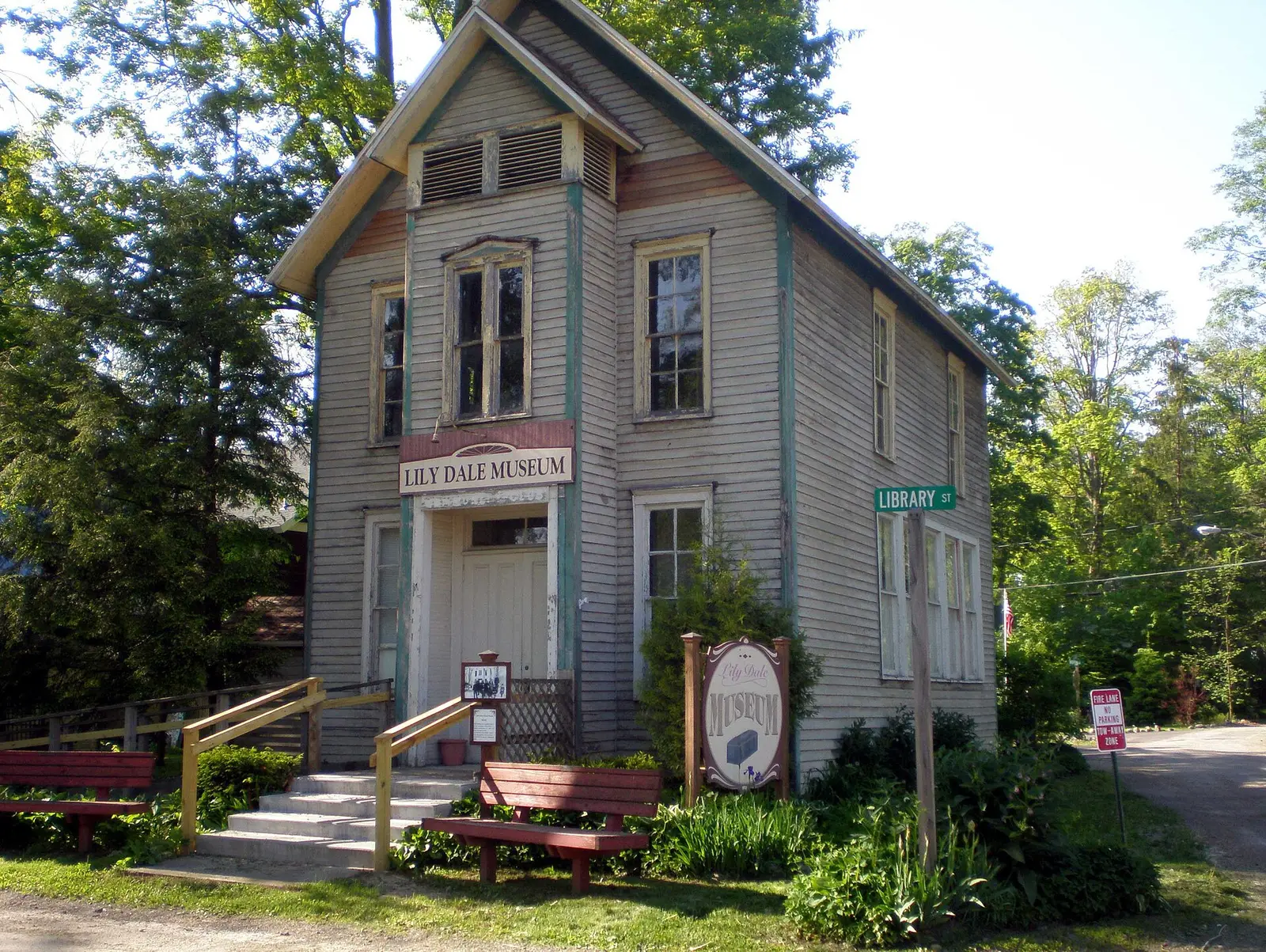
Lily Dale Assembly
Lily Dale, founded in 1879 beside Cassadaga Lake, is a Spiritualist community where registered mediums offer readings as part of the faith.
UnverifiedOpen to visitorsAlso a church
Church · Sleepy Hollow, NY
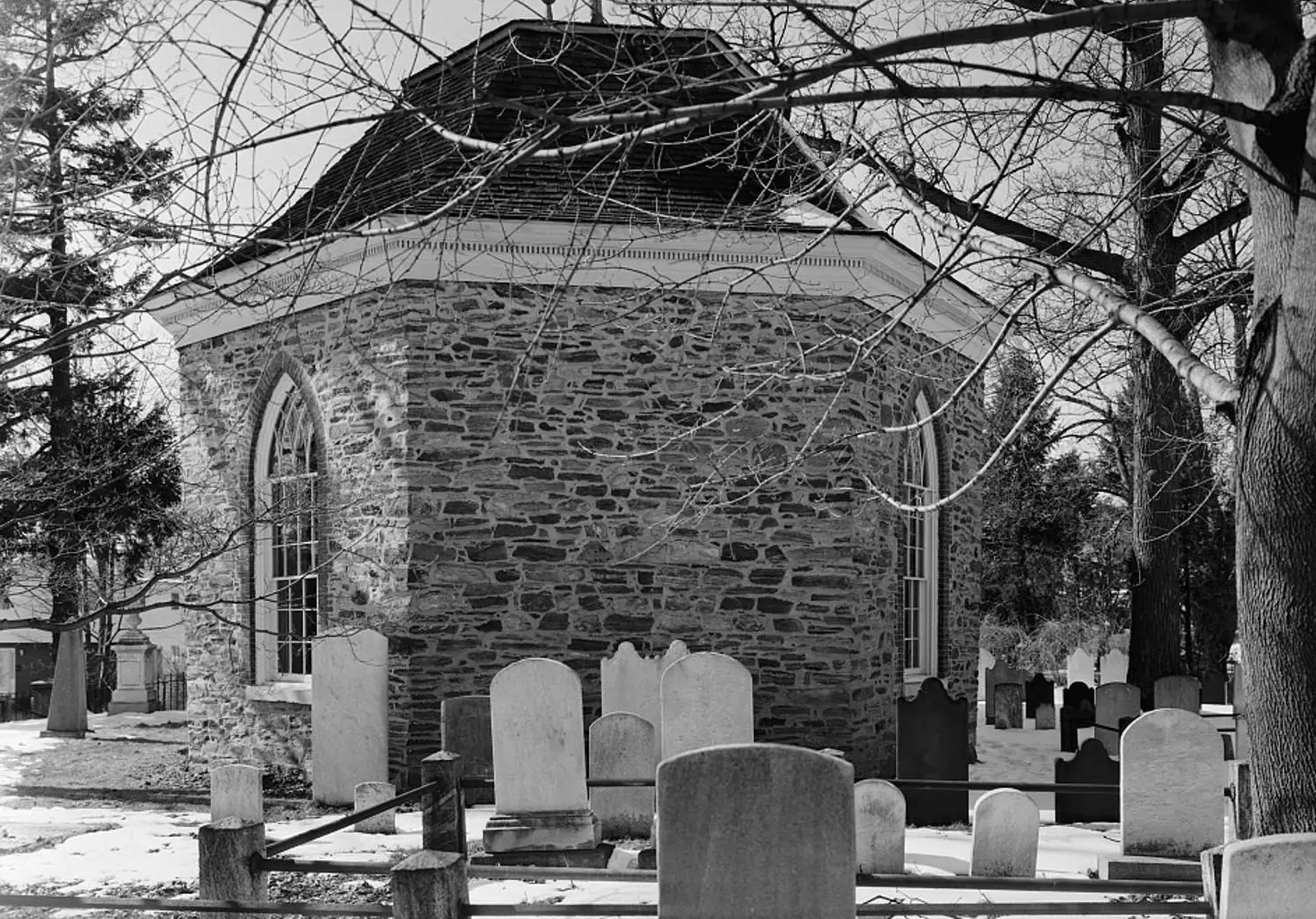
Old Dutch Church of Sleepy Hollow and Burying Ground
The Old Dutch Church in Sleepy Hollow was built for Frederick Philipse, with the labor of Africans he enslaved, beside an older burial ground; its National Historic Landmark nomination dates it to around 1697, while the congregation dates it to 1685.
UnverifiedOutside onlyAlso a church
Church · Charleston, SC
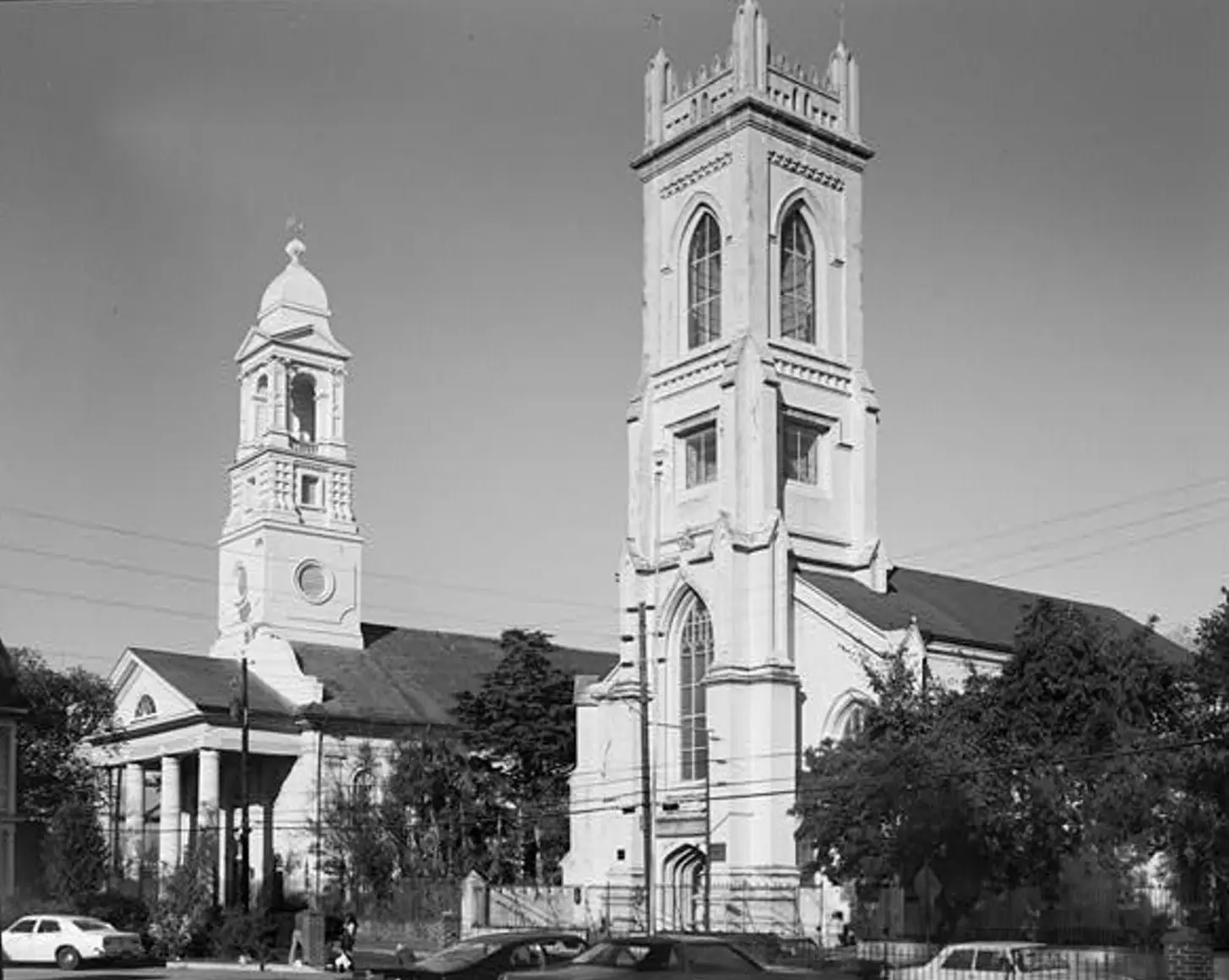
Unitarian Church in Charleston and churchyard
The Unitarian Church on Archdale Street, begun in 1772 and remodeled in Gothic style in 1852-1854, is the oldest Unitarian church in the South.
UnverifiedOpen to visitorsAlso a church · also reported: footsteps
Theater · TN
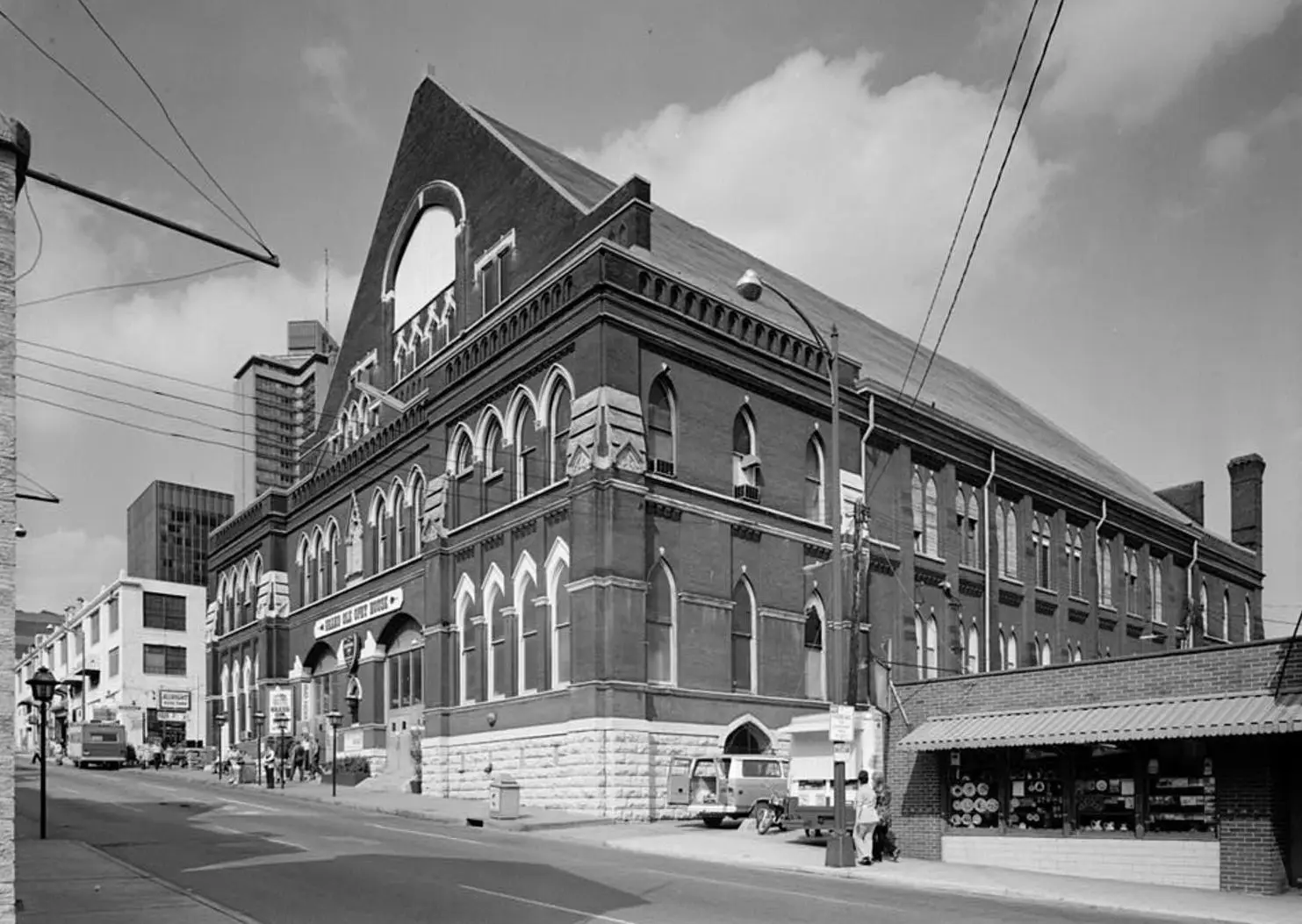
Ryman Auditorium
The Ryman in Nashville opened in 1892 as the Union Gospel Tabernacle and was the Grand Ole Opry's home from 1943 to 1974.
UnverifiedOpen to visitors