← Tennessee Ryman Auditorium
Ryman Auditorium
Captain Ryman and the Gray Man
Tennessee
The Ryman in Nashville opened in 1892 as the Union Gospel Tabernacle and was the Grand Ole Opry's home from 1943 to 1974.
What do we know about Ryman Auditorium?
The ghost stories are mostly legend: the state archives and a historical tour present Captain Ryman's stomping as an urban legend. The best-sourced reports are the Gray Man stories the Ryman's curator told a music website in 2023: a security guard and another employee who each saw a man in the balcony vanish. They are secondhand, from staff, and unnamed.

Our rating of the reports about Ryman Auditorium: Unverified. A haunted reputation or legend, but no traceable account of an experience so far. The rating describes the evidence for the reports, not whether the place is haunted.
- Reported accounts
- 2
- Counted for the rating
- 0
- Research sources
- 6
Counted for the rating: independent accounts we could trace to a witness. Retellings of the same story count once, and staff passing on what visitors said aren’t counted. How we count
Reported experiences don’t establish a supernatural cause.
Read our evidence assessment →The hauntings
Accounts, encounters and stories associated with Ryman Auditorium.

What has been reported?
- Footsteps
- Apparitions
- Voices
- Music
Phenomena described in accounts associated with this location — not independently verified events.
Reported experiences
2 published and reported accounts, each assessed by its source.
Account 01 · July 18, 2023 · 2 versions
Ryman Auditorium museum curator, 2023
The Ryman's museum curator said in 2023 that the Gray Man is the most often seen of its ghosts, usually in balcony section 11. He passed on two staff accounts: a security guard on rounds who saw a man sitting in the balcony, ran upstairs and…
- Apparitions
Published accountReported by Ryman Auditorium museum curator, relaying staff accounts (via Whiskey Riff)Note: Both witnesses are unnamed and undated, and the stories reach us secondhand through staff; counted as one origin.
Read full account ›
The Ryman's museum curator said in 2023 that the Gray Man is the most often seen of its ghosts, usually in balcony section 11. He passed on two staff accounts: a security guard on rounds who saw a man sitting in the balcony, ran upstairs and found him gone, and an employee who saw an older man standing there as he opened the balcony one morning, who then vanished.[6]
The same curator said he had never seen the Gray Man himself.[6]
Note: A named person reporting no experience; not an account of an experience.
- Apparitions
- Voices
- Music
No traceable witnessNote: Presented as rumor; no witness is named.
Legends & disputed stories
Stories told about the place that the records don’t confirm.
- Legend
Captain Ryman's ghost is said to stomp through performances he would have found immoral, reportedly interrupting a Metropolitan Opera Carmen in the early 1900s and Tobacco Road in the 1930s.[4][5]
What the research shows: The Nashville Historical Foundation's tour calls it an 'urban legend'; no named witness or contemporary report is given.
- Legend
The 'Gray Man', said to be a Confederate soldier, is said to sit in the balcony during rehearsals and vanish when approached.[6][4][5]
What the research shows: The Ryman's curator suggests the soldier identification comes from the balcony's history as the Confederate Gallery.
Before you go

Planning a visit?
Open to visitors
Parts of the inside are open to the public.
Access details ›
A working concert hall with paid daytime self-guided and guided backstage tours; children 12 and under get in free on self-guided tours with a paid adult. The official tour pages do not mention ghosts. Check the official site for tours and shows.
Entry
Paid entry
Access last checked November 17, 2026. Confirm times and prices before you travel.
Approximate location, within about 1 km.
The history of Ryman Auditorium
The Ryman in Nashville opened in 1892 as the Union Gospel Tabernacle and was the Grand Ole Opry's home from 1943 to 1974. Legends say Captain Thomas Ryman stomps through shows he dislikes and a Gray Man sits in the balcony. The Ryman's museum curator has passed on staff sightings of the Gray Man, though he has seen nothing himself. You can tour it.
- Established
- 1888–1892
- Also known as
- Union Gospel Tabernacle
A tabernacle for Sam Jones
In May 1885 riverboat captain Thomas Green Ryman and some of his crew went to a revival by the evangelist Sam Jones meaning to break it up. Ryman was converted instead and set out to build Jones an auditorium. Construction began in 1888, according to the landmark nomination (the 1971 National Register nomination says 1889), and the Union Gospel Tabernacle, a brick building with Gothic detailing, opened in 1892.
In 1897 a balcony was added for a Confederate veterans' reunion, which paid for it, and it was long called the Confederate Gallery; the plaque was removed in 2017. Ryman died on December 23, 1904, and at his Christmas Day funeral Jones asked the mourners to rename the building in his honor.
The Opry years
In 1943 manager Lula Naff brought in the Grand Ole Opry, which broadcast from the Ryman until March 15, 1974. That role made it a National Historic Landmark in 2001; it had been on the National Register since 1971.
After the Opry left, the building was mostly dark and its owners planned to demolish it. It was restored instead and reopened as a concert hall in 1994.
Captain Ryman's ghost
The oldest story, retold by the state archives, is that Captain Ryman's ghost stomps through performances he finds immoral, interrupting a Carmen in the early 1900s and Tobacco Road in the 1930s. A historical tour by the Nashville Historical Foundation calls this an urban legend.
The Gray Man
The best-known ghost is the Gray Man, said to be a Confederate soldier who sits in the balcony during rehearsals and vanishes when approached. In 2023 the Ryman's museum curator told a music website that he is seen most often in section 11. He passed on two staff stories: a security guard who saw a man in the balcony and found the seat empty when he ran up, and an employee who saw an older man as he opened the balcony door who then vanished. The curator said he had never seen the Gray Man himself, and suggested the soldier idea comes from the balcony's history.
Other tales add Hank Williams and a woman singing on the empty stage, with no named witnesses.
Through the years
1885
Thomas Ryman converted
In May 1885 riverboat captain Thomas Green Ryman and some of his crew went to a revival held by evangelist Sam Jones intending to break it up; Ryman was converted and led a campaign to build an auditorium where Jones could preach.[1][2][3]
Caveat: The 1971 nomination tells the crew's plan to break up the meeting as legend.
1888–1892
Union Gospel Tabernacle opens
1943–1974
Home of the Grand Ole Opry
Manager Lula Naff brought the Grand Ole Opry to the Ryman in 1943, and the Opry broadcast from there until March 15, 1974; that period made the building a National Historic Landmark on January 3, 2001. It had…
1974–1994
Reopens as a concert hall
After the Opry moved to Opryland in 1974, the Ryman stood largely dark and its owners planned to raze it; under new ownership it was rehabilitated, a rear addition was built, and it reopened as a performance venue in 1994.[2]
Caveat: The landmark nomination says both that the building was rehabilitated in 1992 and that it stayed dark until 1994.
The research conclusion

Why it has this rating
No traceable account: the museum curator passed on two staff sightings of a gray figure in the balcony in 2023, without naming or dating the witnesses, and says he has seen nothing himself. Staff reports of what others experienced are not counted, and Captain Ryman's stomping is legend, so this is Unverified.
Read the full written assessment ›
The building's history, from Thomas Ryman's conversion to the Opry years and the 1994 reopening, is well recorded in its National Register and National Historic Landmark nominations and the Ryman's own history.
The ghost stories are mostly legend: the state archives and a historical tour present Captain Ryman's stomping as an urban legend. The best-sourced reports are the Gray Man stories the Ryman's curator told a music website in 2023: a security guard and another employee who each saw a man in the balcony vanish. They are secondhand, from staff, and unnamed.
The sources behind the story
6 research references support this entry.
1National Park Service (National Archives catalog)National Register of Historic Places Inventory–Nomination Form: Ryman Auditorium or Grand Ole Opry House (Union Gospel Tabernacle) (ref. 71000819) Register or nomination · Reference 01
National Register of Historic Places Inventory–Nomination Form: Ryman Auditorium or Grand Ole Opry House (Union Gospel Tabernacle) (ref. 71000819). National Park Service (National Archives catalog), 1971.
Scanned 1971 nomination, read by OCR: the 1885 Sam Jones revival, Ryman's conversion, construction from 1889, Ryman's death in 1904 and the renaming at his funeral. Its Ryman's-roustabouts story is introduced as legend. No ghost content.
Accessed November 17, 2026.
2National Park Service (NPGallery)National Historic Landmark Nomination: Ryman Auditorium Register or nomination · Reference 02
National Historic Landmark Nomination: Ryman Auditorium. National Park Service (NPGallery), 2001-01-03.
Landmark nomination (designated January 3, 2001): construction 1888-1892, Ryman's conversion in May 1885, the 1897 Confederate Gallery, the Opry at the Ryman 1943-1974, the building largely dark until 1994. No ghost content.
Accessed November 17, 2026.
3Ryman AuditoriumEvolution of the Ryman: A Revivalist's Spirit Official or site history · Reference 03
Evolution of the Ryman: A Revivalist's Spirit. Ryman Auditorium, 2022-05-02.
Venue's own history: 1892 opening with the May Music Festival, the 1897 gallery and removal of its Confederate plaque in 2017, Ryman's death on December 23, 1904, Lula Naff bringing the Opry in 1943, the last Opry show on March 15, 1974. Uses 'spirit' only figuratively.
Accessed November 17, 2026.
4Nashville Sites (Nashville Historical Foundation)Ryman Auditorium (Hidden History and Haunts tour) Website · Reference 04
Mary Ellen Pethel, Ryman Auditorium (Hidden History and Haunts tour). Nashville Sites (Nashville Historical Foundation), 2018.
Historical tour stop that presents the ghosts as legend or rumor: Ryman's stomping as an 'urban legend', the Grey Man at rehearsals, a woman's voice singing at midnight, Hank Williams. Also gives National Register 1971 and Landmark 2001.
Accessed November 17, 2026.
5Tennessee State Library and ArchivesTennessee Myths and Legends: Ghosts Official or site history · Reference 05
Tennessee Myths and Legends: Ghosts. Tennessee State Library and Archives.
State archives legends page: Captain Ryman's stomping (Carmen in the early 1900s, Tobacco Road in the 1930s), the Gray Man in the balcony, Hank Williams, and a rumored Presley story. Names no witnesses or sources.
Accessed November 17, 2026.
6Whiskey RiffDoes The Ghost Of A Confederate Soldier Haunt The Balcony Of The Historic Ryman Auditorium? Website · Reference 06
Aaron Ryan, Does The Ghost Of A Confederate Soldier Haunt The Balcony Of The Historic Ryman Auditorium?. Whiskey Riff, 2023-07-18.
Country-music website quoting the Ryman's museum curator on the Gray Man, section 11, a security guard's and an employee's sightings, and his own lack of any sighting. The article does not say where or when the quotes were given.
Accessed November 17, 2026.
More haunted places
Explore nearby
Similar places
Also a theater · also reported: music, footsteps
Theater · Tombstone, AZ
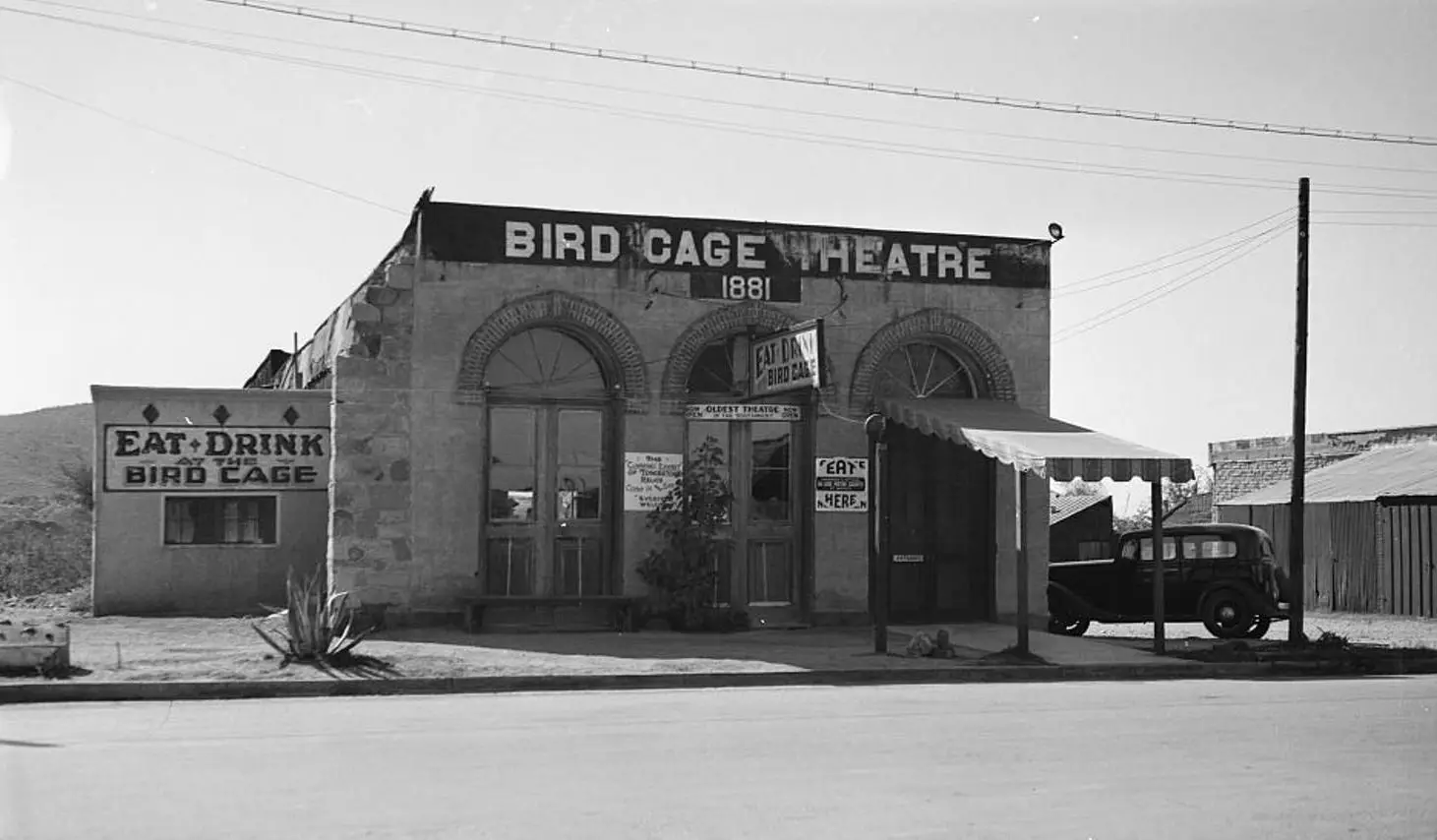
Bird Cage Theatre
The Bird Cage Theatre is an 1881 variety theater, saloon and dance hall on Tombstone's Allen Street, now a privately run museum.
Documented AccountsOpen to visitorsAlso a theater
Theater · Memphis, TN
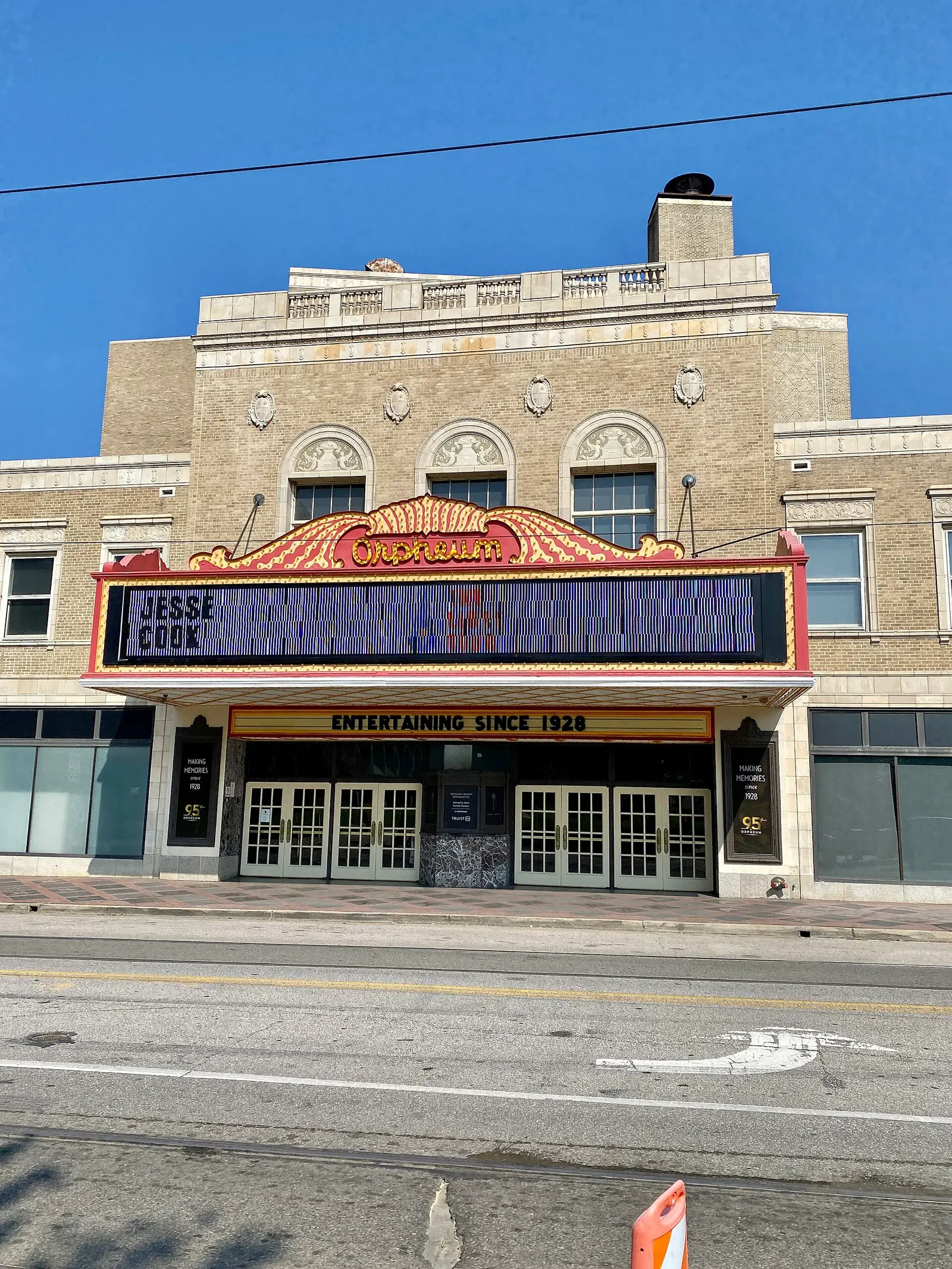
Orpheum Theatre
The Orpheum is a 1928 movie palace at Main and Beale in Memphis, built after an earlier theater on the site burned in 1923.
UnverifiedTours onlyAlso a theater
Theater · Lancaster, PA
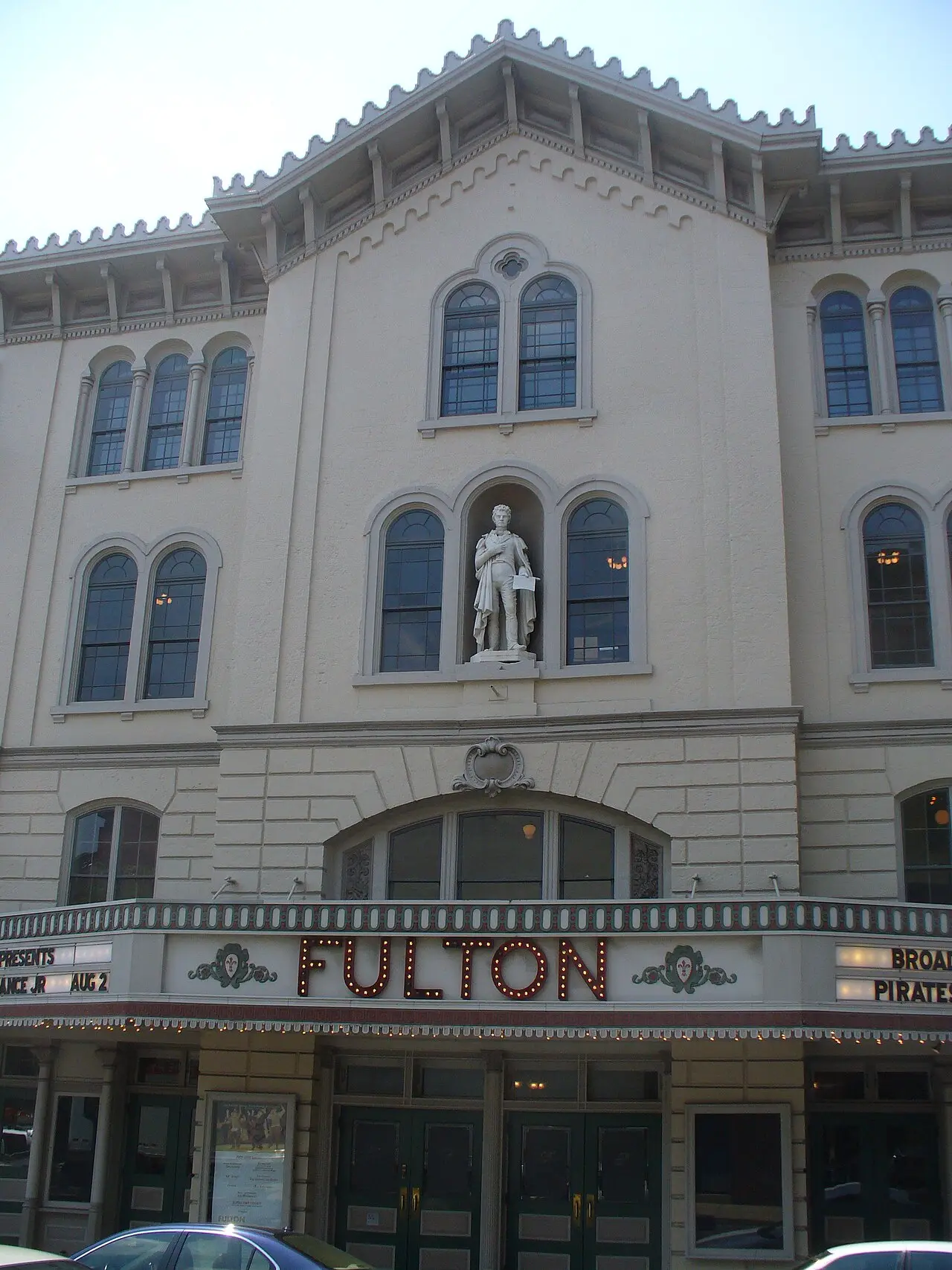
Fulton Theatre
The Fulton Theatre in Lancaster opened in 1852 partly on the foundations of the colonial jail where the Paxton Boys killed Conestoga people in 1763, and was restored as a working theater from 1964.
Documented AccountsOpen to visitorsAlso a theater
Theater · Charleston, SC
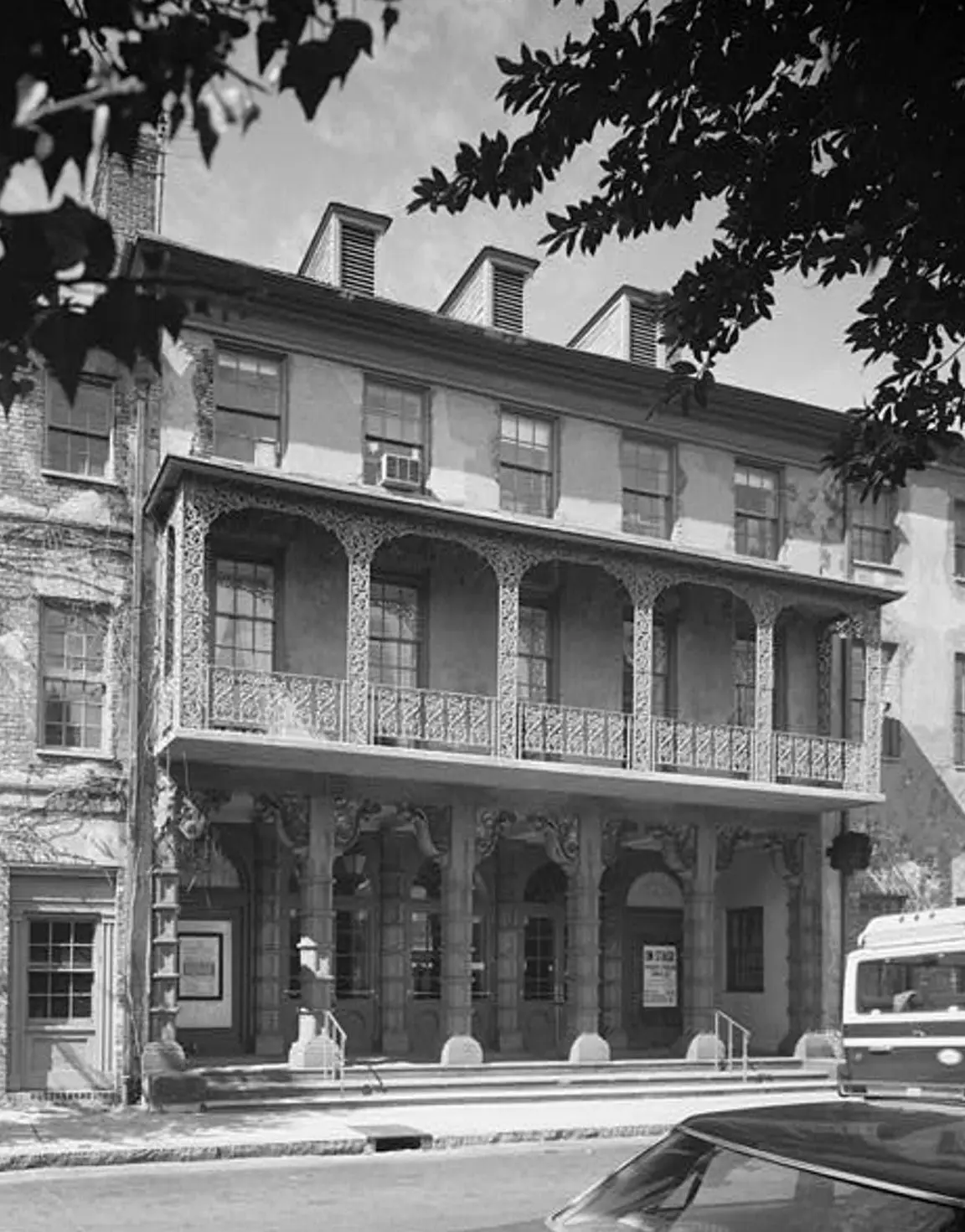
Dock Street Theatre
The Dock Street Theatre on Church Street is the former Planters' Hotel of 1809, rebuilt as a theater by New Deal programs in 1935-1937 near the site of a 1736 playhouse.
UnverifiedOpen to visitors