← San Antonio The Alamo
The Alamo
San Antonio, Texas
The Alamo is the church of the former Mission San Antonio de Valero, founded in 1718 and the site of the 1836 siege.
What do we know about The Alamo?
The ghost evidence is old but thin. The earliest report found is an 1894 newspaper story about a police sub-station in part of the building: an unnamed police official heard walking and groans one night, and unnamed prisoners were said to have seen three figures. Adina De Zavala's 1917 book retells the jail-era noises and records the flaming-sword story as a folk tale. Modern media mention unnamed workers hearing footsteps.

Our rating of the reports about The Alamo: Documented Accounts. At least one traceable published or first-hand account of an unexplained experience. We check that the reports exist, not the supernatural. The rating describes the evidence for the reports, not whether the place is haunted.
- Reported accounts
- 2
- Counted for the rating
- 1
- Research sources
- 8
Counted for the rating: independent accounts we could trace to a witness. Retellings of the same story count once, and staff passing on what visitors said aren’t counted. How we count
Reported experiences don’t establish a supernatural cause.
Read our evidence assessment →The hauntings
Accounts, encounters and stories associated with The Alamo.

What has been reported?
- Voices
- Footsteps
- Apparitions



Phenomena described in accounts associated with this location — not independently verified events.
Reported experiences
2 published and reported accounts, each assessed by its source.
Account 01 · December 22, 1894 · 2 versions
The Daily Texarkanian , via Library of Congress,…, 1894
An 1894 newspaper story said that one of the police officials at the sub-station, standing alone near the street door about 1 a.m. on a rainy night, heard someone walking in the main hall, got no answer when he called out, and heard groans as of…
- Voices
- Footsteps
- Apparitions
Published accountReported by An unnamed San Antonio police official, as reported in the Daily Texarkanian (1894)Note: The official is not named, the night is not dated, and the story is a reprint from another paper. It says the noises could not have been rats.
Read full account ›
An 1894 newspaper story said that one of the police officials at the sub-station, standing alone near the street door about 1 a.m. on a rainy night, heard someone walking in the main hall, got no answer when he called out, and heard groans as of someone in terrible pain; the sounds went on for the rest of the night.[5]
The same 1894 story said that prisoners once held in the sub-station's cell were badly frightened one rainy night by three figures they recognized as Crockett, Bowie and Travis, which vanished through the stone wall, and that they heard walking and the rattle of muskets and chains on the floor above. In 1917 Adina De Zavala wrote that prisoners and officers from the jail years told of rattling chains, the tread of sentries and the clank of sword and spur, especially on stormy nights.[6][5]
Note: Second-hand; no prisoner or officer is named and no date is given. De Zavala's retelling is probably drawn from the same jail-era stories.
- Apparitions
- Footsteps
No traceable witnessReported by KSAT (2019) and Texas Public Radio (2021), summarizing unnamed reportsNote: No witnesses, dates or places in the complex are given.

Legends & disputed stories
Stories told about the place that the records don’t confirm.

- Legend
De Zavala recorded as a current folk tale that when Andrade's men tried to destroy the Alamo after the 1836 campaign, spirits with flaming swords barred their way and warned them off, and that this is why the buildings were spared.[6]
What the research shows: A legend, presented as such in the book. The record shows Andrade was ordered to tear down the fortifications, not the church; nothing supports the supernatural part.
Before you go

Planning a visit?
Open to visitors
Parts of the inside are open to the public.
Access details ›
The Alamo Church is free to enter, but the official site asks visitors to reserve a free timed ticket; some other tours and exhibits are sold as paid tickets. The site is a state-owned historic shrine and makes no claim that it is haunted; it does not run ghost tours. Commercial ghost tours of downtown San Antonio may pass by, and their marketing is not evidence. Check the official site for current arrangements.
Entry
Free and paid areas
Access last checked November 16, 2026. Confirm times and prices before you travel.
The history of The Alamo
The Alamo is the church of the former Mission San Antonio de Valero, founded in 1718 and the site of the 1836 siege. Ghost stories here are more than a century old: in 1894 a newspaper reported a police official hearing footsteps and groans at night while part of the building was a police station, and Adina De Zavala recorded the legend of spirits with flaming swords in 1917. The church is free to visit with a reservation.
- Established
- 1744
- Also known as
- Mission San Antonio de Valero
The mission
Mission San Antonio de Valero was founded on May 1, 1718, under the Franciscan Fray Antonio de Olivares, who brought Indigenous converts from an earlier mission. It moved to its present site in 1724. The Indigenous people who lived at the mission were taught the Catholic faith and Spanish, learned weaving, farming, masonry and metalwork, and dug the acequias that watered its fields; archaeology shows they kept making their own pottery and stone tools. Work on the stone church began in the 1740s, but parts of it collapsed and it was never finished as planned. The mission was secularized in 1793.
The siege and after
From February 23 to March 6, 1836, Mexican forces under Santa Anna besieged the former mission and killed all of the Texan combatants, among them James Bowie and David Crockett. That May, Gen. Juan José Andrade was ordered to tear down its fortifications. The U.S. Army later used the buildings as a quartermaster depot until 1877. Texas bought the church in 1883 and the Long Barrack in 1905; today the Alamo Trust runs the site for the state.
The jail-era ghost story
By 1894 part of the building was a police sub-station with a small holding cell. A newspaper story that year said a police official, standing alone near the door around 1 a.m., heard someone walking in the main hall and groans as of someone in pain, though no one was there. The same story said prisoners in the cell had once seen three figures they took for Crockett, Bowie and Travis vanish through the wall. Neither the official nor the prisoners are named.
The flaming swords
In 1917 the preservationist Adina De Zavala wrote that San Antonio papers had long carried tales of ghosts at the Alamo. She recorded a folk tale that when Andrade's men tried to destroy the walls they were driven off by spirits with flaming swords, and she said prisoners and officers from the jail years told of chains, a sentry's tread, and the clank of sword and spur on stormy nights.
Later reports
Television and radio features repeat that workers have heard footsteps and seen soldiers, and that a child's ghost wanders the site, but they name no one.
Through the years
1744
Church begun
The cornerstone of the stone church was laid in 1744, but parts of the building later collapsed, in the 1750s or in 1762 depending on the source, and it was never finished as designed.[1][2][3]
Caveat: Sources differ on the details: the Handbook gives May 8, 1744, and a collapse in the mid-1750s; the Alamo's page dates the start of construction to 1740 and a collapse to 1756; the landmark form says the church was finished in 1757 and its towers and vault fell in 1762.
1793
Mission secularized
The Indigenous people who lived at the mission were instructed in the Catholic faith and Spanish, learned weaving, farming, masonry and metalwork, and built the acequias that watered its crops; archaeology shows they also kept making their own…
Read more ›
The Indigenous people who lived at the mission were instructed in the Catholic faith and Spanish, learned weaving, farming, masonry and metalwork, and built the acequias that watered its crops; archaeology shows they also kept making their own pottery and stone tools. The mission was secularized in 1793, and former residents became parishioners of San Fernando.[1][3]
Caveat: The site's page names no Indigenous groups and does not discuss disease, coercion or the mission cemetery.
1836
Siege ends
1836
Fortifications ordered torn down
Gen. Juan José Andrade was left in charge at Béxar after the battle, and on May 24, 1836, he was ordered to tear down the Alamo's fortifications before marching to Goliad.[4]
1883
State buys the church
The U.S. Army used the Alamo as a quartermaster depot from 1848 until 1877. Texas bought the church in 1883 and the Long Barrack in 1905, entrusting the property to the Daughters of the Republic of Texas; custody…
Read more ›
The U.S. Army used the Alamo as a quartermaster depot from 1848 until 1877. Texas bought the church in 1883 and the Long Barrack in 1905, entrusting the property to the Daughters of the Republic of Texas; custody passed to the General Land Office in 2011, and daily operations to what became the Alamo Trust in 2015.[1][2]
1894
Police sub-station
By 1894 part of the Alamo was in use as a police sub-station, with a small cell for holding people under arrest.[5]
Caveat: From the same newspaper story as the ghost report below; not checked against city records.
The research conclusion

Why it has this rating
One traceable account: an 1894 newspaper report, reprinted from a San Antonio paper, of a police official at the Alamo sub-station hearing footsteps and groans at night. The witness is unnamed; the 'flaming swords' story is a legend recorded in 1917, and modern reports name no one.
Read the full written assessment ›
The history is well recorded by the National Historic Landmark form, the Handbook of Texas and the Alamo's own pages.
The ghost evidence is old but thin. The earliest report found is an 1894 newspaper story about a police sub-station in part of the building: an unnamed police official heard walking and groans one night, and unnamed prisoners were said to have seen three figures. Adina De Zavala's 1917 book retells the jail-era noises and records the flaming-sword story as a folk tale. Modern media mention unnamed workers hearing footsteps. No witness in any of these is named, and the site makes no claim to be haunted.
The sources behind the story
8 research references support this entry.

1Texas State Historical Association, Handbook of Texas OnlineAlamo Book · Reference 01
Amelia W. Williams; revised by R. Matt Abigail and William V. Scott, Alamo. Texas State Historical Association, Handbook of Texas Online, 2024-05-29.
Scholarly state encyclopedia entry, first published 1976 and revised May 29, 2024. Reliable for the founding, the 1724 move, the 1744 cornerstone, secularization in 1793, the 1836 siege dates, Army use until 1877, the 1883 and 1905 purchases and the custody changes of 2011 and 2015. Says the mission served American Indians but names no groups.
Accessed November 16, 2026.
2National Park Service, Historic Sites SurveyNational Register of Historic Places Inventory-Nomination Form: The Alamo (National Historic Landmark) Register or nomination · Reference 02
Patricia Heintzelman, Architectural Historian, Landmark Review Project, National Register of Historic Places Inventory-Nomination Form: The Alamo (National Historic Landmark). National Park Service, Historic Sites Survey, 1975-05-09.
Federal landmark form, read in its text layer. Reliable for the church's construction, the 1848 quartermaster renovation and the defenders' deaths (it gives some 187). Its dates for the church (finished 1757, towers and vault collapsed 1762) differ from the Handbook's and the Alamo's own page.
Accessed November 16, 2026.
3The Alamo (Alamo Trust, for the Texas General Land Office)Mission Valero Official or site history · Reference 03
Mission Valero. The Alamo (Alamo Trust, for the Texas General Land Office).
The site's own history page. Reliable for the founding date, the 1724 move, the lives and work of the mission's Indigenous residents (called neophytes) and secularization in 1793. It names no Indigenous groups and says nothing about disease or the mission cemetery. Gives 1740 for the start of church construction and 1756 for a collapse.
Accessed November 16, 2026.
4Texas State Historical Association, Handbook of Texas OnlineAndrade, Juan José Book · Reference 04
Winifred W. Vigness, Andrade, Juan José. Texas State Historical Association, Handbook of Texas Online.
Scholarly encyclopedia entry. Confirms that Andrade was left in charge at Béxar after the battle and that on May 24, 1836, Filisola ordered him to tear down the Alamo's fortifications. Used to check the historical name in the flaming-sword legend.
Accessed November 16, 2026.
5The Daily Texarkanian (Texarkana, Ark.), via Library of Congress, Chronicling AmericaDavy Crockett. A Ghost Story Not Told by Col. Bob in His Lecture on 'The Fall of the Alamo' Newspaper · Reference 05
Davy Crockett. A Ghost Story Not Told by Col. Bob in His Lecture on 'The Fall of the Alamo'. The Daily Texarkanian (Texarkana, Ark.), via Library of Congress, Chronicling America, 1894-12-22.
Contemporary newspaper story, read in the OCR text of page 1. It ends with a credit that the OCR renders as '[Stuttgart] Star', so it is a reprint of another paper's story. It reports 'recent' noises at the Alamo police sub-station from an unnamed police official and an older story from unnamed prisoners. The earliest Alamo ghost account we could open; it shows the reputation existed in 1894 but names no witness.
Accessed November 16, 2026.
6Adina De Zavala, San Antonio (scan at Internet Archive)History and Legends of the Alamo and Other Missions in and around San Antonio Book · Reference 06
Adina De Zavala, History and Legends of the Alamo and Other Missions in and around San Antonio. Adina De Zavala, San Antonio (scan at Internet Archive), 1917.
Book by a leading Alamo preservationist, read in the Internet Archive's OCR text. Its legends chapters openly present folk tales, not history. It is the earliest place we found the flaming-sword story and a retelling of jail-era noises, but it names no witnesses. Uses period language about Indigenous people.
Accessed November 16, 2026.
7KSAT 12 (San Antonio)Have you visited any of these haunted locations in San Antonio? Television or radio · Reference 07
Erica Hernandez, Have you visited any of these haunted locations in San Antonio?. KSAT 12 (San Antonio), 2019-01-18.
Local TV listicle. Says workers have reportedly seen spirits of soldiers and heard their footsteps at the Alamo, without naming anyone or giving dates.
Accessed November 16, 2026.
8Texas Public RadioSan Antonio is filled with ghosts. Here are spooky spots you can visit this Halloween Television or radio · Reference 08
Kathleen Creedon (with Brian Kirkpatrick), San Antonio is filled with ghosts. Here are spooky spots you can visit this Halloween. Texas Public Radio, 2021-10-30.
Public-radio Halloween feature. Repeats that a small child's ghost and ghosts of soldiers are said to be seen at the Alamo; names no witnesses.
Accessed November 16, 2026.
More haunted places

Explore nearby
Hotel
The Menger Hotel
San Antonio, Texas · under 1 mile away · Open to visitors
Hotel
The Emily Morgan Hotel
San Antonio, Texas · under 1 mile away · Open to visitors
Museum
Spanish Governor's Palace
San Antonio, Texas · under 1 mile away · Open to visitors
Road
San Antonio Ghost Tracks
San Antonio, Texas · 3.4 miles away · Outside only
Similar places
Also a battlefield · also reported: footsteps
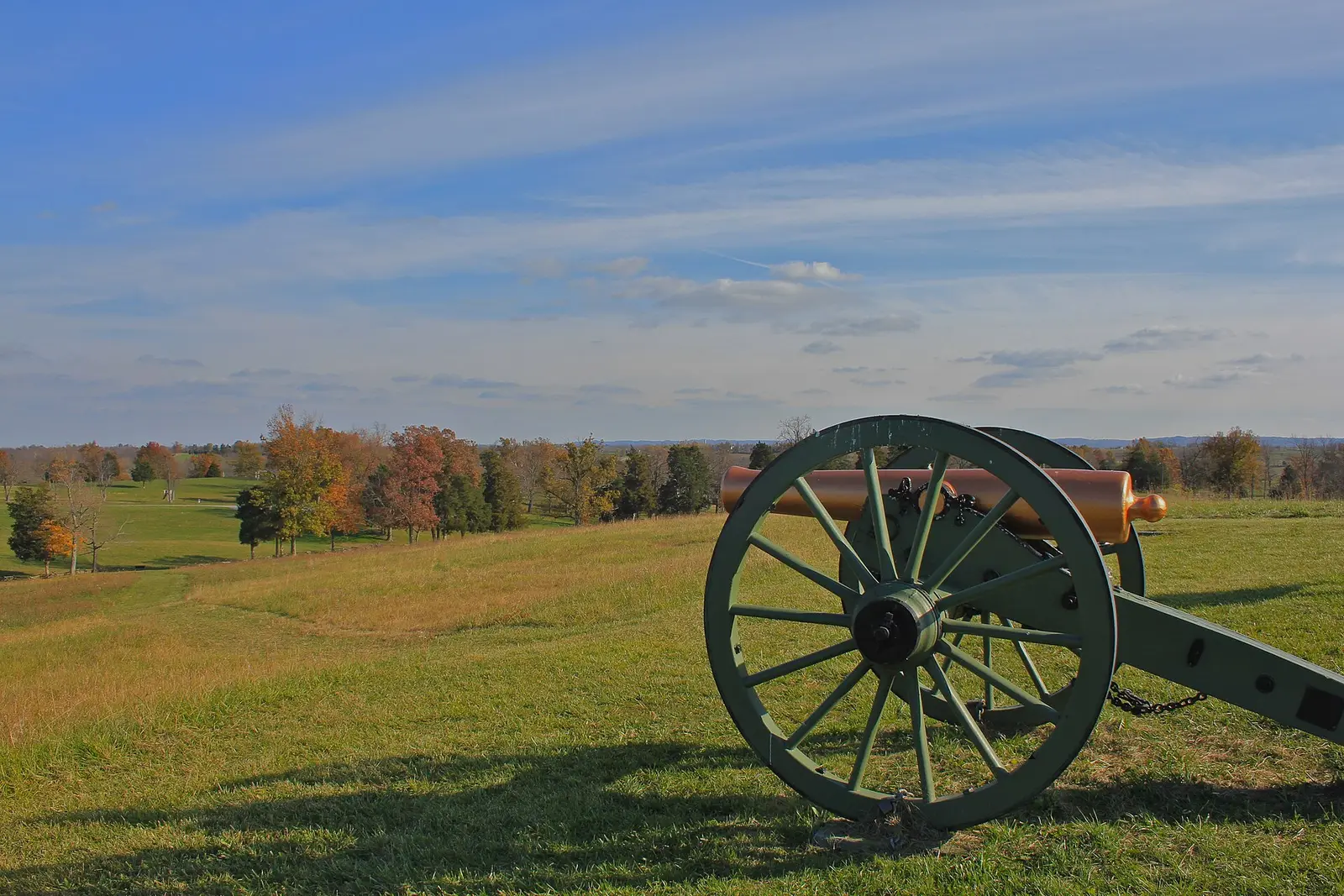
Battlefield · KY
Perryville Battlefield State Historic Site
Perryville Battlefield State Historic Site preserves the ground of Kentucky's largest Civil War battle, fought on October 8, 1862, which left more than 7,600 soldiers killed, wounded or missing.
Documented AccountsOutside onlyAlso a battlefield · also reported: footsteps
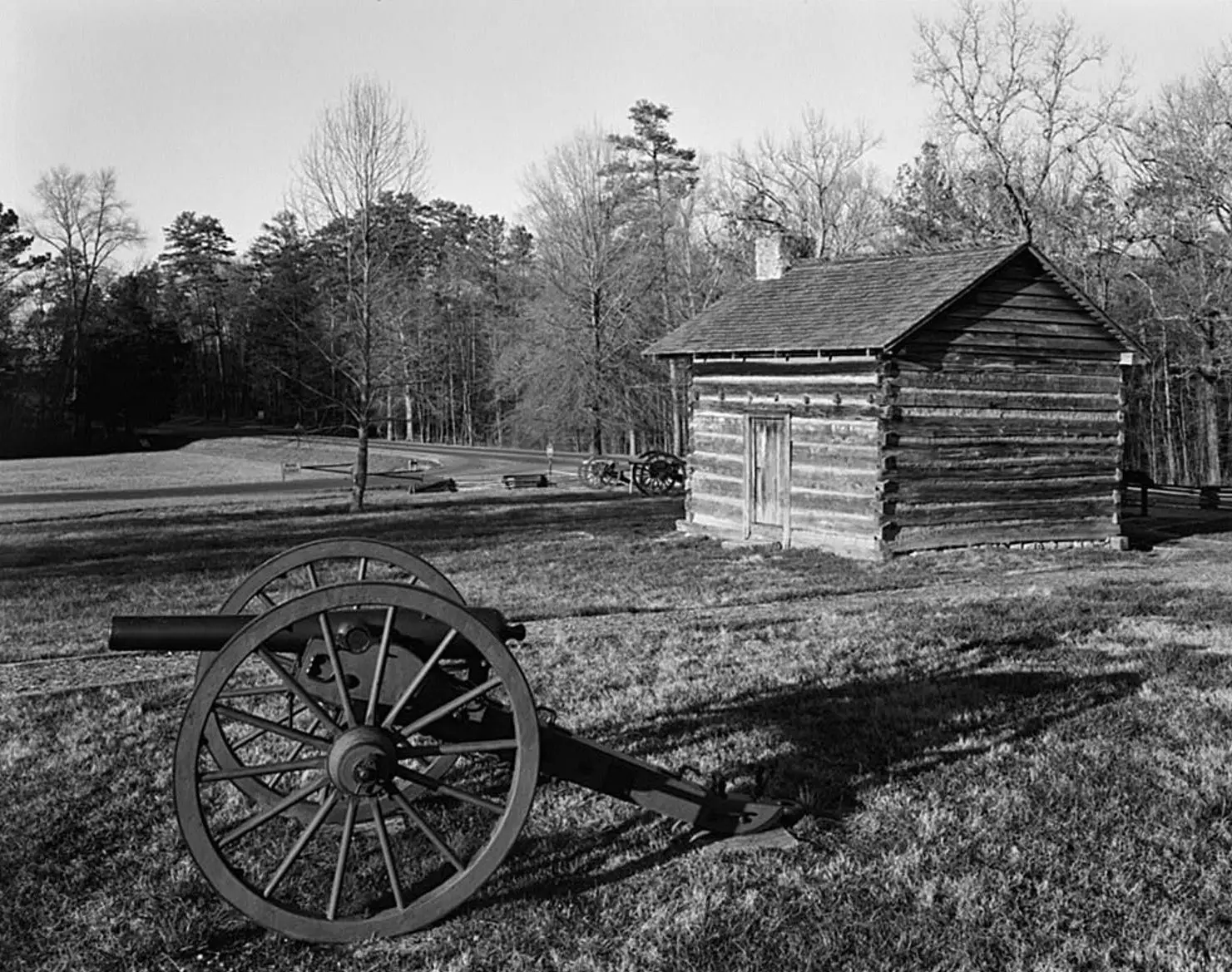
Battlefield · Fort Oglethorpe, GA
Chickamauga Battlefield, Chickamauga and Chattanooga National Military Park
Chickamauga, in northwest Georgia, was the site of a three-day 1863 battle with about 34,600 casualties, preserved since 1890 as the first national military park.
Documented AccountsOutside onlyAlso a battlefield
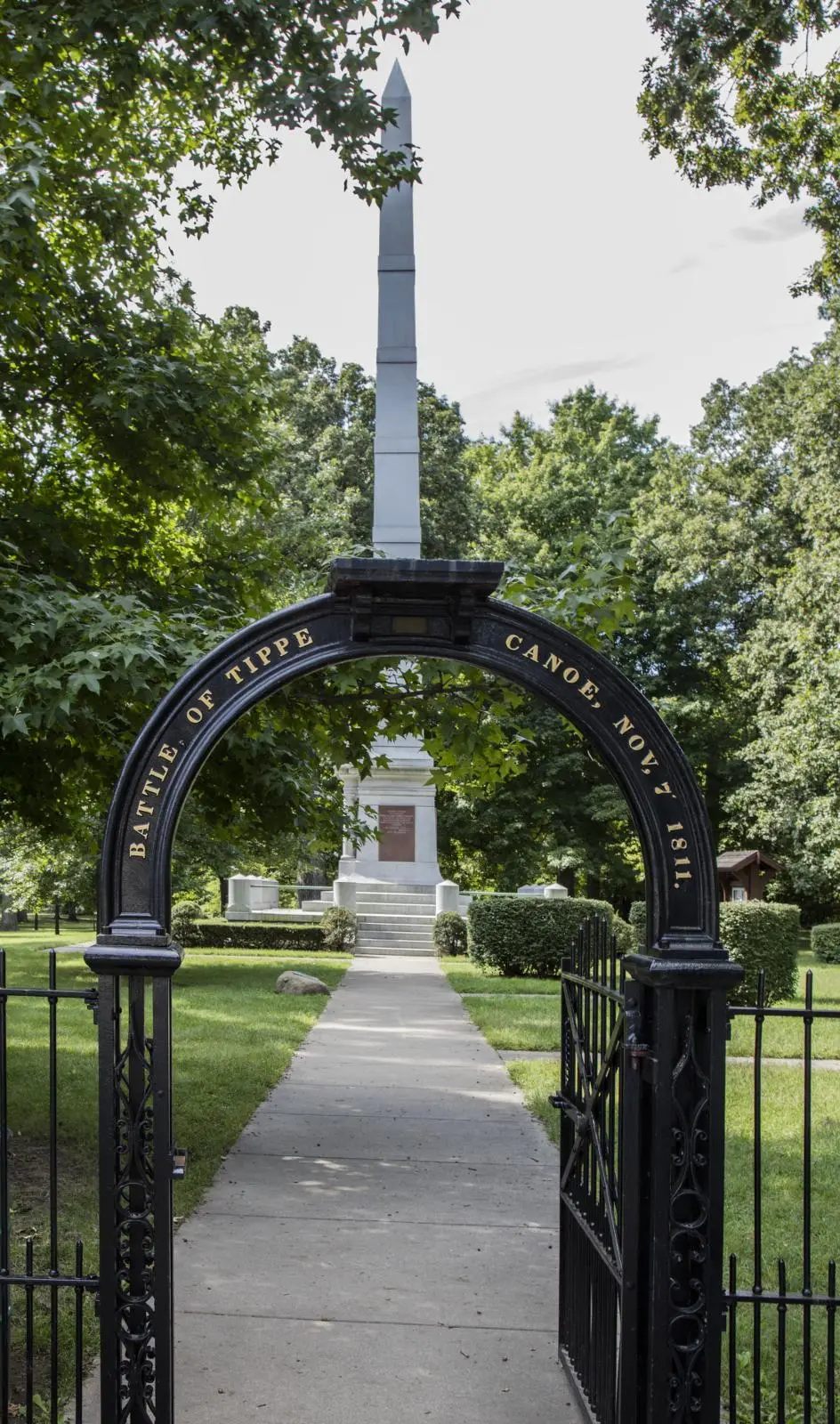
Battlefield · Battle Ground, IN
Tippecanoe Battlefield
Tippecanoe Battlefield in Battle Ground, Indiana, is where warriors of Tecumseh and Tenskwatawa's confederacy fought William Henry Harrison's army on November 7, 1811.
UnverifiedOpen to visitorsAlso a battlefield
Battlefield · PA
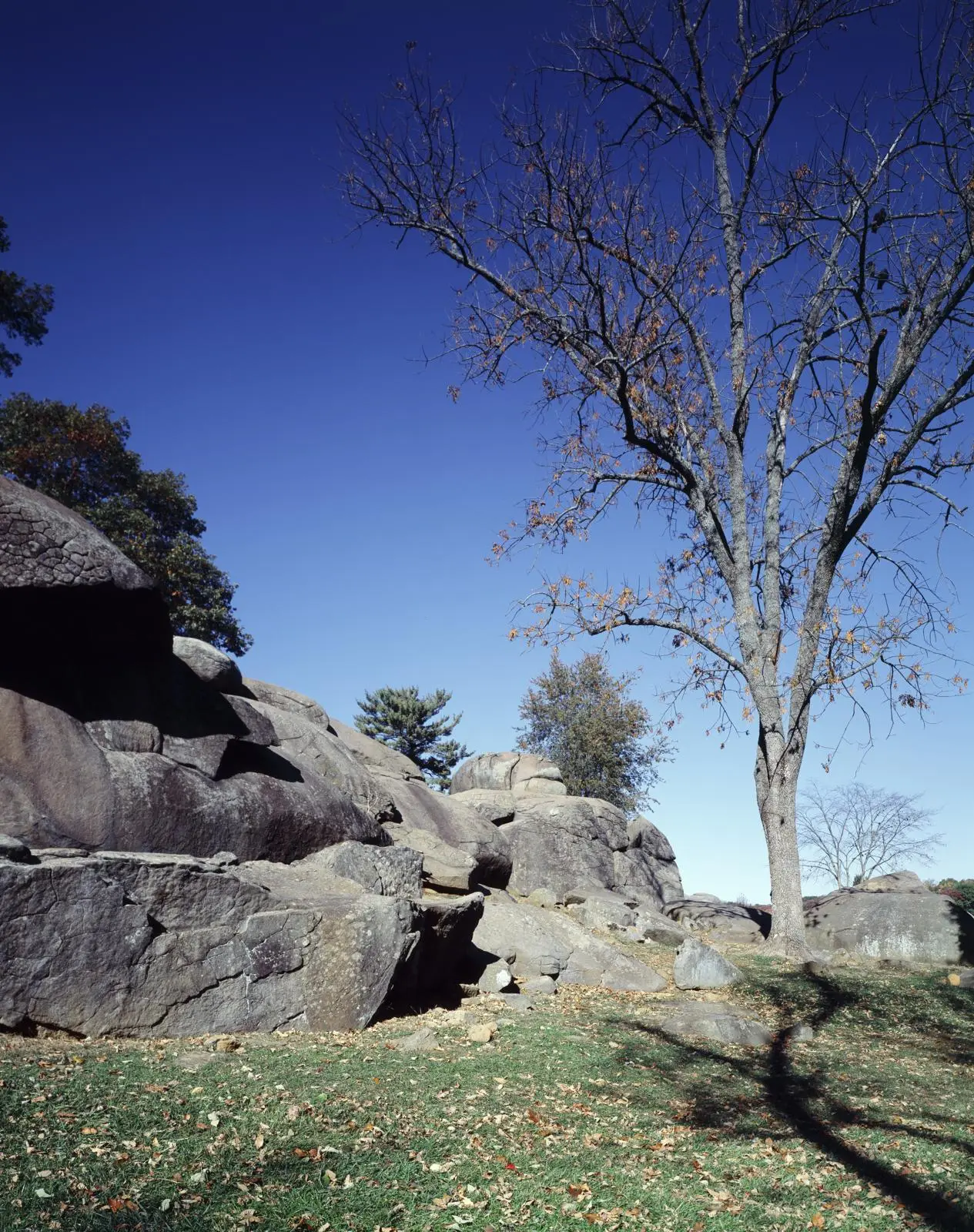
Devil's Den
Devil's Den is a boulder field on the Gettysburg battlefield, fought over on July 2, 1863.
Documented AccountsOutside only