← Charleston Dock Street Theatre
Dock Street Theatre
Charleston, South Carolina
The Dock Street Theatre on Church Street is the former Planters' Hotel of 1809, rebuilt as a theater by New Deal programs in 1935-1937 near the site of a 1736 playhouse.
What do we know about Dock Street Theatre?
The ghosts are not. No record we found identifies Nettie or confirms a lightning death, and the ghost-tour company that tells her story calls parts of it rumor. The only report that names a source is a theater manager's secondhand account, in National Geographic, of a construction worker's sighting in 2010; the rest come from unnamed actors, guests and passersby.
Our rating of the reports about Dock Street Theatre: Unverified. A haunted reputation or legend, but no traceable account of an experience so far. The rating describes the evidence for the reports, not whether the place is haunted.
- Reported accounts
- 3
- Counted for the rating
- 0
- Research sources
- 7
Counted for the rating: independent accounts we could trace to a witness. Retellings of the same story count once, and staff passing on what visitors said aren’t counted. How we count
Reported experiences don’t establish a supernatural cause.
Read our evidence assessment →The hauntings
Accounts, encounters and stories associated with Dock Street Theatre.
What has been reported?
- Apparitions
- Being touched
- Shadow figures
Phenomena described in accounts associated with this location — not independently verified events.
Reported experiences
3 published and reported accounts, each assessed by its source.
Account 01 · October 1, 2025
The theater's operations manager, 2025
The theater's operations manager told National Geographic that a construction worker saw Nettie's spirit in 2010.[5]
- Apparitions
Published accountReported by The theater's operations manager (via National Geographic)Note: Secondhand; the worker is not named and gave no account of his own that we could find.
Read full account ›
The theater's operations manager told National Geographic that a construction worker saw Nettie's spirit in 2010.[5]
Account 02 · October 26, 2023
The State, 2023
The State reported in 2023 that actors and workers say they have felt Junius Brutus Booth's breath on their necks and that actors have seen Nettie looking like a 'zombie in a red dress'.[6]
- Being touched
- Apparitions
No traceable witnessNote: No witness is named; written for an HGTV 'creepiest place' list.
Read full account ›
The State reported in 2023 that actors and workers say they have felt Junius Brutus Booth's breath on their necks and that actors have seen Nettie looking like a 'zombie in a red dress'.[6]
Account 03
Ghost City Tours
A ghost-tour company says unnamed passersby have seen figures gazing from the windows at night and theater guests have seen shadowy figures in the rafters and apparitions on stage.[7]
- Apparitions
- Shadow figures
No traceable witnessNote: Tour marketing; no named witness.
Read full account ›
A ghost-tour company says unnamed passersby have seen figures gazing from the windows at night and theater guests have seen shadowy figures in the rafters and apparitions on stage.[7]
Legends & disputed stories
Stories told about the place that the records don’t confirm.
- Legend
The best-known ghost is Nettie, said to be a woman who worked at the Planters' Hotel in the 1840s and was killed by lightning while standing on its balcony in a storm, and who now wanders the theater in a tattered red dress; some call her Nettie Dickerson, while others say the name was given by locals.[1][5][7]
What the research shows: No record of her identity or of a lightning death was found.
- Legend
A second ghost is said to be Junius Brutus Booth, who is said to drift into the second balcony box from stage right; Ghost City Tours notes that Booth did not die in Charleston and suggests the figure could be another actor.[5][7]
Before you go

Planning a visit?
Open to visitors
Parts of the inside are open to the public.
Access details ›
A working theater owned by the City of Charleston and home to the Charleston Stage company; the public sees the interior by buying tickets to performances. Check the official site for the current season.
Entry
Paid entry
Access last checked November 17, 2026. Confirm times and prices before you travel.
Approximate location, within about 1 km.
The history of Dock Street Theatre
The Dock Street Theatre on Church Street is the former Planters' Hotel of 1809, rebuilt as a theater by New Deal programs in 1935-1937 near the site of a 1736 playhouse. Legend says it is haunted by Nettie, a woman in a red dress said to have been killed by lightning on the balcony, and by the actor Junius Brutus Booth. The reports are unnamed or secondhand. You can see inside by attending a performance.
- Established
- 1809
- Also known as
- Historic Dock Street Theatre
America's early stage
By 1736 Charleston had a theater fronting Dock Street, now Queen Street, one of the earliest in the colonies; it opened with George Farquhar's The Recruiting Officer and was gone by about 1800. Spoleto Festival USA says it burned in 1740.
The Planters' Hotel
In 1809 a hotel keeper announced she had bought the large house at the corner of Church and Queen streets, and the Planters' Hotel became a favorite of planter families, especially in horse-racing season, until after the Civil War. Its National Register nomination calls it the last surviving antebellum hotel building in Charleston. The hotel sometimes lodged a theater troupe that played at the New Theatre, whose best-known actor was Junius Brutus Booth, father of John Wilkes Booth.
A New Deal theater
By the early 1930s the hotel was vacant and in ruins. The city bought it in 1935, and federal relief programs paid for architect Douglas Ellington, working with Albert Simons and Samuel Lapham, to build a new theater behind the brownstone front. A Black craftsman, John Smith, was recognized for his plasterwork. Harry Hopkins attended the grand opening in November 1937, a revival of The Recruiting Officer. The building was listed on the National Register in 1973, and the Charleston Stage company has performed there since 1978.
Through the years
1809
Planters' Hotel opens
The Planters' Hotel opened in 1809 when its proprietor announced she had bought the large house at the corner of Church and Queen streets; it was later owned by Alexander Calder, was a favorite of planter families in…
Read more ›
The Planters' Hotel opened in 1809 when its proprietor announced she had bought the large house at the corner of Church and Queen streets; it was later owned by Alexander Calder, was a favorite of planter families in racing season until after the Civil War, and is the last surviving antebellum hotel building in Charleston.[3][2]
1935–1937
New Deal restoration
Vacant and ruinous by the early 1930s, the hotel was bought by the city in 1935 and rebuilt with federal relief funds: architect Douglas D. Ellington, with Albert Simons and Samuel Lapham, designed a new theater behind the…
Read more ›
Vacant and ruinous by the early 1930s, the hotel was bought by the city in 1935 and rebuilt with federal relief funds: architect Douglas D. Ellington, with Albert Simons and Samuel Lapham, designed a new theater behind the brownstone front, reusing woodwork from the demolished Radcliffe-King mansion. A Black craftsman, John Smith, was singled out for his plasterwork.[3][2]
1937
Theater reopens
The new Dock Street Theatre opened in November 1937 with a revival of The Recruiting Officer attended by WPA chief Harry Hopkins; it was listed on the National Register in 1973, is owned by the City of Charleston,…
Also recorded
In the mid-1800s the hotel sometimes lodged a theatrical troupe that performed at the New Theatre at Broad and New streets; its best-known actor was Junius Brutus Booth, father of John Wilkes Booth.[3]
Caveat: A popular story that Booth attacked the hotel manager is not documented in the sources we consulted; Ghost City Tours calls it a rumor.
The research conclusion

Why it has this rating
No traceable account of an experience: the best report is secondhand, an operations manager relaying an unnamed construction worker's sighting, and no record identifies 'Nettie' or a lightning death.
Read the full written assessment ›
The building's history is documented by its National Register nomination and the South Carolina Encyclopedia, including that Junius Brutus Booth's theater troupe sometimes lodged at the hotel.
The ghosts are not. No record we found identifies Nettie or confirms a lightning death, and the ghost-tour company that tells her story calls parts of it rumor. The only report that names a source is a theater manager's secondhand account, in National Geographic, of a construction worker's sighting in 2010; the rest come from unnamed actors, guests and passersby.
The sources behind the story
7 research references support this entry.

1Spoleto Festival USA6 Hidden Secrets of Charleston's Dock Street Theatre Website · Reference 01
6 Hidden Secrets of Charleston's Dock Street Theatre. Spoleto Festival USA, 2023-02-21.
Festival blog post. Says the 1736 theater burned in 1740, tells the Nettie legend and a story that Booth attacked the hotel manager. Presents the ghost as legend; names no witness.
Accessed November 17, 2026.
2South Carolina Encyclopedia (University of South Carolina, Institute for Southern Studies)Dock Street Theatre Website · Reference 02
Sarah Fick, Dock Street Theatre. South Carolina Encyclopedia (University of South Carolina, Institute for Southern Studies), 2016-05-17.
Scholarly encyclopedia entry (updated 2022-07-22) citing News and Courier articles of 1937 and 1973. Gives the 1736 theater, the 1809 hotel advertisement, the 1935 purchase and FERA/WPA restoration by Douglas Ellington with Albert Simons and Samuel Lapham, craftsman John Smith, the November 1937 opening and 1973 listing. Gives the address as 135 Meeting Street, an error for Church Street.
Accessed November 17, 2026.
3National Park Service (NPGallery)National Register of Historic Places Inventory–Nomination Form: Dock Street Theatre (Planters' Hotel), ref. 73001684 Register or nomination · Reference 03
Elias B. Bull, National Register of Historic Places Inventory–Nomination Form: Dock Street Theatre (Planters' Hotel), ref. 73001684. National Park Service (NPGallery), 1973.
Nomination prepared by Elias B. Bull (Berkeley-Charleston-Dorchester Regional Planning Council), read by OCR. Gives 135 Church Street, owner City of Charleston, the oldest part ca. 1809, former owner Alexander Calder, the 1935 stage building, the hotel as the last surviving antebellum hotel building in Charleston, and that the hotel occasionally housed a troupe including Junius Brutus Booth. No ghosts.
Accessed November 17, 2026.
4Charleston StageCharleston Stage: Dock Street Theatre Official or site history · Reference 04
Charleston Stage: Dock Street Theatre. Charleston Stage.
Official site of the resident company (dockstreettheatre.com redirects here). Says the company has been resident at the Dock Street Theatre since 1978 and sells tickets for its season.
Accessed November 17, 2026.
5National GeographicHaunted Charleston Magazine · Reference 05
Kinsey Gidick, Haunted Charleston. National Geographic, 2025-10-01.
Travel feature. For this site it quotes the theater's operations manager, who says a construction worker saw Nettie's spirit in 2010; the worker is not named. Title as given in the page URL.
Accessed November 17, 2026.
6The State (republished by Yahoo News)This SC location is the creepiest place in the state, HGTV says. Here's why it's so spooky Newspaper · Reference 06
Lyn Riddle, This SC location is the creepiest place in the state, HGTV says. Here's why it's so spooky. The State (republished by Yahoo News), 2023-10-26.
Newspaper item on an HGTV list. Says actors and workers say they have felt Booth's breath on their necks and actors have seen Nettie; no named witness.
Accessed November 17, 2026.
7Ghost City ToursDock Street Theatre Website · Reference 07
Tim Nealon, Dock Street Theatre. Ghost City Tours.
Ghost-tour company page by its founder, undated. Tells the Nettie story in detail as legend, notes Booth did not die in Charleston, calls the Booth assault a rumor, and reports unnamed passersby and guests seeing figures. Marketing for a paid tour.
Accessed November 17, 2026.
More haunted places
Explore nearby
Museum
Old Exchange and Provost Dungeon
Charleston, South Carolina · under 1 mile away · Open to visitors
Church
Unitarian Church in Charleston and churchyard
Charleston, South Carolina · under 1 mile away · Open to visitors
Prison
Old City Jail
Charleston, South Carolina · under 1 mile away · Tours only
Hotel
Battery Carriage House Inn
Charleston, South Carolina · under 1 mile away · By permission
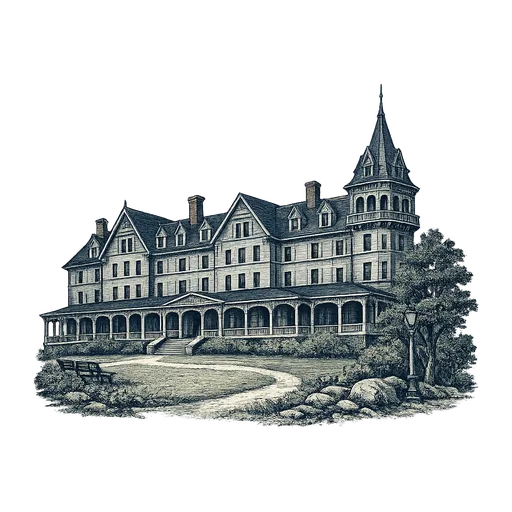
Similar places
Also a theater · also reported: shadow figures
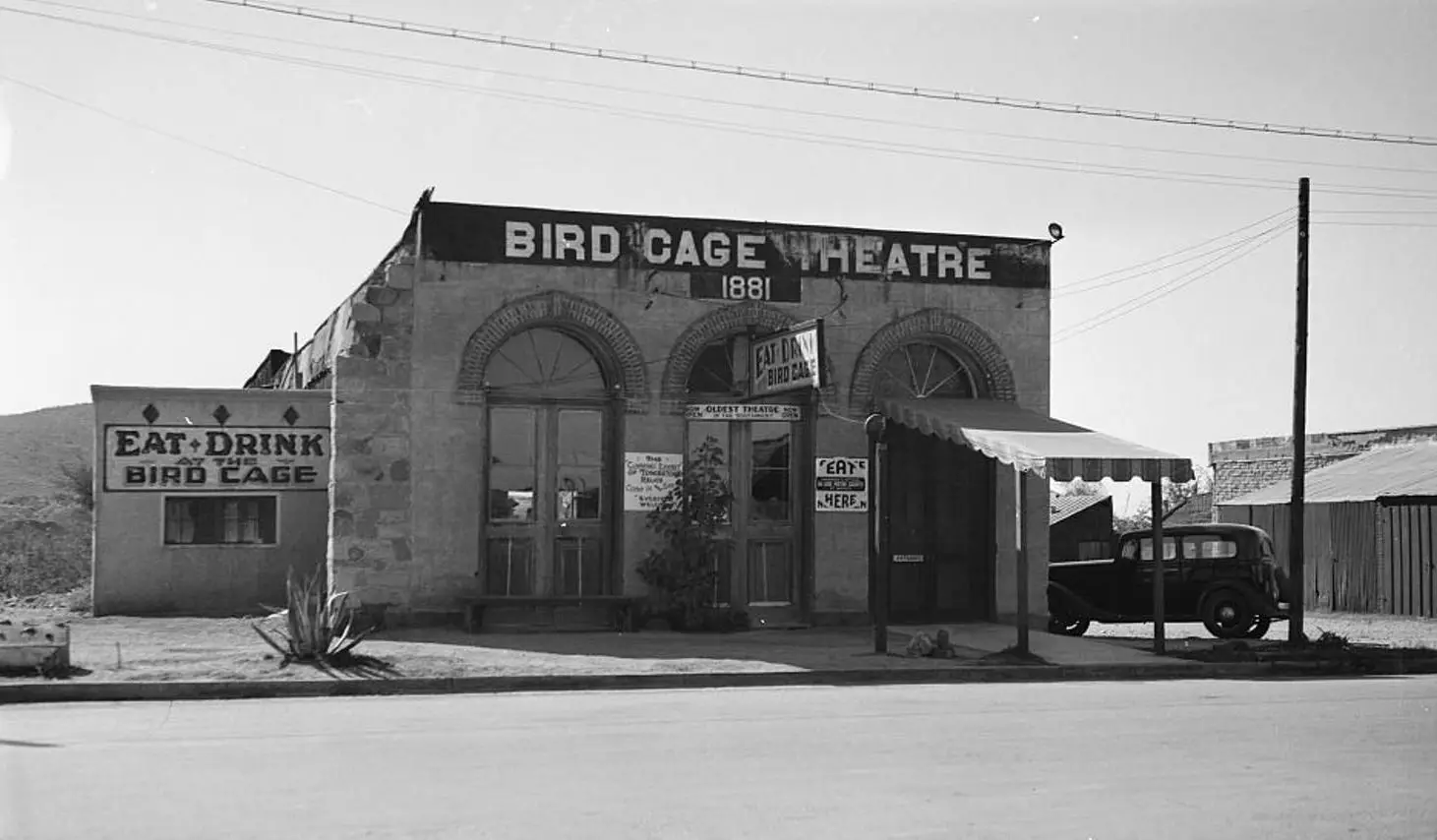
Theater · Tombstone, AZ
Bird Cage Theatre
The Bird Cage Theatre is an 1881 variety theater, saloon and dance hall on Tombstone's Allen Street, now a privately run museum.
Documented AccountsOpen to visitorsAlso a theater · also reported: being touched
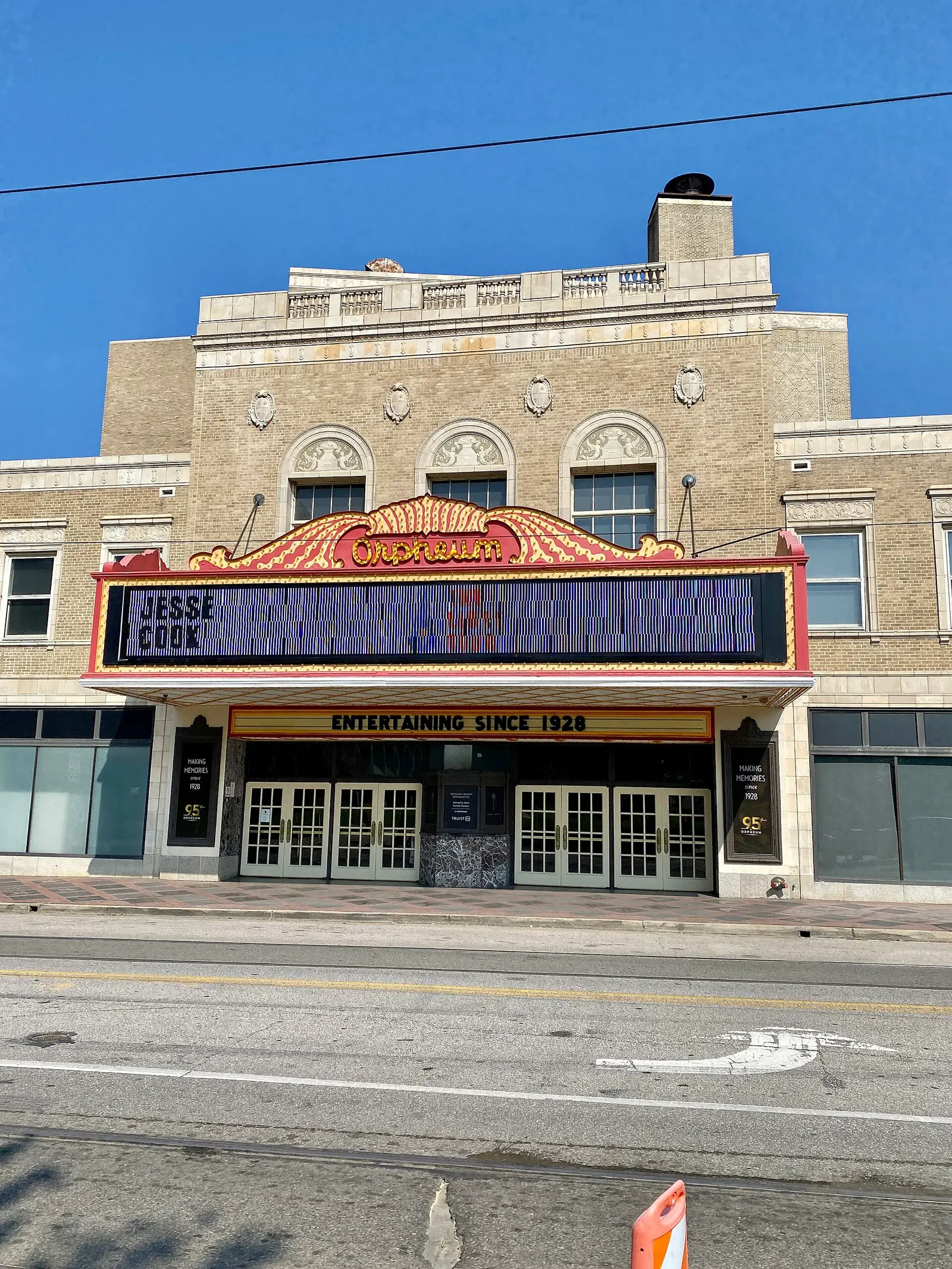
Theater · Memphis, TN
Orpheum Theatre
The Orpheum is a 1928 movie palace at Main and Beale in Memphis, built after an earlier theater on the site burned in 1923.
UnverifiedTours onlyAlso a theater · also reported: being touched
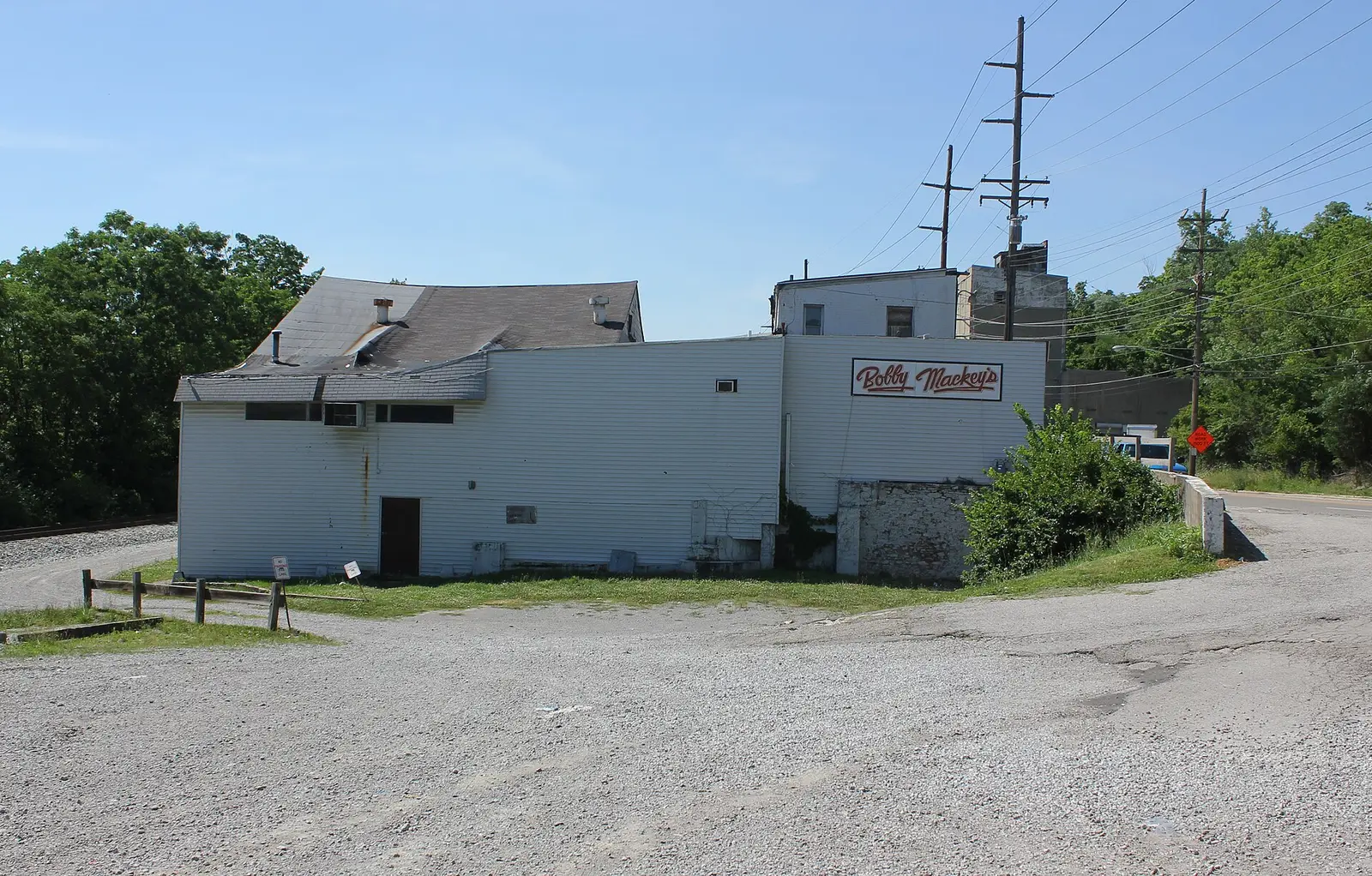
Theater · Wilder, KY
Bobby Mackey's Music World
Bobby Mackey's Music World was a country music bar in Wilder, Kentucky, opened in 1978 in a former gambling club on a slaughterhouse site.
Documented AccountsClosedAlso a theater
Theater · TN
Ryman Auditorium
The Ryman in Nashville opened in 1892 as the Union Gospel Tabernacle and was the Grand Ole Opry's home from 1943 to 1974.
UnverifiedOpen to visitors