← Charleston Old Exchange and Provost Dungeon
Old Exchange and Provost Dungeon
Charleston, South Carolina
The Old Exchange on East Bay Street, finished in 1771 or 1772, was a customhouse, a British military prison during the Revolution, and Charleston's most common site for public auctions of enslaved people.
What do we know about Old Exchange and Provost Dungeon?
The ghost material is thin. The Hayne story, as SCETV tells it, says he visits his sister's house rather than the Exchange. The dungeon stories come from an anonymous 2005 online submission, a ghost-tour company's website and a ghost writer's device readings. No named person has published an account of an experience there.
Our rating of the reports about Old Exchange and Provost Dungeon: Unverified. A haunted reputation or legend, but no traceable account of an experience so far. The rating describes the evidence for the reports, not whether the place is haunted.
- Reported accounts
- 3
- Counted for the rating
- 0
- Research sources
- 9
Counted for the rating: independent accounts we could trace to a witness. Retellings of the same story count once, and staff passing on what visitors said aren’t counted. How we count
Reported experiences don’t establish a supernatural cause.
Read our evidence assessment →The hauntings
Accounts, encounters and stories associated with Old Exchange and Provost Dungeon.
What has been reported?
- Being touched
- Moving objects
- Cold spots
- Apparitions
- Voices
Phenomena described in accounts associated with this location — not independently verified events.
Reported experiences
3 published and reported accounts, each assessed by its source.
Account 01 · May 2005
Castle of Spirits, 2005
An anonymous visitor wrote in 2005 that on a night tour of the dungeon they felt their face burn and found it hard to breathe, then saw a chain jerk back and forth with no visible cause, and that their son felt a cold hand on…
- Being touched
- Moving objects
No traceable witnessNote: Anonymous online submission; the guide's stories are secondhand.
Read full account ›
An anonymous visitor wrote in 2005 that on a night tour of the dungeon they felt their face burn and found it hard to breathe, then saw a chain jerk back and forth with no visible cause, and that their son felt a cold hand on the visitor's shoulder; the guide said chains and mannequins had been moving and that she had once been pushed back at the door.[5]
Account 02
Ghost City Tours
A ghost-tour company says unnamed visitors have heard cries, screams and moans in the dungeon, seen chains swing untouched, felt cold spots, been pushed or felt hands around their throats, and approached a figure in Revolutionary-era dress upstairs that vanished; a ghost writer adds that staff…
- Being touched
- Cold spots
- Apparitions
- Voices
- Moving objects
No traceable witnessNote: No named witness; tour marketing and secondhand staff lore.
Read full account ›
A ghost-tour company says unnamed visitors have heard cries, screams and moans in the dungeon, seen chains swing untouched, felt cold spots, been pushed or felt hands around their throats, and approached a figure in Revolutionary-era dress upstairs that vanished; a ghost writer adds that staff say they have seen apparent staff members walk into walls.[6][7]
Account 03 · February 20, 2020
Nicholas A. McGirr, 2020
Ghost writer Nicholas McGirr reported that on a 2020 daytime tour his EMF meter stayed active in the dungeon and a spirit-box app produced words including his own name; a chamber-music director who performs there told the City Paper in 2008 that she senses the performers…
Published accountReported by Nicholas A. McGirr (his own blog); an unnamed ensemble director (via Charleston City Paper)Note: Device output and a vague feeling, recorded but not counted as accounts of an experience.
Read full account ›
Legends & disputed stories
Stories told about the place that the records don’t confirm.
- Legend
SCETV's folklore series links the Exchange to a ghost story about Isaac Hayne: led in chains past his sister's home on the way to the gallows, he promised to come back 'if I can', and he is thought to visit her there.[9]
What the research shows: As told, the haunting is at his sister's house, not the Exchange; no witness is named.
Before you go

Planning a visit?
Open to visitors
Parts of the inside are open to the public.
Access details ›
A nonprofit museum run under the Old Exchange Building Commission and managed by the City of Charleston, open daily with paid admission sold on site; the Provost Dungeon in the basement is part of the visit. Private companies also sell night-time ghost tours that include the dungeon; their marketing is not evidence. Check the official site before visiting.
Entry
Paid entry
Access last checked November 17, 2026. Confirm times and prices before you travel.
Approximate location, within about 1 km.
The history of Old Exchange and Provost Dungeon
The Old Exchange on East Bay Street, finished in 1771 or 1772, was a customhouse, a British military prison during the Revolution, and Charleston's most common site for public auctions of enslaved people. A ghost story links it to Isaac Hayne, held there before the British hanged him in 1781, and visitors are said to hear cries and see chains move in the dungeon. Nobody traceable has published such an experience. It is a museum with paid admission.
- Established
- 1767–1771
- Also known as
- Exchange and Provost
A colonial exchange
The Exchange was built by the masons Peter and John Horlbeck as Charleston's exchange and customhouse, a Georgian-Palladian building facing the harbor; work began in 1767 and was finished in 1771, according to the museum, or 1772, according to the Historic American Buildings Survey. In December 1773 a meeting in its Great Hall protested the tea tax, and the following year confiscated tea was stored here and delegates were chosen for the First Continental Congress.
The Provost
After the British took Charleston in May 1780, they quartered troops in the Exchange and turned its basement into a military prison, the Provost. Until 1782 it held American prisoners of war, British soldiers, private citizens and enslaved people. The British never found the gunpowder General William Moultrie had hidden in a secret room in the basement. Isaac Hayne, a planter and militia colonel captured in 1781, was imprisoned in the Exchange before the British hanged him for treason on August 4, 1781.
A slave market
Between the Revolution and the Civil War, the Exchange was Charleston's most common place for public auctions of enslaved people, which the museum calls one of the most important sites in the history of the domestic slave trade.
Later history
South Carolina's leaders debated and approved the US Constitution here in 1788, and George Washington was entertained here in 1791. The federal government bought the building in 1818 for a customhouse and post office. It was damaged by Union shelling and by the 1886 earthquake, and in 1913 Congress deeded it to the Daughters of the American Revolution.
Through the years
1767–1771
Exchange built
The Exchange was built by the masons Peter and John Horlbeck as Charleston's commercial exchange and customhouse, a stuccoed brick Georgian-Palladian building that originally stood on the waterfront; work began in 1767 and was completed in 1771, according…
Read more ›
The Exchange was built by the masons Peter and John Horlbeck as Charleston's commercial exchange and customhouse, a stuccoed brick Georgian-Palladian building that originally stood on the waterfront; work began in 1767 and was completed in 1771, according to the museum, or 1772, according to the Historic American Buildings Survey.[1][2][3]
1773–1774
Tea protest and Continental Congress delegates
On December 3, 1773 a meeting in the Exchange's Great Hall protested the tea tax; 257 chests of tea were stored there in 1774, and a meeting there on July 6, 1774 chose South Carolina's delegates to the First Continental Congress.[2]
1780–1782
British military prison
After the British captured Charleston in May 1780 they used the Exchange as barracks and turned its basement into a military prison, the Provost, which until 1782 held American prisoners of war, British soldiers, private citizens and enslaved…
Read more ›
After the British captured Charleston in May 1780 they used the Exchange as barracks and turned its basement into a military prison, the Provost, which until 1782 held American prisoners of war, British soldiers, private citizens and enslaved people; the British never found about 10,000 pounds of gunpowder General William Moultrie had hidden in the basement.[1][2]
1781
Isaac Hayne executed
Isaac Hayne, a Colleton County planter and militia colonel captured after rejoining the American side, was imprisoned in the Exchange while awaiting trial and was hanged by the British for treason on August 4, 1781; his execution caused…
Read more ›
Isaac Hayne, a Colleton County planter and militia colonel captured after rejoining the American side, was imprisoned in the Exchange while awaiting trial and was hanged by the British for treason on August 4, 1781; his execution caused an outcry on both sides of the Atlantic.[4]
1783–1861
1783–1861
Between the American Revolution and the Civil War, the Exchange was Charleston's most common place for public auctions of enslaved people; the museum calls it one of the most important sites in the history of the domestic slave trade.[1]
1913
Deeded to the DAR
The city sold the Exchange to the federal government in 1818 for use as a customhouse and post office; it was damaged by Union artillery during the Civil War and by the 1886 earthquake, and in 1913 Congress…
Read more ›
The city sold the Exchange to the federal government in 1818 for use as a customhouse and post office; it was damaged by Union artillery during the Civil War and by the 1886 earthquake, and in 1913 Congress deeded it to the Daughters of the American Revolution; the Provost in the basement was later opened to visitors as a museum.[1][2]
The research conclusion

Why it has this rating
No traceable account of an experience: device readings and a feeling don't count, and the dungeon stories are anonymous. The Exchange was the city's most common site for selling enslaved people; that history is stated plainly and is not ghost material.
Read the full written assessment ›
The building's history is well recorded in its National Register nomination, the Historic American Buildings Survey and the museum's own history, including its central role in the domestic slave trade. Isaac Hayne's imprisonment in the Exchange and his 1781 execution are documented by the South Carolina Encyclopedia.
The ghost material is thin. The Hayne story, as SCETV tells it, says he visits his sister's house rather than the Exchange. The dungeon stories come from an anonymous 2005 online submission, a ghost-tour company's website and a ghost writer's device readings. No named person has published an account of an experience there.
The sources behind the story
9 research references support this entry.

1Old Exchange and Provost DungeonHistory Official or site history · Reference 01
History. Old Exchange and Provost Dungeon, 2024-08-15.
Museum's own history page (date is the page's last modification). Says the Provost held American prisoners of war, British soldiers, private citizens and enslaved people; that between the Revolution and the Civil War the Exchange was Charleston's most common destination for public slave auctions; the 1788 ratification; Washington's 1791 visit; and the Half-Moon Battery excavated in 1965. Authoritative on the museum's research; no ghosts.
Accessed November 17, 2026.
2National Park Service (NPGallery)National Register of Historic Places Inventory–Nomination Form: The Exchange (Exchange and Provost), ref. 69000160 Register or nomination · Reference 02
Charles W. Snell, National Register of Historic Places Inventory–Nomination Form: The Exchange (Exchange and Provost), ref. 69000160. National Park Service (NPGallery), 1973.
Landmark nomination prepared by NPS survey historian Charles W. Snell (form dated January 9, 1973), read by OCR. Gives construction 1767-1771, the 1773-1774 meetings, British use as barracks and military prison 1780-1782, the hidden powder, 1788 legislature, 1791 Washington visit, 1818 sale to the federal government, Civil War and 1886 earthquake damage, and the 1913 act deeding it to the DAR. Its center-point coordinates (32°46'31" N, 79°55'38" W) fall about 180 m south of the Census geocode. No ghosts.
Accessed November 17, 2026.
3Historic American Buildings Survey, National Park Service (Library of Congress)Exchange Building and Custom House, HABS No. SC-45: Written Historical and Descriptive Data Archive or collection · Reference 03
James L. Burnett Jr., Exchange Building and Custom House, HABS No. SC-45: Written Historical and Descriptive Data. Historic American Buildings Survey, National Park Service (Library of Congress).
Brief 1930s HABS data page (OCR): erected 1767-1772 by masons Peter and John Horlbeck; owned by the Rebecca Motte Chapter, DAR; basement and exterior walls original, interior altered. Undated in the OCR text.
Accessed November 17, 2026.
4South Carolina Encyclopedia (University of South Carolina, Institute for Southern Studies)Hayne, Isaac Website · Reference 04
David K. Bowden, Hayne, Isaac. South Carolina Encyclopedia (University of South Carolina, Institute for Southern Studies), 2016-04-15.
Scholarly encyclopedia entry (updated 2022-08-08) by the author of The Execution of Isaac Hayne (1977). Says Hayne was imprisoned in the Exchange Building while awaiting trial and was hanged by the British for treason on August 4, 1781.
Accessed November 17, 2026.
5Castle of SpiritsProvos Dungeon Website · Reference 05
Provos Dungeon. Castle of Spirits, 2005-05.
Anonymous reader submission to a ghost-story site describing a Bulldog night tour of the dungeon and relaying the guide's stories. Untraceable; the earliest dungeon account we found.
Accessed November 17, 2026.
6Ghost City ToursExchange & Provost Dungeon Website · Reference 06
Tim Nealon, Exchange & Provost Dungeon. Ghost City Tours.
Ghost-tour company page by its founder, undated. Reports unnamed visitors hearing cries, seeing chains swing, feeling pushed or choked, cold spots, and a figure in Revolutionary-era dress vanishing upstairs. Marketing for a paid tour; used only as the place these stories were published.
Accessed November 17, 2026.
7Goodreads (author blog)Called out at the Old Exchange and Provost Dungeon Website · Reference 07
Nicholas A. McGirr, Called out at the Old Exchange and Provost Dungeon. Goodreads (author blog), 2020-02-20.
Ghost author and investigator's own blog post on a daytime tour. His results are device output (EMF meter, spirit-box app, recorder); he relays unverified claims of visitors being tugged and staff seeing figures, and notes a February 2019 investigation by TV investigators whose evidence he could not find.
Accessed November 17, 2026.
8Charleston City PaperThe Numbers Issue Newspaper · Reference 08
City Paper Staff, The Numbers Issue. Charleston City Paper, 2008-12-24.
Short item quoting the director of a chamber ensemble that performs at the Old Exchange, half joking, that she senses they are not alone. A feeling, not an account of an experience. Headline not shown on the page as fetched.
Accessed November 17, 2026.
9South Carolina ETVGhosts and Legends: Old Exchange Ghost Television or radio · Reference 09
William I. Richardson, Ghosts and Legends: Old Exchange Ghost. South Carolina ETV, 2019-10-28.
Public broadcaster's folklore series. Tells the Isaac Hayne legend: led in chains past his sister's home, he promised to return 'if I can' and is thought to visit her there. Folklore, no witness.
Accessed November 17, 2026.
More haunted places
Explore nearby
Theater
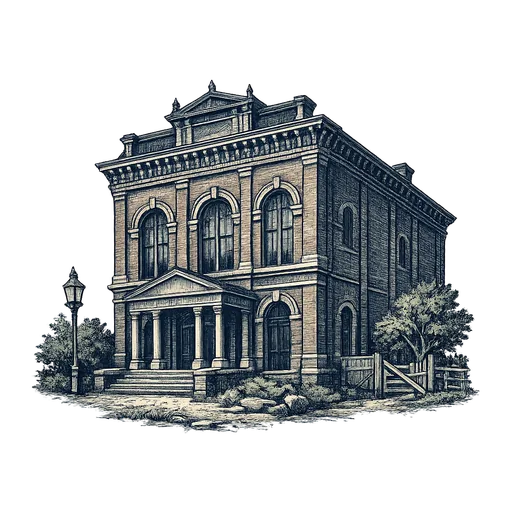
Dock Street Theatre
Charleston, South Carolina · under 1 mile away · Open to visitors
Church
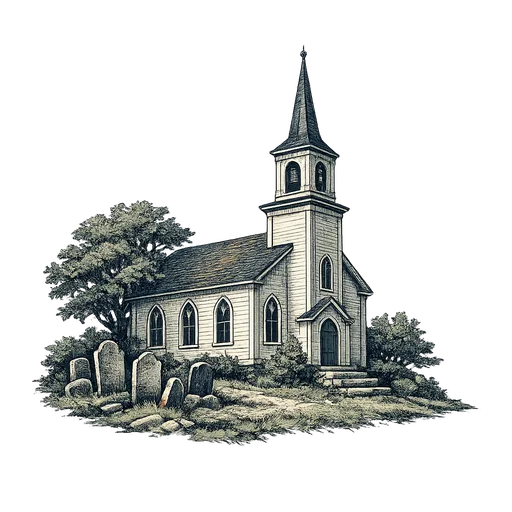
Unitarian Church in Charleston and churchyard
Charleston, South Carolina · under 1 mile away · Open to visitors
Prison
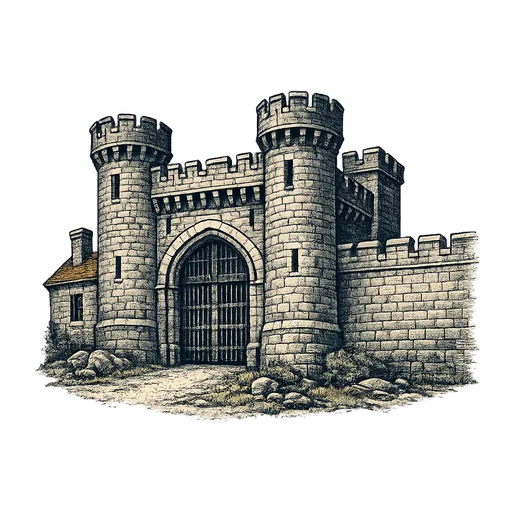
Old City Jail
Charleston, South Carolina · under 1 mile away · Tours only
Hotel
Battery Carriage House Inn
Charleston, South Carolina · under 1 mile away · By permission
Similar places
Also a museum · also reported: cold spots, being touched
Museum · Tombstone, AZ
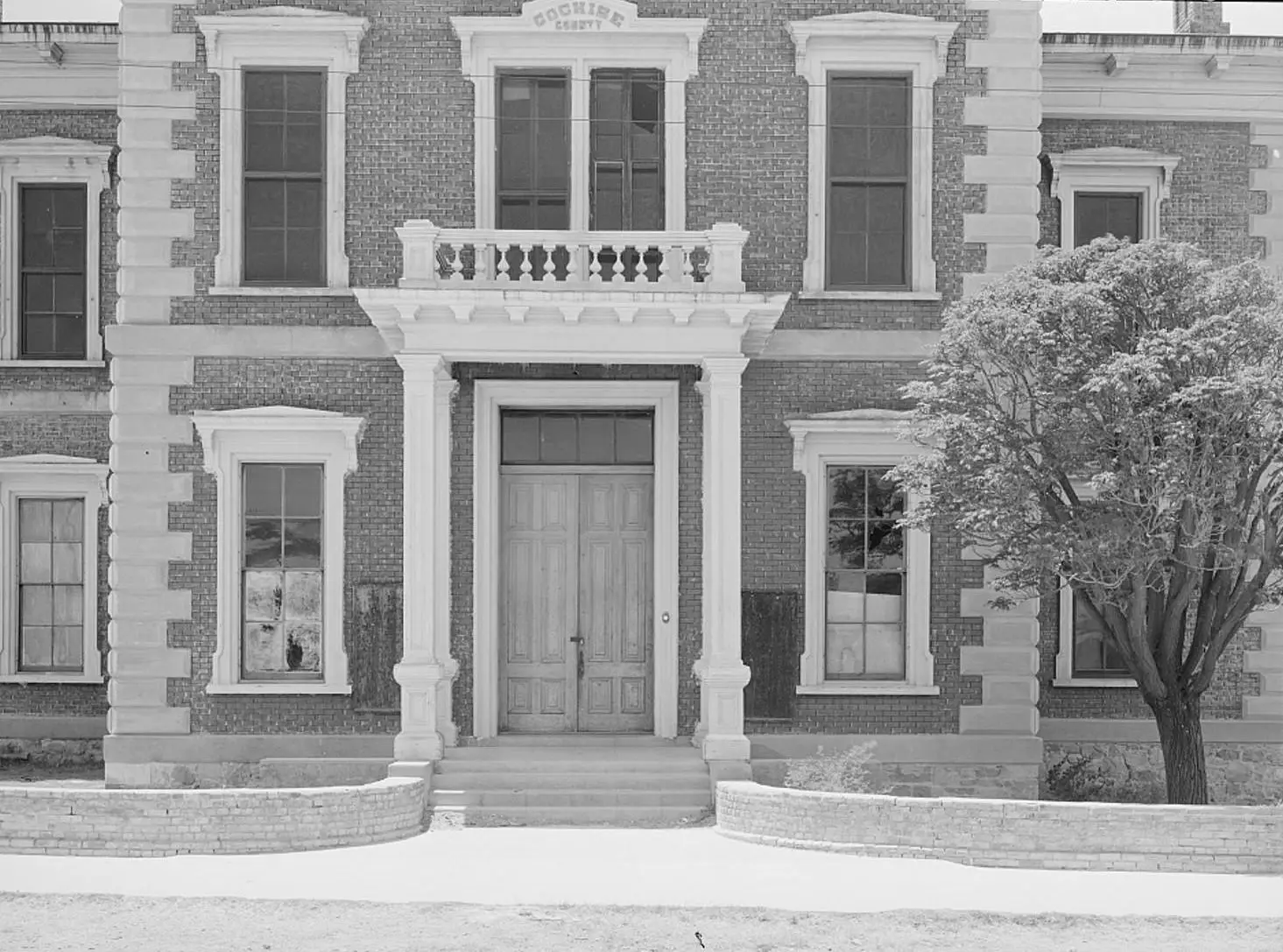
Tombstone Courthouse State Historic Park
The 1882 Cochise County Courthouse in Tombstone held the county's courts, offices and jail, and seven men were executed in its yard, five of them together in March 1884.
UnverifiedOpen to visitorsAlso a prison · also reported: cold spots, being touched
Prison · Mansfield, OH
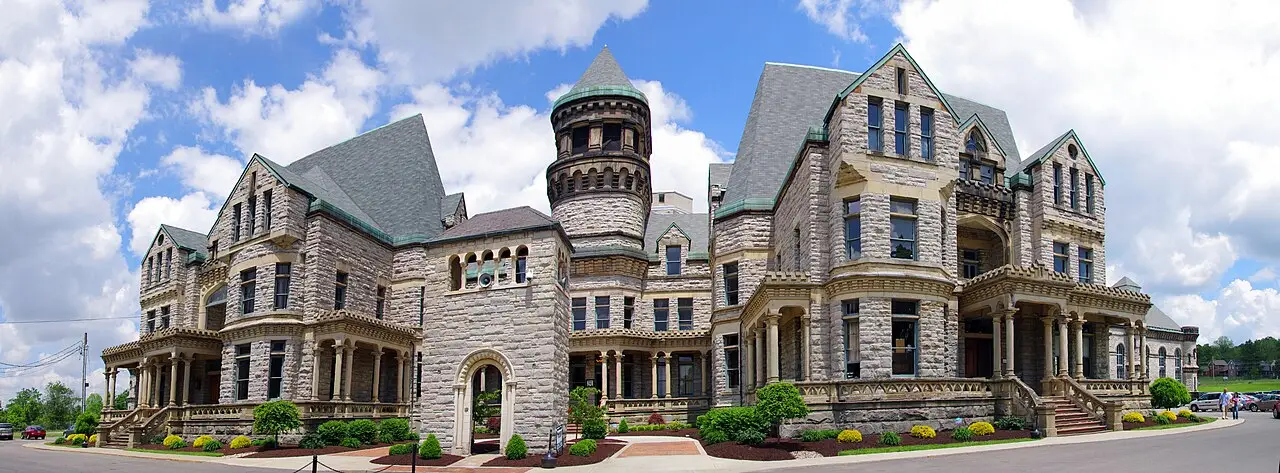
Ohio State Reformatory
The Ohio State Reformatory in Mansfield opened in 1896 and closed in 1990.
Documented AccountsOpen to visitorsAlso a prison · also reported: being touched, moving objects
Prison · Yuma, AZ
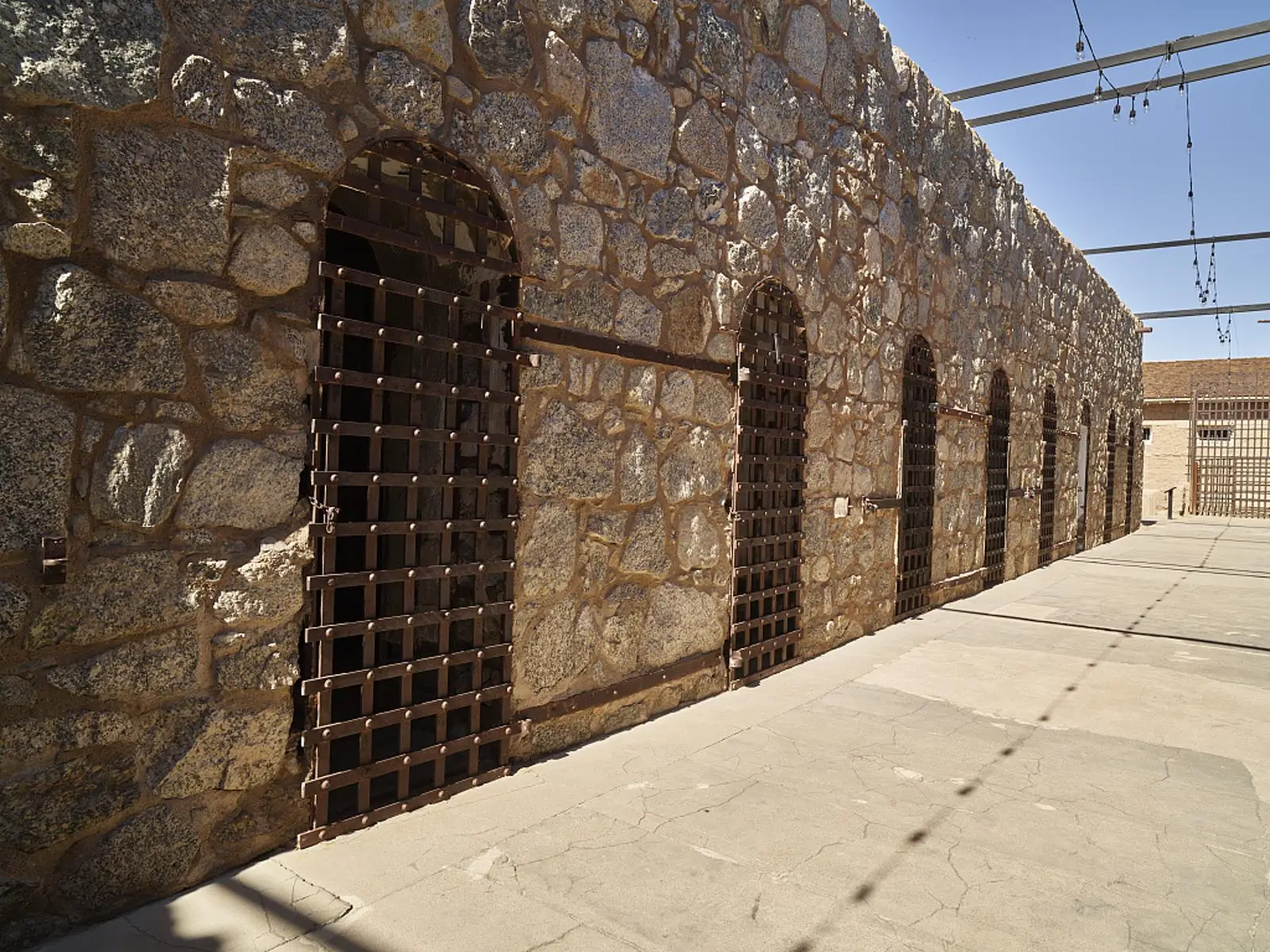
Yuma Territorial Prison State Historic Park
Yuma Territorial Prison held 3,069 people convicted in the Arizona Territory from 1876 to 1909 and is now a state historic park.
Documented AccountsOpen to visitorsAlso a prison · also reported: being touched, moving objects
Prison · Cañon City, CO
Museum of Colorado Prisons
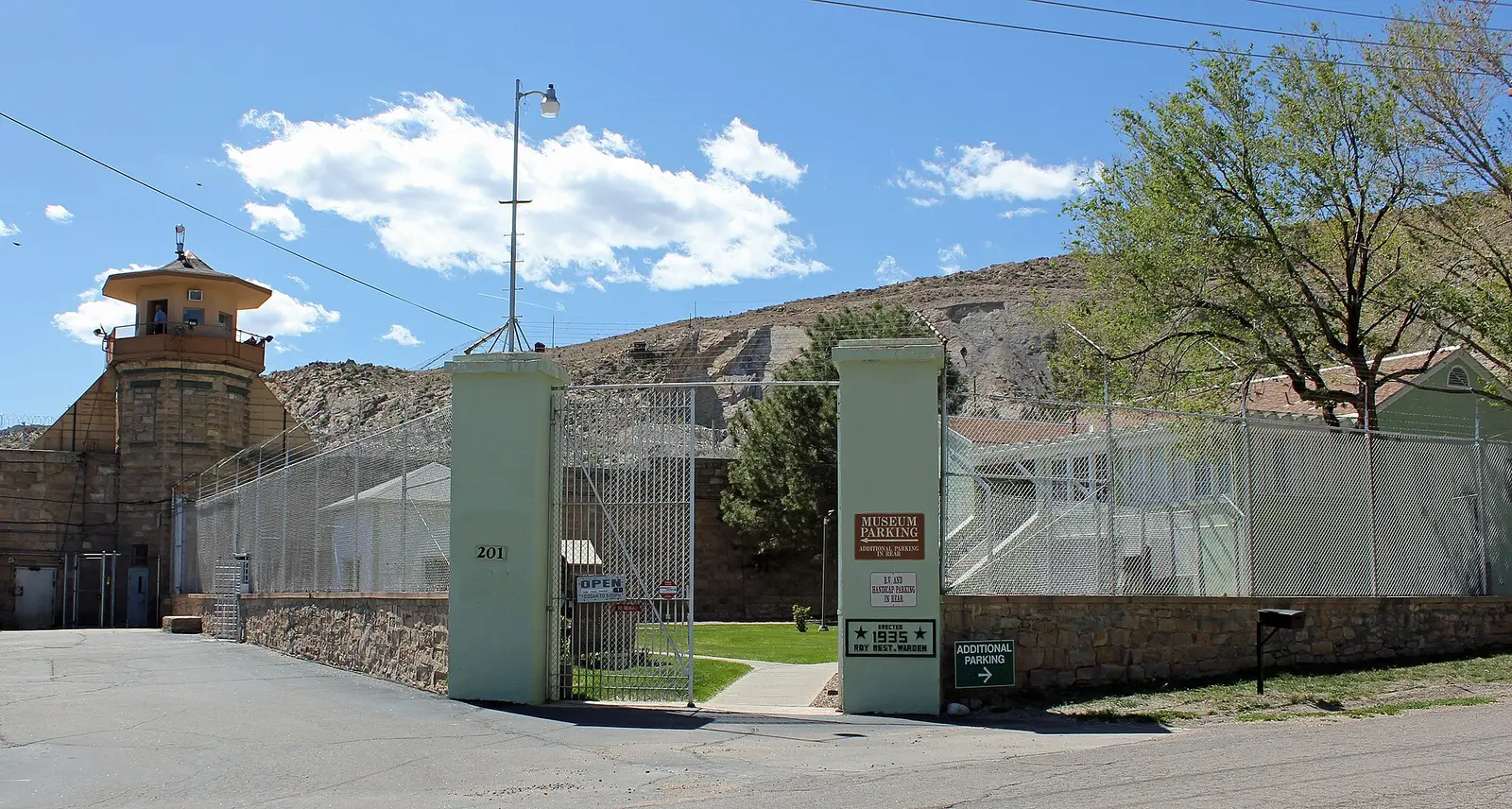
The Museum of Colorado Prisons occupies Colorado's 1935 women's prison, beside the still-operating Territorial Correctional Facility in Cañon City.
Documented AccountsOpen to visitors