What counts as a traceable ghost account?
How we decide which ghost reports count toward a rating, with worked examples of accounts we count and stories we don't.
- Research guide
- Published
- 5 min read
At a glance
A traceable account is one where we can see who had the experience, a named or clearly identified person, and where they first described it, or where a named author collected and first published the witnesses' accounts. We count each independent account once, however often it is retold, and we don't count stories that staff or operators pass on about other people, or photographs and device recordings.
- 10researched places
- 9states
- 10places you can visit
The rule behind every rating
We rate the reports, not the ghosts. A place is Unverified when it has a reputation or legend but no traceable account of an experience. It reaches Documented Accounts with at least one traceable account, and Well Documented with at least three independent accounts that describe consistent experiences. These thresholds are a guide for the reviewer, not a formula, and every rating carries a written rationale. Documented history, however dramatic, never raises a rating: a real death tells us what happened, not what people later experienced. The full rules are in our methodology. The examples below come from the rationales on our place pages.
An account that counts
The clearest case is a named person describing their own experience in print. At Thurber House, the account we count is James Thurber's own published story of hearing footsteps circling the dining-room table in 1915. We know who had the experience and where he described it. A staff member's descriptions of what others have seen, and the museum's list of unnamed experiences, are not counted, so the place is rated Documented Accounts on Thurber's account.
Staff can be witnesses too, as long as they describe what happened to them. At the Molly Brown House Museum, the museum's director told FOX 13 in 2024 that something cold brushed her ankle. That is a clearly identified person, her own experience and a known place of publication, so it counts. Other stories there are relayed by staff or anonymous, and they don't.
Staff passing on what others saw
The rule turns on whose experience it is. At the Ryman Auditorium, the museum curator passed on two staff sightings of a gray figure in the balcony in 2023, without naming or dating the witnesses, and said he has seen nothing himself. Because no witness can be traced, the Ryman is Unverified. The same reasoning applies at Kennesaw House, where in 2022 the museum's director relayed a visitor's conversation with someone staff could not see, but said she had seen nothing herself.
This is not a judgment on anyone's honesty. A relayed story may be true, but we can't check it against the person who had the experience, and the reviewer also weighs whether stories come from people who sell tours of the place.
One story told many times
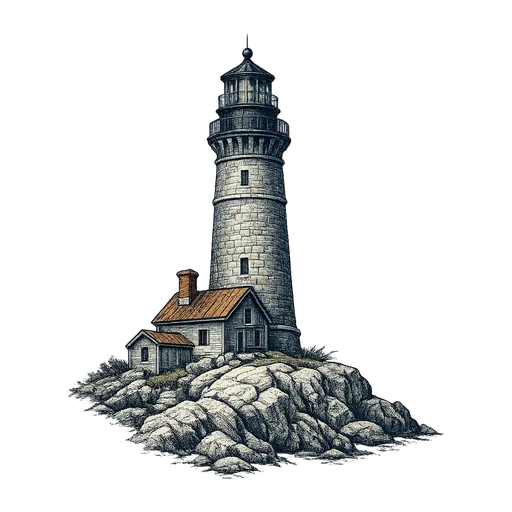
Ghost stories travel. A newspaper article can be retold by books, websites and tours for decades, and we trace each report to where it first appeared. At Heceta Head Lighthouse, a 1975 Siuslaw News story described caretakers, two students and a workman hearing noises and seeing a gray shape and an elderly woman in the attic. They reached print together, so we count them once. An innkeeper's account from 2012 passes on what housekeepers and guests experienced and is not counted.
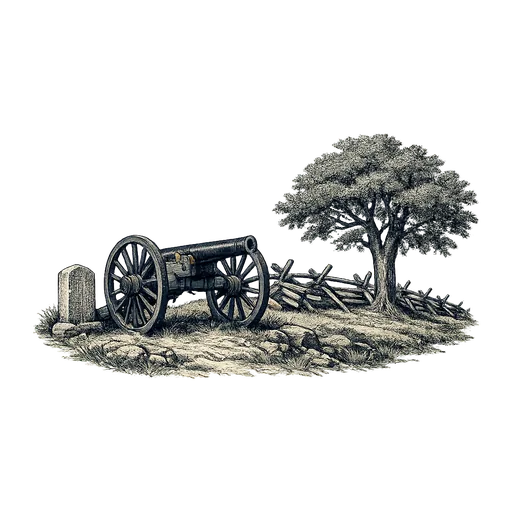
At Devil's Den, the experiences collected by Mark Nesbitt in his Ghosts of Gettysburg books from 1991 have been retold ever since. The witnesses are unnamed, but they were collected and first published by a named author, so together they count as one traceable origin, however often later books, websites and tours repeat them. That meets Documented Accounts, and the well-recorded battle doesn't raise the rating.
Photographs, recordings and feelings
A photograph or a recording is not an account of an experience. The best-known item at the Joshua Ward House is a 1980s photograph said to show a woman, by an unnamed photographer. With no one describing an experience, and the hotel saying its staff have noticed nothing, the place is Unverified.
At Pennhurst State School, a visitor quoted by CNN in 2025 did not hear the reported voice himself; it was another participant's reading of her recording, which is device output. The account we do count is a 2020 report by Ghost Research Society investigators of voices, knocks and shadow figures during a paid investigation. Pennhurst's place in the history of the disability-rights movement doesn't raise the rating.
What Well Documented takes
Three accounts are not enough on their own: they must be independent and describe consistent experiences. The Winchester Mystery House has three traceable accounts from staff describing their own experiences: a hand moving across a head in 1983, a figure in a hallway in 2004 and footsteps on the roof in 2023. They describe different things, so it is rated Documented Accounts.
Liberty Hall shows what the top rating needs. It has four traceable accounts, three of them describing the same gray female figure, mostly in the back bedroom: the Brown family's sightings in the 1820s, recorded by Rebecca Averill; Mary Mason Scott's sightings in the 1880s, described in her own letter; and Averill's own sighting in 1911. Two guards in the 1960s add slamming doors and cries. The museum's retellings name these original sources, so reaching us through its blog doesn't merge them into one, and Liberty Hall is rated Well Documented.
Even then, the rating describes the strength of the reports, not their cause. For how these rules play out across all our places, see the evidence report.
Notable places in this guide
The best-documented places the guide draws on. Each page has the full history, every account we traced and the sources.
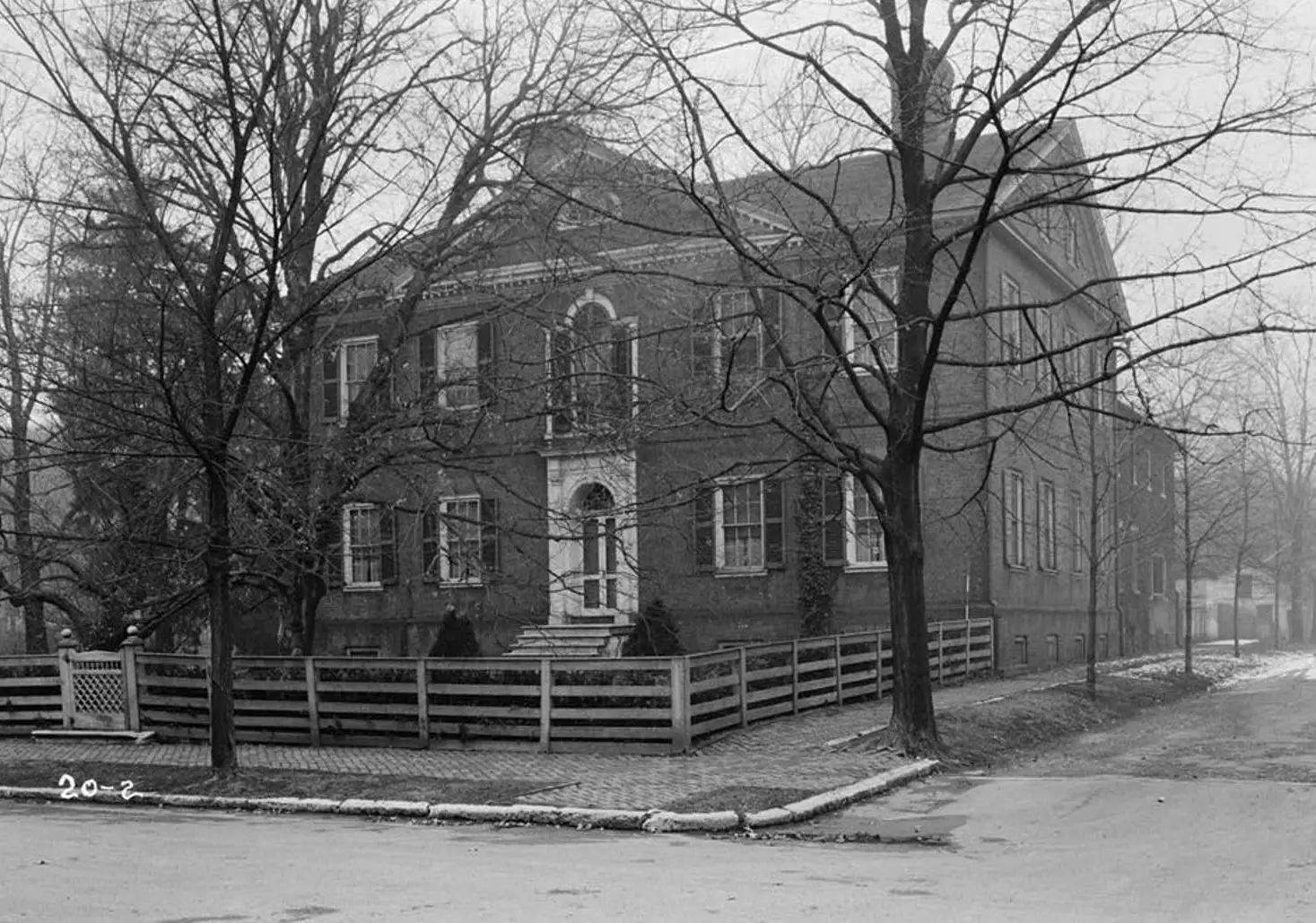
Historic house · Frankfort, KY
Liberty Hall Historic Site
Liberty Hall in Frankfort is the Federal-style home Senator John Brown built from 1796, now a museum.
Well DocumentedTours only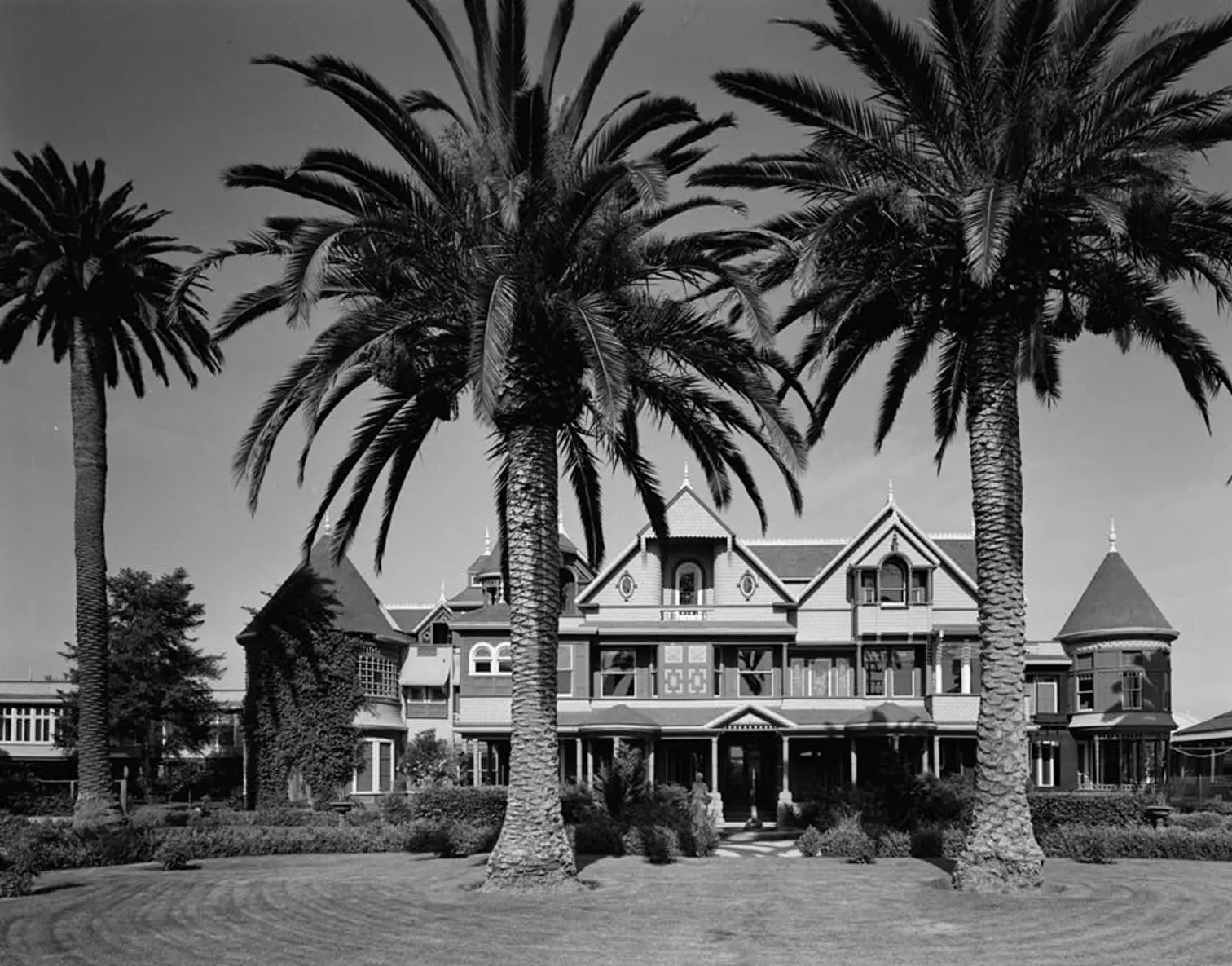
Historic house · San Jose, CA
Winchester Mystery House
Footsteps, touches and apparitions reported by the house’s own staff over forty years.
Documented AccountsTours only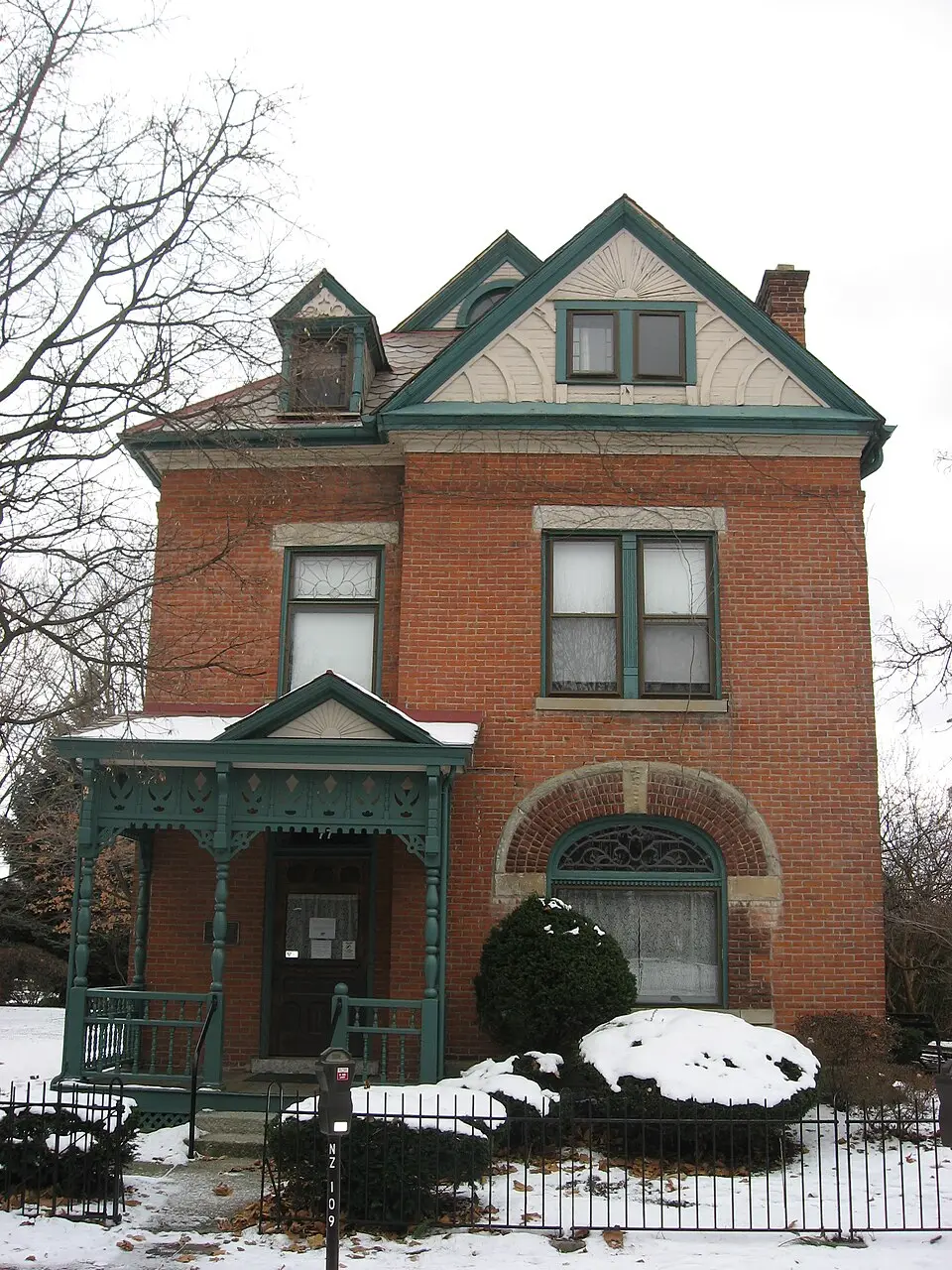
Museum · Columbus, OH
Thurber House
Thurber House is James Thurber's boyhood home in Columbus, now a literary center and museum.
Documented AccountsOpen to visitors
All 10 places in this guide
Museum
Thurber House
Columbus, Ohio
Historic house
Molly Brown House Museum
Denver, Colorado
Theater
Ryman Auditorium
Tennessee
Museum
Kennesaw House
Marietta, Georgia
Lighthouse
Heceta Head Lighthouse
Oregon
Battlefield
Devil's Den
Pennsylvania
Hotel
Joshua Ward House
Salem, Massachusetts
Former asylum
Pennhurst State School and Hospital
Pennsylvania
Historic house
Winchester Mystery House
San Jose, California
Historic house
Liberty Hall Historic Site
Frankfort, Kentucky
Written from our published research and reviewed by the editor. Send a correction.